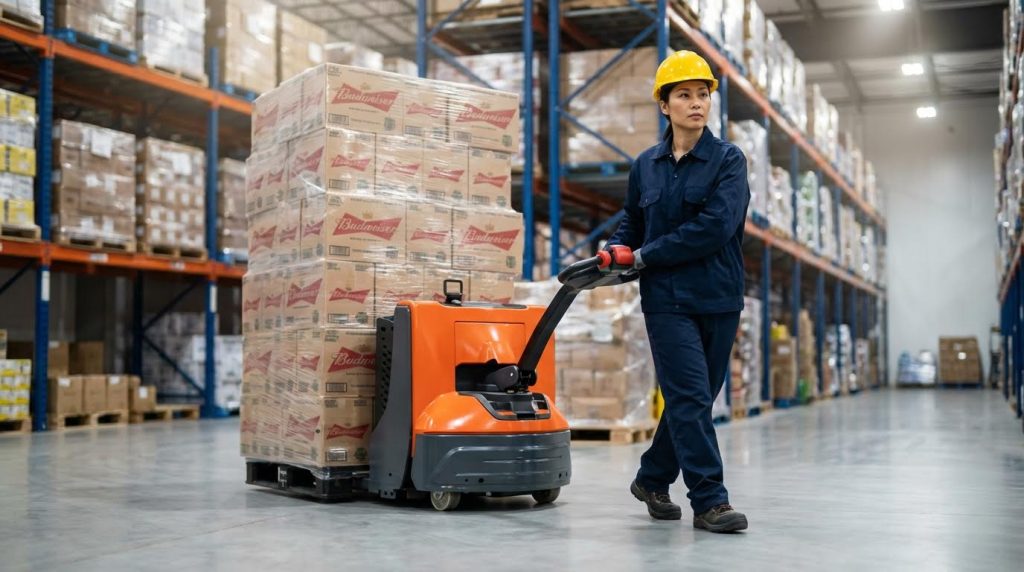
Safe, efficient truck unloading with pallet jacks depends on planning, inspection, and disciplined operating steps. This guide explains how to unload a truck with a pallet jack using a structured approach that aligns engineering judgment with OSHA rules and site procedures.
You will see how pre‑planning, risk assessment, and compliance checks reduce dock and trailer hazards before the first pallet moves. The article then covers pallet jack inspection, load handling basics, and a detailed, step‑by‑step unloading sequence, including ramps and uneven surfaces. The final section summarizes key safety lessons and best practices that operations, safety, and engineering teams can adopt as a shared standard.
Pre‑Planning, Risk Assessment, And Compliance
Pre‑planning is the first control step when deciding how to unload a truck with a pallet jack. Good planning reduces manual strain, impact risks, and product damage. This section explains how to inspect the dock and trailer, verify load data, and apply OSHA and site rules. It also shows how digital tools and telematics improve consistency and traceability.
Assess Dock, Trailer, And Floor Conditions
Before unloading, check if the dock and trailer can safely support pallet jack traffic and pallet weights. Inspect the dock plate or leveler for rated capacity, secure placement, and lip overlap on the trailer bed. Confirm trailer restraint or wheel chocks are engaged so the trailer cannot creep or separate from the dock. Walk the route and look for defects such as broken boards, potholes, gaps, wet spots, or loose debris.
When planning how to unload a truck with a pallet jack, focus on surface continuity from trailer to storage location. Verify floor flatness, slope, and transitions at thresholds or expansion joints. Poor surfaces increase push forces and stopping distance, especially with heavy pallets. If floor defects exist, adjust the route, reduce speed, or block the area until repaired.
Verify Load Data, Pallet Integrity, And Layout
Accurate load data is central to safe unloading. Compare shipping documents, labels, or onboard scales with the pallet jack capacity plate. If the weight is unknown or unclear, treat the load as suspect and have it weighed or split before moving. Check that the center of gravity will sit between the forks and within the rated load center distance.
Assess pallet condition before inserting the forks. Reject pallets with broken deck boards, pulled nails, crushed blocks, or visible rot. Inspect how the freight is stacked and wrapped. Look for overhang, leaning columns, or voids inside the stack. Unstable loads should be re‑wrapped, banded, or restacked before travel. Plan the unloading order so you remove pallets in a pattern that avoids trapping, tight turns, or dead ends inside the trailer.
| Aspect | What to verify |
|---|---|
| Load weight | Within pallet jack rated capacity |
| Load center | Centered on forks and within plate value |
| Pallet condition | No broken boards or crushed blocks |
| Stack stability | No leaning, overhang, or loose items |
OSHA And Site‑Specific Compliance Checklist
OSHA rules for powered industrial trucks apply when you unload a truck with an electric pallet jack. OSHA 1910.178 required pre‑use inspections, stable loads, safe speeds, and trained operators. Sites often added tighter limits on trailer entry, dock edge distances, and maximum pallet heights. A structured checklist helped operators confirm these points before they moved the first pallet.
A practical compliance checklist normally covered:
- Operator training and authorization for the specific pallet jack type.
- Pre‑use inspection of hydraulics, forks, wheels, and controls.
- Verification of load stability, wrapping, and pallet condition.
- Route clearance, lighting, and pedestrian controls.
- Use of PPE such as safety shoes and high‑visibility vests.
Supervisors used these lists to audit unloading jobs and close gaps between OSHA minimums and internal standards. Consistent documentation helped defend safety programs and target high‑risk behaviors like pulling loads, riding jacks, or speeding in trailers.
Integrating Digital Checklists And Telematics
Digital tools made it easier to control how to unload a truck with a pallet jack in busy warehouses. Tablet or scanner‑based checklists forced completion of key questions before the pallet jack could be released. These systems often linked operator ID, equipment ID, and time stamps to each pre‑use inspection. Failed items triggered automatic maintenance tickets or lockouts.
Telematics on powered pallet jacks tracked impacts, speeds, and entry into high‑risk zones such as docks and trailers. Supervisors used this data to spot harsh braking, overload attempts, or repeated near‑miss locations. Some systems integrated pedestrian alerts or zone‑based speed limits. Over time, this data supported engineering changes like revised dock layouts, improved floor markings, or different pallet patterns inside trailers.
Digital records also improved training. Safety teams could replay typical unloading runs, highlight good techniques, and correct unsafe habits. When combined with clear written procedures, these tools turned pre‑planning from a paperwork step into a measurable control for every truck unload.
Pallet Jack Inspection And Load Handling Basics
This section explains how to prepare the pallet jack and load before you start thinking about how to unload a truck with a pallet jack. Good inspection and load setup cut the risk of jack failure, product damage, and operator injury. The focus is on simple checks that any trained operator can apply in busy dock conditions.
Pre‑Use Mechanical And Hydraulic Inspection
OSHA 1910.178(q)(7) required a pre‑use check for pallet jacks. Operators should complete this before entering any trailer. The aim is to catch defects that could cause loss of control under load.
Key inspection points include:
- Forks: no bends, cracks, or twisted tips; full fork length usable.
- Hydraulics: no oil leaks, smooth lift and lower, no sudden drops.
- Wheels and rollers: no flat spots, chunks, or debris wrapped around axles.
- Handle and controls: neutral returns correctly, release lever works, no excessive play.
If any defect appears, tag the pallet jack out of service and report it. Do not try to unload a truck with a pallet jack that fails these checks. A simple daily checklist, paper or digital, helps standardize this process and proves compliance during audits.
Verifying Capacity, Load Center, And Stability
Before you decide how to unload a truck with a pallet jack, you must confirm that the jack can safely carry the load. Check the nameplate or decal for rated capacity and load center distance. Typical manual jacks show a single capacity at a 600 millimetre load center.
Use this simple sequence:
- Find the pallet weight from shipping papers, labels, or scales.
- Compare weight to rated capacity; never exceed the rating.
- Confirm the load center is near the fork midpoint, not at the tips.
- Check that stacked goods do not exceed safe height for stability or visibility.
OSHA 1910.178(o)(1) required only stable, safely arranged loads. Off‑center or top‑heavy pallets increase tip‑over risk, especially at dock edges, on lift gates, or on rough trailer floors. If you cannot center the load, lower travel speed, increase following distance, and consider breaking the load into smaller units.
Centering, Securing, And Wrapping The Load
Load preparation is a core part of how to unload a truck with a pallet jack without product loss. Good practice starts with fork placement. Insert the forks fully under the pallet, with equal overhang on both sides. The pallet deck boards should sit square to the forks.
For stability:
- Center the pallet on the forks so the weight sits between the wheels.
- Stack heavy items low, lighter items high, in a tight pattern.
- Keep the total height within site rules so the operator can see ahead.
Secure the load if there is any sign of movement. Use stretch wrap, banding, or corner posts for loose cartons, drums, or irregular shapes. If the load extends above the backrest or feels unstable when you test move it, re‑wrap or re‑stack before leaving the trailer. A few extra minutes on load securing greatly reduces shift, product damage, and near misses during the travel path from trailer to storage.
Step‑By‑Step Truck Unloading Procedure
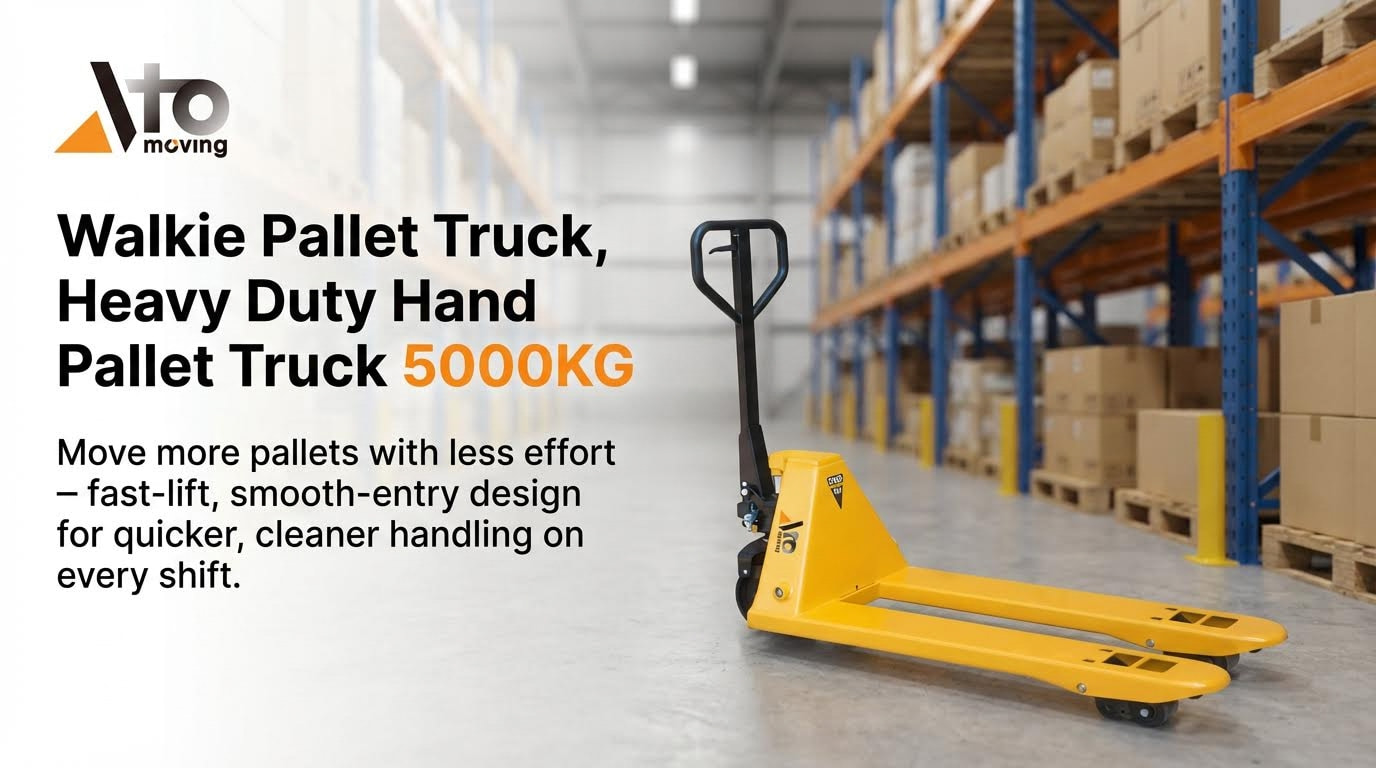
This section explains how to unload a truck with a pallet jack in a controlled, repeatable way. The focus is on stable load handling, predictable pallet jack behavior, and clear operator actions from trailer entry to final parking. Each step links to OSHA expectations for safe operation and typical site rules for docks, ramps, and staging areas.
Positioning The Jack And Entering The Trailer
Start with a clear plan for how to unload a truck with a pallet jack. Confirm the dock plate or bridge plate sits flush with the trailer and locks in place. Check for trailer movement, gaps, and height differences that could trap wheels. Verify wheel chocks and dock locks hold the trailer before entry.
Stand behind the pallet jack and keep both hands on the handle. Align the forks square to the pallet openings before entry. Enter the trailer slowly with forks lowered and straight. Maintain a clear line of sight and stop if lighting or visibility is poor.
Inside the trailer, keep enough space from side walls and stacked freight. Avoid contact with trailer posts, load bars, or loose cartons. Plan the extraction order so you never trap yourself behind unstable loads.
Lifting, Pushing, And Maneuvering The Load
Insert the forks fully under the pallet before lifting. Partial fork entry increases bending stress and risk of broken deck boards. Pump the handle until the pallet clears the floor by about 50–75 mm. Extra lift does not add safety and increases effort.
Push the pallet jack instead of pulling in almost all cases. Pushing keeps the load ahead of you and reduces back strain. Maintain walking speed that allows a full stop within your clear sight distance. OSHA guidance required speeds that allow safe stopping at all times.
Use wide, slow turns to protect load stability. Tight turns with a raised load shift the center of gravity toward the outer wheel set. Avoid sudden stops that can cause load shift or pallet damage. Keep the route free of debris, shrink wrap tails, and wet patches.
Ramps, Slopes, And Uneven Surface Techniques
When planning how to unload a truck with a pallet jack across slopes, treat every gradient as a hazard. For manual pallet jacks, descend ramps walking uphill of the load. Keep the jack between you and the pallet to avoid run‑away loads. Never turn on a ramp; align straight before moving.
On short dock plates, move slowly and avoid direction changes on the plate. The combined mass of jack and pallet can exceed 1 000 kg. Sudden steering on a flexible plate can cause bounce and loss of control. Follow site rules that may ban manual jacks on steep external ramps.
For rough or uneven floors, reduce speed and keep forks just clear of high points. Cross dock thresholds and surface joints at a right angle. If wheels jam or the load rocks, stop and re‑assess rather than forcing the move. Use equipment with suitable wheels or pneumatic tires for outdoor yards.
Post‑Unload Parking, Lockout, And Maintenance
Once pallets sit in the staging area, lower the forks fully to the floor. This removes stored energy from the hydraulic system and cuts trip risk. Pull the forks clear of walkways, exits, and fire equipment. Never leave a loaded pallet jack unattended in an aisle.
Park the pallet jack in a marked bay or equipment zone. Position the handle in the upright or locked position, as the design allows. For powered jacks, switch off the key or access control and apply any parking brake. Follow site lockout rules before service or cleaning.
After unloading, perform a quick condition check. Look for leaking hydraulic oil, damaged wheels, or bent forks caused by dock impacts. Record defects in the maintenance system and tag unsafe units out of service. This closes the loop between daily operation and long‑term reliability.
Summary: Key Safety Lessons And Best Practices

Teams that search how to unload a truck with a pallet jack usually need a simple, repeatable method. The core lesson is that safe unloading starts before the trailer doors open. Operators must inspect the pallet jack, confirm load data, and walk the full route between dock and storage. This planning step prevents most near misses and product damage.
OSHA rules required pre‑use checks, stable loads, and trained operators. In practice, this means three non‑negotiables when deciding how to unload a truck with a pallet jack:
- Use only inspected, fault‑free equipment.
- Keep every pallet within rated capacity and properly centered.
- Move at a walking pace with clear visibility and a clear path.
The step‑by‑step procedure focused on controlled entry into the trailer, low fork travel height, and pushing instead of pulling. Extra care is essential on dock plates, slopes, and uneven floors, where loss of control is most likely. After unloading, operators should park with forks fully lowered, apply any lockout devices, and report defects for maintenance.
Industry trends now add digital checklists, impact sensors, and telematics. These tools help verify inspections, flag overloads, and log unsafe behaviors. However, technology only works when paired with strong training, clear communication with spotters and pedestrians, and a steady safety culture. Facilities that combine these elements handle higher throughput while keeping pallet jack incidents low.
,
Frequently Asked Questions
How to unload a truck with a pallet jack?
Unloading a truck with a pallet jack is straightforward if done correctly. Start by ensuring the pallet jack is functional and matches the pallet type (wooden or plastic). Position the pallet jack forks under the pallet, ensuring they are fully inserted. Use the handle to lift the pallet slightly off the truck floor. Carefully maneuver the pallet jack backward out of the truck, ensuring the load remains stable. Pallet Moving Guide.
What safety precautions should you take when unloading a truck with a pallet jack?
Safety is critical when using a pallet jack to unload a truck. Always wear appropriate PPE like gloves and safety shoes. Ensure the truck’s wheels are chocked to prevent movement. Check the pallet’s weight to avoid overloading the pallet jack. Move slowly and avoid sharp turns that could destabilize the load. Finally, ensure the pathway is clear of obstacles to prevent accidents. Pallet Jack Safety Tips.