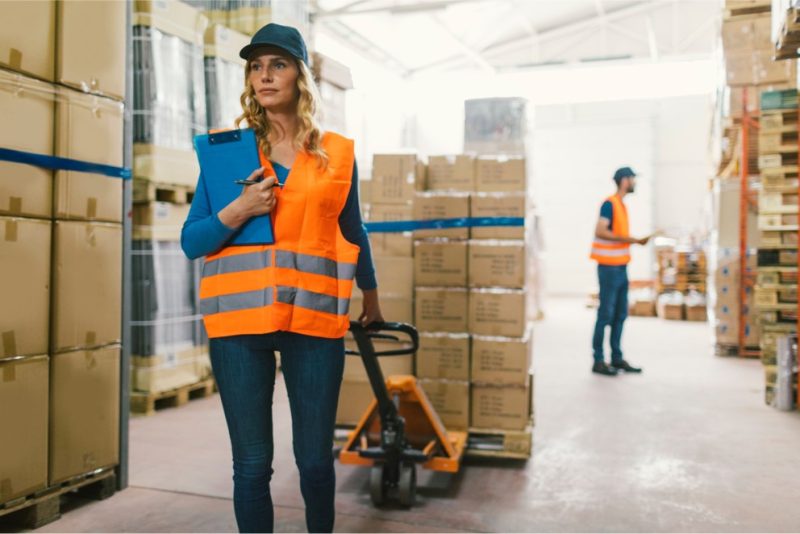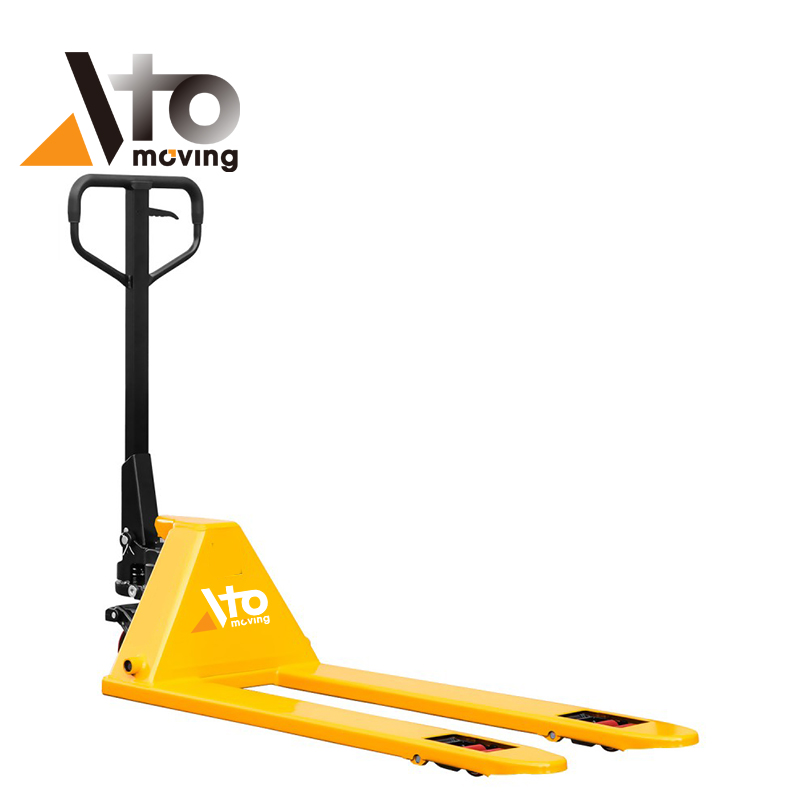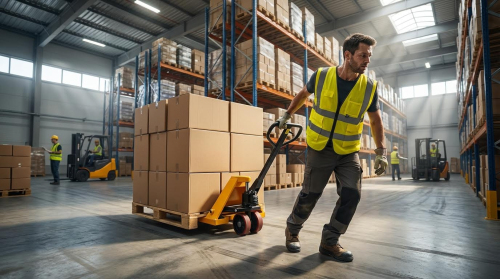
Safe, efficient hand pallet truck use starts with the basics of steering, braking, and load control. This article explains how to use a hand pallet truck from pre-use checks through core handling techniques and steering dynamics.
You will see how to inspect structure, hydraulics, and brakes, assess load stability, and choose correct PPE. The middle sections cover three-position handle use, push versus pull strategy, ramps, elevators, and mixed-terrain operation. The final section brings these ideas together into a compact summary so supervisors and operators can align on one safe operating standard.
Pre-Use Inspection And Load Assessment

Pre-use checks are the first step in how to use a hand pallet truck safely. A short, consistent inspection routine reduces breakdowns and helps prevent the warehouse injuries that OSHA linked to poor pallet truck use. Load assessment is just as important as mechanical checks, because overloads and unstable pallets cause most tip and crush events. A structured approach lets supervisors train new operators quickly and keeps procedures repeatable across shifts.
Structural, Wheel, And Fork Condition Checks
Start with a quick walk-around before every shift. Look for bent or cracked forks, twisted frames, or loose fasteners. Any visible deformation means the steel has yielded and the truck should be tagged out.
Check the fork tips and heel areas for wear. Excess wear reduces fork section and can lead to sudden failure under load. Inspect load wheels and steer wheels for flat spots, cuts, or chunking. Debris wrapped around axles increases rolling resistance and forces operators to use more effort.
On smooth indoor floors, small hard wheels roll easily. On rough concrete, larger diameter wheels reduce shock and improve control. Verify the entry rollers under the fork tips turn freely. Stuck rollers increase impact when entering pallets and can damage deck boards.
Hydraulic System, Controls, And Brake Function
Hydraulics directly affect how to use a hand pallet truck without sudden drops. Check the pump unit and cylinder for oil leaks, wet seals, or damaged hoses. Leaks reduce lifting capacity and create slip hazards.
Cycle the three-position handle through raise, neutral, and lower. The forks should rise smoothly when you pump in raise. They should stay at height in neutral without creeping down. In lower, the descent should be controlled, not sudden.
If the truck stood idle for a long time, bleed air by pumping the handle several times without load. Where fitted, test the parking or manual brake. It must hold the truck on a slight slope with the rated load, otherwise maintenance is required.
Verifying Load Capacity And Stability Margins
Safe load planning sits at the core of how to use a hand pallet truck correctly. First, read the capacity plate on the truck frame. Compare this value with the estimated pallet weight from packing lists or labels.
Keep a safety margin. Avoid operating close to the maximum rating to allow for weight errors and dynamic forces during starts and stops. Place the pallet fully on both forks, with the centre of mass near the fork centre line.
Do not travel with loads supported on one fork only or on the fork tips. Such use shifts the centre of gravity and can overload one wheel set. For tall or uneven loads, secure items with wrap or straps so nothing can shift when turning or braking.
Typical good practice includes:
- Keep fork height about 2–5 cm above the floor during travel.
- Avoid stacking goods so high that they block forward view.
- Refuse any load that looks unstable or exceeds the truck rating.
PPE, Operator Readiness, And Work Area Hazards
Personal readiness is part of how to use a hand pallet truck safely, not an extra. Operators should wear safety shoes with toe protection, close-fitting work clothes, and gloves where splinters or sharp edges exist. Loose clothing or jewellery can snag on pallets or the truck handle.
Supervisors should confirm the operator can control the truck and understands push versus pull guidance. Pushing usually reduces back strain and gives better body posture. Pulling can help visibility in some layouts but can twist the spine if used incorrectly.
Before moving any load, walk the route. Remove debris, shrink wrap tails, cords, or spills that could stop wheels or cause slips. Check that aisles, ramps, and elevator floors can support the combined weight of truck, load, and operator.
Do not allow bystanders in the immediate operating zone. This reduces the risk of foot crush injuries and impact during sudden equipment failure. Clear rules on no riding, no horseplay, and walking-speed travel complete a solid pre-use safety routine.
Core Operating Techniques And Load Handling
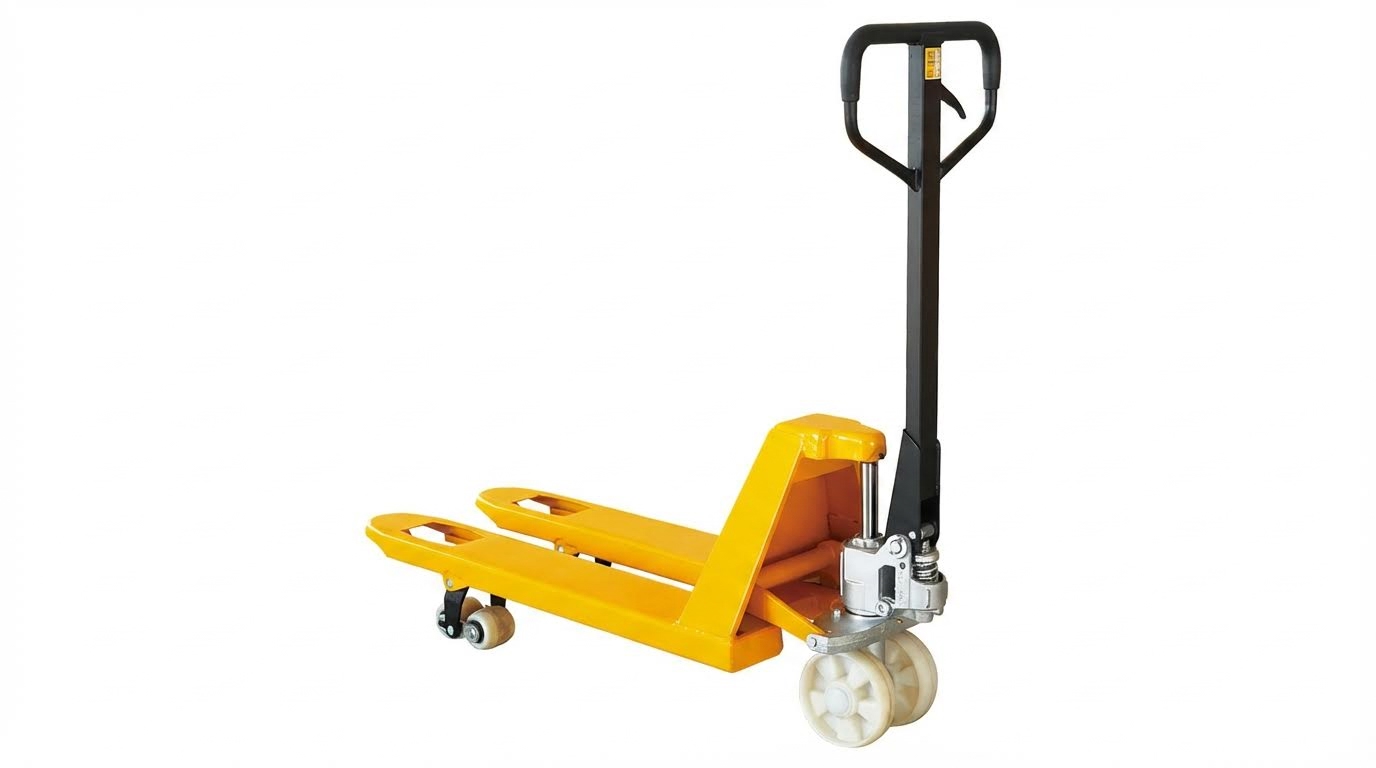
Operators who search for how to use a hand pallet truck usually want clear, repeatable techniques. Core operating skills focus on correct handle use, safe lifting heights, load placement, and route choice on flat floors, ramps, and mixed terrain. These practices reduce strain on the operator and lower the risk of tip‑over, brake loss, or load shift. The following sections break down each step into simple, field-ready actions.
Three-Position Handle: Raise, Neutral, Lower
The three-position handle is the primary control on a hand pallet truck. It usually has raise, neutral, and lower positions. To lift the load, the operator sets the lever to raise and pumps the handle until the forks clear the floor. A clearance of about 2–5 centimetres is enough for most pallets and keeps the centre of gravity low.
For travel, the lever must sit in neutral. In this position, the hydraulic system is disengaged, and the forks stay at the selected height. To lower the load, the operator pulls the lever into the lower position. The spring mechanism then returns the lever to neutral once released, which prevents unplanned lowering. This simple sequence is central to every method that explains how to use a hand pallet truck safely.
Safe Lifting, Travel Height, And Load Placement
Safe operation starts before the first pump of the handle. The operator should centre the pallet on both forks and avoid lifting with one fork only. Uneven loading shifts the combined centre of gravity and increases the risk of tipping when turning or braking. Loads stacked too high can also block the view and reduce control.
During travel, the forks should stay low, typically 2–5 centimetres above the floor. This height reduces the overturning moment and limits damage if the truck hits debris. Sudden starts and stops can cause load slip, so operators should accelerate and brake gradually. At the destination, the operator positions the pallet square to the drop point, then lowers the forks fully to remove tripping hazards.
| Stage | Fork Height | Key Purpose |
|---|---|---|
| Approach pallet | Fully lowered | Easy entry into pallet openings |
| Loaded travel | 2–5 cm above floor | Stability and obstacle clearance |
| Parking / storage | Fully lowered | Reduced trip and roll risk |
Push Vs. Pull: Ergonomic And Safety Tradeoffs
Guidance on how to use a hand pallet truck often highlights the push versus pull decision. Pushing places the operator behind the load, which improves use of body weight and reduces back strain. It also keeps the arms in a stronger posture and lowers the risk of shoulder injury. For heavy loads on level floors, pushing is usually the better ergonomic choice.
Pulling can offer better manoeuvrability in tight aisles because the operator walks ahead and can see obstacles sooner. However, pulling a heavy load for long distances can overload the lower back and shoulders. A practical approach is:
- Prefer pushing on flat, open routes for better control.
- Use pulling only for short moves or tight spots where visibility matters.
- Keep speed to a walking pace in both cases.
Operators should never ride on the truck or allow others to stand on the forks. These actions shift the design load and sharply increase injury risk in any sudden stop.
Ramps, Elevators, And Mixed-Terrain Operation
Ramps and uneven ground are high-risk areas for hand pallet trucks. On slopes, the operator should stay on the high side of the load. When descending with a manual truck, backing down the ramp helps keep control and reduces the chance of the load running away. The truck should always align straight with the ramp; turning on a slope can cause sideways tip‑over.
For rough or outdoor surfaces, larger or pneumatic wheels handle small holes and joints better than hard, small wheels. Even with suitable wheels, operators must reduce speed and watch for sudden level changes that can shock-load the forks. In elevators, the operator must confirm the rated capacity covers the weight of the truck, load, and person. The load should enter first, and no additional people should stand near the pallet during entry or exit.
After clearing ramps or elevators, the operator should return the forks to the normal travel height of 2–5 centimetres. At the end of the task, the forks must be fully lowered, and the truck parked in a marked area away from doors, ramps, and emergency exits. These routines close the loop on how to use a hand pallet truck with consistent safety margins in varied environments.
Steering Dynamics, Braking, And Maneuverability
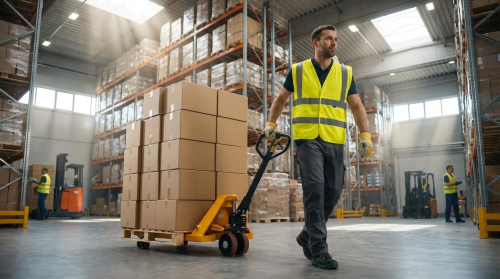
Steering, braking, and maneuverability decide how to use a hand pallet truck safely in tight warehouse layouts. Poor technique in these areas often leads to foot injuries, crushed pallets, and lost time. This section explains how turning radius, center of gravity, handle design, and braking methods work together. It links these engineering basics to daily decisions operators make when moving loads in aisles, on ramps, and near people.
Turning Radius, Center Of Gravity, And Stability
The turning radius sets how close a hand pallet truck can turn around racks or machinery. A smaller radius helps in narrow aisles but increases the risk of sharp, unstable turns if the operator rushes. When learning how to use a hand pallet truck, operators should test the turning circle unloaded first, then with a typical load.
The combined center of gravity of truck and load must stay inside the wheelbase. High or off‑center loads shift the center of gravity toward the edge and reduce stability. Typical safe practice is to keep forks 2–5 cm above the floor, with the load centered across both forks. Operators should avoid sudden direction changes at speed, especially when the load is tall or near rated capacity.
Floor quality also affects stability. Smooth, level floors allow predictable steering, while damaged or uneven floors cause shocks that can move the center of gravity suddenly. On slopes or ramps, the center of gravity shifts downhill, so the operator must stay on the high side and keep the truck aligned straight with the slope.
Steering Geometry, Handle Design, And Effort
Hand pallet trucks use simple mechanical steering. The tiller handle links directly to the steer wheels, so steering effort rises with load and floor friction. Good steering geometry keeps the wheels tracking smoothly and reduces side drag in tight turns.
Handle length and angle strongly influence effort. A longer handle gives more leverage and reduces push or pull force. However, in very tight spaces, a shorter effective radius can help avoid striking racks or pallets. An adjustable tiller angle helps operators keep a neutral wrist posture and reduce fatigue during long shifts.
Ergonomic handle heads with clear three‑position controls support safer operation. Operators can steer with both hands while selecting raise, neutral, or lower without looking down. When planning how to use a hand pallet truck in a specific facility, engineers should match handle geometry to aisle width, typical load mass, and operator stature. Regular checks for bent handles or stiff pivot points are essential because increased friction quickly raises steering force and strain.
Manual Braking, Emergency Stops, And Parking
Most hand pallet trucks rely on rolling resistance and operator force for normal stopping. Some models include a mechanical brake linked to the handle or a separate lever. Operators should always plan extra stopping distance when the truck is fully loaded, especially on smooth floors.
For controlled braking, operators should slow by reducing push or pull force and keeping the truck straight. Sudden sideways pulls can twist the load and shift the center of gravity outside the wheelbase. On ramps, best practice is to keep the load uphill and descend backward so the operator can use body weight to resist motion.
Emergency stopping focuses on two actions. First, stop the truck movement as straight as possible. Second, lower the load to the floor by releasing or actuating the lowering control, which quickly improves stability. For parking, operators should fully lower the forks, place the handle in the neutral or brake position, and leave the truck in a marked area away from doors, ramps, and emergency routes.
Maintenance, Training, And Incident Prevention
Good steering and braking depend on mechanical condition. Worn steer wheels, dry bearings, or bent linkages increase effort and reduce control. Maintenance teams should inspect wheels, axles, and tiller joints on a fixed schedule and lubricate pivot points according to the manufacturer’s instructions.
Training must cover more than lift and lower functions. Operators should practice tight turns with and without loads, controlled stops, and ramp techniques. Short toolbox talks can highlight common errors such as riding the truck, turning on slopes, or dragging loads with forks too high.
Supervisors should monitor near‑miss reports that involve steering or stopping issues. Patterns such as repeated wheel damage or scuffed rack uprights often indicate poor maneuvering practices or unsuitable truck selection. When facilities update layouts or change pallet sizes, they should review how to use a hand pallet truck in the new conditions and adjust training, signage, and traffic rules to keep incident rates low.
Summary: Safe, Efficient Hand Pallet Truck Use
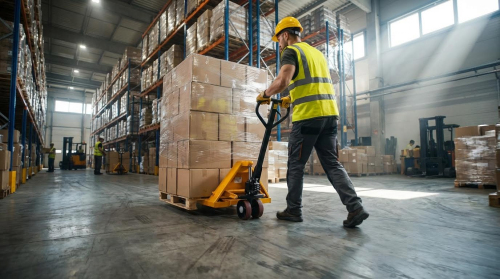
Safe answers to how to use a hand pallet truck always start with inspection, load assessment, and clear routes. Operators check forks, wheels, and hydraulics, confirm capacity, and keep loads centered and secured. During travel, they keep forks 2–5 cm above the floor, move at walking speed, and choose push or pull based on slope and space. Steering, braking, and parking follow simple rules that prevent tip‑over, runaway trucks, and foot injuries.
From an engineering view, efficient use means matching truck capacity, wheel type, and turning radius to floor quality and aisle width. Good steering geometry, low center of gravity, and a three‑position handle support precise control in tight racking. Regular lubrication, hydraulic checks, and wheel replacement keep rolling resistance low and reduce operator effort.
Industry trends point toward closer alignment with OSHA statistics that linked a large share of warehouse injuries to poor equipment use. Sites now combine simple checklists, floor markings, and visual reminders with structured training on ramps, elevators, and mixed terrain. Digital tools increasingly log inspections and incidents, but they still rely on disciplined daily practice.
Facilities that want both safety and throughput should standardize procedures for pre‑use checks, loading patterns, and ramp travel. They should also enforce no‑riding rules, clear parking locations, and spotter use when visibility is blocked. As layouts, loads, and regulations change, teams should review these rules regularly and refresh training so every operator knows exactly how to use a hand pallet truck safely and efficiently.
,
Frequently Asked Questions
How to Use a Hand Pallet Truck Safely?
A hand pallet truck is used to lift and move pallets by hand. To use it, first ensure the forks are aligned with the pallet openings. Pump the handle to lift the pallet off the ground. Push or pull the truck to move the load. Always lower the pallet gently before releasing it.
- Align forks with pallet openings.
- Pump the handle to lift the pallet.
- Push or pull to transport the load.
- Lower the pallet gently before unloading.
Do You Need Training to Use a Pallet Truck?
Yes, proper training is essential for using a pallet truck safely. Training covers practical skills, equipment knowledge, risk awareness, and safe operation techniques. This ensures operators can handle the equipment without causing injury or damage.
What Are the Hazards of Using a Pallet Truck?
Using a pallet truck can pose several hazards, including injuries from pushing or pulling over uneven surfaces, falling loads, and collisions. Operators should be aware of these risks and follow safety guidelines to minimize accidents Pallet Truck Safety Guide.
- Injuries from uneven surfaces.
- Risk of falling loads.
- Hazards of striking or being struck by the truck.