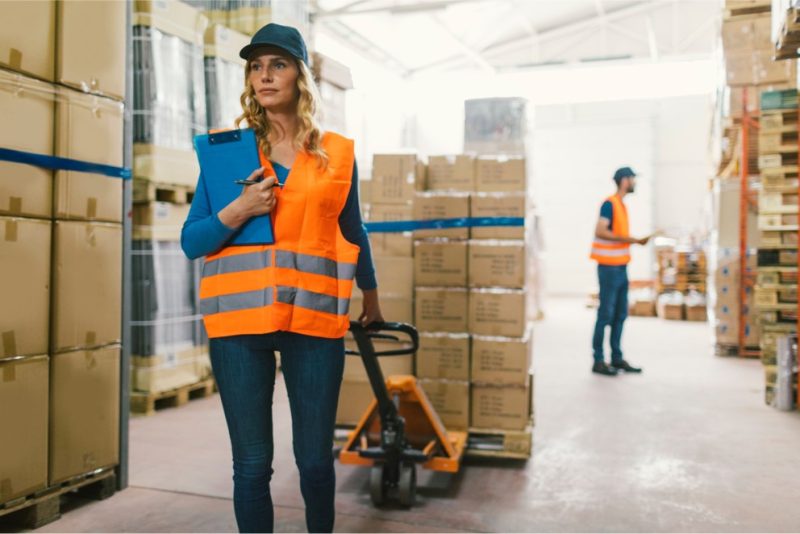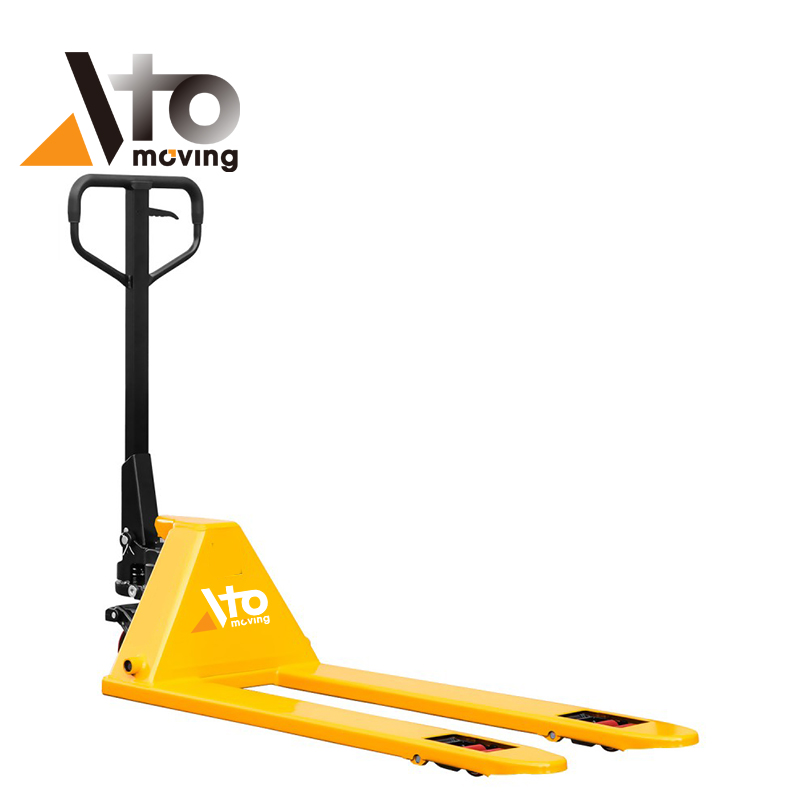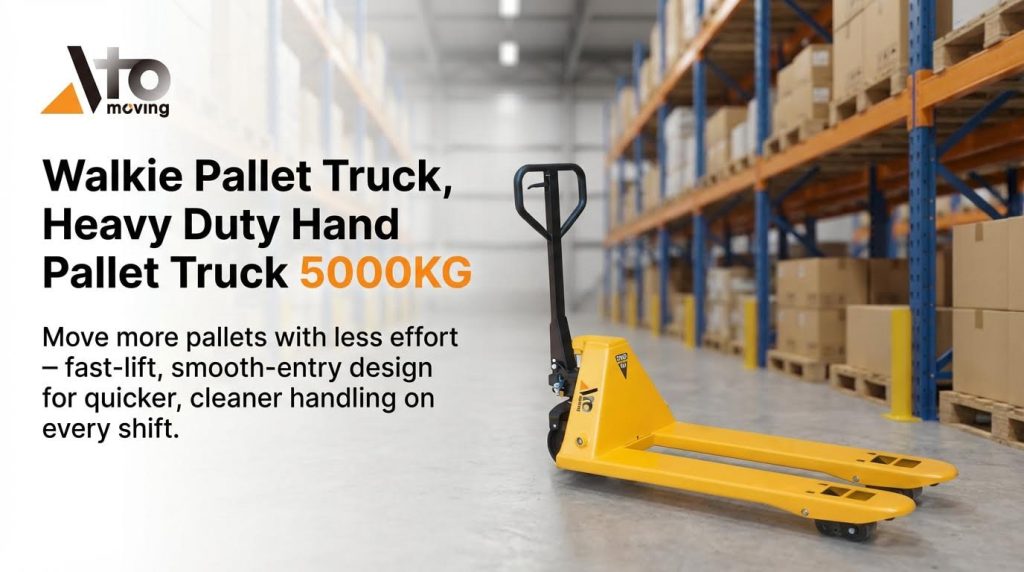
Pallet trucks answer a simple question in every facility that moves goods: what is a pallet truck used for in real operations. This article maps that answer across warehouses, retail spaces, and manufacturing plants using real workflows and engineering logic.
You will see how core pallet truck design affects load capacity, stability, and operator fatigue, and how these factors shape equipment choice. The warehouse section links pallet trucks to dock work, put-away, order picking, and controlled environments. Later sections cover retail backrooms, production line feeding, and special variants such as high-lift, scissor, and weighing pallet trucks, including their integration with AGVs, cobots, and digital twins.
Core Functions And Design Of Pallet Trucks
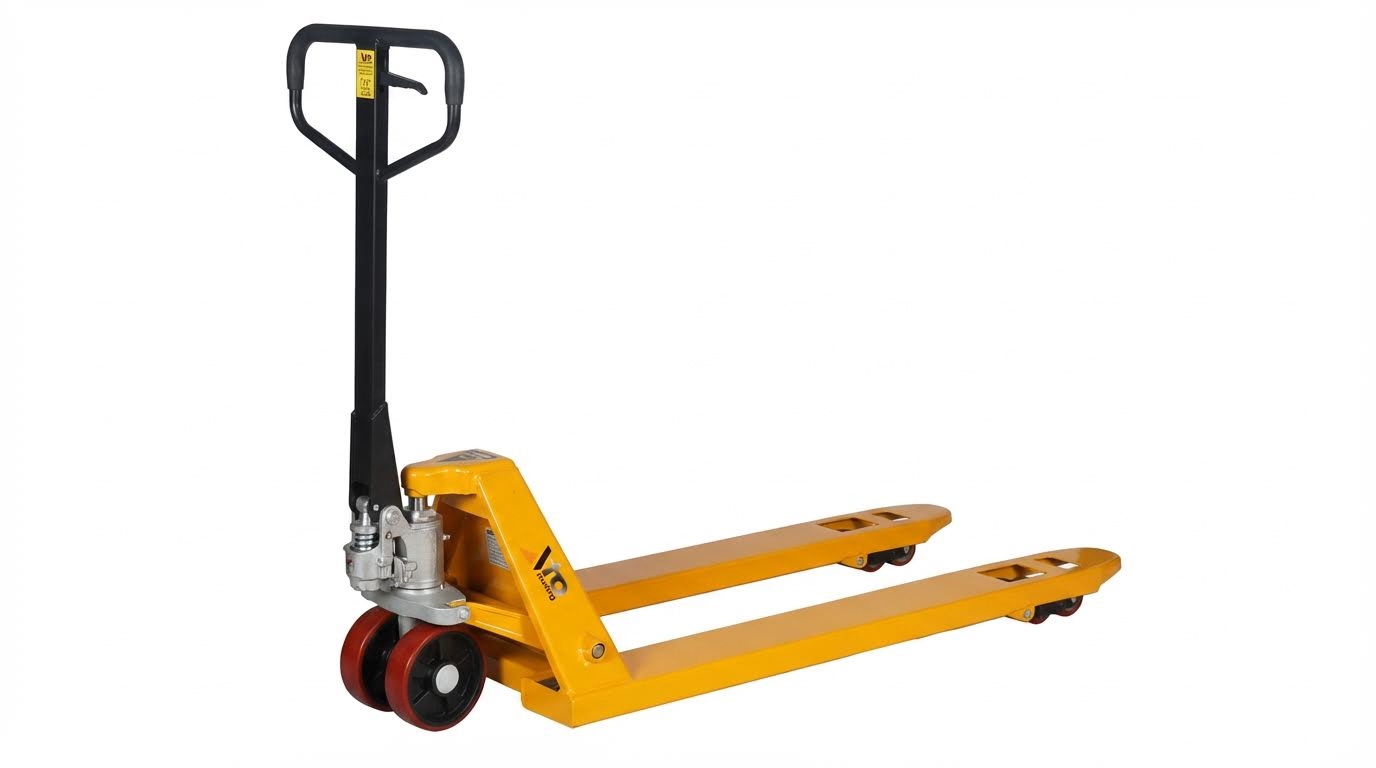
Pallet trucks answer a basic question in every facility: what is a pallet truck used for in daily flow. They move palletized loads over short distances with low energy and low cost. Their design focuses on load support, steering control, and safe lifting with compact hardware. This section explains how key design choices affect capacity, ergonomics, and lifecycle efficiency.
Manual Vs. Electric: Mechanisms And Capabilities
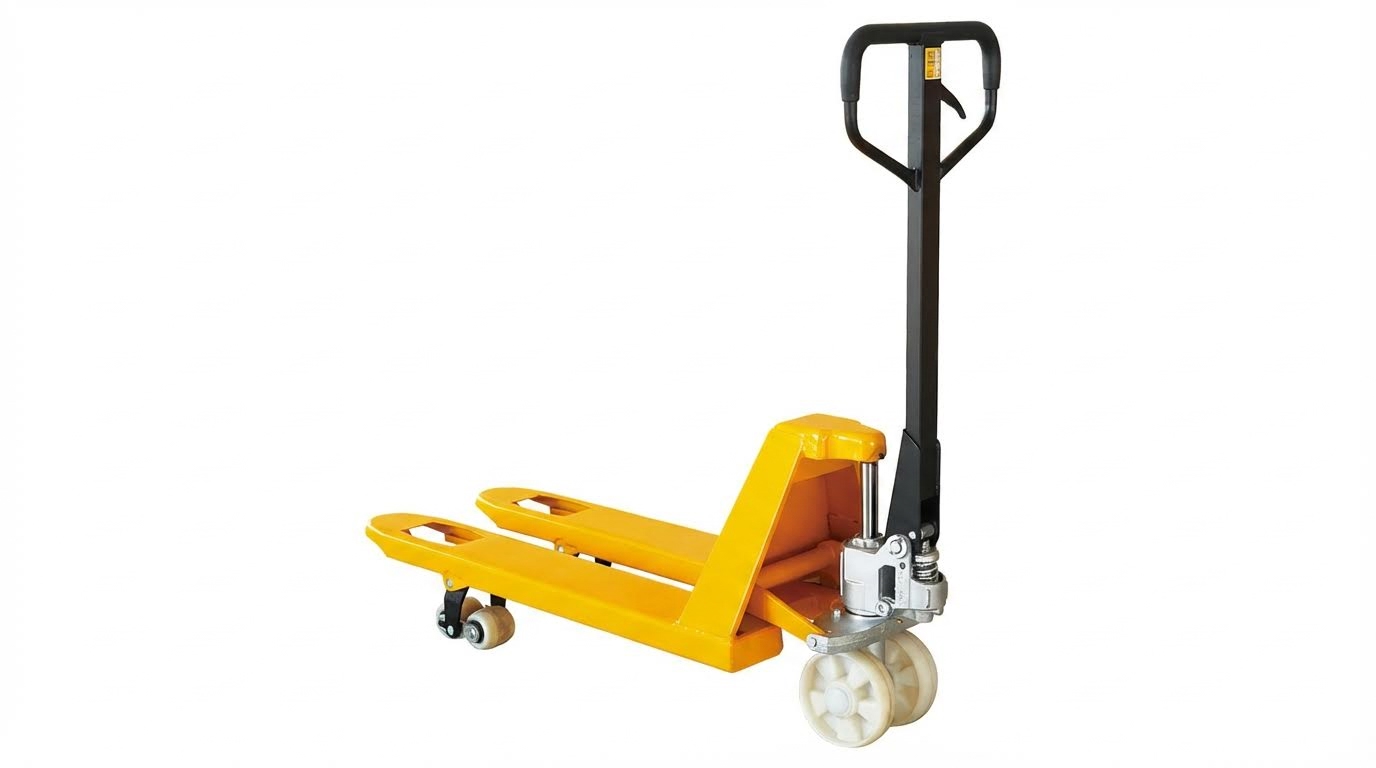
Manual pallet trucks use a hand-operated hydraulic pump. The operator strokes the tiller to raise the forks a few centimetres. This design works best for short runs, flat floors, and loads up to roughly 2.5 tonnes. It keeps cost and maintenance low, and it needs no power supply.
Electric pallet trucks add a traction motor and powered lift. The operator uses throttle and lift switches instead of physical pushing. This suits long travel distances, heavy loads, and dock work with high pallet counts. In practice, electric units reduce operator effort and keep speed more consistent across a shift.
From an application view, both answer what is a pallet truck used for, but in different duty ranges. Manual units fit low-throughput or space-constrained areas. Electric units fit high-throughput, multi-shift operations that track labour cost and fatigue closely.
Load Capacity, Fork Geometry, And Stability
Load rating defines where and how a pallet truck can work. Typical manual models carry about 1,500–3,000 kilograms. Electric units often match or exceed this range due to powered drive and stronger chassis designs. Operators must match rated capacity to the heaviest regular pallet, not the average pallet.
Fork length and width decide which pallets the truck can handle. Standard forks of about 1,150 millimetres suit common EUR and ISO pallets. Short forks help in tight aisles and small retail backrooms. Long forks can move two pallets at once but increase turning radius and swing clearance.
Stability depends on wheelbase, fork height, and load centre. The safest practice keeps the load centred on both forks, with minimal fork lift height during travel. A simple rule supports SEO intent around what is a pallet truck used for: it is used to move loads, not to lift them high. Operators should avoid side loads, uneven pallets, and slopes that shift the centre of gravity beyond the wheel triangle.
Ergonomics, Safety Devices, And Operator Fatigue
Ergonomics directly affects how long staff can use pallet trucks without strain. Tiller length, handle shape, and steering resistance all matter. A longer tiller reduces push force and steering torque. A rubber-coated, contoured handle improves grip and reduces wrist stress.
Common safety devices include:
- Neutral or dead-man position on powered tillers
- Belly or emergency reverse buttons on electric units
- Parking brakes or wheel chocks on slopes
- Overload valves in hydraulic circuits
These features limit run-away movement and protect components from misuse. They also support consistent answers to what is a pallet truck used for in safety briefings: controlled, low-level transport of pallets, not as a ride-on toy or lifting jack.
Operator fatigue grows with travel distance, floor roughness, and turning frequency. Manual trucks suit light loads and low daily pallet counts. Electric models cut push and pull forces, which reduces musculoskeletal risk over multi-hour shifts.
Energy Sources, Charging, And Lifecycle Efficiency
Electric pallet trucks normally use lead-acid or lithium-ion batteries. Lead-acid packs cost less up front but need longer charge times and regular watering. Lithium-ion packs charge faster, tolerate opportunity charging, and deliver more stable voltage across the shift. Both types can support one or multiple shifts if sized and managed correctly.
Charging strategy affects fleet availability and floor layout. Central charging rooms suit large fleets with lead-acid batteries. Distributed chargers near docks and picking zones work well for lithium-ion systems. Operators must keep clear air paths and follow ventilation rules, especially for older battery chemistries.
Lifecycle efficiency combines energy use, maintenance, and labour impact. Electric pallet trucks can use regenerative braking, which recovers part of the kinetic energy during deceleration. This reduces net power draw and brake wear. When managers ask what is a pallet truck used for from a cost view, the answer includes more than transport. It is also a lever to cut overtime, reduce injuries, and stabilise throughput.
Manual pallet trucks have almost zero energy cost but higher human energy demand. They remain efficient where travel distances are short and load cycles are moderate. Thoughtful selection between manual and electric designs keeps total cost of ownership aligned with real material flow.
Applications In Warehouses And Distribution Centers
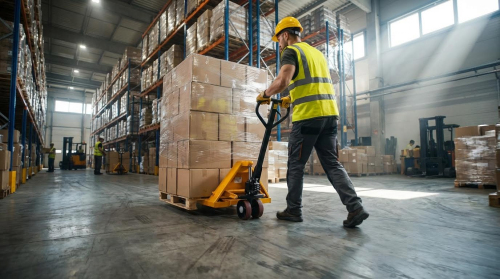
In warehouses and distribution centers, pallet trucks answer a core question: what is a pallet truck used for in high-throughput logistics. They move palletized loads between docks, storage, picking zones, and shipping lanes with low energy use and simple control. Correct selection and deployment influence dock cycle times, picker productivity, and rack utilization. The following sections break down their typical roles across key warehouse flows.
Dock Loading, Unloading, And Cross-Docking Flows
At loading docks, pallet trucks bridge the gap between trailer floors and internal storage. Operators use them to pull pallets from trailers, clear dock plates fast, and reduce truck dwell time. Manual units suit lighter loads and short dock approaches, while electric units support flows above roughly 50 pallets per hour.
For cross-docking, pallet trucks support direct transfer from inbound to outbound trailers. Typical uses include:
- Shuttling pallets from inbound doors to sort lanes.
- Re-positioning mixed pallets for route-based consolidation.
- Feeding outbound doors just-in-time to match loading plans.
Low lift height, compact chassis, and small turning radius help operators work inside trailers and on crowded aprons. Correct wheel choice and dock plate rating checks are critical to avoid floor damage and stability loss under concentrated axle loads.
Inbound, Put-Away, And Replenishment Operations
Inbound teams use pallet trucks to move received pallets from docks to inspection and staging areas. This answers what is a pallet truck used for at the start of the warehouse value stream. Operators then feed pallets to storage aisles where reach trucks or stackers handle vertical placement.
In low-bay warehouses, pallet trucks often complete the entire put-away cycle. Typical roles include:
- Transporting full pallets to floor stack or low-level rack positions.
- Moving quarantine or quality-hold pallets to segregated zones.
- Replenishing forward pick faces with full or partial pallets.
Electric pallet trucks improve replenishment speed on long travel paths, especially in facilities above about 80 metres in length. Stable fork geometry and correct load centering reduce rack impact risk when operators work close to uprights.
Order Picking, Staging, And Shipping Lane Support
Order picking workflows use pallet trucks as mobile platforms for mixed-SKU pallets. In case-pick or e-commerce operations, operators ride or walk behind powered units while building orders directly on pallets. This reduces manual carrying distance and limits operator fatigue during long shifts.
Typical uses in this zone include:
- Supporting low-level order picking in wide or narrow aisles.
- Moving completed pallets to consolidation or stretch-wrap areas.
- Feeding shipping lanes with sequenced pallets for route or load plans.
Weighing pallet trucks can verify order weight during staging, which reduces rework at shipping. Facilities often standardize fork lengths and wheel types so multiple pallet truck models can work in the same staging lanes without clearance issues or pallet overhang.
Cold Storage, Clean Zones, And Dust-Prone Areas
Cold stores, clean areas, and dusty halls all use pallet trucks, but with environment-specific designs. In cold storage, electric pallet trucks need components rated for low temperatures and moisture. Sealed electronics, low-temperature hydraulic oil, and battery management reduce failures during continuous cold chain operation.
In clean or hygienic zones, stainless or coated pallet trucks limit corrosion and simplify wash-down. Smooth welds and enclosed bearings reduce dirt traps and support food or pharmaceutical standards. In dust-prone areas, designers select models with sealed bearings, protected hydraulics, and anti-static wheels to cut ignition risks.
Across these special zones, the answer to what is a pallet truck used for remains consistent: safe, short-distance movement of palletized loads. The engineering focus shifts to material selection, ingress protection, and traction control so performance stays reliable despite temperature, moisture, or airborne particles.
Uses In Retail And Manufacturing Environments
This section explains what is a pallet truck used for in customer-facing and production spaces. Focus areas include store backrooms, shop floors, tight aisles, and support for just-in-time flows. It also covers special pallet truck variants and how they link with automation and digital planning.
Store Backrooms, Shop Floors, And Tight Aisles
Retail and manufacturing teams often ask what is a pallet truck used for beyond warehouses. In store backrooms, pallet trucks move inbound pallets from the dock to shelving, chillers, or display prep zones. Compact manual units fit narrow corridors and roll easily through doors and lift cars. They reduce restocking time and keep heavy loads off roll cages that can damage products.
On shop floors, operators use pallet trucks to move work-in-progress between cells, kitting areas, and packing stations. Narrow-aisle or short-fork models turn within tight production lanes and around fixed machinery. Typical capacities between 1,500 kilograms and 3,000 kilograms cover most retail and light fabrication loads. Good floor planning keeps travel paths short and separates pedestrian traffic from loaded pallet movements.
Just-In-Time Feeding Of Lines And Changeovers
In lean plants, engineers use pallet trucks as flexible links in just-in-time material flow. Operators stage components on pallets or stillages and feed lines only when production signals demand. This cuts buffer stock and reduces line-side clutter. Electric pallet trucks handle higher cycle counts and longer routes with less operator fatigue.
During changeovers, pallet trucks clear finished goods, return empty containers, and bring the next product set. Fast pallet exchange shortens downtime and supports smaller batch sizes. Simple visual controls, such as floor markings and kanban lanes, guide drivers to the right line and dock. Standard work instructions define safe speeds, preferred routes, and parking points during peak changeover windows.
High-Lift, Scissor, And Weighing Pallet Trucks
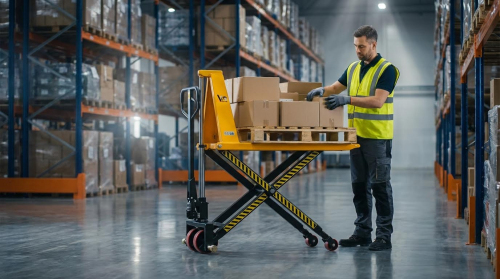
High-lift and scissor pallet trucks answer a different angle of what is a pallet truck used for. They combine transport and lifting so operators can work at a safe, ergonomic height. In assembly or packing cells, these units act as mobile workbenches. They reduce bending and reaching, which lowers musculoskeletal risk.
Weighing pallet trucks include integrated scales for fast mass checks. They support shipping verification, inventory control, and blend batching without separate floor scales. Typical accuracy suits most logistics and production needs where trade-approved metering is not required. Plants often assign these units to inbound inspection or formulation areas to avoid bottlenecks at fixed weighing stations.
Integration With AGVs, Cobots, And Digital Twins
Modern sites extend what is a pallet truck used for by linking units with automated systems. Some pallet trucks interface with AGVs or tugger trains through standardized pallet sizes and transfer points. This allows manual and automated flows to share the same dock and staging areas. Clear rules define who moves which loads and when.
On collaborative robot cells, operators position pallets with pallet trucks for robot picking or packing. Consistent fork insertion and stop blocks keep pallets within the robot reach envelope. Digital twins of the plant layout model pallet truck routes, congestion points, and dwell times. Engineers then adjust aisle widths, staging zones, and fleet size to cut travel distance and waiting time. Proper training ensures operators understand AGV crossings, sensor zones, and shared-aisle right of way.
Summary Of Pallet Truck Roles And Selection Criteria
Engineers and planners who ask what is a pallet truck used for need a clear view of its role across sites. Pallet trucks support short-range horizontal transport, truck loading, order picking, and line feeding. They link docks, storage, production, and shipping in one continuous material flow. Correct selection protects uptime, floors, and operators.
Typical uses include moving palletized loads between receiving docks and racking, feeding workstations, and staging outbound loads. Manual units suit light to medium loads, short shifts, and smooth floors. Electric models fit higher throughput, longer runs, and heavier pallets. High-lift, scissor, and weighing versions add ergonomic lifting and in-motion weighing where needed.
Selection starts with basic parameters: load mass, pallet type, aisle width, ramp gradients, and daily pallet count. Key checks usually cover: required capacity in kilograms, fork length and width, turning radius, floor condition, and ambient factors such as cold, moisture, or dust. Stainless or coated designs fit food, pharma, or wash-down zones. Sealed bearings and protected electrics suit dust-prone areas.
Future fleets will combine standard pallet trucks with AGVs, cobots, and digital tracking. Data from telematics and warehouse systems will guide right-sizing of fleets and charging plans. Yet the core decision remains simple. Match truck type and options to the real task profile, so every pallet move is safe, repeatable, and energy efficient.
,
Frequently Asked Questions
What is a pallet truck used for?
A pallet truck, also known as a pallet jack or pallet pump, is a tool designed to lift and move palletized loads. It is commonly used in warehouses, distribution centers, retail stores, and construction sites to transport goods over short distances. Pallet Jack Guide.
What are the alternatives to a pallet truck?
While pallet trucks are ideal for moving smaller loads at ground level, forklifts are a popular alternative for heavier and higher lifting needs. Forklifts have a greater lifting capacity and can transport loads to elevated positions, making them suitable for large warehouses and factories. Material Handling Alternatives.
Do you need training to use a pallet truck?
Yes, proper training is required to operate an electric pallet truck safely. Training typically includes practical skills, equipment knowledge, risk awareness, and safety protocols. Certification ensures operators can handle the equipment efficiently and avoid accidents. Pallet Truck Safety Guide.
How much weight can a pallet truck carry?
A standard hand pallet truck usually has a safe working load of 2000kg to 2500kg, which is sufficient for most operations. This capacity allows it to handle fully loaded pallets, which typically weigh less than 1200kg. Safe Working Load Insights.