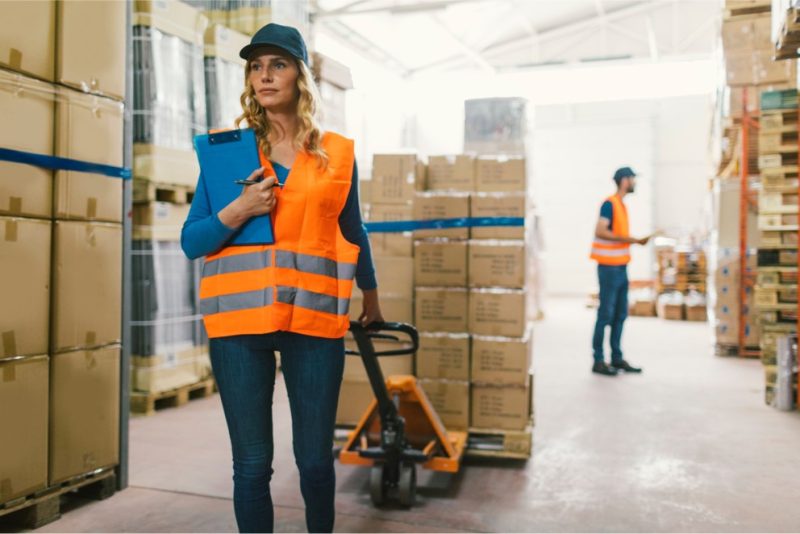
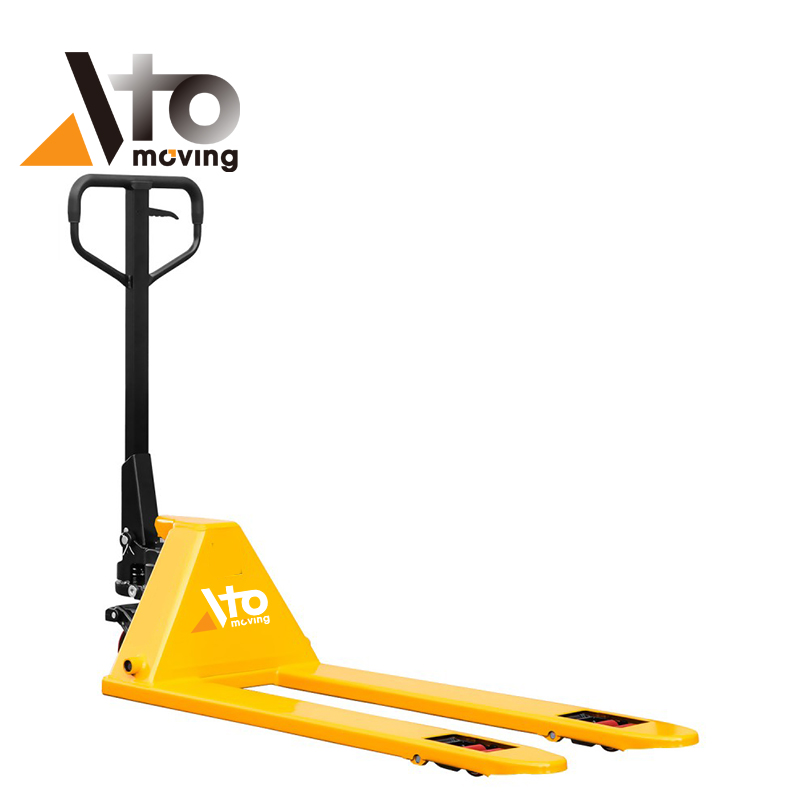
Industrial buyers asking where can i find competitive deals on hand pallet trucks need more than a price list. They need a clear view of core specifications, typical duty cycles, and how these factors affect safety and productivity across warehouses, factories, and logistics hubs.
This guide walks through load capacity, fork geometry, lift range, and wheel choices so engineers and buyers can define the correct specification before comparing offers. It then links truck types to real applications, from compact stores to high-throughput cross-docks, and explains which environments favor manual, semi-electric, or electric solutions.
The pricing section breaks down what really drives hand pallet truck cost, including options such as brakes, built-in scales, high-lift designs, and rough-terrain features, along with lifecycle and financing impacts. The final summary distills these points into practical purchasing rules so operations, maintenance, and finance teams can source competitive deals while controlling risk and total cost of ownership.
Core Specifications For Hand Pallet Trucks
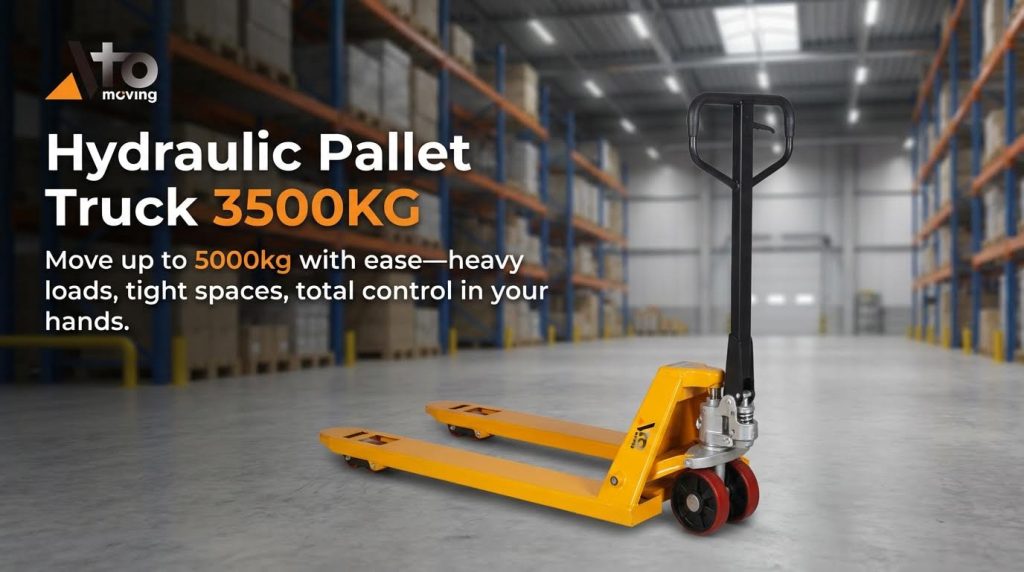
Core specifications decide if a hand pallet truck works safely and stays cost effective. Engineers who ask where can i find competitive deals on hand pallet trucks should first understand these technical basics. Correct sizing reduces damage, downtime, and replacement cost. This section explains how capacity, fork geometry, lift range, and wheels link to total ownership cost.
Load Capacity, Safety Factor, And Duty Cycle
Rated load capacity is the first filter when you look for competitive deals on hand pallet trucks. Typical manual units handle 1,000–3,000 kilograms, with heavy models reaching about 5,000 kilograms. Engineers should apply a safety factor of at least 1.25–1.5 on the heaviest expected pallet weight. This margin covers uneven loading, dynamic forces, and minor overloading events.
Duty cycle matters as much as peak load. Low-throughput sites that move fewer than 100 pallets per day can use standard pumps and frames. Higher cycle counts need reinforced frames, hardened pins, and better seals to avoid leaks and bent forks. When comparing offers, always match quoted capacity to both weight and cycles per shift, not just to price.
| Rated capacity | Typical use case |
|---|---|
| 1,000–1,500 kg | Retail back rooms, light manufacturing |
| 2,000–2,500 kg | General warehouse and 1-ton pallets |
| 3,000–5,000 kg | Steel, stone, and heavy process loads |
Fork Length, Width, And Pallet Standards
Fork geometry must match pallet standards in your region. The most common fork length is about 1,150 millimetres for standard 1,200 × 1,000 millimetre pallets. Short forks around 800–1,000 millimetres suit tight retail aisles and half pallets. Long forks up to 3,000 millimetres carry double pallets but need wider aisles and stronger frames.
Overall fork width often sits near 520–685 millimetres. Narrow trucks fit euro pallets and dense racking. Wider units support block pallets and improve lateral stability. When searching where can i find competitive deals on hand pallet trucks, compare fork sizes carefully. Wrong fork length or width forces workarounds, increases product damage, and shortens truck life.
Minimum Height, Lift Range, And Clearance
Minimum fork height decides which pallets you can enter. Standard manual trucks usually lower to about 75–85 millimetres. Ultra-low-profile models can reach around 35 millimetres for thin or damaged pallets and slip sheets. These special units cost more but avoid jams and prying with crowbars.
Lift range for hand pallet trucks is modest, usually 100–200 millimetres. That is enough to clear floor joints, dock plates, and container lips. When you compare prices, check that the raised height clears your worst floor defects. Also confirm that lowered height suits your pallet deck thickness and any under-deck boards.
Wheel Materials, Floor Conditions, And Noise
Wheel choice links directly to floor wear, noise, and push force. Common materials are polyurethane and nylon. Polyurethane wheels run quieter, protect coated concrete, and give better grip. Nylon wheels roll easier under heavy loads and survive rougher floors but create more noise and can mark softer surfaces.
Floor condition should guide wheel selection. Smooth indoor floors suit polyurethane steer and load wheels. Rough or slightly uneven floors may need nylon or reinforced designs. In noise-sensitive areas, such as night-shift retail or residential-adjacent docks, low-noise polyurethane is worth the small price premium. When you evaluate where can i find competitive deals on hand pallet trucks, include wheel material in the comparison. A cheaper truck with the wrong wheels can raise floor repair and labour costs over time.
Matching Truck Types To Applications
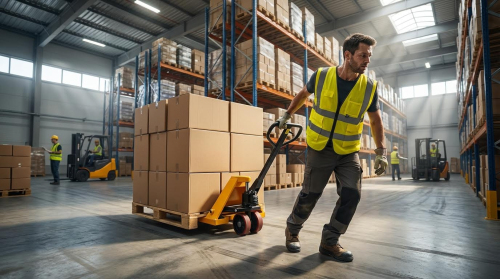
Matching hand pallet trucks to real workloads protects uptime and budget. Engineers should link truck type to cycle count, travel distance, and environment before asking where can i find competitive deals on hand pallet trucks. The right technical choice usually saves more than a small discount on the wrong model. This section explains how manual, semi-electric, and electric options fit different duty profiles.
Manual Vs. Semi-Electric Vs. Electric Use Cases
Manual hand pallet trucks suit light to medium loads and low to moderate throughput. Typical loads stay below 1,500 kilograms with short travel paths and limited daily hours. These trucks have low capital cost, minimal maintenance, and no energy expense, so they work well where labour is cheap and space is tight.
Semi-electric solutions add powered lift but keep manual travel. They fit operations that lift often but move pallets over short distances. They reduce strain during vertical handling yet keep purchase price and energy use lower than full-electric units.
Full-electric pallet trucks add powered drive and lift. They support higher cycle rates, longer runs, and heavier loads. In dock-to-rack flows above about 50 pallet moves per hour, electric units usually cut labour cost per pallet. When searching where can i find competitive deals on hand pallet trucks, users with high throughput should compare life-cycle savings, not only sticker prices.
Warehouse Size, Travel Distance, And Throughput
Warehouse geometry strongly affects the best truck type. In compact stores or workshops with short aisles, manual trucks remain efficient. Operators walk only small distances, so the extra cost of electric drive rarely pays back.
In mid-size warehouses, a mix often works. Manual trucks can handle local moves around workstations. Semi-electric or electric units can cover main corridors and shipping lanes. This split keeps capex controlled while still improving flow on long routes.
Large distribution centres with long aisles and high pallet counts benefit most from electric drive. Higher travel speed and faster acceleration reduce non-value walking time. As daily pallet moves rise, labour becomes the dominant cost driver. In such sites, engineers should model cost per pallet over three to five years before deciding where can i find competitive deals on hand pallet trucks.
Indoor, Outdoor, And Cold Chain Environments
Environment also shapes the correct specification. Indoors on smooth concrete, standard manual trucks with polyurethane or nylon wheels roll easily. They avoid exhaust and simplify safety compliance because they use no fuel or batteries.
Outdoor yards and rough surfaces demand stronger frames and more robust wheels. All-terrain hand pallet trucks or electric units with larger wheels handle uneven ground better. Nylon or reinforced wheels tolerate abrasion but can increase noise, which matters in urban sites.
Cold chain operations add further constraints. Low temperatures reduce battery performance and increase rolling resistance. Manual trucks remain reliable in chill stores but increase operator effort. Electric units with suitable cold-rated batteries and seals work better for continuous refrigerated dock work. When evaluating where can i find competitive deals on hand pallet trucks for cold rooms, buyers should check temperature ratings, wheel compounds, and corrosion protection, not only price.
What Really Drives Hand Pallet Truck Price
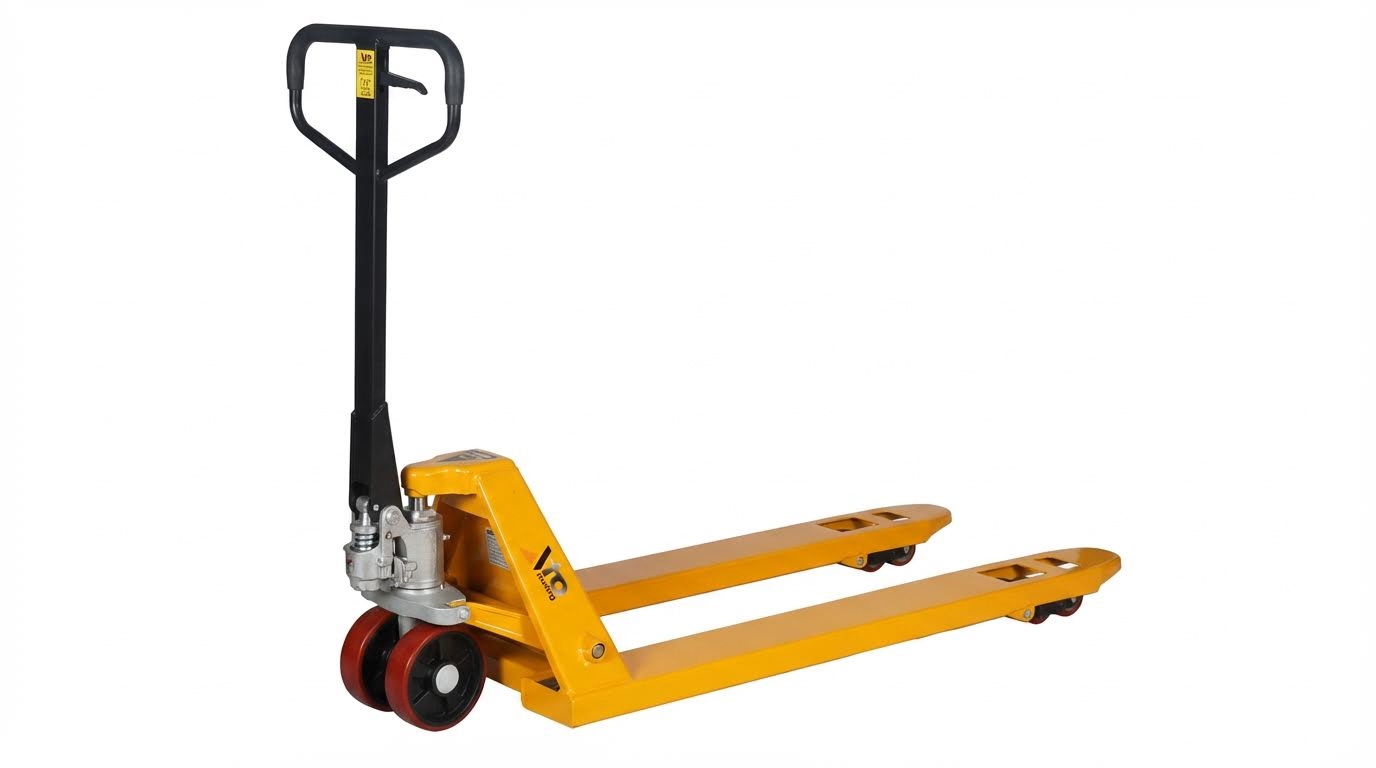
Price for a hand pallet truck depends on more than list cost. Engineers and buyers must link specifications, options, and finance terms to real duty cycles. This section explains how base price, options, lifecycle cost, and funding models interact. It also helps answer the search question where can i find competitive deals on hand pallet trucks in a structured way.
Base Truck Cost Ranges And Market Benchmarks
Manual hand pallet trucks usually sat at the lowest end of the material handling price ladder. Typical units with 2,000–2,500 kilogram capacity cost less than electric equipment and often fit in the US$200–1,000 band. Cost moved with steel thickness, weld quality, and hydraulic pump design rather than electronics.
When buyers asked where can i find competitive deals on hand pallet trucks, the answer started with clear benchmarks. Manual pallet jacks cost far less than semi-electric pallet stackers, which started around US$850 ex‑works in 2025. Full-electric pallet trucks and stackers climbed to several thousand dollars because of traction motors, batteries, and controllers.
Competitive deals usually appeared where distributors moved high volume and carried standard 1,150 millimetre fork models. These units shared common parts and simple hydraulics, which kept production and stocking costs low. Custom dimensions or stainless frames pushed prices up because they reduced manufacturing scale and required special materials.
Options: Brakes, Scales, High-Lift, And Terrain
Optional features changed both capability and price. Buyers had to match options to real use cases instead of chasing every add‑on. Four groups of options affected cost most:
- Parking or service brakes for ramps and docks
- Built‑in scales for weight capture at pick or ship points
- High‑lift scissors designs for work positioning
- All‑terrain or semi‑pneumatic wheels for yards
Brake systems added hardware, linkage, and testing. They raised price but cut roll‑away risk on slopes. Scale trucks integrated load cells and indicators. They cost more up front but removed separate floor scales and extra moves.
High‑lift hand trucks reached lift heights around 800 millimetres. They used scissors mechanisms and stronger frames, so they sat well above basic truck prices. All‑terrain versions used wider chassis, reinforced axles, and large wheels. Buyers who searched where can i find competitive deals on hand pallet trucks often found that staying with standard wheels and adding only brakes gave the best price‑performance mix for flat indoor floors.
Lifecycle Costs, Maintenance, And Downtime Risk
Purchase price was only one cost line. Lifecycle cost also included maintenance time, spare parts, failures, and lost throughput. Manual pallet trucks had simple hydraulics and no traction electronics, so annual maintenance time could stay near three hours per unit with good care.
Key lifecycle drivers were:
- Wheel and bearing wear on rough or dirty floors
- Hydraulic seal life under heavy or shock loads
- Frame corrosion in wet or cold chain areas
- Operator misuse, such as overload or impacts
Manual trucks avoided battery replacement and high energy use, unlike powered units. This made them attractive for low‑throughput sites with less than 100,000 pallets per year. Regular cleaning, lubrication, and visual checks reduced seal failures and wheel damage. That lowered unplanned downtime and spare parts cost.
When evaluating where can i find competitive deals on hand pallet trucks, buyers needed to look beyond the cheapest quote. A slightly higher‑priced truck with better steel, sealed bearings, and proven hydraulics often ran longer between repairs. Over five years, that could beat a bargain unit that failed early or caused load damage.
Financing, Leasing, And ROI Evaluation Methods
Even low‑cost manual pallet trucks tied up capital when fleets grew. Finance tools used for stackers and forklifts also applied here, especially for large multi‑site operations. Common options included cash purchase, operating lease, and rental for peak seasons.
In forklift markets, 60‑month fair market value leases often ran at about 0.9–1.3% of list price per month. Similar structures scaled down for hand pallet truck fleets. Tax rules such as first‑year full depreciation in some countries improved cash flow for outright purchase.
Return on investment analysis compared three elements:
- Capital cost and finance charges
- Labour productivity, measured as pallets per hour
- Maintenance and downtime, including spare trucks
Manual trucks worked well where operators moved fewer than 50 pallets per hour and travel distances were short. In those cases, higher‑priced powered units rarely paid back. Buyers asking where can i find competitive deals on hand pallet trucks usually gained most by standardising models, buying in batches, and combining that volume with simple finance terms. This reduced unit price and simplified maintenance stocking.
Summary: Key Takeaways For Smart Purchasing
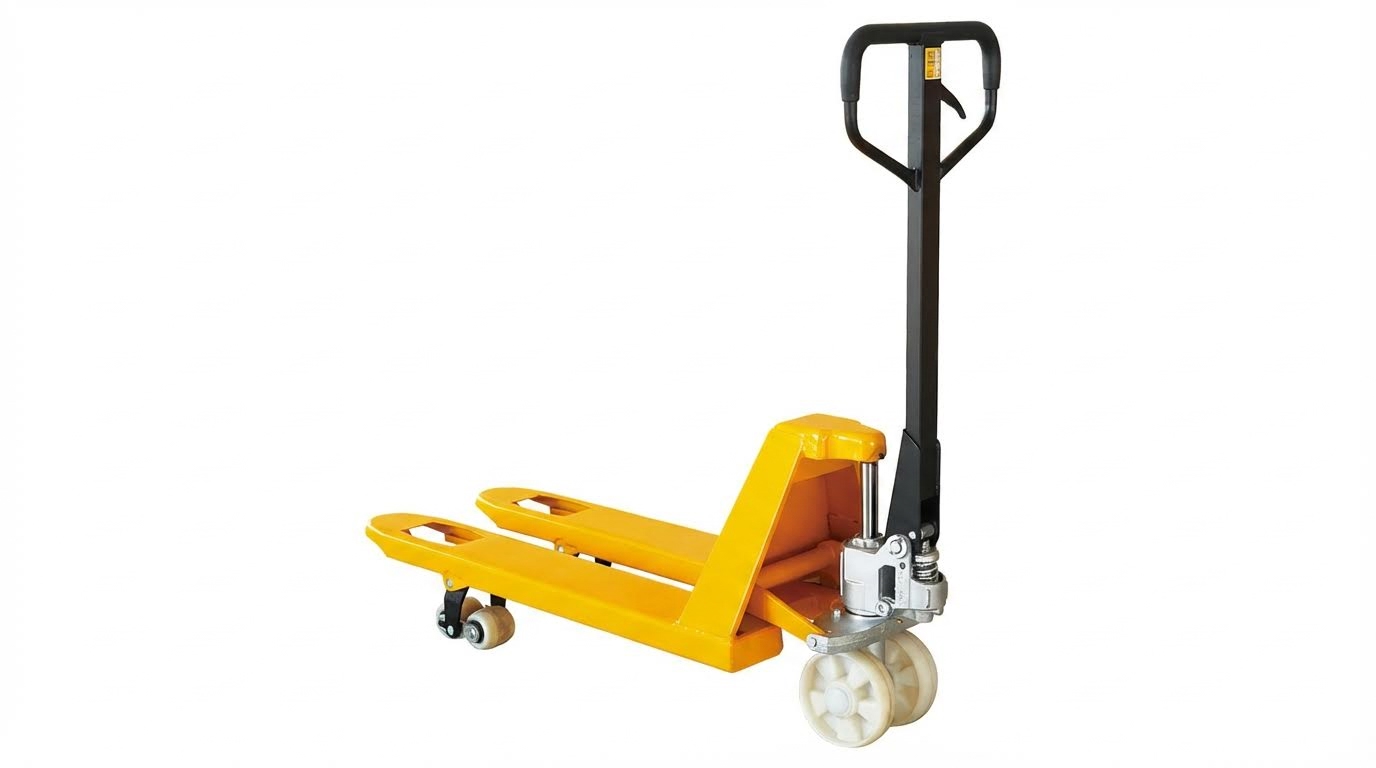
Buyers who ask where can i find competitive deals on hand pallet trucks should first fix their technical needs. Capacity, fork size, and wheel material must match pallets, floor, and duty cycle before price comparisons make sense.
Use the core specifications as a filter. Lock in minimum capacity, fork length, and lift range. Confirm wheel type against floor condition and noise limits. Remove any model that fails these basics, even if the price looks attractive.
Next, match truck type to the real work pattern. Short moves, light loads, and budget limits favor manual units. Long travel, high daily pallet counts, or ramps may justify semi-electric or electric solutions. Check aisle widths, cold rooms, and outdoor use before final choice.
Price is more than the tag on the truck. Compare base cost, options, expected maintenance hours per year, and downtime risk. A slightly higher price can be cheaper over five years if it cuts failures and operator fatigue. Include financing or leasing options when cash flow is tight.
To actually find competitive deals on hand pallet trucks, combine three steps. First, define a clear spec sheet. Second, request like-for-like quotes from local dealers, online industrial platforms, and direct manufacturers. Third, compare total cost of ownership, not only discounts. This method helps buyers secure reliable equipment at a fair market price and supports safer, more efficient material handling.
,
Frequently Asked Questions
Where can I find competitive deals on hand pallet trucks?
To find competitive deals on hand pallet trucks, consider the following options:
- Check online marketplaces like Alibaba or Amazon Business for bulk purchasing options.
- Contact local distributors or manufacturers directly to inquire about discounts on large orders.
- Look for seasonal sales or clearance events from trusted material handling suppliers.
- Compare prices across multiple vendors to ensure you’re getting the best deal available.
What factors should I consider when buying a hand pallet truck?
When purchasing a hand pallet truck, focus on these key factors:
- Load capacity: Ensure the pallet truck can handle the maximum weight of your typical loads.
- Material quality: Look for durable materials like high-grade steel to ensure longevity.
- Fork dimensions: Verify that the fork length and width match your pallet specifications.
- Ergonomics: Choose models with comfortable handles and easy maneuverability to reduce operator strain.