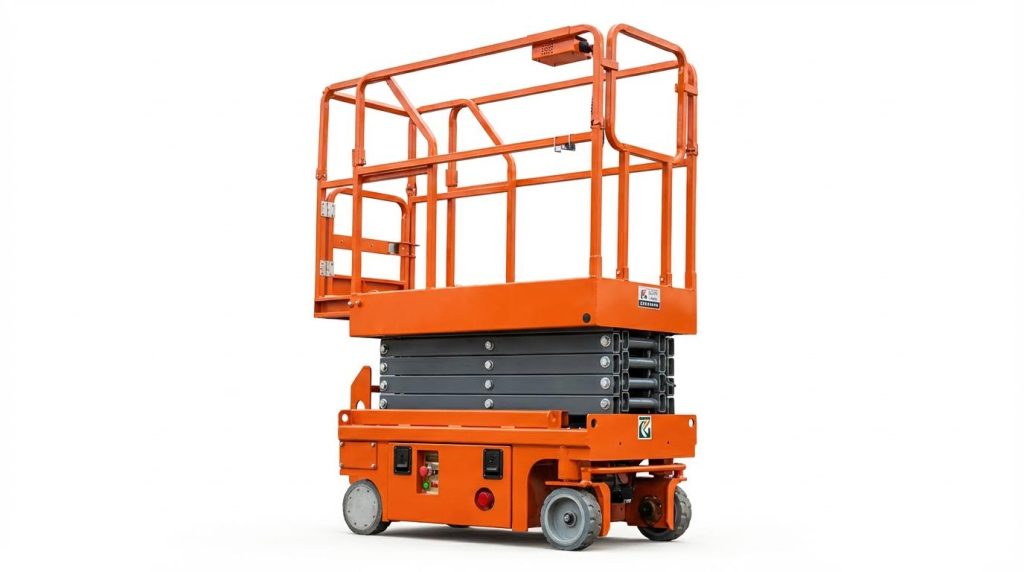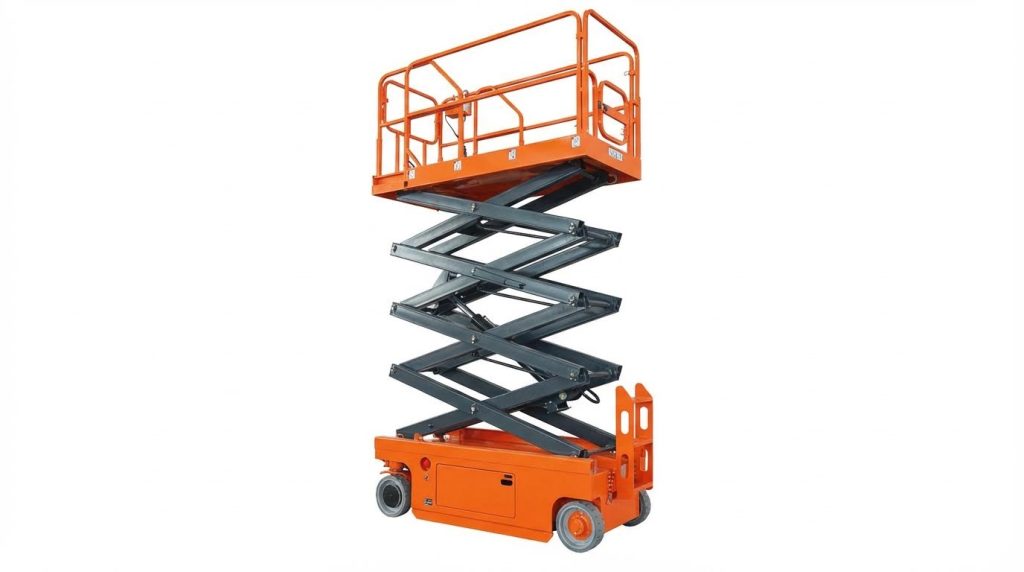
Engineers who ask how much does a 19 foot scissor lift weigh also need to understand floor loads and transport limits. This article uses typical 19-foot class data to connect machine weight, wheel pressure, and slab design.
You will see how platform height, capacity, and power architecture affect operating weight and floor loading. Later sections walk through PSF and PSI checks, compare 19-foot units with low-level lifts, and link these loads to structural and concrete design practice.
The article also covers road transport, loading ramps, and on-site access planning for tight interiors and sensitive floors. The summary section then consolidates safe-use rules so project managers, structural engineers, and equipment planners can select and operate 19-foot scissor lifts with confidence.
Key Specs Of 19-Foot Scissor Lifts For Engineers
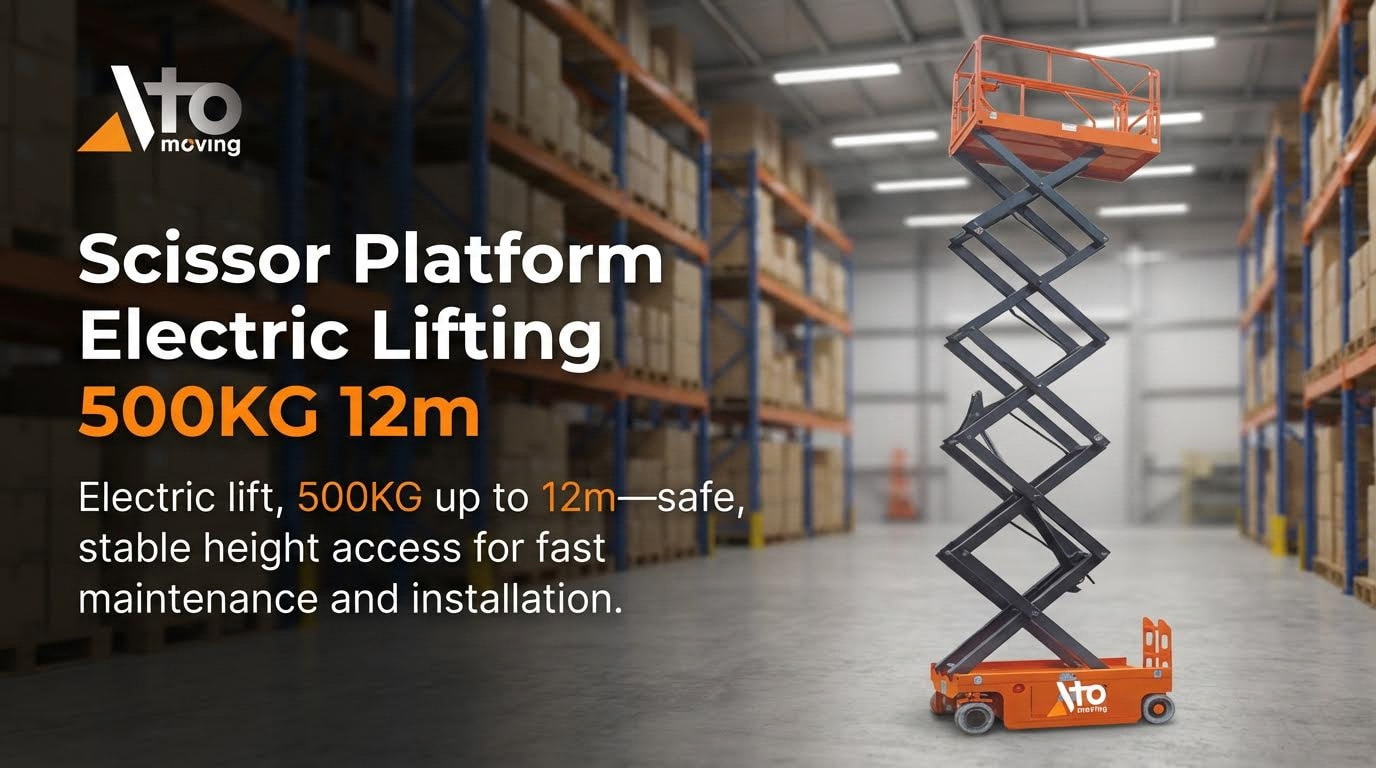
Engineers who ask how much does a 19 foot scissor lift weigh usually also need data on platform reach, floor loads, and power architecture. This section focuses on the core specifications that drive structural checks, transport planning, and safe use. It links platform heights, operating weights, and control systems to real project constraints such as slab capacity and access limits.
Typical Platform Heights And Reach
A “19-foot” scissor lift usually refers to platform height, not working height. Typical platform height is about 5.8 metres. Working height is usually platform height plus about 2 metres to account for operator reach.
Common 19-foot units use compact chassis lengths around 1.8–2.0 metres. Width is often near 0.75–0.85 metres to pass through standard doors. These lifts mainly target indoor work such as MEP installation, ceiling work, and racking, where vertical reach is modest but access is tight.
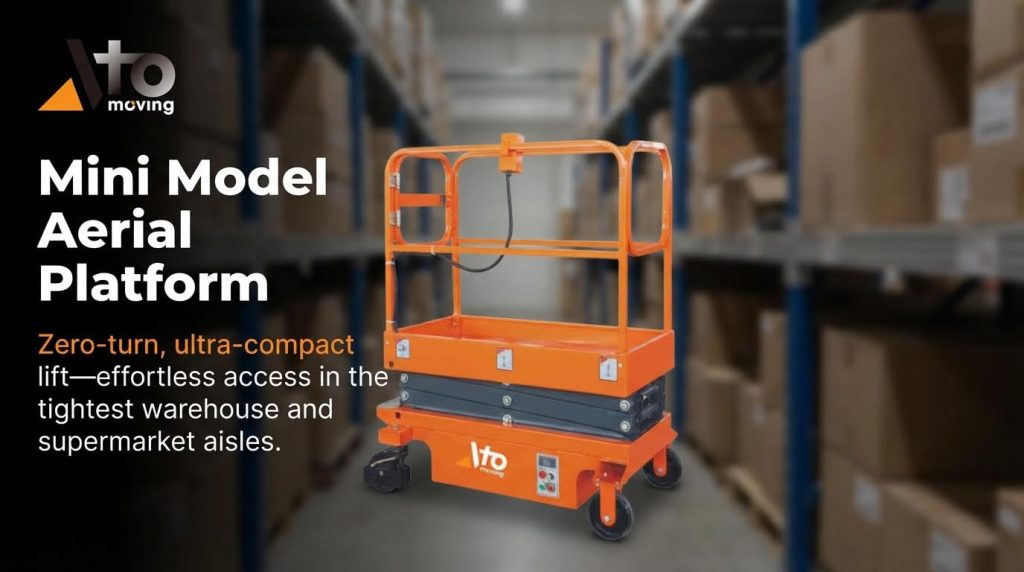
Low-level lifts with 8–14 foot platforms offer less vertical reach but easier access through doorways and congested corridors. Engineers should map ceiling heights, obstruction zones, and door clearances before choosing between 19-foot and low-level platforms.
Operating Weights And Rated Capacities
When people search “how much does a 19 foot scissor lift weigh,” they usually need floor load and transport checks. Typical indoor 19-foot electric scissor lifts weigh about 1 200–1 300 kilograms. Outdoor or rough-terrain variants can weigh about 2 800 kilograms or more due to larger frames, tires, and stability systems.
Rated platform capacities for 19-foot lifts often fall in the 230–300 kilogram range for compact indoor models. Some heavy-duty designs reach 300–450 kilograms, while industrial scissor tables in similar height classes can span 300–2 000 kilograms. Engineers must always treat “rated load” as people plus tools and materials.
For floor load checks, use gross machine weight plus rated platform load. Then convert to machine load in kilonewtons per square metre or pounds per square foot. Wheel loads matter more than gross load on sensitive slabs and raised floors.
| Parameter | Typical Range |
|---|---|
| Indoor operating weight | ≈ 1 200–1 300 kg |
| Outdoor operating weight | ≈ 2 800–2 900 kg |
| Platform capacity | ≈ 230–300 kg (compact indoor) |
| Height class alternatives | Low-level lifts 8–14 ft, ≈ 600 kg capacity typical |
Power, Drive, And Control Architectures
Most 19-foot scissor lifts use hydraulic-electric drive for lifting. A hydraulic pump sends oil to lift cylinders through a control manifold. A pressure relief valve protects the system from overload.
Typical electric scissor lifts use a battery pack, often four 6-volt batteries in series. An onboard charger or external supply restores charge between shifts. Drive systems can be:
- Front-wheel or rear-wheel electric drive for indoor slabs.
- Hydraulic wheel motors on heavier outdoor units.
- Manual or towable chassis on basic, non-self-propelled platforms.
Controls usually exist at both ground and platform. A data bus links joysticks, limit switches, and safety sensors to the main controller. Simple, sealed control layouts reduce failure points and help maintenance teams keep uptime high.
Safety Systems And Regulatory Baselines
Safety systems on 19-foot lifts aim to control fall, tip, overload, and electrical risks. Standard features usually include:
- Guardrails, mid-rails, and toe boards around the platform.
- Emergency stop buttons at ground and platform controls.
- Tilt sensors that lock lift or drive above set angles.
- Overload detection that prevents lifting above rated capacity.
Hydraulic circuits often include check valves and load-holding valves. These stop rapid descent if a hose fails. A manual lowering valve allows safe descent during power loss.
Regulatory baselines for design and testing have included standards such as EN 280 in Europe and ANSI A92 series in North America. Site procedures must also follow local occupational safety rules for fall protection, electrical clearance, and operator training. Engineers should confirm that any 19-foot scissor lift, including Atomoving units, carries current compliance markings for the region of use.
Floor Loading, Wheel Loads, And Structural Checks
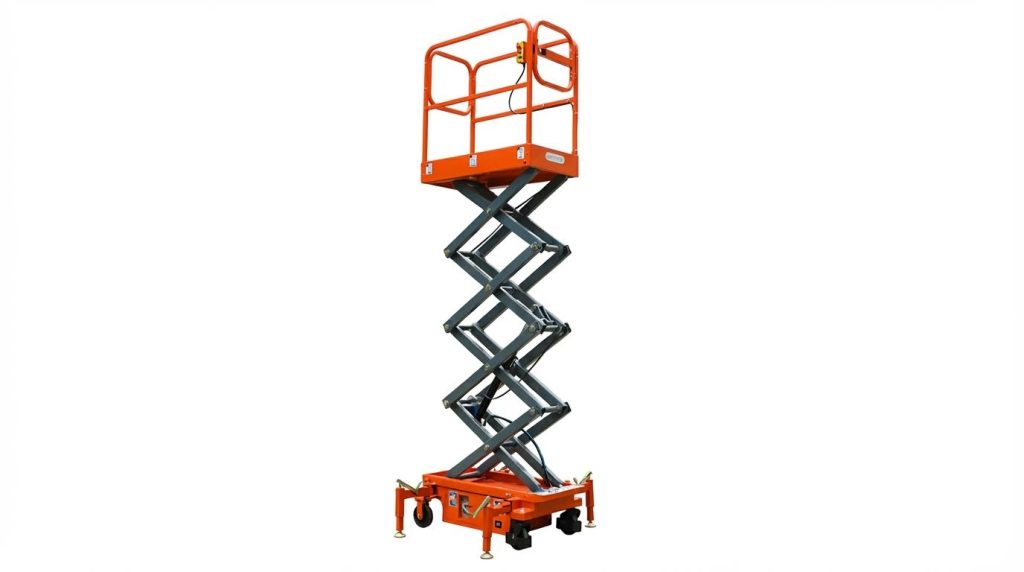
Engineers who ask how much does a 19 foot scissor lift weigh usually need floor load answers, not just a number. A typical 19-foot electric slab lift weighed around 1 200 kg to 1 300 kg, while heavier rough-terrain or outdoor-rated versions weighed well above 2 500 kg. That mass, combined with platform capacity near 200 kg to 300 kg, produced machine loads and wheel loads that could challenge green concrete and high-finish floors.
Safe use depended on more than knowing how much does a 19 foot scissor lift weigh. Teams needed to check both global machine load in kN/m² and local wheel or outrigger pressures in kPa, then compare those values with structural design limits and floor serviceability criteria. Lightweight low-level lifts often offered lower wheel loads, easier door clearance, and earlier access to young slabs, while 19-foot units provided extra working height at the cost of higher concentrated loads and larger footprints.
In practice, the best results came from early coordination. Structural engineers, equipment planners, and site supervisors shared lift weights, platform capacities, and travel paths during design. They then matched lift choice to slab thickness, reinforcement, and finish requirements. Looking ahead, more precise onboard load sensing, real-time floor load feedback, and connected fleet data should help link questions like how much does a 19 foot scissor lift weigh directly to live floor capacity checks and digital site models, improving both safety margins and productivity.
Transport, Handling, And Site Integration
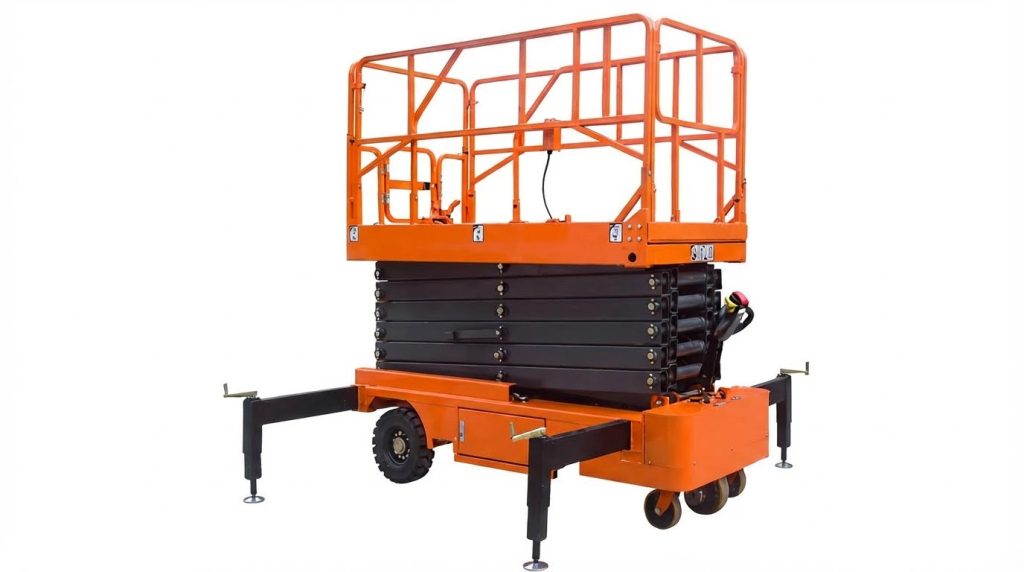
Transporting a 19-foot scissor lift is a structural and logistics problem, not just a driving task. Engineers must link answers to questions like how much does a 19 foot scissor lift weigh with axle ratings, ramp strength, and site floor limits. Typical indoor 19-foot units weigh around 1 200 kg, while some outdoor or high-capacity models can exceed 2 800 kg. These differences change trailer choice, tie-down design, and access planning on every project.
Preparing A 19-Foot Lift For Road Transport
Preparation starts with the platform fully lowered and the scissor stack secured. Operators must center the lift on the truck bed to keep axle loads balanced. Typical 19-foot lifts use electric-hydraulic drives, so the battery isolation switch should be off and controls locked before loading.
Key preparation checks usually include:
- Confirm operating weight from the data plate or manual.
- Verify trailer and ramp ratings exceed machine weight plus a safety margin.
- Fold guardrails or extensions if allowed to reduce transport height.
- Inspect tyres, brakes, and steering for safe self-loading.
Heavier outdoor-rated 19-foot lifts can weigh over 2 800 kg, so site teams should confirm that loading areas have enough bearing capacity and that slopes are minimal. A clean, dry deck reduces slip risk when driving up or down ramps.
Securing, Loading Ramps, And Vehicle Selection
Vehicle selection depends on machine weight, wheelbase, and overall length. A typical indoor 19-foot scissor lift that weighs about 1 200–1 300 kg often fits on a light flatbed or plant trailer. Heavier 19-foot models that approach 3 000 kg usually need a higher-capacity plant trailer or medium truck.
| Machine type | Approx. weight | Typical vehicle |
|---|---|---|
| Indoor 19-foot electric | ≈1 200–1 300 kg | Light plant trailer / small flatbed |
| Outdoor 19-foot rough-terrain | ≈2 500–3 000 kg | Heavy plant trailer / rigid truck |
Ramps must support the full machine weight plus dynamic effects from driving. Short, steep ramps increase wheel loads and slip risk, so longer ramps with gentler slopes are preferred.
Securement should use rated chains or ratchet straps attached to the chassis, not the guardrails. At least four tie-down points usually hold the lift, with brakes set and wheel chocks in place. Drivers should stop after the first few kilometres to recheck strap tension and machine stability.
On-Site Maneuvering And Access Constraints
On-site planning links machine weight, footprint, and turning radius to real access constraints. A 19-foot scissor lift often needs more floor space than low-level lifts and has higher wheel loads, so it can stress thin slabs, raised floors, or finished coverings.
Key constraints to review include:
- Door clearances vs stowed height and rail configuration.
- Corridor widths vs machine length and steering angle.
- Floor load limits vs machine and live load from people and materials.
- Ramp gradients and transitions that can ground the chassis.
Where floors have strict wheel load limits, engineers may specify route restrictions, temporary mats, or alternative low-level lifts. Tight indoor sites often benefit from detailed access drawings that show turning paths, no-go zones, and staging areas.
Maintenance, Predictive Monitoring, And Uptime
Transport and site integration work best when the lift is reliable. Preventive maintenance reduces breakdowns that can block access routes or immobilize trailers. Electric-hydraulic 19-foot lifts need regular checks of batteries, hydraulic oil condition, hoses, tyres, and safety devices such as tilt and overload sensors.
Modern fleets increasingly use telematics and simple predictive tools. These systems track:
- Operating hours vs service intervals.
- Battery charge patterns and depth of discharge.
- Fault codes for drive, steering, and lift circuits.
Data trends help planners schedule service before a lift fails on a critical path job. Good records also show how often each 19-foot unit travels between sites, which supports better decisions on trailer allocation, spare parts, and whether lighter low-level lifts could reduce transport cost and floor load risk on future projects.
Summary: Safe, Efficient Use Of 19-Foot Scissor Lifts
Engineers who ask how much does a 19 foot scissor lift weigh usually want a fast, defensible answer for floor loading, transport, and site planning. Typical 19-foot electric slab units weighed around 1 200 kg to 1 300 kg, while heavier rough-terrain or outdoor-rated versions weighed well above 2 500 kg. That mass, combined with platform capacity near 200 kg to 300 kg, produced machine loads and wheel loads that could challenge green concrete and high-finish floors.
Safe use depended on more than knowing how much does a 19 foot scissor lift weigh. Teams needed to check both global machine load in kN/m² and local wheel or outrigger pressures in kPa, then compare those values with structural design limits and floor serviceability criteria. Lightweight low-level lifts often offered lower wheel loads, easier door clearance, and earlier access to young slabs, while 19-foot units provided extra working height at the cost of higher concentrated loads and larger footprints.
In practice, the best results came from early coordination. Structural engineers, equipment planners, and site supervisors shared lift weights, platform capacities, and travel paths during design. They then matched lift choice to slab thickness, reinforcement, and finish requirements. Looking ahead, more precise onboard load sensing, real-time floor load feedback, and connected fleet data should help link questions like how much does a 19 foot scissor lift weigh directly to live floor capacity checks and digital site models, improving both safety margins and productivity.
,
Frequently Asked Questions
What is the weight range of a 19-foot scissor lift?
A 19-foot scissor lift typically weighs between 1,987 lbs and 3,800 lbs. The exact weight depends on the model and its intended use. For example, lighter models like the Pro Series PS-1930 are designed for both indoor and outdoor applications. Scissor Lift Weight Guide.
Why does the weight of a 19-foot scissor lift vary so much?
The weight variation in 19-foot scissor lifts is due to differences in design, materials, and functionality. Factors such as platform size, lifting capacity, and power source (electric or fuel) influence the overall weight. Heavier models often provide greater stability and load-bearing capacity. Equipment Rental Details.