Electric and manual pallet jacks fill very different roles in modern material handling systems. This article walks through their core design differences, powertrains, and facility constraints so engineers can define clear use-case boundaries. It then examines performance, ergonomics, and safety engineering, including gradeability, musculoskeletal risk, and operation in cold storage or hazardous zones.
You will also see how lifecycle cost, maintenance strategies, and reliability shape the true total cost of ownership over years of service. The final section converts these technical findings into practical selection guidelines and concise takeaways that support specification, budgeting, and long-term fleet planning for pallet-level transport.
Core Design Differences And Use-Case Boundaries
Core design differences between electric and manual pallet jacks define where each type works best. Engineers must align mechanical architecture, powertrain, and facility limits with load profiles and shift patterns. This section links design choices to duty cycle, terrain, and aisle geometry so selection decisions stay evidence based.
Mechanical Architecture: Manual vs. Electric Systems
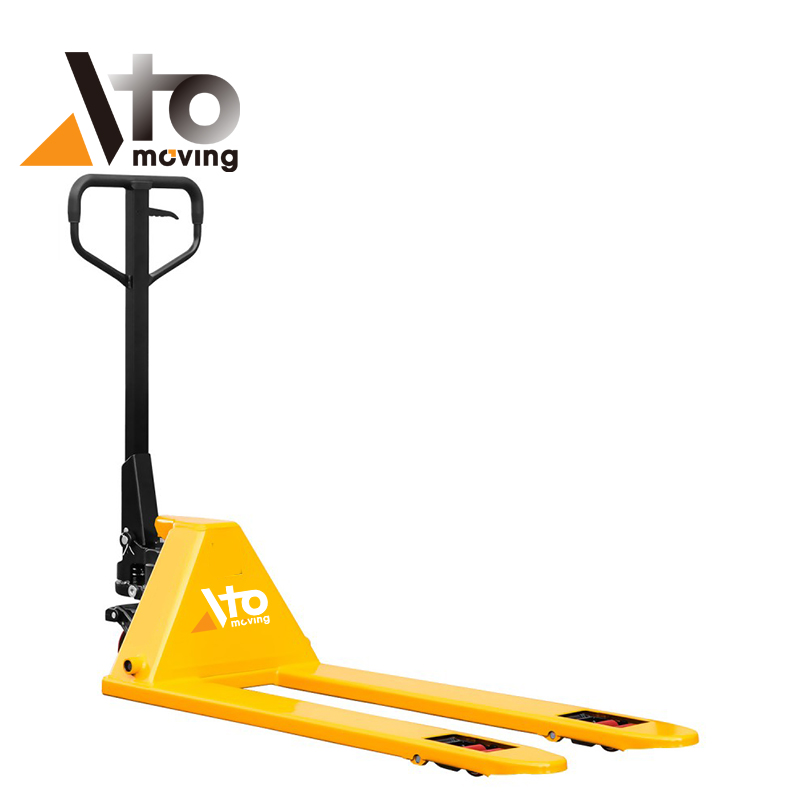
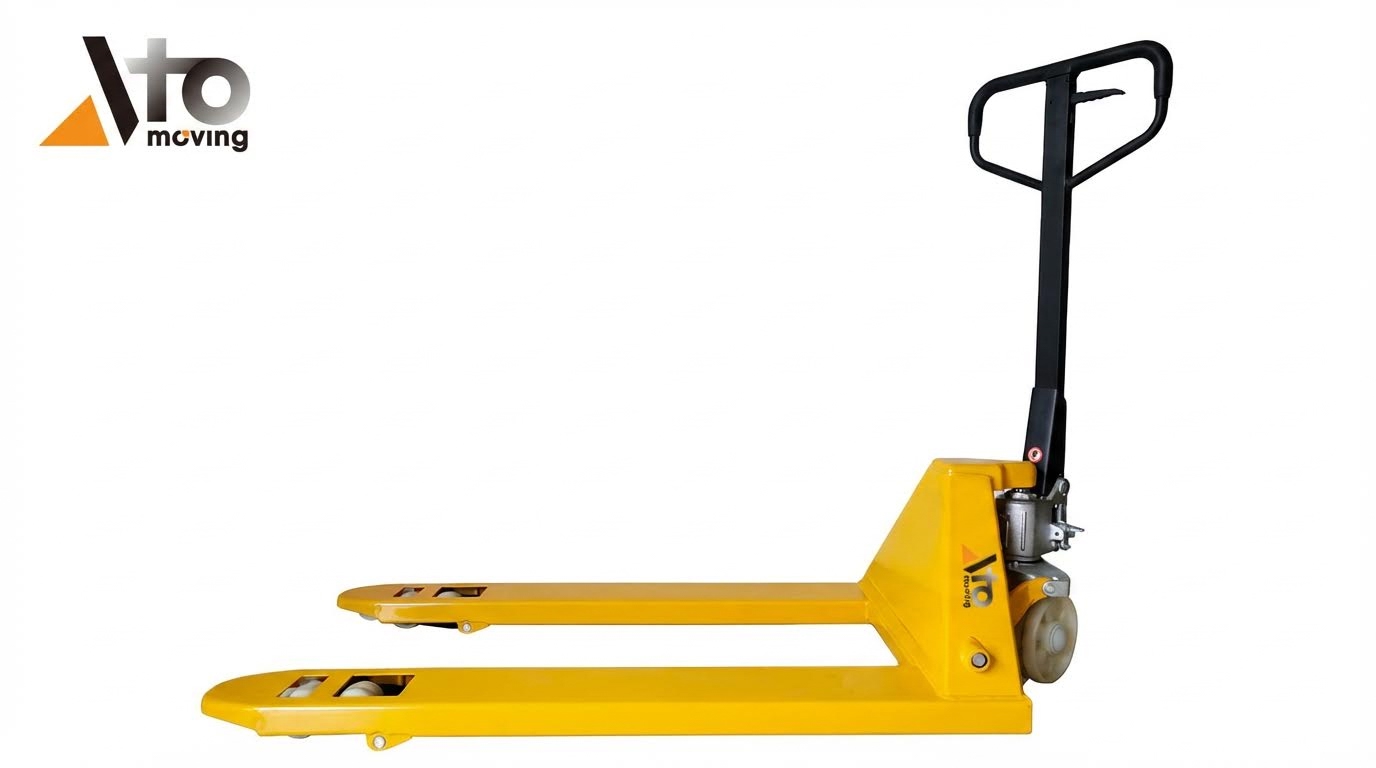
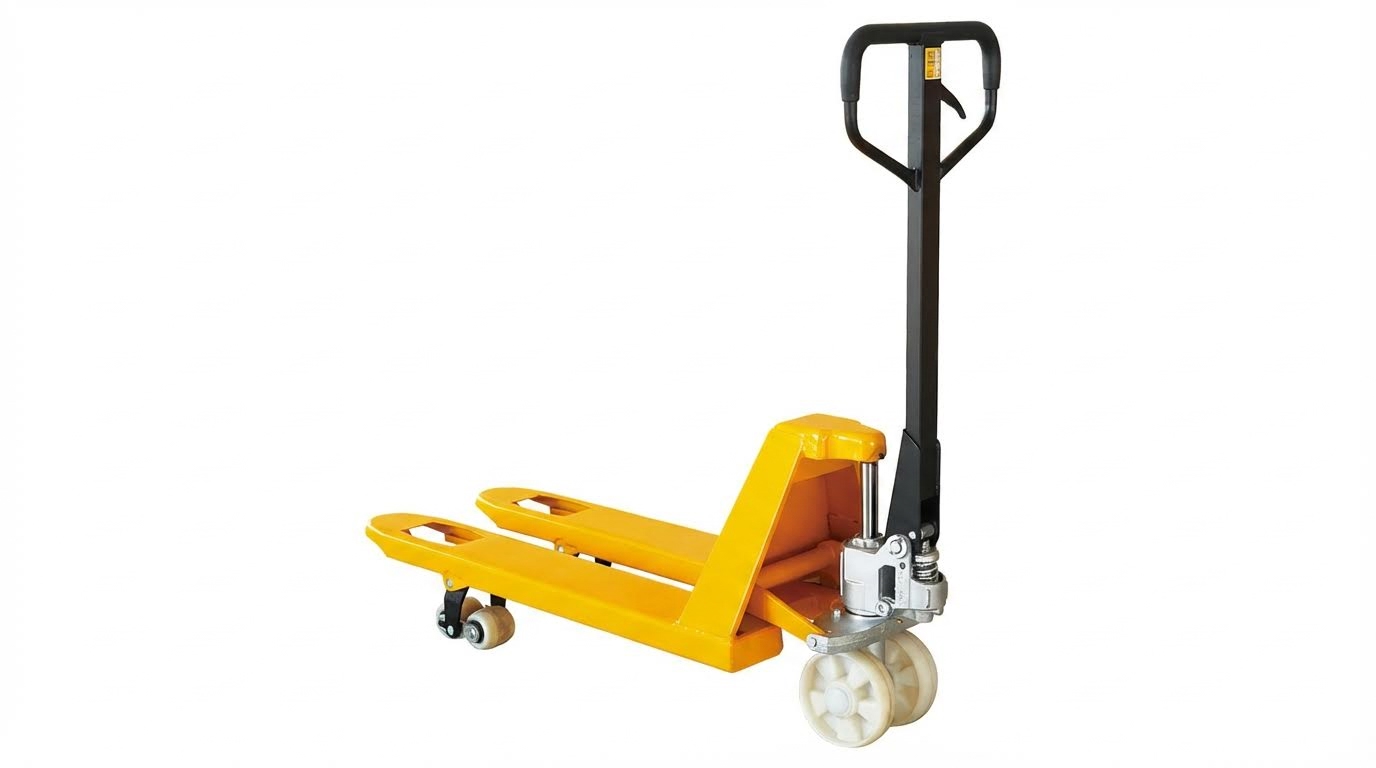
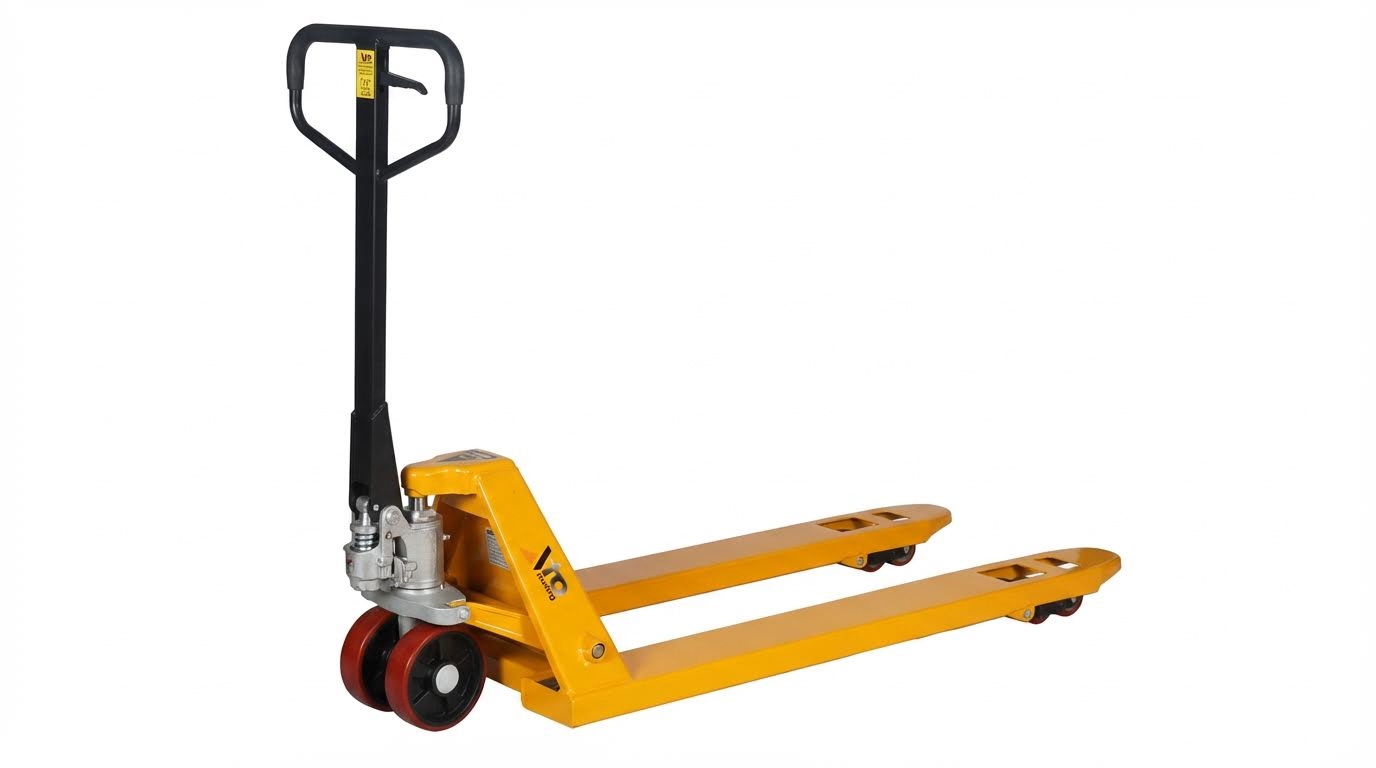
Manual pallet jacks use a simple mechanical layout. A hand pump drives a compact hydraulic cylinder that lifts the fork carriage. Steering and traction come from a drawbar handle and small poly or nylon wheels. All power comes from the operator.
Electric pallet jacks add several systems. A traction motor drives the load wheels, and an electric pump powers lift. Frames are heavier to carry batteries and motors, which raises service weight but improves tractive effort. Stand-on versions add platforms, guards, and electronic steering, which change turning behavior and stability margins.
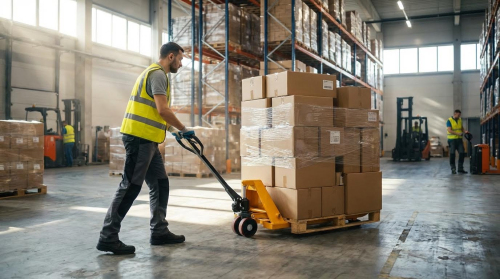
Manual units suit short runs, light to moderate loads, and tight spaces where low weight and small wheelbases help. Electric units suit longer runs, higher load mass, and frequent cycles, where powered traction limits operator strain and improves cycle time.
Powertrain, Batteries, And Control Electronics
Manual jacks have no powertrain in the strict sense. Force paths are direct: handle to linkage to hydraulic pump, then to forks and load wheels. Control is purely mechanical and fails safe if the operator lets go.
Electric jacks use an integrated drive system. Typical designs use AC traction motors rated around 1.5 kilowatts to 2.2 kilowatts with separate lift motors from 1.2 kilowatts to 2.5 kilowatts. Battery systems commonly run at 24 volts with capacities in the 150 ampere hour to 240 ampere hour range for walkie and stand-on trucks. Compact walkies may use either 24 volt or 48 volt packs, while lithium-ion cartridges allow fast exchange and opportunity charging.
Control electronics manage acceleration ramps, regenerative braking, curve speed reduction, and fault detection. Modern units integrate:
- Travel speed limits based on tiller position or steering angle.
- Regenerative braking that recovers a share of kinetic energy.
- Diagnostic ports and predictive tools that flag motor, controller, or battery issues.
These systems raise complexity but enable consistent performance over long shifts and support data-driven maintenance.
Capacity, Duty Cycle, And Throughput Thresholds
Capacity and duty cycle form the main boundary between manual and electric pallet jacks. Manual units typically handle pallet masses up to about 1,500 kilograms efficiently on smooth floors. Above that, push and pull forces rise and increase injury risk. They fit low-throughput operations where daily pallet counts stay well below 100,000 movements per year and travel distances remain short.
Electric pallet jacks cover higher capacities and tougher duty cycles. Many walkie or stand-on trucks in the market carry between roughly 2,000 pounds and 5,000 pounds, with some models rated up to about 8,000 pounds. Travel speeds can reach around 5.2 kilometres per hour to 10 kilometres per hour, with gradeability from 8 percent to 20 percent depending on configuration. These figures support high-throughput flows such as more than 50 pallets per hour on docks or continuous multi-shift picking.
Engineers can use simple thresholds:
- Short moves under about 20 metres, low daily pallet counts, and light loads favour manual jacks.
- Longer runs, frequent cycles, or ramps justify electric units due to lower operator fatigue and higher sustained throughput.
Where operations cross these thresholds, electric units usually win on both ergonomics and lifecycle cost, even with higher capital spend.
Terrain, Aisle Width, And Facility Constraints
Terrain and layout strongly affect the correct choice. Manual pallet jacks work best on smooth indoor concrete with minimal level changes. Small load wheels and the absence of powered traction limit their use on ramps, dock plates, and rough surfaces. They fit narrow aisles down to around 1.8 metres and tight areas such as truck trailers or small stockrooms.
Electric pallet jacks need more space but handle more difficult terrain. Stand-on units often optimise around 2.2 metre aisles and use longer wheelbases for stability at higher speeds. Higher service weight and driven wheels improve traction on slight ramps and floor transitions. In cold storage, enclosures and battery insulation support operation down to around minus 15 degrees Celsius, while manual units can work even colder if hydraulics are rated to roughly minus 25 degrees Celsius.
Facility constraints also include power availability, charging zones, and restricted areas. Manual jacks suit zones where powered industrial trucks are banned or where no charging infrastructure exists. Electric jacks require dedicated charging or battery exchange areas, clear pedestrian routes, and controls that comply with local powered truck regulations. Careful mapping of aisles, gradients, and door thresholds helps define which areas suit manual equipment and which demand electric trucks from suppliers such as Atomoving.
Performance, Ergonomics, And Safety Engineering
Performance engineering for pallet jacks links speed, gradeability, and cycle time to real throughput. Ergonomics and safety shape how much of that theoretical capacity operators can actually use over a full shift. This section compares electric and manual pallet jacks using measurable metrics, risk factors, and compliance needs across normal and special environments.
Productivity Metrics: Speed, Gradeability, And Cycle Time
Manual pallet jacks rely on human push and pull. Typical walk speed with a loaded manual jack stays near 3–4 km/h on flat, smooth floors. Any ramp or rough surface cuts that speed sharply and increases effort. Gradeability for manual units is effectively limited to very mild slopes because operators must control both traction and braking with body force.
Electric pallet jacks use powered traction and lift. Walkie units often run at 4–5 km/h under load, while stand-on trucks can reach 8–10 km/h in suitable aisles. Gradeability values for electric models typically range from 7–8% for compact walkies to 8–20% for higher-spec stand-on units, depending on motor power and traction. This power support keeps cycle time stable even as loads get heavier or distances increase.
Engineers usually break down one move cycle into approach, pick-up, travel loaded, drop, and return. Electric jacks shorten the travel and maneuver phases most. In high-throughput docks that move more than 50 pallets per hour, powered travel often cuts cycle time enough to offset higher capital and charging costs. Manual jacks remain competitive where runs are short, loads are moderate, and daily pallet counts are low.
Operator Ergonomics And Musculoskeletal Risk Reduction
Manual pallet jacks load the operator’s shoulders, back, and wrists. Push and pull forces rise quickly with load mass, floor roughness, and slope. Over long shifts, this repeated effort increases risk of musculoskeletal disorders, especially when operators move dozens of pallets per shift over distances above 20–25 m per move.
Electric pallet jacks remove most of the horizontal push and pull effort. The operator mainly steers and controls speed. This change directly lowers peak joint loading and reduces fatigue. Ergonomic tiller heads, soft grips, and thumb-operated controls further cut strain by allowing neutral wrist positions and reduced grip force.
From an engineering view, ergonomics improves when equipment keeps forces within accepted push–pull guidelines and limits awkward postures. Typical improvements include lower peak forces during starts, reduced effort on ramps, and more stable control when stopping. Facilities that track injury data have often reported fewer strain injuries after switching heavy or long-haul tasks from manual to electric units.
Manual jacks still work well in small areas where operators move light loads over short distances. However, when risk assessments show frequent high-force exertions or complaints about fatigue, powered assistance becomes a key control measure.
Safety Functions, Standards, And Compliance Requirements
Manual pallet jacks are simple devices with fewer built-in safety functions. Risk controls focus on training, safe load limits, correct body mechanics, and clear walkways. Operators must maintain control by speed discipline and awareness alone. There is no powered traction to manage, so regulatory treatment is usually lighter than for powered industrial trucks.
Electric pallet jacks fall under powered industrial truck standards. Typical references include ANSI/ITSDF B56.1 in North America and EN ISO 3691-1 in Europe. These standards address braking, stability, controls, visibility, and warning devices. Electric units often include emergency reverse buttons, deadman controls, automatic braking on release, and speed reduction in tight turns. These functions help prevent crush injuries and loss of control incidents.
Safety comparison often follows this pattern:
- Manual jacks: lower energy, fewer severe impact scenarios, but higher strain and slip risks.
- Electric jacks: higher kinetic energy and collision potential, but better engineered safeguards and less physical strain.
Compliance programs usually require formal operator training for electric pallet jacks. Topics include speed control, horn use at blind corners, pedestrian right-of-way, and checks before use. Pre-operational inspections for both types should cover forks, wheels, hydraulics, and labeling. Electric units also need checks of brakes, controls, and any warning lights or alarms.
Cold Storage, Hazardous Zones, And Special Environments
Cold storage conditions change both performance and safety. Manual pallet jacks with freeze-resistant hydraulics have operated down to about −25 °C because they contain no batteries or electronics. However, operator fatigue increases in cold air, and floor frost raises rolling resistance. Electric pallet jacks can work in refrigerated and frozen chambers when batteries, seals, and electronics are rated for low temperatures. Typical cold-store configurations use insulated battery compartments and components selected for condensation control.
In explosive or flammable zones, powered trucks must meet specific protection concepts and certifications. Manual pallet jacks have an advantage here because they create no ignition-capable electrical arcs. In contrast, electric jacks need explosion-protected designs and approvals before use in hazardous zones. This requirement adds cost and narrows model choices.
Special environments also include tight trailers, mezzanines, and mixed indoor–outdoor routes. Manual jacks fit well inside crowded trailers and very narrow aisles due to small size and simple steering. Electric walkies and stand-on trucks need more aisle width but handle ramps, dock transitions, and rougher exterior concrete better thanks to powered drive and larger wheels.
Engineering selection for these environments balances three factors: environmental limits for components, legal compliance for hazardous or food zones, and the real ergonomic load on operators. In practice, facilities often deploy a mixed fleet, using manual units for tight or restricted areas and electric units for mainline transport and long-haul runs.
Lifecycle Cost, Maintenance, And Reliability
Lifecycle performance separates suitable pallet jack choices from costly mistakes. This section links capital cost, maintenance effort, and reliability risk for manual and electric pallet jacks. It helps engineering, maintenance, and finance teams build a defendable business case and replacement plan.
Capital Cost, Operating Cost, And TCO Break-Even
Manual pallet jacks have the lowest entry cost. Industry data showed manual units could cost about 40% less than electric units. They also need no chargers, battery rooms, or power upgrades. This suits low-throughput or seasonal operations.
Electric pallet jacks need higher capital outlay. The bill includes the truck, batteries, chargers, and often electrical work. However, they can cut labor hours by up to roughly two thirds in multi-shift use. That shift changes the total cost picture.
When comparing total cost of ownership (TCO), engineers should break costs into:
- Capital: truck, battery, charger, infrastructure
- Operating: energy, labor, tires, wheels, brakes
- Maintenance: planned service, repairs, downtime
A practical rule of thumb used in warehouses said electric trucks gain TCO advantage when operators move more than a few dozen pallets per shift or travel over 20–25 m per move. In short runs with light loads, manual jacks usually stay cheaper over their life. In long-haul or high-volume work, electric units often pay back faster through labor savings and higher throughput.
Preventive Maintenance For Manual Pallet Jacks
Manual pallet jacks look simple but still need structured care. Evidence showed regular maintenance could prevent about 90% of failures. Most tasks need basic tools and less than three hours per unit per year.
Daily checks focus on quick visual and functional tests. Typical routines include a short scan for bent forks, cracked wheels, oil on the floor, and damaged handles. Operators then do a short lift test and verify smooth lowering. This process usually takes under ten minutes per jack.
Weekly and monthly tasks go deeper. Key actions include:
- Lubricating wheel axles, pivot pins, and the center pivot
- Checking fork straightness with a straightedge
- Inspecting wheels for flat spots, cracks, or wobble
- Tightening fasteners at the handle base and linkages
Hydraulic care is critical for reliability. Teams should check oil level, bleed air from the circuit, and inspect seals and O-rings. They should avoid pressure washing and unsuitable oils, which often damage pumps. Replacement criteria typically include bent forks, chronic hydraulic leaks after seal changes, or wheels that stay unstable even after axle work.
Electric Truck Maintenance, Batteries, And Predictive Tools
Electric pallet jacks add electrical and electronic systems to the mechanical base. That raises complexity but also opens options for predictive maintenance. Planned service usually follows fixed intervals based on hours, shifts, or calendar time.
Mechanical tasks still matter. Technicians inspect forks, linkages, wheels, and brakes. They check steering systems, especially on stand-on models with electronic steering. They also verify all safety devices, such as emergency reverse buttons and horns.
The battery strategy strongly affects lifecycle cost. Two main options exist:
- Lead-acid batteries: lower purchase price, need watering and equalization
- Lithium-ion batteries: higher price, faster opportunity charging, lower routine care
Typical electric pallet trucks in the market used 24 V systems with capacities around 150–240 Ah for stand-on units. Compact walkie models had options like 24 V lithium cartridges with quick exchange. Travel speeds ranged roughly from 4.5 km/h to 10 km/h, with gradeability up to about 20% on some stand-on units. These values drive energy use and charging needs.
Modern fleets started to use telematics and simple AI-based tools to predict failures. Sensors tracked hours, fault codes, and battery health. Systems then flagged trucks with abnormal current draw, temperature, or voltage sag. This approach helped maintenance teams shift from reactive repair to scheduled interventions, cutting unplanned downtime.
Replacement Criteria, Failure Modes, And Risk Management
Clear replacement rules prevent unsafe trucks and surprise costs. For manual jacks, end-of-life signs include forks that stay bent under rated load, chronic hydraulic drift despite rebuilds, and frames with visible cracks or corrosion. Wheel and bearing damage that recurs after proper repair is another trigger.
Electric pallet jacks show more varied failure modes. Common issues include motor insulation breakdown, controller faults, cracked drive frames, and worn steering components. Batteries also age. Lead-acid units lose runtime and need more frequent charging. Lithium packs show reduced capacity or fail diagnostic checks.
Risk management links technical condition to safety and availability. Good practice includes:
- Pre-use checks with simple pass/fail criteria
- Tag-out rules for leaks, brake faults, or steering issues
- Service history reviews to spot repeat failures
Lifecycle planning should combine age, hours, and repair cost. Many fleets set replacement when annual repair spend crosses a set share of replacement cost or when reliability threatens service levels. Structured criteria help avoid running worn trucks that raise injury risk and downtime, while also preventing wasteful early replacement.