
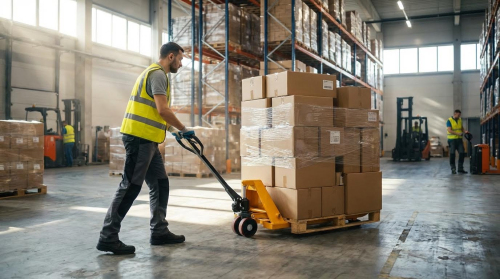
Knowing how to service a pallet truck correctly keeps your material flow reliable, safe, and cost‑effective. This guide walks through key systems, practical service intervals, and step‑by‑step checks for hydraulic, mechanical, and electrical components based on real‑world shop practice. You will see exactly what to inspect daily, weekly, monthly, and annually to prevent failures and extend equipment life. Use it as a structured reference to standardize maintenance routines, cut unplanned downtime, and protect operators and loads.
Key Pallet Truck Systems And Service Intervals
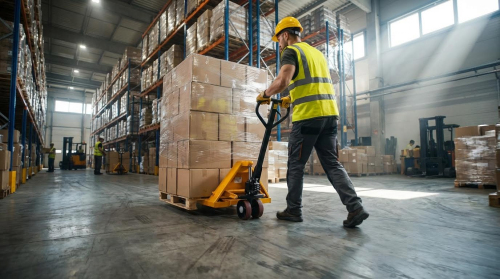
Manual vs. electric pallet truck basics
When planning how to service a pallet truck, first separate manual and electric units, because their critical systems differ. Manual pallet trucks rely on a hydraulic pump, mechanical linkages, and wheels; electric trucks add batteries, controllers, wiring, and often brakes. For both types, you must inspect the hydraulic system for leaks or damage and confirm smooth lifting performance to avoid unsafe operation hydraulic components. Electric pallet trucks also require regular checks of electrical connectors, wiring insulation, and control responsiveness to maintain safe, efficient performance electrical system inspections.
- Manual pallet trucks – Focus on pump, handle linkage, wheels, axles, forks, and frame. Remove debris from wheels, check for cracks or bends in the forks, and ensure the handle operates smoothly without jerks or binding mechanical system checks.
- Electric pallet trucks – In addition to the above mechanical and hydraulic checks, inspect batteries, chargers, and braking systems. Check the battery case and terminals for cracks, corrosion, or loose hardware, and confirm the charger is functioning correctly to avoid unexpected downtime battery and charger maintenance.
- Shared safety focus – Both manual and electric units need good wheels and bearings for stable rolling, intact frames, and leak-free hydraulics. Operators should perform regular brake checks on powered units and basic load tests on all trucks to confirm they hold a load without sinking safety checks.
Understanding these system differences helps you set realistic service intervals and decide which tasks can be done in-house and which should go to a qualified technician.
Daily, weekly, monthly, annual tasks
Structuring service into daily, weekly, monthly, and annual tasks is the most practical way to standardize how to service a pallet truck across a fleet. Short, frequent checks catch obvious issues early, while deeper inspections and lubrication extend component life. Electric units also benefit from routine battery and charger checks to prevent sudden failures battery care and daily checks.
| Interval | Key tasks | Typical focus |
|---|---|---|
| Daily |
| Operator safety and catching obvious damage before use. |
| Weekly |
| Keep rolling resistance low and prevent small issues from loosening into failures. |
| Monthly |
| Structural integrity and long-term corrosion control. |
| Annual |
| Major component health and life‑extension. |
By locking these intervals into your maintenance program, you turn servicing from a reactive emergency task into a predictable, low‑cost routine that protects uptime and operator safety.
Step-By-Step Service For Critical Components
Hydraulic pump, oil, and lift performance
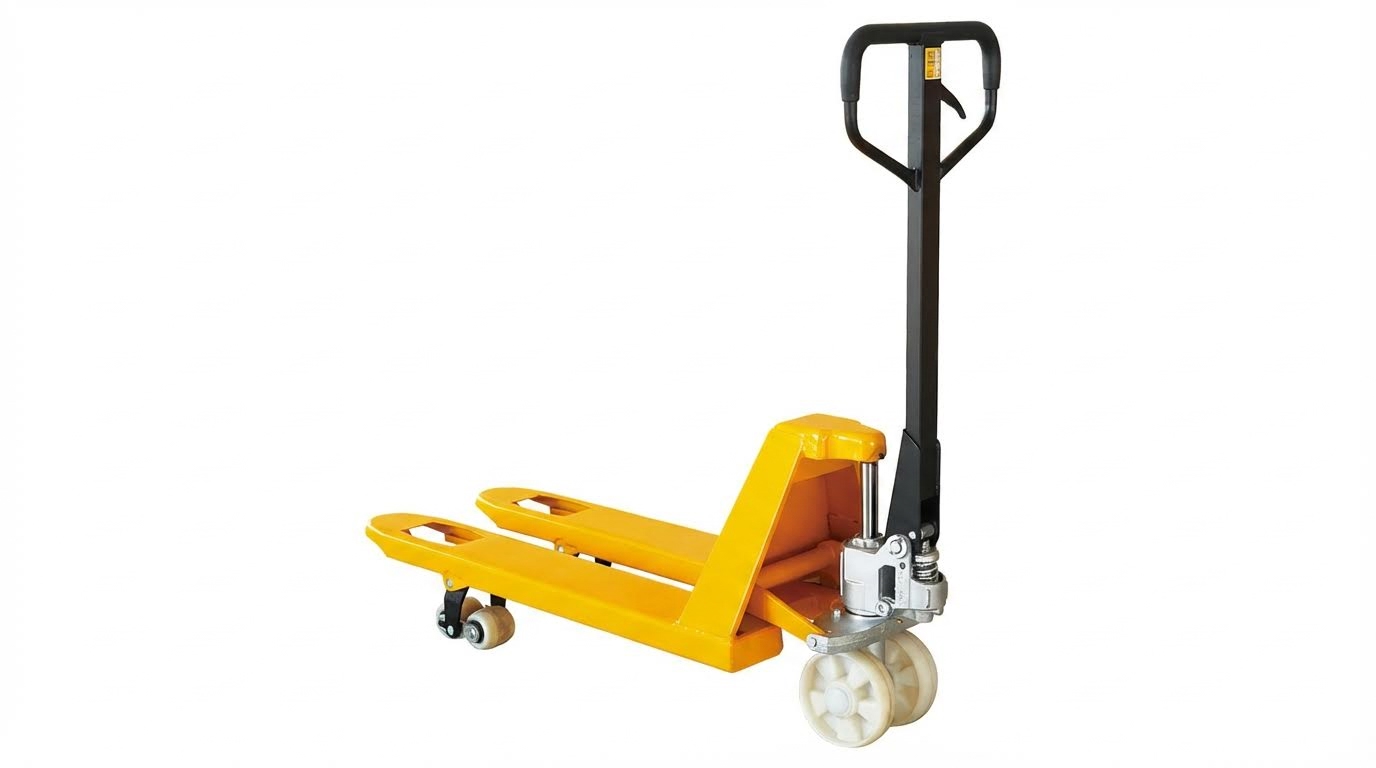
When you plan how to service a pallet truck, start with the hydraulic circuit because it carries the load. Park on level ground, lower the forks fully, and wipe down the pump unit so you can see leaks clearly. Inspect the pump body, hoses, and cylinder for wet spots, drips, or damaged fittings; any visible leak or dented tube needs repair before the truck returns to service Hydraulic System Maintenance. Test lift performance by pumping the handle three to five strokes with a rated load; if the forks rise slowly or feel spongy, top up with the specified hydraulic oil and bleed air according to the manufacturer’s procedure Hydraulic Components. Cycle the lift from full down to full up several times and hold the load at height for a few minutes; if the forks creep down, plan seal replacement and check the pump rod for rust streaks that indicate seal wear Inspection Marathon.
Hydraulic service checklist
- Clean pump, cylinder, and hose connections.
- Inspect for leaks, dents, or damaged fittings.
- Check oil level and top up with correct grade only.
- Test lift speed, maximum height, and load-holding ability.
- Schedule seal/fluid change if creep or contamination appears.
Wheels, axles, forks, and frame integrity
Next, focus on rolling parts and structure, which directly affect safety and effort. Raise the pallet truck slightly and spin each wheel by hand; remove nails, plastic, or string from around the axles with a screwdriver and listen for grinding that suggests worn bearings Mechanical System. Apply silicone spray to wheel axles and a light oil to pivot joints weekly to keep steering light and reduce dirt build-up Lubrication Routine. Run your hand carefully along the underside of each fork to feel for sharp bends, cracks, or weld separation; then place a straightedge along the top surface and check for visible sag or gaps that would justify fork replacement Inspection Marathon. Finally, tighten fork bolts, handle base nuts, and any rattling fasteners, and inspect the frame, handle base, and welded joints for cracks or deformation that could fail under load Tightening Components.
| Component | What to check | Action |
|---|---|---|
| Load & steer wheels | Debris, cracks, flat spots, noisy rotation | Clean, lubricate axles, replace damaged wheels |
| Axles & bearings | Free rotation, side play, grinding | Adjust or replace bearings/axles as needed |
| Forks | Bends, cracks, excessive sag | Remove from service if damage is found |
| Frame & welds | Rust, impact damage, loose hardware | Repair or replace before heavy use |
Electrical, battery, and charger checks
For electric units, knowing how to service a pallet truck includes a disciplined routine on the electrical side. Visually inspect wiring harnesses, connectors, and control heads for chafed insulation, loose plugs, or moisture ingress, and verify that all controls respond smoothly during a functional test Electrical System. Check the battery box and mounting hardware for cracks, corrosion, or looseness, then inspect terminals for white or green deposits, which you should clean before tightening cable lugs to the recommended torque Battery Maintenance. Confirm the charger output and indicator lights operate correctly, avoid overcharging, and store batteries fully charged in a cool, dry area to limit thermal stress and extend service life Battery Care. During every inspection, isolate the power, wear gloves and eye protection, and document voltage readings, charger faults, and any component replacements so future technicians can see the maintenance history Safety Precautions.
Electrical & battery quick-check
- Inspect cables, plugs, and controls for wear or damage.
- Clean and tighten battery terminals and mounts.
- Verify charger operation and charge cycle completion.
- Record voltages and any alarms in the service log.
Optimizing Uptime, Safety, And Total Cost

Preventive maintenance checklists and records
Using a structured checklist is the most reliable way to standardize how to service a pallet truck across shifts and sites. A good preventive maintenance list covers hydraulic, mechanical, electrical, braking, and cleanliness checks in one quick pass. This helps catch slow-developing issues like leaking hydraulics, worn bearings, and weak brakes before they turn into breakdowns and unplanned downtime. In high-throughput warehouses, avoiding even a single truck failure can save hundreds or thousands in lost productivity and emergency repair costs. Each hour of material-handling downtime can cost hundreds to thousands of dollars.
- Core checklist items should include: verifying electrical components and controls, checking tire/wheel condition, inspecting the hydraulic system for leaks and correct oil level, confirming brake response, and keeping the unit clean so defects are visible. Typical preventive maintenance checklists cover electricals, tires, hydraulics, brakes, and cleanliness.
- Frequency bands work well in practice: daily visual checks and functional tests, weekly tightening and lubrication, monthly deep inspections of forks, axles, and welds, and annual teardown-style checks on steering rods, tie rods, and structural components. Daily, weekly, and monthly routines are standard for manual pallet trucks with annual inspections on steering and structural parts.
- Record-keeping should be simple but consistent: date, truck ID, hours (if available), tasks completed, defects found, and corrective actions. These records support warranty claims, demonstrate due diligence to regulators, and let you optimize service intervals based on real wear patterns.
- Cost control comes from turning unplanned repairs into scheduled work. The same logic that makes preventive maintenance cheaper for forklifts and palletizers applies to pallet trucks: small, regular services extend life and cut lifecycle cost compared to reactive repairs. Regular maintenance maximizes uptime, reduces long-term repair cost, and extends equipment life.
Example minimal checklist structure
- Daily: visual damage, leaks, wheel condition, lift/lower test, brake test.
- Weekly: clean unit, tighten bolts, lubricate pivots and axles.
- Monthly: inspect forks with straightedge, check welds and frame, deep clean axles and pump area.
- Annual: strip, inspect, and re-torque steering and tie rods, replace worn high-stress components.
Safety, compliance, and operator training
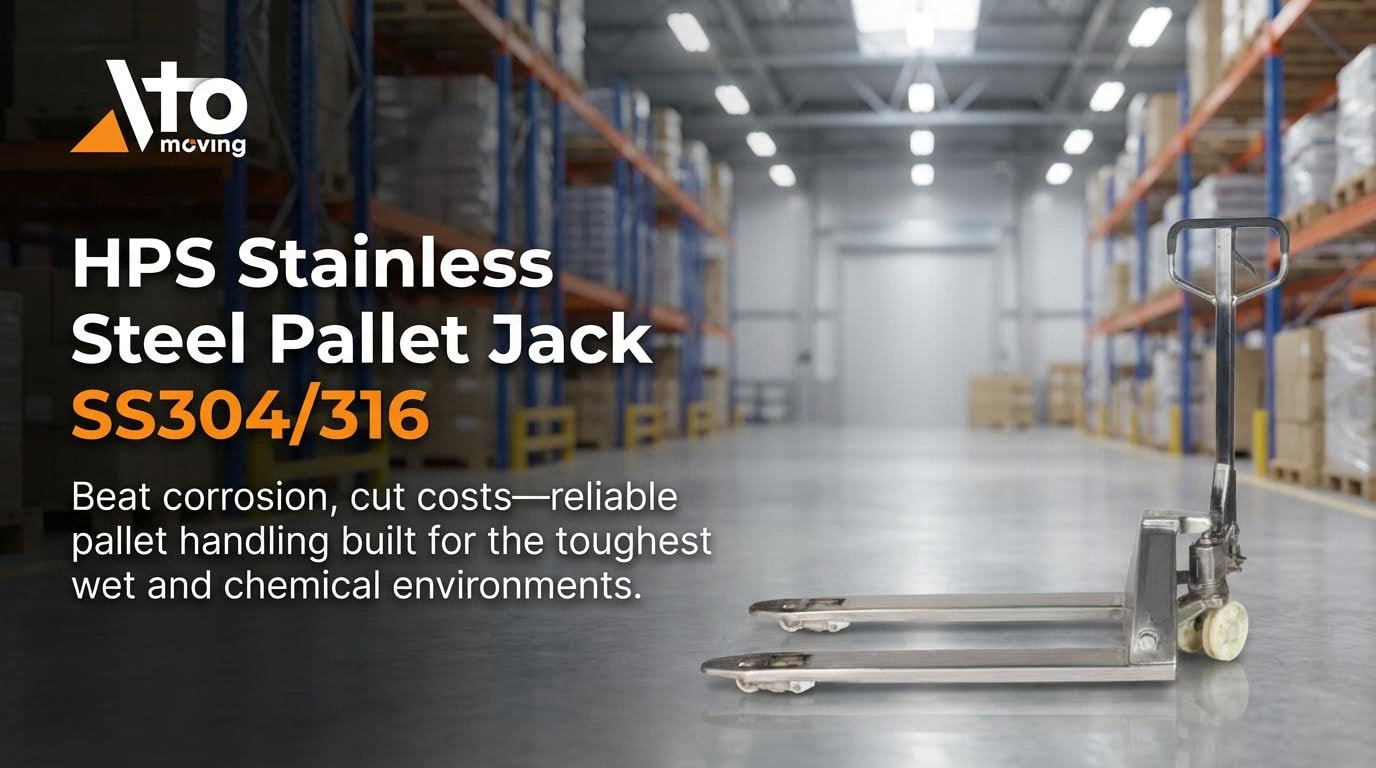
Safety and compliance depend as much on people as on hardware. Operators need to understand not only how to service a manual pallet jack at a basic level, but also how to identify unsafe conditions and remove equipment from use before it fails. Training sessions should cover correct operation, safe load handling, walk-around checks, and what to do in emergencies such as hydraulic failure or power loss. Well-trained operators reduce abuse-related damage, lower incident rates, and help maintenance teams spot problems early.
- Safety procedures must include PPE, lockout or power-off steps before inspection, and clear rules for when a truck is tagged out. Guidance for electric pallet equipment stresses gloves, eye protection, and shutting down equipment before checks.
- Technical awareness should cover basic hydraulic, mechanical, and battery failure signs: oil on the floor, jerky steering, grinding wheels, weak lift, or hot, underperforming batteries. Simple tests like spinning wheels to listen for grinding and checking for fork cracks are recommended in manual jack routines.
- Regulatory compliance is easier to demonstrate when you combine operator training logs with maintenance records. For facilities that also run forklifts or palletizers, the same principles apply: scheduled inspections, documented repairs, and trained operators are key to meeting safety standards and avoiding fines. Regular maintenance also supports regulatory compliance in powered industrial trucks.
- Uptime and total cost benefit directly from this safety culture. Fewer misuse incidents mean less structural damage and longer service life, while early reporting of faults lets maintenance teams schedule repairs during low-demand windows instead of during peak operations.
Key training topics for operators
- Daily pre-use inspection steps and when to tag out a truck.
- Safe load limits, fork positioning, and travel practices.
- How to report noise, vibration, leaks, or performance changes.
- Emergency procedures for hydraulic or electrical failures.
Final Thoughts On Long-Term Pallet Truck Care
Long-term pallet truck reliability does not depend on one task or one component. It depends on a simple, disciplined system that links daily checks, scheduled service, and trained people. When you treat hydraulics, structure, wheels, and electrics as one connected system, you spot weak links before they fail under load.
Daily and weekly inspections protect operators and catch visible damage early. Monthly and annual checks protect the frame, forks, and hydraulic circuit so the truck can still carry its rated load in five or ten years. Cleanliness, correct lubricants, and proper hydraulic oil are just as important as replacement parts.
Written checklists, clear tag-out rules, and accurate records turn good intentions into repeatable practice. Operator training then closes the loop by making every user a basic inspector who knows when to stop and report a fault.
The best practice is clear: build a standard preventive maintenance program for every pallet truck, manual or electric, and enforce it. This approach cuts unplanned downtime, improves safety, and lowers lifecycle cost. Used with quality equipment from Atomoving, it gives your warehouse a stable, predictable material-handling backbone for the long term.
Frequently Asked Questions
How to Maintain a Pallet Truck?
To keep your pallet truck in good condition, regular maintenance is essential. Lubricate the pallet truck monthly and after each cleaning, focusing on wheels, axles, and grease fittings. This ensures smooth operation and prolongs the equipment’s lifespan. Pallet Truck Maintenance Tips.
How Does a Hand Pallet Truck Work?
A hand pallet truck uses a hydraulic pump system to lift pallets. The operator slides the forks under the pallet, pumps the handle to elevate the load, and then moves it to the desired location by pushing or pulling. Hand Pallet Operation Guide.
Should You Pull or Push a Pallet Truck?
It’s generally safer and more efficient to push a pallet truck rather than pull it. Pushing provides better control and reduces strain on the operator. Always ensure the path is clear of obstacles before moving the pallet truck.