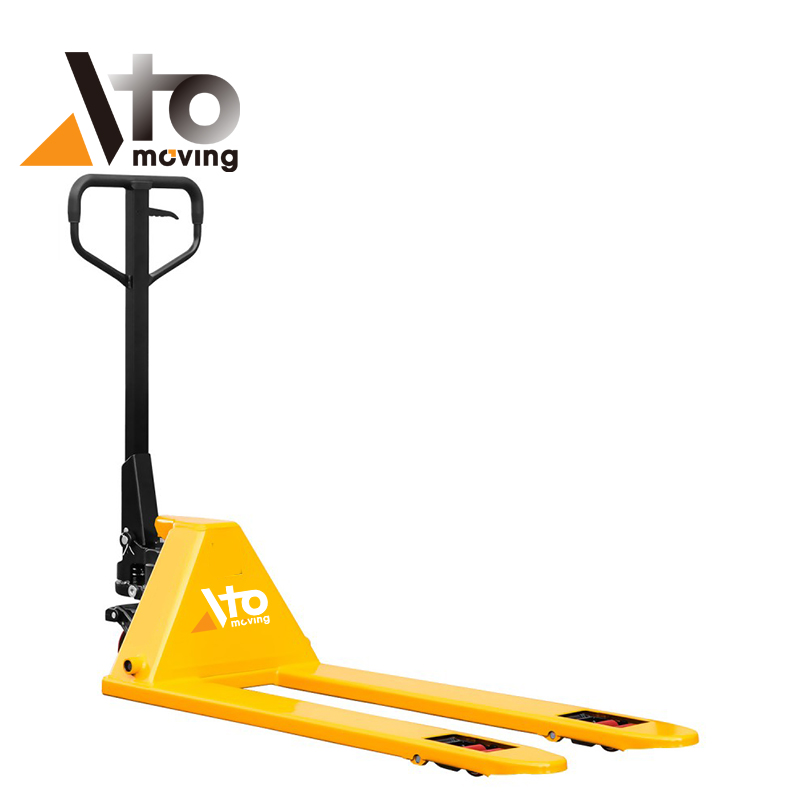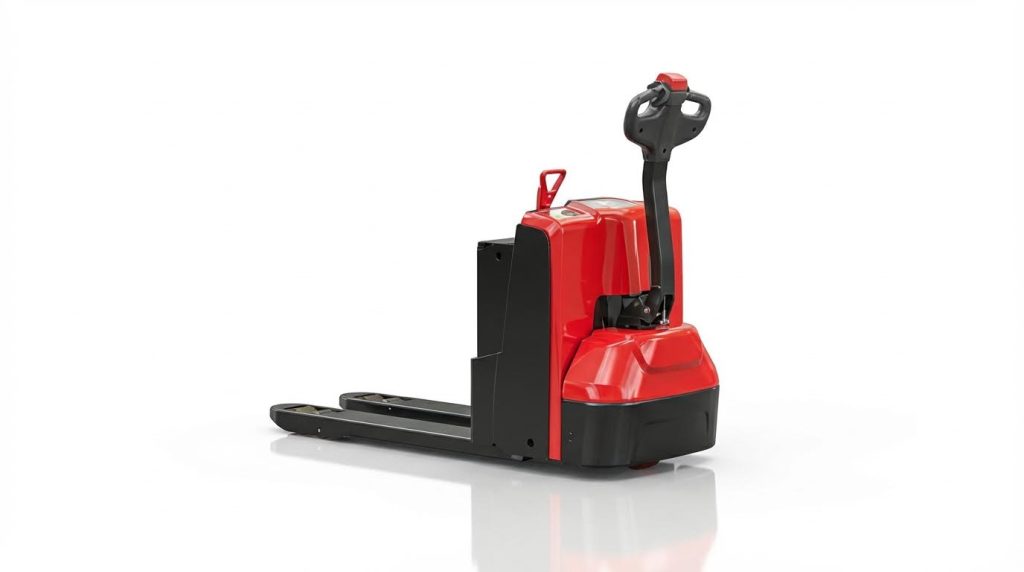
Choosing between a manual pallet jack vs electric pallet jack directly affects safety, labor costs, and throughput in your warehouse. This guide walks through core design differences, performance and safety trade-offs, and total cost of ownership so you can match the right pallet truck type to your layout, load profile, and shift pattern. You will see where manual equipment still wins on simplicity and capex, and where electric models deliver better ergonomics, compliance, and ROI. Use it as a practical framework to standardize pallet stacker selection across your facility or network.
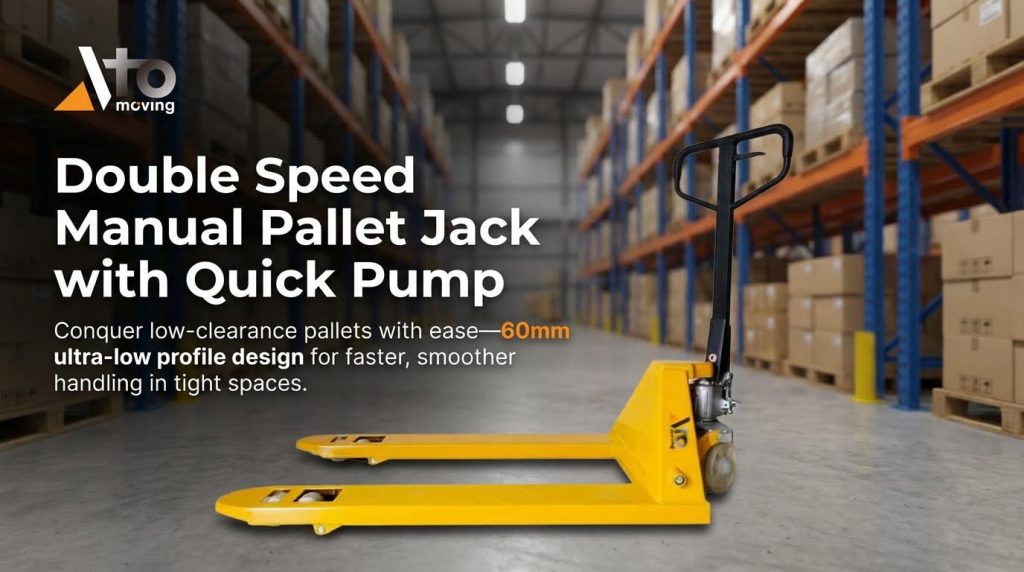
Understanding Manual And Electric Pallet Jacks
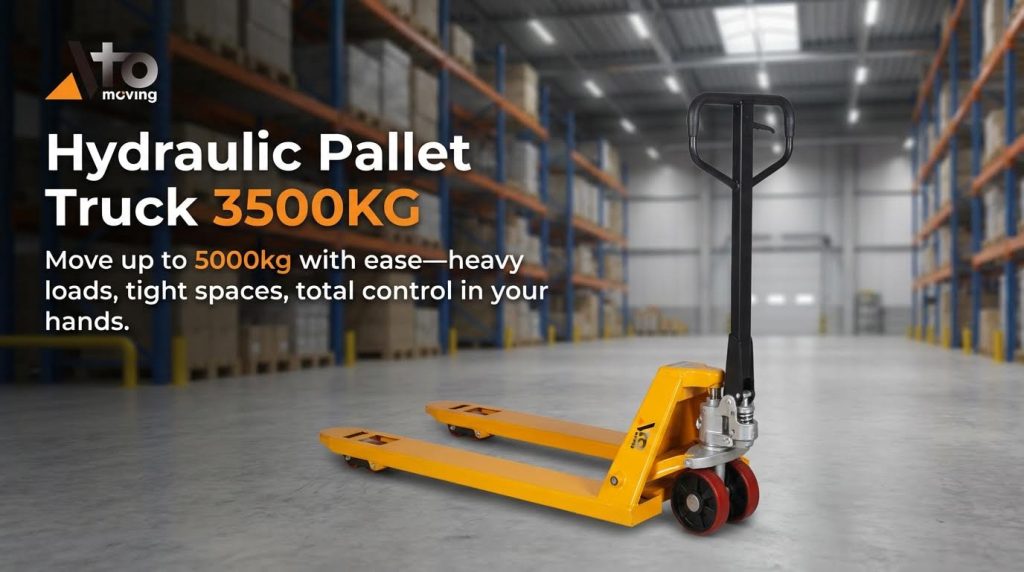
Core design and operating principles
In any manual vs electric pallet jack decision, it helps to start with how each design actually works. A manual pallet jack uses a hand-pumped hydraulic unit and the operator’s body to lift and move the load. The handle stroke pressurizes a small hydraulic cylinder, raising the forks 100–200 mm off the floor, while all traction and steering forces come from the operator pushing or pulling. This makes the design simple, compact, and easy to maintain, with typical annual maintenance time of ≤3 hours for seal checks, lubrication, and wheel replacement. Manual pallet jacks often use modular hydraulics where seal replacement can be completed within about 20 minutes, further simplifying upkeep.
Electric pallet jacks add powered traction and lifting to the same basic fork-and-wheel geometry. An onboard battery drives an electric traction motor and a lift motor, so the operator mainly steers and uses a throttle instead of supplying high push–pull forces. Many electric units now integrate smart electronics, including AI-assisted failure prediction, to reduce unplanned downtime and optimize preventive maintenance intervals. Some models also recover about 15% of energy through regenerative braking, improving overall energy efficiency and extending run time between charges.
The two designs behave differently in real warehouse geometry. Manual pallet jacks are compact and can maneuver in aisles as narrow as about 1.8 m thanks to shorter overall length and no powered drive unit at the front. Electric pallet jacks typically need around 2.2 m aisles to allow safe turns and clearance for the powered head and operator position. This aisle-width difference becomes critical when evaluating existing racking layouts during a manual vs electric pallet jack upgrade.
Environmental conditions also influence the core design choice. Manual pallet jacks rely on sealed hydraulics that can be specified for low-temperature operation, with some units rated down to -25°C for freezer applications. Electric pallet jacks must protect both electronics and batteries; insulated battery compartments and heaters typically support continuous operation down to around -15°C. This gap in low-temperature performance is important in deep-freeze logistics where manual units may still be favored for reliability.
Typical capacities, duty cycles, and use cases
Both manual and electric pallet jacks are commonly rated to handle loads around 1.5–2.5 tonnes, but how they sustain that capacity over a shift differs. A typical operator with a manual pallet jack can move roughly 15–30 loads or pallets per hour, depending on distance and floor conditions. Studies reported manual jacks at about 30 pallets per hour in practical conditions, while another analysis placed them closer to 15–20 loads per hour in more demanding routes. In contrast, electric pallet jacks typically support 25–35 loads per hour and can reach 60–70 pallets per hour in optimized walkie applications, effectively doubling throughput when travel distances are significant. This higher sustained cycle rate is one of the main performance drivers when comparing manual vs electric pallet jack options for busy docks.
Duty cycle is where the two technologies separate most clearly. Manual pallet jacks are best for short, intermittent tasks: less than four hours of use per day, short travel distances, and lighter or mixed loads. They are recommended for short runs and lower daily utilization, and for operations with annual throughput below about 100,000 pallets. Electric pallet jacks, on the other hand, are engineered for multi-shift, high-throughput environments where operators repeatedly move loads over 200-foot routes or more. They are often specified for dock-side loading above 50 pallets per hour and continuous cold-chain or large-facility transport.
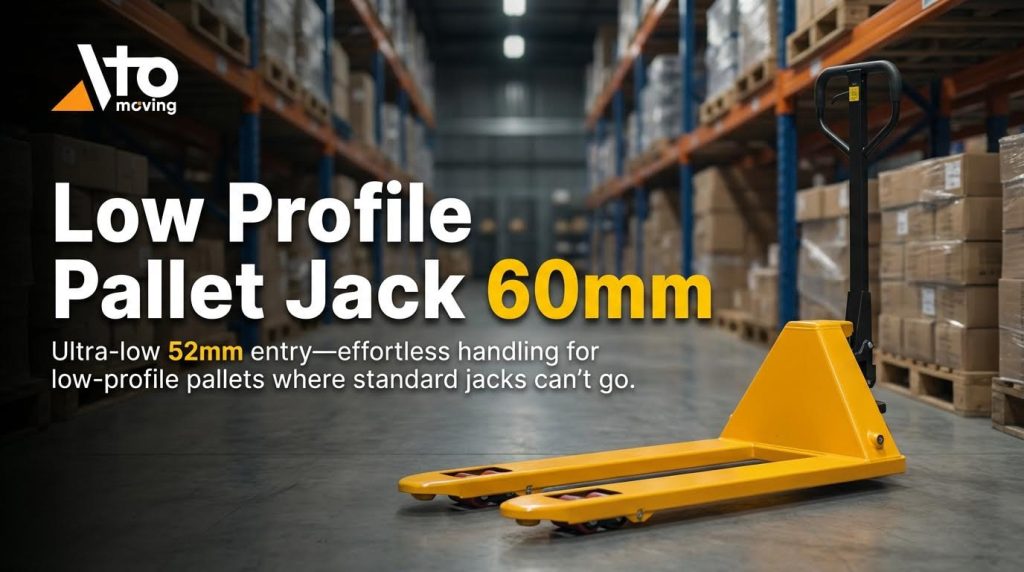
Typical use cases reflect these differences. Manual pallet jacks fit well in small warehouses, retail backrooms, and power-restricted or hazardous zones where electrical equipment is limited, such as certain chemical or fuel-handling areas. They are also suitable for frequent handling of lighter loads below about 1,500 kg and for container loading where ultra-low profile forks around 85 mm are required. Electric pallet jacks are preferred in large distribution centers, e-commerce fulfillment operations, and multi-level racking systems where higher travel speeds, powered lift, and advanced safety features reduce fatigue and musculoskeletal injury risk. Some facilities have documented 18% fewer musculoskeletal injuries and up to 40% lower wrist and back injury rates after shifting more work from manual to electric pallet jacks, which becomes a major factor in total cost of ownership and long-term staffing health.
Technical Comparison: Performance, Safety, And TCO
Throughput, productivity, and labor efficiency
When you compare manual pallet jack vs electric pallet jack performance, the biggest gap is in hourly throughput. A typical operator moves around 30 pallets per hour with a manual jack, while an electric walkie handles roughly 60–70 pallets per hour, effectively doubling output per head. Manual throughput of ~30 pallets/hour vs 60–70 pallets/hour for electric units translates into shorter loading cycles and fewer bottlenecks at docks. In e‑commerce and high‑velocity operations, combining manual order-picking jacks with electric transfer equipment can raise daily throughput by more than half. Hybrid manual–electric workflows have delivered up to 57% higher daily throughput in e‑commerce warehouses. For route length and duty cycle, manual jacks fit short, intermittent moves, while electric models maintain consistent speeds over 100‑meter-plus routes and multi‑shift use. Electric units complete 100‑meter cycles about 22 seconds faster and support 25–35 loads per hour versus 15–20 with manual jacks, which compounds into major labor savings over a year.
- Manual jacks: best for short distances, light to medium loads, and less than one shift of daily use.
- Electric jacks: best for multi‑shift, long travel distances, and docks or staging areas with continuous flow.
- Annual labor savings can reach several thousand dollars per operator when switching to electric units in high‑volume operations. One model showed annual labor cost dropping from about $27,300 to $18,330 per operator, with a payback period well under a year.
Ergonomics, safety, and compliance considerations
In the manual pallet jack vs electric pallet jack decision, ergonomics and injury risk are often underestimated cost drivers. Manual hydraulic jacks require high initial pull and push forces to start a 1.5‑ton load, which can exceed typical manual handling guidelines and increase the risk of musculoskeletal disorders. Studies reported initial pull forces of 30–50 kg for a 1.5‑ton manual load, above many regulatory recommendations. Electric pallet jacks remove most of this strain with powered traction and lift, which cuts fatigue and helps maintain consistent performance across a full shift. Facilities using manual jacks have reported 23% higher fatigue rates and 18% more musculoskeletal injuries, with average compensation claims around $15,000 per case.
- Manual jacks: simple and robust but rely on operator strength and posture, raising the risk of back, shoulder, and wrist injuries in high‑duty applications.
- Electric jacks: incorporate ergonomic tillers, low‑effort controls, and safety features such as emergency reverse, automatic braking, and speed reduction in curves. These features have been linked to up to 40% fewer wrist and back injuries compared with manual handling.
- In tight or high‑traffic areas, electric models with controlled acceleration, compact turning radius, and automatic park brakes help reduce collision and crush incidents.
From a compliance perspective, lower forces, reduced repetitive strain, and engineered safety systems all support alignment with modern occupational health and safety standards. For operations with aging workforces or high turnover, these ergonomic gains can be as important as pure productivity.
Power, batteries, and maintenance technologies
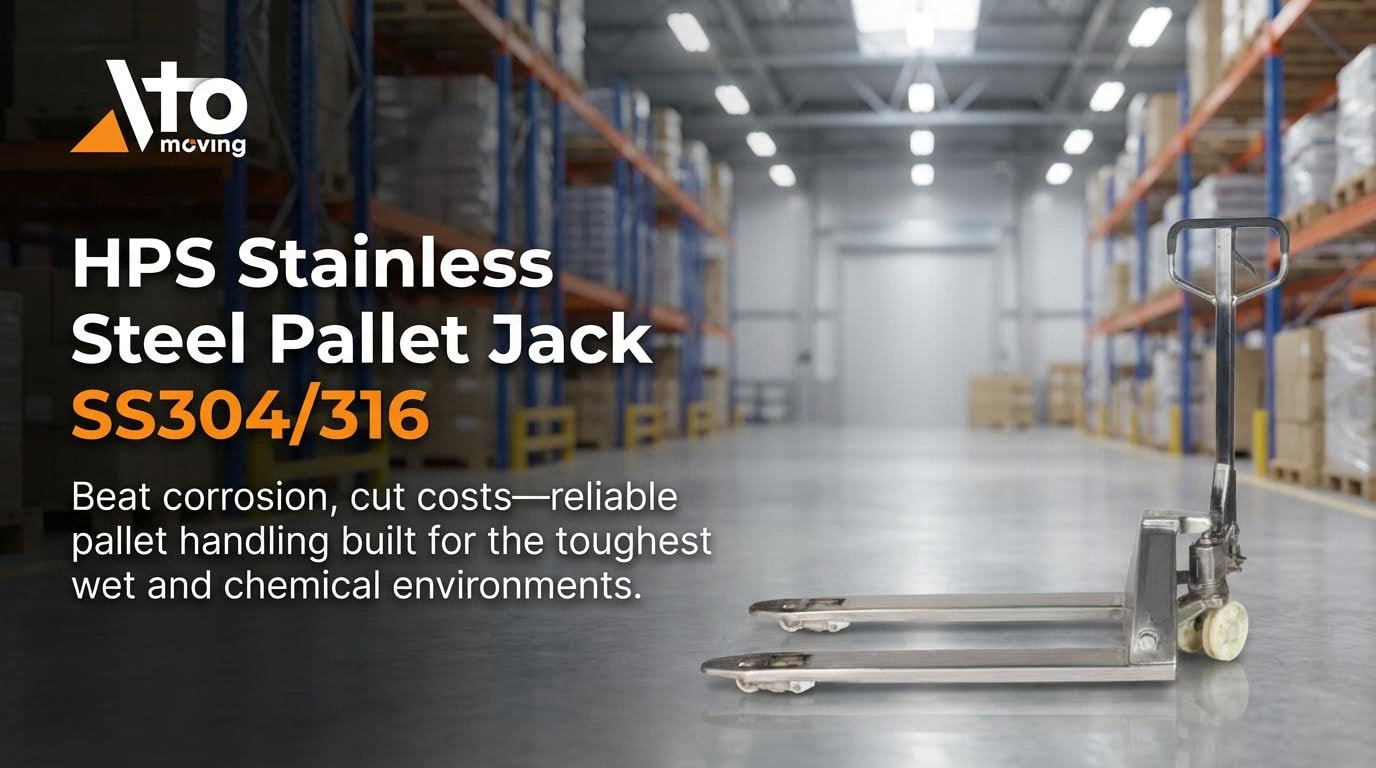
Manual pallet jacks are mechanically simple, with no onboard power source, which keeps both maintenance and energy costs low. Typical annual service involves basic hydraulic checks, seal replacement, and greasing, often completed in just a few hours per unit. Some studies have shown manual units needing no more than about three hours of maintenance time per year, with low parts cost. They also consume no electricity, which eliminates energy line items but shifts the effort back to labor.
Electric pallet jacks add batteries, chargers, and electronic controls, which increase complexity but enable much higher daily output. Battery choice is a key design decision:
- Lead‑acid batteries: lower upfront cost, but require daily watering and equalization, with 6–8 hour full charge cycles and limited opportunity charging.
- Lithium‑ion batteries: higher efficiency, no routine maintenance, 2–3 hour charge times, and true opportunity charging during breaks. Lithium packs typically deliver 3–4 times the cycle life of lead‑acid with faster charging and no watering requirements.
On the maintenance side, electric models require periodic checks on braking systems, drive motors, and electronics, along with battery health monitoring. However, advanced designs now integrate predictive diagnostics to cut unplanned downtime. AI‑assisted failure prediction has been used to reduce unexpected stoppages and optimize service intervals. Energy efficiency is also improving: regenerative braking can recover a portion of kinetic energy during deceleration and ramp descents, lowering total power consumption. Some electric pallet jacks now recapture roughly 15% of energy through regenerative systems, which helps offset electricity costs over the life of the truck.
Total cost of ownership (TCO) snapshot
For manual pallet jack vs electric pallet jack TCO, manual units win on initial price and simplicity, while electric units win on labor and throughput in higher‑volume sites. Manual pallet jacks often cost a fraction of an electric unit and carry very low annual maintenance and zero energy costs. Some analyses have shown manual jacks at 60–70% lower upfront cost, with maintenance around $120 per year versus about $300 for electric models, plus roughly $120 per year in power. But in multi‑shift or high‑throughput operations, the labor savings and higher pallet‑per‑hour rates of electric jacks usually offset the higher capital and running costs within the first year of use.
Matching Pallet Jack Type To Your Facility
Layout, aisle width, and temperature conditions
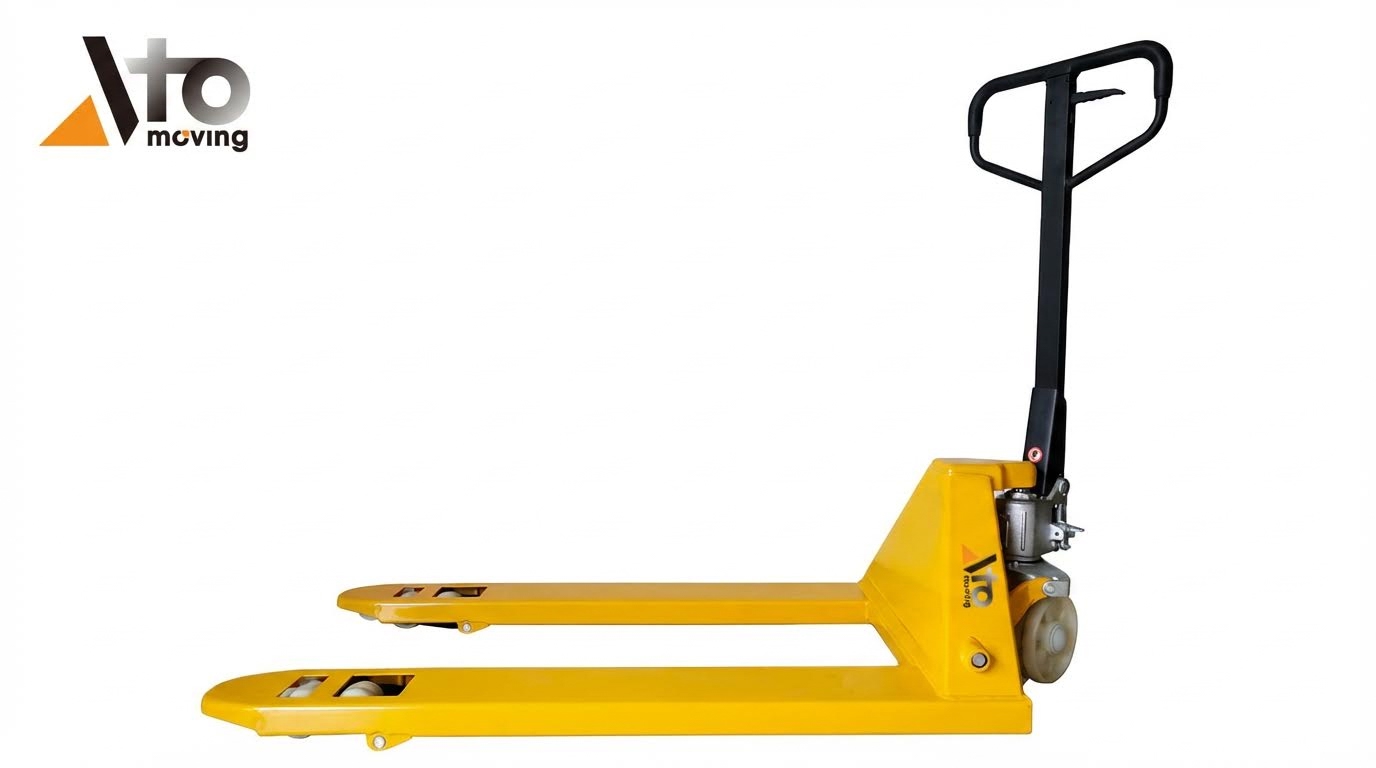
Facility layout is one of the fastest ways to narrow the choice in the manual vs electric pallet jack decision. Manual pallet jacks typically work better in very tight spaces and short runs, while electric units need more turning room but handle distance and gradients more efficiently.
- Aisle width and maneuvering space
Manual pallet jacks can operate in aisles as narrow as about 1.8 m, making them suitable for dense storage and small rooms in narrow-aisle environments. Electric pallet jacks are usually optimized for aisles around 2.2 m, which you more often see in standard selective racking layouts. If your existing racking is very tight or you load inside containers, a compact manual jack with a small turning radius is often easier to position. For large, open docks and long straight runs, electric models use the extra space to move faster and reduce cycle times. - Travel distance and building size
In small facilities, or where typical runs are under 200 ft, pushing a manual pallet jack is usually acceptable and keeps capital cost low for light-duty routes. In large warehouses or multi-building campuses, repeated long-distance moves with a manual jack drive fatigue and slow throughput. Electric pallet jacks are recommended where operators regularly cover long routes or work in multi-shift operations, because they maintain consistent speed and reduce the physical effort per trip in larger facilities. Matching truck type to travel distance is critical to avoid both underutilizing electric units and overworking manual ones. - Temperature and environmental conditions
Manual pallet jacks with freeze-resistant hydraulics can keep working down to about -25°C, which suits deep-freeze storage and blast freezers in very low temperatures. Electric pallet jacks can be specified with insulated batteries and electronics for continuous operation to around -15°C, making them a strong fit for refrigerated docks and cold chain cross-docks. In power-restricted or hazardous zones, such as some chemical or fuel areas, manual units avoid electrical components and remain the safer, compliant option. For dusty or particulate-heavy sites, sealed or IP-rated manual jacks with protected bearings help keep contaminants out of the hydraulic system and reduce wear.
Quick facility fit checklist
If most aisles are ≤1.8 m, runs are short, and you work in very low or power-restricted areas, manual jacks usually fit best. If aisles are ≥2.2 m, runs are long, and you operate in refrigerated or high-throughput docks, electric pallet jacks generally deliver more value.
Application profile, load mix, and ROI modeling
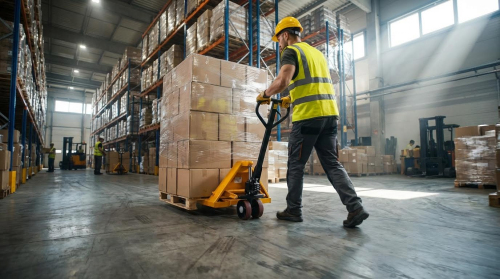
The right choice in the manual vs electric pallet jack tradeoff also depends heavily on what you move, how often you move it, and your labor cost structure. A simple application and ROI model prevents over-specifying equipment or missing savings from electrification.
- Load mix and duty cycle
Manual pallet jacks are well suited for frequent handling of light to moderate loads up to about 1,500 kg, especially when daily pallet volume is below roughly 100,000 pallets per year across the site in lower-throughput operations. They perform best on short routes, with less than about four hours of actual use per day. Electric pallet jacks are designed for heavier stacks, higher pallet densities, and multi-shift operations, where manual pushing would exceed ergonomic guidelines and slow the process in heavy-duty applications. For high-speed dock loading over 50 pallets per hour or continuous cold chain work, electric models are generally the only practical option for critical scenarios. - Productivity and labor impact
A typical operator handles about 30 pallets per hour with a manual pallet jack, while an electric walkie can move around 60–70 pallets per hour under similar conditions doubling throughput. This productivity difference drives large labor savings when volumes are high and wages are significant. At roughly 200 pallet moves per day and a wage of $15/hour, annual labor cost with a manual jack was estimated around $27,300 per operator, dropping to about $18,330 with an electric unit, for savings near $8,970 per year per operator. Facilities with repetitive, high-volume pallet flows usually recoup the higher purchase price of electric trucks within months through these labor gains. - ROI, payback, and total cost of ownership
Manual pallet jacks typically cost 60–70% less upfront than electric units, and annual maintenance can be as low as a few hours of service and modest parts spend for basic hydraulic equipment. Electric pallet jacks add battery and charger cost plus higher annual maintenance, but they eliminate much of the physical effort and associated downtime, and they can cut musculoskeletal injury rates and fatigue-related incidents. When you include labor savings from higher throughput, many electric pallet jack investments reach payback in roughly 5–8 months in busy operations based on productivity gains. A simple model that combines purchase price, annual maintenance, energy cost, labor hours, and injury-related costs over a 5–10 year horizon will usually show where your break-even point sits between manual and electric solutions.
| Factor | Manual pallet jack | Electric pallet jack |
|---|---|---|
| Best fit | Short runs, light loads, tight aisles | Long runs, high volume, multi-shift |
| Typical hourly pallets | ~30 per operator | ~60–70 per operator with powered assist |
| Environment | Very low temperatures, power-restricted, dusty zones | Refrigerated docks, high-speed loading, large warehouses |
| ROI pattern | Lowest capex, good for low-throughput sites | Higher capex, fast payback in high-throughput sites |
How to build a quick ROI comparison
Estimate pallets moved per day, labor rate, and hours per shift for each option. Multiply by productivity per hour, then add annual maintenance and energy costs. The option with the lowest cost per pallet over 5–10 years is usually the right choice for your facility profile.
“”
Final Recommendation And Key Takeaways
Manual and electric pallet jacks use the same basic fork geometry, but they support very different operating strategies. Manual units suit tight aisles, short runs, deep-freeze zones, and low annual pallet volumes. They keep capex and maintenance low, but they shift effort and risk to the operator’s body.
Electric pallet jacks add powered traction, controlled braking, and modern battery systems to lift throughput and cut strain. They need wider aisles and higher upfront spend, yet they usually pay back fast in large buildings, long routes, and multi-shift docks. Lower pull forces, better ergonomics, and integrated safety functions directly reduce fatigue, injuries, and compensation costs.
Engineering and operations teams should not pick by habit or unit price alone. Map aisle widths, travel distances, temperature zones, pallet volumes, and typical load weights. Then model cost per pallet over at least five years, including labor and injury costs. In many networks, the best answer is a mixed fleet: manual jacks for niche, tight, or extreme-temperature tasks, and electric units as the primary workhorses. Atomoving can then standardize models and options around that profile to keep training, parts, and service under control while protecting both throughput and operator health.
Frequently Asked Questions
What are the main differences between manual and electric pallet jacks?
Manual pallet jacks, also known as hand pallet trucks, require physical effort to operate. They use a hydraulic pump activated by a handle to lift pallets, making them suitable for shorter distances and lighter loads. Electric pallet jacks, on the other hand, are powered by batteries and can handle heavier loads over longer distances with less physical strain on the operator Pallet Jack Comparison Guide.
- Manual pallet jacks are better for short distances and lighter loads.
- Electric pallet jacks are ideal for heavy loads and long distances.
- Electric models reduce physical strain on operators.
How do you safely operate an electric pallet jack?
To safely operate an electric pallet jack, always inspect the equipment before use, ensure the path is clear of obstacles, and never exceed the load capacity. Keep the load close to the ground while moving, and be cautious when turning or navigating ramps. It’s also important to receive proper training before operating the equipment Electric Pallet Truck Safety Guide.
- Inspect the pallet jack before each use.
- Keep loads low to the ground during transport.
- Never exceed the recommended load capacity.
What are the common causes of injuries when using pallet jacks?
The most common causes of pallet jack injuries include overexertion from pushing or pulling excessive loads, foot and hand crush injuries from improper handling, and accidents caused by slippery floors or poor visibility. Slips, trips, and falls are also frequent hazards, especially when operators fail to maintain a clear work area Pallet Jack Safety Tips.
- Overexertion from moving heavy loads.
- Foot and hand injuries from improper handling.
- Slip and fall hazards in the workplace.