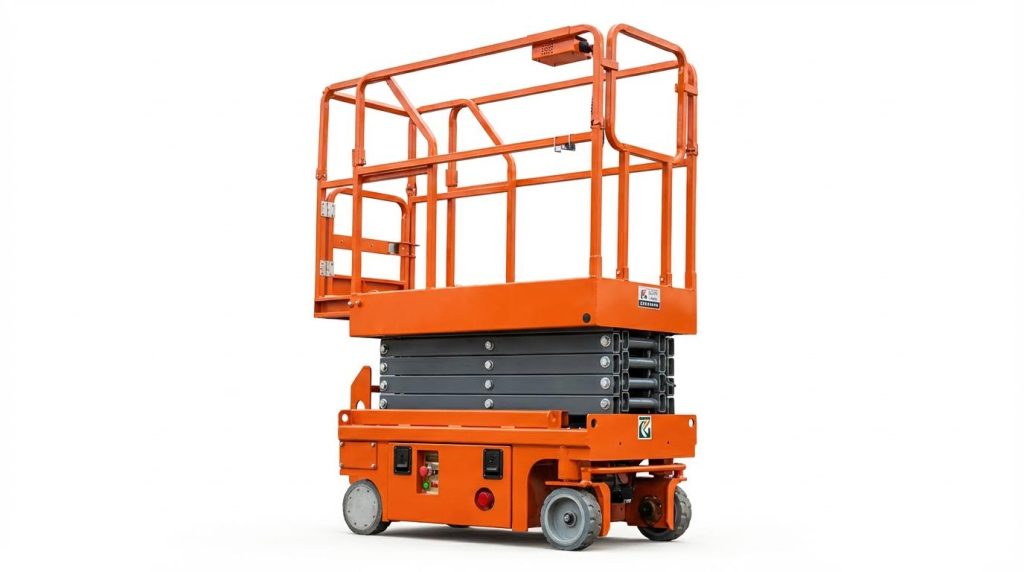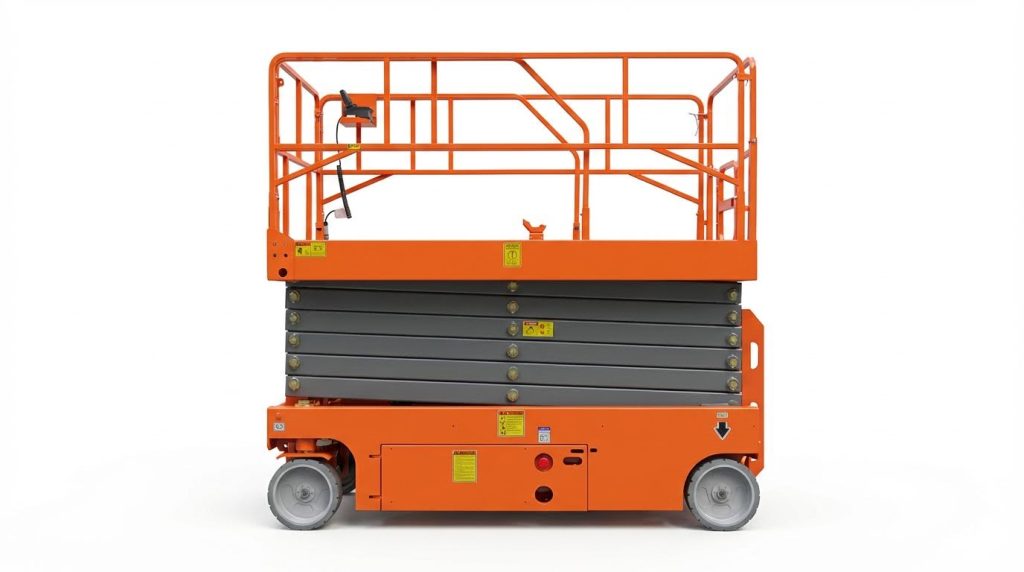
Correct scissor lift height calculation is critical for safe, fast work in modern warehouses. This guide explains how to define working height, relate it to racking and aisle layouts, and apply basic scissor geometry. You will see how to convert task requirements into platform height, check stability and safety factors, and choose equipment that fits real warehouse constraints. The goal is to help engineers and warehouse managers specify lift heights that improve throughput without compromising safety or compliance.
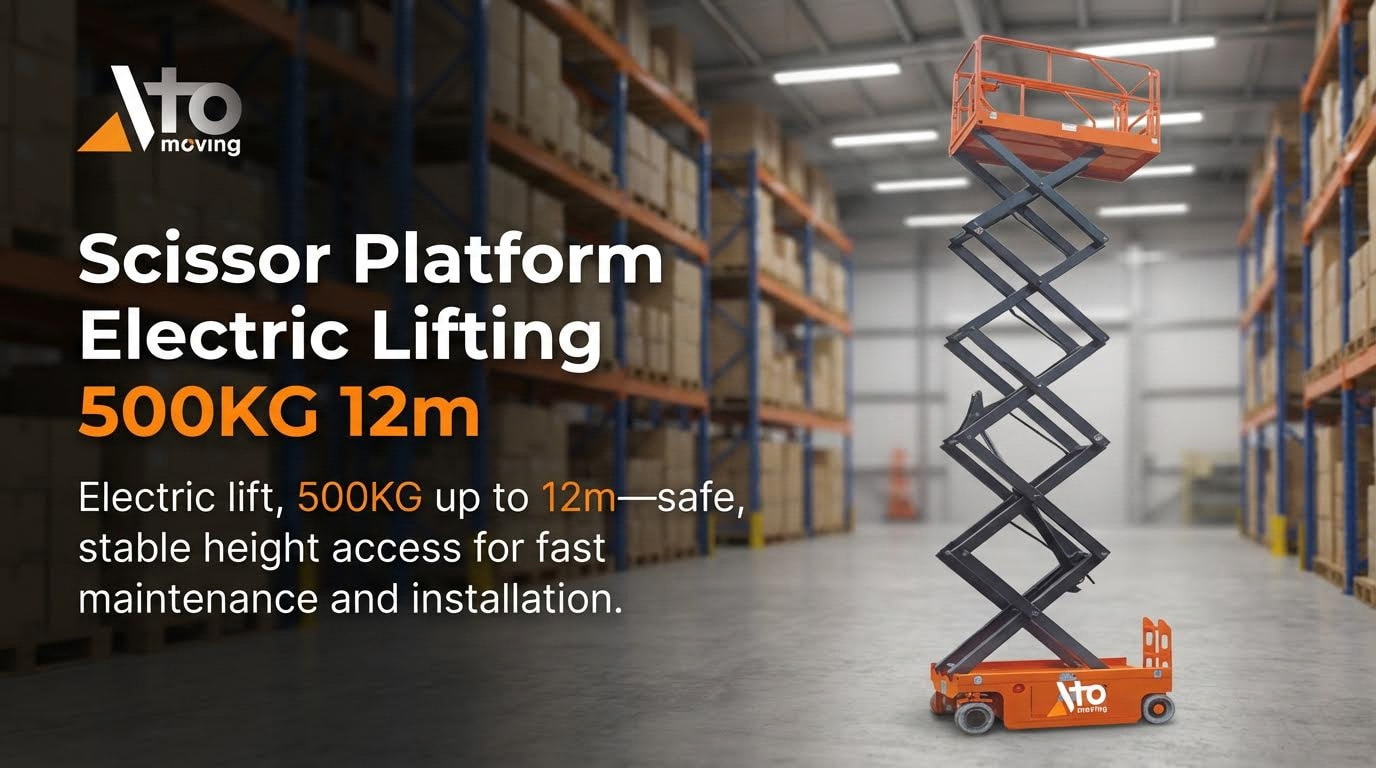
Key Height Concepts For Scissor Lifts In Warehouses
Platform Height vs Working Height
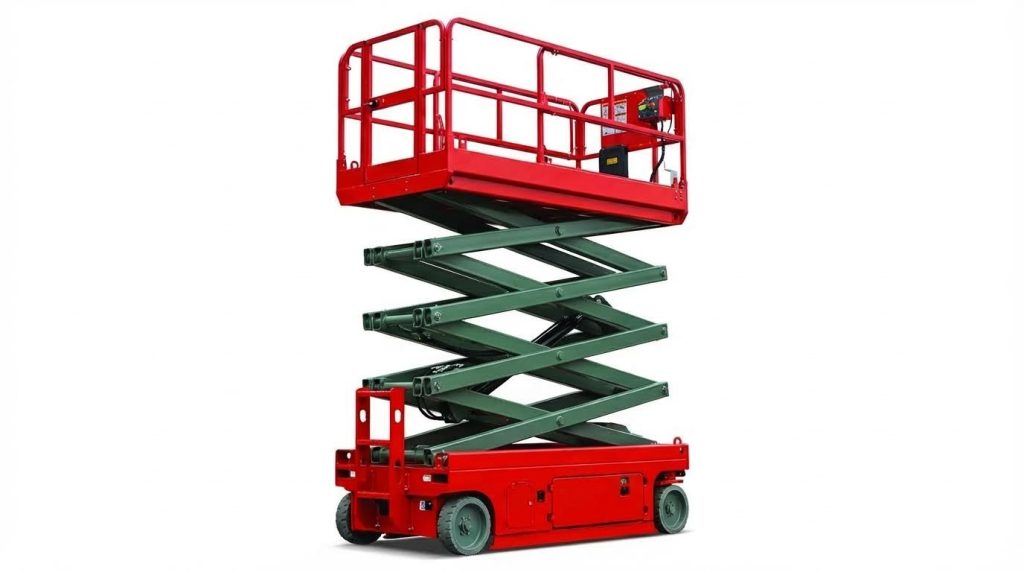
For accurate scissor lift height calculation in warehouses, you must separate platform height from working height. Platform height is the maximum level the floor of the lift can reach. Working height is typically assumed to be about 2 m above the platform, representing the operator’s safe reach zone for most specifications. If a platform height is 8 m, the quoted working height is usually around 10 m using this convention in manufacturer data. When you compare models, always check whether the catalogue lists platform height or working height; mixing them can leave operators 1–2 m short of the top beam or sprinkler line.
Quick reference: platform vs working height
| Term | What it means | Typical use in specs |
|---|---|---|
| Platform height | Distance from floor to platform floor at max extension | Used for mechanical design and clearance checks |
| Working height | Platform height + assumed 2 m operator reach | Used for task planning and access checks |
In internal discussions, standardize which term your team uses for scissor lift height calculation. For engineering checks (door clearances, roof trusses, mezzanine soffits), work with platform height. For task planning (can we pick from the top pallet position?), work with working height. Document both values in risk assessments and operating procedures so supervisors and operators share the same expectation of how high the lift can safely be used.
Defining Task, Aisle, And Racking Requirements
Before choosing any lift, define the warehouse task in detail and then run a structured scissor lift height calculation. Start from the highest point the operator must comfortably reach: top pallet level, lighting fixtures, ducting, or sprinkler pipework. Convert that to a required working height, then subtract the 2 m reach assumption to get the minimum platform height you need for typical warehouse operators. Add a safety margin so operators are not forced to overreach or stand on boxes or rails to access the last few centimeters.
- Task definition: picking, inventory, maintenance, installation, or repairs all drive different height and reach needs.
- Aisle constraints: clear aisle width, turning radius, and any overhead obstructions limit viable platform size and maximum raised position.
- Racking geometry: bay height, beam spacing, and over-racking services define the true maximum working height requirement.
Check that the lift’s platform dimensions and stowed footprint fit your aisles and staging zones while still giving enough height to reach the top beam plus any over-racking clearance. Where aisles are narrow, you may accept a smaller platform to keep within rack-to-rack clearances, but you must still keep the platform height adequate for the top storage level. Aligning these task, aisle, and racking requirements up front prevents buying equipment that technically reaches the height on paper but cannot be positioned safely where the work is actually done.
Engineering Methods To Calculate Required Lift Height
Using working height and 2 m reach assumption
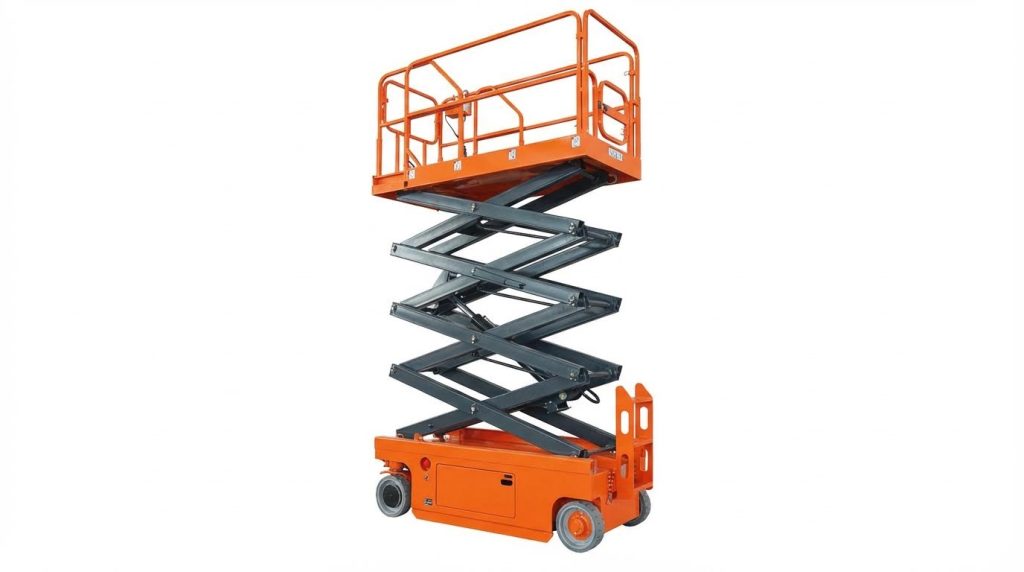
For most warehouse tasks, a simple and robust scissor platform height calculation starts from working height. Working height is typically taken as 2 m above the platform level, assuming an average operator can safely reach this distance overhead. If you know the highest point where work is performed, subtract 2 m to estimate the minimum platform height required. For example, to pick or install at 9 m, you would target a platform height of about 7 m, giving an 9 m working height using the standard 2 m reach assumption. This aligns with common practice where an 8 m platform is marketed as a 10 m working height in typical MEWP specifications. Always confirm whether a datasheet lists platform height or working height, as confusing the two can leave operators 1–2 m short of the top pallet beam. In narrow aisles or congested areas, add extra margin for restricted body movement and PPE that may slightly reduce effective reach.
Scissor geometry, stroke, and arm length formulas
Once you know the required platform height, you can check whether a given scissor mechanism can achieve it. The key parameters are compressed height, scissor arm length, and the number of scissor stages. A common design rule is that the effective vertical stroke of one scissor stage is about 0.707 times the arm length, because the mechanism works most efficiently near a 45° angle in typical lift table designs. That means a 1 m arm gives roughly 0.7 m usable lift, so to reach 2 m of stroke you need an arm length of about 2.83 m or multiple stacked scissors. The working angle θ of the arms can be estimated from θ = arcsin((H − C) / L), where H is platform height, C is compressed height, and L is arm length as used in scissor lift geometry examples. If the calculation pushes θ close to 80–90°, it signals that the arm length is too short for the requested height, or that you should use double or multi-scissor arrangements to keep operating angles within a practical 15–75° range. In warehouse projects, this geometric check helps confirm that the lift you select can actually reach the theoretical platform height under real loading and wear conditions.
Load, stability, and safety factor considerations
Manual pallet jack and drum dolly solutions are essential tools in material handling operations. Scissor lift height calculation is not complete until you verify load and stability at that height. Start from the heaviest pallet, container, or work equipment plus operator weight, then apply a safety margin. A typical recommendation is to choose a lift with at least 20% higher rated capacity than the maximum expected load, so an 800 kg design load would require a lift rated around 960 kg or more in common sizing practice. Higher lift heights amplify the effect of off-centre loads and dynamic movements, so you should also check platform size, wheelbase (for mobile units), and any guardrail or load-shifting risks. Many industrial scissor lifts are engineered for capacities from about 500 kg up to several tons with stability features such as overload protection and emergency down circuits to keep operation safe across the full stroke in modern warehouse applications. For warehouse engineering, combine these capacity and stability checks with the required working height to select a model that not only reaches the beam level, but does so with adequate safety margin for real-world loading and operator behaviour.
Selecting Scissor Lifts For Real Warehouse Scenarios
Matching lift height to racking, docks, and mezzanines
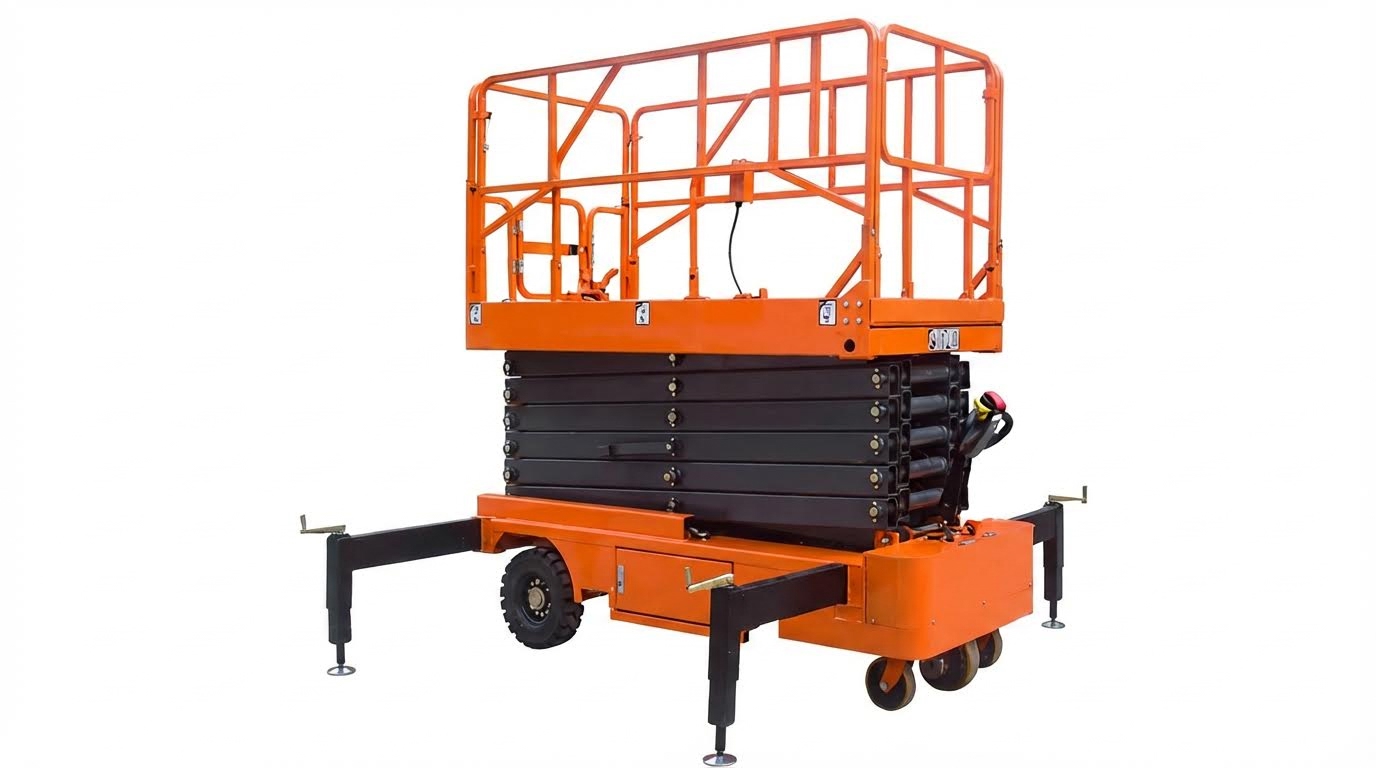
Start scissor lift height calculation from the task, not the machine. For pallet racking, you typically match working height to the top beam level plus operator reach. Working height is usually assumed to be about 2 m above the platform, so a rack pick point at 10 m needs roughly an 8 m platform height. Working height is normally taken as platform height + 2 m. Always confirm whether supplier data is stated as platform height or working height to avoid under‑ or over‑sizing.
- Racking access: Define the highest pallet position, add pallet height and handling clearance, then back‑calculate platform height using the 2 m reach rule.
- Loading docks: For dock work, match platform height to trailer bed range and dock height, allowing enough stroke to compensate for trailer suspension movement and height variation.
- Mezzanines: For mezzanine transfers, the platform height should reach floor level plus a small margin so goods can roll off level, without forcing operators to work above guardrails.
- Stroke and mechanism choice: If a single scissor cannot provide enough stroke, consider double or multi‑stage scissors, which can provide roughly double or more effective stroke but need more overall height and pit depth when installed flush with the floor. Double and multi-scissor tables can stack mechanisms to increase lift height.
Quick checklist for matching lift height to warehouse structures
- Confirm if catalogue data is platform or working height.
- Define highest working point for racking, docks, or mezzanines.
- Apply the 2 m reach assumption to size platform height.
- Check effective stroke versus required travel; upgrade to double scissor if needed.
- Verify stowed height and pit depth fit your floor and door constraints. Storage and stowed dimensions must fit available space.
Integrating power, mobility, and automation options
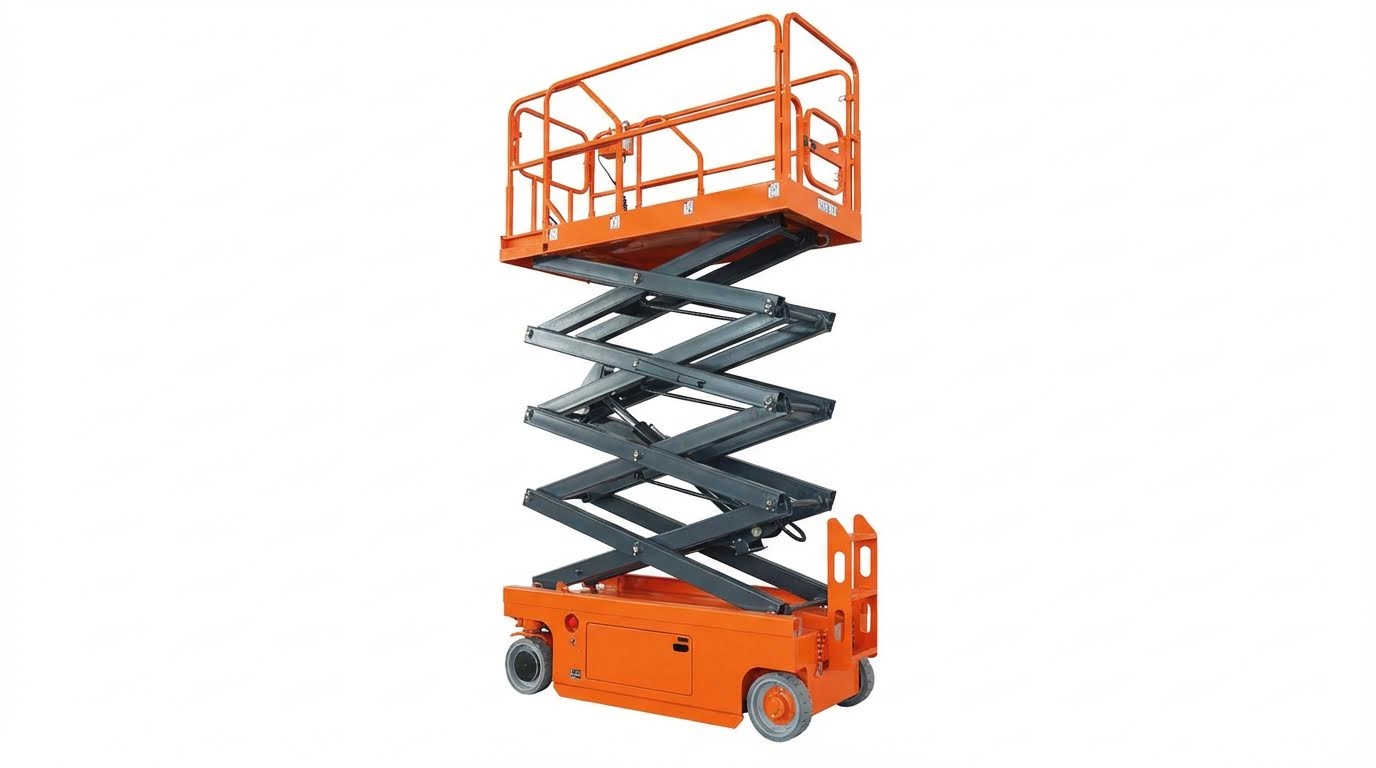
Once scissor lift height calculation is complete, you need to match power, mobility, and control to the application. Power type depends mainly on load, duty cycle, and environment. Hydraulic drives suit heavy loads and tougher conditions, while electric drives run cleaner and quieter, which is better for indoor warehouse work. Hydraulic, electric, and pneumatic systems each have different strengths.
- Power choice:
- Hydraulic: best for high capacities and frequent lifting; needs more power and hydraulic maintenance.
- Electric: low noise and zero local emissions, ideal near people and sensitive goods.
- Pneumatic: preferred where ignition risk exists, using plant air instead of electrics near the load.
- Mobile vs stationary: Mobile lifts work well where tasks move between aisles or docks, while stationary tables are more economical for fixed transfer points or assembly lines. Mobile units add flexibility; stationary units suit fixed positions.
- Automation and integration: In higher‑throughput warehouses, lifts often align with pallet trucks, conveyors, or AGVs, and may be PLC‑controlled to stop at preset heights and interlock with gates or doors. Integration with existing workflow is key for efficiency.
- Safety and ergonomics: Specify overload protection, emergency lowering, and safe controls, and ensure training so operators use the full height range correctly without bypassing safeguards. Properly specified lifts improve safety and productivity.
Example: tying power and mobility to a height spec
For a 1,500 kg pallet transfer to a 5 m mezzanine, scissor lift height calculation might indicate a 3 m platform height with 2 m working reach. A stationary hydraulic table integrated with conveyors and PLC stops would give reliable high‑duty performance. In contrast, for lighter case picking up to 6 m across multiple aisles, a mobile electric scissor lift with the same working height would allow flexible deployment with lower noise and emissions.
“”
Final Considerations For Safe, Efficient Height Selection
Effective scissor lift height selection links geometry, structure, and real warehouse tasks into one clear decision. Teams must fix a common language first. Separate platform height from working height and apply the 2 m reach rule consistently in every layout, quote, and risk assessment. This avoids shortfalls at the top beam and cuts unplanned workarounds like overreaching or standing on rails.
Engineers should then test candidate lifts against basic scissor geometry, stroke, and arm angles. This check proves the mechanism can reach the target platform height with realistic arm length, compressed height, and stage count. At the same time, capacity, wheelbase, and platform size must support the true worst‑case load with a clear safety margin, especially at full extension.
Finally, match the verified height and load to racking, docks, and mezzanines, then choose power, mobility, and control options that fit the duty cycle and traffic pattern. When warehouses follow this structured method, they gain faster access to every storage level, fewer interventions from maintenance, and a lower risk profile for operators. Atomoving recommends that every new lift project starts with task‑based height definition, followed by geometric and stability checks, before any brand or model is selected.
Frequently Asked Questions
How is scissor lift height calculated?
Calculating the maximum height of a scissor lift involves understanding both its platform height and working height. The platform height refers to the distance from the ground to the platform, while the working height includes the operator’s reach above the platform (typically around 1.5-2 meters). For example, if a scissor lift has a platform height of 10 meters, the working height would be approximately 12 meters.
- Platform Height: Measure from the ground to the platform surface.
- Working Height: Add the operator’s reach (1.5-2 meters) to the platform height.
What is the maximum working height for common scissor lifts?
The most common scissor lifts have platform heights ranging from 3 meters to 14 meters. When accounting for the operator’s reach, this translates to working heights of approximately 4.5 meters to 16 meters. For specialized applications, some lifts can reach up to 22 meters in platform height, providing a working height of about 24 meters. Scissor Lift Height Guide.