When a pallet jack stops lifting, it quickly becomes a safety risk and a bottleneck in your material flow. This guide walks you through how to fix a pallet jack that won’t lift, from understanding the hydraulic system to structured troubleshooting and basic repairs. You will see practical, step-by-step checks, plus simple maintenance routines that prevent repeat failures. Use it as a field-ready reference to restore uptime and extend the life of your equipment.
How A Pallet Jack Lifts And Why It Fails
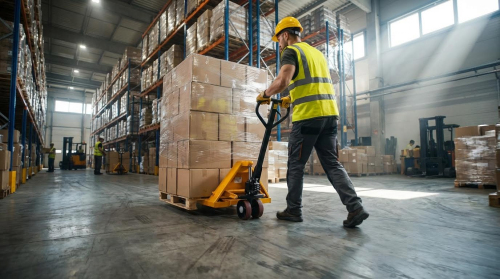
Core hydraulic components and force path
A manual pallet jack lifts by converting your handle strokes into hydraulic pressure in a compact pump unit. The key components are the pump piston, check balls, control valve, reservoir, and lift cylinder, all linked to the forks through a levered linkage. When you pump the handle, the piston draws oil from the reservoir and pushes it past a check ball into the cylinder, raising the forks; the check ball then prevents oil from flowing back so the load stays up. Any problem that interrupts this oil path—low fluid, air in the circuit, a leaking seal, or a ball that does not seat—will show up as a jack that will not lift or will not stay up, which is the starting point for understanding how to fix a pallet jack that won’t lift. In normal operation, the release lever simply opens a small valve that lets oil return to the reservoir, so the forks lower in a controlled way.
Key hydraulic elements in a typical pallet jack
- Reservoir: stores hydraulic oil and feeds the pump.
- Pump piston: pressurizes oil when you pump the handle.
- Check balls/valves: allow one-way flow into the cylinder and hold pressure.
- Lift cylinder: converts oil pressure into upward force on the fork linkage.
- Control / lowering valve: directs oil back to the reservoir when you lower the load.
- Seals and O-rings: keep the circuit closed and maintain pressure.
Common failure modes when lifting stops
When a pallet jack stops lifting, the root cause is usually loss of pressure, blocked flow, or trapped air in the hydraulic circuit. Low or contaminated hydraulic oil in the reservoir can prevent the pump from building pressure; regular checks and refills are essential to avoid no-lift and no-lower conditions. Low or contaminated hydraulic oil can prevent lifting or lowering functions. Air drawn into the system causes cavitation, jerky motion, and loss of lift; bleeding the hydraulic system by cycling the control lever and pumping the handle several times often restores normal operation. Placing the control lever in release and pumping the handle about 10 times helps remove trapped air.
Internal leakage is another common cause when you are working out how to fix a pallet jack that won’t lift. Worn piston or cylinder seals let oil bypass inside the pump or cylinder, so the handle feels normal but the forks either do not rise or slowly sink under load. Worn seals in the piston cylinder can prevent lifting and require seal replacement. Dirt or wear on valve seats and steel balls can also stop the unit from holding pressure; the pump may move oil back and forth without actually raising the forks. In some cases, the steel ball in the hydraulic unit does not seat properly, and repeatedly pumping with the lever in the down position can help it reseat and restore lift. Improperly seated steel balls in the hydraulic unit can cause a no-lift condition.
Step-By-Step Troubleshooting For No-Lift Issues
Safety lockout and initial visual checks
Before working out how to fix a pallet jack that won’t lift, isolate it from service. Chock the wheels, lower the forks fully, and attach a “Do Not Use” tag so no one moves it during troubleshooting. Wear gloves and eye protection, because hydraulic oil under pressure can injure you. Start with a slow walk-around: look for fresh oil on the floor, wet areas on the pump body, hoses, and cylinder, which may indicate leaks or low oil level issues in the hydraulic system. Check that the control lever moves cleanly between raise, neutral, and lower; bent or disconnected linkages can stop the lift valve from closing. Scan the forks for obvious bends or cracks and verify the load is within the rated capacity, because overloading can make a jack appear “dead” even when the hydraulics are working.
- Confirm the handle pumps smoothly without grinding or binding.
- Inspect wheel area for embedded debris that may be misleading you about a no-lift versus a rolling resistance problem that affects truck movement.
- Note any slow, unintended lowering, which often points to valve or seal problems rather than a pure “no lift” fault in the hydraulic unit.
Bleeding trapped air from the hydraulic circuit
Air in the hydraulic circuit is one of the most common reasons a pallet jack will not lift even though the handle pumps freely. To bleed the system on a manual jack, place the control lever in the release (lower) position and pump the handle repeatedly; many service guides recommend about ten full strokes to purge air from the valve and pump body to remove air bubbles from the valve. After bleeding, return the lever to the raise position and test-lift the forks without a load, then with a light test load. Jerky movement, gurgling noises, or foaming oil in the reservoir indicate that air is still present and the bleeding cycle should be repeated as typical cavitation symptoms.
- If the jack still will not lift after two or three bleed cycles, move on to fluid level and linkage checks rather than over-pumping the unit.
- Some designs also require cracking a dedicated bleed screw; always support the forks and relieve pressure before opening any screw.
- Persistent “spongy” feel in the handle usually means more serious internal leakage at seals or valves, which may need component-level repair inside the piston cylinder or relief valves.
Checking and topping up hydraulic fluid correctly
If you are still working out how to fix a pallet jack that won’t lift after bleeding, the next step is to confirm hydraulic fluid level and condition. Place the jack on level ground with forks fully lowered, then locate and remove the oil fill plug on the pump body. The reservoir should be filled only to slightly below the top opening; one common guideline is roughly 25 mm (about one inch) below the top, to leave expansion space and avoid overfilling when checking hydraulic fluid level. Low oil level, contamination, or the wrong fluid type can all prevent the hydraulic unit from building pressure and stop lifting or lowering functions.
- Top up only with the manufacturer-recommended hydraulic oil; mixing types can cause seal swelling or foaming and lead to hydraulic fluid quality issues.
- After filling, reinstall the plug, wipe away spills, and run a short bleed cycle again to purge any air introduced during topping up as part of routine oil maintenance.
- If the level drops again quickly or oil appears on the cylinder rod or under the pump, suspect leaking seals or hoses that will require repair rather than repeated refilling as typical signs of hydraulic cylinder and hose leaks.
Component-Level Repairs And Preventive Maintenance
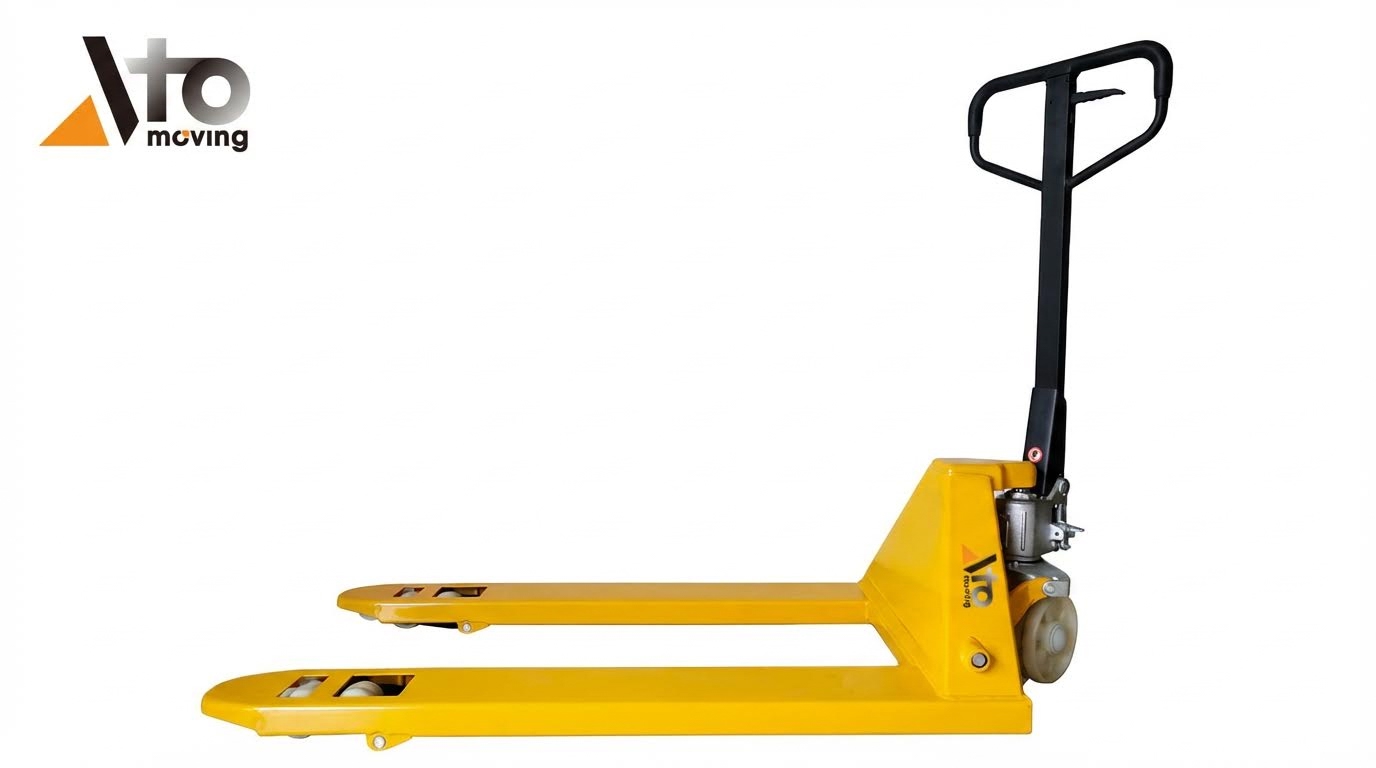
Diagnosing valves, seals, and cylinders
When you work out how to fix a pallet jack that won’t lift, the hydraulic core is usually the starting point. Begin by checking for external oil leaks at the pump body, cylinder head, and hose connections; any wet areas or floor stains indicate seal or fitting problems that need replacement or tightening. Typical no-lift issues come from low oil level, air in the circuit, or worn internal components, so confirm the reservoir is correctly filled and the system has been bled before stripping parts. General hydraulic failures in pallet equipment often trace back to low fluid, air intake, clogged filters, or incorrect fluid type, which you solve by topping up with the right oil and cleaning or replacing filters as needed. Hydraulic troubleshooting causes and remedies
Next, focus on valve function because stuck or leaking valves often cause no-lift or self-lowering faults. A lift valve that is blocked, sticking, or has damaged internal seals can prevent the forks from rising; the fix is to remove the valve, clean passages, check for free movement, and replace worn seals or the complete cartridge if damage is visible. Uncommanded lowering usually points to debris on the lowering valve seat, worn seats or wedges, weak springs, or solenoid issues, so you clean the valve thoroughly and replace any worn parts to restore proper sealing. Relief valves that are contaminated or incorrectly set can also bypass pressure and limit lifting; adjusting them to specification and cleaning contamination restores system pressure. Valve-related faults and corrections
Seals and cylinders require careful inspection whenever the jack sinks under load or needs frequent oil top-ups. Oil on the cylinder rod, puddles under the unit, slow lowering, or a jack that will not hold a load are classic signs of internal cylinder leakage, which you solve by disassembling the cylinder and replacing the seal kit. Worn piston-cylinder seals were a known cause of pallet trucks failing to lift or slowly lowering, and replacement of these seals restored function. Seal-related no-lift and self-lowering symptoms After any seal or valve work, bleed the hydraulic system and recheck lift height and holding performance under a rated load.
Wheel, linkage, and handle mechanism checks
Once the hydraulics are stable, verify that the mechanical path from the handle to the pump and from the wheels to the floor is sound. If you are still working out how to fix a pallet jack that won’t lift after fluid and valve checks, disconnect the lifting link from the control lever and pump the handle; if the pump lifts now, the fault lies in the linkage or control mechanism rather than the pump. Worn or misadjusted cams, chains, or relief linkages can also affect lowering and lifting; for example, broken relief cam elements or mispositioned cam nuts can stop forks from lowering until the damaged parts are replaced or the nut is reset. Linkage and cam-related faults
Wheel condition strongly affects both safety and the perceived performance of the jack. A truck that does not roll smoothly often has debris embedded in the wheels or out-of-round tread, so you remove debris and replace worn wheels in pairs to keep tracking stable. Flat spots, cracks, and loss of material reduce efficiency and increase push forces; regular floor cleaning reduces debris damage, and replacing damaged wheels promptly maintains safe handling. Wheel maintenance and replacement guidance During these checks, also look at handle pivots, axles, and bearings, lubricating them on a weekly or monthly schedule to prevent stiffness and uneven steering.
Setting up daily, weekly, and monthly inspections
Structured inspections are the most effective way to avoid sudden no-lift failures and extend jack life. A short daily routine of about 5–7 minutes can include a quick visual scan for wheel debris, fork cracks or bends, and jerky handle motion, followed by a wipe-down of forks and frame and a simple hydraulic test where you pump the handle three times and watch lift speed; sluggish lifting indicates the need to add hydraulic oil. Daily inspection and cleaning routine Weekly tasks can then focus on lubrication of wheel axles and pivot joints, tightening fork bolts and handle nuts, and performing a load test and wheel spin test to catch early seal or bearing failures. Weekly lubrication, tightening, and safety checks
Monthly, expand the inspection to include deeper cleaning, fork straightness checks with a straightedge, wheel crack and flat-spot checks, and rust protection on all steel parts. Wiping the pump rod and looking for rust streaks helps you plan seal replacements before leaks lead to no-lift conditions. Monthly cleaning, inspection, and rust prevention tasks In parallel, follow broader inspection checklists that include wheels, frame, screw connections, lifting and lowering functions, lubrication points, and seals, and schedule annual specialist inspections where required. Inspection checklist scope and professional service thresholds This layered program ensures that by the time you are asking how to fix a pallet jack that won’t lift, most issues are minor adjustments rather than major component failures.
“”
Summary: Restoring Uptime And Extending Jack Life
A pallet jack that will not lift is rarely a mystery if you follow a clear, hydraulic-first process. The force path runs from your hands, through valves and seals, into the cylinder and forks. Any break in that path shows up as loss of lift, drifting, or poor control. By locking out the jack, checking for leaks, bleeding air, and setting the correct oil level, you remove the fastest, lowest-cost faults first and protect technicians from injury.
When problems persist, systematic valve, seal, and cylinder checks let you decide between repair and replacement based on clear symptoms, not guesswork. Wheel, linkage, and handle inspections then make sure the structure can safely carry the loads that the hydraulics can lift. Daily, weekly, and monthly inspections turn this from crisis repair into planned care.
The best practice for operations teams is simple. Treat every no-lift event as a safety signal, not just a downtime cost. Use the step-by-step checks in this guide as a standard work instruction. Pair that with a strict inspection schedule and correct hydraulic oil. Do that, and your Atomoving pallet jacks will lift reliably, hold safely, and deliver a long, predictable service life.
Frequently Asked Questions
Why is my pallet jack not lifting?
If your pallet jack isn’t lifting, it could be due to low hydraulic fluid levels or air trapped in the system. Worn seals or valves might also cause this issue. Check and refill the hydraulic fluid if needed, and bleed the system to remove trapped air. For more details, see Hydraulic Jack Troubleshooting.
How do I reset my pallet jack?
To reset your pallet jack, turn it off and unplug it from the power source. Press the emergency stop button to release hydraulic pressure, wait 30 seconds, then press the button again to reset. Plug it back in and turn it on. Learn more about resetting pallet jacks at Pallet Jack Reset Guide.
What should I check if my hydraulic jack won’t lift?
If your hydraulic jack isn’t lifting, first check the oil level in the hydraulic unit. A low oil level can prevent the cylinders from extending. Refill the hydraulic oil through the tank’s filler neck. For additional troubleshooting steps, refer to Hydraulic Lift Solutions.