Knowing how to add hydraulic fluid to a pallet jack is essential for safe lifting, consistent performance, and long component life. This guide walks through how the hydraulic circuit works, how to recognize low or contaminated oil, and the exact steps to drain, refill, and bleed the system. You will also see which oil to use, how often to inspect it, and which maintenance habits prevent leaks and downtime. Use it as a practical field reference to keep your pallet jacks reliable, safe, and ready for daily warehouse work.
Understanding Pallet Jack Hydraulics And Fluid Role
How the pallet jack hydraulic circuit works
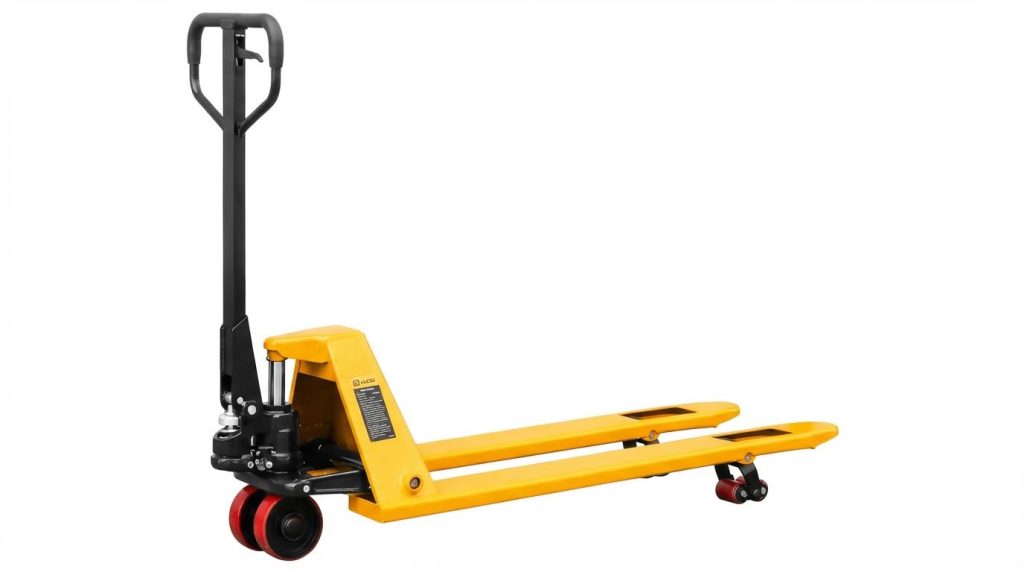
A pallet jack uses a compact hydraulic circuit to convert small handle strokes into enough force to lift loaded forks. When the operator pumps the handle, a small piston in the pump forces hydraulic oil from the reservoir into the main lift cylinder through check valves. Because the oil is nearly incompressible, pressure builds in the cylinder and pushes the ram out, raising the forks. Moving the release lever opens a valve that lets oil flow back to the reservoir, so the forks lower in a controlled way. The system depends on clean, correctly filled oil to seal clearances, lubricate internal parts, and prevent wear, which is why understanding how to add hydraulic fluid to a pallet jack is critical for safe lifting performance. The hydraulic pump and oil reservoir are usually mounted at the base of the handle, just behind the lifting cylinder, which allows easy access for inspection and service near the base of the handle, behind the lifting cylinder. Maintaining the right oil level in this reservoir keeps the circuit free of air pockets, reduces cavitation risk, and helps the jack reach full lift height under load.
Symptoms of low or contaminated hydraulic fluid
Low or dirty hydraulic fluid usually shows up first as performance and safety issues. Common symptoms include sluggish or jerky lifting when you pump the handle, reduced maximum lift height, or forks that slowly sink under a moderate load. A daily quick test is to pump the handle three times; if the forks lift slowly or feel uneven, the system likely needs an oil level check or a top‑up daily hydraulic test (1 minute). Visible oil seepage around the pump, cylinder, or seals is another warning sign that the fluid level may be dropping and that seal integrity needs attention cracked or dried seals within the hydraulic pump may cause oil leaks. During monthly checks, if the oil appears milky instead of clear, water contamination is present and the fluid must be drained and replaced to avoid internal corrosion and loss of lifting capacity a milky appearance indicates contamination. Recognizing these symptoms early helps you schedule service, decide how to add hydraulic fluid to a pallet jack correctly, and prevent more serious failures such as sudden fork drop or pump damage.
Step‑By‑Step Procedure To Add Or Replace Hydraulic Fluid
Preparing the jack and work area for service
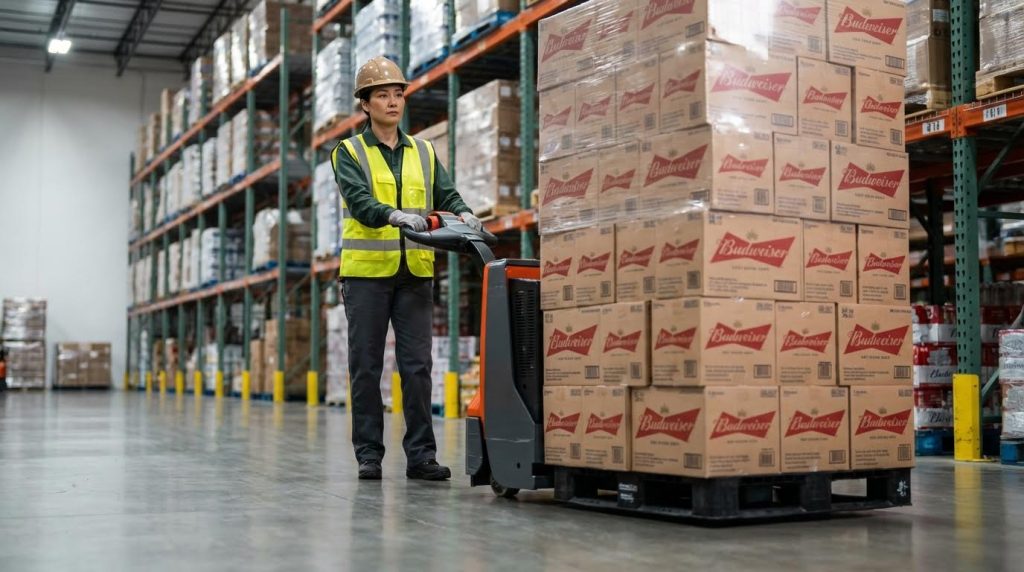
To work safely, park the pallet jack on a flat, hard surface and chock the wheels so it cannot roll. Lower the forks completely and place the handle in the vertical position to stabilize the unit before you start any work. Lowering the forks and setting the handle upright improves stability and access to the pump. Wear gloves and eye protection, and lay absorbent pads or cardboard under the pump area to catch drips while you follow your internal procedure for how to add hydraulic fluid to a pallet jack.
- Gather tools: wrenches or sockets, clean funnel, drain pan, lint‑free rags, and the specified hydraulic oil. Having all tools ready reduces spill and contamination risk.
- Use high‑pressure fluid‑resistant gloves, goggles or face shield, and suitable workwear to protect against accidental spray or splashes. Personal protective equipment is recommended whenever handling hydraulic systems.
- Ensure good ventilation and keep spill‑control materials and a waste‑oil container nearby for used fluid.
Locating the pump, reservoir, and fill or drain plugs
On most manual pallet jacks, the hydraulic pump assembly and oil reservoir sit at the base of the handle, just behind the lift cylinder and piston. This location keeps the hydraulic group compact and close to the control handle. The reservoir is typically integrated into or bolted to the pump body near the handle base. Clean the area around the suspected fill and drain points so dirt cannot fall into the system when you open it.
- Identify the fill plug: usually a small threaded plug on the side or top of the pump reservoir. Use an end wrench or socket to loosen it carefully. An end wrench is commonly used to remove the fill plug.
- Locate the drain plug, if provided, at the lowest point of the reservoir or pump body so oil can empty completely into a drain pan. The drain pan should be positioned directly under the pump before loosening the drain plug.
- Visually confirm hose routing and moving parts so you do not place tools or hands where linkage or wheels can pinch them.
Draining contaminated oil and inspecting seals
If the existing oil looks milky or dirty, it is contaminated and should be replaced rather than topped off. Milky oil usually indicates water ingress, which reduces lubrication and can corrode internal parts. A milky appearance is a standard indicator that hydraulic oil is contaminated and must be changed. Place a drain pan under the pump, then slowly loosen the drain plug with the correct wrench and let the oil drain completely.
- Allow several minutes for all oil to exit; tilting the jack slightly by hand (while it is unloaded) can help the last fluid reach the drain. Complete draining is important before refilling with new oil.
- Clean the drain plug and sealing surface, then reinstall it once flow stops to avoid air ingestion and future leaks.
- Inspect around the pump shaft, cylinder rod, and fittings for wet spots, cracked or dried seals, and seepage. Cracked or dried seals in the pump commonly cause oil leaks and need replacement.
- Check the reservoir and external components for structural cracks or deformation that could explain fluid loss or contamination paths.
Environmental handling of used hydraulic oil
Transfer used hydraulic oil into a labeled, leak‑proof container immediately after draining. Used oil should be taken to an approved disposal or recycling facility and never poured down drains or onto the ground. Keep absorbent material and spill kits nearby until the work area is fully cleaned.
Refilling, bleeding air, and functional testing
With the drain plug secured and components inspected, you can refill the reservoir with clean hydraulic oil. Insert a clean funnel into the fill opening and pour slowly to avoid introducing air. The correct level is typically at or very close to the bottom of the fill opening, or a small distance below a cap or plug shoulder. The oil level should be at or near the fill plug opening when the jack is in the service position.
- Use the oil grade specified for the jack, often a light industrial hydraulic oil such as 10W, and avoid substitutes like engine or cooking oils. Standard 10W industrial hydraulic oil is commonly recommended for pallet jacks.
- Fill in small increments and check frequently to avoid overfilling, which can cause leaks or erratic operation. One guideline is to stop when the level is roughly 1–2 cm below the opening, if the manufacturer does not specify otherwise. Overfilling can increase internal pressure and promote leaks.
- Reinstall the fill plug and washer, tightening with a wrench to the manufacturer’s torque recommendation to seal the system. The fill plug should be tightened securely once the correct oil level is reached.
To bleed air, cycle the jack by pumping the handle to raise the forks fully, then opening the release to lower them several times with no load. This repeated stroke motion purges trapped air through internal ports back into the reservoir. Finally, perform a functional test: lift and lower a moderate load and check for smooth, even motion without jerks or sinking. If jerky movement or weak lifting persists, additional bleeding or inspection for trapped air or debris is recommended. This full cycle confirms you have completed how to add hydraulic fluid to a pallet jack correctly and restored reliable hydraulic performance.
Maintenance Standards, Oil Specs, And Preventive Practices
Choosing the correct hydraulic oil and compatibility
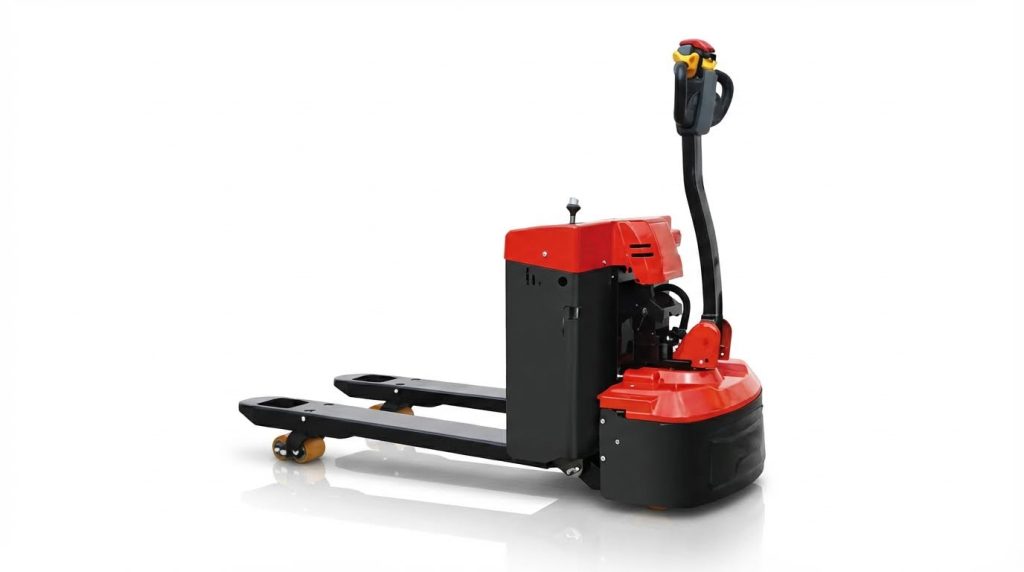
Selecting the right oil is the foundation of safe, long‑life pallet jack hydraulics. Most manual units use a light, non‑detergent hydraulic oil in the ISO 32–46 range or a 10W industrial hydraulic oil, similar to what is described for standard hand jacks when refilling to the fill plug level. Always match the viscosity and type in the operator’s manual before deciding how to add hydraulic fluid to a manual pallet jack in your fleet. Avoid automotive engine oils or cooking oils, which can attack seals, foam, or clog internal passages and are specifically flagged as common mistakes.
Compatibility with seals and temperature range is just as important as viscosity. Mineral‑based hydraulic oil is typically compatible with standard NBR (nitrile) seals, while some synthetic or fire‑resistant fluids are not; mixing types can cause swelling or cracking. If you are changing oil type, plan a complete drain and flush instead of topping off to avoid additive conflicts. Keep oil in sealed containers, and always clean around the fill plug before opening to prevent dirt entering the reservoir as recommended for checking and filling.
Key oil‑selection checkpoints
- Match viscosity and base oil to the manufacturer’s spec sheet.
- Use non‑detergent hydraulic oil, not engine or food oils.
- Do not mix different oil types or viscosities in the same jack.
- Store oil clean and sealed to limit water and dust contamination.
Inspection intervals, checklists, and safety compliance
Hydraulic fluid and hardware inspections should follow a simple, layered schedule. A quick daily check can be done during pre‑shift walk‑arounds: scan for leaks, damaged wheels, and bent forks, and perform a short hydraulic test by pumping the handle several times; sluggish lifting is a cue to check or add oil as part of the daily hydraulic test. Weekly tasks should include lubricating wheel axles and pivot joints, tightening fork and handle fasteners, and checking for sinking forks under a moderate test load to catch seal or bearing problems early.
At least once a month, you should formally inspect hydraulic fluid level and condition. Lower the forks fully, set the handle vertical, then remove the fill plug at the pump and confirm the oil is at or close to the opening and not milky or foamy as outlined for monthly fluid checks. Combine this with a structural inspection of forks, arms, push‑rods, steer wheels, and load rollers for cracks, deformation, and polyurethane peeling using a standard checklist. Document findings on a simple checklist to demonstrate compliance with internal safety policies and regulatory expectations for material handling equipment.
| Interval | Typical hydraulic‑related tasks |
|---|---|
| Daily | Visual leak scan, quick lift test, debris removal from wheels and forks in under a few minutes |
| Weekly | Lubricate axles and pivots, tighten hardware, safety check for sinking forks and noisy bearings as part of a short PM routine |
| Monthly | Check hydraulic oil level and color, inspect seals, forks, wheels, and push‑rods for damage or misalignment and adjust fluid as needed |
Common mistakes to avoid and troubleshooting tips
Many hydraulic problems start with simple maintenance errors. Overfilling the reservoir when deciding how to add hydraulic fluid to a manual pallet jack can cause seal stress, leaks, or erratic lifting, so you should always stop at the recommended level near the fill opening or slightly below it instead of topping up blindly. Using the wrong lubricant, such as cooking oil, or blasting the pump area with a pressure washer can quickly damage internal components and seals and is specifically discouraged. Ignoring slow sinking of loaded forks is another common mistake; this usually points to worn seals or internal leakage that only gets worse with time.
When troubleshooting, match symptoms to likely causes before replacing parts. Jerky or weak lifting after a fluid change often indicates trapped air; cycling the handle through full strokes with the release open can help bleed the system while the jack is unloaded as part of post‑fill testing. Visible oil on the floor or frame usually traces back to a damaged seal or loose fitting, which should be inspected and replaced rather than just topping off fluid during routine seal checks. Building these preventive and diagnostic habits into your maintenance program reduces downtime, extends component life, and keeps pallet jacks safe for everyday warehouse use.
Final Thoughts On Extending Pallet Jack Service Life
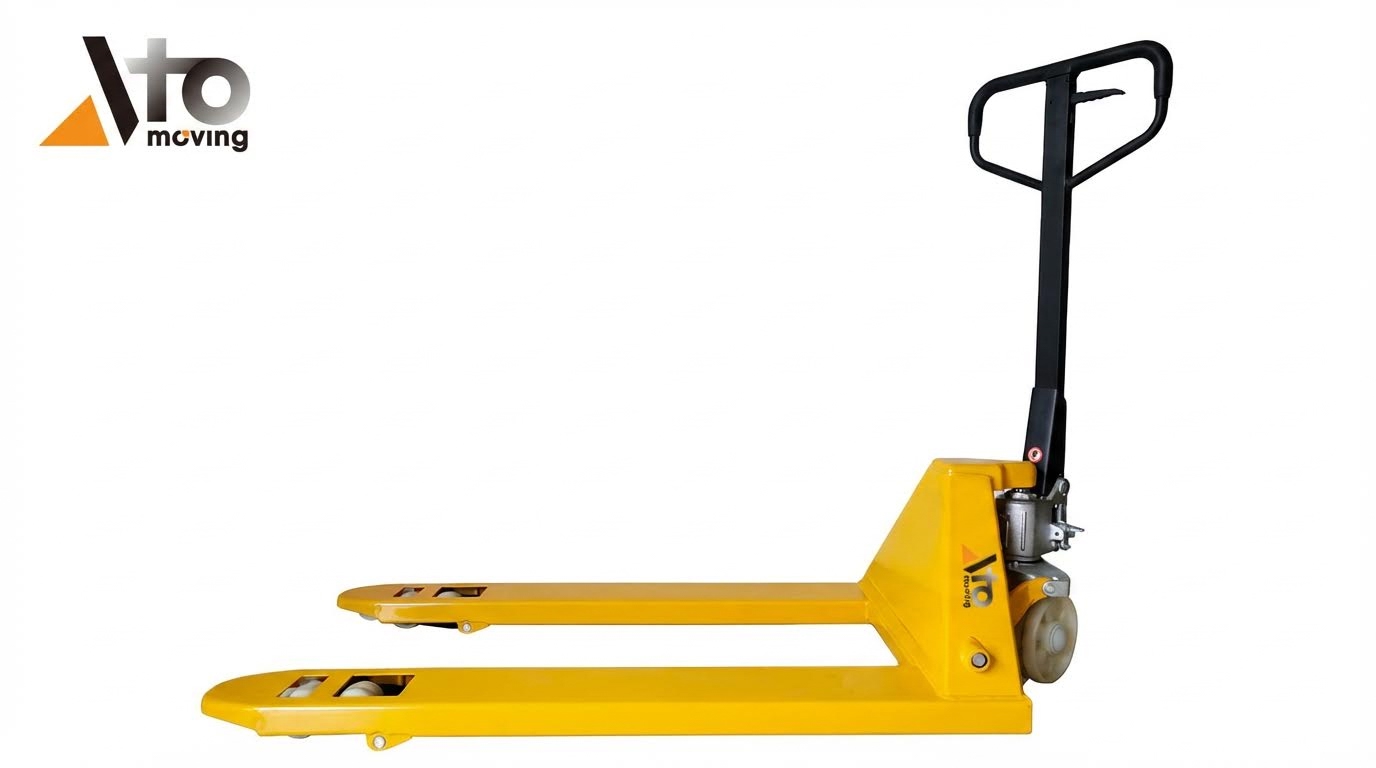
Extending pallet jack life comes down to three habits: clean operation, routine inspections, and disciplined hydraulic care. When teams know how to add hydraulic fluid to a hydraulic pallet truck correctly, follow monthly oil checks, and address leaks early, most major failures are preventable. Combine quick daily visual scans with scheduled lubrication and structural checks to keep wheels, bearings, and forks in safe working condition. A simple, written maintenance routine will reduce downtime, protect operators, and maximize the return on every pallet jack in your fleet.
Final Thoughts On Extending Pallet Jack Service Life
Long pallet jack life is not accidental. It depends on how well you manage hydraulic oil, seals, and daily use. Correct fluid level keeps the circuit free of air so the jack reaches full height and holds loads without sinking. Clean, compatible oil protects pumps and cylinders from wear and corrosion. Careful draining and refilling, with slow pouring and proper bleeding, prevent cavitation and jerky motion.
Safe practice starts before you touch a plug. Stabilize the jack, control spills, and protect your eyes and hands. During service, you also inspect seals, rods, forks, and wheels. This turns a simple oil top‑up into a full health check of the unit. When you follow clear intervals for daily, weekly, and monthly checks, you catch leaks, contamination, and structural damage while repairs are still small.
For operations and maintenance teams, the best strategy is standardization. Use one approved oil spec, one step‑by‑step procedure, and one checklist across all pallet jacks. Train operators to report symptoms early and never ignore sinking forks or visible oil. With these habits, your Atomoving pallet jacks stay safer, lift predictably, and deliver longer service with less unplanned downtime.
Frequently Asked Questions
How do you add hydraulic fluid to a pallet jack?
To add hydraulic fluid to a pallet jack, first locate the oil reservoir cap, usually found near the pump mechanism. Carefully remove the cap and fill the reservoir with the appropriate hydraulic oil until it reaches the recommended level. Avoid overfilling, as this can damage the system. For more details on maintaining hydraulic systems, see Hydraulic Mechanisms Guide.
How do you prime a hydraulic pump on a pallet jack?
If your pallet jack’s hydraulic pump isn’t functioning properly, it may need priming. Start by filling the suction hose with hydraulic oil until it’s completely filled. Reinstall the hose onto the barb fitting and tighten the clamp securely. This process ensures the pump is ready for operation. Learn more about priming hydraulic systems in this Clutch Pump Primer.
How do you bleed air from a pallet jack’s hydraulic system?
To remove air from the hydraulic system, set the operating lever to the “lower” position and pump the handle several times while keeping the lever squeezed. This action helps expel trapped air. Always ensure the oil cap remains tightened during this process to prevent leaks or contamination. For a detailed guide, refer to Pallet Jack Bleeding Steps.