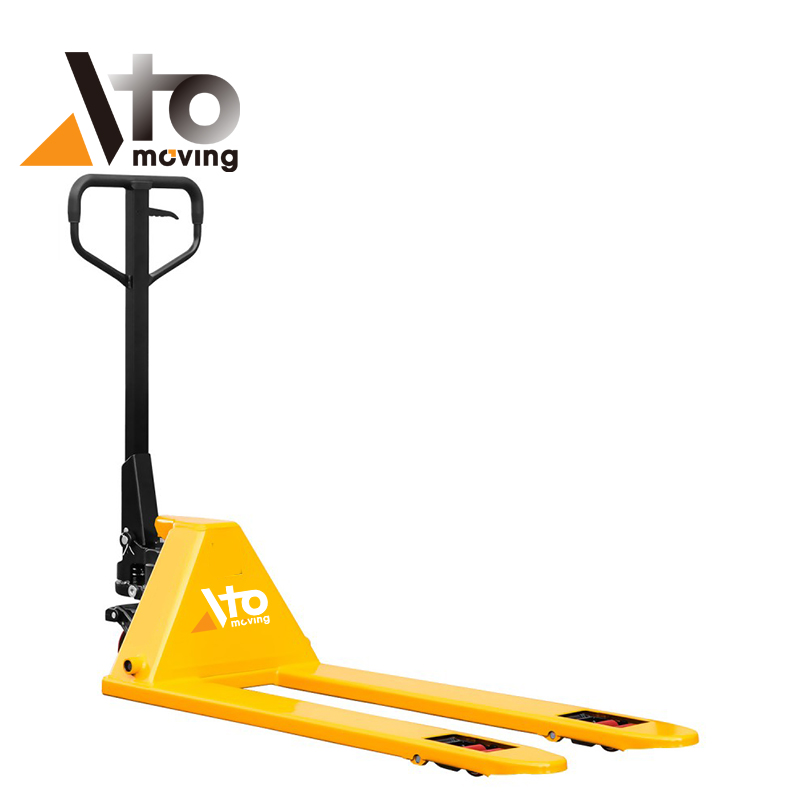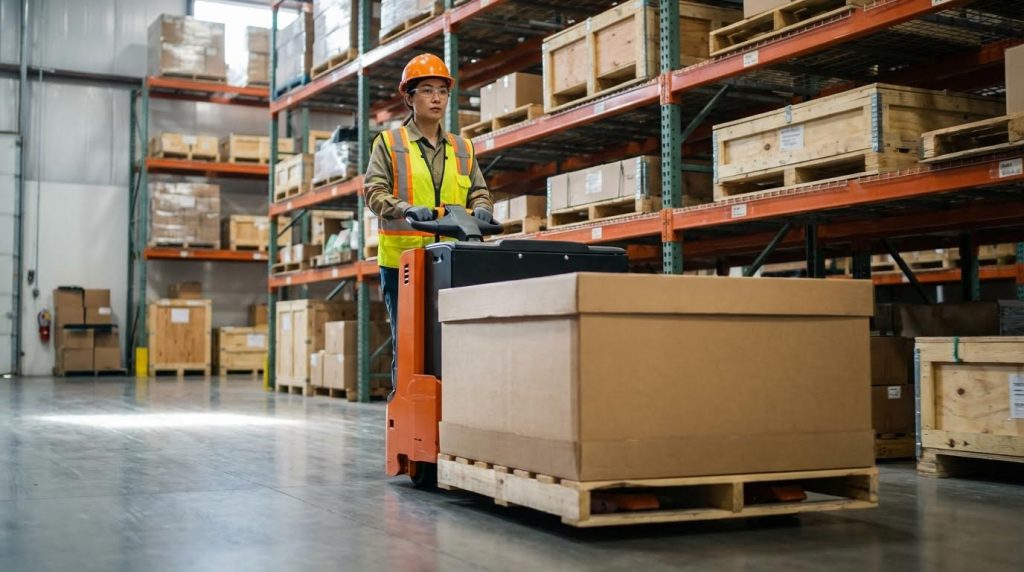
Knowing how to bleed a pallet jack correctly keeps your material handling fleet safe, reliable, and productive. This guide explains why air gets into pallet jack hydraulics, what symptoms to look for, and how to remove it step by step. You will also see the key engineering principles behind the hydraulic circuit and practical maintenance habits that prevent repeat issues. Use it as a technical reference for both frontline operators and maintenance teams who need consistent, repeatable results.

Why Pallet Jack Hydraulics Need Bleeding
How Air Enters A Pallet Jack Hydraulic Circuit
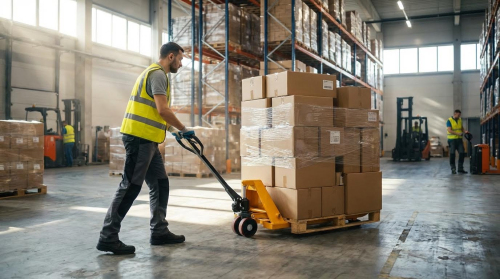
Air entered a pallet jack hydraulic system any time the oil side was opened or pressure conditions changed. Typical causes included low fluid level, loose fittings, or seal wear that allowed air to be drawn in on the pump suction stroke. Incorrect handling, such as storing or using the jack on an angle or on its side, also let air migrate into the circuit, which later required operators to learn how to bleed a pallet jack to restore performance. Even normal maintenance activities such as changing seals, replacing O‑rings, or topping up oil could trap small air pockets that gradually accumulated and reduced lifting efficiency. In all these cases, bleeding the system restored a solid oil column between the pump, check valves, and lift cylinder so the jack could reach its rated capacity safely.
Symptoms Of Air In The Hydraulic System
Air in the hydraulic circuit showed up first as a “spongy” or uneven pump feel and reduced lift height under load. The forks might raise very slowly, stop before full stroke, or drift down after lifting because compressible air bubbles acted like springs instead of transmitting solid pressure. Operators often heard gurgling or hissing noises during pumping, and they needed more handle strokes than normal to lift a standard pallet, all of which were strong indicators that it was time to apply a proper bleeding procedure for how to bleed a pallet jack. In more severe cases, the jack failed to pick up any load at all even though the handle moved freely, which suggested significant air ingestion or very low oil level rather than a purely mechanical fault. Addressing these symptoms early by bleeding and checking fluid level reduced wear on the pump, valves, and seals and helped avoid unnecessary component replacement.
Step-By-Step Pallet Jack Bleeding Procedure
Pre-Bleeding Safety And Preparation
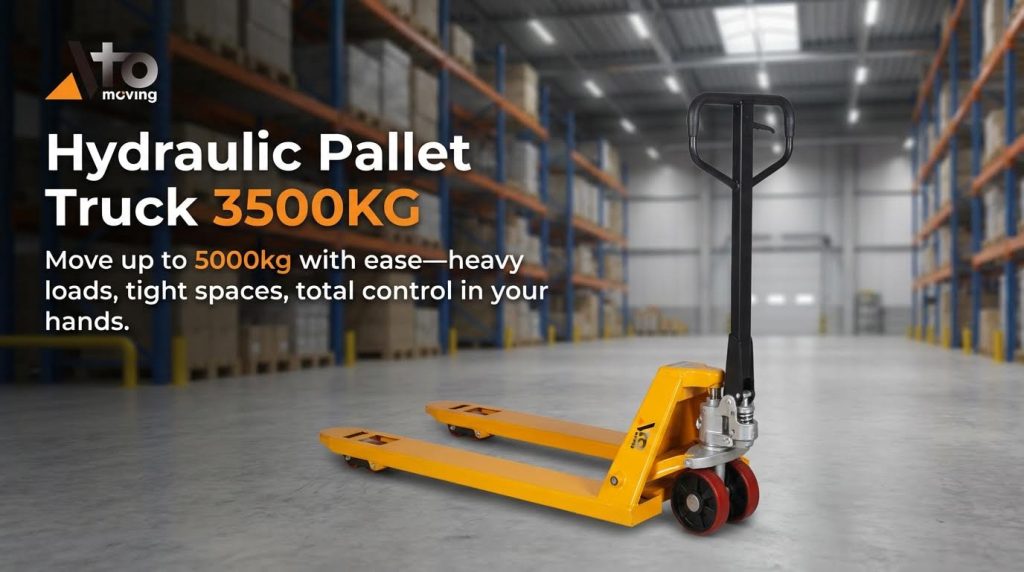
Before starting any work on how to bleed a pallet jack, make sure the jack is completely unloaded and parked on a flat, stable floor. Chock wheels if there is any risk of movement, and keep the forks fully lowered to remove stored energy in the hydraulic circuit. Operators should wear gloves and safety glasses to protect against unexpected fluid discharge or component failure during maintenance. Stabilizing the equipment and using basic PPE significantly reduces the risk of crush and fluid-injection injuries. Safety precautions during maintenance included unloading and stabilizing the pallet jack and using PPE.
Safety checklist before bleeding
- Forks fully lowered and no load on the jack.
- Flat, clean, non-slippery floor; no tilting or angling of the jack, which can draw air into the system. Tilting the pallet jack was noted to allow air into the hydraulic system
- Wheel chocks or blocking if there is any slope.
- Gloves and eye protection for all technicians.
Checking And Topping Up Hydraulic Fluid
Confirming correct fluid level is a critical first step in how to bleed a hydraulic pallet truck because low oil levels pull more air into the pump. Locate the hydraulic reservoir (usually near the pump body), clean around the fill plug, and remove it with the correct Allen key or wrench. The fluid should sit near the bottom of the fill hole; if it is low, add the specified hydraulic oil slowly until it reaches the recommended level without overfilling. Overfilling can cause aeration and erratic lowering, so aim for a level where fluid is just at or slightly below the fill opening. Guidance stressed checking the reservoir and topping up only to the recommended level. Another procedure recommended topping up until oil begins to run out of the fill hole before tightening the plug.
| Check | Reason |
|---|---|
| Correct oil level | Prevents air ingestion and restores full stroke lifting |
| Correct oil type | Maintains viscosity and seal compatibility |
| Clean area around fill plug | Avoids dirt entering and damaging valves |
Manual Bleeding Without A Bleeder Valve
Most facilities want a simple, repeatable method for how to bleed a low profile pallet jack that does not use special ports. With the jack unloaded, set the control lever to the “lift” position and fully lower the tow bar to extend the cylinder. Then move the operating lever to the “lower” position and pump the handle vigorously through its full stroke; 10–20 rapid cycles typically force air bubbles back to the reservoir and out of the working chamber. This sequence can be repeated several times until the pump stroke feels firm and the forks rise smoothly under a test load. One method specified pumping the handle vigorously 10–12 times with the lever in the lower position to drive air out of the hydraulic system. Another source recommended 15–20 handle strokes with no load on the forks to bleed trapped air.
- Always keep the jack level during pumping to avoid shifting air to high pockets in the circuit.
- If the handle still feels spongy, repeat the cycle and re-check fluid level.
- Inspect for external leaks, which will reintroduce air after bleeding. Leak inspection of hoses and fittings was recommended before further maintenance
Using An Integrated Bleeder Or Release Valve
Some pallet jacks include a dedicated bleeder screw or rely on the main release valve to vent air more efficiently. For units with a bleeder, attach the correct wrench, crack the valve slightly, and keep the forks lowered while you pump the handle until a solid stream of oil (no bubbles) exits, then tighten the valve immediately to prevent air re-entry. Where only a release valve is available, open it fully, pump the handle several times to move oil and air through the return path, then close it firmly and retest the lift. This method gives more direct control over the vent point and can shorten the bleeding time when teaching teams how to bleed a pallet jack consistently across a fleet. Instructions for models with a bleeder valve called for loosening the valve until air escaped and fluid flowed steadily, then tightening immediately. General hydraulic guidance described opening a release valve, pumping to let air escape, then closing it tightly before testing.
Valve bleeding tips
- Use only enough valve opening to vent air; wide opening can dump excessive oil.
- Protect the area with rags or a catch tray to manage small oil discharges.
- Never leave a bleeder or release valve partially open after the procedure.
Post-Bleeding Testing And Troubleshooting
Once bleeding is complete, function-test the pallet jack under a controlled load within its rated capacity. The handle should build resistance quickly, the forks should lift smoothly to full height, and lowering should be steady without chatter or delay. If lifting remains slow, repeat the bleeding cycle and inspect hoses, fittings, and seals for leaks or damage that may continue to pull air into the hydraulic circuit. Persistent issues after correct bleeding and fluid top-up indicate internal wear or valve faults and justify component overhaul or professional service rather than further attempts at how to bleed a pallet jack in-house. Post-bleeding testing guidance emphasized loading the pallet jack and checking for smooth lifting and increased pumping resistance. Troubleshooting steps highlighted repeating the bleeding procedure and checking for leaks or misalignment when slow lifting or lowering persisted.
- If the jack will not hold a load, suspect contamination on valve seats or worn seals rather than trapped air. Load-holding problems were linked to dirt on valve seats in hydraulic systems
- Document the steps taken, fluid added, and test results so future maintenance can distinguish between chronic design issues and one-off air ingress events.
Engineering Considerations And Preventive Maintenance
Hydraulic Design Basics In Manual Pallet Jacks
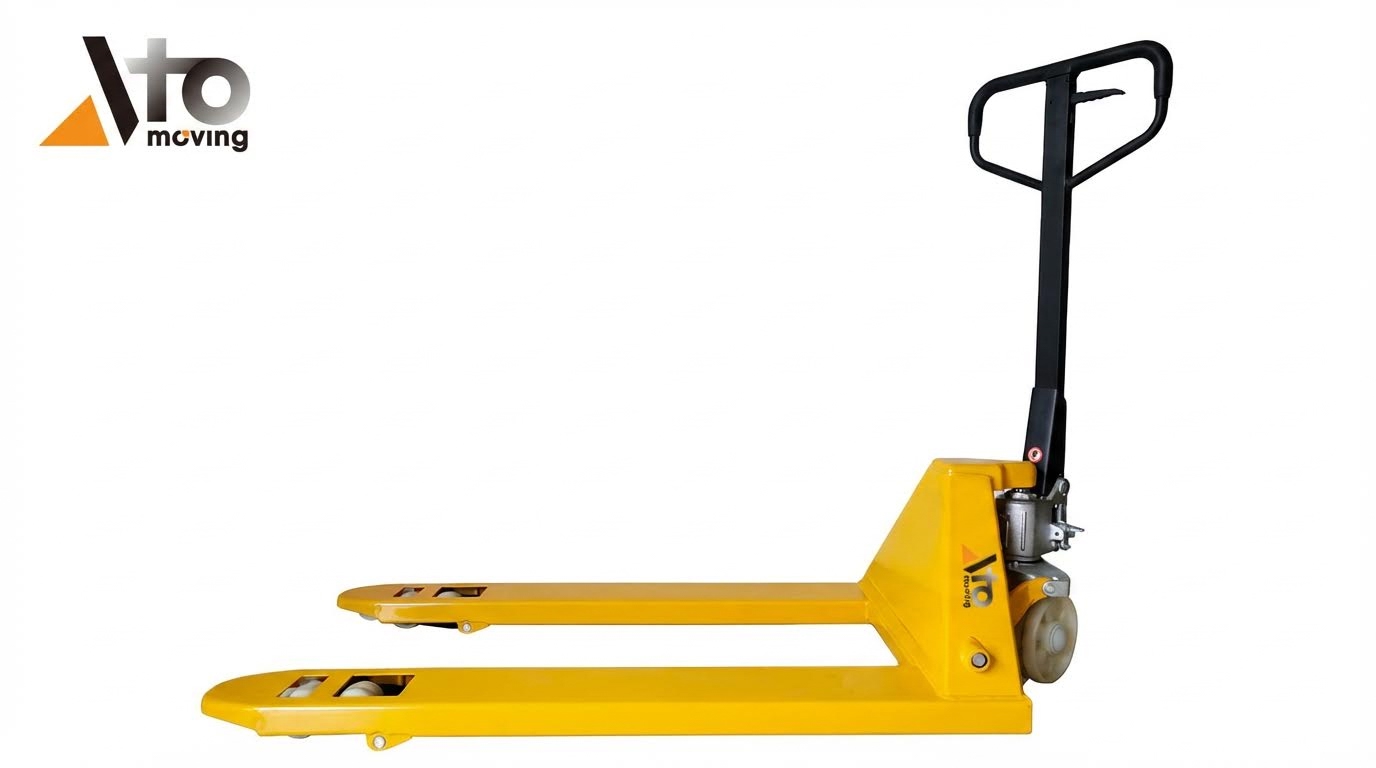
Manual pallet jacks use a compact hydraulic circuit with a pump piston, check valves, reservoir, and lift cylinder. Each pump stroke draws oil from the reservoir through an inlet check valve and pushes it into the lift cylinder through an outlet valve, converting handle force into lifting force. Any air in this closed circuit compresses under load, which is why knowing how to bleed a pallet jack is essential to restore full stroke efficiency and stable lifting. Correct oil type, correct oil level, and good sealing at all joints keep the circuit incompressible and reduce the need for frequent bleeding.
Common Failure Modes And Root Causes
Typical hydraulic failures include slow lifting, incomplete lift height, or a load that drifts down under static conditions. These problems often trace back to trapped air, low oil level, worn seals, or leaking fittings, all of which reduce effective system pressure and stiffness. Repeated issues after you follow how to bleed a pallet jack procedures usually indicate deeper faults such as damaged O-rings or dirt on valve seats, which require component inspection and replacement. Keeping the system free from external contamination and avoiding mechanical abuse, such as impacts to the pump housing, prevents many of these failure modes from developing.
Preventing Air Ingress And Extending Service Life
Air typically enters a pallet jack hydraulic circuit through low fluid levels, loose connections, or during improper handling and storage. Tilting the jack at steep angles or storing it on its side increases the chance of air migrating into the pump and cylinder, which then has to be removed by a bleeding procedure. A practical approach is to combine regular checks of fluid level, hose and fitting condition, and seal integrity with correct operating practices so you spend less time learning how to bleed a pallet jack and more time keeping it in service. Over the long term, a simple preventive plan—clean storage, correct oil, scheduled inspections, and prompt repair of small leaks—extends component life and keeps the hydraulic system stable, predictable, and safe for daily material handling.
“”
Key Takeaways For Facility And Maintenance Teams
Bleeding a pallet jack is not just a repair task. It is a control step that restores a solid oil column so the pump, valves, and cylinder can safely carry rated loads. Air in the circuit always means lower stiffness, longer stopping distances, and higher risk of dropped or shifting pallets. Teams must treat spongy handles, reduced lift height, and drifting forks as safety warnings, not minor annoyances.
Good practice links the bleeding procedure to clear engineering checks. Technicians confirm correct oil type and level, verify that the jack sits level, and inspect every joint for leaks before and after bleeding. They then test under a known load and document the result. If problems return quickly, they investigate seals, valve seats, and mechanical damage instead of repeating bleeding cycles.
For operations leaders, the best strategy is simple. Standardize one written procedure for all pallet jacks, train every shift on symptoms and response, and schedule routine hydraulic inspections. Pair that with clean storage, no tilted parking, and prompt repair of small leaks. This approach keeps Atomoving pallet jacks predictable, reduces downtime, and builds a safer, more efficient material handling system across the entire facility.
Frequently Asked Questions
How to Bleed a Hydraulic Pallet Jack?
To bleed a hydraulic pallet jack, start by standing behind the tow bar and setting the operating lever to the “lower” position. Do not loosen or remove the oil cap. With the lever in the “lower” position, squeeze the handle and pump the jack vigorously several times. This process allows trapped air in the hydraulics to escape. For more details, check this Step-by-Step Guide.
Can I Use a Pallet Jack on a Ramp?
Yes, you can use a pallet jack on a ramp, but safety precautions are essential. When going down an incline, keep the pallet jack in front of you to maintain control. If regular use on an incline is required, use a hand pallet truck fitted with brakes. Always secure the load on the pallet to prevent slipping, shifting, or falling. For additional guidance, refer to this Engineering Guidance Paper.