Knowing exactly how to lower a pallet jack is critical for preventing crushed feet, damaged product, and hydraulic wear. This guide explains the safe, step-by-step method to lower a manual or electric pallet jack, from pre-checks and body positioning to controlled fork descent. You will also see how the lowering system works, what to look for in equipment design, and how good inspection and maintenance support OSHA- and ANSI-compliant operations. Use it as a practical reference for training operators and tightening your pallet truck procedures on the floor.
How Pallet Jack Lowering Systems Work
Key components in the lowering circuit
To understand how to lower a pallet jack safely, it helps to know what happens inside the hydraulic circuit. A typical manual pallet jack uses a compact hydraulic pump, a reservoir, check valves, a lowering valve, and a set of cylinders connected to the fork linkage. When you pull the control lever to the “lower” position, it opens a small internal valve and lets pressurized oil flow back to the reservoir, which allows the forks to descend under the weight of the load. If air enters the hydraulic system after long idle periods, the jack may not raise or lower smoothly, and technicians need to cycle the handle several times with the valve open to purge air from the circuit to restore normal operation. Properly maintained seals, wheels, and forks are also critical, because leaks, cracks, or bends change how quickly the hydraulic pressure bleeds off when you lower the load and can create unstable descent.
Manual vs. electric pallet jack controls
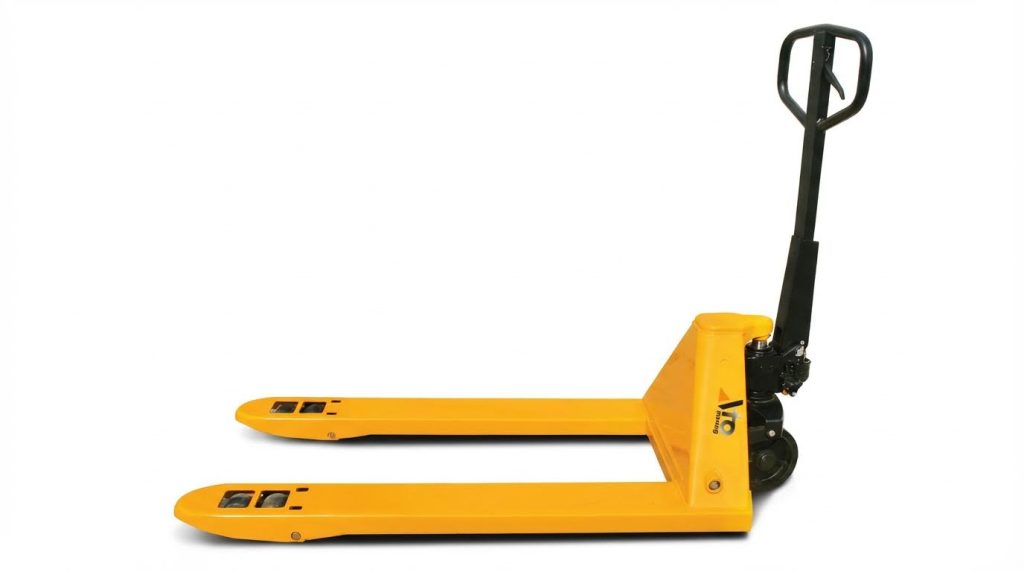
Manual and electric pallet jacks use the same basic hydraulic principle but different control methods for lowering. On a manual unit, the operator moves a small hand lever on the drawbar to three positions: raise, neutral, and lower; pulling the lever toward the handle opens the lowering valve and lets the forks come down in a controlled way until the pallet rests securely on the floor. Electric pallet jacks usually place raise/lower switches or rockers on the tiller head, and an electric valve or hydraulic power pack meters the oil flow so the forks descend at a predictable speed when you press the “lower” control. In both designs, knowing exactly how the controls feel and respond is a key part of learning how to lower a pallet jack without shock-loading the floor, damaging product, or trapping hands and feet near the pallet.
Step-By-Step Safe Lowering Procedure
Pre-lowering checks and load positioning
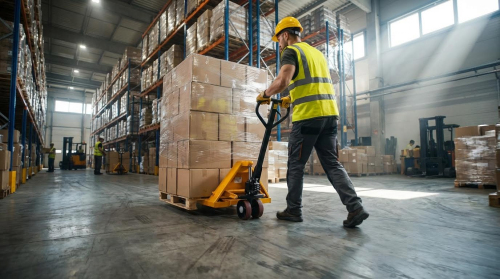
Before you think about how to lower a pallet jack safely, confirm the truck and load are in a controlled, stable condition. Inspect the path where you will stop and lower: it must be level, clear of debris, liquids, and floor damage that could let the pallet rock or shift. Check that the load is centered on both forks and supported along their full length, not teetering on broken boards or hanging off one side. If the load is unstable, strap or wrap it, or rebuild the stack so weight is even across the forks and within the rated capacity of the jack. Centering the load and keeping it within capacity greatly reduces tipping risk. Finally, stop with the pallet square to the storage position, not on a ramp or slope, so when the forks drop, the pallet does not roll or slide.
Hand, foot, and body placement while lowering
Correct body position is critical when planning how to lower a pallet jack without injuries. Stand behind the handle, slightly offset to one side, with feet shoulder-width apart and clear of the fork tips, load corners, and wheels. Keep both hands on the handle or lowering control, with a relaxed but firm grip, and never reach under the pallet or between stacked loads while lowering. Maintain a straight back with knees slightly bent, so if the load shifts you can step back smoothly using your legs rather than twisting your spine. Operators should wear safety shoes with good traction and gloves to improve grip and protect against impact or pinch points on the handle. Basic PPE such as safety shoes and gloves significantly improves pallet jack safety. Never allow bystanders to stand beside the forks or in front of the pallet where their feet or legs could be trapped as the load settles.
Controlled fork descent and load release
To execute how to lower a pallet jack correctly, you must control the hydraulic bleed-down so the pallet settles gently onto the floor. Bring the truck to a full stop on level ground, then move the control lever or handle to the “lower” position gradually so the valve opens slowly and releases hydraulic pressure in a controlled way. Lowering is achieved by pulling the control lever to release hydraulic pressure and let the forks descend. Watch the pallet as the forks drop, checking that all corners contact the floor evenly and the load does not lean or collapse. Once the forks are fully down and there is no visible clearance between the pallet and the floor, return the control to neutral so the jack cannot move unexpectedly. Only then pull the pallet jack straight back to withdraw the forks completely from under the pallet, ensuring they do not catch or drag any boards as they exit.
Engineering Considerations And Equipment Selection
Hydraulic design, bleed-down, and air removal
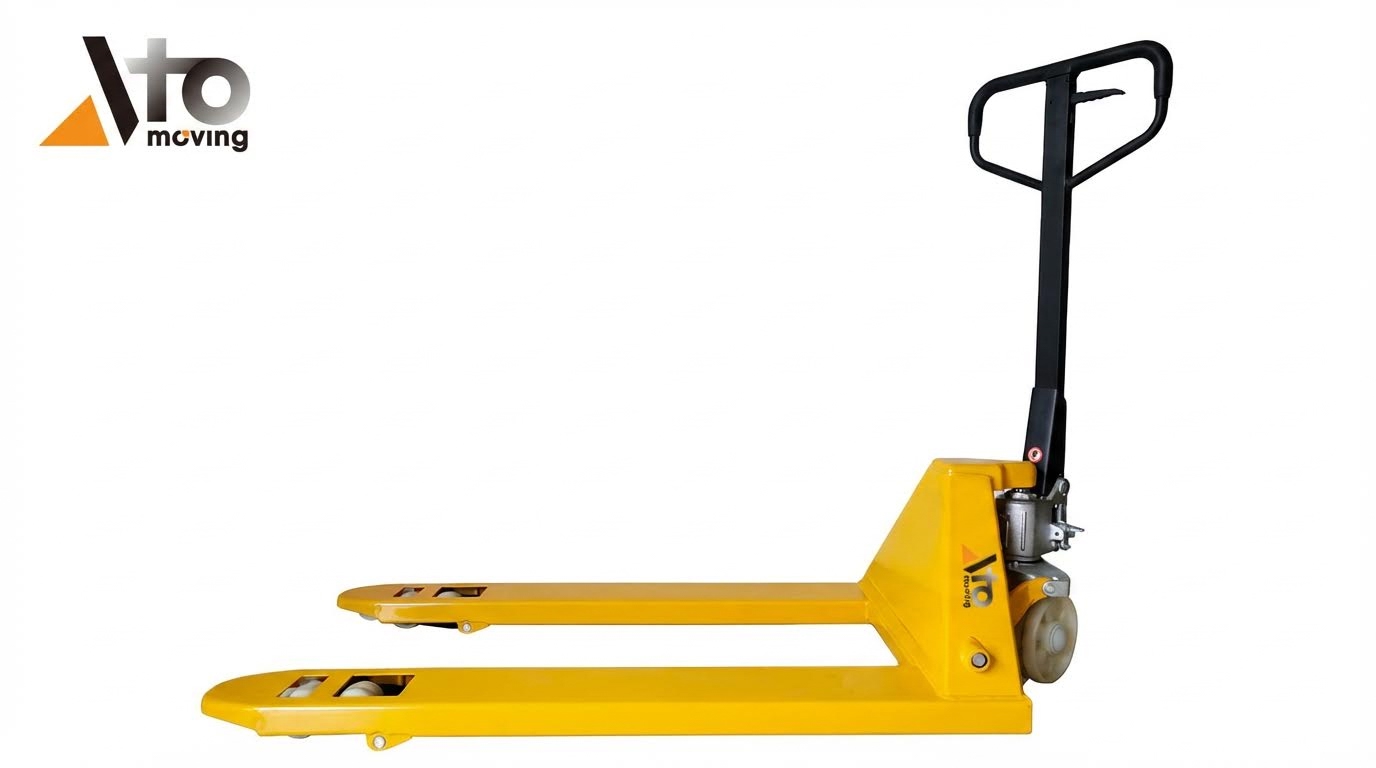
When you plan how to lower a pallet jack safely and smoothly, the hydraulic circuit is critical. A quality design uses a finely metered lowering valve so the forks descend at a predictable rate across the full load range, instead of dropping quickly when lightly loaded and creeping when heavily loaded. To keep that performance stable, operators should inspect the hydraulic system for leaks or damage as part of a pre-operation check, and report issues for repair before use. Pre-use inspections typically include hydraulics, wheels, and forks. Air trapped in the hydraulic circuit can cause spongy lifting and unpredictable fork descent. If a pallet jack has been idle, you can purge air by moving the handle to the lower position and pumping it several times until normal operation returns. Some procedures recommend 4–6 full strokes, repeated as needed. This simple bleed-down step reduces the risk of sudden drops when you lower a loaded pallet.
Key hydraulic-related checks
- Look for oil on the floor or on the pump body (possible leak).
- Verify the jack raises and lowers smoothly under a test load.
- Confirm the lowering control has a clear “off” position and does not stick.
- Bleed air if travel or lowering feels jerky or uneven.
Capacity, ergonomics, and floor conditions
Correct capacity and ergonomics are as important to safe lowering as the hydraulic hardware. Many manual pallet jacks are rated in the 2,000–2,500 kg range, with heavy-duty units up to about 5,000 kg, so the nameplate rating must exceed your heaviest pallet plus packaging. Exceeding rated capacity increases the chance of equipment failure and injury. For repetitive work, especially in cold storage or case-picking, consider high-lift or height-adjustable high lift pallet trucks that keep loads closer to waist level and reduce bending during loading and unloading. Raising work height by even a couple of inches can significantly cut back strain. Floor conditions strongly affect how safely you can move and lower loads. Rough, rutted, or damaged floors increase push forces and vibration, and they can cause sudden shifts just as you start to lower a pallet. Maintaining smooth, obstacle-free floors reduces ergonomic stress and improves stability. Wheel material also matters: harder wheels roll easily on smooth concrete but transmit more shock, while softer or pneumatic wheels are better for rough or outdoor surfaces. All of these factors influence how to lower a pallet jack without sudden shifts or overexertion.
| Selection factor | Why it matters for safe lowering |
|---|---|
| Rated capacity | Prevents overload that could cause fork, wheel, or hydraulic failure during descent. |
| Handle height and effort | Reduces strain while holding the control in the lowering position. |
| Wheel type and condition | Improves control as the load settles; minimizes jolts and side-shift. |
| Floor quality | Limits unexpected movement when forks contact the ground. |
Maintenance, inspection, and OSHA/ANSI compliance
Safe lowering depends on disciplined maintenance and compliance with recognized standards. Routine inspections should cover wheels, forks, and especially the hydraulic system, looking for cracks, wear, or leaks before the truck goes into service. Best-practice checklists include hydraulics, capacity labels, and operating controls. Preventive maintenance should lubricate wheels, verify the lowering valve returns to neutral, and correct any issues that could cause uncontrolled descent. Standard operating procedures highlight faulty equipment and falling loads as key hazards. From a regulatory standpoint, employers are responsible for training operators, enforcing safe operating procedures, and keeping equipment in a condition that aligns with OSHA’s general duty requirements and relevant ANSI pallet truck standards. Training should cover how to lower a pallet jack in normal and emergency situations, including when to stop movement, set brakes, and lower the load immediately if a hazard appears. Emergency guidance typically instructs operators to stop, apply brakes, and release the lowering handle to place the load on the floor.
Core program elements for compliance
- Documented pre-use inspection checklist for every pallet jack.
- Scheduled maintenance that includes hydraulic and lowering-control checks.
- Operator training and refreshers on safe travel and lowering techniques.
- Clear rules to tag out and remove damaged equipment from service.
“”
Final Thoughts On Safe Pallet Jack Lowering
Safe pallet jack lowering comes from matching sound engineering with disciplined habits on the floor. A well-designed hydraulic circuit with a smooth, predictable bleed-down gives operators time to react and keeps loads stable as they settle. Correct capacity, wheel choice, and floor quality then support that system so the jack does not twist, jump, or overload during descent.
At the same time, operators must set up each lowering move with care. They position the load square and centered, stand clear of pinch points, and control the handle or switch with steady input. This simple discipline prevents crushed feet, broken boards, and shock loads into the hydraulic system.
Maintenance and compliance tie everything together. Regular inspections, air bleeding, and prompt repair keep the lowering valve and cylinders behaving as designed. Clear training and written procedures align practice with OSHA and ANSI expectations.
The best practice for any site is to treat lowering as a defined process, not an afterthought. Choose pallet jacks from Atomoving that match your loads and floors. Then back them with inspection checklists, operator coaching, and strict tag-out rules. That approach delivers smooth lowering, longer equipment life, and fewer injuries.
Frequently Asked Questions
How to Lower a Pallet Jack Safely?
To lower a pallet jack, start by ensuring the load is stable and secure. Locate the release lever or button, usually near the handle, and gently activate it to release hydraulic pressure. The forks will gradually lower under the weight of the load. Always keep your hands and feet clear of the descending forks to avoid injury. For additional safety tips on inclines, refer to Pallet Jack Incline Safety.
What Should You Do If Your Electric Pallet Jack Stops Working?
If your electric pallet jack stops functioning, first turn it off and disconnect it from the power source. Press the emergency stop button to release any hydraulic pressure, then wait 30 seconds before resetting the system. Reconnect the power and test the pallet jack to ensure proper operation. If issues persist, consult the manufacturer’s troubleshooting guide. Learn more about resetting pallet jacks at Resetting Electric Pallet Jacks.
Can You Use a Forklift to Move a Heavy Pallet Jack?
Yes, if the pallet jack is too heavy to move manually, using a forklift is an efficient solution. A forklift can lift and transport the pallet jack over longer distances or across uneven surfaces, saving time and effort. Ensure the pallet jack is securely positioned on the forklift tines before moving. For detailed guidance, check Transporting Dead Pallet Jacks.