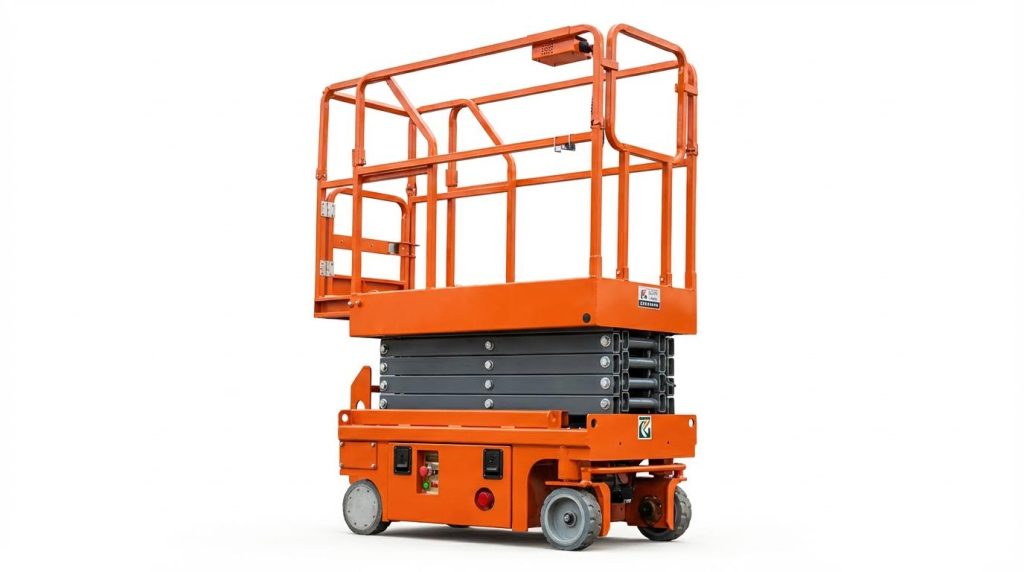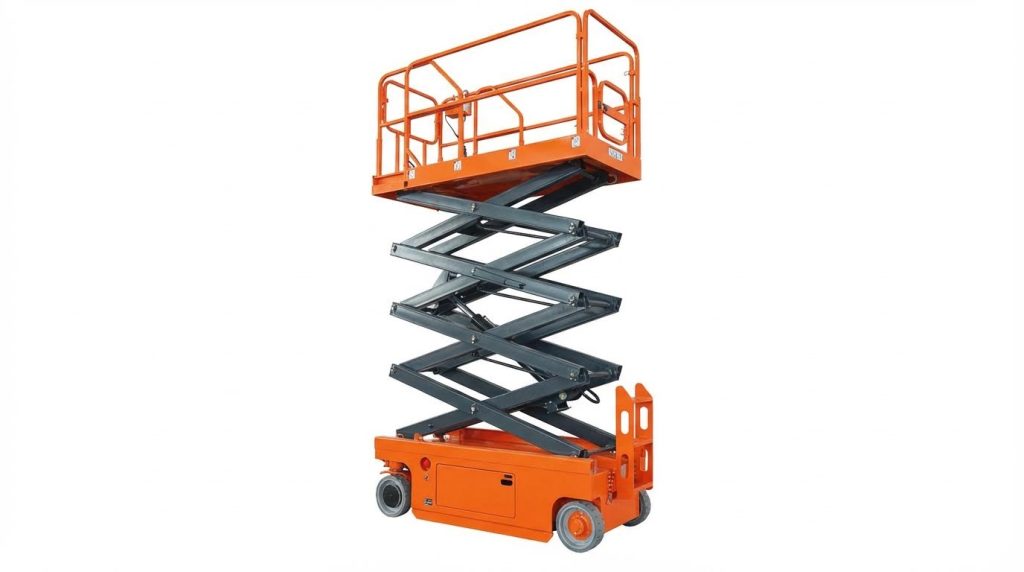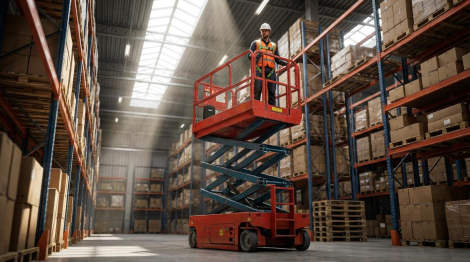
Scissor lifts are among the most common elevated work platforms on jobsites, but they can tip over when physics, environment, and operator behavior combine in the wrong way. This guide explains exactly why and how scissor lifts become unstable, and what engineering controls and work practices keep them upright. You will see how factors like center of gravity, terrain, wind, load placement, and equipment design interact, and how standards and modern stability technology address these risks. Use this article as a practical reference to answer “can scissor lifts tip over” and to build safer setup, selection, and operating procedures on your sites.
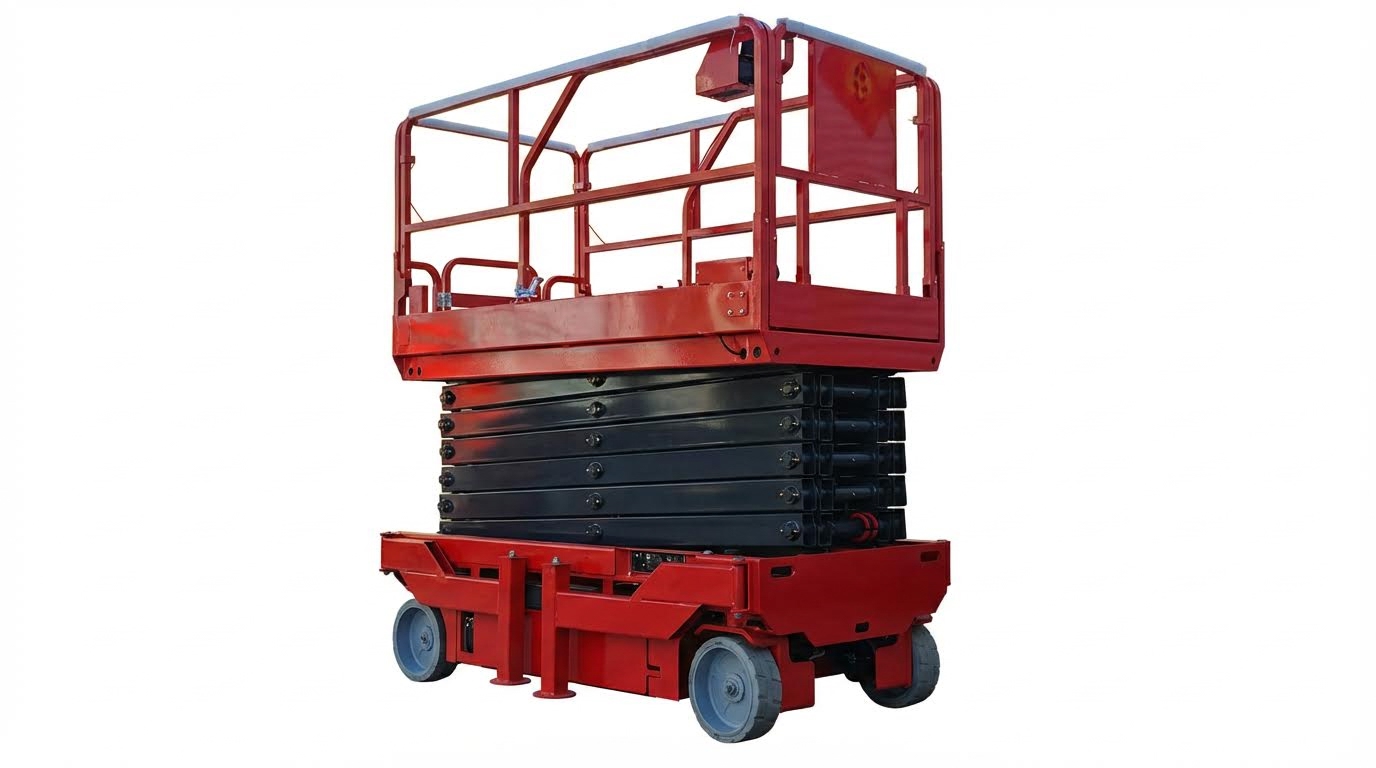
How And Why Scissor Lifts Tip Over
Center Of Gravity, Base Width, And Height
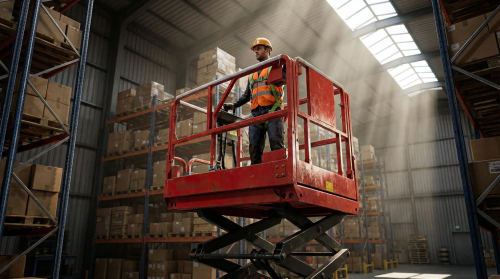
From a stability standpoint, the basic answer to “can scissor lifts tip over” is yes, whenever the center of gravity moves outside the support base. A scissor platform is most stable when the combined center of gravity of the chassis, structure, and load sits well inside the rectangle formed by the wheels or outriggers. As platform height increases, that center of gravity rises, so a smaller sideways push or ground irregularity can generate enough overturning moment to overcome the restoring moment from the base. This is why instability and platform “wobble” increase noticeably once platforms are raised above roughly 15 feet, especially if operators add weight or lean out from the guardrails at higher elevations.
Two geometric factors dominate: base width and height. A wider base increases the tipping line distance from the center, raising the overturning moment required to tip the machine, which is why rough-terrain models use wider chassis and larger tires to gain up to about 40% more stability on uneven ground compared with standard units. Adding outriggers or stabilizers effectively widens this base further by transferring load to points outside the wheel track, but only if they bear on firm, non‑settling ground. Conversely, operating on soft soil, sand, or fill allows local settlement under one wheel or outrigger, shifting the center of gravity toward an edge and sharply reducing the safety margin against tip‑over.
Load placement on the platform also changes the center of gravity. Concentrating workers, tools, or materials on one side acts like a lever arm, pulling the center of gravity toward that edge and increasing the overturning moment, especially at full height when the structure already flexes more. Sudden movements, such as a worker climbing or pushing hard on a wall, create dynamic loads that momentarily shift the center of gravity even further. This is why standards limit height‑to‑base ratios during travel and require operation on surfaces within a few degrees of level to keep the center of gravity envelope safely inside the footprint for typical jobsite conditions.
Common Tip-Over Scenarios On Jobsites
In real jobsites, scissor lifts most often tip over when several risk factors stack up rather than from a single cause. Uneven or sloped terrain is a major contributor, because even a modest slope can significantly increase overturn risk; studies have shown that a 5‑degree incline can raise tip‑over probability by around 40% compared with level ground when combined with side loads and soft soil. Hidden voids such as erosion holes, trenches close to the wheels, or backfilled utility cuts can collapse under load, causing a sudden drop on one side and shifting the center of gravity past the tipping line. Operating with the platform elevated near these features, or failing to maintain buffer distances from trenches, makes this scenario more likely.
Another frequent pattern is movement with the platform raised, particularly over bumps, debris, or curbs. When operators drive a lift at height over a pothole or obstruction, the chassis pitches or rolls, and the elevated mass at the top amplifies that motion, sometimes enough to exceed the stability envelope. This is why regulations restrict travel speed to about 1 ft/s and limit the allowable height‑to‑base ratio while moving unless the machine is specifically engineered and tested for higher values under relevant ANSI stability tests. Driving across slopes, turning sharply on inclines, or failing to orient the heavier side of the machine uphill further increases the risk of a lateral tip‑over.
Weather and wind are also key triggers when asking “can scissor lifts tip over” on open sites. Strong winds above roughly 20–25 mph can impose large side loads on the guardrails and occupants, especially at full extension, enough to unbalance the lift if the ground is not perfectly level or if the platform is carrying near its rated capacity where wind speeds at height may exceed ground readings. Combining gusty conditions with uneven loading, leaning outside the rails, or working near building corners that funnel wind can push the system beyond its design limits. Finally, many incident investigations have traced tip‑overs back to untrained or complacent operators who exceeded weight limits, overreached, or bypassed safety devices, highlighting that human factors and poor hazard recognition often turn marginal stability into an actual overturn event despite built‑in engineering safeguards.
Engineering Controls, Standards, And Stability Technology
OSHA/ANSI Stability Requirements And Limits
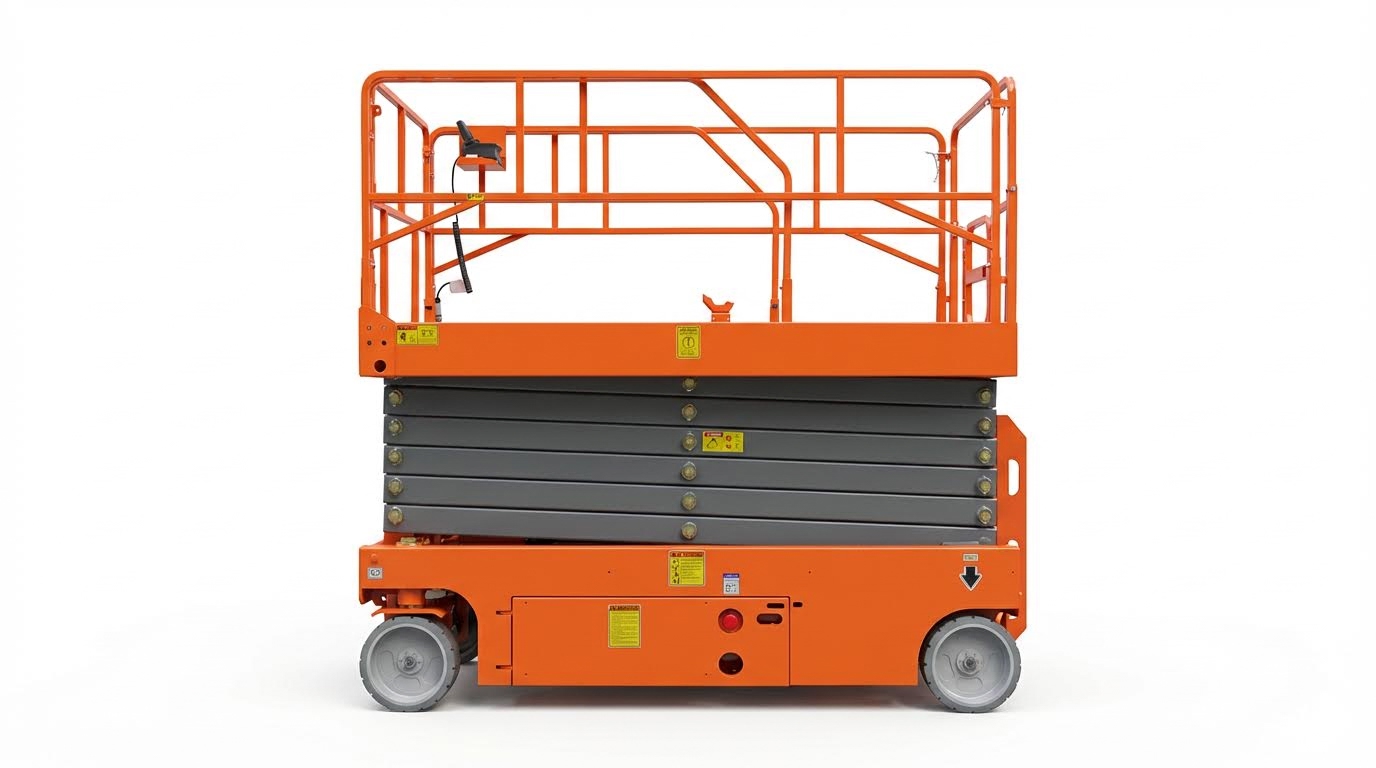
Regulatory stability rules directly answer the question: can scissor lifts tip over under normal, compliant use? OSHA required scissor lifts to operate on surfaces within about 3 degrees of level, free of pits, holes, and obstructions 29 CFR 1926.452(w)(6). ANSI stability tests then verified that the lift stayed upright when loaded and tilted within defined angles and wind conditions. Together, these limits defined when a lift is “stable by design” and when site or operator actions push it toward tip-over.
- The height‑to‑base ratio during movement had to be 2:1 or less unless the machine passed stricter ANSI stability tests OSHA interpretation.
- Powered travel speed was limited to about 1 ft/s (≈0.3 mph) to keep dynamic forces small OSHA interpretation.
- Outriggers, when fitted, had to be installed on both sides with brakes set before elevation OSHA interpretation.
Industry guidance also restricted operation in high winds above roughly 25–28 mph because gusts acting on the platform could overcome the tested stability margin wind limits. These requirements did not eliminate the possibility that scissor lifts can tip over, but they set clear engineering and operating envelopes that sharply reduced risk when followed.
Structural Design, Hydraulics, And Dynamic Behavior
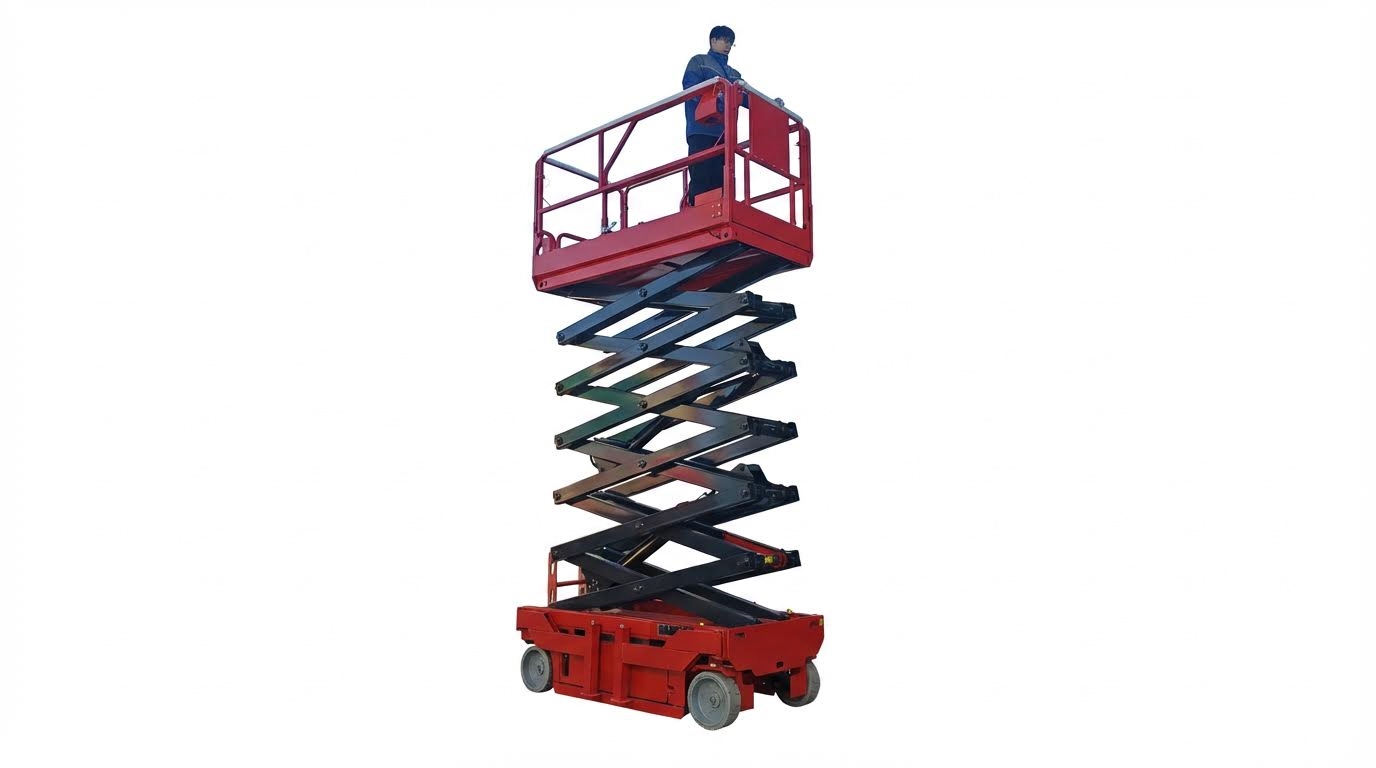
Core structural and hydraulic design choices controlled how close a lift operated to its tip-over threshold. The chassis spread weight over a broad footprint and provided a low center of gravity to resist overturning moments chassis role. Scissor arms used optimized geometry and high‑strength sections to carry vertical loads with minimal lateral deflection. Platform materials were specified to resist fatigue, cracking, and permanent deformation under repeated duty cycles.
Hydraulic cylinders provided smooth, controllable lifting force and helped limit sudden accelerations that could excite sway hydraulic function. Research showed fundamental natural frequencies for scissor structures in the range of about 0.30–2.08 Hz, meaning slow platform motions or ground inputs in this band could amplify sway and raise tip-over risk dynamic stability study. Designers therefore controlled stiffness, mass distribution, and damping to keep these dynamic effects within safe limits.
Key structural stability factors
- Low, heavy base with even weight distribution to resist overturning.
- Scissor arm geometry that limits side‑load amplification at full height.
- Hydraulic circuits with flow controls and checks to prevent sudden drops or surges.
- Regular inspection for cracks, leaks, and wear that could reduce stiffness or introduce play inspection guidance.
When any of these elements degraded, the margin between normal operation and conditions where scissor lifts can tip over narrowed significantly, especially on slopes or soft ground.
Sensors, Outriggers, And Emerging Stability Tech
Modern engineering controls added active layers of protection on top of passive structure and standards. Tilt sensors monitored chassis angle and issued alarms or lockouts as the machine approached slope or side‑tilt thresholds, which was critical because even a 5‑degree slope could raise tip-over risk by about 40% compared to level ground slope impact. Load‑sensing systems prevented elevation when platform weight exceeded rated capacity or was grossly unbalanced load limits.
Outriggers and stabilizers widened the effective base and transferred loads into firmer ground, allowing controlled work on modest slopes when used with pads and proper locking stabilization techniques. Case experience showed that combining rough‑terrain chassis, outriggers, and real‑time tilt monitoring cut dangerous stability incidents by up to 80% case study. Newer designs further integrated anti‑sway logic, auto‑levelling systems, and emergency descent controls to keep the platform within safe envelopes even as conditions changed built-in safety features.
These technologies did not change the fundamental physics that scissor lifts can tip over if misused, but they provided earlier warnings, automatic cut‑outs, and a larger practical safety buffer. When paired with jobsite assessments, inspections, and trained operators, they significantly reduced real‑world tip‑over frequency.
Practical Site Setup, Equipment Choice, And Operating Practices
Terrain, Weather, And Lift Selection Criteria
Before asking “can scissor lifts tip over,” start with ground and weather. Scissor lifts should work on firm, level surfaces within about 3 degrees of level, free of pits, holes, or obstructions according to OSHA 29 CFR 1926.452(w)(6). Even a 5‑degree slope can increase tip‑over risk by about 40% compared with flat ground based on stability assessments. Thorough terrain assessment and correct lift selection are therefore core engineering controls, not paperwork.
- Terrain assessment: Inspect for soft soil, erosion holes, drainage ditches, buried objects, and hidden voids before setup using documented checklists. Remove loose rocks and grade slopes down to under about 3 degrees where possible.
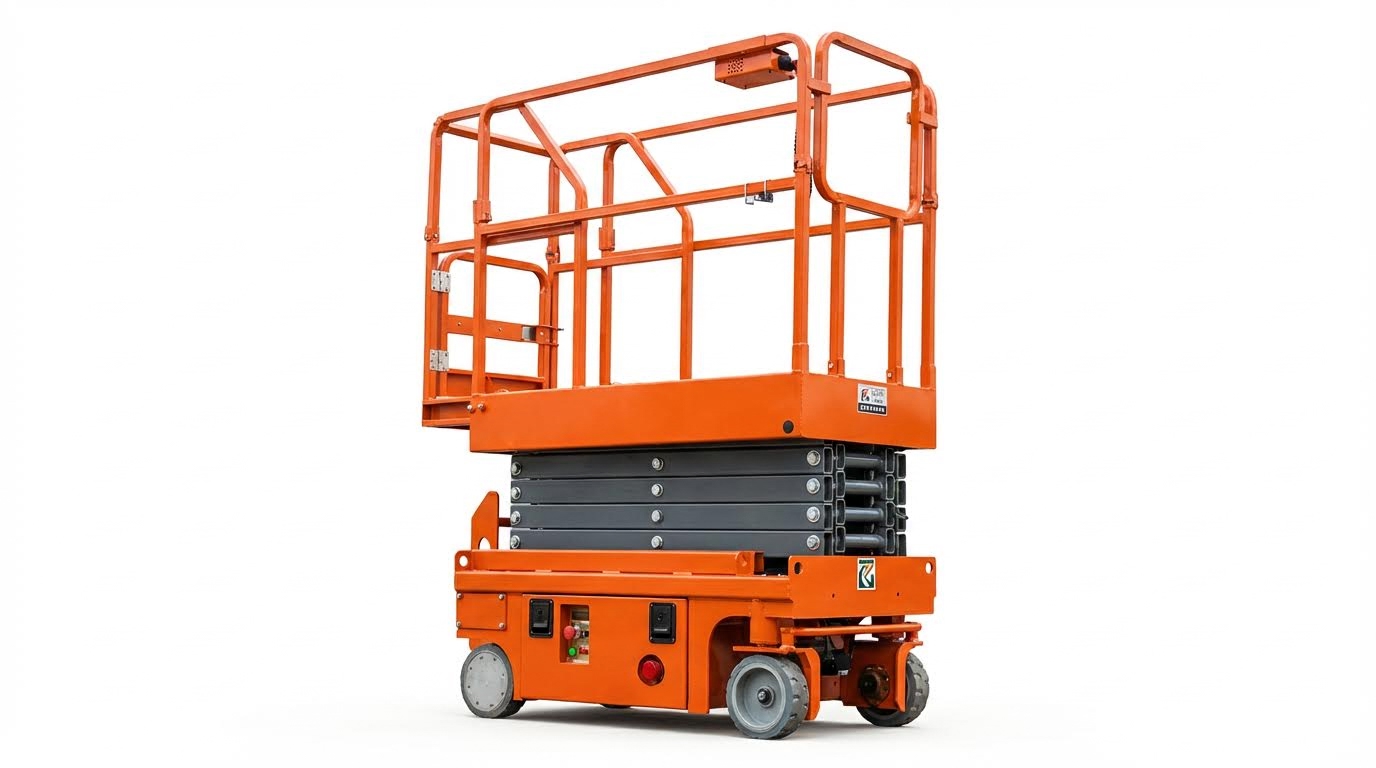
- Lift type vs. ground conditions: Use standard slab lifts only on hard, flat surfaces. On uneven or soft ground, rough‑terrain models with pneumatic tires, higher ground clearance, and stabilizers can provide roughly 40% greater stability and handle slopes up to about 10 degrees when used with outriggers as reported in field comparisons.
- Outriggers and accessories: On marginal ground, widen the base with outriggers, ensuring all pads bear on solid material and using base plates on soft soil per stabilization guidelines. When outriggers are installed, they must be fitted on both sides and brakes set to maintain stability per OSHA interpretations.
- Weather and wind: Strong winds, rain, and ice all increase the chance that scissor lifts tip over. Many manufacturers and training sources restrict operation above about 20–25 mph winds, with some recommending 15–18 mph limits at full height based on outdoor use studies and training guidance. Use anemometers and stop work when gusts exceed limits.
- Environmental planning: Rain reduces tire friction, ice weakens surface integrity, and low temperatures can slow hydraulic response by 30–40% in documented cold‑weather operations. Plan schedules to keep elevated work in drier, calmer periods and reserve ground tasks for harsher seasons.
Practical selection checklist (terrain & weather)
- Confirm surface is within 3 degrees of level and compacted.
- Choose rough‑terrain lift for slopes, soft ground, or unpaved areas.
- Install outriggers with pads on any questionable soil.
- Check forecast and onsite wind speeds at platform height.
- De‑ice, clear water, and apply non‑slip measures where needed.
Load Management, Movement, And Operator Training
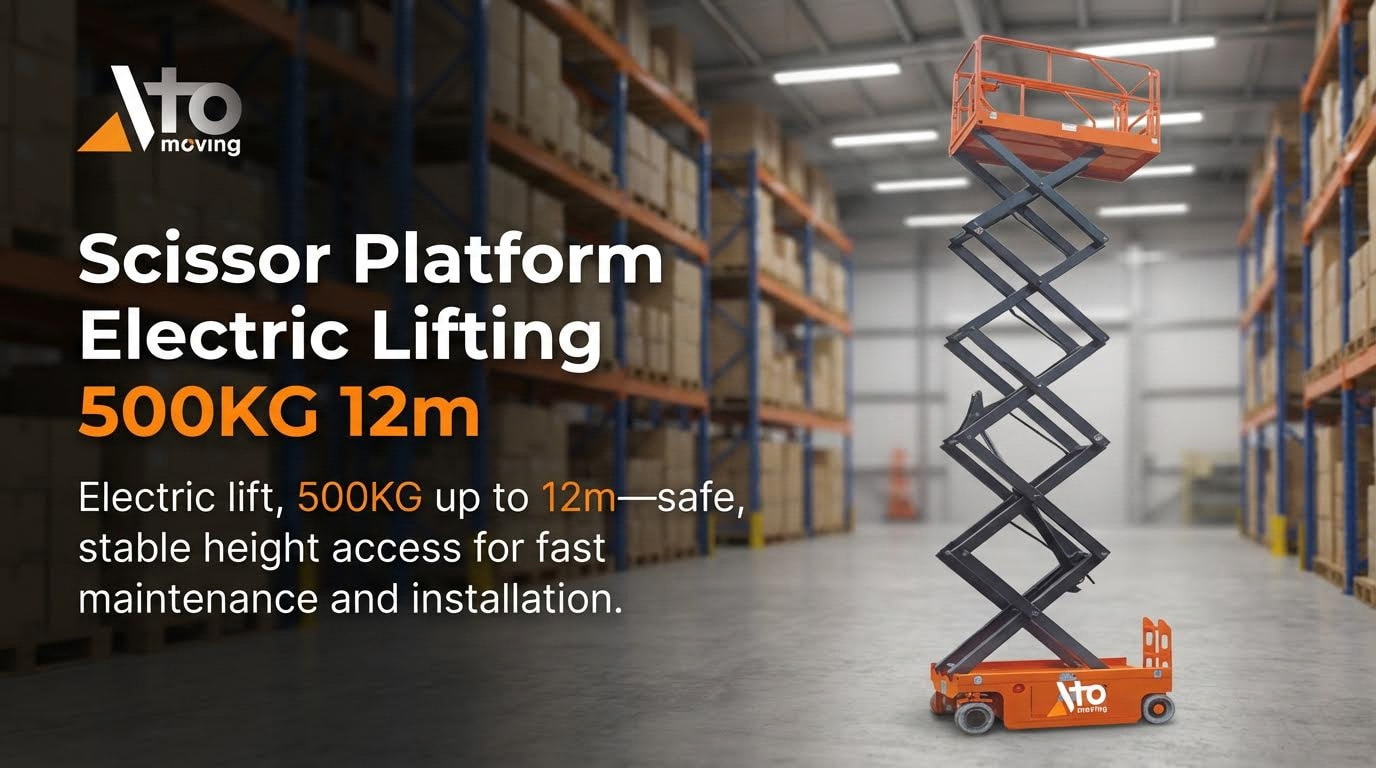
From a stability standpoint, the way you load and move the platform usually answers the question “can scissor lifts tip over” more than the design itself. Overloading, poor load distribution, and driving with the platform raised are leading contributors to tip‑overs in incident analyses. OSHA and training bodies require that operators never exceed the manufacturer’s rated capacity and that they move lifts only under strict conditions.
- Load limits and distribution: The platform capacity rating includes workers, tools, and materials. This total must never exceed the nameplate rating, and the load must be spread evenly across the deck to maintain the center of gravity inside the base footprint per scissor lift safety guidance. Avoid heavy items stacked at the guardrails or extending far outside the platform.
- Movement with platform raised: Many tip‑overs occur when operators drive with the platform elevated, especially on slopes or rough ground according to training data. Unless the manufacturer specifically allows travel at height, lower the platform before moving and keep travel speeds below about 1 ft/s (0.3 mph) when powered movement is used per OSHA guidance.
- Dynamic forces on the guardrails: Excessive pushing, pulling, or side loading at height acts like a lever at the top of a tall, narrow structure and can cause scissor lifts to tip over, especially above roughly 15 feet where wobble is more noticeable in field observations. Avoid using the lift as a crane, hoist, or anchor for pulling operations.
- Pre‑use inspections and monitoring: Daily checks of tires, brakes, controls, safety devices, and any outriggers reduce stability incidents by around one‑third when consistently applied based on pre‑shift inspection data. Any defects affecting steering, leveling, or structural integrity must be corrected before use per OSHA‑aligned requirements.
- Operator training and behavior: Untrained operators are a recurring factor when scissor lifts tip over in accident reviews. OSHA requires that only trained and certified personnel operate these lifts, with instruction covering hazard recognition, load handling, slope limits, and emergency descent under employer duties. Scenario‑based drills and modern VR simulations have improved decision‑making speed by nearly 30% in slope and emergency scenarios according to training evaluations.
Operator best‑practice checklist (load & movement)
- Verify platform capacity and keep total load at or below the rating.
- Distribute weight evenly; avoid heavy objects at guardrails or far outboard.
- Lower platform before travel unless the manufacturer permits movement at height.
- Limit travel speed and avoid ruts, potholes, and sudden steering inputs.
- Complete documented pre‑use inspections and follow formal training and refresher programs.
Key Takeaways For Reducing Scissor Lift Tip-Over Risk
Scissor lifts tip over when geometry, ground, loads, and human decisions push the center of gravity outside the base. Engineering design, OSHA/ANSI limits, and modern stability technology all work to keep that center of gravity inside a safe envelope, even under wind and dynamic movement. But those protections only hold when site conditions and operator behavior stay within the tested range.
Teams must treat terrain assessment, lift selection, and weather checks as engineering controls, not paperwork. Choose the right Atomoving lift for the surface and slope, use outriggers correctly, and stop work when wind or ground conditions exceed limits. Manage loads conservatively, avoid travel at height unless specifically allowed, and keep dynamic forces on the guardrails low.
Back this up with strict pre‑use inspections, working safety devices, and documented, scenario‑based operator training. When you combine sound structural design, active sensors, and disciplined site practice, you build large safety margins against tip‑over. The practical answer then becomes: scissor lifts can tip over in theory, but with the right equipment, setup, and training, your jobsites can keep that risk extremely low in day‑to‑day work.
Frequently Asked Questions
Can a scissor lift tip over?
Yes, scissor lifts can tip over if they are not used properly. Common causes include off-center loads, leaning too far out of the lift, high winds, uneven surfaces, or inclines. Scissor Lift Safety Tips.
- Avoid overloading the platform beyond its rated capacity.
- Always operate on stable and level ground.
- Do not use the lift in high winds or adverse weather conditions.
What precautions should be taken to prevent scissor lifts from tipping over?
To prevent tipping, ensure the load is evenly distributed and workers stay within the guardrails. It’s also important to avoid operating on uneven surfaces or inclines. Additionally, always check weather conditions before use outdoors. Scissor Lift Hazards Guide.
- Inspect the ground surface for stability before setup.
- Use safety harnesses as required by OSHA regulations.
- Avoid operating the lift in high winds or bad weather.