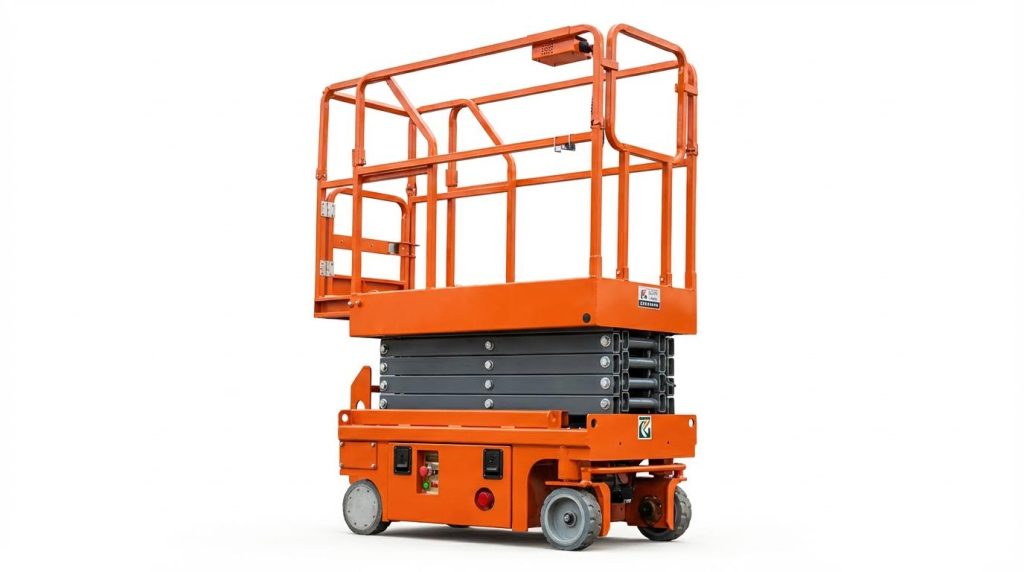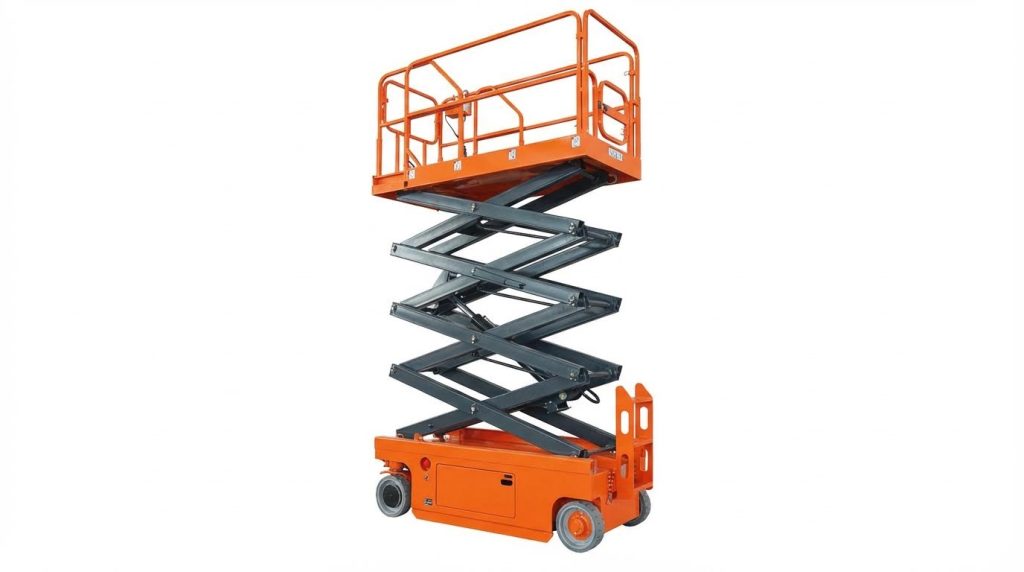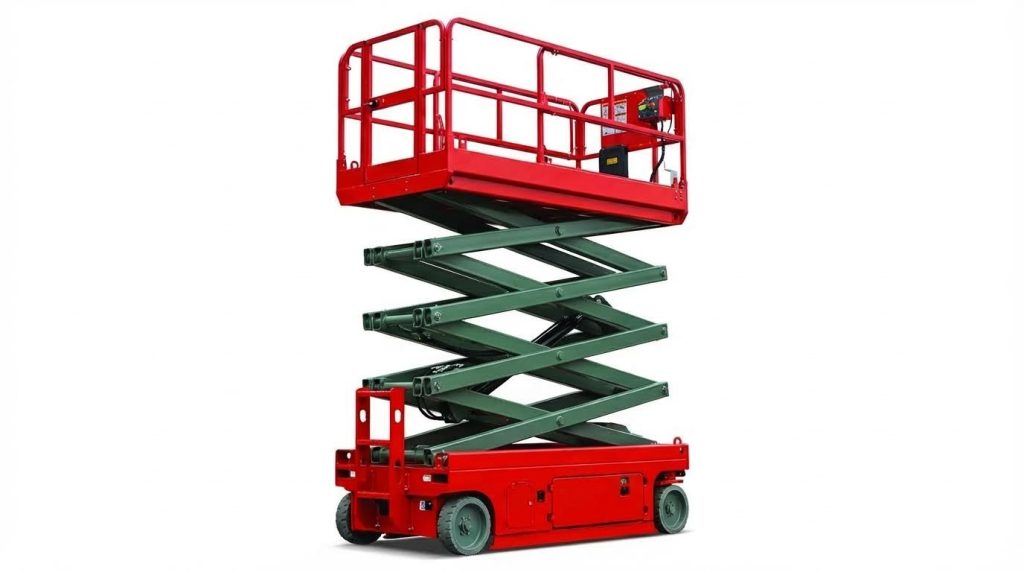
If you are asking “what is the OSHA standard for scissor lifts,” the answer spans more than one regulation. OSHA treats scissor lifts as mobile scaffolds, so employers must meet scaffold rules, aerial lift guidance, and updated MEWP best practices. This article explains how OSHA classifies aerial platform, the core standards that apply, and the engineering controls needed for safe operation. You will also find practical guidance on training, inspections, and a scissor platform lift compliance checklist you can adapt to your own site program.
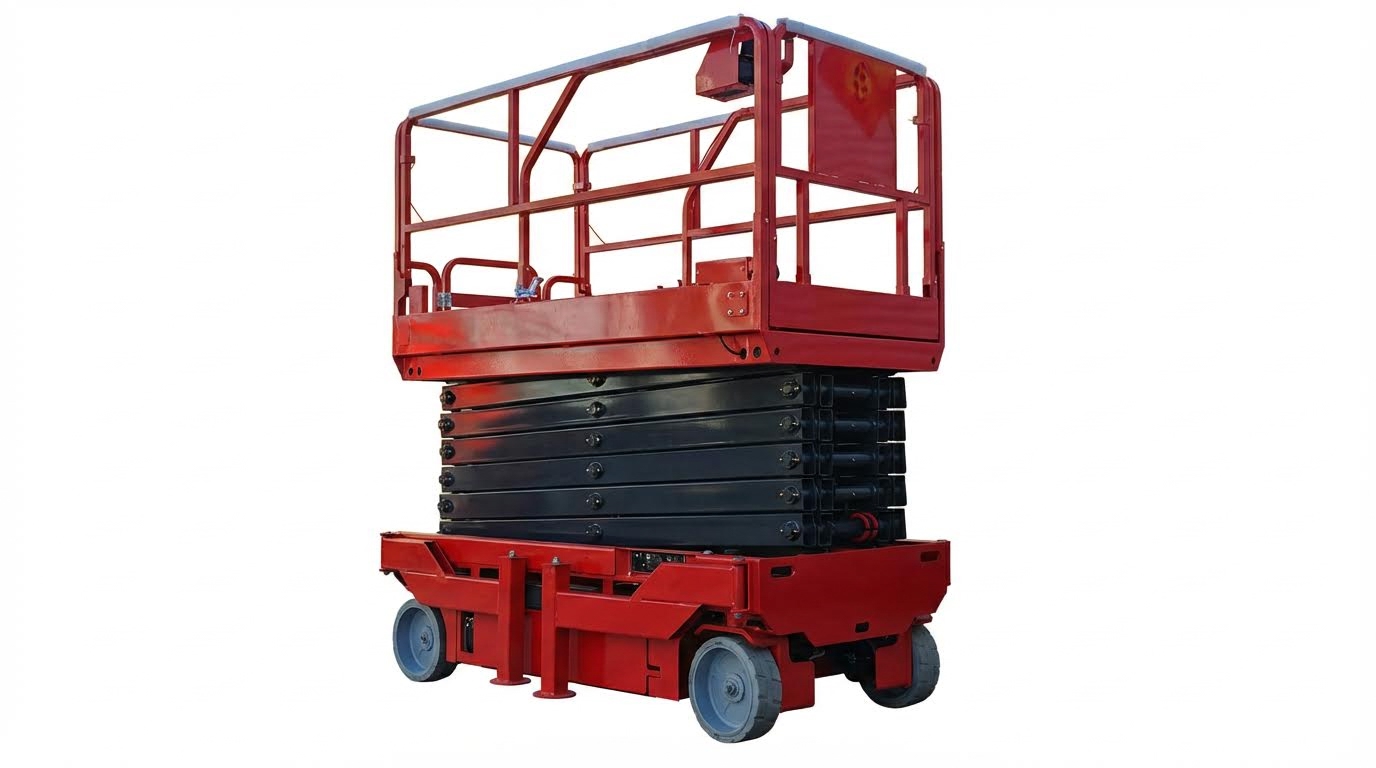
OSHA Framework And Core Scissor Lift Requirements
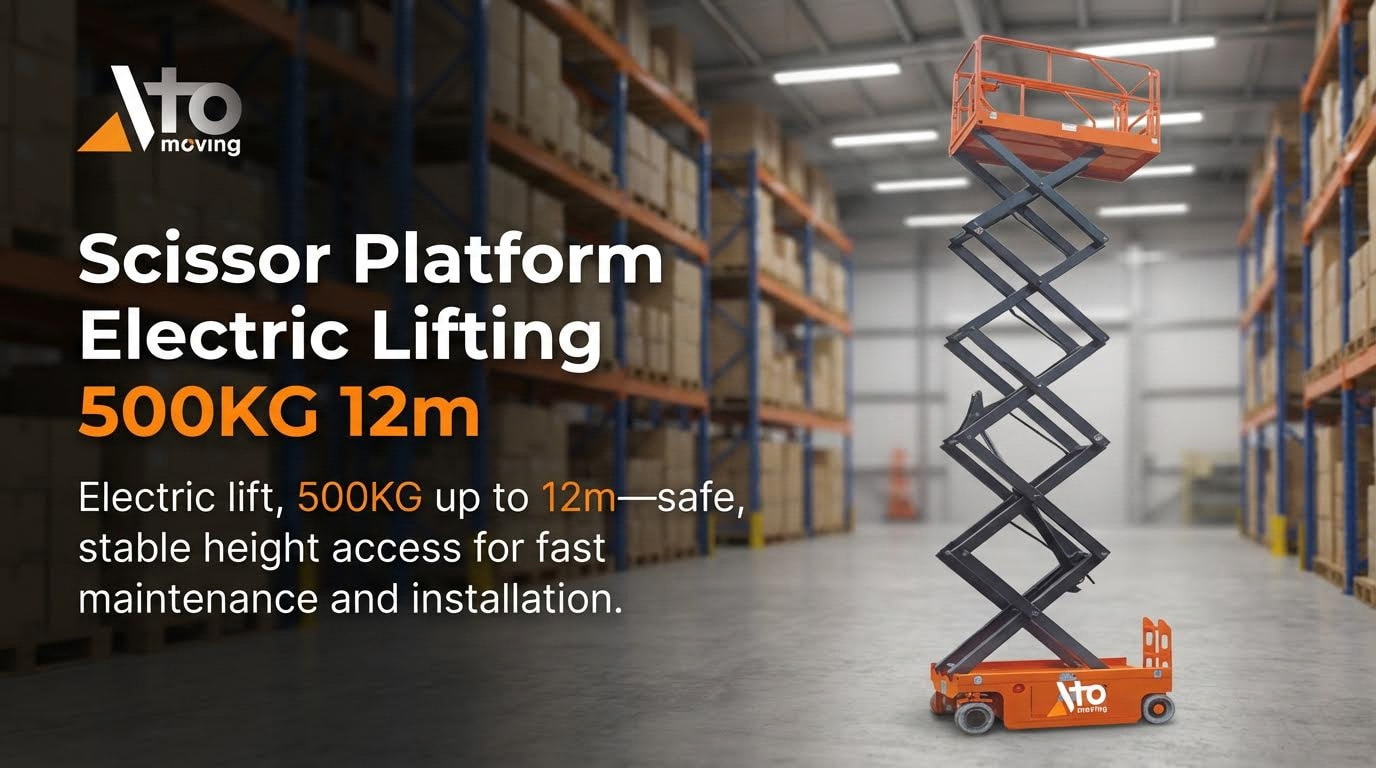
How OSHA Classifies Scissor Lifts
From OSHA’s perspective, scissor lifts answer the question “what is the osha standard for scissor lifts” by being treated as a type of mobile scaffold rather than a separate equipment category. OSHA addresses them under the construction scaffold rules in 29 CFR 1926.451 (general scaffold requirements), 1926.452(w) (mobile scaffolds), and 1926.454 (training). These sections define how mobile scaffolds must be designed, used, and how workers must be trained. In practice, this means scissor lifts must meet scaffold rules for guardrails, access, load rating, and fall protection, while also complying with manufacturer instructions. Employers must classify scissor lifts correctly in their safety program, apply scaffold rules to them, and restrict operation to trained and authorized personnel only. Inspection records must show that a competent person has verified the lift is safe for use, aligning with OSHA’s scaffold framework.
Key OSHA And ANSI Standards To Know
When facilities ask “what is the osha standard for scissor lifts,” the core answer is the scaffold standard plus current MEWP guidance. OSHA’s construction rules rely on 29 CFR 1926.451, 1926.452(w), and 1926.454 for design, use, and training of mobile scaffolds such as scissor lifts. These sections also tie in fall protection, pre‑use inspections, and tip‑over prevention practices. For aerial lifts in general, OSHA uses 29 CFR 1926.453, with training still mandated under 1926.454. Updated ANSI/SAIA A92.22 and A92.24 standards, effective June 1, 2020, reclassified scissor lifts under the broader Mobile Elevating Work Platform (MEWP) concept and tightened training and safe‑use requirements. Together, OSHA’s CFR sections and ANSI A92 standards create the compliance baseline for equipment design, operator training, inspections, and written procedures that every scissor lift program must follow..scissor platform and aerial platform are examples of equipment that adhere to these standards.
Technical Safety Requirements And Engineering Controls
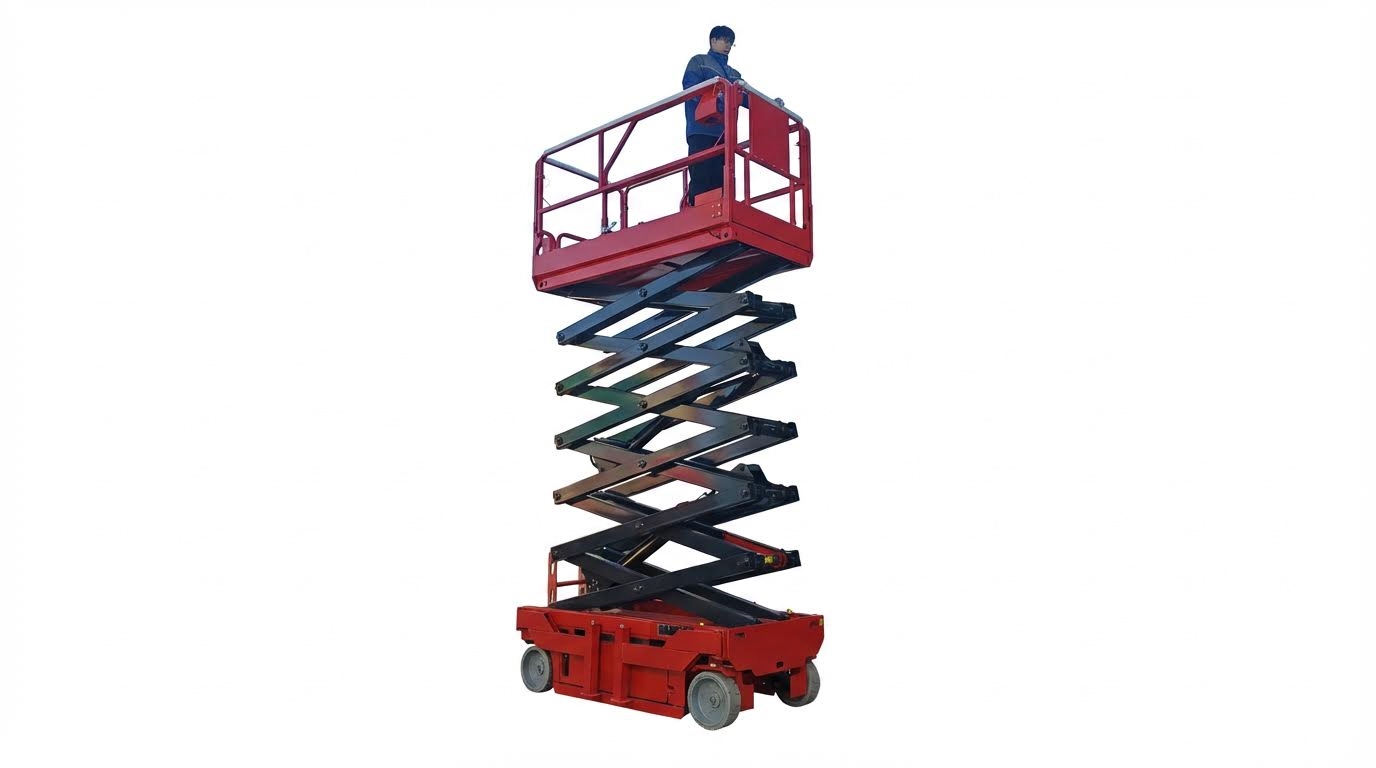
Guardrails, Fall Protection, And Platform Design
Under OSHA’s approach to what is the osha standard for scissor lifts, scissor lifts are treated as mobile scaffolds, so a complete guardrail system is mandatory on the work platform. Guardrails must be present, secure, and inspected before use to prevent falls from height. Workers must stand only on the platform floor, not on rails or improvised steps, and keep tasks within easy reach to avoid overreaching and loss of balance OSHA scissor lift eTool. A compliant platform design includes a self‑closing or gated entrance, continuous mid‑rails and toe‑boards, and an anti‑slip floor surface inspection checklist. Where required by risk assessment, operators use personal fall protection PPE attached only to approved anchor points on the lift. Engineering controls such as interlocked gates, clearly marked safe working load (SWL) labels, and functional emergency controls further reduce fall and ejection risk.
Stability, Load Rating, And Tip‑Over Prevention
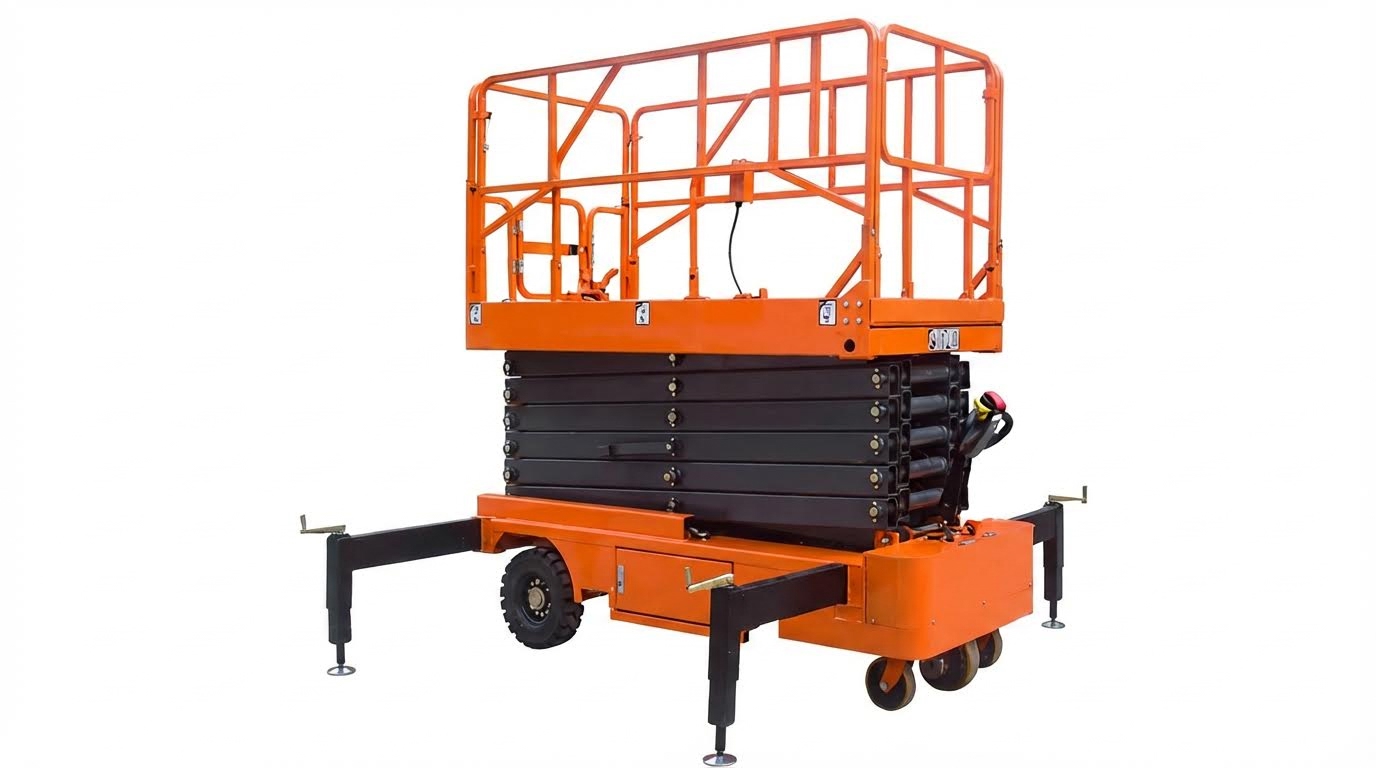
OSHA stability expectations focus on firm, level support surfaces and strict respect for rated capacity. Scissor lifts must operate on level ground, typically within about 3° of level, and free of holes, slopes, drop‑offs, or debris that could compromise wheel contact or stability OSHA shipyard scissor lift guidance. When traveling with the platform elevated, the height‑to‑base‑width ratio should not exceed 2:1 unless the manufacturer specifically designs and permits it. Operators must keep total load (people, tools, materials) within the marked SWL to avoid structural overload, collapse, or tip‑over load capacity guidance. Brakes, stabilizers, and any outriggers must function correctly and be deployed as specified by the manufacturer stability devices. Smooth, controlled driving and avoidance of sudden starts or stops are key procedural controls to prevent dynamic instability.
Electrical, Wind, And Positioning Hazards
From an electrical standpoint, OSHA requires scissor lifts to maintain at least 10 ft clearance from energized power lines and similar sources, with greater distances for higher voltages electrical safety guidance. All wiring, batteries, and controls on the lift must be in good condition, properly insulated, and free of visible defects or damage electrical inspection items. For outdoor‑rated units, typical manufacturer and OSHA guidance limits operation to wind speeds below about 28 mph to avoid sway and tip‑over risk wind limitations. Positioning controls require clear drive paths, traffic management, and avoidance of overhead obstructions such as beams, door frames, or pipework that could trap workers or strike the platform positioning hazards. These engineering and procedural measures together form a practical answer to what is the osha standard for scissor platform in day‑to‑day site conditions.
Training, Inspection Routines, And Compliance Checklists
Operator Training, Certification, And Retraining
To answer what is the osha standard for scissor lifts in practical terms, employers must treat scissor lifts as mobile scaffolds and train operators to the scaffold training requirements in 29 CFR 1926.454 (training requirements). Only trained and authorized personnel may operate a lift, and training must be specific to the equipment type and site hazards. A compliant training program normally covers:
- Safe operating procedures, including travel, elevation, and emergency lowering safe operation procedures.
- Hazard recognition: tip‑over, falls, overhead obstructions, unstable surfaces, and moving equipment hazard recognition.
- Fall protection and guardrail use, including when additional PPE is required fall protection.
- Electrical and positioning hazards, including minimum approach distances to power lines electrical safety.
- Emergency response, rescue, and incident reporting protocols emergency procedures.
Many programs set certification validity at three years, with recertification and refresher training required after incidents, near misses, equipment changes, or when unsafe operation is observed certification validity and retraining. Updated ANSI A92 MEWP standards also drive more structured, documented training content and evaluations ANSI A92 updates.
Daily Inspections, Records, And Preventive Maintenance
OSHA’s answer to what is the osha standard for scissor lifts in day‑to‑day use is a documented pre‑use inspection before each shift and removal from service if defects are found pre-use inspection. A practical checklist covers three areas:
- Machine condition – structure, scissor arms, platform, guardrails, and welds free of cracks or damage physical condition; tires, brakes, stabilizers, and steering functional tires and stabilizers.
- Controls and safety systems – platform and ground controls, emergency stop, emergency lowering, alarms, and limit switches all operate correctly, with lower controls able to override upper controls controls and emergency systems.
- Power, hydraulics, and documentation – hydraulic lines leak‑free, oil and battery levels correct, chargers working, operating manual on the machine, and Safe Working Load marking visible hydraulic, SWL and documentation.
Inspection records should be retained and signed by a competent person, confirming the lift is safe for use and that only trained operators are authorized inspection records and authorization. Combined with scheduled preventive maintenance to the manufacturer’s instructions, this documentation is central evidence of OSHA compliance.
Summary: Building A Compliant Scissor Lift Program
OSHA and ANSI requirements for scissor lifts link engineering design, operating limits, and human factors into one safety system. Guardrails, gated access, anti‑slip floors, and clear SWL markings form the first physical barrier against falls and overload. Stability rules on level ground, height‑to‑base ratios, and controlled travel then protect the structure from tip‑over and collapse. Electrical clearance, wind limits, and safe positioning keep the platform separated from power, weather, and crush hazards. None of these controls work alone. They depend on trained operators who understand the equipment envelope and follow site rules every shift. Daily inspections by a competent person verify that mechanical, hydraulic, and control systems still match their design intent. Written records and preventive maintenance close the loop and prove due diligence to regulators. For operations and engineering teams, the best practice is clear. Treat every scissor lift as a mobile scaffold and MEWP. Build one integrated program that ties standards, training, inspections, and equipment selection together. Use compliant units such as Atomoving platforms, enforce SWL and stability limits, and remove any defective lift from service immediately. This approach delivers real risk reduction, not just paper compliance.
Frequently Asked Questions
What is the OSHA standard for scissor lifts?
Scissor lifts are considered scaffolds under OSHA regulations and must comply with scaffold safety standards. Key requirements include:
- Guardrails must be installed to prevent falls (see OSHA Scissor Lift Guidelines).
- Workers should be trained to check that guardrails are in place before use.
- Operators must maintain a clear view in the direction of travel and adhere to safe operating speeds.
Does OSHA require certification for scissor lift operators?
While OSHA does not specifically mandate certification for scissor lift operators, employers are required to provide adequate training. This includes:
- Proper inspection of the equipment before operation.
- Hands-on training for safe operation.
- Understanding of fall protection measures and guardrail systems.
For detailed training requirements, refer to OSHA Training Standards.