If you are looking for how to fix a pallet jack that won’t lift, this guide walks you through the process in a structured, mechanic-friendly way. You will learn how the hydraulic circuit works, what typically fails, and how to diagnose the root cause instead of just swapping parts.
From bleeding air and checking fluid level to inspecting valves, seals, pumps, and cylinders, each section focuses on safety, reliability, and clear decision steps. The article also covers preventive maintenance and fleet-level practices so your pallet jacks stay lifting reliably, not just pass today’s repair.
Understanding Why A Pallet Jack Fails To Lift
How Manual Pallet Jack Hydraulics Work
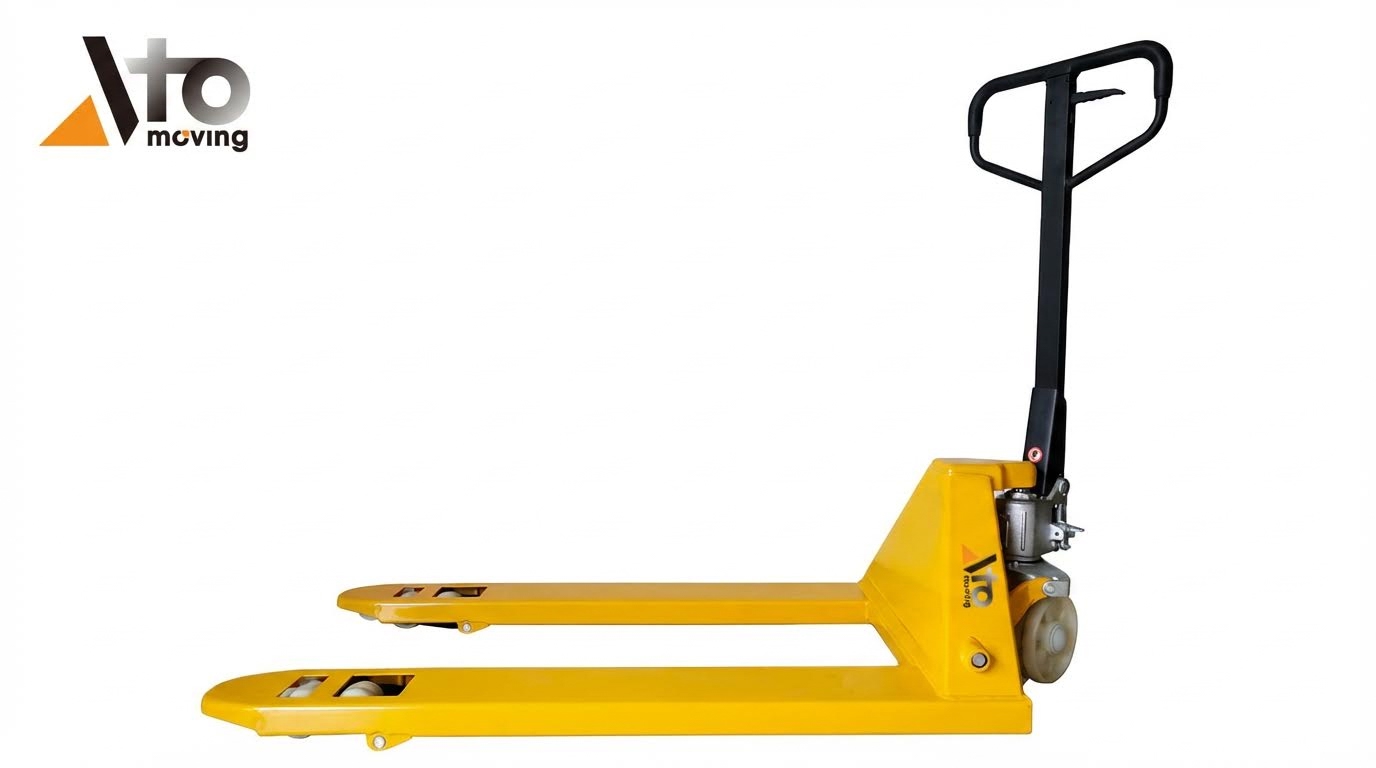
A manual pallet jack converts your handle strokes into hydraulic pressure that raises the forks. When you pump the handle, a small piston in the pump draws hydraulic fluid from the reservoir and pushes it into the main lift cylinder. This pressure forces the ram in the cylinder upward, which in turn lifts the fork frame and the load.
A set of check valves keeps fluid moving in one direction so pressure cannot bleed back into the reservoir while lifting. A separate release valve opens when you pull the lowering lever, allowing fluid to return to the reservoir so the forks come down in a controlled way. If any part of this circuit leaks, sticks, or cannot build pressure, the pallet jack will not lift, which is why understanding this circuit is essential when learning how to fix a pallet jack that won’t lift.
The system also relies on correct hydraulic fluid level and the absence of air. Trapped air compresses instead of transmitting force, so the handle may move but the forks stay down. Low fluid level has a similar effect because the pump cannot draw a solid column of oil. Regular checks of fluid level and leaks in the pump, cylinder, and lines are therefore critical for reliable lifting performance. Inspecting the hydraulic system for fluid leaks and correct oil level helps keep the hydraulic circuit functioning as designed.
Common Failure Modes In The Lift Circuit
Most lift failures come from a few repeat causes in the hydraulic circuit. Air trapped in the system is common; it reduces effective pressure so the jack will not raise a load. With no load on the forks, cycling the handle 10–20 times helps purge this air and often restores lifting. Pumping the handle with no load to bleed trapped air is therefore one of the first steps when deciding how to fix a pallet jack that won’t lift.
Low or degraded hydraulic oil is another frequent issue. If the oil level is too low, the pump draws air and cannot build pressure. Technicians typically remove the fill plug and confirm the oil is roughly 0.5–1 inch below the top of the reservoir. Checking and correcting oil level after bleeding the system is a standard troubleshooting step.
Internal leakage through worn seals, O-rings, or valve seats can also prevent lifting. If check valves or the main control valve bypass fluid internally, pressure bleeds off instead of raising the cylinder. In many cases, replacing the valve or its O-ring restores proper sealing. Replacing the O-ring in the valve cartridge and refilling with hydraulic fluid is a documented remedy for persistent lift problems.
Mechanical wear or damage in the pump and cylinder is another failure mode. A worn pump cannot generate pressure even with good oil and seals, while a damaged cylinder or rod may leak externally or internally. Inspecting the pump for wear, checking the hydraulic cylinder, and repairing leaks is essential when the jack still will not lift after basic bleeding and oil checks.
Finally, control linkage and handle problems can mimic hydraulic faults. If the control lever does not fully shift the valve into the “lift” position, the pump output may dump back to tank instead of feeding the cylinder. Technicians often disconnect the linkage to see if the jack lifts when the valve is operated directly. If it does, then the issue lies in the handle or linkage rather than the hydraulic core, and adjustment or part replacement is required.
Systematic Troubleshooting And Repair Procedures

Safety Lockout And Pre-Inspection Checks
Before deciding how to fix a pallet jack that won’t lift, secure the work area and the truck. Park on level ground, lower the forks fully, and chock the wheels so the unit cannot roll. If you work in a warehouse, follow the site lockout/tagout procedure so no one can use or move the jack while it is under repair.
Start with a quick visual inspection. Look for bent handle arms, damaged linkage rods, missing pins, and obvious hydraulic oil on the frame or floor. Check that the control lever moves through all positions (raise, neutral, lower) and returns by spring force, without binding. Note any unusual noises or free play in the handle, as these will guide later diagnosis.
Do not place any part of your body under raised forks without rigid blocking. Use stands or cribbing if you must work near the pump or cylinder with the unit lifted. Wear safety glasses and gloves when opening the hydraulic circuit, because residual pressure or oil spray can occur even on small pallet jacks.
Bleeding Air And Verifying Hydraulic Fluid Level
Trapped air is one of the most common reasons a pallet jack fails to build lift pressure. To bleed the hydraulic circuit, remove any load and set the control lever to the “raise” position. Then pump the handle 10–20 times to move oil and purge air from the system through the internal valves. In many cases this simple step restores normal lifting.
If you still have weak or no lift, check the hydraulic oil level next. With forks fully lowered, remove the reservoir fill plug and verify that oil sits roughly 0.5–1 in below the top lip of the tank opening. Top up only with the specified hydraulic fluid; overfilling can cause leakage and foaming.
After refilling, reinstall the plug and repeat the bleed cycle with 10–20 handle strokes under no load. Observe fork motion and listen for gurgling, which indicates remaining air. If the jack still will not lift after correct bleeding and oil level adjustment, the problem is likely in the handle controls, valves, or sealing components rather than basic fluid level.
Diagnosing Handle, Linkage, And Control Valves
Once fluid and air issues are eliminated, focus on the mechanical control path that tells the pump to lift or lower. The handle, pushrods, and bellcranks translate operator input into valve movement; any excessive play, bending, or seized pivots here can prevent the jack from lifting. Inspect each joint for worn bushings, missing clips, or bent parts, and lubricate all pivots lightly.
A practical diagnostic step is to disconnect the lifting linkage from the control lever at the pump. This isolates the hydraulic unit from the handle. Move the lever on the pump body by hand and test lifting; if the jack now raises normally, the fault is in the handle or linkage rather than in the pump itself.
If the unit still will not lift with direct actuation, suspect the internal control valves. A stuck lowering valve can bypass pressure straight back to tank, while a blocked intake valve can prevent the pump from drawing oil. At this stage, deciding how to fix a pallet jack that won’t lift usually means removing, cleaning, or replacing valve cartridges according to the service manual.
O-Ring, Seal, And Valve Cartridge Replacement
Damaged O-rings and worn seals in the valve cartridge are a frequent root cause of pressure loss. To replace them safely, first support the drive wheels so they are off the floor, and fully lower the forks. Then loosen the reservoir cover screw with the correct Allen wrench while slowly pumping the handle to drain the hydraulic fluid into a clean container.
Next, remove the lower lever or control plate using a Phillips screwdriver and a light hammer tap as required. This exposes the valve cartridge. Carefully pull the cartridge and extract the old O-ring with pliers, avoiding scratches on the metal sealing surfaces that could cause future leaks. Clean all parts with lint-free cloths.
Install a new O-ring of the correct size and hardness, lightly lubricated with compatible oil, and reassemble the valve cartridge. Refit the lever components, tighten fasteners to the specified torque, and refill the reservoir with fresh hydraulic fluid before testing lift performance. If lift is still weak after seal replacement and proper bleeding, the main pump or cylinder may require overhaul or replacement.
Inspecting Pump, Cylinder, And Hydraulic Leaks
If the pallet jack continues to struggle or sink under load, evaluate the core hydraulic components. Check around the pump body, cylinder, and hose connections for wet areas or oil trails that indicate external leakage in the system. Even small leaks can lead to low fluid level and air ingress over time.
To assess the pump, observe fork movement per handle stroke under a moderate test load within the rated capacity. Very little lift per stroke, combined with no visible external leak, points to internal wear in the pump elements or check valves. A cylinder that lifts but then slowly creeps down with the control in neutral suggests worn piston seals or an internal bypass path.
Any cracked castings, deeply scored rods, or deformed mounting points are structural failures and should not be field-repaired. In such cases, the safe way to decide how to fix a pallet jack that won’t lift is to replace the complete pump or cylinder assembly. After any component change, always refill with clean hydraulic fluid, bleed the system, and perform a full functional and leak test before returning the jack to service in your operation.
Reliability, Maintenance, And Fleet-Level Practices
Preventive Maintenance To Avoid Lift Failures
Preventive maintenance is the most reliable way to avoid lift failures and reduce the number of times you need to figure out how to fix a pallet jack that won’t lift. A basic program should include regular bleeding of trapped air, hydraulic oil level checks, and inspection of the handle and linkage functions. Bleeding the system with no load on the forks and pumping the handle 10–20 times helps remove air that can cause weak or no lifting Basic Troubleshooting For Your Pallet Jack.
Hydraulic oil should be kept roughly 0.5–1 inch below the top of the reservoir to maintain consistent lift performance Basic Troubleshooting For Your Pallet Jack. Low or contaminated oil accelerates seal wear and increases the risk of pump or cylinder damage. Routine checks for external leaks around the pump, cylinder, and hose connections help catch issues before they turn into full lift failures Pallet Jack Maintenance Checklist.
Lubrication of all moving joints, pivot pins, and steering components reduces friction and wear, which supports consistent hydraulic operation Pallet Jack Upkeep Checklist: Extending the Lifespan of Your Equipment. A fleet-level schedule should define daily, weekly, and monthly tasks, assign responsibilities, and log work performed. Periodic professional inspections add another layer of reliability by catching early-stage pump, cylinder, or valve wear before it causes a jack that will not lift under load Pallet Jack Upkeep Checklist: Extending the Lifespan of Your Equipment.
Inspection Checklists For Wheels, Forks, And Steering
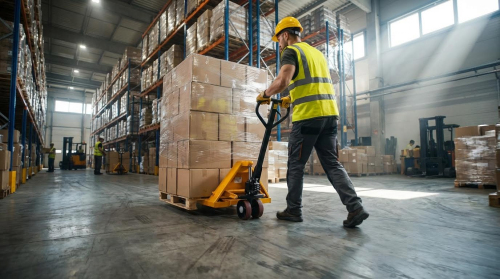
Structured inspection checklists improve safety and reduce downtime across a pallet jack fleet. For wheels and rollers, operators should look for flat spots, chunking, cracks, or misalignment and verify that all wheels rotate freely. Debris should be removed, bearings lubricated, and worn wheels replaced promptly to avoid tracking issues and unstable loads Pallet Jack Maintenance Checklist.
Fork inspections should focus on cracks, bends, or distortion along the blade and at the heel radius. Any fork that shows structural damage should be removed from service and replaced immediately to prevent load drops or fork rollover Pallet Jack Upkeep Checklist: Extending the Lifespan of Your Equipment. Forks should also be checked for parallelism and correct spacing so they enter and exit pallets smoothly Common Manual Pallet Jack Problems And How To Fix Them.
Steering checks should confirm smooth rotation, no binding, and stable tracking. Inspect the steering axle for bends, verify bearings are lubricated, and tighten any loose steering hardware to maintain control Common Manual Pallet Jack Problems And How To Fix Them. Integrating these wheel, fork, and steering checks into daily or pre-shift inspections greatly reduces the chance of incidents and supports overall fleet reliability, complementing any program focused on how to fix a pallet jack that won’t lift.
Key Takeaways For Safe, Reliable Pallet Jack Operation
Safe, reliable pallet jack lifting depends on a sound hydraulic circuit, healthy structure, and disciplined maintenance. When a jack will not lift, technicians should move in a clear order: secure the unit, bleed air, verify fluid level, then isolate linkage, valves, pump, and cylinder. This step-by-step logic prevents guesswork, reduces repeat failures, and keeps downtime predictable.
Hydraulic principles drive the repair choices. Air, low oil, and worn seals all reduce effective pressure, so the forks stay down or creep. Careful seal and valve service, correct oil level, and thorough bleeding restore the solid oil column the pump needs. Structural checks on forks, wheels, and steering protect load stability so a repaired jack also operates safely under rated capacity.
For operations teams, the best practice is to treat pallet jacks as critical lifting devices, not disposable tools. Build checklists into daily use, schedule fluid and leak inspections, and track component replacements across the fleet. For engineering and maintenance leaders, standardize troubleshooting steps and parts, and train staff on lockout and hydraulic hazards. This combined approach lets Atomoving pallet jacks, and similar units, lift consistently, reduce incident risk, and deliver lower life-cycle cost across the warehouse.
Frequently Asked Questions
Why won’t my pallet jack lift?
If your pallet jack isn’t lifting, the issue is often related to the hydraulic system. Common causes include low hydraulic fluid levels, air trapped in the system, or worn seals and valves. Check the fluid level first and refill it if necessary. If air is trapped, you may need to bleed the system to restore proper function. Hydraulic Jack Troubleshooting.
How do I reset my pallet jack?
To reset an electric pallet jack, start by turning it off and unplugging it from the power source. Press the emergency stop button to release hydraulic pressure, then wait 30 seconds before pressing it again to reset the system. Plug the jack back in and turn it on. This process can resolve many operational issues. Electric Pallet Jack Reset Guide.
What should I check if my hydraulic pallet jack isn’t working?
If your hydraulic pallet jack isn’t functioning properly, inspect the hydraulic oil level first. Low oil prevents the cylinders from extending, which stops the platform from lifting. Refill the oil through the tank’s filler neck and ensure there are no leaks. Additionally, examine the seals and valves for wear and tear, as these components can degrade over time. Hydraulic Lift Solutions.