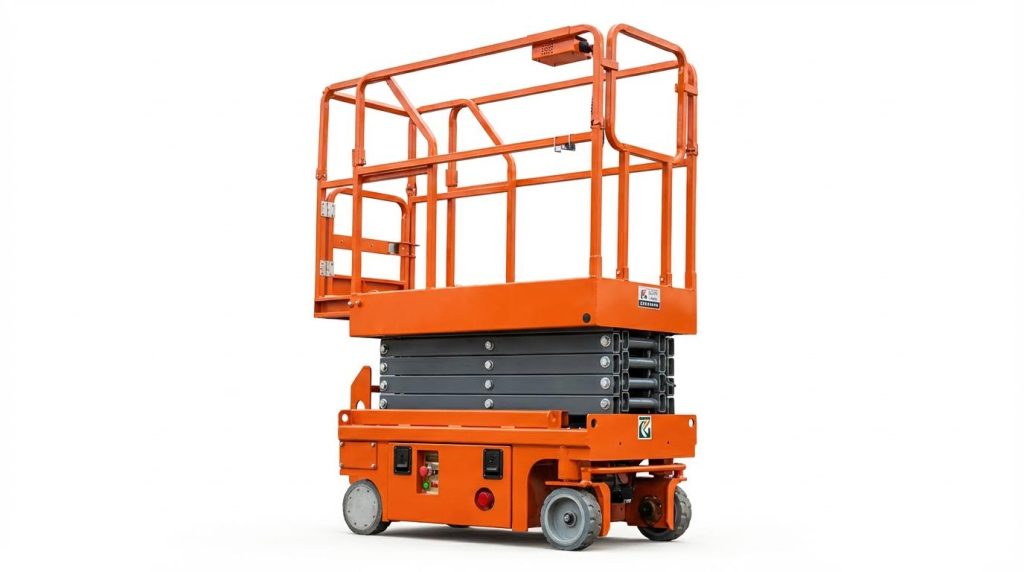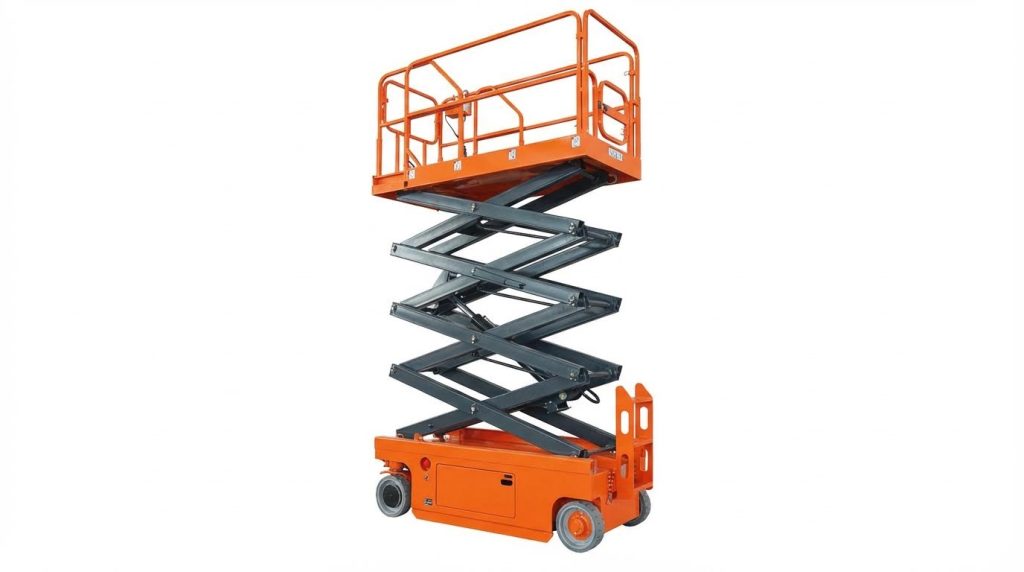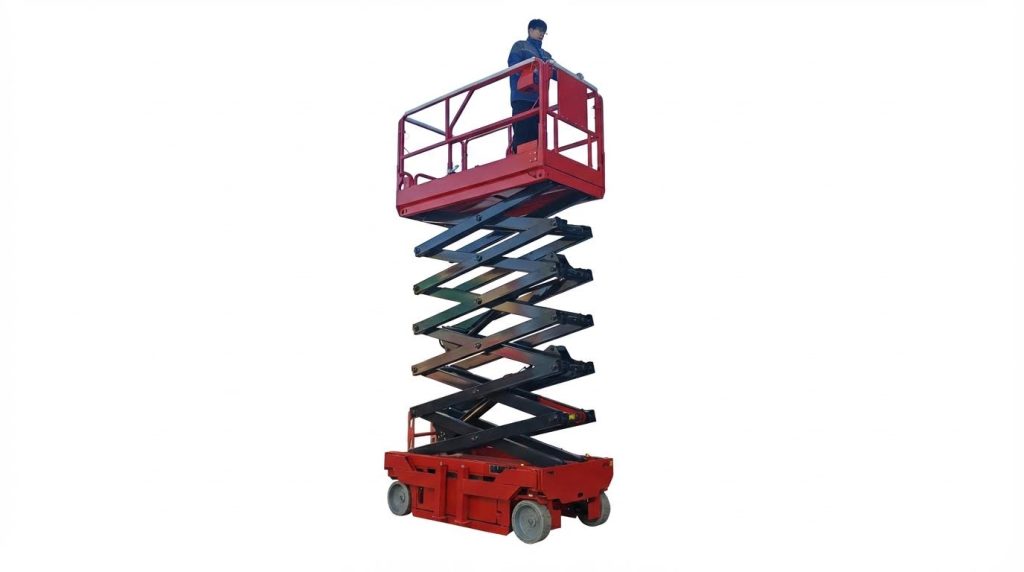
Choosing what size trailer for scissor lift transport is not guesswork; it is an engineering exercise in weight, geometry, and safety margins. This guide walks through how to match lift weight to trailer payload and GVWR, check footprint against deck length and width, and assess deck height, ramps, and ground clearance for safe loading. You will also see how axle rating, tires, tongue strength, and braking capacity affect your final trailer choice for different job sites and duty cycles. Use it as a practical checklist before you sign off on a new trailer or move a lift on one you already own.
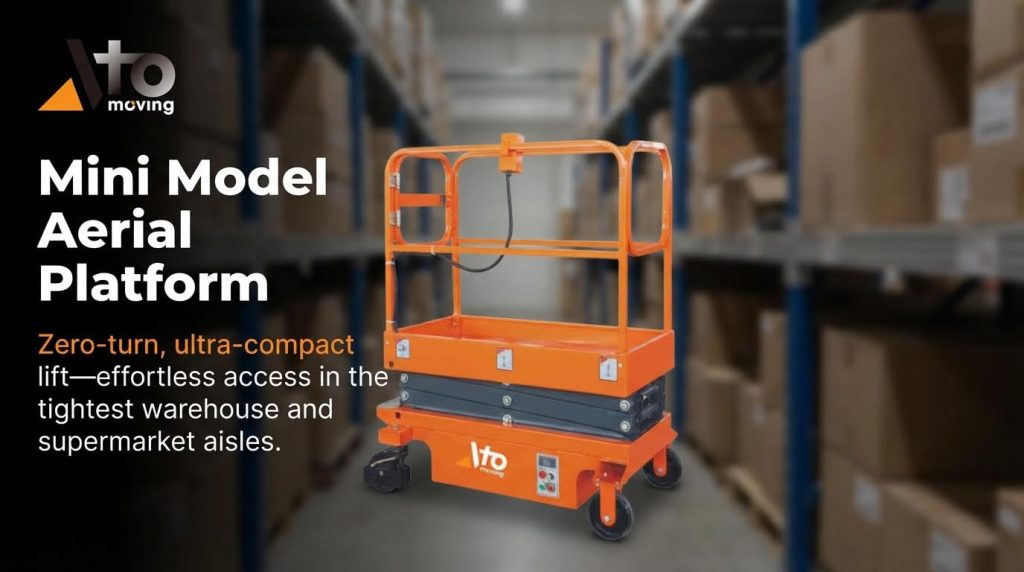
Core Principles For Sizing A Scissor Lift Trailer
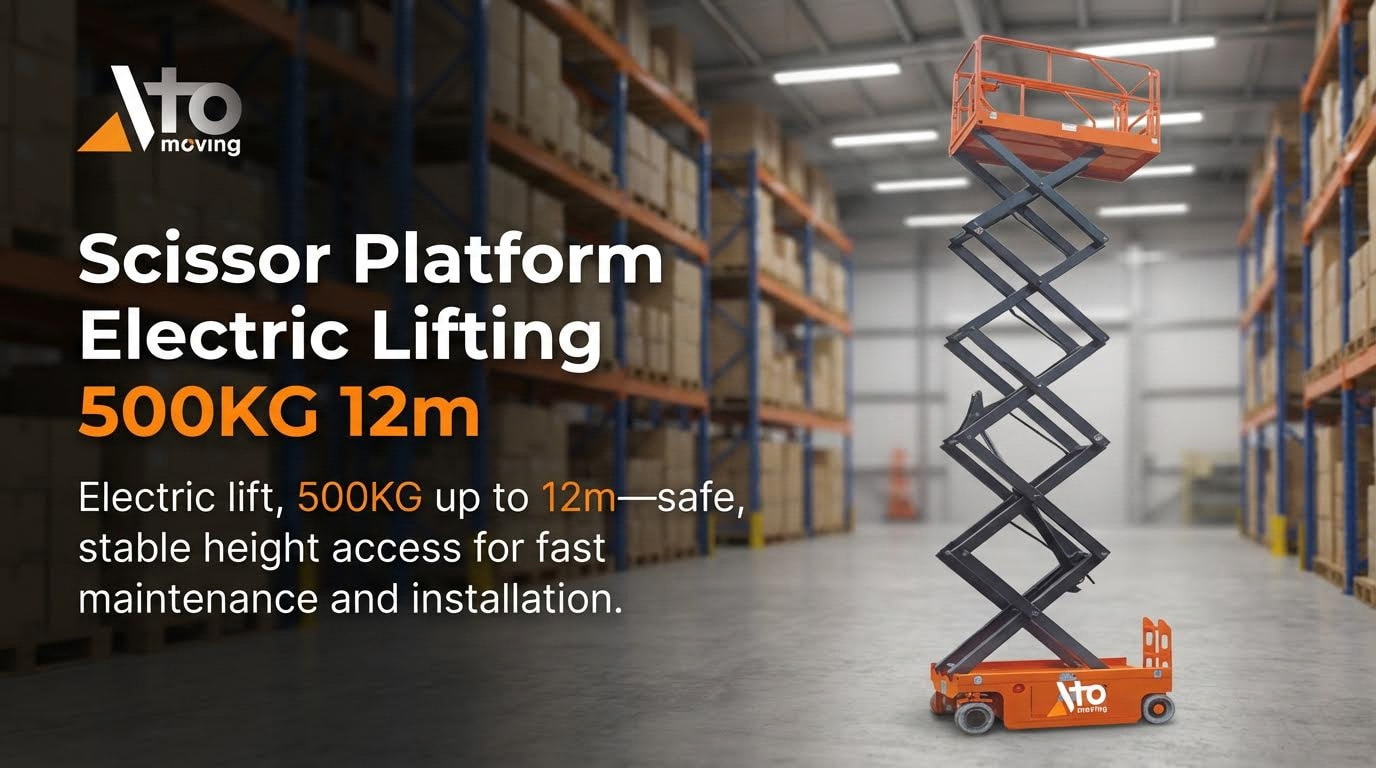
Matching lift weight to trailer payload and GVWR
Before you decide what size trailer for scissor platform transport, you must match three numbers: lift weight, trailer payload, and the tow vehicle’s allowable gross weight. This prevents overloading, improves braking, and keeps you compliant with road rules.
| Key term | What it means | Why it matters for scissor lifts |
|---|---|---|
| Lift operating weight | Total weight of the scissor lift including batteries, fuel, and attachments | Base value you compare to trailer payload; must always be less than payload |
| Trailer tare (empty) weight | Weight of the trailer itself | Adds to total combination weight; reduces available payload |
| Trailer payload capacity | Maximum cargo weight the trailer can legally and safely carry | Lift weight must be lower than this value, with safety margin |
| GVWR / ATM | Maximum allowable total weight of trailer + payload | Used to check legal loading and match tow vehicle capacity |
Typical purpose‑built scissor lift trailers offer payloads around 1,900–2,040 kg with ATMs of 2,200–2,400 kg. Example models list tare weights of 300–360 kg and payload capacities of 1,900–2,040 kg at 2,200–2,400 kg ATM. This gives a realistic benchmark when you size a trailer for common electric scissor lifts.
- Find the scissor lift’s operating weight from the data plate or manual.
- Ensure lift weight + any extra tools or materials stay below trailer payload.
- Confirm trailer ATM / GVWR fits within your tow vehicle’s rated towing capacity.
- Leave a 10–20% safety margin below rated payload for dynamic loads and error.
Regulatory guidance requires that the weight of any machine being transported must not exceed the designed capacity of the transporting vehicle, and that loading and unloading must not create hazards for personnel. Rules for transporting powered industrial equipment emphasize matching machine weight to vehicle capacity, which directly applies when you decide what size trailer for scissor lift jobs.
Quick load-check method
1. Record lift operating weight from the manufacturer plate. 2. Add 100–200 kg for tools, fuel cans, and loose gear. 3. Compare this total to trailer payload; if it exceeds 80–90% of payload, move up a trailer size. 4. Confirm the sum of trailer tare + payload does not exceed trailer GVWR and tow vehicle tow rating.
Verifying lift footprint, deck length, and deck width
Weight is only half of the sizing question. The scissor platform lift must also fit safely on the deck, with enough length and width for the wheelbase and turning clearance, and with securement points in the right places.
| Dimension / feature | Typical scissor-lift trailer value | What you must check |
|---|---|---|
| Usable deck length | ≈ 1,900 mm on compact EWP trailers (deck length 1,900 mm) | Lift overall length including steps and protrusions |
| Usable deck width | ≈ 1,100 mm deck, 1,600 mm overall width (deck width 1,100 mm, trailer width 1,600 mm) | Lift wheel track and any outriggers or stabilizers |
| Clearance between guards / rails | ≈ 1,130 mm between guards (1130 mm clearance) | Lift chassis width at tightest point |
| Internal ramp width | ≈ 300 mm ramp segments (300 mm internal ramp width) | Tyre width and guidance when driving on/off |
Some dedicated scissor lift trailers use a full deck construction to reduce risk during loading, so wheels are always supported even if the lift wanders off the ideal line. Full deck designs specifically target scissor lift loading safety. This is a strong indicator of correct trailer style, especially for narrow electric lifts with small solid tyres.
- Measure lift length and width at the tyres, then add at least 100–150 mm clearance in both directions.
- Confirm the lift can sit behind any front wheel stop while keeping axle loads balanced. Front wheel stops help park the lift in the correct position for even weight distribution.
- Check that guard rails, tie‑down points, and ramps line up with the lift’s wheelbase and lashing points.
Purpose‑built scissor lift trailers are engineered with low bed heights to suit machines with minimal ground clearance. Low beds, spring‑assisted ramps, and height‑adjustable hitches are common standard features. When you work out what size trailer for scissor lift use, always combine footprint checks with weight and GVWR checks so the lift both fits and rides safely.
Footprint sizing checklist
Use this fast checklist before purchase:
1. Compare lift length to deck length; ensure at least 100 mm spare at both front and rear.
2. Compare lift wheel track to deck width and guard clearance; keep at least 50 mm lateral clearance each side.
3. Confirm the lift can pass between guards and over the wheel stop without contact.
4. Check ramp width and alignment with lift tyres for safe guidance during loading.
5. Verify there is space for chains or straps at all four corners without fouling the lift structure.
Critical Trailer Design Features And Safety Factors
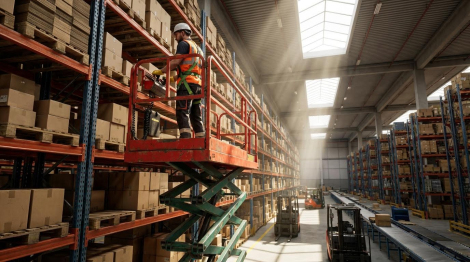
When you decide what size trailer for scissor lift applications, design details matter as much as deck length and payload. Deck height, ramp geometry, running gear, and braking all control how safely you can load, haul, and unload the lift. Use the points below as a checklist before you commit to any trailer.
Deck height, full deck design, and ground clearance
Deck height and deck style determine how stable the lift is during loading and transport. Ground clearance affects where the trailer can operate without striking the chassis.
- Low deck height for low‑clearance lifts – Purpose‑built scissor lift trailers use a low bed height to suit machines with minimal ground clearance, reducing ramp angle and tip‑over risk during loading. Low bed height is a standard feature on dedicated scissor lift trailers.
- Full deck vs open deck – A full deck construction minimizes the risk of wheels dropping between members or catching edges while loading, especially with narrow scissor‑lift tires. Full deck construction is specifically used to reduce loading risk.
- Wheel stop and parking position – A front wheel stop helps you park the lift in the correct spot so weight is evenly distributed over the axles, which is essential when deciding what size trailer for scissor lift transport. Wheel stops are used to ensure correct parking position and weight distribution.
- Ground clearance vs access – Very low‑deck trailers are easier to load but can bottom out on ramps, speed humps, and uneven sites. Balance low deck height with enough chassis clearance for your typical routes.
Example deck and trailer dimensions for context
These figures are typical for smaller EWP trailers and help frame expectations when you look at what size trailer for scissor lift moves.
| Parameter | SW2000EWP | SW2400EWP |
|---|---|---|
| Deck length | 1900 mm | 1900 mm |
| Deck width | 1100 mm | 1100 mm |
| Total trailer length | 4700 mm | 4700 mm |
| Trailer width | 1600 mm | 1600 mm |
| Tare weight | 300 kg | 360 kg |
| ATM (max loaded) | 2200 kg | 2400 kg |
| Payload capacity | 1900 kg | 2040 kg |
All data: EWP trailer specifications.
Always compare your lift’s wheelbase and overall length to usable deck length, allowing space for the wheel stop and tie‑down gear.
Ramp geometry, offset ramps, and approach angle
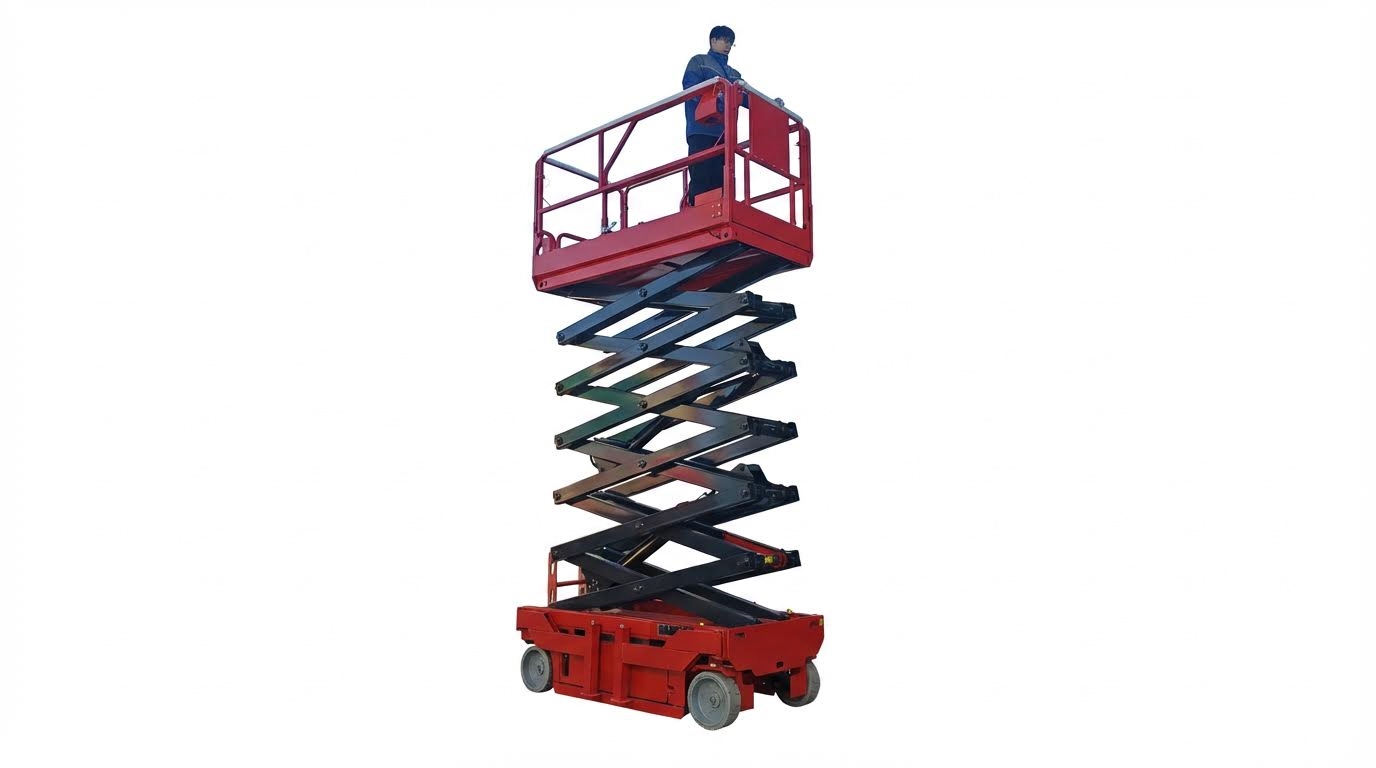
Ramp design is critical for scissor lifts because they often have short wheelbases and low belly clearance. Poor ramp geometry can cause high‑centering or uncontrolled climbing.
- Shallow approach angle – Longer ramps or lower deck heights reduce approach angle, which prevents the lift from grounding out as it transitions from ground to ramp and ramp to deck.
- Offset ramp design – Ramps with an offset feature make it easier to load machinery with low ground clearance and narrow wheel tracks. Offset ramps are specifically used to ease loading of low‑clearance equipment such as scissor lifts.
- Ramp width and spacing – Internal ramp width and spacing must match the scissor lift’s tire track. For example, an internal ramp width of 300 mm with 1130 mm clearance between guards suits compact lifts. Typical EWP trailer designs use 300 mm ramps and 1130 mm clearance between guards.
- Ramp construction and assistance – Heavy‑duty ramps (for example, 25 in × 72 in) with spring assistance reduce manual handling risk and speed up loading. Smaller 12 in × 60 in stow‑away ramps suit lighter lifts and compact trailers. Common loading solutions include 12″×60″ and 25″×72″ spring‑assisted ramps.
Practical checks for ramp safety
- Confirm the lift’s minimum ground clearance against ramp break‑over points.
- Ensure the ramp surface (wood or tread plate) provides enough traction in wet or muddy conditions.
- Verify the ramp rated capacity exceeds the scissor lift gross weight, not just platform load.
- Check that ramp securing pins or latches cannot disengage under wheel load.
Good ramp geometry directly influences how forgiving the trailer is for different operators and site conditions.
Axles, tires, tongue strength, and braking capacity
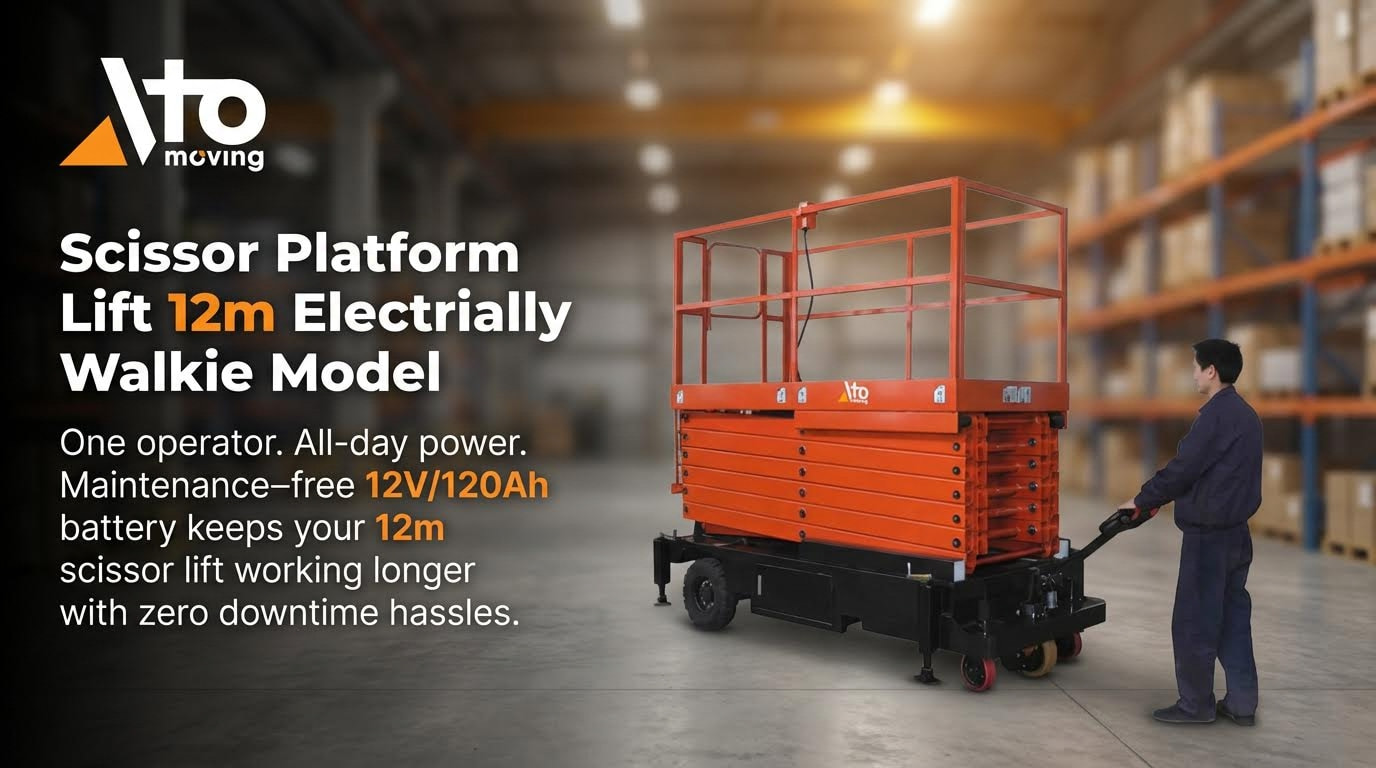
Running gear and braking define how safely the trailer behaves at highway speeds and under emergency stops. These elements must all match or exceed the combined weight of the trailer and scissor lift.
| Component | Key role | Typical engineering considerations |
|---|---|---|
| Axles | Carry vertical load and transmit braking forces | Capacities commonly in the 3.5k–10k range per axle for professional trailers. Professional trailers use axles in the 3.5k–10k class. |
| Tires | Support load and provide traction and braking | Common sizes range from 205R15 6‑ply to 235/75R17.5 18‑ply, matched to GVWR. Heavier GVWR requires higher‑ply tires. |
| Tongue / drawbar | Transfers vertical and longitudinal load to tow vehicle | Sections may range from 4 in channels on lighter units to 10 in I‑beams on heavier trailers. Larger sections are used where higher tongue loads are expected. |
| Brakes | Control stopping distance and stability | Must be rated for the trailer’s full gross vehicle weight rating (GVWR) and compatible with the tow vehicle’s brake controller. |
- Axle capacity vs lift weight – Regulations require that the weight of any machine being transported must not exceed the designed capacity of the transporting vehicle. Transport rules explicitly prohibit exceeding vehicle capacity. When you choose what size trailer for scissor lift hauling, check that axle and GVWR ratings comfortably exceed the lift’s operating weight plus fuel, tools, and attachments.
- Tire selection – Underspecified tires overheat and fail under sustained load. Match tire load index and ply rating to the trailer GVWR, and maintain correct inflation to keep braking performance consistent.
- Tongue strength and hitch height – The tongue is the primary pivot point under braking and cornering. Oversized sections (e.g., 10 in I‑beam) are used on heavier trailers to resist bending and fatigue. Tongues are specifically engineered for high stress. A height‑adjustable hitch helps keep the trailer level, maintaining even axle loading.
- Braking capacity and control – Brake systems must be sized for the fully loaded trailer, not just tare weight. Electric brakes with a compatible in‑cab controller are common; hydraulic surge brakes may be used on some setups. Always verify that combined tow‑vehicle and trailer braking meets local road rules.
Frame and decking choices that support running gear
Frame and deck materials influence stiffness and how loads transfer into axles and tires.
- Frames may use 2×4 rectangular tubing up to 8 in channel steel for rigidity under heavy scissor lifts. Heavier sections provide durability and reduced flex.
- Decking options include pressure‑treated wood for grip and 3/16 in steel tread plate for impact resistance and long‑term durability. Both options are common on scissor‑lift trailers.
By checking these design and safety factors together—deck height, ramp geometry, axles, tires, tongue, and brakes—you can confidently select what size trailer for scissor lift transport that remains safe, compliant, and efficient over its full service life.
Trailer Selection For Different Scissor Lift Use Cases
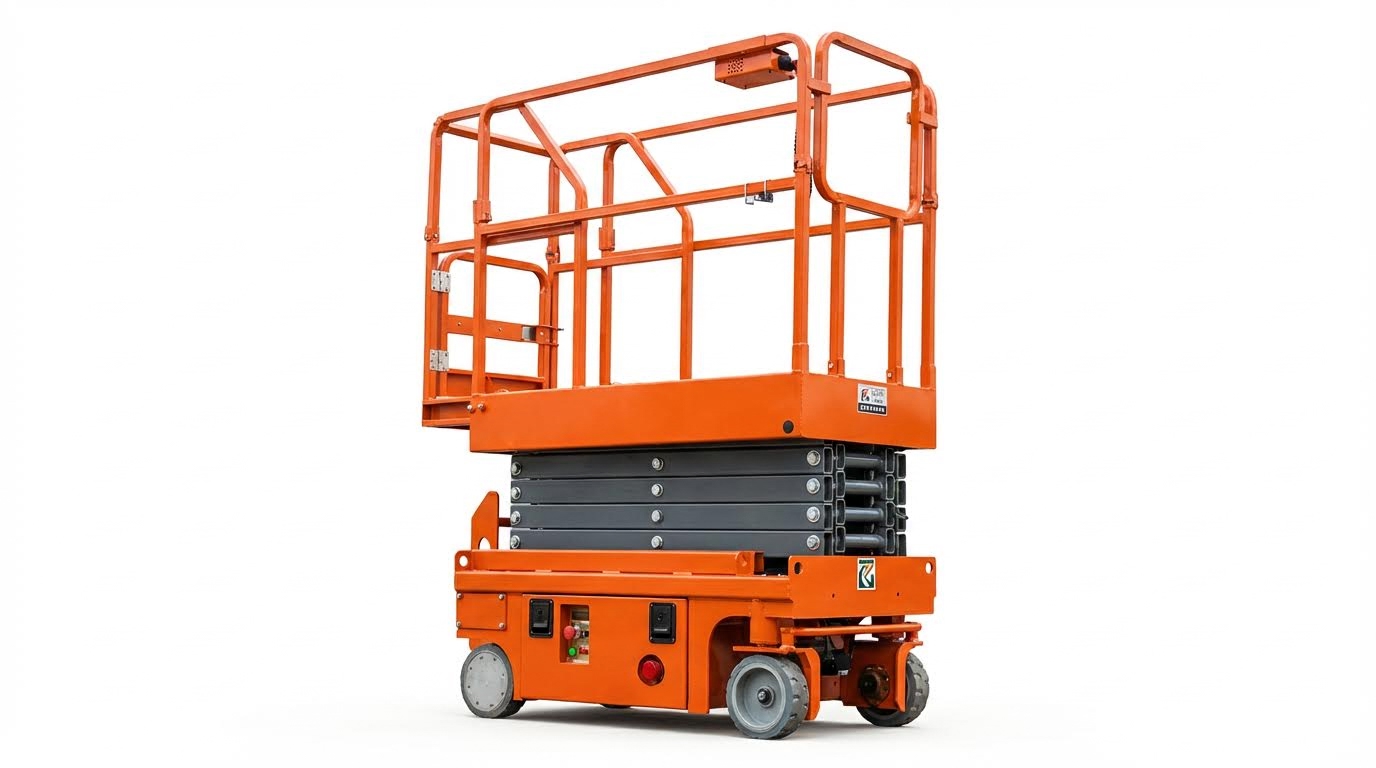
Choosing between plant, tag, and semi-style trailers
Trailer style depends on lift size, haul distance, and site access. When people ask “what size trailer for scissor lift,” they usually also need to decide which configuration handles the weight, footprint, and maneuvering best. Use the comparisons below to match your lift and job profile to the right trailer style.
| Use case | Typical scissor lift size | Recommended trailer style | Key advantages | Key limitations |
|---|---|---|---|---|
| Small–medium electric scissor lifts (indoor / light outdoor) | Compact footprint, moderate weight | Plant / dedicated EWP trailer | – Low deck height for low ground-clearance lifts designed specifically for scissor lifts – Simple loading with spring-assisted or offset ramps using offset ramp geometry – Good for utes, light trucks, and short–medium hauls | – Limited payload compared with heavier tag or semi-style – Not ideal for multiple large lifts at once |
| Medium–large rough-terrain scissor lifts | Higher weight, wider footprint | Tag-style equipment trailer | – Higher GVWR and axle ratings for heavier lifts with axles in the 3.5k–10k range – Stronger tongues and frames to handle dynamic loading using heavy channel and I-beam sections – Can be towed by medium-duty trucks | – Higher deck height than low-bed plant trailers – More ramp angle to manage with low-clearance lifts |
| Multiple large lifts or long-haul projects | Several heavy units or one very heavy unit | Semi-style trailer | – Shares load between tractor and trailer for high combined weights improving braking and stability – Better maneuverability in tight docks and sites than full trailers due to fifth-wheel coupling – Best option for highway and fleet work | – Requires a prime mover (tractor) – Higher operating and licensing complexity |
| Extreme weight or abnormal-size platforms | Very heavy custom platforms or multiple RT lifts | Specialized modular / heavy equipment trailer | – Can scale to very high loads with multiple axle lines up to tens of tons per axle line – Advanced steering for tight access on large sites | – Oversized permits and escorts may be required – Overkill for standard construction scissor lifts |
Example: matching a compact lift to a plant trailer
Compact lifts with a deck footprint similar to 1900 mm long by 1100 mm wide fit well on dedicated EWP plant trailers that offer similar deck dimensions, low coupling heights around 470 mm, and payloads in the 1.9–2.0 t range. These trailers often have tare weights around a few hundred kilograms and aggregate trailer masses in the 2200–2400 kg range, giving enough margin between lift weight and trailer capacity for safe operation. Compact EWP trailer specifications illustrate these proportions.
To decide what size trailer for scissor lift jobs on your site, first group your typical lifts into “compact electric,” “medium RT,” or “heavy/special” categories. Then select plant, tag, or semi-style based on the heaviest lift in that group and the longest haul you expect to make.
Compliance, loading procedures, and securement points
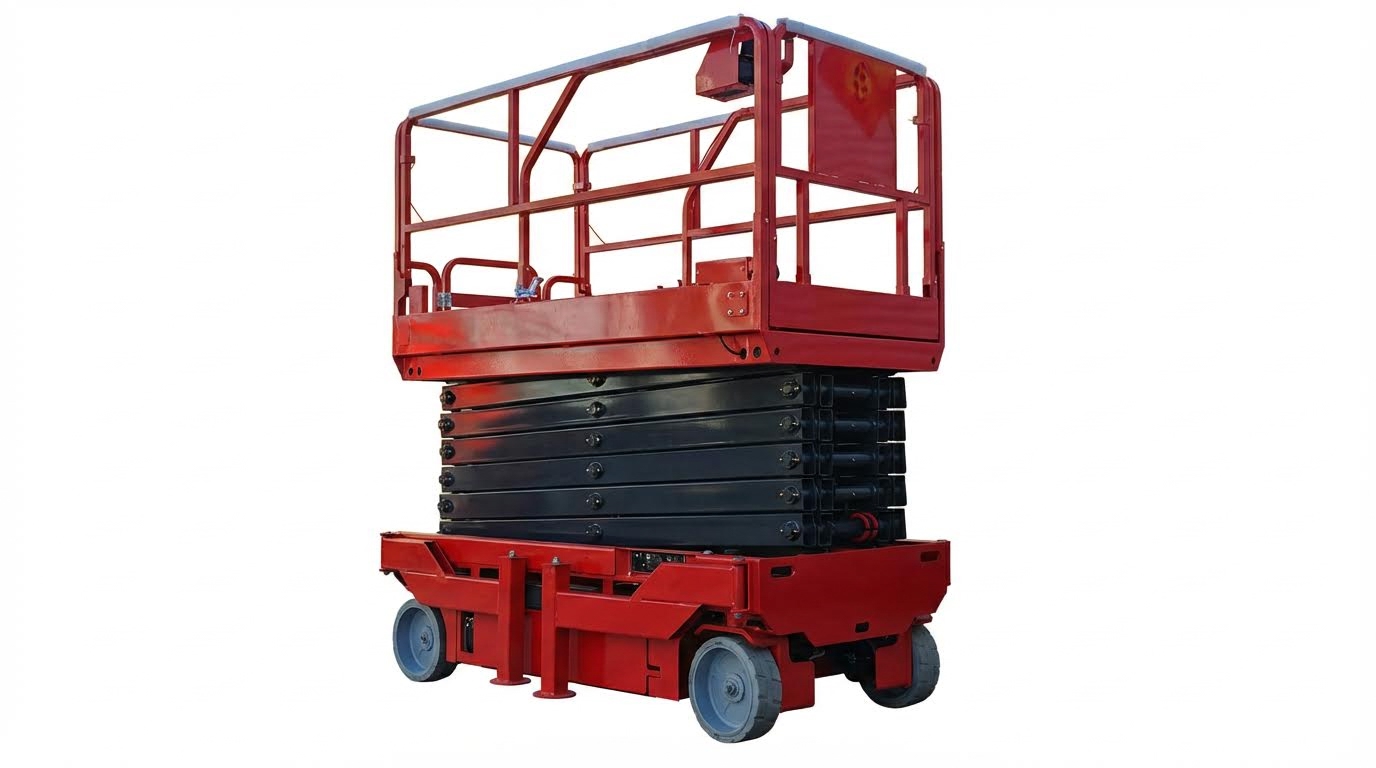
Once you know what size trailer for scissor lift transport, you must prove it can be used safely and legally. That means confirming it meets capacity rules, can load the lift without damage or instability, and has enough anchor points to restrain the machine in all directions.
- Capacity and compliance checks
- Confirm trailer payload ≥ lift operating weight plus any attachments and fuel.
- Verify gross trailer mass and tow vehicle ratings are not exceeded; the carried machine must stay within the designed capacity of the transporting vehicle. Transportation safety rules
- Check tire ply rating and axle capacity against the trailer’s GVWR so the running gear matches the expected loads. Typical tire and axle ranges
- Loading and unloading procedures
- Park the tow vehicle and trailer on firm, level ground; surfaces used to move scissor lifts should be within about 3° of level and free of holes or obstructions. Surface condition guidance
- Use full-width or full-deck designs where possible so wheels stay supported for the entire climb, reducing drop-off risk. Full deck construction
- Offset or spring-assisted ramps help low-clearance lifts avoid bottoming out and make manual deployment manageable. Offset ramp features Spring-assisted ramp solutions
- If the driver cannot see the full loading area, assign a signal person and use an audible alarm before moving the machine. Signal person requirements
- Positioning and weight distribution
- Use front wheel stops or chocks so the lift parks in a repeatable position that spreads weight evenly over the axles. Wheel stop design
- Aim for proper tongue weight (commonly 10–15% of trailer weight for bumper-pull tag or plant trailers) to avoid sway.
- On semi-style trailers, position the lift to keep axle group loads within legal limits while maintaining tractor traction.
- Securement points and tie-down strategy
- Ensure the trailer has enough rated D-rings or lashing points located close to the lift’s chassis tie-down locations.
- Use a minimum of four independent chains or straps on the chassis, plus additional restraint if the platform or jib can move.
- Re-tension tie-downs after the first few kilometers as the lift settles into the deck or timber.
When you choose what size trailer for scissor lift fleets, consider loading method and tie-down layout at the same time as deck length and payload. A correctly sized trailer that also offers a low deck, suitable ramps, and well-placed securement points will reduce loading time, protect the lift, and keep you within safety regulations on every trip.
Final Considerations Before Purchasing A Trailer
Selecting the correct trailer size for a scissor lift is not just about matching a few numbers. It is about building a safety envelope around the machine, from the first ramp contact to the last brake application. When you align lift weight with trailer payload and GVWR, you protect axles, tires, tongue, and brakes from overload and keep stopping distances predictable.
Checking footprint against deck length, width, and guard clearance keeps the lift stable on the deck and prevents side‑to‑side movement. Low deck height, full‑deck construction, and well‑designed ramps reduce ground strikes and tip‑over risk during loading. Correctly placed wheel stops and tie‑down points lock in repeatable positioning and securement, which cuts loading time and operator error.
Operations and engineering teams should treat trailer selection as part of the lifting plan, not an afterthought. Standardize on dedicated scissor‑lift or plant trailers for compact units, and step up to tag or semi‑style trailers for heavier or multiple lifts. Use this guide as a checklist, and verify every trailer choice against real lift data, route conditions, and local rules. That approach will keep your Atomoving scissor lifts moving safely, legally, and efficiently for the full life of the fleet.
Frequently Asked Questions
What size trailer is needed for a scissor lift?
A scissor lift requires a specialized trailer designed to handle its weight and dimensions. Enclosed trailers are recommended for added security and weather protection. Scissor Lift Transport Guide.
- Avoid using hydraulic tipping, tradesman, or luggage trailers as they are not suitable for scissor lifts.
- Opt for a dedicated scissor lift trailer to ensure proper load stability and safety. Trailer Selection Tips.
Can you haul a scissor lift on a car trailer?
No, a standard car trailer is not ideal for hauling a scissor lift. Scissor lifts require a robust trailer with sufficient load capacity and stability features like dual ram systems for heavier models. Trailer Lift Systems.