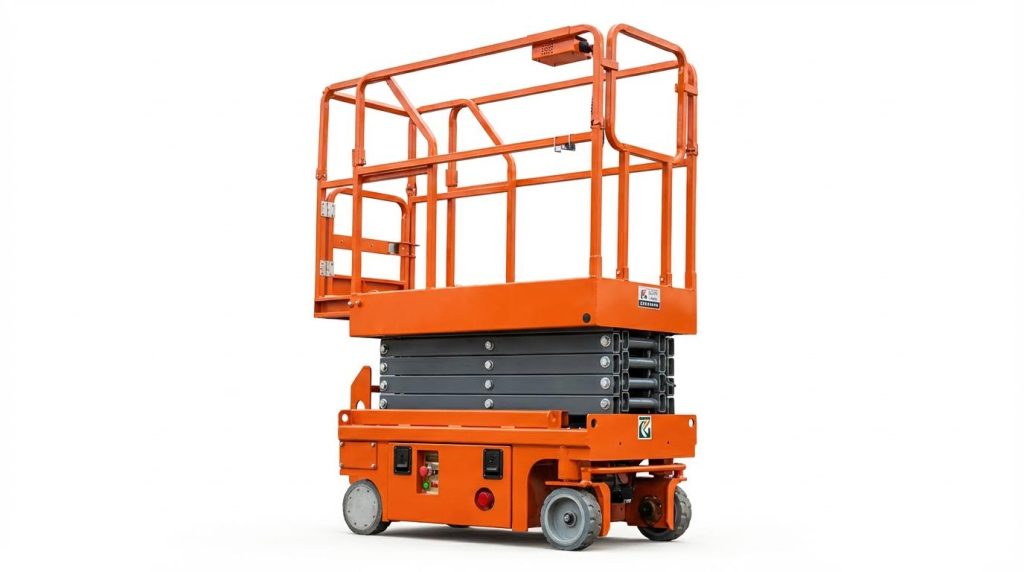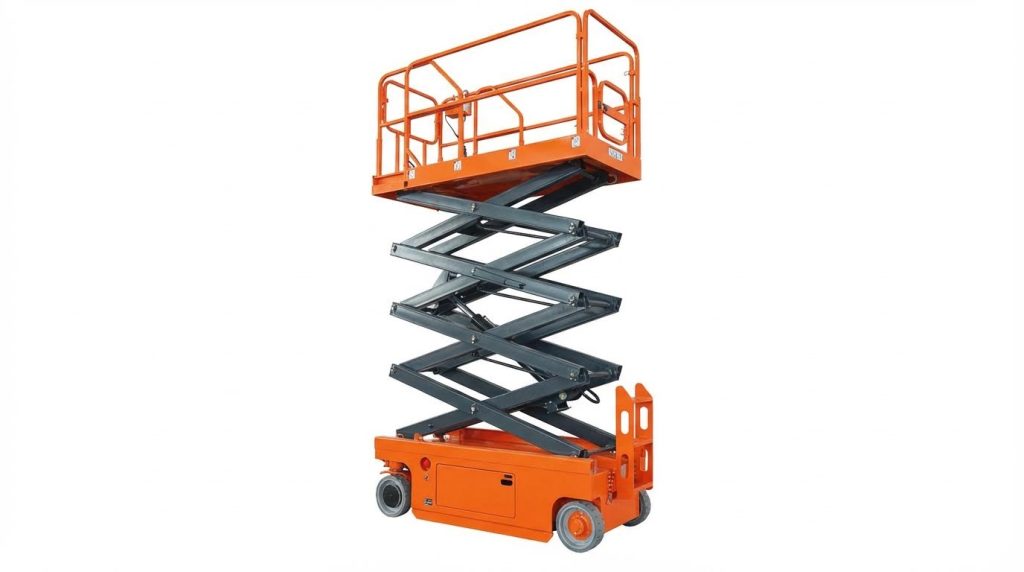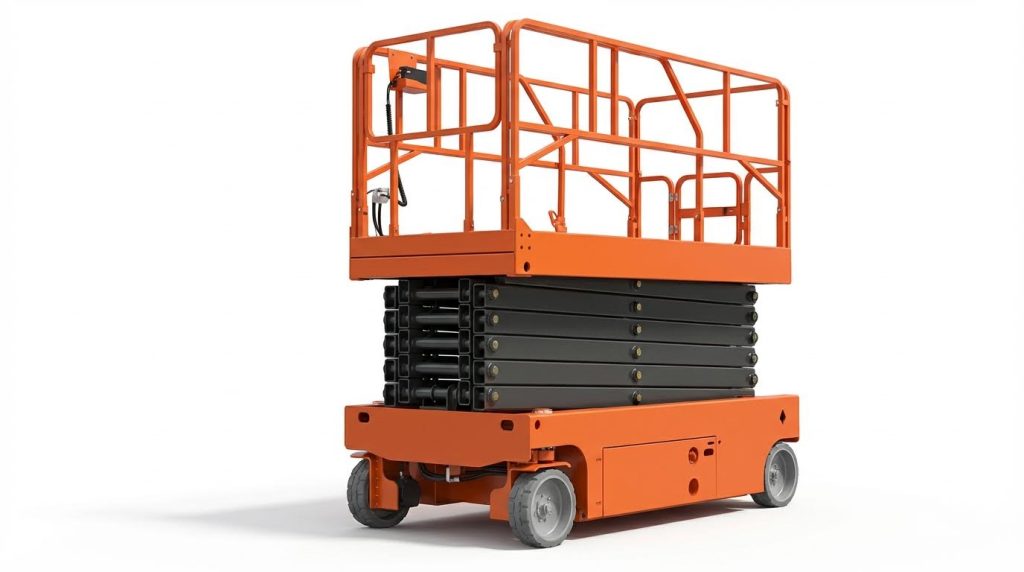
Knowing how to lower a scissor platform from the ground is critical when platform controls fail, power is lost, or an operator needs help returning to floor level. This guide explains ground control layouts, normal and emergency descent procedures, and the safety systems that govern them. You will also see how maintenance, inspections, and training keep emergency-lowering circuits ready when you need them most. Use this as a structured reference alongside your specific machine manual to plan safe, repeatable ground-lowering practices on every job.
Core Principles Of Ground And Emergency Descent
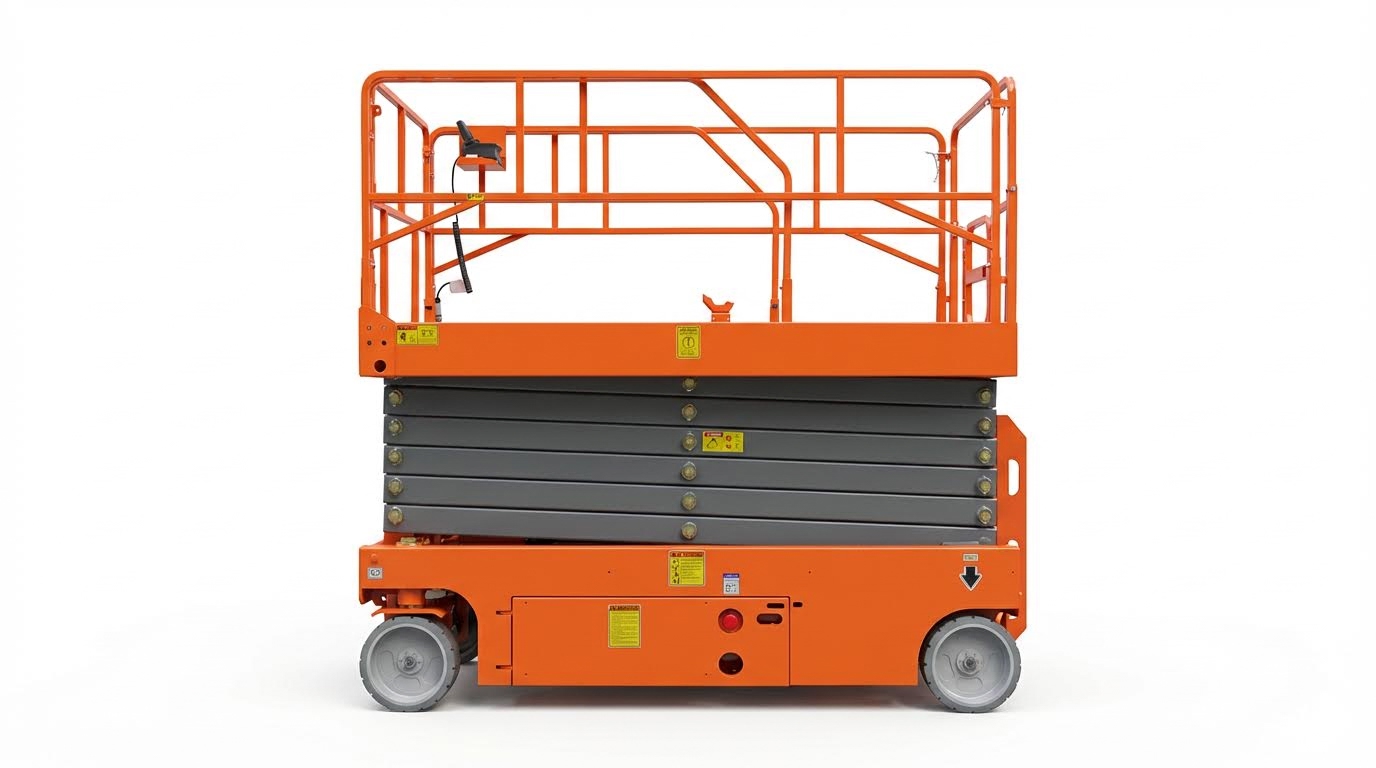
Ground control architecture and safety hierarchy
Ground controls are designed as the “last safe layer” in the system. They let a trained person on the ground take over when the platform operator cannot safely control the lift. Understanding this hierarchy is the foundation of learning how to lower a scissor platform from the ground.
Typical ground control architecture includes:
- Key/selector switch for choosing platform, ground, or off modes (platform / ground / off selector)
- Lift/lower switch or toggle to raise and lower from the base station (ground up/down control)
- Red emergency stop button that removes power to all functions instantly (E‑stop)
- Manual emergency-lowering valve or handle that dumps hydraulic pressure for gravity descent (emergency lowering handle/knob)
The safety hierarchy for ground-level control typically follows this order:
- Protect people on the platform and around the lift (area and overhead check).
- Disable normal motion (use emergency stop and key selector as needed).
- Attempt powered lowering from ground controls.
- Use manual hydraulic emergency descent if powered controls fail.
- Secure the machine and isolate power after reaching ground.
Why the hierarchy matters in real incidents
Accident investigations repeatedly showed that untrained ground helpers tried to “figure out” controls under stress. Formal training programs now stress recognition of emergency-lowering and shutdown functions so ground operators can act quickly and in the right sequence during an emergency. Training guidance placed strong emphasis on this.
Standard ground-lowering sequence and operator roles
The basic sequence for how to lower a scissor platform lift from the ground is similar across most models. Exact steps vary by manufacturer, but the logic is the same: stabilize the situation, take control at the base, try powered descent, then use emergency hydraulics if needed.
Typical standard sequence (non‑emergency powered lowering):
- Inspect the area under and around the platform for people, tools, and obstacles. Ensure the surface is firm, level, and free of debris or soft spots that could affect stability. Work area check
- Verify the platform occupant is aware you are about to lower from the ground and has removed loose materials from guardrails.
- Turn the key/selector switch at the base to “ground” or “base” control mode. This locks out the platform controls and gives command authority to the ground station. Selector switch function
- Reset or release the emergency stop if it was pushed, then press it again only if you need to halt motion.
- Use the ground lift/lower switch or toggle to command “down” until the platform reaches ground level. Ground up/down control
- Once fully lowered, turn the key to “off,” apply brakes or chocks if fitted, and remove the key to prevent unintended use. Securing the lift
If powered controls do not lower the machine, the ground operator follows an emergency sequence. Core steps, based on common hydraulic layouts, include:
- Confirm again that the platform occupant is stable and ready for descent. Emergency lowering guidance
- Turn the key switch to the base or ground position to ensure you have control.
- Activate the red emergency stop to disable unintended motion, then follow the manufacturer’s reset instructions.
- Locate the manual emergency-lowering handle or knob (often near the ladder or hydraulic manifold) and pull or turn it as directed. This opens a hydraulic path so oil can return to tank and the platform can descend under its own weight, often accompanied by a hissing sound as oil bypasses the normal circuit. Manual emergency descent Emergency lowering knob location
- Monitor the descent speed and stop the action if anything becomes unstable or obstructed.
| Role | Main responsibilities during ground-lowering |
|---|---|
| Ground operator | Control selector, E‑stop use, powered “down” commands, activation of emergency-lowering valve, monitoring ground hazards. |
| Platform occupant | Maintain three-point stance, stay within guardrails, communicate with ground, avoid leaning or climbing during descent. |
| Supervisor / spotter | Verify training, oversee area control and barricades, coordinate response if powered systems fail. |
Formal training programs for aerial and scissor lifts stressed that all three roles must understand emergency lowering and shutdown procedures before work starts, not during an incident. Training focus on emergency descent
Technical Procedures For Lowering From The Ground
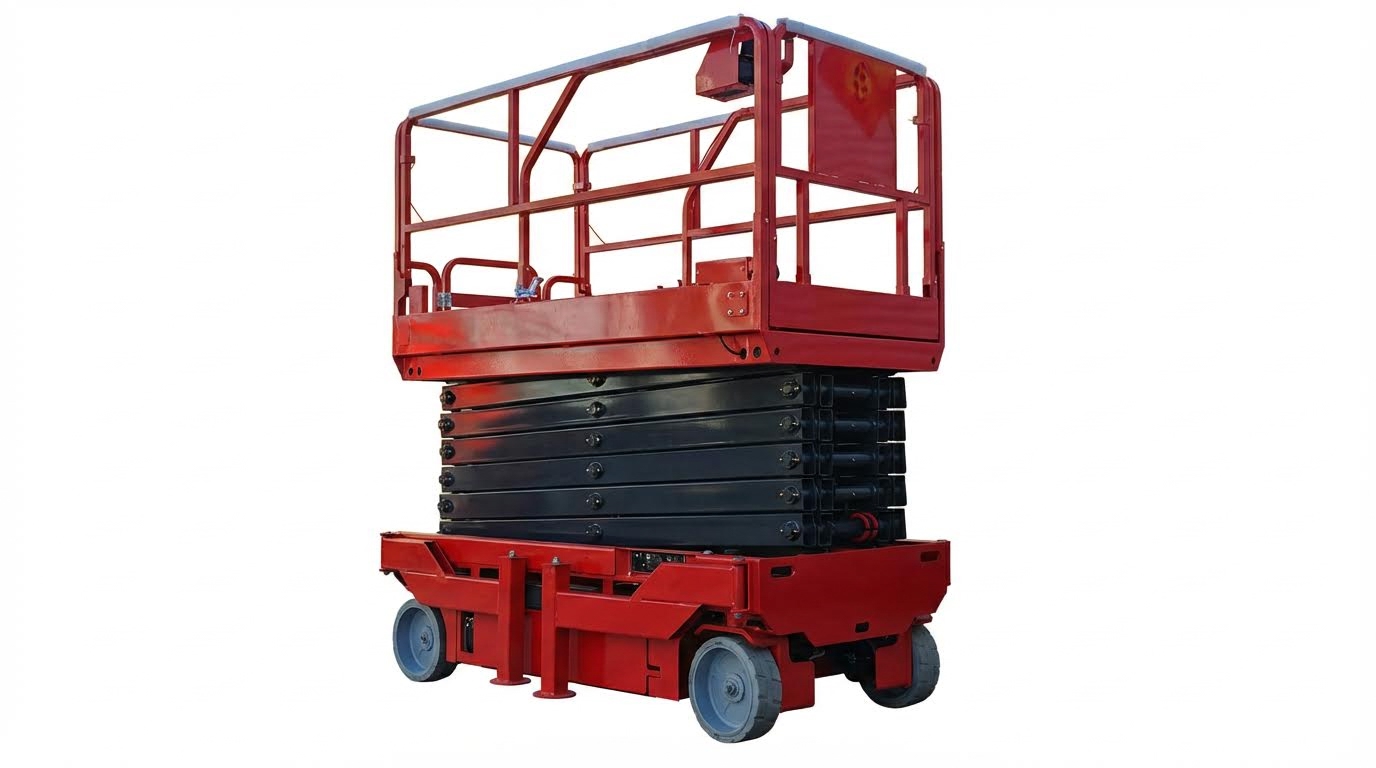
This section explains step-by-step how to lower a scissor lift from the ground using normal base controls and backup hydraulic circuits. It also shows how interlocks, alarms, tilt, and overload protection affect descent so ground personnel can respond safely and quickly.
Using base controls and key selector positions
Knowing how to lower a scissor lift from the ground starts with the base control station. The ground operator must select the correct control mode, confirm the area is clear, and then command a controlled descent.
- Stand at the ground control station with clear sight of the platform and surrounding area.
- Verify the work area is firm, level, and free of people, tools, or obstacles under the platform. Soft or uneven ground can destabilize the lift.
- Check that the emergency stop at the base is pulled out (reset) and functional. The base panel normally includes an emergency stop and lift/lower switch.
- Turn the key selector to “ground” or “base” control as required by the machine. This transfers control from the platform to the ground station. Selector switches typically toggle between platform, ground, and off.
Once the station is set, the lowering command is simple but must be monitored continuously.
- Use the ground “down” or lift/lower switch to command descent. Many units use the same up/down toggle as the platform, but located at the base. Scissor lifts can usually be raised or lowered from either the platform or ground panel.
- Watch the platform for smooth, even motion and listen for abnormal noise or vibration.
- Maintain visual or radio contact with the person on the platform, if occupied, and be ready to stop immediately if they report a hazard.
- Once fully lowered, release the switch, turn the key to “off,” and remove it to prevent unintended movement. Removing the key after shutdown is part of securing the equipment.
Common issues with base lowering
If the platform does not respond to the normal ground “down” command, check that the key is in the correct position, the base emergency stop is reset, and any active alarms (tilt, overload) are cleared before assuming a fault.
Manual hydraulic emergency-lowering circuits
If powered controls fail, the ground operator must know how to lower a scissor platform lift from the ground using the manual hydraulic emergency system. These circuits bypass normal electrical control and dump hydraulic pressure in a controlled way.
- Confirm this is a genuine loss-of-function event. Try the standard ground “down” switch first.
- Reassure the worker on the platform and explain you will use the emergency descent. Training programs stress that operators must understand emergency lowering and shutdown procedures before an incident occurs. Emergency lowering is a core topic in aerial lift safety courses.
- Locate the manual emergency-lowering valve, knob, or handle. It is often near the hydraulic power unit or behind the ladder or access panel. Some models use an emergency lowering knob behind the entry ladder.
Typical manual-lowering operation follows a predictable hydraulic sequence.
- Ensure nobody and nothing is under the platform or within the scissor stack envelope.
- Pull, twist, or turn the emergency-lowering device as labeled. On many units, pulling the red emergency handle opens a hydraulic dump path. Engaging the red emergency lowering handle often produces a hissing sound as oil flows back to tank.
- Monitor descent speed. The internal or external flow control should keep motion slow and steady, but be prepared to release or close the valve if speed increases unexpectedly. Descent should be slow and even, controlled by the down valve and flow control.
- Continue to communicate with the platform occupant until the lift is fully down.
- Once the platform reaches ground level, release or reset the emergency-lowering device to close the hydraulic path.
- Turn the key to “off,” tag the machine out of service, and arrange for troubleshooting of the electrical or hydraulic fault.
| Aspect | Normal powered lowering | Manual emergency lowering |
|---|---|---|
| Control location | Ground control panel (lift/lower switch) | Hydraulic valve / emergency knob or handle near power unit |
| Energy source | Battery/electrical system drives hydraulic pump and valves | Stored hydraulic pressure and gravity; valve opened manually |
| Typical operator input | Hold “down” switch while monitoring descent | Pull/turn handle or knob and hold or latch as designed |
| Typical sound | Normal pump noise, light hydraulic flow sound | Noticeable hissing as oil bypasses through emergency valve during manual descent |
| When used | Routine lowering with all systems healthy | Loss of normal controls, electrical failure, or other emergency |
Troubleshooting if emergency lowering does not work
If the emergency valve is opened and the platform does not move, the causes may include mechanical jamming of the scissor pack, a blocked hydraulic line, or the platform resting on an obstruction. In these cases, secure the area, keep personnel off the lift, and bring in qualified service support rather than forcing the mechanism.
Interlocks, alarms, tilt and overload protection
Modern scissor lifts use interlocks and sensors that can change how to lower a aerial platform from the ground. Ground operators must understand what each alarm means and how it affects descent options.
- Tilt sensor behavior
- A tilt sensor measures the chassis angle relative to level ground.
- If the angle exceeds a preset limit, the sensor triggers an audible and/or visual alarm and can restrict or stop lift functions. Operators are instructed to lower the platform and move to level ground when the tilt alarm sounds.
- Many machines still allow lowering when tilted, but may block raising or driving.
- Overload protection
- Load sensors monitor the platform weight against the rated capacity.
- When overloaded, the system disables lifting functions and may restrict other movements until weight is reduced. Overload recovery requires removing excess load before normal operation resumes.
- Many designs still permit lowering to bring the platform back to a safe position, but the ground operator must confirm the actual load is within structural limits.
Interlocks also tie into emergency-stop circuits, key selectors, and safety switches.
- Emergency stop buttons at both ground and platform immediately cut power to motion controls. These buttons are designed to halt all machine functions instantly.
- Some safety switches monitor guardrails, entry gates, or outriggers; if they sense an unsafe condition, they can prevent motion until corrected.
- If an interlock prevents powered lowering but the structure is stable, the manual hydraulic emergency-lowering circuit is the fallback method.
Operator response to alarms during ground-lowering
If a tilt alarm activates while the platform is elevated, the priority is to lower the platform slowly to ground while keeping the chassis stationary, then relocate the machine to a level surface. If an overload alarm is active, reduce the load as soon as it is safe, and follow the manufacturer’s reset instructions before the next elevation cycle.
By understanding how base controls, manual hydraulic circuits, and safety interlocks interact, ground personnel can choose the safest available method to bring the platform down and protect both the worker and the equipment.
Maintenance, Testing, And Training For Reliable Descent
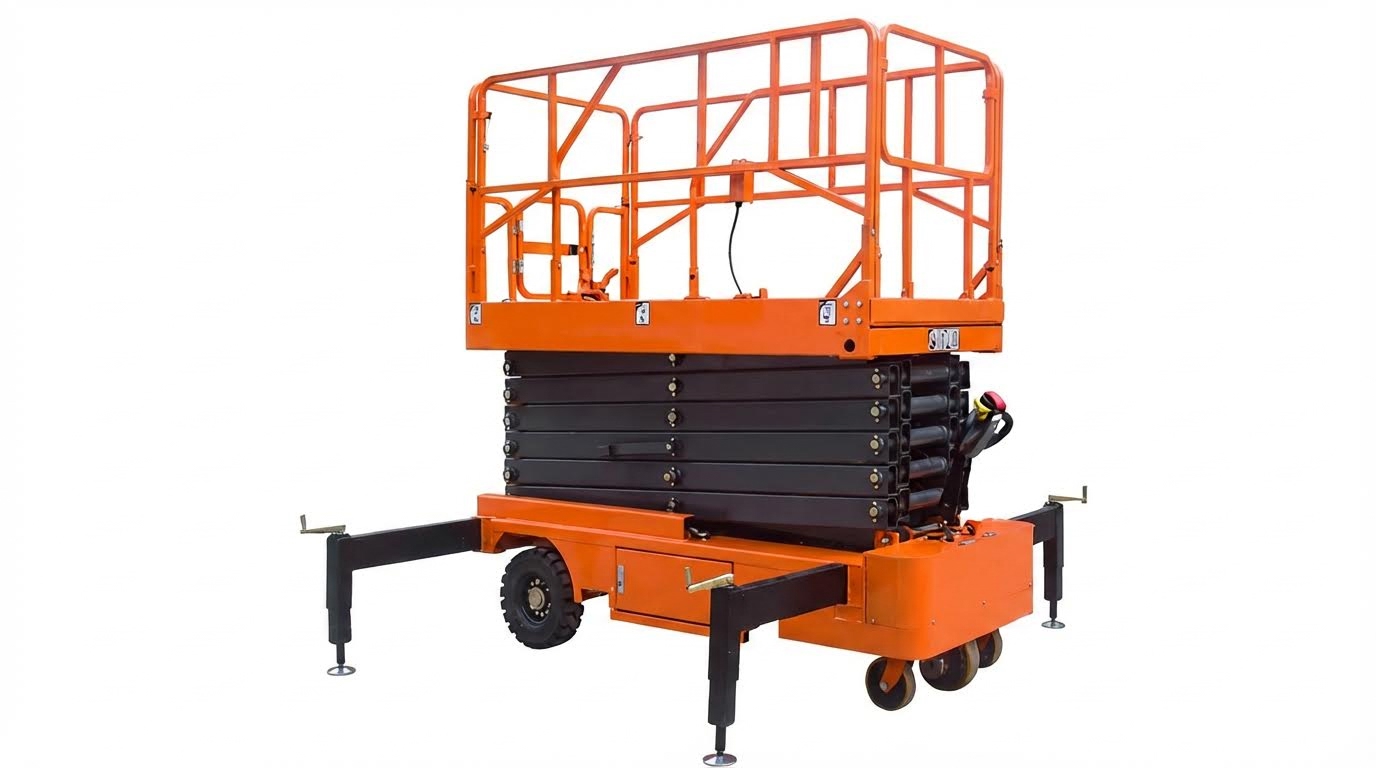
Verifying emergency descent during inspections
Regularly proving that the ground-lowering and emergency descent systems actually work is non‑negotiable if you want reliable control from the base. This is where many teams first discover problems that would otherwise appear in a real emergency when someone is stuck aloft and asking how to lower a scissor platform lift from the ground.
- Include ground-lowering and emergency descent checks in every pre‑operation inspection. Training programs treat emergency lowering as a core inspection item.
- Perform deeper function tests at scheduled service intervals, not just visual checks. Routine checks should cover controls and safety systems.
- Always secure the work area and brief the person on the platform before any test descent.
Checklist: pre‑shift verification of ground and emergency descent
Use this quick routine at the start of a shift to confirm the machine will safely descend from the ground.
- Confirm work area is firm, level, and free of debris or overhead hazards before testing lowering. Pre‑operation checks should verify surface and surroundings.
- Inspect hydraulic hoses, cylinders, and fittings at the base for leaks or damage that could affect descent. Hydraulic system checks are a standard maintenance item.
- Check that ground controls, key selector, and emergency stop buttons move freely and latch correctly. Typical ground stations include a selector switch, lift/lower switch, and E‑stop.
- With the platform raised to a safe test height, verify that the ground lift/lower switch can lower the platform smoothly. Ground panels usually include an up/down toggle for the platform.
- Simulate a platform control failure and confirm that switching the key to base and using the ground controls will lower the lift.
Emergency descent hardware must also be verified under controlled conditions. This is the last line of defense when powered systems fail, so it cannot be an “assumed working” component.
- Locate the manual or emergency lowering valve/handle at the base, often behind the ladder or near the power unit. Many units use a pull‑type emergency lowering knob behind the entry ladder.
- With the platform loaded only with test weight and at a moderate height, pull or operate the emergency lowering device and confirm a smooth, controlled descent. Manual emergency handles typically produce a hissing sound as oil bypasses to tank.
- Monitor for uneven lowering, abnormal noises, or jerky motion, which can indicate hydraulic restriction or mechanical binding.
- After testing, reset any manual valves fully to the closed or normal position before returning the lift to service.
| Item | What to verify | How it affects ground-lowering safety |
|---|---|---|
| Key/selector switch | All positions (off / platform / ground) select correctly and are labeled | Prevents confusion and delays when deciding how to lower a scissor platform from the ground |
| Ground lift/lower switch | Raises and lowers smoothly with no dead spots | Ensures normal base control works before relying on emergency descent |
| Emergency stop buttons | Stop all motion instantly and reset easily | Allows safe shutdown if anything abnormal occurs during descent tests |
| Manual emergency valve/handle | Accessible, moves freely, and returns to normal position | Guarantees a backup way to lower the platform with no power |
| Hydraulic circuit | No leaks, correct fluid level, no visible hose damage | Reduces risk of uncontrolled or incomplete lowering |
Finally, document every successful or failed test. Written records support troubleshooting trends and demonstrate that emergency descent systems are being maintained as part of a structured safety regime. Maintenance records are also important for compliance and warranty.
Hydraulic, electrical, and battery care for lift systems
Ground-lowering reliability depends heavily on the health of the hydraulic and electrical systems. Many “stuck in the air” calls trace back to neglected basics: low oil, weak batteries, or poor connections.
| Subsystem | Key maintenance task | Impact on ground-lowering and emergency descent |
|---|---|---|
| Hydraulic fluid | Check level and condition; change at recommended intervals | Low or contaminated fluid can slow or prevent descent and damage valves |
| Hydraulic hoses & fittings | Inspect for leaks, abrasion, kinks, and loose fittings | Leaks reduce pressure control and can cause erratic lowering |
| Pump and relief valves | Test and calibrate pressures as specified | Incorrect settings affect both lifting performance and smooth lowering |
| Batteries | Charge regularly, check electrolyte (if applicable), clean terminals | Weak batteries can stop powered lowering and complicate emergency procedures |
| Electrical controls | Inspect wiring, connectors, and switches; test safety circuits | Faults in interlocks or switches may block ground controls during descent |
Hydraulic care should focus on keeping the system tight, clean, and correctly pressurized. This directly influences how predictably the platform comes down under both normal and emergency modes.
- Inspect hydraulic hoses, cylinders, and fittings on a set schedule for leaks, cracks, and chafing. Routine inspection of hydraulic components is a core best practice.
- Maintain fluid at the correct level and replace it and filters at the intervals specified for your duty cycle. Regular fluid changes keep valves and pumps operating smoothly.
- Periodically test pump output and relief valve settings during major services. Manufacturers describe pressure checks and calibration steps for the hydraulic pump.
- Keep moving joints, scissor pins, and pivot points lubricated so the structure does not bind during descent. Proper greasing reduces friction and wear.
On the electrical side, a healthy battery and clean wiring are essential even if you know how to lower a aerial platform from the ground using manual valves. Power is still required for alarms, indicators, and many control interlocks.
- Run and recharge the machine at least monthly, even if it is not in regular use. Periodic running helps maintain battery condition.
- Inspect batteries, wiring looms, and connectors for corrosion, loose lugs, and damaged insulation. Electrical system checks should be part of routine maintenance.
- Test emergency lowering and safety circuits under power to confirm that switches, sensors, and alarms function correctly. Emergency functions should be verified regularly.
Training focus: teaching technicians and operators to support safe ground-lowering
Training should not only show operators which lever to pull. It should also explain why each system matters for safe descent.
- Cover full emergency lowering and shutdown procedures in operator courses so workers can respond calmly if platform controls fail. Operator training programs highlight emergency lowering and shutdown steps.
- Teach maintenance staff how hydraulic and electrical faults manifest during lowering, so they can link operator complaints to root causes.
- Use inspection checklists that explicitly include ground controls, emergency valves, and safety interlocks, not just structural items. Structured inspections and documentation improve reliability.
- Reinforce PPE and fall‑protection use during any test lowering with a person on the platform. Harnesses, hard hats, and gloves are recommended during lowering tasks.
When hydraulic, electrical, and battery systems are maintained to spec and emergency descent is verified routinely, ground operators have multiple dependable ways to bring the platform down safely. This integrated approach greatly reduces the risk that a scissor lift will remain stuck at height when something goes wrong.
Final Thoughts On Safe Ground-Lowering Practices
Safe ground-lowering of scissor lifts depends on one clear idea: control the risks before you move the platform. Ground controls, emergency valves, and interlocks only protect people when operators understand the hierarchy behind them. Teams must first secure the area, then use powered descent, and only then move to manual hydraulic release.
The engineering features described in this guide work as a system. Key selectors prevent command conflicts. Emergency stops remove power instantly. Flow-controlled emergency valves let gravity do the work without a sudden drop. Tilt and overload sensors keep the structure within its safe window, even when pressure is high to “get the person down.”
Maintenance and testing close the loop. Regular checks of hydraulic circuits, batteries, wiring, and emergency handles turn theory into reliable performance. Training then gives operators and technicians the confidence to use these tools in the right order, under stress.
The best practice for any site is simple: treat ground-lowering as a planned process, not a last-minute rescue. Build clear procedures, verify them in inspections, and drill them in training. When you do that, your Atomoving scissor lifts will come down safely, predictably, and under full control every time.
Frequently Asked Questions
How to Lower a Scissor Lift from the Ground?
To lower a scissor lift, locate the control panel and ensure the hydraulic system is activated. Flip the switch to the left or set it to “Platform” or “Down,” depending on the labels. This will allow the platform to descend safely. Always follow the manufacturer’s instructions for safe operation. Scissor Lift Operation Guide.
Can You Use a Scissor Lift on Uneven Ground?
Using a scissor lift on uneven ground requires proper leveling. If your scissor lift has outriggers, extend them fully to stabilize the machine. Ensure the ground is within the maximum working angle specified in the operator’s manual or marked on the equipment. Operating on firm, level surfaces is always recommended unless the lift is rated for slopes. Slope Safety Tips.