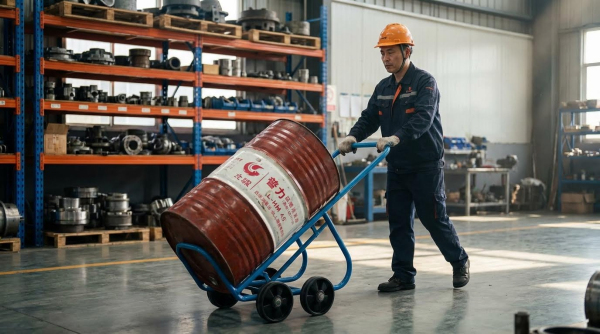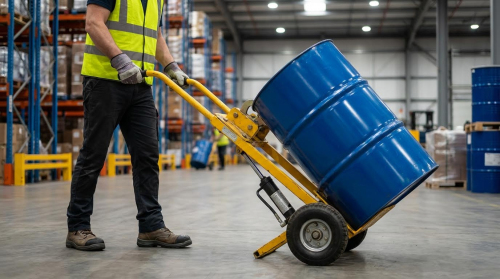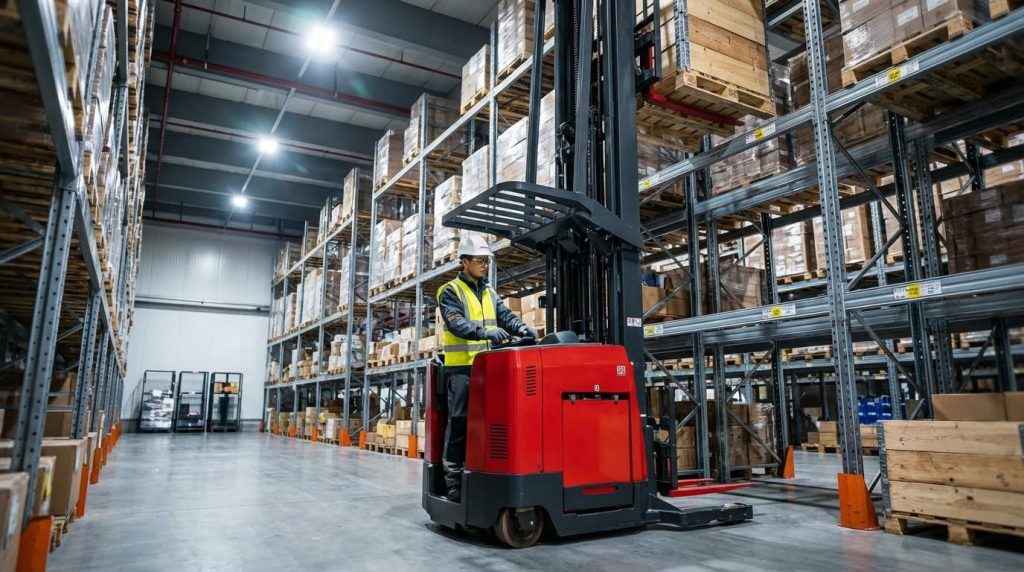
Knowing how to lift a pallet with a forklift is about more than just getting the load off the ground. It combines engineering limits, pallet condition, and disciplined driving to keep people, product, and equipment safe. This guide walks through core principles, step‑by‑step pallet handling, and site design factors so operators and managers can standardize safe practice. Use it to build checklists, train teams, and audit real‑world forklift operations against best practice.
Core Principles Of Safe Pallet Lifting
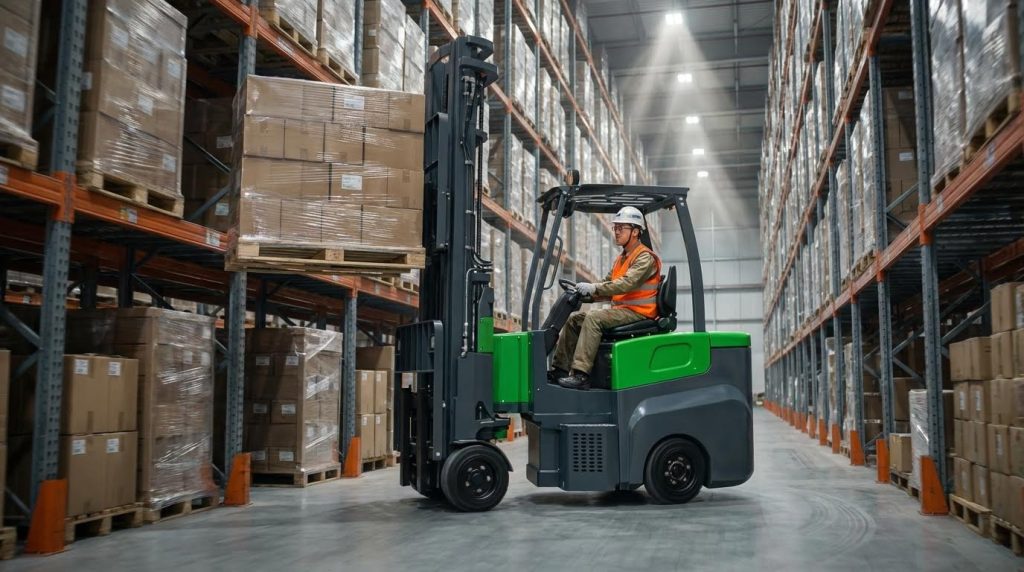
This section explains the engineering basics you must understand before deciding how to lift a pallet with a manual pallet jack. If operators know the true capacity at a given load center and the condition of the pallet and load, they avoid tip‑overs, broken pallets, and falling product.
Load capacity, load center, and data plate
Before you decide how to lift a pallet with a forklift, you must know exactly what the truck can safely carry at the actual load geometry. That information is on the data plate and is only valid when the load is positioned as specified.
- Always stay within the rated capacity shown on the forklift data plate; overloading is a common cause of tip‑overs and is prohibited by safety regulations Cited Text or Data
- The rated capacity assumes a specific load center (typically the distance from the fork face to the load’s center of gravity). As the load center increases, the allowable weight decreases, even if the nameplate capacity is not exceeded Cited Text or Data
- High, long, or offset loads shift the combined center of gravity forward, reducing stability and increasing tip‑over risk, especially during turning or braking.
- Operators should verify load weight against the data plate before lifting, not after the truck starts to feel unstable Cited Text or Data
- Heaviest part of the load must sit closest to the carriage and backrest to keep the load center as small as possible and maintain the truck’s stability triangle.
Key data plate and stability checks
When planning how to lift a pallet with a forklift, treat the data plate as a design boundary, not a suggestion. Capacity values assume a level floor, correctly inflated tires, and a properly maintained mast and forks. Operators should also respect the rule that loads must be stable and balanced, and must avoid raising or lowering the load while traveling Cited Text or Data. If the load geometry or route (ramps, uneven floors) is outside normal conditions, reduce the working capacity and consider alternative handling methods.
Pallet and load integrity requirements
Even if the forklift is within capacity, a weak pallet or poorly built load can fail suddenly. That turns a routine lift into a dropped‑load incident or a tip‑over.
- Inspect every pallet before use for cracks, splits, broken or missing boards, rot, or crushed blocks; damaged pallets that could cause product damage or injury must be removed from service Cited Text or Data
- When pallets are unfamiliar (different design, material, or age), verify their racking and lifting strength before loading them heavily Cited Text or Data
- Check that the load is evenly distributed across the pallet and properly secured with wrap, straps, or other restraints so it cannot shift during lifting or travel Cited Text or Data
- Overhanging or low‑hanging cargo is less stable and more prone to snagging or impact; use extra wrapping and tighter stacking patterns, or reduce stacking height for these loads Cited Text or Data
- Avoid partial fork insertion; entering only partway can separate deck boards and leave the load off‑center, increasing the chance of pallet breakage or load fall Cited Text or Data
- Lower loads slowly and gently; fast lowering creates vibration that can deform cartons, damage products, or crack marginal pallets Cited Text or Data
| Check Item | Why It Matters | What To Look For |
|---|---|---|
| Pallet structure | Prevents sudden collapse under fork pressure | Cracks, splits, missing boards, crushed blocks, rot |
| Load distribution | Keeps center of gravity centered on forks | Even stacking pattern, no heavy side or corner |
| Load restraint | Stops shifting during lifting and transport | Intact wrap, tight straps, no loose cartons |
| Overhang/low‑hang | Controls snagging and instability risk | Minimal overhang, extra wrap on irregular loads |
| Fork engagement | Protects pallet and maintains load stability | Full fork insertion under main stringers/blocks |
These integrity checks are non‑negotiable when deciding how to lift a pallet with a drum dolly in any warehouse or yard. A sound truck, within its rated capacity, still becomes unsafe if the pallet or load cannot mechanically survive the handling forces.
“”
Engineering And Operational Factors For B2B Sites
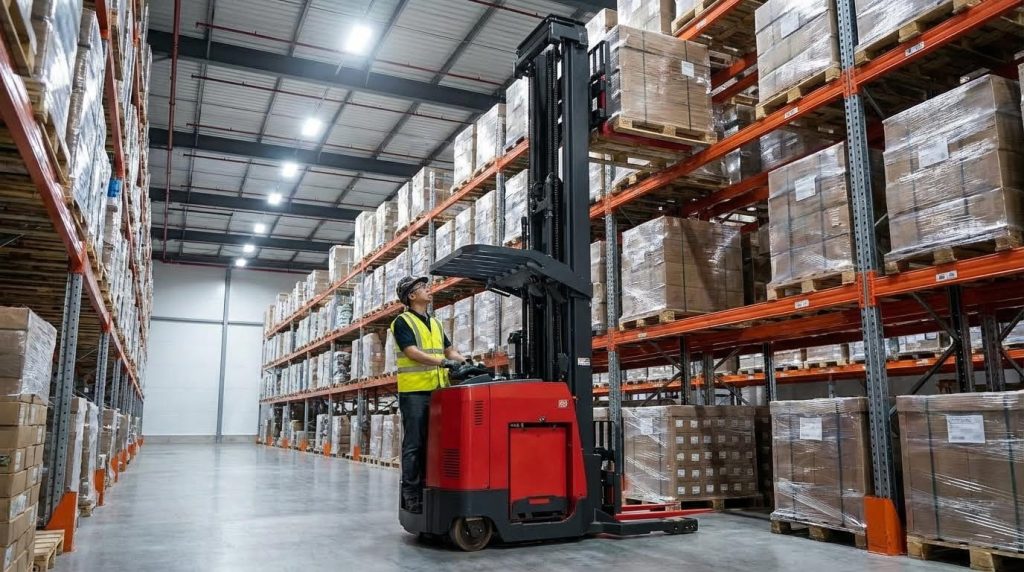
Aisle design, racking, and visibility planning
In B2B facilities, the way you design aisles and racking largely decides how safely and efficiently people can show operators how to lift a pallet with a forklift. Poor geometry forces tight turns, blind spots, and overloads on racking, which all raise incident rates and equipment wear.
Key engineering goals are:
- Give forklifts enough aisle width for their turning radius and load size.
- Match racking layout to travel routes and picking patterns.
- Protect pedestrians with separation and clear sightlines.
- Control speed and behavior with markings, rules, and visibility aids.
Why layout matters for pallet lifting safety
Even if operators know exactly how to lift a pallet with a forklift, a poor layout can still cause collisions, mast strikes on racking, or tip-overs on tight corners. Good engineering design removes many of these risks before training even starts.
When planning aisles and racking, align your design with safe forklift operating practices such as marked pathways, speed limits, and adequate clearance from walls, racks, and overhead hazards Workplace safety considerations.
| Design Aspect | Engineering Focus | Practical B2B Outcome |
|---|---|---|
| Aisle width | Based on truck type, load size, and turning radius | Reduces steering corrections, rack strikes, and product damage |
| Clearances | Side, rear, and overhead safety envelopes | Prevents collisions with racks, walls, and pipework |
| Racking layout | Bay width, beam height, and load class | Supports stable pallet storage and fast access |
| Traffic routing | One-way systems, crossing control, and segregation | Fewer conflicts between forklifts and pedestrians |
| Visibility aids | Mirrors, lighting, and line marking | Improved reaction time at blind corners and junctions |
For facilities that constantly move pallets, plan routes from loading docks to racking with hazards in mind. Operators should be able to see and avoid uneven floors, ramps, and overhead obstructions on their full travel path Route planning guidance.
- Use marked, designated forklift pathways to separate trucks from pedestrians Designated forklift pathways.
- Keep aisles free of floor obstructions to maintain stable travel when carrying low, elevated loads.
- Plan staging areas so operators are not forced to stop or turn on slopes or damaged floors.
- Ensure doorways and dock areas have enough overhead clearance for raised masts and loads Overhead clearance checks.
Visibility is critical when forklifts move with raised loads or operate in dense racking. Regulations required that operators maintain clear visibility, use horns at cross aisles, and watch for pedestrians Forklift operations guidance.
- Install convex mirrors at blind intersections and rack ends.
- Provide consistent, glare-free lighting along aisles and in rack tunnels.
- Mark stop lines and horn-use points at high-risk crossings.
- Use visual floor markings to show safe stopping distances near racking and docks.
Link to operator behavior and training
Even with optimal aisle and racking design, operators still must respect speed limits, use horns at cross aisles, and keep loads low while traveling Safe operating rules. Layout and training should be developed together.
Power source, batteries, and maintenance strategy
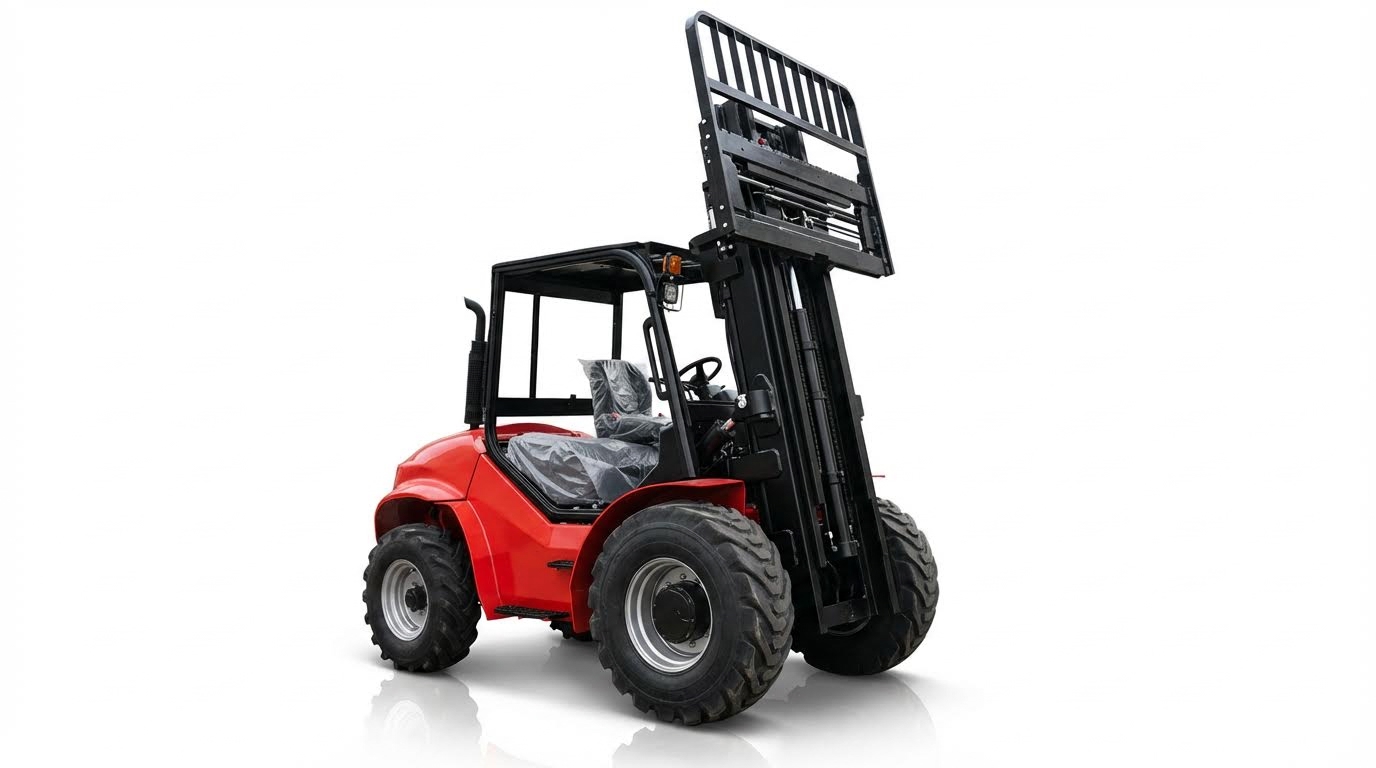
Power choice and maintenance strategy strongly influence uptime, running cost, and how consistently operators can follow best practice for how to lift a pallet with a forklift. Poorly maintained trucks, weak batteries, or leaking hydraulics all increase the chance of dropped loads, slow lifting, and unplanned stops in busy aisles.
Your B2B site should treat power systems and maintenance as engineered processes, not ad‑hoc fixes.
- Standardize on a small number of truck and power types where possible.
- Define inspection and servicing intervals in line with regulations.
- Design charging or fueling areas into the layout from day one.
- Track defects and downtime to target root causes.
Regular maintenance and documented pre-operational inspections were required to keep forklifts safe and compliant Maintenance and repairs Pre-operational inspections.
| Area | What To Engineer / Plan | Key Safety Impact |
|---|---|---|
| Power source selection | Match truck type and energy (electric, LPG, diesel) to duty cycle and environment | Reduces emissions, heat, and noise; supports indoor air quality |
| Battery systems | Charging capacity, ventilation, cable management, and change-out process | Prevents unplanned stops, electrical faults, and charging hazards |
| Inspection routines | Shift-based checklists for brakes, steering, hydraulics, forks, and safety devices | Catches defects before they cause incidents |
| Preventive maintenance | Scheduled servicing of hydraulics, tires, and drive systems | Maintains predictable lifting and braking performance |
| Documentation and training | Licenses, maintenance logs, and refresher training | Supports compliance and consistent safe behavior |
Daily and pre-shift inspections should include brakes, steering, mast and forks, hydraulics, tires, and all safety devices. Faulty forklifts must be taken out of service until repaired Inspection checklist items Pre-use inspection requirements.
- Check tires for cuts, flat spots, and abnormal wear.
- Inspect forks, chains, and backrests for cracks or deformation.
- Verify brakes, steering, and hydraulic controls work smoothly.
- Confirm lights, horns, alarms, and seat belts function correctly Safety feature inspection.
For electric fleets, battery maintenance and charging area design are critical. Batteries should be fully charged before use and inspected regularly for wear, damage, and secure connections. Charging areas must be clean, well ventilated, and managed with clear procedures Battery maintenance practices.
- Provide enough chargers for peak shift demand and rotation.
- Keep charging cables off travel paths to prevent snagging under pallets or forks.
- Define safe parking and shutdown procedures near charging or fueling points Parking and shutdown guidance.
- Train operators in safe battery handling and emergency response Operator training requirements.
Integrating maintenance with pallet handling procedures
Well-maintained forklifts make it easier for operators to apply correct technique for how to lift a pallet with a forklift: smooth mast movement, predictable braking, and reliable steering all reduce the risk of pallet damage, dropped loads, or tip-overs. Maintenance, training, and layout should be managed as one integrated safety system.
Final Thoughts On Forklift Pallet Handling Safety
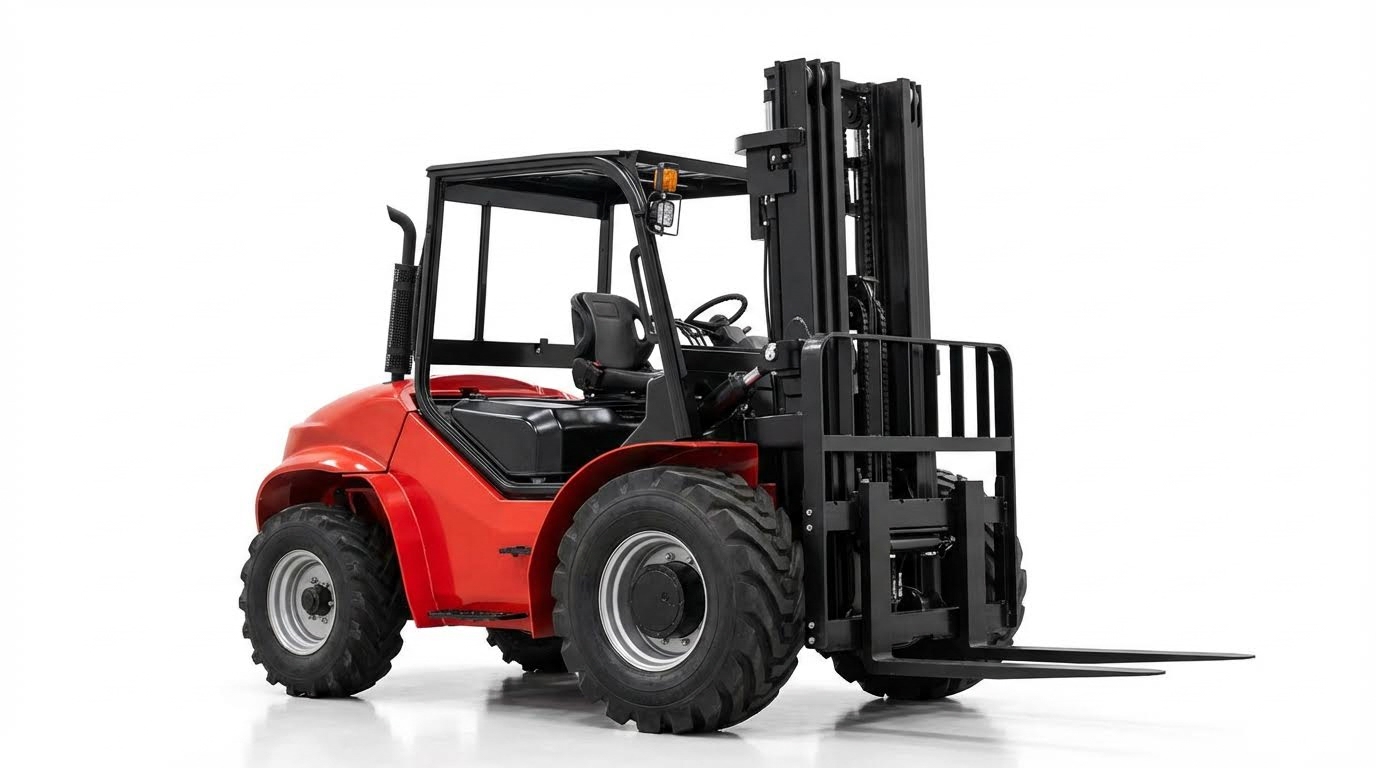
Safe pallet lifting is not about memorising one or two tips. It is a complete system that links the truck, the pallet, the route, and the operator into one controlled process. If you standardise how to lift a pallet with a forklift across your site, you reduce variability, near-misses, and product damage at the same time.
Regulators expected operators to combine three things: pre-use checks, disciplined driving, and strict load control. Daily inspections of forks, mast, chains, hydraulics, tires, and safety devices before each shift were mandatory, and any truck with defects had to be taken out of service until repaired according to published guidance. The same logic applied to pallets: cracked, split, or decayed units needed to be rejected before loading to avoid sudden failure under fork pressure as industry guidance explained.
- Always verify the load weight against the data plate and keep the heaviest mass close to the carriage.
- Approach square, insert forks fully, and keep the load low with a slight back tilt during travel.
- Never raise or lower while moving, and avoid sharp turns, sudden braking, or over-speeding in shared areas.
- Use horns at blind spots and protect pedestrians by marked routes, speed limits, and clear visibility. These behaviours were core regulatory expectations
From a management viewpoint, the safest sites treated forklift handling as a controlled process, not an individual skill. They enforced documented pre-use inspections, locked out defective trucks, and kept up with scheduled maintenance on hydraulics, brakes, steering, and batteries to prevent in-service failures as safety publications recommended. They also invested in formal operator training and three‑year refreshers so that hazard recognition, load stability, and emergency procedures stayed fresh in operators’ minds in line with regulatory guidance.
Key takeaways for your safety program
If you remember only five points about how to lift a pallet with a forklift safely, use this checklist:
- Confirm operator training, licences, and pre-use inspections before each shift.
- Reject damaged pallets and unstable loads; re-stack or re-wrap before lifting.
- Keep within rated capacity and respect load center limits on the data plate.
- Travel with the load low, mast slightly back, and visibility maintained or supported by a spotter.
- Park with forks down, truck secured, and any defects reported and logged immediately.
When these basics become non‑negotiable standards, incident rates fall, product damage decreases, and throughput becomes more predictable. That is the real business case for disciplined forklift pallet handling: safer people, safer stock, and more reliable operations with every pallet you move.
Final Thoughts On Forklift Pallet Handling Safety
Safe pallet handling depends on one joined-up system, not isolated tips. Capacity limits, pallet strength, layout, and maintenance all interact. If one link fails, the whole system becomes fragile. When engineers and supervisors treat the data plate as a hard design limit, they protect the stability triangle and cut tip-over risk. When teams reject weak pallets and unstable loads, they prevent sudden collapse even when the truck itself is in perfect condition.
Good aisle geometry and racking design then give operators the space and sightlines they need to apply correct technique every time. Clear routes, marked crossings, and strong lighting reduce judgment calls and keep pedestrians out of the danger zone. Reliable power, healthy hydraulics, and documented inspections keep lifting smooth and predictable so operators can focus on the load and the route, not on fighting the truck.
The best practice for operations teams is simple but strict. Engineer the site and equipment for safety first. Standardize checks and driving rules into clear, short procedures. Train, observe, and correct until safe behavior is routine. Used this way, Atomoving pallet and handling equipment supports a stable, low‑risk flow of pallets through every shift.
Frequently Asked Questions
How do forklifts pick up pallets?
To lift a pallet with a forklift, approach the load squarely and insert the forks fully under the pallet. Drive forward until the pallet touches the carriage, then tilt the forks back slightly to secure the load. For unbalanced loads, keep the heavier side closer to the forklift. Lift the load slightly and tilt it back more before moving. Forklift Safety Guide.
What are the proper lifting techniques for a forklift?
When lifting a pallet, ensure the forks are fully inserted under the pallet and the load is balanced. Tilt the forks back slightly after lifting to stabilize the pallet. Always keep the heavier side of unbalanced loads closer to the forklift for better control. Avoid sharp movements while transporting. Forklift Safety Guide.
How to lift a pallet without a forklift?
If you don’t have access to a forklift, you can use manual or electric pallet jacks to lift and move pallets safely. These tools are ideal for confined spaces like warehouses or trailers. Alternatively, consider using lift tables or stackers for heavier loads. Ensure the equipment matches the pallet weight and dimensions for safe handling.