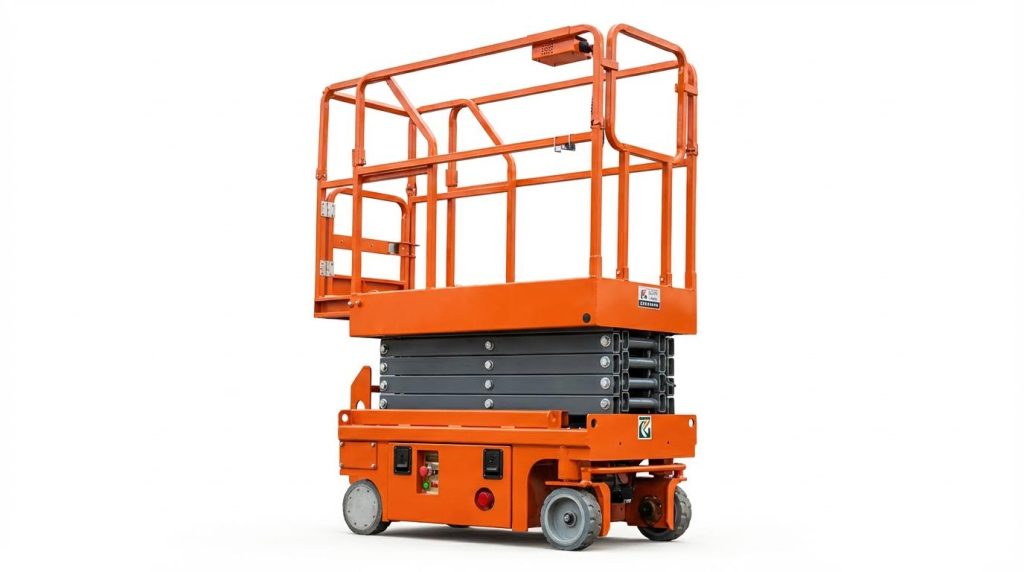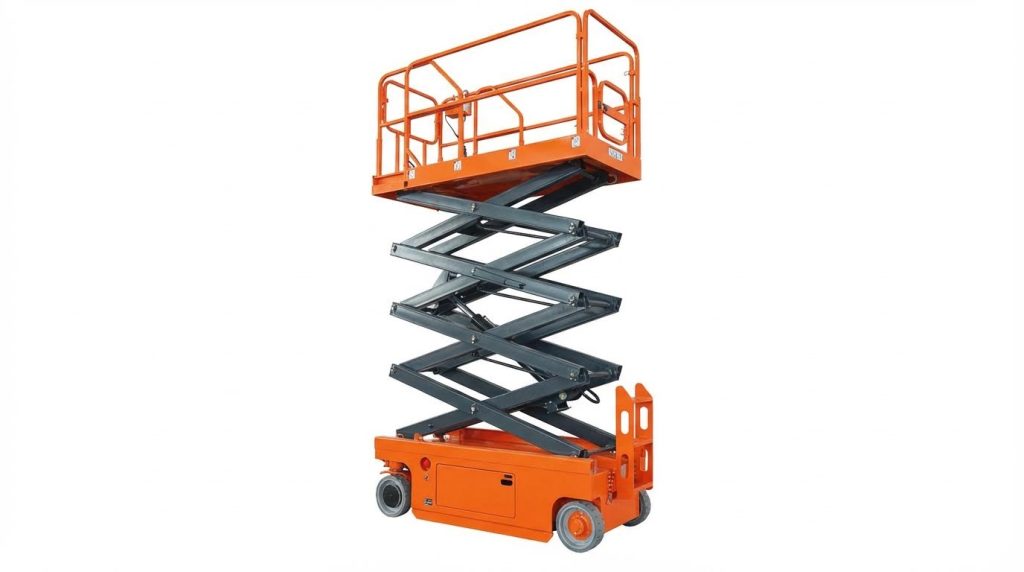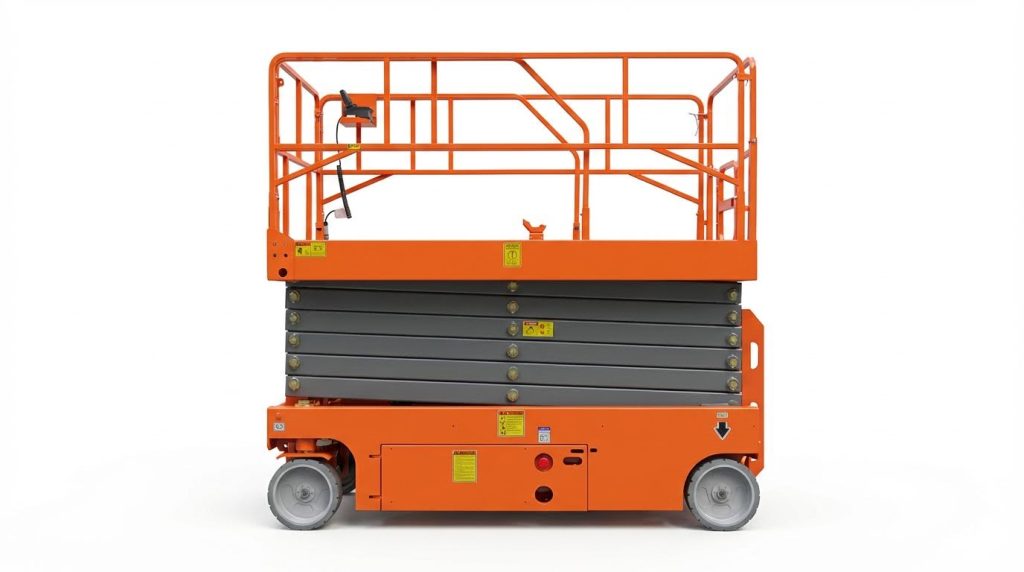
Aerial work platforms sit under a tight mix of OSHA, ANSI, and local rules, and recordkeeping is where many fleets fail audits. This guide turns those rules into a practical file strategy so you know exactly how long should inspections on aerial platforms be kept, and how to retain operator training records without drowning in paper. You will see the core retention timeframes, required data fields, and how to structure digital or paper systems that stand up to regulators and internal safety reviews. Use it as a blueprint to tighten compliance, improve traceability, and support safe, efficient operations across your fleet.
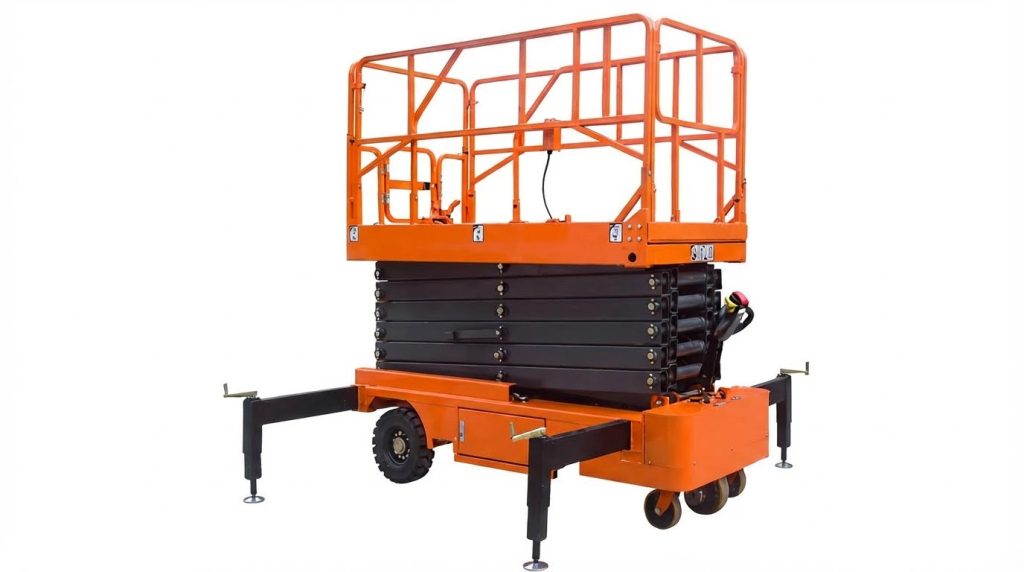
Core AWP Recordkeeping Rules And Timeframes

Distinguishing OSHA, ANSI, And Local Rules
Recordkeeping for aerial work platforms (AWPs) sits on three layers: OSHA (or national law), ANSI/industry standards, and local or site rules. You need to understand which layer is driving each retention period and minimum data field, because inspectors and auditors often reference different sources.
- OSHA / National law: Focuses on having inspection, maintenance, and training records with dates, signatures, and equipment or person identity. It usually does not spell out long retention times but expects records to be available, current, and prepared at the time of the work. Inspection and maintenance records must include date, signature, and equipment identification and be prepared when work is done.
- ANSI / Industry standards: Typically drive how long you keep AWP inspection documentation. Many AWP programs used ANSI guidance that annual inspection records be retained for multiple years; one common practice is to keep annual inspection reports for at least four years. Annual inspections must be done within 13 months of the last inspection and documentation retained for at least 4 years.
- Local / site rules: State regulations, insurers, or corporate policies often extend retention beyond the legal minimum. For example, one state standard requires that aerial lift training certification records be kept for the duration of the employee’s employment. Certification records must include the identity of the person trained, the signature of the employer or trainer, and the date of training completion, and be maintained for the duration of employment.
How this affects your written program
In your AWP recordkeeping procedure, clearly state which rules you follow for: (1) inspection intervals, (2) minimum data fields, and (3) retention time. When rules conflict, adopt the most conservative (longest) retention that is practical for your operation.
Minimum Retention For Inspection Records
For safety managers searching “how long should inspections on aerial platforms be kept,” the answer depends on the inspection type and the standard you choose to follow. Use longer retention for higher‑risk, higher‑liability inspections such as annual or thorough examinations.
| Inspection Type | Typical Frequency | Minimum Documentation Requirements | Common Retention Practice | Regulatory / Standard Basis |
|---|---|---|---|---|
| Pre‑use / Daily inspection | Before each shift or use | Checklist or log confirming functional and visual checks (controls, safety devices, structure, tires, leaks, etc.) Daily inspections cover lift/drive/emergency controls, horn, brakes, safety devices, leaks, tires, railings, pins, and structural damage. | Until replaced by next inspection record or for current month/quarter, depending on company policy | Good practice under PUWER/LOLER and OSHA; records often kept until the next inspection is completed. PUWER expects equipment to be inspected regularly and records kept until the next inspection. |
| Frequent / Periodic inspection | Weekly to quarterly, depending on use and environment | Documented inspection report with date, inspector identification/signature, and equipment ID. OSHA requires these elements for inspection and maintenance records on lifting equipment. Records must include date, signature, and equipment identification. | Commonly at least 1–2 years, or until superseded by several subsequent inspections | OSHA requires that records exist and be current; retention length is usually set by company policy or insurer, often aligned with limitation periods for claims. |
| Annual / Thorough inspection | At least every 12–13 months | Formal inspection report by a qualified person, with date, signature, equipment identification, and findings. LOLER requires thorough examinations at 6 months for platforms lifting people and 12 months for lifting goods only, with reports submitted to the owner or employer. | At least 4 years for aerial work platforms is a widely used benchmark. Annual inspections must be performed within 13 months of the last inspection and documentation retained for at least 4 years. | Driven mainly by ANSI and best practice; some regions adopt LOLER‑style thorough examination rules and expect records to cover multiple inspection cycles. |
From a risk and liability perspective, many fleets adopt a simple rule of thumb to answer “how long should inspections on scissor platforms be kept”: keep daily checklists through the current year, and keep all periodic and annual AWP inspection reports for at least four years, or longer if your insurer or local regulations require it.
Why four years is a practical minimum
Four years usually covers several annual inspection cycles and many limitation periods for injury or damage claims. It also gives investigators enough history to see trends in defects, repairs, and missed findings if an incident occurs.
Retention For Operator Training Records
Training records for AWP operators support legal compliance and prove that only trained personnel used the platform. Unlike inspection reports, some regulations explicitly state how long you must keep these records.
| Training Document Type | Key Required Fields | Typical Validity / Expiry | Common Retention Practice | Regulatory / Guidance Basis |
|---|---|---|---|---|
| Operator training certificate or card | Employee name, training subject or equipment type, training provider or company, date of training completion, and often trainer/employer signature. Training documentation must include subject, training company name, employee’s first and last name, and date, and may be a certificate or operator card. Certification records must include identity of the person trained, signature of employer or trainer, and date of completion. | Many programs treat training as valid for 1–3 years before refresher; one reference sets an explicit one‑year expiry from completion date for certain schemes. Issue date is the date of training completion and the expiry date is one year from completion. | Best practice is to retain for the entire period the worker may be questioned about their competence. One state standard requires records to be kept for the duration of the employee’s employment. Certification records must be maintained for the duration of employment. | OSHA‑style rules require proof that operators were trained by a competent person in inspection, application, operation, and hazard avoidance; local rules may set explicit retention periods. |
| Training program content and evaluations | Outlines or modules covered, practical evaluations, and test results, plus who delivered and assessed the training. Training should include formal instruction, practical training, and evaluation by knowledgeable personnel. Employers should document training processes, modules, and evaluation methods. | Not usually given an expiry date; content is updated as standards or equipment change. | Retain latest versions of syllabi and evaluation templates, plus historical versions for several years to prove what was taught at any given time. | Good‑practice guidance for consistent and auditable training programs, supporting due‑diligence in incident investigations. |
- To align inspection and training records, many fleets adopt a parallel rule: keep all AWP operator training certificates and related documents for at least the length of employment plus several years, even if the formal training “expires” sooner.
- This approach makes it easy to show, years after an event, exactly which model of manual pallet jack the person was trained on, when, and by whom.
Linking training and inspection records in practice
For the strongest legal position, your AWP file for each unit should be able to show: (1) the inspection history of the machine, and (2) that every named operator on the job had valid training at the time of use. That is why robust retention for both inspection reports and training records is critical.
“”
Implementing A Compliant AWP Record System

Structuring Daily, Periodic, And Annual Files
A compliant AWP record system starts with clear separation of daily, periodic, and annual inspection files. This structure answers the practical question of how long should inspections on aerial platforms be kept and makes audits faster and safer to manage. Use consistent fields and file naming across all timeframes so inspectors and safety managers can find records in seconds, not hours.
The table below shows a practical way to structure files and minimum retention periods based on common regulatory and best‑practice expectations for aerial work platforms and similar lifting equipment. It blends daily pre‑use checks, periodic thorough examinations, and annual/major inspections into one system.
| Inspection Type | Typical Frequency | Who Performs It | Key Content In Record | Recommended Retention Period | Typical Storage Location |
|---|---|---|---|---|---|
| Pre‑start / Daily Inspection | Before each shift or use | Operator | Checklist of safety and functional items; unit ID; date; operator signature | Until next documented periodic inspection is completed (at least 30–90 days recommended) in line with guidance to keep inspection records until the next inspection is performed. Inspection records should be kept until the next inspection | Daily checklist binder or digital app linked to asset ID |
| Periodic / Thorough Examination | Every 6 months when lifting people; every 12 months for lifting goods only, or as per manufacturer/standard. Six‑monthly and 12‑monthly thorough examinations | Competent person | Full inspection report; defects; corrective actions; date; inspector signature; equipment identification. OSHA requires date, signature, and equipment ID | At least until the next periodic exam plus one full cycle; many fleets keep 2–4 years of history for trend analysis and to show compliance over time. | Central safety file (digital or paper) organized by asset |
| Annual / Major Inspection | Every 12–13 months, aligned with industry and standard practice for aerial platforms. Annual inspections must be performed within 13 months of the last inspection | Qualified AWP technician or third‑party inspector | Detailed inspection checklist, structural review, functional tests, repairs, and sign‑off | At least 4 years is a common best practice for annual aerial platform inspections. Annual inspection documentation should be retained for at least 4 years | Long‑term digital archive with backup; limited paper copies on site |
This structure gives a practical answer to how long should inspections on scissor platforms be kept at each level. Daily records bridge the gap between periodic inspections, while periodic and annual records create the long‑term compliance trail that regulators and investigators expect.
Daily inspection checklists – what to include
Daily or pre‑start inspections for aerial work platforms typically cover:
- Lift, drive, and emergency controls
- Horn, parking brake, and interlocks
- Battery or engine indicators and charger
- Limit switches and safety devices
- Visual checks for leaks, damage, loose pins, and structural issues. Daily inspections include functional and visual checks
Each checklist should capture at minimum the date, equipment ID, any defects, and the operator’s name and signature to align with common OSHA recordkeeping expectations for inspection records. OSHA requires date, signature, and equipment identification
For implementation, the key is to standardize how files are named and where they are stored. This applies whether you use binders, shared drives, or a maintenance platform.
- Use one asset ID format for all platforms and all records.
- Store daily, periodic, and annual records under the same asset folder.
- Use date‑based file names (YYYY‑MM‑DD) so records sort chronologically.
- Ensure every record includes date, equipment ID, and signature or digital equivalent to satisfy inspection record expectations. Certification records must show date, signature, and equipment identity
Integrating Predictive Maintenance And Telematics
Once the basic file structure exists, predictive maintenance and telematics can turn AWP inspection records into a proactive safety tool. The same data that answers how long should inspections on scissor platform lifts be kept can also drive component life decisions and early fault detection.
Telematics and maintenance software help you move from static, time‑based inspections to risk‑based intervals driven by usage and condition. This still respects mandatory frequencies such as six‑monthly or 12‑monthly thorough examinations for lifting equipment, but it adds intelligence on top. LOLER requires 6‑ and 12‑month thorough examinations for lifting equipment
- Link each AWP’s telematics ID to its inspection and training record folder.
- Feed hours‑run, number of elevating cycles, and fault codes into your maintenance planning rules.
- Flag units that approach inspection due dates or show repeated minor defects on daily checks.
- Use historical inspection data (4+ years for annuals where available) to identify recurring component failures and adjust preventive tasks.
To make predictive maintenance work in a compliant way, your record system must capture not only “what was inspected” but also “what failed and how often.” That means closing the loop between inspection findings, work orders, and telematics alerts.
Practical steps to integrate telematics with AWP records
Use this simple sequence to integrate telematics into your AWP recordkeeping system:
- Assign a single master ID to each platform and use it in telematics, inspection forms, and training records.
- Configure telematics to log hours of use, fault codes, and overload or tilt alarms.
- Set rules so that certain fault codes automatically create a maintenance work order and a note in the inspection history.
- Review inspection and telematics data at each 6‑ or 12‑month thorough examination to confirm whether intervals remain appropriate. Thorough examinations must be performed by a competent person and reported to the owner
- Archive all related records together so an auditor can see the chain from fault detection to repair.
This integration shows that your inspection frequencies are not arbitrary. They are based on actual usage and risk, while still meeting mandated minimum intervals for lifting equipment that carries people.
Finally, ensure your digital or paper system leaves a clear audit trail. Every change to an inspection or maintenance record should be traceable to a person, a date, and a reason, mirroring the certification record principles used for other safety‑critical equipment. Certification records are intended to reduce paperwork while preserving accountability
Final Thoughts On AWP Record Retention Strategy
Effective AWP record retention is not just about passing audits. It proves that each platform was safe to use and that each operator was competent at the time of work. When you align OSHA, ANSI, and local rules, you create one clear standard that your team can follow without guesswork.
Daily, periodic, and annual inspection files give a time‑layered safety story for each machine. Training certificates and program records complete that story by showing who used the equipment and what they were taught. When you keep annual inspection reports for at least four years and hold operator training records for the full employment period, you protect the company in incident reviews and claims.
A structured digital or paper system, supported by telematics where available, turns those rules into daily practice. Standard IDs, consistent data fields, and traceable edits build a strong audit trail. Operations and safety teams should treat recordkeeping as part of the control system of every Atomoving aerial platform, not an afterthought. If you design retention rules around risk, legal limits, and clear file structure, your AWP fleet will stay safer, more reliable, and easier to defend when something goes wrong.
Frequently Asked Questions
How long should inspection records for aerial platforms be retained?
Inspection records for aerial platforms must be kept based on the type of record and governing regulations. For general maintenance, records should be retained for at least one year or until the work is repeated or superseded, as per FAA guidelines. FAA Recordkeeping Rules. However, certain documents like total time in service or life-limited parts status must be kept indefinitely and transferred with the equipment if sold.
- General maintenance records: 1 year or until superseded.
- Critical records (e.g., life-limited parts): Indefinitely.
Does OSHA require annual inspections of aerial lifts?
Yes, OSHA requires thorough annual inspections of aerial lifts to ensure safety compliance. Additionally, if the equipment is used for rental or commercial purposes, more frequent inspections may be necessary. Workers operating aerial lifts must also undergo recertification every three years. OSHA Aerial Lift Certification.
- Annual inspections are mandatory.
- Operator recertification required every 3 years.