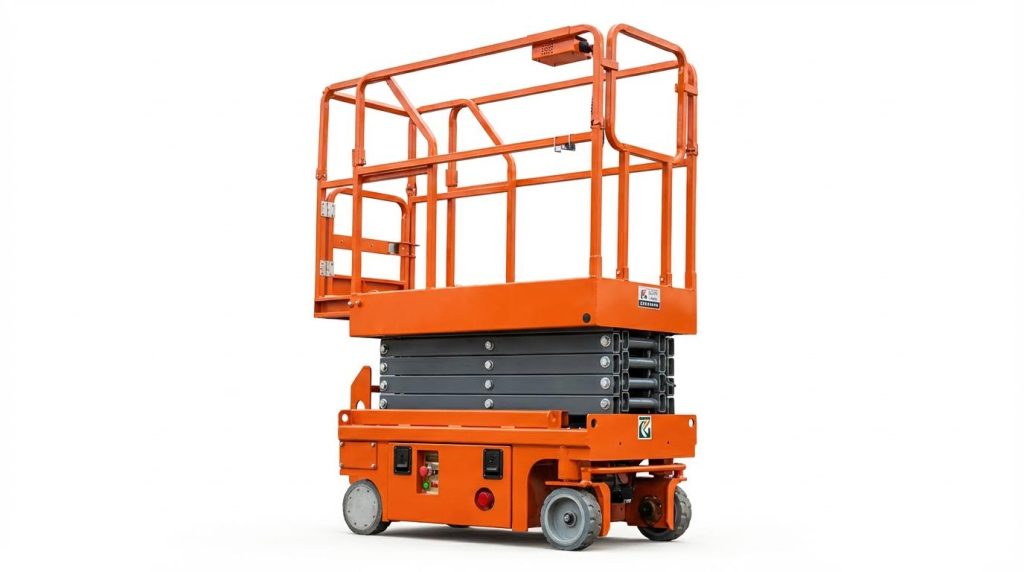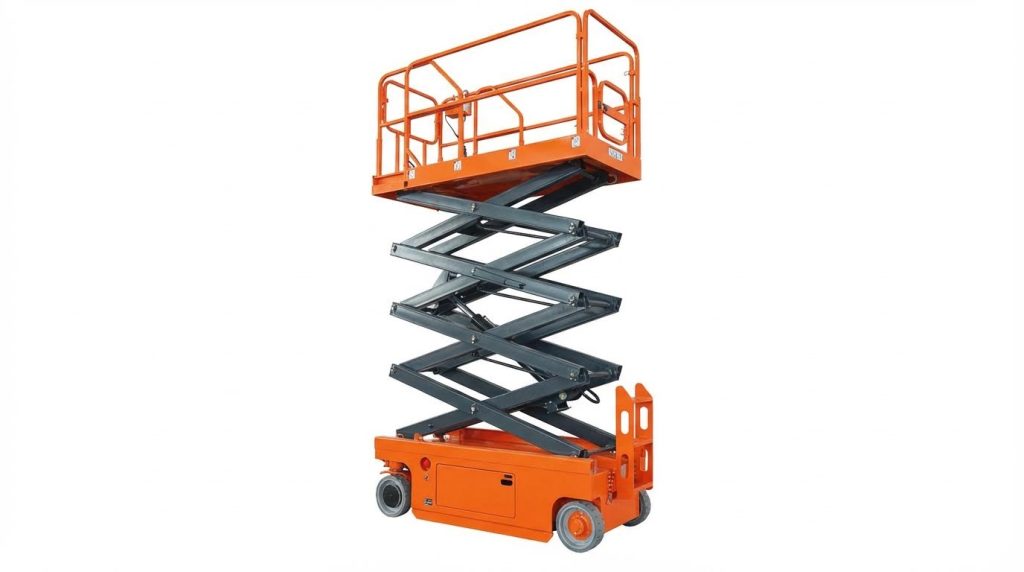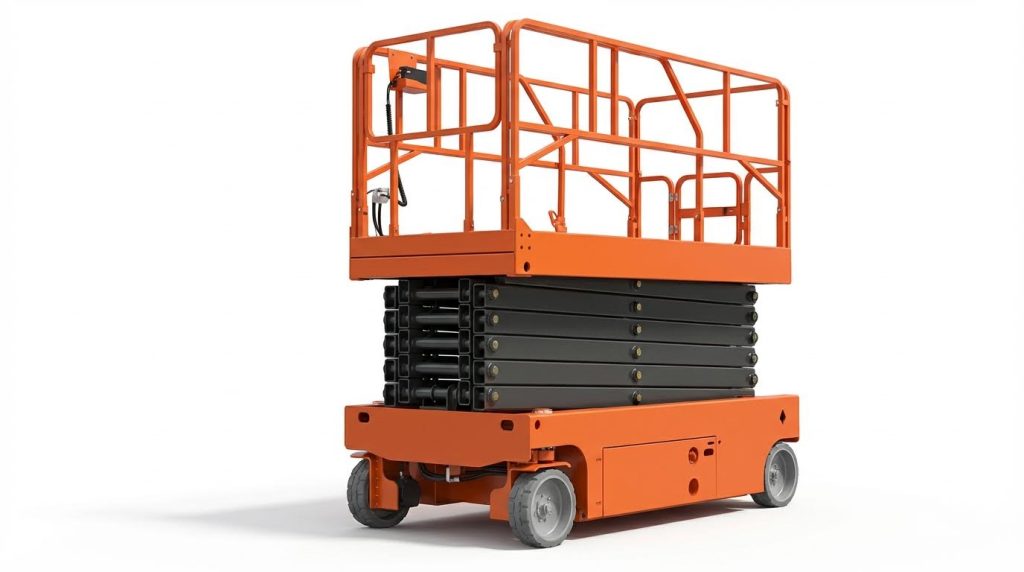
تغطي الرافعات المقصية الصغيرة عادةً ارتفاعات عمل منخفضة إلى متوسطة في المساحات الداخلية الضيقة، ويشرح هذا الدليل بالتفصيل أقصى ارتفاع تصل إليه هذه الرافعات وأفضل أماكن استخدامها. ستتعرف على كيفية تغير ارتفاع المنصة، وارتفاع العمل، وقدرة التحميل، وخيارات نظام الدفع مع الحجم، مما يُمكّنك من اختيار الارتفاع المناسب لكل مهمة في المنشأة. إذا كنت تتساءل عن أقصى ارتفاع يمكن أن تصل إليه منصة مقصية صغيرة ، فستتعرف أيضًا على متى يجب عليك الانتقال من النماذج الصغيرة إلى الآلات الأكبر حجمًا لتغطية آمنة وفعالة لمساحة المبنى.
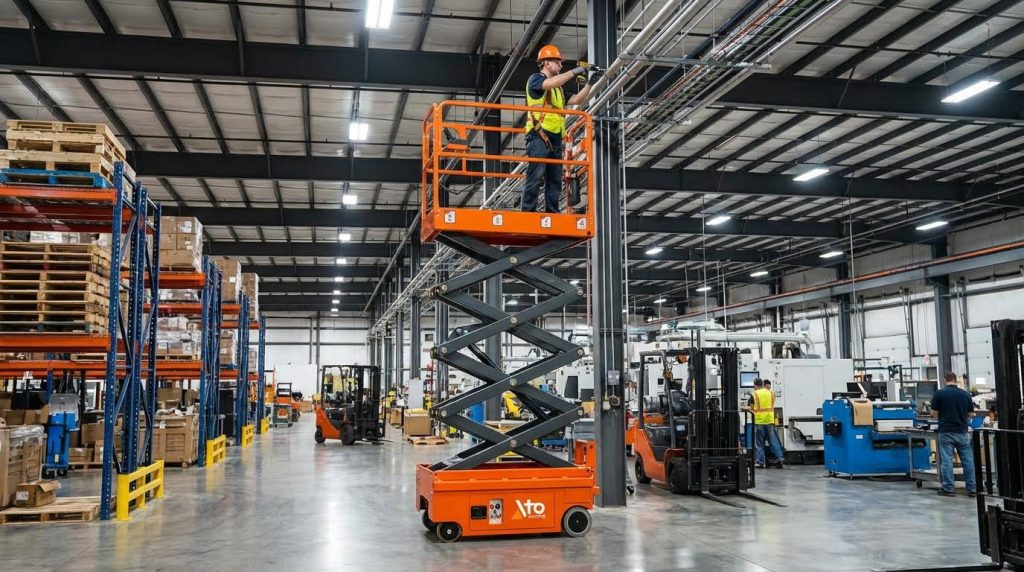
تحديد الرافعات المقصية المدمجة وحدود الارتفاع
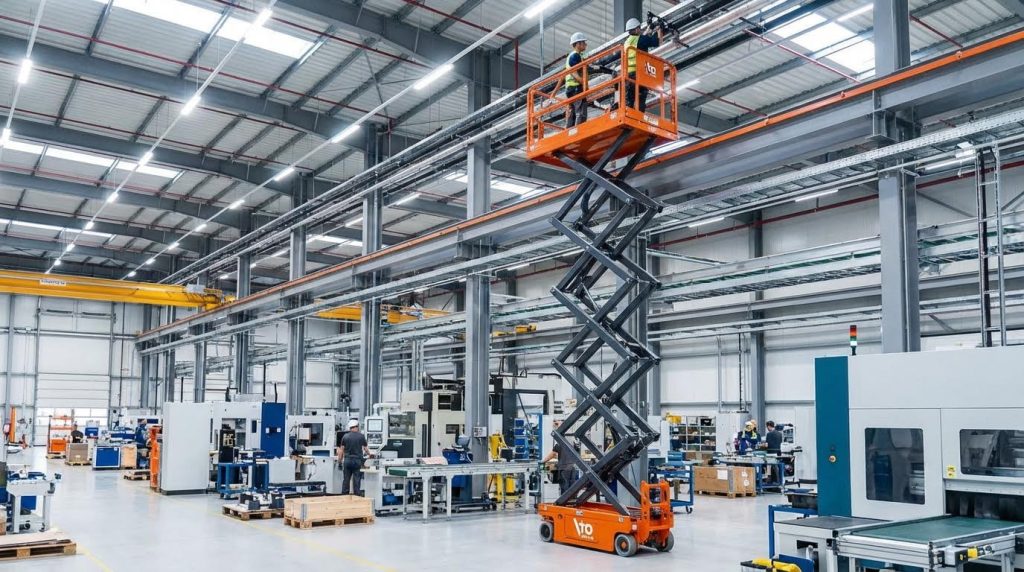
تُعد الرافعات المقصية المدمجة منصات وصول ضيقة وخفيفة الوزن مصممة للعمل في الأماكن المغلقة والضيقة، مع حدود تصنيف صارمة لارتفاع المنصة وارتفاع العمل والحمل والاستقرار التي يجب عليك احترامها للبقاء ضمن المعايير والضمان.
إن فهم هذه الحدود هو الطريقة الوحيدة للإجابة على سؤال "ما هو أقصى ارتفاع يمكن أن تصل إليه رافعة مقصية صغيرة الحجم" في منشأتك، لأن الارتفاع وسعة الأرضية ونوع المهمة كلها تتفاعل مع بعضها البعض.
ارتفاع المنصة مقابل ارتفاع العمل
يُقصد بارتفاع المنصة ارتفاع الرفع الميكانيكي، بينما يُضاف ارتفاع العمل إلى مدى وصول المشغل، ويكون عادةً أعلى بحوالي 2.0 متر لأغراض التحديد والمقارنة. يؤدي الخطأ في هذا التمييز إلى تحديد مواصفات الآلات بشكل غير دقيق أو مبالغ فيه.
يُعرَّف ارتفاع المنصة بأنه المسافة الرأسية من الأرضية إلى سطح المنصة عند امتدادها بالكامل، بينما يُعرَّف ارتفاع العمل عادةً بأنه ارتفاع المنصة + 2.0 متر، بافتراض متوسط مدى وصول المشغل. يُستخدم هذا الاصطلاح على نطاق واسع في بيانات معدات الوصول. على سبيل المثال، يوضح ارتفاع منصة يبلغ 5.71 متر ارتفاع عمل يبلغ 7.71 متر.
- ارتفاع منصة: من الأرض إلى سطح السفينة عند التمدد الكامل – يحدد هذا مدى ارتفاع هيكل الآلة الذي يرفعك فعلياً.
- ارتفاع العمل: ارتفاع المنصة + حوالي 2.0 متر – يمثل هذا ما يمكن للشخص العادي الوصول إليه فوق رأسه.
- المواصفات الفنية: غالباً ما يتم الإعلان عن ارتفاع العمل المطلوب – قد تبدو أرقام التسويق أكبر من الارتفاع الفعلي للمنصة.
- خطر الالتباس: دمج الاثنين في التخطيط – قد يؤدي ذلك إلى ترك الفنيين على بعد متر أو مترين من التجهيزات المستهدفة.
كيفية تفسير الارتفاع في تقييم المخاطر
عند كتابة عبارة طريقة، قم دائمًا بإدراج كلا القيمتين، على سبيل المثال "ارتفاع المنصة 6.0 متر، ارتفاع العمل 8.0 متر"، وتحقق من فحص جميع المخاطر العلوية (العوارض، الرشاشات، الكابلات) مقابل ارتفاع العمل، وليس فقط ارتفاع الآلة.
💡 ملاحظة من مهندس ميداني: عندما يسأل العملاء "ما هو أقصى ارتفاع يمكن أن تصل إليه رافعة مقصية صغيرة الحجم؟"، أصر على أن يؤكدوا ارتفاع المنصة الفعلي مقابل العمل، ثم يضيفوا هامش أمان يتراوح بين 0.5 و 1.0 متر بدلاً من العمل مباشرة عند أقصى مدى نظري.
نطاقات الارتفاع النموذجية لرافعات المقص المدمجة
تغطي الرافعات المقصية المدمجة عادةً العمل الداخلي المنخفض إلى المتوسط الارتفاع، مع ارتفاعات عمل نموذجية تتراوح من حوالي 3 إلى 9 أمتار، بينما تصل الوحدات كاملة الحجم إلى ارتفاعات أعلى بكثير ولكنها تتطلب مساحة أكبر وقدرة وزن أكبر وأرضيات أثقل.
تُظهر بيانات الصناعة أن الرافعات المقصية المدمجة توفر ارتفاعات عمل تتراوح بين 30 و9.1 متر تقريبًا، مع منصات ضيقة بعرض 610-910 ملم وطول 1.8-3.0 متر، وقدرات رفع تتراوح بين 225 و450 كيلوغرامًا. هذه الوحدات المدمجة أصغر بكثير من النماذج كاملة الحجم التي يصل ارتفاع عملها إلى 9-18 مترًا أو أكثر، وتحمل أحمالًا أثقل.
| نوع الرفع | نطاق ارتفاع العمل النموذجي | نطاق ارتفاع المنصة التقريبي | القدرة النموذجية | الأفضل لـ / التأثير التشغيلي |
|---|---|---|---|---|
| كهربائية صغيرة / صغيرة الحجم | يصل إلى ≈6.0 متر (≈20 قدم) | ≈4.0 متر | ≈150–230 كجم | يناسب الأبواب القياسية؛ مثالي للمكاتب والمتاجر وأعمال الصيانة في الأسقف المنخفضة. |
| رافعة مقصية مدمجة قياسية | ≈3.0–9.1 متر (10–30 قدم) | ≈1.0–7.0 متر | ≈225–450 كجم (500–1,000 رطل) | يغطي معظم مهام الصيانة والإصلاح والتشغيل الداخلية، والإضاءة، وتركيب الرفوف حتى ارتفاع منصة يبلغ حوالي 7 أمتار. |
| مقص كامل الحجم للاستخدام الداخلي والخارجي | ≈9.0–18.0+ م (30–60+ قدم) | ≈7.0–16.0 متر | ≈450–1,600+ كجم (1,000–3,500+ رطل) | مواقع البناء والمصانع الكبيرة؛ تحتاج إلى أرضيات أقوى ومساحات أكبر. |
إذن، ما هو أقصى ارتفاع يمكن أن تصل إليه رافعة مقصية صغيرة الحجم عمليًا؟ بالنسبة لمعظم الطرازات الصغيرة ذاتية الدفع المستخدمة في الأماكن المغلقة، يُنصح بالتخطيط لارتفاع عمل أقصى يبلغ حوالي 8-9 أمتار، وهو ما يعادل ارتفاع منصة يقارب 6-7 أمتار، ضمن النطاق المعتاد للرافعات الصغيرة. أما الرافعات المقصية الكهربائية الصغيرة، فتقع في الطرف الأدنى من هذا النطاق، حيث يصل ارتفاع عملها إلى حوالي 6 أمتار.
- أقل من ارتفاع العمل ≈4 أمتار: المصاعد الصغيرة/المصغرة – الأفضل في الأماكن التي تكون فيها حدود حمولة الأرضية والمداخل ضيقة.
- ارتفاع العمل ≈4-8 أمتار: سوار كور كومباكت – يشمل ذلك معظم أعمال الصيانة الداخلية وتركيب الإضاءة.
- ارتفاع العمل ≈8-9 أمتار: الحد الأعلى للضغط – تحقق من حمولة الأرضية والتأرجح، وفكر في الحجم الكامل إذا كنت بحاجة إلى المزيد.
لماذا لا يتم استخدام المصاعد الصغيرة لتجاوز ارتفاعها المحدد؟
تتضمن تصنيفات الارتفاع بالفعل هوامش استقرار تعتمد على مركز الثقل وعرض الهيكل وعوامل الرياح أو الاضطرابات الداخلية. إن تجاوز ارتفاع لوحة البيانات أو استخدام درجات مؤقتة على المنصة يُضعف هذه الهوامش ويتعارض مع معايير مثل ANSI و EN280.
💡 ملاحظة من مهندس ميداني: بمجرد أن يصبح ارتفاع العمل المطلوب لديك أعلى من 9 أمتار بشكل مستمر، أوصي عادةً بالانتقال إلى آلة أثقل وأعرض بدلاً من تشغيل وحدة صغيرة الحجم في أعلى نقطة توقف طوال اليوم؛ حيث أن الاستقرار الإضافي ومساحة المنصة يؤتي ثماره في كل من السلامة والإنتاجية.
المواصفات الرئيسية التي تتغير بتغير الطول
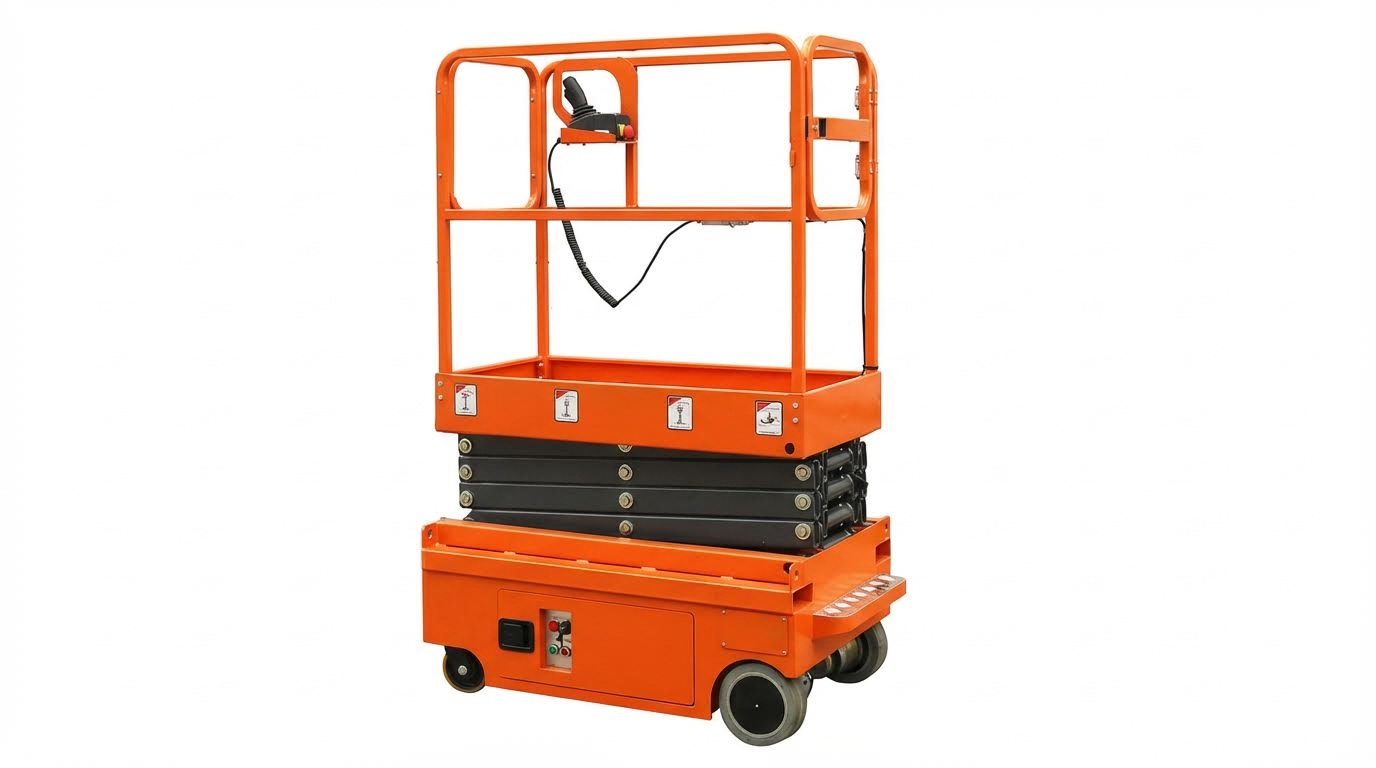
المواصفات الرئيسية التي تتغير مع الارتفاع هي حجم المنصة، وتصنيف الأشخاص، وسعة الحمولة، والاستقرار، وحمل الأرضية، ونظام نقل الحركة، والهيدروليكا، ودورة التشغيل، وكلها تعمل على تضييق الإجابة العملية حول أقصى ارتفاع يمكن أن تصل إليه رافعة مقصية صغيرة في منشأتك.
مع ازدياد ارتفاع المنصة، يزداد حجم الهيكل المقصي والشاسيه ونظام الطاقة. هذا الفولاذ الإضافي والمدى الأوسع يُحسّنان الوصول، لكنهما يتطلبان أرضيات أقوى، وطاقة أكبر، وتحكمًا أكثر صرامة في الثبات.
حجم المنصة، والإضافات، وتقييم الشخص
يزداد حجم المنصة وامتداداتها وتصنيف عدد الأشخاص مع الارتفاع، ولكن كل ملليمتر إضافي من سطح المنصة وكل شخص إضافي يقلل بشكل حاد من مدى سهولة استخدام المصعد عند أقصى مدى.
تستخدم المصاعد المقصية المدمجة عادةً منصات مستطيلة، غالبًا ما تكون أبعادها حوالي 1,700 مم × 1,000 مم، مع ملحقات منزلقة اختيارية تزيد من مساحة الأرضية القابلة للاستخدام. تتحمل هذه الملحقات عادةً حمولة أقل من المنصة الرئيسية، لذا يجب التعامل معها كمنطقة تحميل منفصلة. يُظهر السلوك النموذجي للمنصة والملحقات أن قدرة تحمل الأشخاص وحمولة الملحقات هما أول ما يتم تخفيضه مع زيادة الارتفاع.
| نوع المصعد / نطاق الارتفاع | حجم المنصة النموذجي | سلوك التمديد | تقييم الشخص (نموذجي) | التأثير التشغيلي |
|---|---|---|---|---|
| مكنسة كهربائية صغيرة / مدمجة (ارتفاع العمل ≈ 3-6 أمتار) | سطح بمساحة تقريبية 1,700 مم × 1,000 مم حجم المثال | انزلاق قصير للخارج؛ حمل أقل عند التمديد | 1-2 أشخاص | مناسب للأعمال الداخلية الضيقة حيث يبلغ عرض المداخل حوالي 2.0-2.1 متر |
| رافعة ألواح مضغوطة أطول (ارتفاع العمل ≈ 6-10 أمتار) | سطح أطول؛ لا يزال ضيقًا (≤ 1,000 مم) للممرات | امتداد أطول؛ تخفيض أكثر حدة في منطقة الامتداد | شخصان نموذجيان | يدعم فنيين اثنين بالإضافة إلى الأدوات اللازمة لأعمال الأسقف في مساحات تتراوح بين 8 و10 أمتار. |
| حجم كامل للاستخدام الداخلي/الخارجي (ارتفاع العمل > 10 أمتار) | سطح أوسع وأطول (غالباً ما يزيد طوله عن 2,000 مم) | امتداد كبير؛ قواعد تحميل صارمة | 2-3 أشخاص | مناسبة للقاعات الكبيرة أو الواجهات الخارجية، وليست مناسبة للممرات الداخلية الضيقة. |
- تتوسع بصمة المنصة مع ازدياد نطاق الوصول: تحتاج المصاعد الأطول إلى سطح أطول أو أعرض لتوفير مساحة عمل قابلة للاستخدام – لكن هذا يزيد أيضًا من عزم الانقلاب على ارتفاعات عالية.
- توسعات منطقة التبادل من أجل السعة: يؤدي سحب جزء من سطح السفينة بمقدار 600-900 مم إلى نقل الحمل إلى الخارج – لذلك يقوم المصنعون بتخفيض الوزن المسموح به بالكيلوغرام على الوصلة.
- يعتمد تصنيف الأفراد على القدرة الاستيعابية: إن عدد الأشخاص هو ببساطة السعة مقسومة على عدد الأفراد المفترض – يمكن للأدوات أو المواد الإضافية أن تستهلك "مكانًا لشخص واحد" بسرعة.
- تضيف الحواجز الجانبية وألواح حماية القدم وزنًا إضافيًا: تستخدم الطرازات الأطول أنظمة سكك حديدية أثقل – هذا يقلل من الحمولة المتبقية للأفراد والأدوات.
كيف يرتبط تقييم المستخدم بـ "إلى أي مدى يمكن أن تصل رافعة مقصية صغيرة الحجم؟"
حتى وإن كان بإمكان رافعة مقصية صغيرة الحجم نظرياً الوصول إلى ارتفاع عمل يتراوح بين 8 و10 أمتار، فقد تجد أن تصنيفها المذكور على لوحة البيانات يقتصر على شخص واحد عند استخدام الامتداد. وهذا يحد فعلياً من مدى فائدة هذا الارتفاع في المهام التي تتطلب شخصين، مثل تركيب مجاري الهواء أو العمل على صواني الكابلات.
ملاحظة من مهندس الموقع: عند دفع رافعة صغيرة بالقرب من أقصى ارتفاع لمنصتها، تعامل مع الجزء الممتد كما لو كان لوح سقالة معلق. احتفظ بصناديق الأدوات والمواد الثقيلة داخل منطقة المنصة الرئيسية؛ استخدم الجزء الممتد بشكل أساسي للوصول إلى الأماكن المرتفعة، وليس لتكديس الأوزان على الحافة.
قدرة التحميل، والاستقرار، وحمولة الأرضية
تصبح قدرة التحميل والاستقرار وحمل الأرضية قيودًا أكثر صرامة مع زيادة الارتفاع، وفي العديد من المباني تحد هذه القيود من الارتفاع الذي يمكن أن تصل إليه رافعة المقص المدمجة قبل وقت طويل من الحد الأقصى المذكور في الكتيب.
تدعم الرافعات المقصية المدمجة عادةً حمولة تتراوح بين 225 و450 كيلوغرامًا (500-1,000 رطل)، بينما قد يتراوح وزن الآلة نفسها بين 700 و1,800 كيلوغرام (1,500-4,000 رطل) للطرازات المدمجة، ويصل إلى 5,500 كيلوغرام (12,000 رطل) أو أكثر للوحدات كاملة الحجم. وتؤثر هذه النطاقات بشكل مباشر على ثبات الرافعة وفحوصات تصميم الأرضية.
| معامل | مقص صغير الحجم (نموذجي) | مقص كامل الحجم (نموذجي) | التأثير التشغيلي |
|---|---|---|---|
| نطاق ارتفاع العمل | ≈ 3–9 م (10–30 قدم) مجموعة مدمجة نموذجية | ≈ 9–18+ م (30–60+ قدم) | يحدد هذا الخيار ما إذا كان بإمكانك البقاء على الحجم الصغير أو يجب عليك الانتقال إلى وحدات أكبر حجماً وأثقل وزناً. |
| سعة الحمولة المقدرة | ≈ 225–450 كجم (500–1,000 رطل) | ≈ 450–1,600+ كجم (1,000–3,500+ رطل) | يتطلب الارتفاع الأكبر عادةً قدرة أكبر على أعمال الواجهات والتكسية وما إلى ذلك. |
| وزن الجهاز | ≈ 700–1,800 كجم (1,500–4,000 رطل) | ≈ 2,300–5,500+ كجم (5,000–12,000+ رطل) | قد تتجاوز الآلات الأثقل أحمال التصميم الخاصة بالميزانين أو الألواح المعلقة. |
| ميزات الاستقرار | هيكل عريض، وأحيانًا دعامات جانبية، وحدود رياح داخلية فقط | قاعدة أعرض، هيكل أثقل، دعامات جانبية، تصنيفات مقاومة الرياح الخارجية | غالباً ما يُجبر العمل في الهواء الطلق على ارتفاعات عالية على الانتقال إلى الحجم الكامل، حتى لو كان الارتفاع متقارباً. |
- الاستقرار يتعلق بمركز الثقل (CoG): مع ارتفاع المنصة، يرتفع مركز الثقل الكلي – مما يجعل المصعد أكثر حساسية للأحمال الجانبية والأرضيات غير المستوية.
- تحدد معدلات مقاومة الرياح الارتفاع الخارجي: العديد من مصاعد الألواح الكهربائية المدمجة مخصصة للاستخدام الداخلي فقط لأنها غير مصممة للعمل في سرعات رياح تزيد عن 11-12.5 متر/ثانية تقريبًا. هذا يحدد الارتفاع القابل للاستخدام في الخارج. اعتبارات الرياح النموذجية.
- غالباً ما يكون تحميل الأرضية هو العائق الخفي: يمكن لرافعة ألواح مضغوطة بوزن يتراوح بين 1,500 و3,000 كيلوغرام أن تفرض أحمالاً مركزة عالية جداً من خلال عجلات صغيرة – والتي قد تتجاوز تصنيفات ألواح المكاتب أو الميزانين حتى في الارتفاعات المتواضعة.
- تُطبق المعايير وقواعد تخفيض التصنيف: غالباً ما يتطلب استخدام امتدادات المنصة أو العمل في مناطق ذات رياح أعلى تخفيض الحمولة أو الارتفاع وفقاً لمعايير مثل ANSI/EN280 وتعليمات الشركة المصنعة – إن تجاهل هذا الأمر يقوض هوامش الأمان.
كيفية مراعاة حمولة الأرضية للمصاعد الصغيرة
لا تقارن وزن الآلة بمساحة الأرضية بالكيلوغرام لكل متر مربع فقط. مساحات تلامس العجلات صغيرة، لذا قد تكون الإجهادات الموضعية أعلى بعدة مرات من المتوسط. يُقيّم مهندسو الإنشاءات هذه الإجهادات كأحمال نقطية أو خطية، خاصةً بالقرب من حواف البلاطات، أو خنادق الكابلات، أو الألواح المجوفة. عندما تسأل عن أقصى ارتفاع يمكن أن تصل إليه رافعة مقصية صغيرة، قد تكون الإجابة الصادقة: "بقدر ما تسمح به مساحة الأرضية أسفلها".
ملاحظة من مهندس ميداني: في الطوابق العلوية القديمة أو أرضيات المكاتب المبلطة، غالبًا ما أحدد ارتفاع عمل أقل أو نموذجًا أصغر حجمًا مما تتطلبه المهمة نظريًا. فالرافعة الأخف والأقصر التي تقوم بحركتين أكثر أمانًا من وحدة طويلة وثقيلة قد تتسبب في تشقق البلاط أو إجهاد العوارض.
مجموعة نقل الحركة، والهيدروليكا، ودورة التشغيل
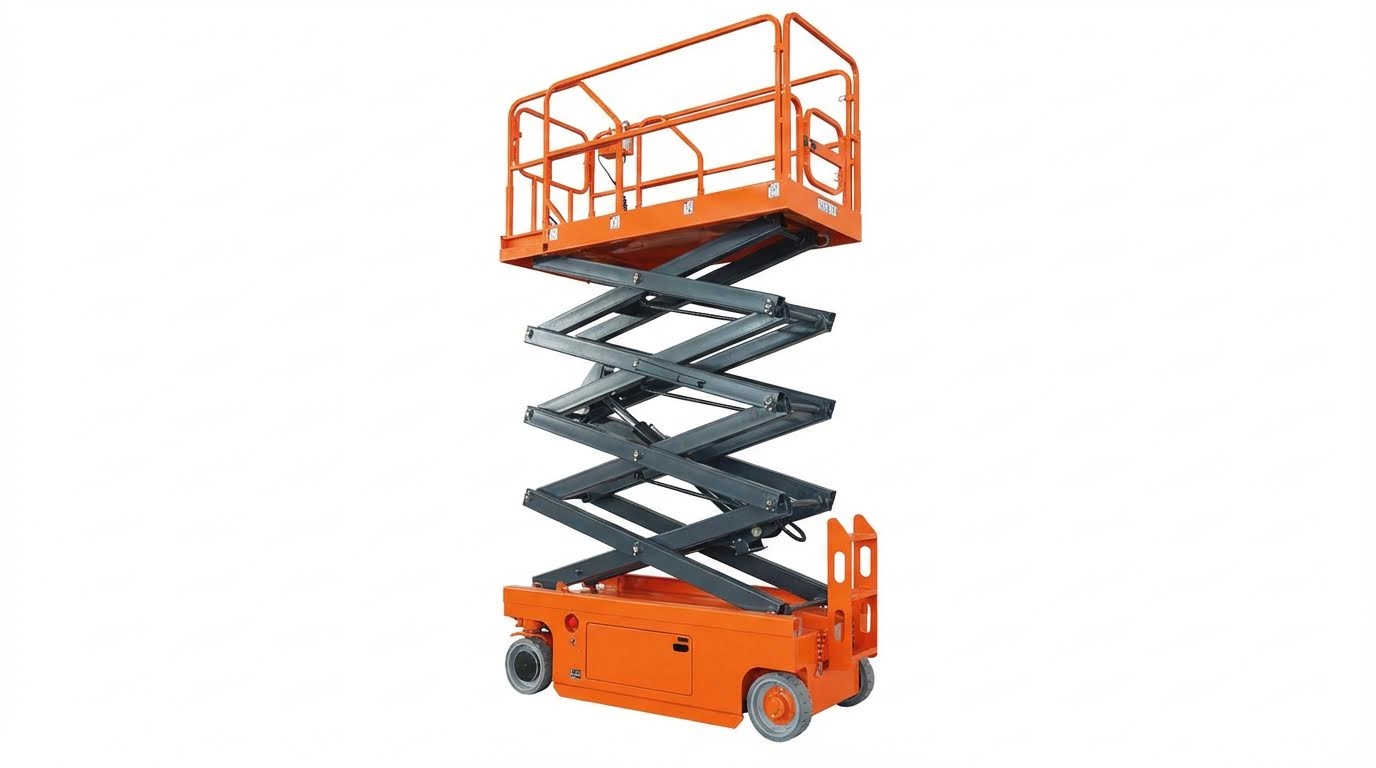
تتفاوت أنظمة نقل الحركة والهيدروليكا ودورة التشغيل بشكل كبير مع الارتفاع، لذا كلما ارتفعنا، زادت الحاجة إلى تخصيص ميزانية لسعة البطارية وحجم المضخة والصيانة للحفاظ على إنتاجية المصعد وسلامته.
تستخدم معظم الرافعات المقصية الصغيرة محركات كهربائية مزودة ببطاريات وأسطوانات هيدروليكية لرفع الأذرع المكدسة. تحظى الوحدات الكهربائية بشعبية واسعة في الأماكن المغلقة لكونها خالية من الانبعاثات وهادئة، بينما تستخدم الطرازات الخارجية الأكبر حجمًا محركات ديزل وأنظمة هيدروليكية ذات سعة أعلى. يؤثر اختيار نظام الدفع بشكل مباشر على عدد دورات الرفع الكاملة التي يمكنك تنفيذها في كل وردية.
| البعد | مقص كهربائي صغير الحجم | مقص كبير / مناسب للأراضي الوعرة | التأثير التشغيلي |
|---|---|---|---|
| مصدر الطاقة | تعمل بالبطارية الكهربائية، بدون انبعاثات محلية مناسب للاستخدام الداخلي | ديزل أو كهرباء ثقيلة | تُناسب الآلات الكهربائية المواقع الداخلية/ذات التهوية المنخفضة؛ بينما تُناسب آلات الديزل نوبات العمل الطويلة في الهواء الطلق |
| نظام الهيدروليكي | أسطوانات أصغر، تدفق أقل، سرعات معتدلة | أسطوانات أكبر، تدفق أعلى، قوة ضخ أعلى | تتطلب المصاعد الأطول كميات أكبر من الزيت والطاقة، مما يزيد من استهلاك الطاقة. |
| دورة العمل | مُحسَّن للمهام الداخلية المتقطعة | صُممت لركوب الدراجات بشكل متكرر وعلى الطرق الوعرة | قد يتطلب الرفع/الخفض عالي التردد عند الارتفاع الكامل بطارية أو محركًا أكبر |
| ضجيج مستوى | ضوضاء منخفضة، مناسب للفنادق والمكاتب ومتاجر البيع بالتجزئة فوائد الضوضاء | مستوى ضوضاء أعلى، مقبول في الهواء الطلق | غالباً ما تحدد المنشآت الحساسة للضوضاء ارتفاعات كهربائية صغيرة. |
- تتطلب عمليات الرفع العالية طاقة أكبر لكل دورة: إن رفع منصة من 0 إلى 8-10 أمتار يستهلك طاقة هيدروليكية أكبر بكثير من رفعها إلى 3-4 أمتار – لذا، تنفد البطاريات بشكل أسرع عند العمل على ارتفاعات شاهقة.
- السرعة الهيدروليكية مقابل الراحة: تؤدي سرعات الرفع الأعلى إلى تحسين الإنتاجية ولكنها تزيد من الأحمال الديناميكية والتأرجح – غالباً ما تستخدم السيارات المدمجة الطويلة سرعات منخفضة للحفاظ على حركة مقبولة على ارتفاعات عالية.
- تؤثر البيئات الباردة على الزيوت والبطاريات: في ظروف التخزين البارد أو الشتاء، تزداد لزوجة الزيت الهيدروليكي وتفقد البطاريات سعتها – يؤدي هذا بشكل فعال إلى تقليل مدى ارتفاع وعدد مرات تشغيل رافعة المقص المدمجة قبل إعادة الشحن.
- تتقلص فترات الصيانة مع ازدياد الارتفاع والاستخدام: زيادة عدد الدورات عند ضغوط أعلى تسرع من تآكل الخراطيم والأختام والمضخات – لذلك، تحتاج المصاعد العالية ذات القدرة العالية على تحمل الأحمال الثقيلة إلى أنظمة فحص أكثر صرامة.
لماذا تُعد دورة العمل مهمة عند التخطيط لأقصى ارتفاع للعمل؟
إذا كانت وظيفتك تتطلب الوصول إلى أقصى ارتفاع للمنصة تقريبًا 30-40 مرة في كل وردية، فلا يمكنك الاكتفاء بالنظر إلى خط "أقصى ارتفاع للعمل". يجب عليك التأكد من أن حزمة البطارية، وتوفر الشاحن، وقدرة التبريد الهيدروليكي قادرة على دعم هذا العدد من دورات التشغيل الكاملة دون ارتفاع درجة الحرارة أو انخفاض الجهد. وإلا، فإن إجابتك العملية حول أقصى ارتفاع يمكن أن تصل إليه رافعة مقصية صغيرة ستكون "فقط خلال النصف الأول من الوردية".
ملاحظة من مهندس ميداني: بالنسبة للمنشآت التي تعمل بنظام ورديتين أو ثلاث، غالبًا ما أوصي باستخدام رافعات مدمجة أقصر قليلاً ذات شوط أصغر، ولكنها أسرع وأكثر كفاءة في نظامها الهيدروليكي. يقضي المشغلون وقتًا أقل في الوصول إلى أقصى ارتفاع، وتدوم البطاريات لفترة أطول، ويتجاوز وقت التشغيل الفائدة النظرية لزيادة متر أو مترين في مدى الوصول.
مطابقة نطاقات الارتفاع مع عمليات المنشأة
ترتبط نطاقات ارتفاع الرافعات المقصية المدمجة ارتباطًا مباشرًا بارتفاع السقف وعرض الممر ونوع المهمة، لذلك يجب عليك تحديد الحجم حسب الوظيفة وهندسة المبنى قبل السؤال عن أقصى ارتفاع يمكن أن تصل إليه الرافعة المقصية المدمجة.
| نطاق ارتفاع العمل | الارتفاع النموذجي للمنصة | حالة الاستخدام النموذجية | أفضل منشأة ملائمة |
|---|---|---|---|
| حتى ~6 مترًا | ~ 4 م | مدخل داخلي منخفض، صيانة خفيفة | مكاتب، متاجر تجزئة، مستودعات ذات مساحات تخزين منخفضة |
| ~6–9 مترًا | ~4–7 مترًا | الصيانة العامة، الإضاءة، مجاري الهواء، الرفوف | مستودعات قياسية، خطوط إنتاج |
| ~9–11.5 مترًا | ~7–9.5 مترًا | مدخل إلى المستودعات العالية، وجرد المخزون، والميزانين | لوجستيات ذات سقوف عالية، طابقين أو ثلاثة طوابق علوية |
توفر الرافعات المقصية الصغيرة عادةً ارتفاع عمل يتراوح بين 3 و9 أمتار (10-30 قدمًا) حسب الطراز، بهيكل ضيق مناسب للمساحات الداخلية الضيقة. تجدون هنا معلومات عن نطاقات الارتفاعات النموذجية للرافعات الصغيرة . إذا كنتم بحاجة إلى ارتفاع عمل يزيد عن 9-10 أمتار بشكل منتظم، فعادةً ما يتم اللجوء إلى الرافعات الكبيرة أو المخصصة للتضاريس الوعرة بدلاً من الرافعات الصغيرة.
ملاحظة من مهندس الموقع: تحقق دائمًا من أدنى العوائق، وليس فقط ارتفاع السقف. في المصانع القديمة، غالبًا ما تقع جسور الأنابيب العلوية أو قنوات الكابلات على ارتفاع يتراوح بين 500 و1,000 ملم أسفل خط العوارض، مما يشكل الحد الأقصى لارتفاع العمل الآمن.
الصيانة الداخلية، والإصلاح والتشغيل، وتركيب الإضاءة
لأغراض الصيانة الداخلية وتركيب الإضاءة، عادةً ما تختار رافعات مقصية صغيرة الحجم في النصف السفلي من نطاق الارتفاع لتقليل الوزن والحمل على الأرض.
- ارتفاع السقف يصل إلى حوالي 4 أمتار: اختر ارتفاع العمل من 5 إلى 6 مترًا – مدى وصول مريح للأضواء واللافتات والقنوات المنخفضة مع هامش أمان.
- ارتفاع السقف ~6-8 أمتار: اختر ارتفاع العمل من 8 إلى 9 مترًا – يغطي معظم مهام الصيانة والإصلاح والتشغيل في المستودعات والصناعات الخفيفة.
- ارتفاع السقف ~8-10 أمتار: اختر ارتفاع العمل من 10 إلى 11 مترًا – مطلوب لأعمال الإضاءة في المستودعات العالية، ورؤوس الرشاشات، وقنوات الكابلات.
توفر الرافعات المقصية المدمجة من هذه الفئة عادةً ارتفاعات عمل تتراوح بين 3 و9 أمتار (10-30 قدمًا) مع منصات ضيقة بعرض يتراوح بين 600 و900 ملم وطول يتراوح بين 1.8 و3.0 أمتار، وتتحمل أوزانًا تتراوح بين 225 و450 كيلوغرامًا (500-1,000 رطل). هذه الأبعاد والقدرات نموذجية للوحدات الكهربائية الداخلية المثبتة على الألواح . غالبًا ما تكون الرافعات المقصية الكهربائية الصغيرة، التي يصل ارتفاع عملها إلى حوالي 6 أمتار (20 قدمًا) والمزودة بإطارات لا تترك علامات، كافية للفنادق والمكاتب ومتاجر البيع بالتجزئة، حيث صُممت خصيصًا لهذه البيئات.
- الطاقة الكهربائية: توفر وحدات البطاريات تشغيلاً خالياً من الانبعاثات – أمر بالغ الأهمية في الأماكن ذات التهوية المحدودة. تسلط الإرشادات الداخلية الضوء على هذه الميزة.
- انخفاض مستوى الضجيج: محركات وأنظمة هيدروليكية هادئة – يقلل من الاضطرابات في المكاتب والمستشفيات والمدارس المشغولة. يُعد الضجيج عاملاً رئيسياً في المباني الحساسة.
- البصمة المدمجة: غالباً ما يكون عرض الهيكل أقل من 800 مم – يسمح بالمرور عبر الأبواب العادية وممرات الخدمة. تُعدّ القدرة على المناورة في الممرات الضيقة هدفًا أساسيًا في التصميم..
ما هو أقصى ارتفاع يمكن أن تصل إليه رافعة مقصية صغيرة الحجم لأعمال الصيانة والإصلاح والتشغيل الداخلية النموذجية؟
لأغراض الصيانة الداخلية وتركيب الإضاءة، تُعدّ الرافعات المقصية المدمجة خيارًا مثاليًا لمعظم المنشآت، حيث توفر ارتفاع عمل يصل إلى 9-10 أمتار. وهذا يغطي غالبية المباني ذات الارتفاع الصافي الذي يتراوح بين 6 و8 أمتار، مع الحفاظ على خفة وزن الماكينة وسهولة نقلها.
التخزين، والممرات الضيقة، وسهولة الوصول إلى المخزون
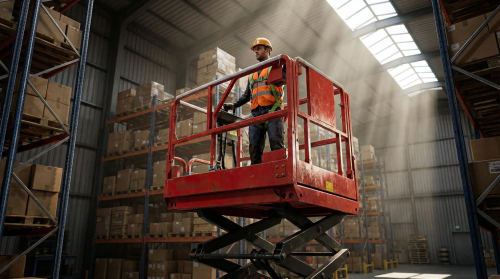
بالنسبة للمستودعات والممرات الضيقة، يمكنك تحديد حجم الرافعات المقصية المدمجة حسب ارتفاع الرفوف وعرض الممر، مع الحفاظ على الهيكل بأضيق ما يمكن مع الاستمرار في الوصول إلى العارضة العلوية.
- رفوف التخزين المنخفضة (حتى ارتفاع 5 أمتار تقريبًا في العارضة العلوية): ارتفاع العمل 6-7 أمتار – عمليات فحص المخزون، وتغيير الملصقات، وعمليات انتقاء بسيطة.
- نظام تعليق متوسط (العارضة العلوية ~6-8 أمتار): ارتفاع العمل 8-9 أمتار – الوصول العام إلى المخزون والصيانة في الطوابق العليا.
- مساحة مرتفعة أو طابق نصفي (مستوى عمل يتراوح بين 9 و11 مترًا تقريبًا): ضع في اعتبارك المصاعد المدمجة عالية الجودة أو انتقل إلى المصاعد الكهربائية المقصية الأكبر حجماً ذات ارتفاعات منصة تصل إلى حوالي 11.9 متر، مما يوفر ارتفاعات عمل أعلى على الأرضيات الملساء. تم توثيق نطاقات الطاقة الكهربائية المسطحة التي يصل ارتفاع منصتها إلى حوالي 11.9 مترًا هنا.
تعتمد رافعات المقص المدمجة في المستودعات على هيكل ضيق وإطارات لا تترك علامات للعمل بين الرفوف وعلى الأرضيات المصقولة. وتؤكد إرشادات الاستخدام الداخلي على حماية الأرضيات وفحوصات الثبات . عادةً ما يكون ارتفاع العمل محدودًا بمدى الثبات الجانبي الذي يمكنك الحفاظ عليه على قاعدة ضيقة بدون دعامات جانبية.
| سيناريو المستودع | الارتفاع الموصى به للعمل | مراعاة الهيكل/الممر | التأثير التشغيلي |
|---|---|---|---|
| مخزن خلفي للبيع بالتجزئة / رفوف خفيفة | 5–7 ملم | ممرات ضيقة للغاية، أبواب بعرض 0.9 متر تقريبًا | استخدم رافعات مقصية كهربائية صغيرة للوصول إلى الرفوف العلوية دون إعاقة الممرات. |
| رفوف البليت القياسية | 7–9 ملم | الممرات ~2.5–3.0 متر | تتشارك مصاعد الألواح المدمجة المساحة مع منتقي الطلبات شبه الكهربائي وعمال فرز الطلبات. |
| حواف الطابق العلوي / الميزانين | 9–11 ملم | تحقق من قدرة تحمل البلاطة وارتفاعات الدرابزين. | قد يتطلب الأمر رافعات مقصية كهربائية أثقل أو وحدات كاملة الحجم. |
ما هو أقصى ارتفاع يمكن أن تصل إليه رافعة مقصية صغيرة في الممرات الضيقة؟
في ممرات المستودعات الضيقة، تعمل الرافعات المقصية المدمجة عادةً ضمن نطاق ارتفاع العمل من 6 إلى 9 أمتار لتحقيق التوازن بين الوصول والثبات على هيكل نحيف. أما الوصول إلى ارتفاعات أعلى فيتطلب غالبًا آلات أعرض وأثقل أو معدات وصول مختلفة.
الاعتبارات النهائية لتحديد مواصفات المصاعد المدمجة
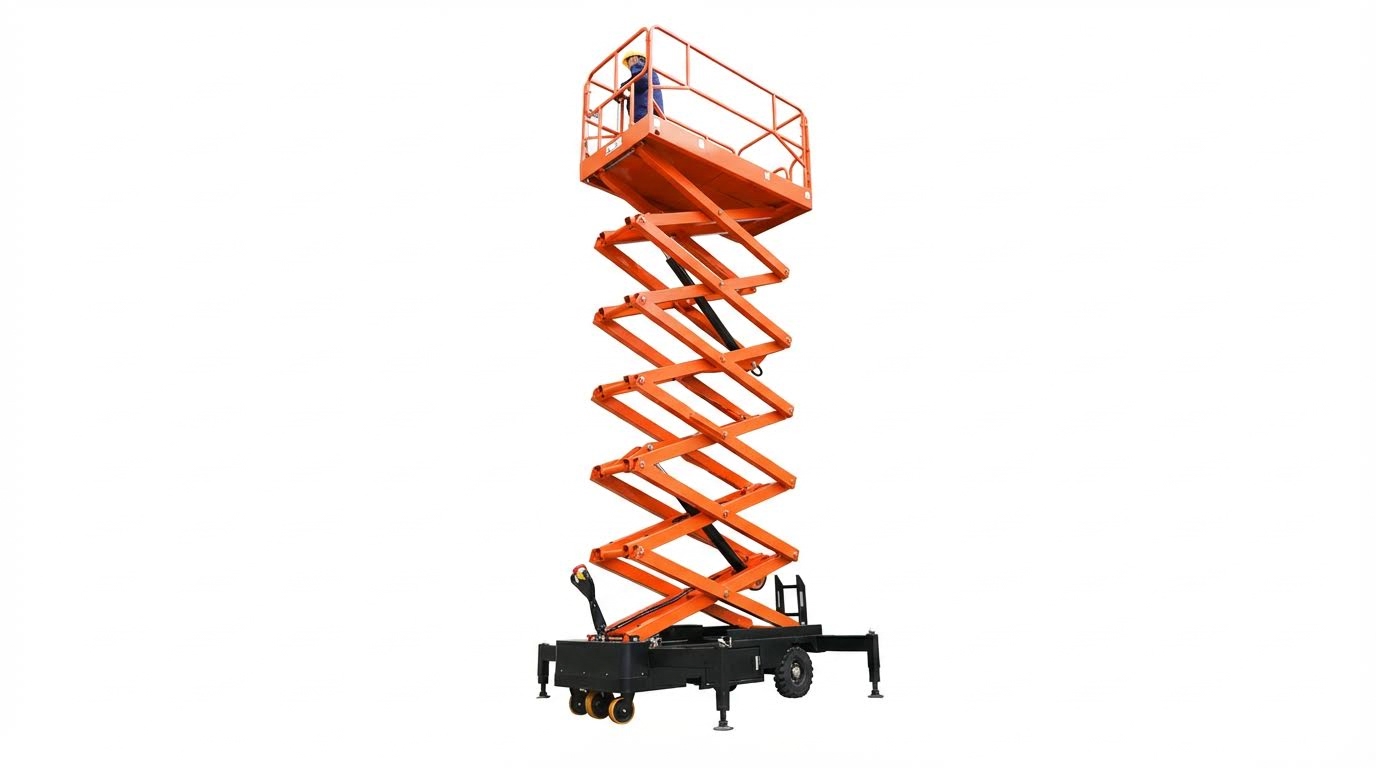
ينبغي أن تُوازن قرارات المواصفات النهائية لرافعات المقص المدمجة بين الارتفاع والحمولة وقوة الأرضية ودورة التشغيل مع قيود المنشأة الفعلية، وليس فقط نطاقات الكتالوج أو السعر. هنا تضمن خيارات آمنة وفعالة ومستدامة.
- وضح "ما هو أقصى ارتفاع يمكن أن تصل إليه رافعة مقصية صغيرة" لموقعك: توفر معظم الوحدات المدمجة ارتفاع عمل يتراوح بين 6 و9 أمتار (10-30 قدمًا)، بينما تصل الطرازات كاملة الحجم إلى 9-18+ مترًا (30-60+ قدمًا). يمنع الإفراط في تحديد مواصفات الآلات الكبيرة للأسقف المنخفضة أو التقليل من تحديد مواصفاتها للرفوف العالية. نطاقات ارتفاع العمل
- افصل دائمًا ارتفاع المنصة عن ارتفاع العمل: عادةً ما يكون ارتفاع العمل هو ارتفاع المنصة + حوالي 2.0 متر، مما يعكس مدى وصول المشغل. يمنعك هذا من اكتشاف في اليوم الأول أن المصعد يتوقف قبل 500 ملم من مكان العمل. المنصة مقابل ارتفاع العمل
- تحقق من مساحة المنصة، واستخدام الإضافة، وتقييم الشخص معًا: تفقد الأسطح المدمجة النموذجية التي يبلغ حجمها حوالي 1,700 مم × 1,000 مم والمزودة بامتدادات منزلقة سعتها في الجزء الممتد وقد يكون لها حد أقصى لتصنيف 2-3 أشخاص. يتجنب التحميل الزائد لمجموعة أدوات طويلة على وصلة ذات سعة منخفضة. حجم سطح السفينة وتقييم الشخص
- قم بمطابقة قدرة التحميل مع المهمة الفعلية، وليس فقط مع وزن الأشخاص: غالباً ما تدعم المصاعد المدمجة ما يقارب 225-450 كجم (500-1,000 رطل)، بينما يمكن أن تصل الطاولات الصناعية إلى 500-2,000 كجم وأكثر. يمنع حدوث أحمال زائدة طفيفة من الأدوات والمواد وصناديق قطع الغيار التي تتم إضافتها لاحقاً. قدرات الرفع الصناعية
- تأكد من قدرة تحمل الأرضية من خلال الهندسة، وليس التخمين: يمكن أن يتراوح وزن المصاعد ذاتية الدفع المدمجة بين 1,500 و3,000 كجم، وتتجاوز الوحدات الخارجية الأكبر حجماً 3,500 كجم، مما يركز الأحمال في مساحات صغيرة للعجلات. يحمي ألواح المستودعات والميزانين من التشققات أو الانهيارات الناتجة عن الاختراق. وزن الآلة وفحص الألواح
- مراعاة الاستقرار، ومعدلات مقاومة الرياح، وحدود لوحة البيانات: يعتمد الاستقرار على مركز الثقل وعرض الهيكل وأي دعامات خارجية، مع تخصيص سرعات رياح قصوى للطرازات المصنفة للاستخدام الخارجي حوالي 11-12.5 م/ث. يقلل من خطر الانقلاب عند العمل بالقرب من الأبواب أو الأرصفة أو الأحواض المفتوحة. حدود الرياح والاستقرار
- تطبيق قواعد تخفيض التصنيف للإضافات والرياح والملحقات: تتطلب المعايير وتعليمات الشركة المصنعة قدرات أقل عند استخدام ملحقات المنصة أو العمل في مناطق ذات رياح أعلى. يمنع ذلك المواصفات "الورقية المتوافقة" من أن تصبح غير آمنة بمجرد تغير واقع مواقع العمل. إرشادات خفض التصنيف
- اختر الكهرباء مقابل الديزل بناءً على البيئة ودورة التشغيل: توفر المصاعد المدمجة التي تعمل بالبطارية تشغيلًا خاليًا من الانبعاثات ومنخفض الضوضاء للعمل الداخلي، في حين أن وحدات الديزل والتضاريس الوعرة تناسب المهام الخارجية الثقيلة بسعات أعلى تصل إلى حوالي 750 كجم. يُواءم نظام نقل الحركة مع حدود التهوية، وطول تغيير السرعات، والتضاريس. الاستخدام الكهربائي الداخلي خيارات مجموعة نقل الحركة
- ضع في اعتبارك سرعة النظام الهيدروليكي وكفاءة الطاقة للمهام المتكررة: تستخدم النماذج ذات السعة العالية أو ذات الشوط الطويل أسطوانات أكبر ومعدلات تدفق أعلى، مما يزيد من قوة المضخة واستهلاك الطاقة، ولكن الصمامات النسبية والتخفيض التجديدي يمكن أن يستعيد الطاقة. يحسن الإنتاجية ويقلل من تكاليف الكهرباء أو الوقود في المواقع متعددة الورديات. الكفاءة الهيدروليكية
- قم بتثبيت ميزات السلامة وأنظمة الفحص في مرحلة تحديد المواصفات: توفر المصاعد الحديثة استشعارًا للحمل الزائد، ومستشعرات للميل، ومفاتيح إيقاف طارئة، وأنظمة تحكم مزدوجة، لكنها لا تعمل إلا عند اقترانها بعمليات فحص يومية ومشغلين مدربين. يبني استراتيجية وصول متوافقة ومنخفضة الحوادث بدلاً من الاعتماد على معدات الوقاية الشخصية وحدها. عمليات التفتيش والتدريب أنظمة أمان متكاملة
- تحقق من الامتثال لمعيار ANSI/EN280 واللوائح المحلية: ينبغي على قسم المشتريات التأكد من أن المصعد الصغير يفي بمعايير ANSI و EN280 و CE وأي قوانين محلية، وأن الوثائق ولوحات البيانات كاملة. يقلل من المخاطر القانونية ويبسط عمليات التدقيق، خاصة في أساطيل المركبات متعددة المواقع. المعايير والامتثال
كيفية اختيار المصعد الصغير المناسب بسرعة
استخدم هذا الفلتر السريع قبل التعمق في النموذج:
- الخطوة 1 : تأكد من أقصى ارتفاع مطلوب للعمل بالأمتار، ثم احسب ارتفاع المنصة عكسيًا. يضمن هذا أن تتم الإجابة على سؤال "ما هو أقصى ارتفاع يمكن أن تصل إليه رافعة مقصية صغيرة؟" بناءً على مهمتك الفعلية، وليس على الحد الأقصى المذكور في الكتيبات.
- الخطوة 2 : اذكر أسوأ حالة للحمل الحي بالكيلوغرام (الأشخاص + الأدوات + المواد). يمنع تراكم الإرهاق مع تطور المهام.
- الخطوة 3 : قم بقياس أضيق باب أو ممر أو مساحة دوران بالمليمتر. يستبعد النماذج التي لا يمكنها الوصول فعلياً إلى منطقة العمل.
- الخطوة 4 : تحقق من بيانات تصميم الأرضية أو اطلب من مهندس التحقق من الأحمال النقطية. يحمي الألواح والميزانين والأرضيات المعلقة.
- الخطوة 5 : اختر بين السيارات الكهربائية والديزل بناءً على التهوية وحدود الضوضاء ونمط تغيير السرعات. يتوافق مع أهداف جودة الهواء الداخلي ووقت التشغيل.
ملاحظة من مهندس ميداني: عند رفع رافعات المقص الصغيرة إلى أقصى ارتفاع ممكن، حتى الإضافات الصغيرة - مثل رفوف الأنابيب، والبطاريات الإضافية، والأدوات الثقيلة - قد تؤثر سلبًا على ثباتها وقدرتها. لذا، يُرجى دائمًا إعادة فحص حدود لوحة البيانات وأي ملاحظات تتعلق بتخفيض القدرة بعد تركيب الملحقات أو تغيير الاستخدام المقصود؛ فالقدرة عند التسليم لا تتطابق دائمًا مع القدرة عند التشغيل في الموقع.
الاعتبارات النهائية لتحديد مواصفات المصاعد المدمجة
لا تعتمد سلامة الرافعات المقصية المدمجة على تصنيف الارتفاع فقط، بل على مدى ملاءمة ارتفاع المنصة، وارتفاع العمل، والحمولة، ونظام الدفع مع هندسة المبنى والمهام الفعلية. عند اختيار الحجم المناسب، يعمل المشغلون ضمن نطاق أمان مستقر بدلاً من العمل على حافة حدود الأمان.
تحدد نطاقات الارتفاع ما هو ممكن، لكن حمولة الأرضية وعرض الممر وتصميم الرفوف هي التي تحدد ما هو آمن فعليًا. فكلما زاد الارتفاع، ارتفع مركز الثقل، وزادت أحمال العجلات، وانخفضت حمولة الأفراد في كثير من الأحيان. لذلك، يجب التعامل مع الامتدادات وحدود الرياح وقواعد خفض الحمولة كمدخلات تصميمية، لا كتفاصيل ثانوية.
أفضل الممارسات بسيطة. أولاً، حدد ارتفاع العمل الفعلي وأقصى حمولة حية محتملة. ثانياً، تحقق من مسارات الوصول وقدرة تحمل البلاطة. ثالثاً، اختر بين الكهرباء أو الديزل بناءً على جودة الهواء ودورة التشغيل ومستوى الضوضاء. أخيراً، ثبّت إجراءات الفحص وتدريب المشغلين لضمان قيام أنظمة السلامة المدمجة بوظيفتها على أكمل وجه.
عادةً ما ينتهي الأمر بفرق المشتريات والهندسة التي تتبع هذه الطريقة إلى استخدام مصاعد مدمجة أقصر وأخف وزنًا، مع الحفاظ على قدرتها على إنجاز جميع المهام، ولكن بثبات أعلى ووقت تشغيل أطول. تدعم شركة Atomoving هذا النهج من خلال توفير نماذج مدمجة مصممة خصيصًا لتناسب نطاقات ارتفاع محددة، وظروف الأرضيات، ودورات التشغيل، مما يتيح لك اختيار المصعد الأنسب لحالة استخدام واضحة ومحددة.
الأسئلة الشائعة
ما هو أقصى ارتفاع يمكن أن تصل إليه رافعة مقصية صغيرة؟
يبلغ ارتفاع منصة الرافعة المقصية المدمجة عادةً من 12 إلى 20 قدمًا، ما يعني ارتفاع عمل يتراوح بين 18 و26 قدمًا. صُممت هذه الرافعات للمهام التي تتطلب الوصول إلى ارتفاعات منخفضة، وهي مثالية للمساحات الضيقة نظرًا لصغر حجمها. لمزيد من المعلومات التفصيلية، يُرجى الرجوع إلى دليل ارتفاعات الرافعات المقصية.
ما هو أطول رافعة مقصية متوفرة؟
أطول رافعة مقصية في العالم هي رافعة دينجلي 3730HRT، التي يصل ارتفاع عملها إلى 37 مترًا (حوالي 121 قدمًا). هذا الطراز استثنائي وغير مألوف بالنسبة للرافعات المقصية المدمجة القياسية. لمعرفة المزيد عن هذه الآلة الرائعة، اطلع على هذه المقالة حول أطول رافعة مقصية في العالم.
هل توجد أي قواعد سلامة خاصة بالرافعات المقصية؟
نعم، لدى إدارة السلامة والصحة المهنية (OSHA) قواعد سلامة محددة لتشغيل الرافعات المقصية. لا يُسمح للموظفين باستخدام السلالم أو الحواجز للوصول إلى مواقع أعلى على الرافعة، لأن ذلك قد يُؤثر على ثباتها. كما يُحظر الانحناء فوق الحواجز. للاطلاع على إرشادات السلامة الشاملة، يُرجى زيارة هذا المصدر الخاص بسلامة الرافعات المقصية وفقًا لمعايير إدارة السلامة والصحة المهنية (OSHA).