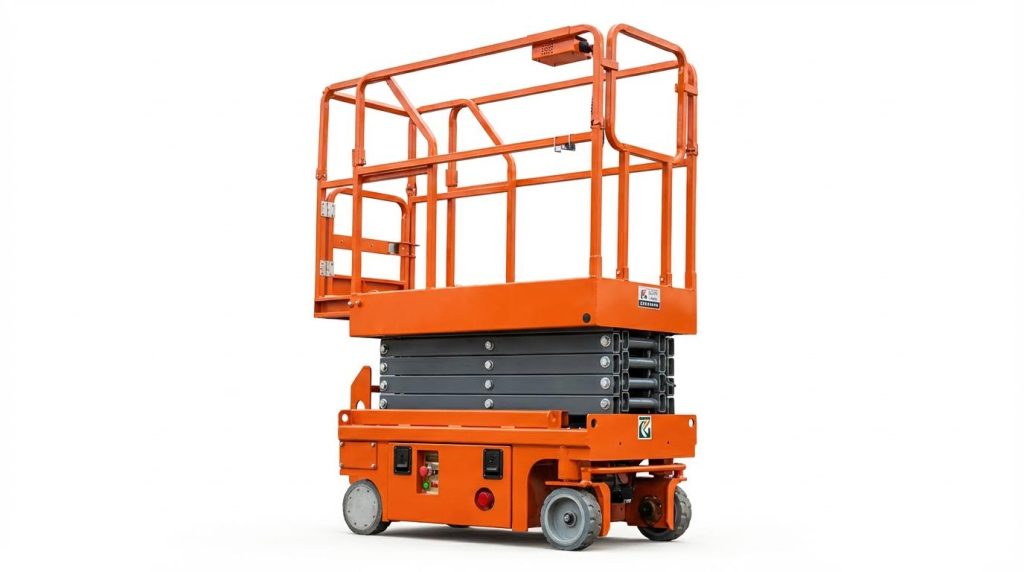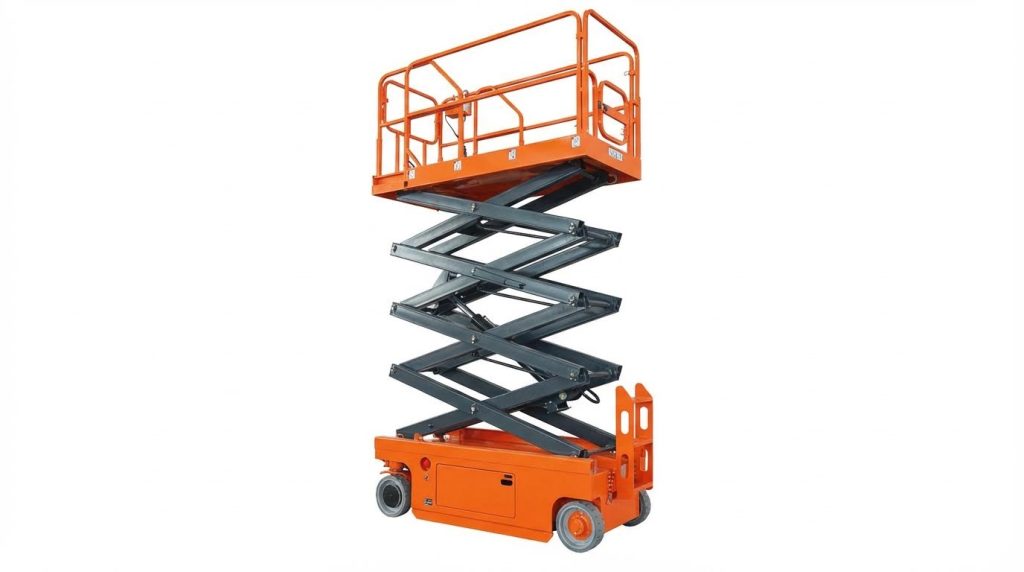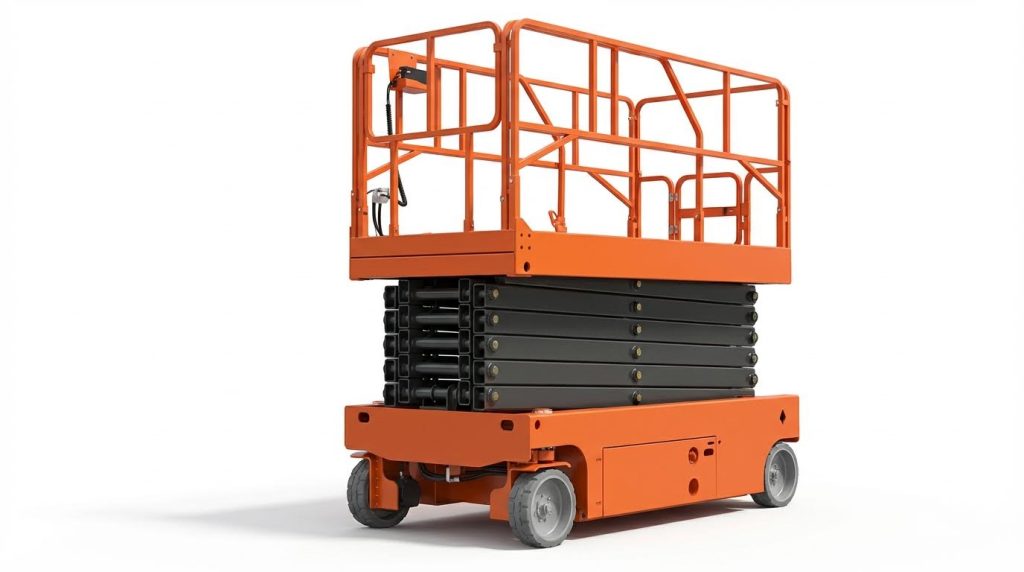
لضمان التشغيل الآمن للرافعات المقصية على ارتفاعات عالية، يحتاج المشغلون إلى تدريب رسمي على منصات العمل المرتفعة، وتعليمات خاصة بالموقع، وتقييم عملي يفي بمعايير إدارة السلامة والصحة المهنية (OSHA) ومعايير المعهد الوطني الأمريكي للمعايير/معايير السلامة الكندية (ANSI/CSA) لمنصات العمل المرتفعة. إذا كنت تتساءل "هل يلزم التدريب على العمل على ارتفاعات عالية لتشغيل الرافعات المقصية؟"، فالإجابة هي نعم: يجب أن تتلقى تدريبًا على تشغيل منصة الرافعات المقصية وعلى إجراءات الحماية من السقوط أثناء العمل على ارتفاعات عالية قبل بدء العمل.
يُفصّل هذا الدليل المواضيع التدريبية الأساسية، بدءًا من تصنيفات المعدات والواجبات القانونية وصولًا إلى الحماية من السقوط، وتخطيط عمليات الإنقاذ، وعمليات التفتيش، وصيانة البطاريات. استخدمه كقائمة مرجعية لمواءمة برنامجك التدريبي الداخلي مع متطلبات OSHA 29 CFR 1910/1926، وANSI A92، وCSA B354 لضمان العمل الآمن والمتوافق مع معايير منصات الرفع الجوية.
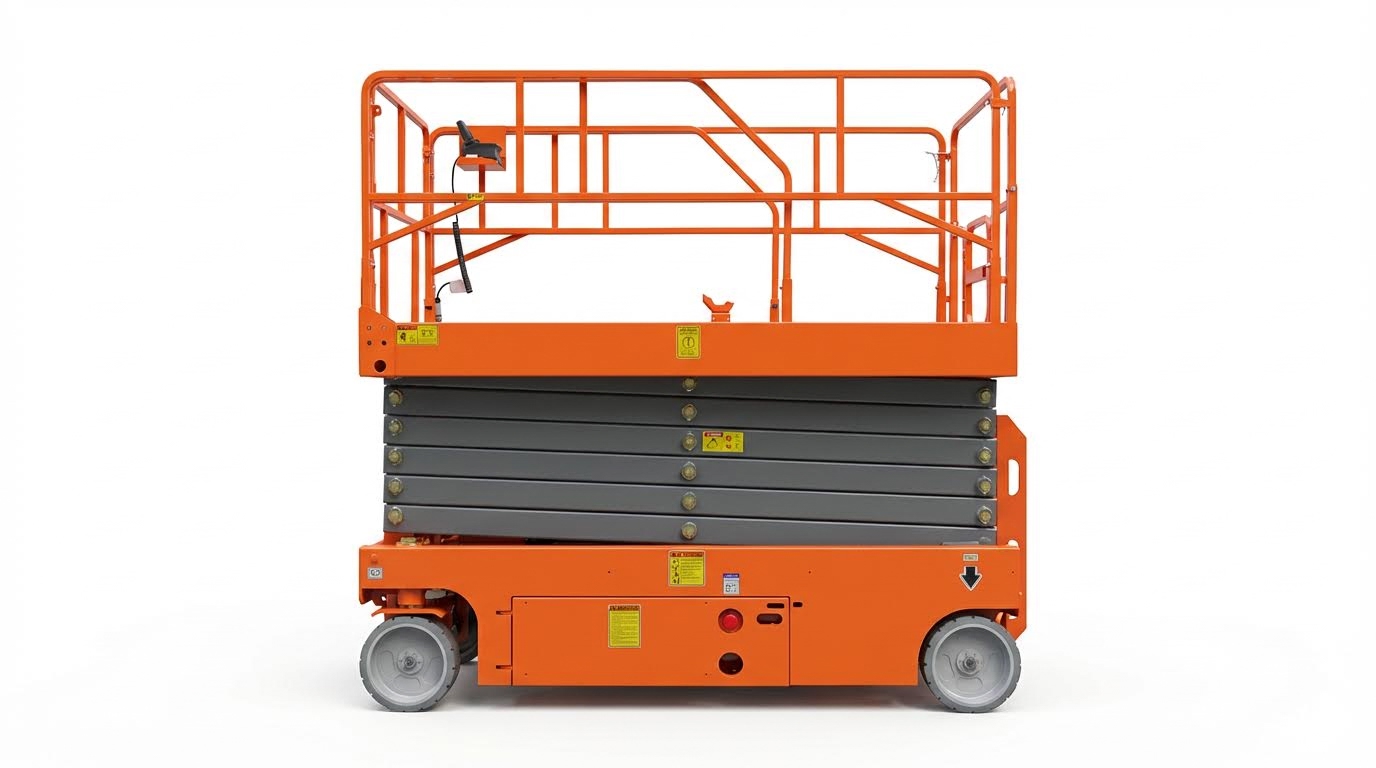
التدريب الأساسي لمشغلي الرافعات المقصية والرافعات المتحركة
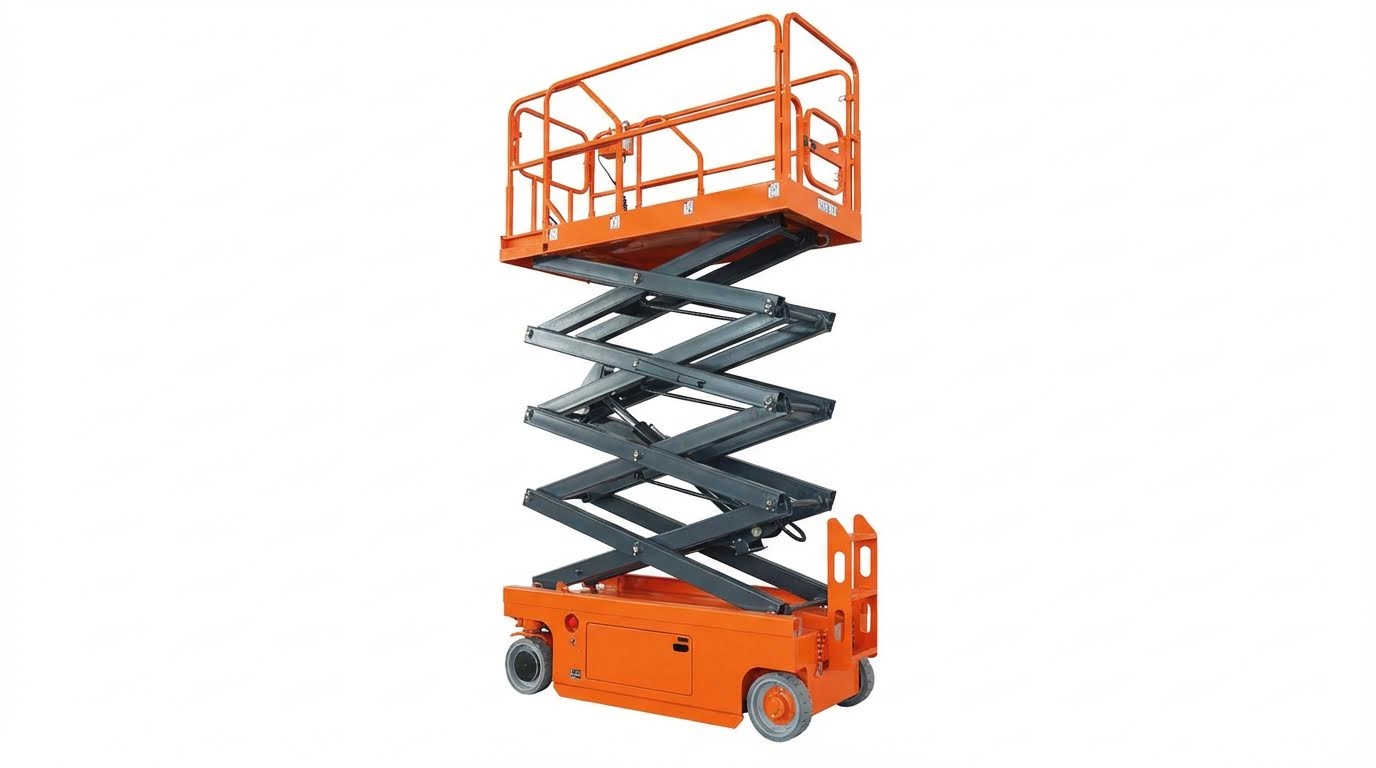
يجب أن يشمل التدريب الأساسي على الرافعات المقصية ورافعات العمل الجوية المتنقلة فئات المعدات والمخاطر الرئيسية والواجبات التنظيمية والتشغيل العملي حتى يبقى المشغلون ضمن حدود التصميم والمتطلبات القانونية عند العمل على ارتفاعات عالية.
يتساءل الكثير من الناس "هل تحتاج إلى العمل على ارتفاعات لاستخدام رافعة المقص؟" - من الناحية العملية، يتوقع المنظمون كلاً من التدريب الخاص برافعات العمل المتنقلة على ارتفاعات وكفاءة العمل على ارتفاعات عامة لأي شخص يستخدم منصة مقصية.
تصنيفات منصات العمل الجوية المتنقلة وأساسيات الرافعات المقصية
يحتاج المشغلون أولاً إلى فهم ماهية الرافعة المقصية، وكيفية تصنيف منصات العمل المتحركة، وكيف تؤثر هذه الفئات على الاستخدام الآمن ومحتوى التدريب.
منصات الرفع المقصية هي منصات عمل متحركة مدعومة، تُشبه السقالات، وتُستخدم لنقل العمال عموديًا باستخدام عوارض متقاطعة بحركة مقصية، وتُعامل كمنصات رفع عمل وفقًا لمعايير إدارة السلامة والصحة المهنية (OSHA) والمعهد الوطني الأمريكي للمعايير (ANSI). وتصفها إدارة السلامة والصحة المهنية بأنها منصات عمل متحركة مدعومة، وتشير إلى أنها تشترك في العديد من المخاطر مع السقالات عند تمديدها وثباتها.
تُصنّف المعايير الحديثة الرافعات المقصية ضمن فئة أوسع هي منصات العمل المتحركة المرتفعة (MEWPs)، والتي تخضع للوائح ANSI A92.22 وA92.24 فيما يتعلق بالاستخدام الآمن ومحتوى التدريب. وتُحدد هذه المعايير المواضيع الإلزامية لتدريب مشغلي منصات العمل المتحركة المرتفعة ومسؤوليات أصحاب العمل.
| مفهوم وتصميم المنتج | ماذا تعني | التأثير التشغيلي |
|---|---|---|
| رفع المقص | منصة رفع ذاتية الدفع تستخدم أذرعًا مقصية للحركة الرأسية | الوصول عمودي فقط؛ يجب على المشغل تحديد الموضع قبل الرفع |
| سقالة مدعومة بالهواتف المحمولة | تصنيف إدارة السلامة والصحة المهنية (OSHA) للمنصات المتحركة المستخدمة كأسطح عمل | يُفعّل قواعد من نوع السقالات لحماية السقوط وظروف السطح |
| ميووب | منصة عمل متحركة قابلة للرفع (تشمل الرافعات المقصية، والرافعات ذات الذراع، والرافعات العمودية) | يجب أن يتوافق التدريب مع نوع رافعة العمل المتنقلة والطراز المحدد المستخدم |
| معايير التصميم | سلسلة معايير ANSI A92 والمعايير المماثلة التي تحكم تصميم أجهزة السلامة | يحدد ارتفاع الحواجز الواقية، وأجهزة الإنذار، واختبارات الثبات، وتصميمات التحكم. |
- تعريف المعدات: تُعرَّف الرافعات المقصية بأنها منصات رفع ذاتية الدفع، وليست رافعات شوكية أو سلالم – هذا يغير المعايير والتدريبات المطبقة.
- حدود الحركة: معظم الرافعات المقصية تتحرك عمودياً فقط، ويجب عدم قيادتها وهي مرفوعة بالكامل – يجب على المشغلين تحديد الموضع الصحيح قبل الرفع.
- المخاطر الرئيسية: السقوط، والانقلاب، والصعق بالكهرباء، والسحق هي فئات المخاطر الرئيسية – يجب أن يوضح التدريب كيفية نشوء كل خطر في الوظائف الحقيقية.
- دور الحاجز الواقي: تُعدّ الحواجز الواقية وسيلة الحماية الأساسية من السقوط في الرافعات المقصية – يجب على المشغلين التحقق من سلامة الجهاز قبل كل استخدام.
- رابط العمل على المرتفعات: نظراً لأن المنصات تصل عادةً إلى ارتفاع 6-12 متراً، فإن الجهات التنظيمية تعتبر هذا العمل "عملاً على ارتفاعات عالية" – يكمل التدريب العام على العمل في المرتفعات التدريب الخاص بمنصة العمل المتحركة.
لماذا تُعدّ فئة MEWP مهمة للتدريب؟
تختلف أنواع منصات العمل الجوية المتحركة (العمودية، والمقصية، والذراع) في نطاق استقرارها ومدى وصولها وسلوكيات التحكم بها. ويقلل التدريب الذي يتناسب مع الفئة والنموذج المحددين من الثقة المفرطة وسوء الاستخدام عند التبديل بين المنصات.
ملاحظة من مهندس ميداني: خلال مراجعات الحوادث، لاحظتُ مرارًا أن المشغلين المدربين على الرافعات المفصلية يفترضون أن الرافعات المقصية "أبسط" ويتجاهلون فحوصات ما قبل الاستخدام. تعامل مع كل فئة من فئات منصات العمل الجوية المتحركة على أنها فريدة؛ فحركة المنصة، وشعور الكبح، وهوامش الثبات تختلف اختلافًا كبيرًا، لدرجة أن العادات المكتسبة من نوع ما قد تخلق نقاط ضعف في نوع آخر.
الواجبات التنظيمية لأصحاب العمل والمشغلين
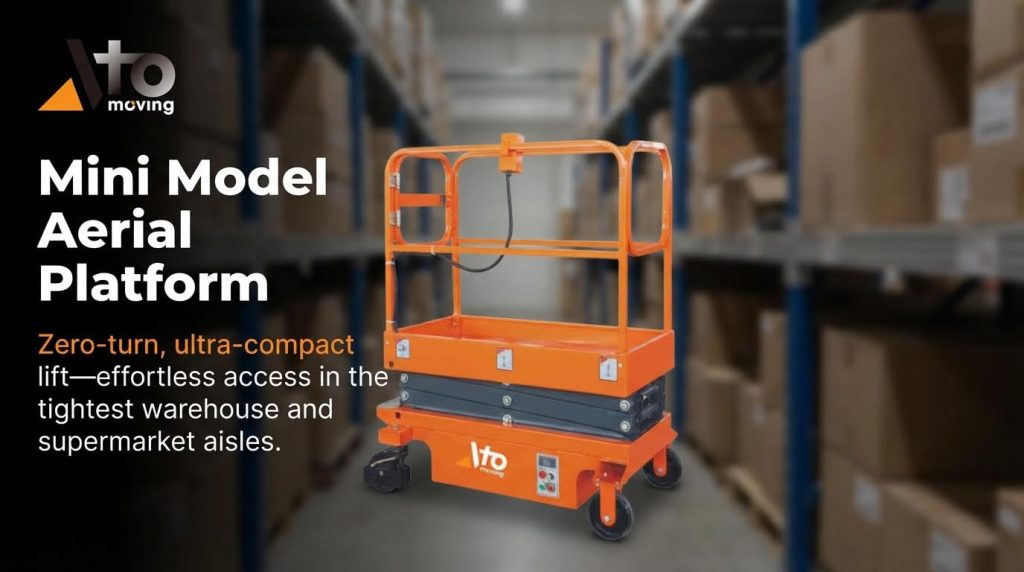
يعتمد الاستخدام الآمن لرافعات المقص على قيام أصحاب العمل بتوفير التدريب والتقييمات والإشراف المتوافق مع المعايير، وعلى التزام المشغلين بالإجراءات وعمليات التفتيش والحدود في كل نوبة عمل.
تُحمّل معايير إدارة السلامة والصحة المهنية (OSHA) والمعهد الوطني الأمريكي للمعايير (ANSI) أصحاب العمل مسؤولية ضمان تدريب المشغلين وتقييمهم وكفاءتهم قبل استخدام الرافعات المقصية، بما في ذلك المحتوى المتعلق بالمخاطر وعمليات التفتيش والحماية من السقوط. وتشترط إدارة السلامة والصحة المهنية (OSHA) الامتثال لمعايير صناعية عامة ومعايير بناء متعددة فيما يخص السقالات والحماية من السقوط والتدريب ، بينما تحدد معايير المعهد الوطني الأمريكي للمعايير A92.22/A92.24 متطلبات التدريب والتعريف والتخطيط لعمليات الإنقاذ على منصات العمل الجوية المتحركة (MEWP).
| النوع | الواجبات القانونية / القياسية الرئيسية | التأثير التشغيلي |
|---|---|---|
| صاحب العمل | توفير التدريب الذي يفي بمعايير إدارة السلامة والصحة المهنية (OSHA) 29 CFR 1910/1926 ومعايير المعهد الوطني الأمريكي للمعايير A92.22/A92.24؛ ضمان تقييم المشغلين وكفاءتهم | يجب تحديد مواعيد التدريب والتقييمات العملية وجلسات التنشيط؛ ولا يمكن الاعتماد فقط على بطاقات جهات خارجية. |
| صاحب العمل | الاحتفاظ بسجلات التدريب والتقييم؛ والحفاظ على صلاحية الشهادات (غالباً ما تكون صالحة لمدة 5 سنوات بموجب مخططات على غرار CSA). | يدعم عمليات التدقيق ويثبت بذل العناية الواجبة بعد وقوع الحوادث. |
| صاحب العمل | تأكد من بقاء كتيبات التعليمات على الجهاز في حجرة مقاومة للعوامل الجوية | يمكن للمشغلين الرجوع إلى تعليمات التشغيل والصيانة الموجودة في الموقع |
| المُشغل | قم بإجراء عمليات فحص ما قبل بدء التشغيل في كل وردية | يكشف عن تسربات الزيت الهيدروليكي، أو حواجز الحماية التالفة، أو أدوات التحكم المعيبة قبل الاستخدام |
| المُشغل | اتبع تعليمات الشركة المصنعة، وحدود الوزن، وقواعد الموقع. | يقلل من مخاطر الانقلاب، والحمل الزائد على الهيكل، والتلامس الكهربائي |
| المُشغل | استخدم الحواجز الواقية وأي وسائل حماية شخصية من السقوط مطلوبة بشكل صحيح | يخفف من أكثر المخاطر المميتة شيوعاً: السقوط من المرتفعات |
- محتوى التدريب: تتطلب المعايير تناول مواضيع مثل التعرف على المخاطر، والتشغيل الآمن، وعمليات التفتيش، وإجراءات الطوارئ – ليس فقط "كيفية قيادة" المصعد.
- تقييم صاحب العمل: تدعم الدورات التدريبية التي تقدمها جهات خارجية الامتثال، ولكن لا يزال يتعين على أصحاب العمل تقييم كل مشغل على المعدات الفعلية – الشهادات الورقية وحدها لا تكفي.
- فترة الاعتماد: تستمر شهادات تشغيل منصات العمل الجوية المتنقلة عادةً لمدة تصل إلى 5 سنوات تقريبًا، مع إمكانية إعادة التدريب في وقت مبكر بعد وقوع الحوادث أو تراجع المهارات. هذا يمنع المشغلين "الصدئين" من العودة إلى العمل دون تحديث.
- العمل في المرتفعات: إذا كانت منطقتك تتطلب دورة تدريبية للعمل على ارتفاعات، فيجب على أصحاب العمل التأكد من حصول مستخدمي الرافعات المقصية عليها بالإضافة إلى التدريب على الرافعات المتحركة على ارتفاعات عالية. هذا يجيب على سؤال "هل تحتاج إلى العمل على ارتفاعات لرافعة المقص؟" من زاوية الامتثال.
- مسؤولية المشغل: حتى مع التدريب، يجب على المشغلين رفض الظروف غير الآمنة مثل غياب الحواجز الواقية، أو سوء حالة الأرض، أو خطوط الكهرباء العلوية – هذا حق وواجب في آن واحد.
كيف ترتبط عمليات التفتيش اليومية بالواجبات القانونية
تتطلب المعايير إجراء فحوصات ما قبل التشغيل في بداية كل وردية، تشمل فحص تسربات الزيت الهيدروليكي، والإطارات، وحواجز الأمان، والملصقات، وأجهزة التحكم في حالات الطوارئ. أي عطل يستدعي إيقاف تشغيل الرافعة حتى إصلاحها. تُعد هذه الفحوصات جزءًا من مسؤوليات صاحب العمل في منع الحوادث، وواجب المشغل في توخي الحذر.
ملاحظة من مهندس ميداني: في العديد من المواقع، كانت المشكلة الوحيدة المتعلقة بالتدريب التي تم اكتشافها بعد وقوع حادث هي فقدان سجلات التنشيط أو التقييم. غالبًا ما كان المشغل يعرف ما يجب فعله، لكن صاحب العمل لم يتمكن من إثبات ذلك. لذا، احرص على تضمين حفظ السجلات (سجلات الحضور، نماذج التقييم، سجلات الأرقام التسلسلية) في عملية التدريب منذ اليوم الأول.
العمل على ارتفاعات وكفاءات نظام السلامة
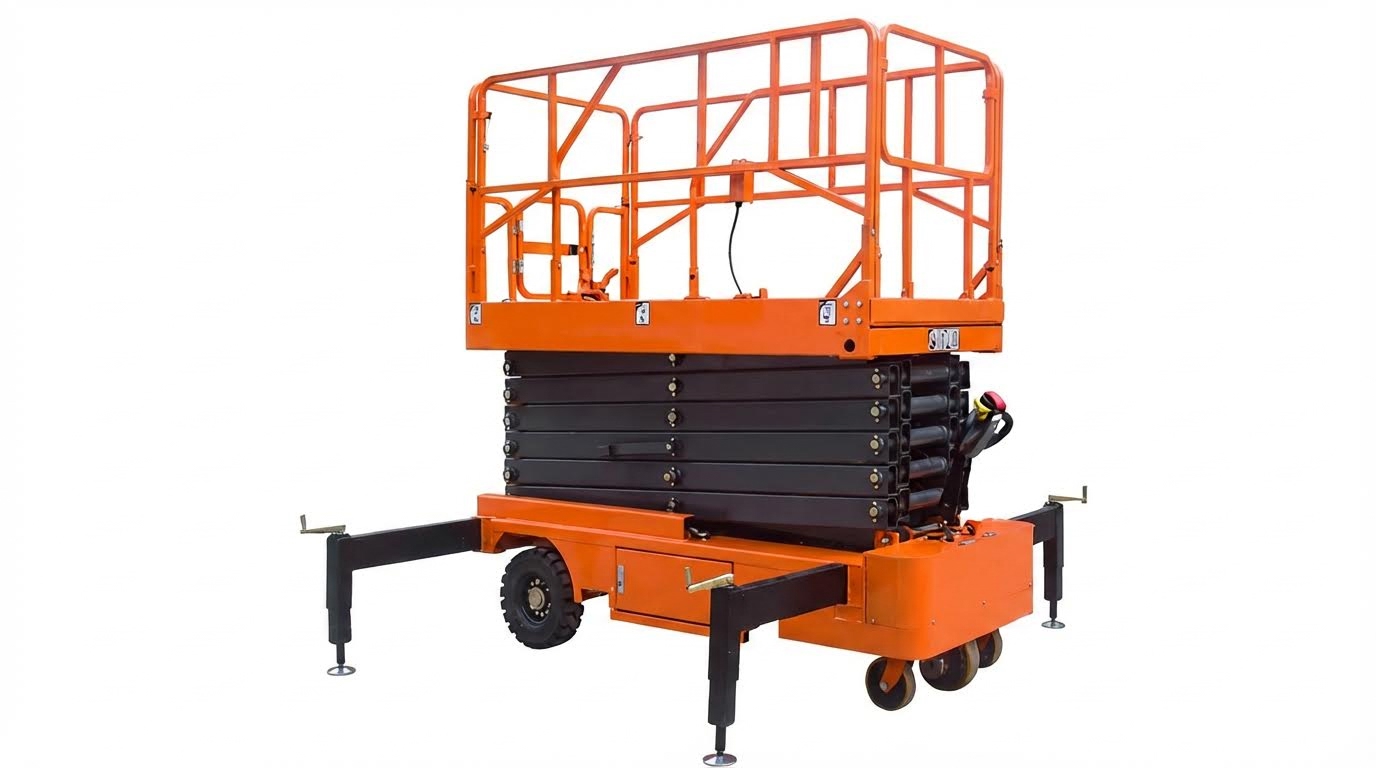
يُتيح التدريب على العمل في المرتفعات باستخدام الرافعات المقصية للمشغلين فهم مخاطر السقوط، وحواجز الأمان، ومعدات الحماية الشخصية، وخطط الإنقاذ قبل مغادرة الأرض. ويُجيب هذا التدريب بشكل مباشر على سؤال "هل تحتاج إلى تدريب على العمل في المرتفعات لاستخدام الرافعات المقصية؟" بنعم قاطعة في معظم المناطق.
تعتبر الجهات التنظيمية الرافعات المقصية بمثابة سقالات متحركة مدعومة، لذا تُطبق قواعد الحماية من السقوط والعمل على ارتفاعات كلما كان من الممكن أن تُعرّض المنصة العمال لخطر السقوط. يجب أن يتوافق التدريب مع أحكام الحماية من السقوط الصادرة عن إدارة السلامة والصحة المهنية (OSHA) 1910/1926 ومعيار المعهد الوطني الأمريكي للمواصفات القياسية (ANSI) A92، بالإضافة إلى دليل الشركة المصنعة. تصنف إدارة السلامة والصحة المهنية الرافعات المقصية ضمن قواعد السقالات وتُلزم بتوفير الحماية من السقوط والتدريب اللازم.
- إجابة مباشرة – هل تحتاج إلى العمل على ارتفاعات لتركيب رافعة مقصية؟ نعم – أنت بحاجة إلى تدريب رسمي على العمل في المرتفعات/الحماية من السقوط يشمل الحواجز الواقية، وأنظمة الحماية من السقوط/التقييد، والإنقاذ قبل العمل في المرتفعات – هكذا يثبت أصحاب العمل بذل العناية الواجبة بموجب قواعد OSHA/ANSI.
- هدف الكفاءة الأساسية: تعامل مع كل ارتفاع على أنه خطر سقوط مُدار، وليس مجرد "رحلة مصعد" – تمنع هذه العقلية أكثر أنواع الوفيات شيوعاً على الرافعات المقصية: السقوط.
ملاحظة من مهندس ميداني: في المشاريع الحقيقية، كانت معظم حالات السقوط الوشيكة ناتجة عن ميل الأشخاص أو تسلقهم داخل السلة، وليس عن عطل في الحواجز الواقية. يركز التدريب الجيد على العمل في المرتفعات على سلوك الأفراد أكثر من تركيزه على مخططات المعدات.
التسلسل الهرمي للحماية من السقوط واستخدام الحواجز الواقية
إن نظام الدرابزين هو وسيلة الحماية الأساسية من السقوط في رافعة المقص، ويجب تدريب المشغلين على التعامل معه كحاجز سلبي يعمل باستمرار.
وفقًا لقواعد إدارة السلامة والصحة المهنية (OSHA) الخاصة بالسقالات، يجب تركيب حواجز الحماية على الرافعات المقصية قبل استخدامها. يجب على العمال الوقوف على أرضية المنصة، وليس على القضبان أو القضبان الوسطى أو أي أجسام مرتجلة. تُحدد إدارة السلامة والصحة المهنية حواجز الحماية كإجراء وقائي أساسي ضد السقوط، وتؤكد على الاستخدام الصحيح لها ، كما تؤكد إرشادات أخرى على أن حواجز الحماية هي النظام الأساسي في الرافعات المقصية. وتؤكد موارد Toolbox هذا الأمر، مشيرةً إلى أن حواجز الحماية هي وسيلة الحماية الرئيسية ضد السقوط، وأن مواد PFAS تُضاف عند الحاجة إليها من قِبل الشركة المصنعة أو حسب طبيعة المهمة.
- التسلسل الهرمي للحماية من السقوط: تجنب العمل على ارتفاعات عالية → استخدم الضوابط الهندسية (حواجز الحماية، تصميم المنصة) → استخدم الضوابط الإدارية (الإجراءات، مناطق الاستبعاد) → استخدم معدات الوقاية الشخصية (PFAS/التقييد) – هذا هو "التسلسل الهرمي للضوابط" القياسي المطبق على حالات السقوط.
- التدريب على سلامة حواجز الأمان: تأكد من وجود القضبان العلوية والوسطى وألواح الحماية السفلية والبوابات، وأنها مثبتة بدبابيس وغير تالفة قبل عملية الرفع – أي مكون مفقود أو تالف يعني أن المصعد غير آمن للاستخدام.
- نظام البوابات والسلاسل: أبقِ البوابات/السلاسل مغلقة ومثبتة بإحكام كلما تم رفع المنصة – تحدث معظم عمليات إخراج القطارات من المنصات عند الفتحات، وليس عبر القضبان السليمة.
- ممنوع التسلق: لا تقف أبدًا على القضبان أو الصناديق أو السلالم للحصول على ارتفاع إضافي – هذا يُبطل نظام الحواجز الواقية، وهو محظور صراحةً في إرشادات السلامة.. تحظر الإرشادات استخدام الدلاء أو المقاعد أو السلالم داخل المصعد للوصول إلى ارتفاع أعلى.
- تحديد موقع العمل: حافظ على العمل في متناول اليد دون المبالغة في مد اليد أو الانحناء خارج القضبان – ينبغي أن يركز التدريب على إعادة وضعية الرفع بدلاً من تمديد الجسم إلى ما بعد خط الحاجز الواقي. تؤكد إدارة السلامة والصحة المهنية (OSHA) على ضرورة الوقوف على المنصة وإبقاء العمل قريباً لتجنب الميل..
كيف يجيب هذا على سؤال "هل تحتاج إلى العمل على ارتفاعات لاستخدام رافعة مقصية؟"
نظرًا لأن الحواجز الواقية هي وسيلة الحماية الأساسية من السقوط، يجب على المشغلين إكمال تدريب العمل على المرتفعات الذي يغطي تسلسل إجراءات الحماية من السقوط والاستخدام الصحيح للحواجز الواقية. بهذه الطريقة يثبت أصحاب العمل التزامهم بواجب التدريب وفقًا لمعايير إدارة السلامة والصحة المهنية (OSHA) ومعايير المعهد الوطني الأمريكي للمعايير (ANSI).
ملاحظة من مهندس ميداني: أُدرّب المشغلين دائمًا على إجراء فحص شامل للسكك الحديدية على مستوى الأرض قبل أول عملية رفع في الوردية. يلمسون كل سكة وبوابة ودبوس بشكل فعلي. هذه العادة التي تستغرق 30 ثانية كشفت عن لحامات متشققة وسلاسل مفقودة لم تكن لتكتشفها عمليات الفحص الورقية وحدها.
عند الحاجة إلى مواد PFAS أو أنظمة التقييد
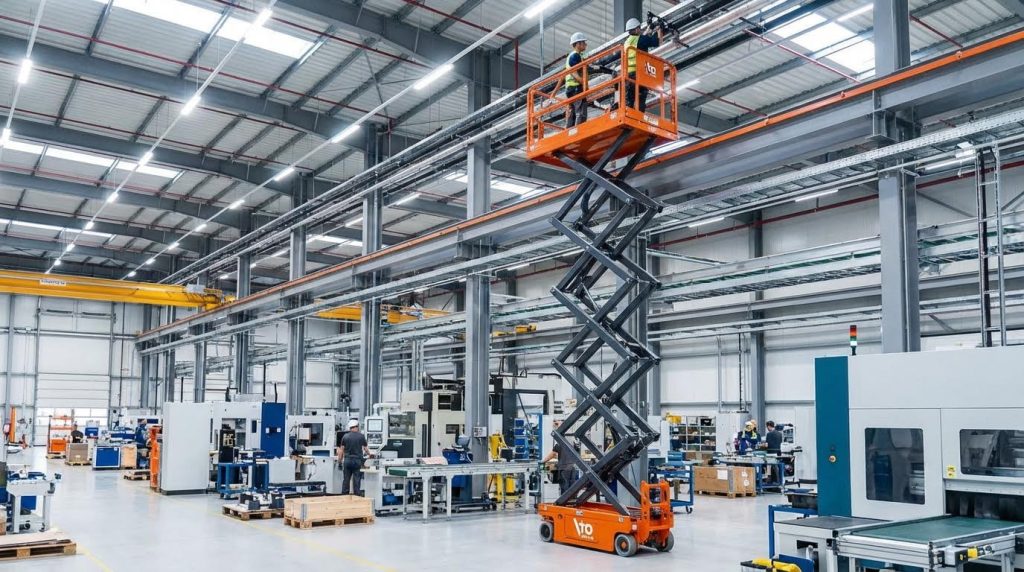
تصبح أنظمة منع السقوط الشخصية (PFAS) أو أنظمة تقييد الحركة إلزامية عندما تتجاوز قواعد الشركة المصنعة أو الموقع أو ظروف المهمة ما يمكن أن تتعامل معه الحواجز الواقية بأمان.
تؤكد الإرشادات على أن الحواجز الواقية هي الأساس، ولكن أنظمة منع السقوط الشخصية أو أنظمة التقييد مطلوبة إذا حددها المصنّع أو عندما يصعد العمال أو يميلون أو يغادرون المنطقة المحمية. ويشير هذا المصدر إلى ضرورة استخدام وسائل منع السقوط الشخصية/أنظمة التقييد في هذه الحالات، وضرورة إعادة ربط سلاسل الأمان فور الدخول . وتضيف إرشادات منفصلة خاصة بمنصات العمل المرتفعة أن أنظمة منع السقوط تتطلب خطة إنقاذ مكتوبة، بينما لا تتطلب أنظمة التقييد أثناء الحركة ذلك. كما توضح أن الحماية الشخصية من السقوط قد تكون مطلوبة حسب بيئة العمل، وتؤكد على ضرورة وجود خطة إنقاذ لأنظمة منع السقوط.
- متطلبات الشركة المصنعة: إذا نصّ الدليل أو الملصقات على ضرورة استخدام مواد PFAS أو تقييد الحركة، فيجب على المشغلين الامتثال لذلك. يجب أن يتضمن التدريب على العمل في المرتفعات تعليم كيفية قراءة هذه التعليمات واتباعها.
- المحفزات القائمة على المهام: تُعدّ وسائل الحماية من المواد الكيميائية المشبعة بالفلور/وسائل التقييد ضرورية عندما يحتاج العمال إلى الانحناء بشكل كبير، أو الوصول إلى ما وراء القضبان، أو الوصول إلى الهياكل المجاورة – تؤدي هذه الإجراءات إلى إفشال الحماية السلبية التي يوفرها الحاجز الواقي.
- المحفزات البيئية: قد تتطلب المواقع ذات التعرض غير المعتاد للرياح أو المنحدرات أو العوائق استخدام مواد PFAS/التقييد كجزء من خطة التحكم في المخاطر – هذا شائع بالقرب من الحواف أو الأعمدة أو الأرضيات المفتوحة.
- المواد الكيميائية المشبعة بالفلور مقابل ضبط النفس: تسمح أنظمة الحماية من السقوط (PFAS) بالسقوط ولكنها تمنعه؛ ويتم تعديل نظام التقييد بحيث لا يستطيع العامل الوصول إلى حافة السقوط. بالنسبة للرافعات المقصية، غالباً ما يُفضل استخدام نظام التقييد لتجنب مشاكل السقوط والتأرجح ومشاكل الخلوص.
- التدريب على اختيار المرساة: يجب على المشغلين معرفة استخدام نقاط تثبيت منصات العمل الجوية المخصصة فقط، وليس الحواجز الواقية أو الهياكل المؤقتة – قد يؤدي التثبيت غير الصحيح إلى زيادة الحمل على القضبان أو خلق هندسة سقوط خطيرة.
محتوى وحدة العمل على ارتفاعات فيما يخص PFAS/التقييد
تغطي الوحدة المتكاملة ما يلي: ملاءمة الحزام، وأنواع الحبال، وممتصات الطاقة، وتصنيفات التثبيت، ومسافة السقوط الحر، والخلوص الكلي للسقوط، ومخاطر السقوط المتأرجح، والتوافق مع تعليمات الشركة المصنعة للرافعات المقصية.
ملاحظة من مهندس ميداني: في الأماكن الداخلية الضيقة، غالباً ما أفضّل استخدام حبال تقييد قصيرة قابلة للتعديل بدلاً من نظام منع السقوط الكامل. فهذا يُبقي العمال داخل حدود الحواجز الواقية ويتجنب الخطأ الشائع المتمثل في عدم وجود مساحة كافية لتفعيل نظام منع السقوط الكامل.
التخطيط للإنقاذ والتدريب على إدارة الطوارئ
يضمن التخطيط للإنقاذ والتدريب على التحكم في حالات الطوارئ أنه في حالة حدوث خطأ ما على ارتفاعات عالية، يمكن للفريق إنزال المنصة أو استعادة العامل المعلق بسرعة وأمان.
تنص إرشادات استخدام منصات العمل الجوية المتحركة (MEWP) على ضرورة تدريب شخص واحد على الأقل، إلى جانب المشغل، على تشغيل أدوات التحكم في المصعد في حالات الطوارئ، وعلى ضرورة وضع أصحاب العمل خطط إنقاذ مكتوبة عند استخدام أنظمة منع السقوط. تؤكد هذه الوثيقة على أهمية التدريب على استخدام أدوات التحكم في حالات الطوارئ ووضع خطط إنقاذ رسمية لمنع السقوط . كما تؤكد إرشادات التدريب الإضافية على استخدام منصات العمل الجوية المتحركة (MEWP) على أن أنظمة منع السقوط تستلزم وجود خطة إنقاذ مكتوبة. وتشير إلى أن منع السقوط يتطلب خطة إنقاذ مكتوبة، بينما لا يتطلب تقييد الحركة ذلك.
- الكفاءة في إدارة الطوارئ: يجب أن يكون هناك شخص آخر على الأقل على المنصة يعرف كيفية استخدام المنصة وأجهزة التحكم في حالات الطوارئ الأرضية – وهذا يسمح بخفض الرافعة في حالة عجز المشغل الرئيسي.
- التدريب على الدعم الأرضي: يجب على العاملين على الأرض معرفة مكان أجهزة التحكم الأساسية، وكيفية الوصول إليها، وكيفية إيقاف/خفض المصعد بأمان – غالباً ما يكون هذا هو أسرع طريق للإنقاذ.
- خطة إنقاذ مكتوبة لمواد PFAS: في كل مرة يتم فيها استخدام مواد PFAS، يجب أن تحدد خطة مكتوبة خاصة بالموقع كيفية إنقاذ العامل الموقوف في غضون دقائق – وهذا يقلل من خطر الإصابة بصدمة التعليق.
- تدريبات قائمة على سيناريوهات محددة: ينبغي أن يشمل التدريب ممارسة التعامل مع انقطاع التيار الكهربائي، وحالات الطوارئ الطبية للمشغل، والانحصار/السحق بالقرب من الأجسام الثابتة، ونشر نظام منع السقوط – تُعد الذاكرة العضلية أمراً بالغ الأهمية في ظل الضغط النفسي.
- بروتوكولات الاتصال: يجب تحديد الإشارات الواضحة وأجهزة الراديو وإجراءات تحديد من يتصل بماذا قبل رفع مستوى الخدمة – هذا يمنع حدوث الارتباك عندما تكون الثواني مهمة.
كيف ترتبط عمليات الإنقاذ بمتطلبات العمل على ارتفاعات
تعتبر معايير العمل الحديثة في الأماكن المرتفعة تخطيط عمليات الإنقاذ كفاءة أساسية، وليس إضافة اختيارية. إذا سألت "هل العمل في الأماكن المرتفعة ضروري لرافعة المقص؟"، فتذكر أن الجهات التنظيمية لا تتوقع فقط إجراءات وقائية (حواجز الأمان، أنظمة منع التسرب) بل تتوقع أيضًا وجود طريقة إنقاذ موثقة ومُدرَّبة.
ملاحظة من مهندس ميداني: في المواقع الحقيقية، تُجرى التدريبات الأكثر فعالية باستخدام الرافعة المقصية الفعلية على مستوى الأرض، مع استعراض كل سيناريو طارئ خطوة بخطوة. لا تكفي الخطط الورقية وحدها عندما يكتشف الأفراد أنهم لا يعرفون مكان أدوات التحكم الأساسية أو مجموعة الإنقاذ.
التدريب الخاص بالموقع، والتدريب الفني، والتدريب على الصيانة
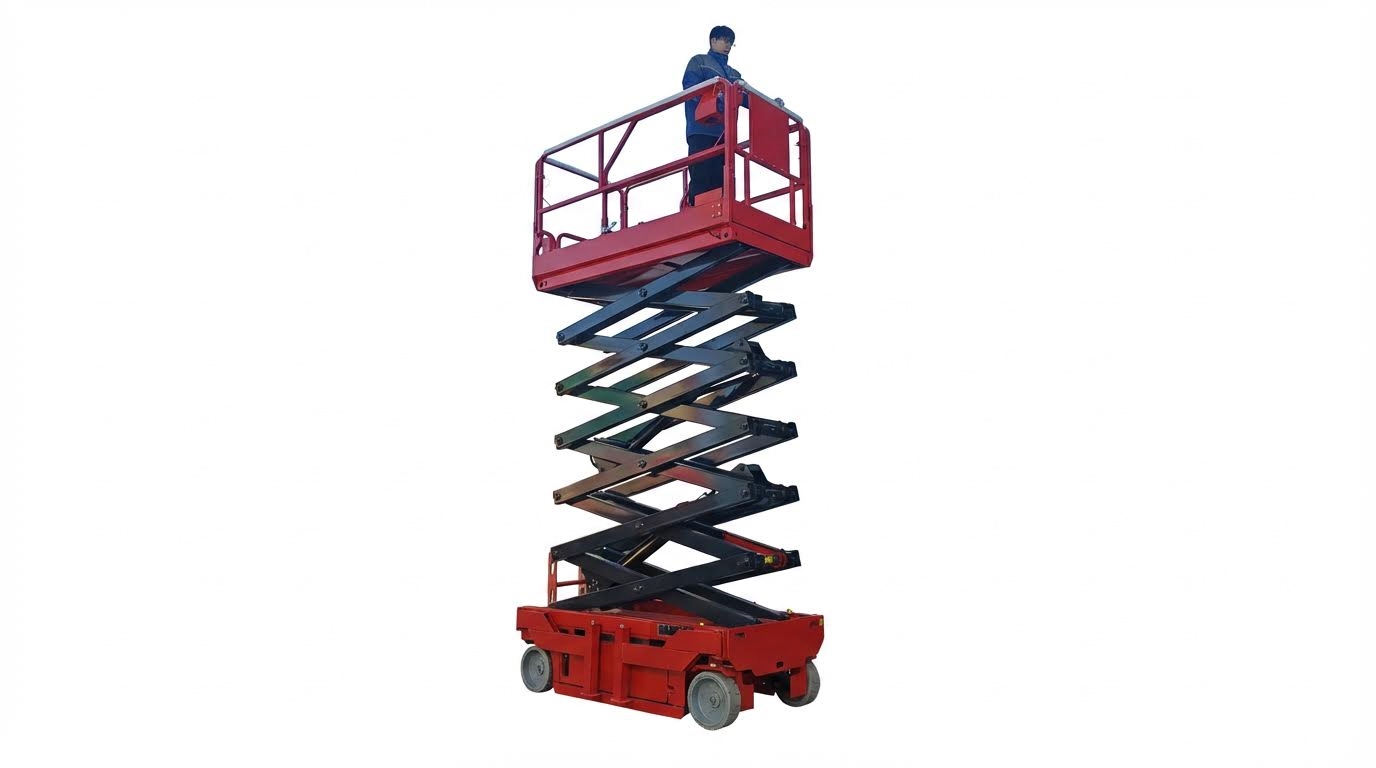
يُعلّم التدريب الخاص بالموقع والتدريب التقني والتدريب على الصيانة المشغلين كيفية تأثير موقع العمل الفعلي وحدود الحمولة وأنظمة البطاريات على سلامة منصة المقص واستقرارها ووقت تشغيلها، مما يسد الفجوة بين النظرية الصفية والمخاطر في العالم الحقيقي.
إذا كنت تسأل "هل تحتاج إلى العمل على ارتفاعات لرافعة المقص؟"، فالإجابة هي نعم: يجب عليك الجمع بين التدريب العام على العمل على ارتفاعات وهذا التدريب الخاص بالموقع والذي يركز على المعدات لتكون متوافقًا وآمنًا.
تقييم مخاطر الموقع والحدود البيئية
يجب أن يُظهر التدريب الخاص بالموقع للمشغلين كيفية تقييم مخاطر الأرض والطقس والمخاطر العلوية قبل تحريك أو رفع منصة جوية.
- فحص حالة الأرض: تحديد الحفر، والحطام، والمناطق الرخوة، والمنحدرات، والخرسانة غير المستوية – يمنع الانقلاب وانغراس العجلات.
- نوع السطح والدعم: تأكد من أن الأرضية أو البلاطة قادرة على تحمل الوزن الإجمالي للآلة والحمولة – يتجنب الانهيار الهيكلي للميزانين أو الألواح المعلقة.
- المساحات العلوية والجانبية: ابحث عن العوارض والأنابيب والقنوات والأسقف المنخفضة – يقلل من مخاطر السحق والانحصار.
- فصل خطوط الطاقة: حافظ على مسافة لا تقل عن 3.0 أمتار من خطوط النقل الهوائية النموذجية ذات الجهد 50,000 فولت – يقلل من خطر الصعق بالكهرباء كما هو موضح في إرشادات السلامة الخاصة برافعات المقص.
- حركة المرور والمعدات الأخرى: رسم خرائط مسارات الرافعات الشوكية والشاحنات والمشاة – يمنع الصدمات الجانبية وسحق المنصة.
- الهواء الداخلي والعادم: بالنسبة للوحدات التي تعمل بمحرك، تحقق من التهوية – يتجنب تراكم غازات العادم في الأماكن المغلقة.
- مسارات الدخول والخروج: خطط لكيفية إدخال المصعد وإخراجه دون الحاجة إلى منعطفات حادة – يقلل من مخاطر الاصطدام والتشابك.
يجب أن تكون الحدود البيئية جزءًا من تدريب المشغلين، وخاصة بالنسبة للعمل في الهواء الطلق.
- حدود سرعة الرياح: التزم بأقصى تصنيف للرياح الموصى به من قبل الشركة المصنعة؛ عادةً ما يكون الاستخدام الخارجي مقيدًا عند سرعات رياح أقل من 12.5 متر/ثانية (28 ميل/ساعة) – يمنع التمايل والانقلاب كما أوضحت إدارة السلامة والصحة المهنية (OSHA).
- مطر، جليد، وثلوج: يجب على سائقي القطارات تجنب الأسطح الزلقة أو المغمورة بالمياه – يقلل من الانزلاق وفقدان التماسك.
- البرق والعواصف: يُحظر العمل في الأماكن المرتفعة أثناء العواصف الرعدية – يمنع الصعق بالكهرباء والحركة غير المنضبطة.
- درجات الحرارة القصوى: تناول كيفية تأثير البرد على الأنظمة الهيدروليكية والبطاريات، وكيف تؤثر الحرارة على الإلكترونيات – يتجنب الاستجابة البطيئة والإغلاقات غير المتوقعة.
- اختيار الإطارات المناسبة للأنشطة الخارجية: استخدم إطارات الطرق الوعرة المملوءة بالرغوة أو الإطارات الصلبة على الأراضي غير المعبدة – يحسن الاستقرار على الحصى والتربة إرشادات خاصة برفع المقص حسب الموقع.
كيفية إنشاء قائمة بسيطة للتحقق من مخاطر الموقع
أنشئ قائمة مرجعية من صفحة واحدة تشمل: نوع السطح وميله، والعوائق العلوية، وخطوط الكهرباء والمرافق، وطرق المرور، والظروف الجوية، ومناطق وقوف السيارات الآمنة المخصصة. اطلب من المشغلين إكمالها قبل أول عملية رفع في كل نوبة عمل.
ملاحظة من مهندس الموقع: في العديد من المواقع الصناعية، تخفي الأرضية "شبه المستوية" منحدرات تصريف تتراوح بين 1 و2%. قد تصبح الرافعات المقصية، التي تبدو مستقرة على مستوى الأرض، غير مستقرة عند رفعها بالكامل على هذه المنحدرات. لذا، يُنصح بتدريب المشغلين على فحص مصارف التصريف بصريًا، واستخدام ميزان تسوية أو مقياس ميل رقمي على المناطق المشتبه بها قبل الرفع.
تصنيف الأحمال، والاستقرار، وإجراءات الفحص
يجب أن يشمل التدريب الفني تدريب المشغلين على قراءة لوحات السعة، وإدارة مركز الثقل، واتباع فترات الفحص الرسمية حتى يبقى المصعد ضمن نطاق تصميمه.
| الموضوع | نقطة تدريب رئيسية | التأثير التشغيلي |
|---|---|---|
| حمولة المنصة المقدرة | فهم الحد الأقصى للوزن بالكيلوغرام بما في ذلك الأشخاص والأدوات والمواد | يمنع الانقلابات الناتجة عن الأحمال الزائدة والأضرار الهيكلية تم تحديدها كسبب شائع للحوادث |
| عدد السكان | احترم أقصى عدد ممكن من الأشخاص بالإضافة إلى الأدوات الموضحة على الملصق | يضمن بقاء حمولة الأرضية وحواجز الحماية ضمن حدود التصميم |
| توزيع الحمل | ضع الأشياء الثقيلة بالقرب من منتصف الرصيف، وليس على الحواجز الواقية. | يقلل من خطر التحميل الجانبي والانقلاب عند رفعه |
| التواصل والتعلم | لا تتسلق أو تميل للخارج لتمديد نطاق الوصول | يحافظ على مركز الثقل داخل قاعدة العجلات لتحقيق الاستقرار |
| الفحص اليومي قبل بدء التشغيل | افحص نظام الهيدروليك، والإطارات، وحواجز الأمان، والملصقات، وأزرار التوقف الطارئ. | يكشف عن العيوب قبل الاستخدام؛ ويتم قفل الوحدات المعيبة حتى يتم إصلاحها. كما تشترط إدارة السلامة والصحة المهنية (OSHA) |
| المعاينة الشهرية | افحص الهيكل، واللحامات، والمثبتات، والأسلاك، والبطاريات | يكتشف الإجهاد أو التآكل قبل أن يتحول إلى أعطال. |
| تفتيش سنوي | يقوم فني مؤهل بإجراء اختبارات هيكلية واختبارات تحميل مفصلة | يتحقق من أن الوحدة لا تزال تفي بمعايير التصميم الخاصة بإدارة السلامة والصحة المهنية (OSHA) والمعهد الوطني الأمريكي للمعايير (ANSI). لرافعات المقص |
- ملصقات تحديد مستوى القراءة: تدريب المشغلين على تحديد موقع لوحة تحميل المنصة وتفسيرها، بالإضافة إلى أي جداول تخفيض قدرة الملحقات – يتجنب التخمين عند إضافة المواد.
- التأثيرات الديناميكية: اشرح أن الكبح المفاجئ أو الحفر أو هبات الرياح تزيد من الحمل الفعال – يُعلّم التحميل المحافظ بأقل من الحد الأقصى الموضح على اللوحة الاسمية.
- سلامة الحواجز الواقية: يجب تضمين فحص الحواجز والبوابات في كل فحص قبل بدء التشغيل – يضمن سلامة وسائل الحماية الأساسية من السقوط كما تؤكد إدارة السلامة والصحة المهنية.
- معايير الإغلاق: أوضح أن أي تسرب هيدروليكي، أو لحام متصدع، أو إطار تالف، أو عطل في زر التوقف الطارئ يعني الإغلاق الفوري – يمنع "مهمة أخرى" على معدات غير آمنة وفقًا لإرشادات التفتيش.
تسلسل فحص يومي بسيط
تفقد القاعدة أولاً (الإطارات، التسريبات، الهيكل)، ثم افحص منصة الرافعة المقصية (الدبابيس، القضبان، الملصقات)، ثم اختبر أدوات التحكم وآلية الإنزال في حالات الطوارئ. وثّق النتائج وقم بتعليق أي شيء غير طبيعي.
ملاحظة من مهندس ميداني: يُسرع العديد من المشغلين في إجراء فحوصات السعة عن طريق عدّ الأشخاص فقط. في مواقع العمل الفعلية، يمكن أن تضيف صناديق الأدوات والمواد الورقية وحاويات القطع الصغيرة ما بين 80 و150 كيلوغرامًا. أوصي بتدريب الطواقم على تقدير وزن الأدوات بسرعة باستخدام قيم "الحزمة" القياسية، وتحديد الحد الأقصى للحمل الفعلي بنحو 80-90% من السعة المقدرة للحفاظ على هامش أمان على الأسطح الوعرة.
العناية بالبطارية وتشخيصها وتوثيقها
يجب أن يشمل التدريب على الصيانة الشحن الصحيح، وفحوصات الإلكتروليت، والتشخيص الأساسي حتى تدعم البطاريات العمل الآمن على ارتفاعات عالية بدلاً من أن تتعطل في منتصف المهمة.
- معرفة نوع البطارية: علّم الفرق بين بطاريات الرصاص الحمضية السائلة والبطاريات التي لا تحتاج إلى صيانة – عندها يعرف المشغلون ما إذا كان ينبغي فحص مستويات الإلكتروليتات أم لا.
- الانضباط في الشحن: ركز على الشحنات الكاملة والمتواصلة بدلاً من الشحنات القصيرة المتكررة "للفرصة" – يطيل العمر إلى ثلاث سنوات بدلاً من سنة واحدة ملاحظات إرشادية لصيانة البطارية.
- فحص الإلكتروليتات (الخلايا المغمورة): التدريب على الفتح الآمن، وملء الخزان بالماء إلى المستوى الصحيح، وتنظيف الانسكابات – يمنع تعرض اللوحة للضوء وفقدان السعة وفقًا لإرشادات بطارية MEWP.
- تنظيف المحطة: يشمل ذلك التنظيف الدوري ومكافحة التآكل – يقلل من انخفاض الجهد الكهربائي وعمليات الإغلاق المزعجة تحت الحمل.
- فحص الكابلات والموصلات: ابحث عن تشققات في العازل، ومسامير مفكوكة، ونقاط ساخنة – يمنع حدوث شرارة كهربائية وفقدان الطاقة غير المتوقع على ارتفاعات عالية.
- مراقبة حالة الشحن: تدريب المشغلين على قراءة العدادات الموجودة على متن المركبة أو أنظمة المراقبة المتقدمة – يمنعهم ذلك من الارتفاع بشحنة هامشية قد تتركهم عالقين. كما توضح إرشادات منصات العمل المتحركة الحديثة.
- الذكاء الاصطناعي وأدوات التشخيص: عند توفرها، وضح كيفية تفسير رموز الأعطال والتنبيهات – يُتيح ذلك الصيانة المبكرة بدلاً من الأعطال. وهو ما يتوافق مع التشخيصات الناشئة القائمة على الذكاء الاصطناعي..
| ممارسة البطارية | عادة جيدة | التأثير التشغيلي |
|---|---|---|
| رسوم ما بعد انتهاء الوردية اليومية | قم بشحن المصعد في نهاية كل وردية عمل | يضمن نطاقًا كاملاً لليوم التالي ويقلل من الإفرازات العميقة |
| فحص بصري أسبوعي | افحص العلب والكابلات والصواني بحثًا عن أي تلف أو تسريبات. | يمنع تلف الأحماض والماس الكهربائي |
| جدول الري | لا تقم بشحن الخلايا المغمورة بالماء إلا بعد اكتمال الشحن، إلى المستوى المحدد. | يحافظ على القدرة ويطيل عمر الخدمة إلى ثلاث سنوات |
| حفظ السجلات | سجل دورات الشحن، وإضافات المياه، والأعطال. | يدعم مطالبات الضمان وتخطيط استبدال الأسطول |
متطلبات التوثيق وإعادة التدريب
بموجب معايير منصات العمل الجوية الحديثة، يجب على أصحاب العمل الاحتفاظ بسجلات تدريب المشغلين، والتقييمات العملية، والتدريب التنشيطي، والذي يُجرى عادةً كل خمس سنوات أو بعد وقوع حوادث أو ملاحظة تراجع في المهارات. تساعد هذه السجلات في إثبات بذل العناية الواجبة أثناء عمليات التدقيق والتحقيقات.
ملاحظة من مهندس ميداني: يعود جزء كبير من أعطال المصاعد "الغامضة" إلى ضعف البطاريات. في الطقس البارد، قد يؤدي انخفاض الجهد تحت الحمل إلى فصل دوائر الأمان حتى عندما تُظهر المؤشرات شحنًا جزئيًا. أوصي بتدريب المشغلين على توخي الحذر في الحفاظ على الحد الأدنى لمستويات الشحن في فصل الشتاء، والإبلاغ فورًا عن أي تباطؤ في أداء المصعد لإجراء فحص للبطارية.
أفكار ختامية حول الالتزام بتدريب رافعات المقص
لا يعتمد العمل الآمن باستخدام الرافعات المقصية على قاعدة واحدة أو قائمة مراجعة واحدة، بل يعتمد على نظام تدريبي يربط بين حدود المعدات، ووسائل الحماية من السقوط، وظروف الموقع، والصيانة، في طريقة عمل واضحة ومتكاملة. عندما ينسق أصحاب العمل تدريب العمل على الرافعات المقصية المتحركة والعمل على المرتفعات مع قواعد إدارة السلامة والصحة المهنية (OSHA) والمعهد الوطني الأمريكي للمعايير (ANSI) وهيئة المعايير الكندية (CSA)، فإنهم يحولون المتطلبات المتفرقة إلى رسالة بسيطة للمشغلين: اعرف رافعتك جيدًا، والتزم بحدودها، وخطط لكل ارتفاع.
تُحدد الهندسة والاستقرار وقدرات التحميل ما يمكن للآلة القيام به بأمان. وتُحدد الحواجز الواقية وأنظمة الحماية من التلف أو وسائل التقييد وخطط الإنقاذ كيفية استخدام الأفراد لهذا النطاق بأمان. ثم تربط التعليمات الخاصة بالموقع كل ذلك بالمخاطر الحقيقية للأرض والطقس وخطوط الكهرباء. وتضمن العناية بالبطاريات وفحصها استمرار عمل أنظمة السلامة عندما تكون المنصة على ارتفاع 10 أمتار، وليس فقط في ورشة الصيانة.
أفضل الممارسات لفرق العمليات واضحة. تعامل مع تدريب رافعات المقص كبرنامج مستمر، وليس مجرد شهادة تُمنح لمرة واحدة. استخدم المواضيع الواردة في هذا الدليل كمنهج أساسي. أضف مخاطر الموقع، والحدود الخاصة بكل طراز، وتدريبات الإنقاذ. راجع السجلات وسلوكيات العمل الميداني، وليس الشهادات فقط. عند القيام بذلك، يحمي المشغلون أنفسهم، ويحمي المشرفون الطاقم، وتُظهر الشركة التزامًا حقيقيًا ببذل العناية الواجبة مع كل منصة مقص من طراز Atomoving قيد الخدمة.
الأسئلة الشائعة
هل تحتاج إلى حزام أمان أو وسائل حماية من السقوط لرافعات المقص؟
باختصار: لا، ليس من الضروري قانونًا ارتداء حزام الأمان عند العمل على رافعة مقصية. مع ذلك، يُنصح بشدة باتخاذ تدابير الحماية من السقوط حفاظًا على السلامة. دليل السلامة للرافعات المقصية.
- لا تفرض إدارة السلامة والصحة المهنية (OSHA) استخدام أنظمة منع السقوط الشخصية (PFAS) مثل أحزمة الأمان لرافعات المقص.
- يجب استخدام الحواجز الواقية كوسيلة الحماية الأساسية من السقوط.
- قد يطلب أصحاب العمل تدابير سلامة إضافية بناءً على المخاطر الخاصة بكل وظيفة.
هل التدريب مطلوب لتشغيل رافعة مقصية؟
نعم، يجب تدريب جميع مشغلي الرافعات المقصية واعتمادهم قبل بدء العمل. يُلزم أصحاب العمل بتوفير هذا التدريب وفقًا لإرشادات إدارة السلامة والصحة المهنية (OSHA). قد يؤدي عدم الامتثال إلى غرامات وعقوبات. دليل اعتماد إدارة السلامة والصحة المهنية (OSHA).
- يشمل التدريب التشغيل الآمن، والتعرف على المخاطر، وإجراءات الطوارئ.
- تضمن الشهادة الامتثال لمعايير السلامة الفيدرالية.
- قد يوصي أصحاب العمل بمؤهلات إضافية مثل تراخيص IPAF.