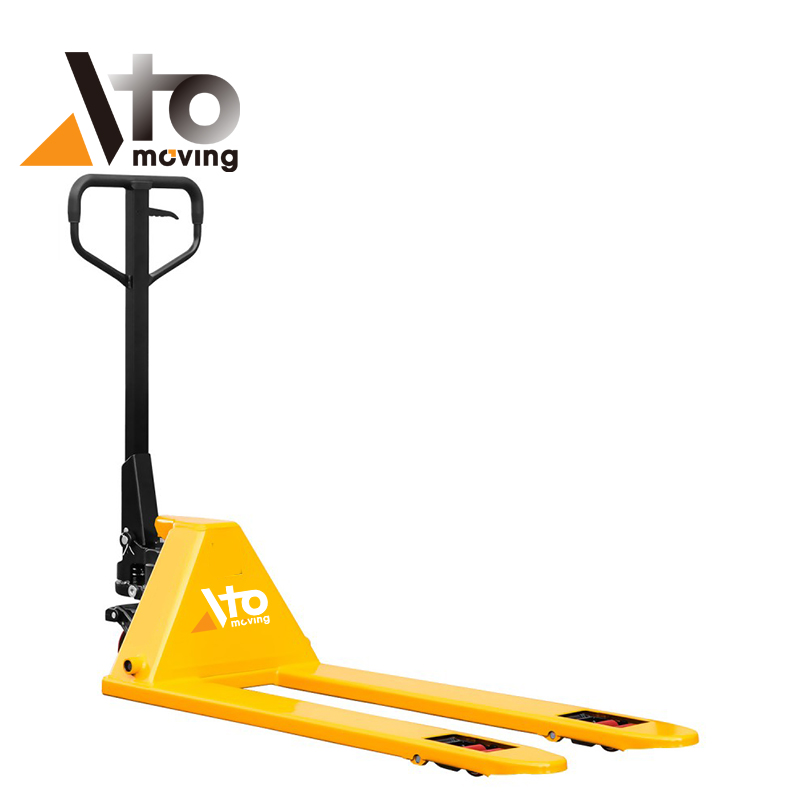
يشرح دليل شراء رافعات الباليت اليدوية هذا المواصفات المهمة، وكيف تؤثر على السلامة والتكلفة الإجمالية، وأين تكمن عادةً أوجه الإنفاق الخفية. ستتعرف أيضًا على كيفية تقييم العروض لتتمكن من إيجاد صفقات تنافسية على رافعات الباليت اليدوية دون التضحية بالموثوقية أو سلامة المشغل.
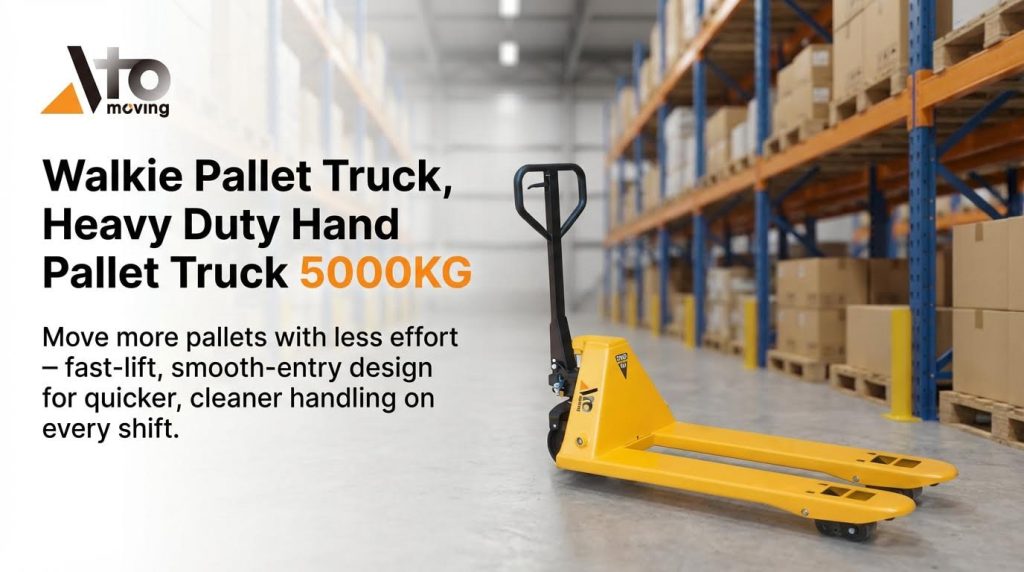
المواصفات الأساسية التي تحدد رافعة الباليت اليدوية

تُعدّ سعة الحمولة، وهندسة الشوكة، وتصميم الرافعة/الهيكل من أهمّ المواصفات الأساسية لرافعة الباليت الهيدروليكية، لأنّ هذه العوامل تتحكّم بشكل مباشر في السلامة، وتوافق الباليتات، وتكاليف التشغيل على المدى الطويل. لذا، من المهمّ فهم هذه المواصفات قبل البحث عن عروض تنافسية لرافعات الباليت اليدوية، وإلاّ فقد تُخاطر بشراء أداة غير مناسبة لأرضية العمل والباليتات.
المجموعات الثلاث غير القابلة للتفاوض هي: مقدار ما ترفعه (كجم)، وما ترفعه (حجم المنصة بالمليمتر)، وكيف يتحمل الإطار والنظام الهيدروليكي الاستخدام اليومي القاسي.
سعة التحميل وهوامش الأمان
تحدد سعة الحمولة وهامش الأمان مقدار الوزن الذي يمكنك نقله دون إجهاد الهيكل والشوكات والمضخة الهيدروليكية. إن اختيار حجم أصغر من اللازم هو أسرع طريقة لثني الفولاذ وإصابة المشغلين.
| تصنيف القدرة | النطاق النموذجي / المثال | هامش الأمان الموصى به | الأفضل لـ... (التأثير التشغيلي) |
|---|---|---|---|
| شغل خفيف | 500-1,500 كجم شاحنات يدوية | حمولة ≤ 1,000 كجم مع هامش أمان بنسبة 20-25% | محلات تجارية، أعمال مستودعات خفيفة، عمليات نقل عرضية |
| واجب قياسي | نطاق شائع يتراوح بين 2,000 و 3,000 كجم السعات القياسية | الحمل الأقصى + 15-20% على الأقل | التخزين العام، منصات نقالة مختلطة بوزن 1,000-2,500 كجم |
| ثقيل / خاص | تصل إلى 10,000 كجم للطرازات الخاصة شاحنات ذات سعة عالية | يُقيّم المهندس كل حالة على حدة؛ هامش أمان كبير | الفولاذ، الحجر، نقل الآلات، منصات نقالة غير قياسية |
- اعرف أقصى حمل حقيقي لك: استخدم أثقل منصة نقالة بالكيلوغرام – ليس مجرد منصة نقالة عادية - ثم أضف التغليف، واللفائف المطاطية، وأي مواد داعمة.
- قم بتطبيق هامش أمان بنسبة 15-25%: اختر شاحنة مصنفة أعلى من تلك الذروة – وهذا يخفف من أحمال الصدمات الناتجة عن الحفر، وألواح الرصيف، والأرضيات غير المستوية.
- يرجى مراعاة التصنيف عند مركز التحميل 600 مم: تعتمد التقييمات على افتراض أن الوزن متمركز – تؤدي الأحمال الطويلة أو المكدسة بشكل سيئ إلى تحريك مركز الشاحنة للأمام، مما يقلل من قدرتها على التحمل بشكل فعال.
- قم بمطابقة السعة مع دورة التشغيل: ينبغي على المواقع ذات الإنتاجية العالية تجنب العمل عند الحد الأقصى – يؤدي البقاء تحت 70-80% من التصنيف إلى إطالة عمر النظام الهيدروليكي والهيكل.
💡 ملاحظة من مهندس ميداني: إذا كان المشغلون يقومون بشكل روتيني بـ "ارتداد" المنصات المحملة فوق العتبات أو في مستويات الرصيف، فتعامل مع ذلك على أنه تطبيق تأثير وقم بنقل نطاق سعة واحد لأعلى؛ عادة ما تكلف الشوكات المنحنية أكثر من ترقية السعة.
كيفية تقدير السعة المطلوبة بسرعة
أضف الحد الأقصى لوزن المنتج لكل منصة نقالة، ووزن المنصة نفسها (عادةً ما بين 15 و30 كجم)، بالإضافة إلى 10-15% للتغليف والتفاوتات. اضرب الناتج في 1.2 كهامش أمان أساسي. إذا كان هذا الرقم قريبًا من 2,000 كجم، فاختر 2,500-3,000 كجم بدلًا من 2,000 كجم.
معايير طول وعرض الشوكة والمنصات
يُحدد طول وعرض شوكة الشاحنة ما إذا كانت ستناسب أسفل منصات التحميل وتتحرك في الممرات. يؤدي الخطأ في ذلك إلى كسر الألواح، وتعثر منصات التحميل، وهدر مساحة الأرضية.
| المواصفات | القيم النمطية | نوع المنصة / قياسي | التأثير التشغيلي |
|---|---|---|---|
| رجل الفجر | 1,150-1,220 مم قياسي منصات نقالة أوروبية وأمريكية | المقاس الأوروبي: 800 × 1,200 مم؛ المقاس الأمريكي/البريطاني: 1,000 × 1,200 مم | دعم كامل للشوكة أسفل المنصة؛ يمنع البروز والألواح المكسورة |
| شوكات قصيرة | 800–1,000 مم (يختلف حسب الطراز) أطوال متخصصة | منصات نقالة نصفية، غرف خلفية ضيقة للبيع بالتجزئة | نصف قطر دوران أصغر؛ لا يمكنها دعم المنصات الطويلة بشكل كامل |
| شوكات طويلة | يصل طولها إلى 2,400 مم للطرازات الخاصة شاحنات ذات شوكة طويلة | منصتان في وقت واحد، أحمال طويلة | نصف قطر دوران أكبر؛ خطر اصطدام الأرضية والرف في حالة سوء الاستخدام |
| العرض بين الشوكتين (ضيق) | 520 – 540 مم تحديد أحجام منصات التحميل الأوروبية | يورو 800 × 1,200 مم | ينزلق بسلاسة في ألواح الدخول الضيقة؛ ويتجنب التعلق بالعوارض الخشبية. |
| العرض بين الشوكتين (واسع) | 680 – 685 مم أحجام المنصات في المملكة المتحدة/الولايات المتحدة | المملكة المتحدة/الولايات المتحدة 1,000 × 1,200 مم | ثبات أفضل للمنصات العريضة؛ قد لا يناسب بعض المنصات الأوروبية الضيقة |
- قم بتحديد موقع مخزون المنصات الخشبية الخاص بك: اذكر أحجام المنصات بالمليمتر واتجاهات الدخول – هذا يمنع شراء شاحنة لا تتسع إلا لنصف منصات التحميل الخاصة بك.
- طابق طول الشوكة مع طول المنصة: استهدف استخدام شوكات تدعم المنصة بالكامل دون أن تبرز أكثر من 50-100 مم – وهذا يمنع الانقلاب عند عبور المفاصل.
- اختر العرض حسب اللون السائد: استخدم مقاس 520-540 مم لمعظم منصات التحميل الأوروبية، ومقاس 680-685 مم لمعظم منصات التحميل البريطانية/الأمريكية. هذا يقلل من التشابك وعدم الاستقرار من جانب إلى آخر.
- تحقق من خلوص الممرات والمصاعد: تحتاج الشوكات الأطول إلى مساحة دوران أكبر – قم بقياس أضيق ممر لديك وارفع السيارة قبل الطلب.
فحص سريع لحجم الشوكة في الموقع
ضع شريط قياس على طول جانب مدخل الشوكة في المنصة. الطول الأمثل للشوكة هو تقريبًا هذا البُعد. إذا كنت تُكدّس المنصات فوق بعضها غالبًا، فأضف المسافة بينها وتأكد من وجود مساحة كافية للدوران في أضيق ممر لديك.
💡 ملاحظة مهندس ميداني: في مصاعد البضائع الضيقة والغرف الخلفية للمتاجر، غالبًا ما توفر الرافعة الشوكية القصيرة عمالة أكثر من المضخة عالية المواصفات؛ نصف قطر الدوران المخفض أهم من السعة الخام.
ارتفاع الرافعة، وهيكل الفولاذ، وتشطيب السطح
يُحدد نطاق الرفع ومادة الهيكل والطلاء الخلوص الأرضي وصلابة الإطار ومقاومة التآكل. وتتحكم هذه المواصفات في أداء الشاحنة على الأرضيات الوعرة وعمرها الافتراضي في بيئتك.
| مجموعة المواصفات | القيم النمطية | تفاصيل البناء | التأثير التشغيلي |
|---|---|---|---|
| ارتفاع منخفض | ≈ 85-90 مم كحد أدنى ارتفاع شوكة منخفض | تصميم قياسي أو منخفض الارتفاع | يناسب معظم المنصات؛ يلزم تصميم منخفض الارتفاع للمنصات التالفة أو الخاصة |
| أقصى ارتفاع للرفع (يدوي) | ≈ 185–205 مم قياسي نطاق الرفع القياسي | وصلة المقص الأساسية | ارتفاع كافٍ عن الأرض للسفر وألواح التحميل |
| خيارات الرفع العالي | يصل ارتفاعها إلى 3,000 مم مع رافعة كهربائية شاحنات الرفع العالي | بناء من نوع المقص أو الصاري | يجمع بين النقل والتكديس الخفيف أو تحديد موضع العمل |
| هيكل / شوكة فولاذية | الفولاذ عالي القوة مثل Q235 يتمتع بقوة شد ≥ 400 ميجا باسكال مادة الإطار | هيكل مُشكّل بالتشكيل الساخن وملحوم | يقاوم الانحناء تحت الأحمال العالية المتكررة والصدمات |
| المعالجة السطحية | التخليل الحمضي، والفوسفاتة، والطلاء الإيبوكسي/المسحوق حتى 80 ميكرومتر المعالجة السطحية | مقاومة رذاذ الملح > 480 ساعة (ASTM B117) | عمر أطول في البيئات الرطبة أو ذات التآكل الطفيف |
| المناطق الصحية / المناطق المعرضة للتآكل | أنواع من الفولاذ المقاوم للصدأ أو المجلفن الخيارات البيئية | الفولاذ الخاص والأختام | يمنع الصدأ في تطبيقات الغسيل، أو الأغذية، أو المواد الكيميائية |
- تحقق من الارتفاع المنخفض مقابل خلوص المنصة: إذا كانت منصات التحميل لديك متدلية أو ذات مدخل منخفض، فاختر أقل ارتفاع ممكن للشوكة – وهذا يمنع المشغلين من "الاصطدام" للدخول من الأسفل.
- استخدم المصعد القياسي للنقل فقط: يكفي عرض 185-205 ملم إذا لم تستخدم الشاحنة كمنصة عمل مطلقاً. زيادة الرفع تزيد من التكلفة والتعقيد.
- إعطاء الأولوية للفولاذ عالي القوة المستخدم في صناعة الهياكل: ابحث عن الفولاذ الإنشائي عالي القوة والأجزاء الرئيسية المطروقة – هذا يقلل من تباعد الشوكة والتواء الإطار بمرور الوقت.
- مطابقة اللمسة النهائية مع البيئة: يُعد الفولاذ الكربوني المطلي بالمسحوق مناسبًا للمستودعات الجافة؛ أما الفولاذ المقاوم للصدأ أو المجلفن فهو أفضل للمناطق الرطبة أو المالحة أو الصحية – وهذا يمنع تقشر الطلاء وتلوث الصدأ.
💡 ملاحظة مهندس ميداني: في غرف التبريد وأرصفة التحميل، يؤدي التكثيف بالإضافة إلى الملح إلى إتلاف الطلاء الرخيص بسرعة؛ لذا فإن استخدام طلاء أكثر سمكًا ومجهزًا جيدًا أو إطار من الفولاذ المقاوم للصدأ يوفر عائدًا سريعًا من خلال تقليل إصلاحات اللحام ووقت التوقف.
لماذا تُعدّ هذه المواصفات الأساسية مهمة قبل البحث عن "صفقات تنافسية"؟
بمجرد معرفة السعة المطلوبة (كجم)، وتوافق المنصة (مم)، والبيئة (جافة، رطبة، أكالة)، يمكنك مقارنة العروض المتشابهة. هذه هي الطريقة الوحيدة الموثوقة لتحديد أفضل العروض التنافسية على رافعات المنصات اليدوية دون التضحية بالسلامة أو المتانة أو راحة المستخدم.
ميزات التصميم التي تؤثر على التكلفة والأداء
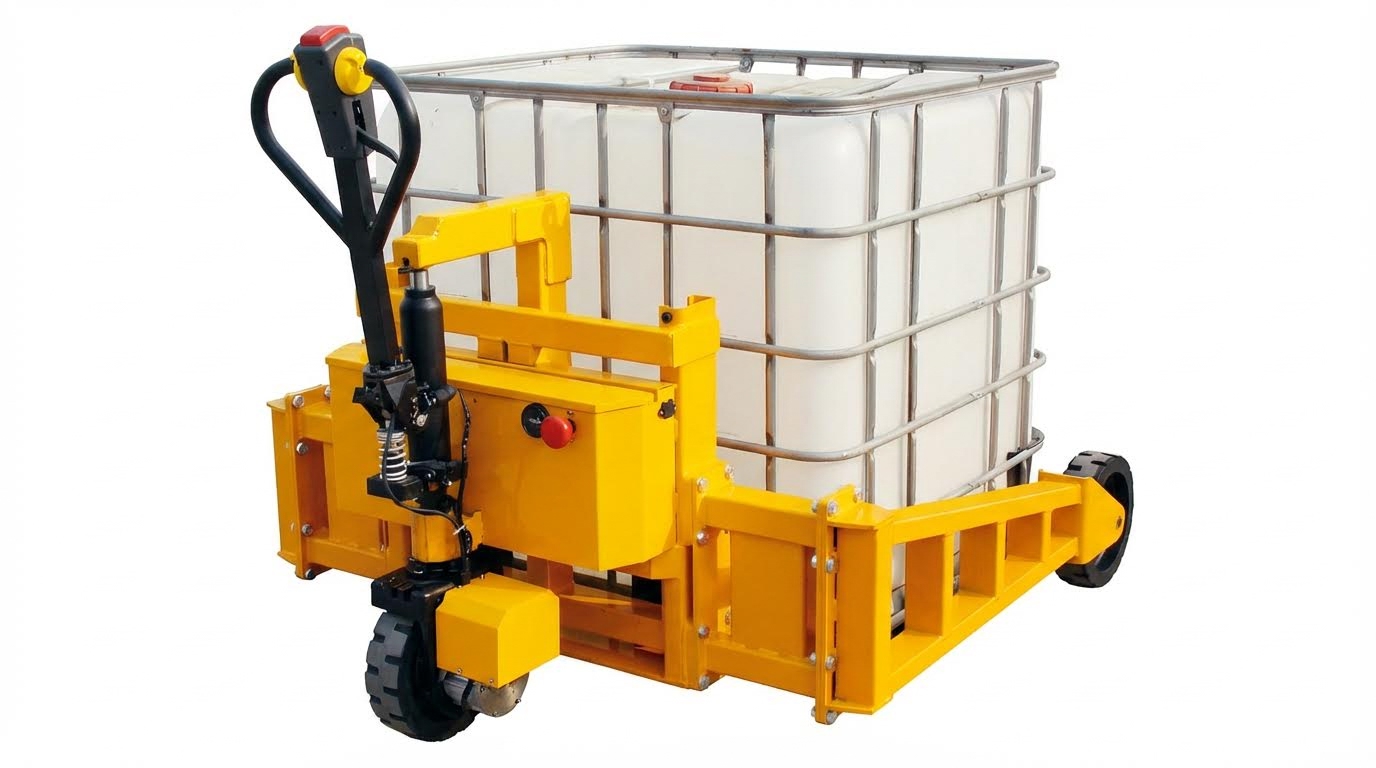
تؤثر خصائص التصميم في رافعة الباليت اليدوية بشكل مباشر على جهد التدحرج، واحتمالية التسرب، والضوضاء، ومقاومة التآكل، وعمرها الافتراضي، وبالتالي سعرها. إذا كنت تتساءل عن كيفية إيجاد عروض تنافسية على رافعات الباليت الهيدروليكية ، فعليك أولاً أن تفهم أي تفاصيل التصميم يمكنك التنازل عنها، وأيها لا يمكنك التنازل عنها.
- الأنظمة الهيدروليكية والعجلات والطلاءات: تُهيمن هذه الأنظمة الفرعية الثلاثة على تكلفة دورة الحياة – إنهم يحددون كيف تتصرف الشاحنة بعد 3-5 سنوات من الاستخدام الفعلي، وليس فقط في اليوم الأول.
- البيئة والأرضية: تتطلب الأرضيات الرطبة أو الباردة أو الخشنة مواد أفضل – سرعان ما تتحول المواصفات الخاطئة إلى قوى دوران عالية وإصلاحات مستمرة.
- دورة العمل: الاستخدام المكثف في نوبات العمل الطويلة يبرر استخدام مكونات عالية الجودة – يمكن للاستخدام الخفيف والمتقطع تشغيل التصاميم الأرخص بأمان.
ملاحظة من مهندس ميداني: عند مقارنة عروض الأسعار، تجاهل لون الطلاء وركز على تصميم المضخة، ومادة العجلات، ومواصفات الطلاء. هذه الأسطر الثلاثة في ورقة البيانات تفسر 80% من فرق السعر بين "الرخيص" و"الجيد".
جودة المضخة الهيدروليكية ونظام منع التسرب
تحدد المضخة الهيدروليكية وأختامها جهد الرفع، ومخاطر التسرب، والموثوقية على المدى الطويل، وهذا هو السبب في كونها عاملاً رئيسياً في تحديد السعر.
- جسم المضخة المطروق مقابل جسم المضخة الملحوم: تتميز المضخات المصنعة بالتشكيل أو الصب بمقاومتها للتشقق والتشوه – تحافظ على الخلوصات الداخلية ضيقة تحت أحمال تتراوح بين 2,000 و 3,000 كجم. تُعد المكابس المطروقة عالية القوة مثل 42CrMo مع التصليد بالحث شائعة في الوحدات عالية الجودة. المرجع: المكابس المطروقة والتصليد
- المعالجة السطحية لقضيب المكبس: تقلل القضبان المطلية بالكروم والمعالجة بالحث من التآكل والصدأ – فهي تقلل من قطع وتآكل الأختام في المناطق الرطبة أو المعرضة للغسيل. المرجع: مكابس مطلية بالكروم
- جودة الختم وأصله: تتحمل الأختام المستوردة أو الممتازة ارتفاعات الضغط والأحمال الجانبية بشكل أفضل – فهي تحتفظ بالزيت لفترة أطول وتقلل من وقت التوقف الناتج عن التسريبات. المرجع: الأختام المستوردة
- تصميم صمام التخفيض: يُتيح صمام التحكم في خفض الارتفاع هبوطًا سلسًا ومُقاسًا – فهو يحمي الأحمال الهشة ويتجنب قوى الصدمات التي تصل إلى الهيكل والأرضية. المرجع: صمامات خفض خاصة
- الصب الهيدروليكي والتشكيل الآلي: تساهم عمليات التصنيع باستخدام الحاسوب (CNC) بتفاوتات تصل إلى ±0.08 مم في تقليل التسرب الداخلي – كل ضغطة للمضخة ترفع كمية أكبر، لذلك يحتاج المشغلون إلى عدد أقل من الضغطات لكل منصة نقالة. المرجع: تفاوتات التصنيع باستخدام الحاسوب
| الميزة الهيدروليكية | الخيار النموذجي | تأثير التكلفة | التأثير التشغيلي |
|---|---|---|---|
| مادة المكبس | الفولاذ القياسي مقابل الفولاذ المقوى 42CrMo | أعلى بالنسبة للسبائك المقواة | انخفاض انحناء وتلف القضبان تحت أحمال تتراوح بين 2,000 و3,000 كجم |
| جودة الختم | الأدوية العامة مقابل الأدوية الممتازة المستوردة | زيادة بنسبة 5-10% على تكلفة المضخة | انخفاض في التسريبات وطلبات الصيانة على مدى أكثر من 5 سنوات |
| التحكم في الخفض | صمام أساسي مقابل صمام تحكم دقيق | زيادة معتدلة | إنزال أكثر سلاسة للبضائع الهشة أو المكدسة |
| التسامح بالقطع | مقارنة بين القياسات غير الدقيقة والقياسات باستخدام التحكم الرقمي الحاسوبي (CNC) ±0.08 مم | ارتفاع تكلفة التصنيع | كفاءة أعلى للمضخة ورفع ثابت لكل شوط |
ملاحظة من مهندس ميداني: في غرف التبريد أو الساحات الخارجية، غالبًا ما تتعطل المضخات الرخيصة أو تتسرب منها السوائل لأن موانع التسرب منخفضة الجودة تتصلب عند درجات حرارة أقل من الصفر المئوي. إذا كنت تتوقع تشغيلها في درجات حرارة تحت الصفر، فاطلب موانع تسرب وزيتًا مصممين لتحمل درجات الحرارة المنخفضة، حتى لو كان السعر المبدئي أعلى.
كيف تؤثر جودة المضخة على أماكن العثور على عروض تنافسية على شاحنات نقل البضائع اليدوية؟
إذا كنت تعمل في الغالب داخل مبنى خلال نوبة عمل واحدة، يمكنك اختيار مضخة متوسطة المدى بأمان وتوفير المال. أما في حالة العمل بنظام النوبات المتعددة أو في البيئات الباردة والرطبة، فإن دفع مبلغ إضافي مقابل مجموعة هيدروليكية عالية الجودة عادةً ما يوفر أقل تكلفة لكل منصة نقالة طوال عمر الشاحنة.
مواد العجلات والمحامل وحالة الأرضيات
تحدد مادة العجلات وجودة المحامل مقاومة الدوران والضوضاء وتآكل الأرضية، لذلك يجب أن تتناسب مع نوع الأرضية وملف تعريف الحمل.
- مادة قلب العجلة: يتصرف كل من النايلون والبولي يوريثان والمطاط والفولاذ بشكل مختلف على الأرضيات الحقيقية – يؤدي اختيار الخيار الخاطئ إلى زيادة مقاومة الهواء والضوضاء والتلف.
- المحامل والبطانات: تقلل المحامل عالية الجودة في العجلات ونقاط الارتكاز من الاحتكاك – فهي تقلل من جهد المشغل والتآكل في دورات التشغيل العالية. المرجع: المحامل والبطانات
- تصميم العجلات: يؤثر استخدام عجلات تحميل مفردة أو مزدوجة على كيفية صعود الشاحنة فوق الوصلات والمنحدرات – تتشارك العجلات المزدوجة في توزيع الحمل وتسد الفجوات بشكل أفضل.
| عجلة المواد | خصائص المفتاح | أفضل ل… | التأثير التشغيلي |
|---|---|---|---|
| نايلون | صلب، مقاومة منخفضة للدوران، مقاوم للمواد الكيميائية، صاخب | خرسانة ملساء، أحمال ثقيلة، مصانع كيميائية | سهل البدء بالتدحرج، لكنه صاخب وقاسٍ على البلاط. |
| البولي يوريثين (بو) | هادئ، يحمي الأرضيات، ذو قبضة جيدة | أرضيات مُشطبة، ومتاجر تجزئة، ومستودعات مطلية بالإيبوكسي | ضوضاء أقل وتلف أقل للأرضيات؛ قوة دفع أعلى قليلاً من النايلون |
| مطاط | قوة جر عالية، امتصاص للصدمات | أرضيات خشنة أو غير مستوية، منحدرات | راحة وتحكم أفضل؛ مقاومة دوران أعلى |
| الفولاذ | صلبة للغاية، مقاومة للتآكل | أحمال قصوى، بيئات صناعية قاسية | أقصى قدر من المتانة، لكنه مزعج للغاية ويؤثر بشدة على الأرضيات. |
- عجلات التوجيه مقابل عجلات التحميل: غالباً ما تستخدم عجلات القيادة مادة البولي يوريثين أو المطاط لتوفير الراحة، بينما قد تكون عجلات التحميل مصنوعة من النايلون أو البولي يوريثين. يُحقق مزج المواد توازناً بين سهولة المناورة والمتانة. المرجع: مواد العجلات
- فحص حالة الأرضيات: قم برسم خريطة للفواصل، والمصارف، والمنحدرات، وألواح التثبيت قبل اختيار العجلات – وهذا يمنع الشاحنات من "التعثر" أو التوقف عند العتبات.
ملاحظة من مهندس ميداني: إذا اشتكى الموظفون من ثقل الرافعات، فغالباً ما يكون السبب عدم تطابق ارتفاع العجلات مع أرضية الشاحنة، وليس وزنها. يمكن أن يقلل استبدال العجلات بأخرى من البولي يوريثان أو عجلات ذات قطر أكبر من قوى الدفع والسحب أكثر من شراء شاحنة جديدة بالكامل.
اختيار العجلات عند السؤال عن أماكن العثور على عروض تنافسية على شاحنات نقل البضائع اليدوية
تأتي العديد من العروض منخفضة السعر مزودة بعجلات نايلون صلبة بشكل افتراضي. تتحرك هذه العجلات بسهولة على الأسطح الخرسانية الملساء، لكنها تُصبح مشكلة على المنحدرات أو البلاط أو الأسطح الخشنة. عند مقارنة العروض، تحقق من توفر ترقيات العجلات المصنوعة من البولي يوريثان أو المطاط، وخذ ذلك في الاعتبار عند حساب التكلفة الإجمالية.
مقاومة التآكل، والطلاءات، واحتياجات النظافة
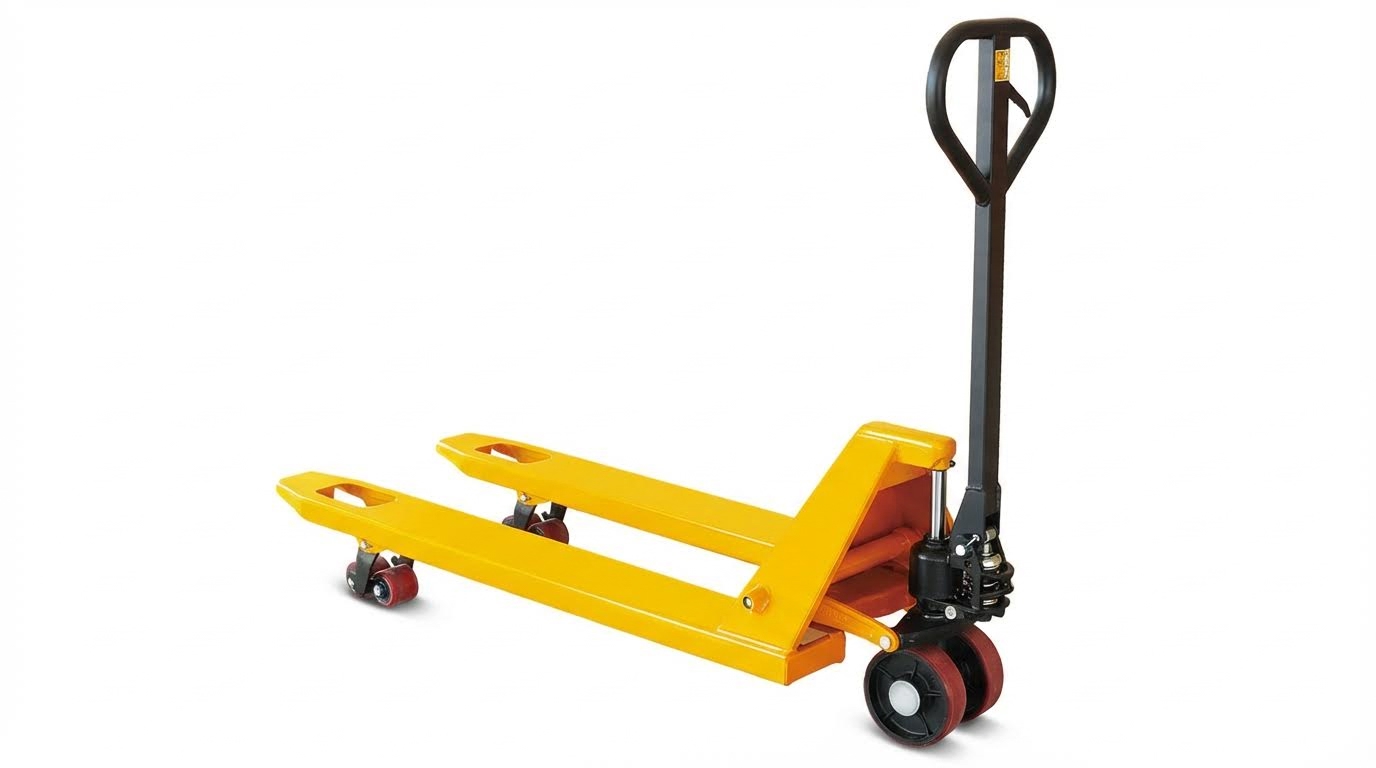
يتحكم نظام الطلاء والمادة الأساسية في عمر التآكل والنظافة، خاصة في مصانع الأغذية والأدوية والمعالجة الرطبة.
- درجة الفولاذ الأساسي: يوفر الفولاذ الإنشائي Q235 أو ما شابهه من الفولاذ ذي قوة شد ≥ 400 ميجا باسكال صلابة جيدة – فهو يقاوم انحناء أطراف الشوكة تحت الأحمال العالية. المرجع: فولاذ Q235 وقوته
- خطوات ما قبل المعالجة: تُستخدم عملية التخليل الحمضي والفوسفاتة لتنظيف السطح وتجهيزه – فهي تساعد الطلاءات على الالتصاق ومقاومة الصدأ تحت الطبقة. المرجع: التخليل الحمضي والفوسفاتة
- سمك ونوع الطلاء: توفر الطلاءات المسحوقة أو الإيبوكسية التي يصل سمكها إلى حوالي 80 ميكرومتر حماية قوية – فهي تؤخر الصدأ في المستودعات الرطبة وأرصفة التحميل. بعض الطرازات تتحمل أكثر من 480 ساعة في اختبارات رش الملح وفقًا لمعيار ASTM B117. المرجع: طلاء بسمك 80 ميكرومتر واختبار رذاذ الملح لمدة 480 ساعة
- إصدارات من الفولاذ المقاوم للصدأ أو المجلفن: بالنسبة للمناطق المعرضة للغسيل أو التآكل، فإن استخدام الشاحنات المصنوعة من الفولاذ المقاوم للصدأ أو المجلفنة بالغمس الساخن يمنع تسرب الصدأ – فهي تحمي النظافة وتقلل من خطر التلوث. المرجع: شاحنات من الفولاذ المقاوم للصدأ والمجلفن
| التشطيب / المادة | البيئة | مستوى التكلفة | التأثير التشغيلي |
|---|---|---|---|
| طلاء مسحوق قياسي (~80 ميكرومتر) | مستودع داخلي جاف | المستوى الأساسي | عمر افتراضي مناسب إذا كانت الصدمات والخدوش محدودة |
| طلاء إيبوكسي مُحسّن مع معالجة مسبقة كاملة | أرصفة رطبة، استخدام خارجي عرضي | متوسط | مقاومة أفضل للصدأ؛ تقشر أبطأ للطلاء عند الخدوش |
| الصلب المجلفن | تخزين خارجي رطب، قابل للتآكل بشكل طفيف | أكثر | يقاوم التقشر والتآكل تحت الطبقة في دورات الرطوبة |
- تصميم يركز على النظافة: تساهم اللحامات الملساء والأجزاء المغلقة والحد الأدنى من مصائد الأوساخ في تبسيط عملية التنظيف – يُعد هذا الأمر مهماً في مجال الأغذية أو الأدوية حيث تكون رقائق الصدأ والأوساخ العالقة غير مقبولة.
- المعايير والشهادات: الشاحنات المصنعة وفقًا لمعيار ISO 9001:2015 والمختبرة وفقًا لمعيار EN ISO 3691 أو معايير مماثلة، والتي تتحكم في العمليات بإشارات ضوئية – يرتبط هذا عادةً بجودة الطلاء واللحام المتسقة. المرجع: شهادات ISO و CE
ملاحظة من مهندس ميداني: في البيئات الرطبة أو المالحة، غالبًا ما تبدو الشاحنات المطلية الرخيصة بحالة جيدة لمدة تتراوح بين 6 و12 شهرًا، ثم سرعان ما تتقشر وتتشقق. وبمجرد أن يتغلغل الصدأ تحت الطلاء، يصبح الإصلاح نادرًا ما يكون اقتصاديًا؛ من الأفضل اختيار مواصفات مقاومة أعلى للتآكل منذ البداية.
مقاومة التآكل مقابل أين يمكنني إيجاد عروض تنافسية على شاحنات نقل البضائع اليدوية
إذا كانت عملياتك جافة ومغلقة، يمكنك إعطاء الأولوية للسعر والطلاء الأساسي بالبودرة. أما في البيئات الرطبة أو الباردة أو التي تتطلب معايير صحية صارمة، فإن "العروض التنافسية" تعني الحصول على أفضل حزمة حماية من التآكل مقابل كل يورو، وليس أقل سعر مبدئي في عرض السعر.
مطابقة نوع الشاحنة مع التطبيق والميزانية
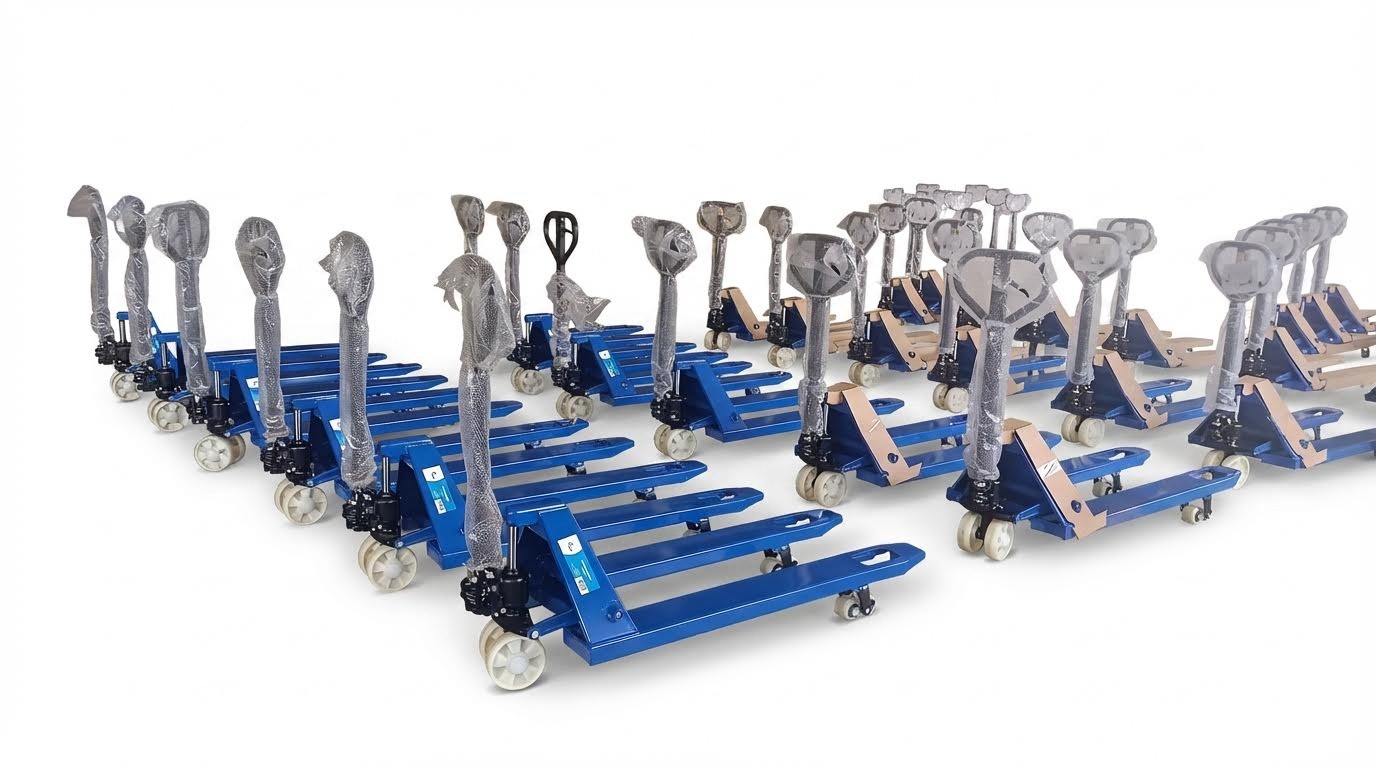
يعتمد اختيار رافعات البليت اليدوية أو الكهربائية على المسافة وحجم البليت وتكلفة العمالة، وليس فقط على سعر الشراء. يساعدك هذا القسم على مطابقة نوع الرافعة مع سير العمل وفهم العوامل المؤثرة فعليًا على التكلفة الإجمالية للملكية.
عند مقارنة الخيارات والتساؤل عن أفضل العروض على رافعات البليت اليدوية، حدد أولاً دورة العمل والمسافات المطلوبة. عندها يمكنك التسوق بثقة، بدلاً من البحث عن أقل سعر ثم دفع مبالغ زائدة في تكاليف العمالة لاحقاً.
| عامل | شاحنة يدوية بمنصة نقالة | شاحنة البليت الكهربائية | التأثير التشغيلي |
|---|---|---|---|
| الاستخدام اليومي المعتاد | أقل من 4 ساعات في اليوم موصى به | مسارات طويلة متعددة الورديات | يناسب العمل اليدوي الأعمال الخفيفة والمتقطعة؛ بينما يناسب العمل الكهربائي التعامل المستمر. |
| المسافة النموذجية لكل حركة | مسافات قصيرة، أقل من 60-70 متر (≈200 قدم) | الأفضل > 60-90 مترًا، وخاصة > 90 مترًا (300 قدم) لتحقيق عائد استثماري | تساهم الرحلات الطويلة في زيادة وفورات العمالة الناتجة عن القيادة الآلية. |
| عدد المنصات التي يتم التعامل معها في الساعة | ≈15 منصة نقالة/ساعة | ≈27 منصة نقالة/ساعة ملاحظ | يؤدي استخدام الكهرباء إلى زيادة الإنتاجية بنسبة 45% تقريباً في فترات العمل المزدحمة. |
| حجم المنصة المثالي | أقل من 20 منصة نقالة/ساعة | حوالي ٥٠ منصة نقالة/ساعة، فترة استرداد رأس المال ١٨ شهرًا بيانات الحالة | يفضل الحجم المنخفض التشغيل اليدوي؛ بينما يفضل الحجم المرتفع التشغيل الكهربائي. |
| ملف تعريف الحمل النموذجي | أحمال خفيفة إلى متوسطة، وذروات عرضية | الأحمال اليومية الثقيلة > ≈1,350 كجم (3,000 رطل) استفادة أكبر | الأحمال الثقيلة والمتكررة تبرر استخدام الرافعات والسيارات الآلية. |
| إرهاق العامل | زيادة في الإرهاق والإجهاد؛ ارتفاع معدلات الإرهاق بنسبة 23%، وزيادة الإصابات العضلية الهيكلية بنسبة 18% في الدراسات | إجهاد بدني أقل بكثير | يقلل استخدام الكهرباء من قوى الدفع والسحب وخطر الإصابة. |
| أفضل خيار يناسب الميزانية | أقل تكلفة أولية، مناسبة للنفقات الرأسمالية المحدودة | تكلفة أولية أعلى، وتكلفة أقل لكل منصة نقالة عند الشراء بكميات كبيرة | اختر التشغيل اليدوي للمشاريع الجديدة؛ والتشغيل الكهربائي للمواقع المستقرة ذات الإنتاجية العالية. |
💡 ملاحظة من مهندس ميداني: غالبًا ما أرى مواقع تشتري كتيبات فقط "لتوفير المال"، ثم تخسر بهدوء أكثر في التحميل البطيء والعمل الإضافي ومطالبات الإصابات في غضون 12-24 شهرًا مما كانت ستكلفه شاحنة كهربائية.
يدوي مقابل كهربائي: الإنتاجية والتكلفة الإجمالية للملكية
تختلف شاحنات نقل البضائع اليدوية والكهربائية بشكل كبير في الإنتاجية وتكلفة العمالة وتكلفة الملكية على المدى الطويل، وليس فقط في سعر الشراء.
| بند التكلفة / الأداء | شاحنة يدوية بمنصة نقالة | شاحنة البليت الكهربائية | تأثير العالم الحقيقي |
|---|---|---|---|
| السعر الأولي النموذجي | ≈1,200–2,500 دولار نطاق | ≈3,500–5,000 دولار | يحقق التشغيل اليدوي نتائج أفضل في اليوم الأول؛ بينما يحقق التشغيل الكهربائي نتائج أفضل إذا كنت تستهلك كميات كبيرة. |
| الصيانة السنوية | ≈300–600 دولار أمريكي/سنوياً | ≈150–400 دولار أمريكي/سنوياً وذكرت | قد يكون تشغيل الكهرباء أرخص في الواقع. |
| حصة التكلفة الإجمالية للملكية من الصيانة | ما يقارب 40% من إجمالي تكلفة الملكية على مدى 10 سنوات | ما يقارب 25% من إجمالي تكلفة الملكية على مدى 10 سنوات | تستهلك كتيبات التعليمات جزءًا أكبر من ميزانيتك في الصيانة على المدى الطويل. |
| تكلفة الطاقة | لا شيء (القوة البشرية) | تكلفة الكهرباء تقارب 120 دولارًا سنويًا نموذجي | تُعتبر الطاقة ضئيلة مقارنة بتوفير العمالة. |
| التكاليف التشغيلية (الصيانة، قطع الغيار الصغيرة) | ≈50 دولارًا أمريكيًا سنويًا كما هو مذكور في بعض الدراسات | ≈300 دولار أمريكي سنوياً شاملة البطارية والصيانة | تنفق الشركات الكهربائية المزيد على الشاحنات، وأقل على العمال. |
| إنتاجية | حوالي 15 منصة نقالة/ساعة لكل عامل | ≈27 منصة نقالة/ساعة (≈45% زيادة) | يمكن للكهرباء أن تضاعف عدد المنصات تقريبًا في كل وردية. |
| زمن الدورة (جري لمسافة 100 متر) | خط الأساس | أسرع بحوالي 22 ثانية لكل 100 متر قياس | توفير كبير عند التنقل طوال اليوم بين الرصيف والرفوف. |
| توفير تكاليف العمالة عبر المسافات | محدود | انخفاض تكلفة العمالة بنسبة تتراوح بين 18 و22% تقريبًا عند تجاوز مسافة الرحلة 90 مترًا (300 قدم). وذكرت | تُفضل الممرات الطويلة وعمليات الشحن والتفريغ المباشر استخدام الكهرباء. |
| الإصابة والإرهاق | زيادة في الإرهاق بنسبة 23%، وزيادة في إصابات الجهاز العضلي الهيكلي بنسبة 18%، بالإضافة إلى فترات توقف عن العمل ومطالبات بمتوسط 15,000 دولار أمريكي لكل حالة. حيث يتم التتبع | إجهاد أقل بكثير، وتسارع وكبح أكثر سلاسة | أفضل للموظفين الأكبر سناً أو القوى العاملة ذات معدل دوران الموظفين المرتفع. |
| مثال على فترة السداد | يُفضل استخدامه عند إنتاج أقل من 20 منصة نقالة في الساعة ولعمليات إنتاج قصيرة. | فترة استرداد رأس المال ≈ 18 شهرًا بمعدل ≈ 50 منصة نقالة/ساعة دراسة حالة | تسترد المستودعات المزدحمة تكلفة الكهرباء بسرعة. |
- أفضل وضعية للشاحنات ذات ناقل الحركة اليدوي: حجم منصات التحميل منخفض، دفعات قصيرة، ميزانية محدودة – مثالية للورش الصغيرة، أو غرف التخزين الخلفية لمحلات البيع بالتجزئة، أو التحميل العرضي.
- أفضل نقطة لشاحنة كهربائية: حجم كبير من المنصات، مسارات طويلة، نوبات عمل متعددة – مثالي لمراكز التوزيع ومصانع الإنتاج.
- استراتيجية الأسطول المختلط: استخدم الأدلة في نقاط التعبئة/الإنتاج، واستخدم الأجهزة الكهربائية في عمليات النقل لمسافات طويلة. يقلل من تكلفة مناولة المنصات بنحو 19% في المستودعات متعددة الورديات وفقًا للبيانات المبلغ عنها.
كيف يؤثر هذا على أماكن العثور على عروض تنافسية لشاحنات نقل البضائع اليدوية؟
حدد أولاً ما إذا كنت تحتاج فعلاً إلى الكهرباء بناءً على عدد المنصات في الساعة ومسافة النقل. ثم قارن التكلفة الإجمالية على مدى 5-10 سنوات، وليس فقط الأسعار. هذا يُمكّنك من تمييز العروض التنافسية الحقيقية عند رؤيتها.
دورة العمل، مسافة السفر، وإرهاق المشغل
تحدد دورة العمل ومسافة السفر ما إذا كانت الشاحنة اليدوية قابلة للتحكم أم أنها تمثل مشكلة خفية تتعلق ببيئة العمل والتكلفة.
- دورة العمل (ساعات في اليوم): تُناسب الشاحنات اليدوية أقل من 4 ساعات من الاستخدام النشط يوميًا؛ أما بعد ذلك، فيزداد الإجهاد ووقت التوقف بشكل حاد. بينما تُناسب الشاحنات الكهربائية العمل المتواصل أو العمل بنظام الورديات المتعددة بشكل أفضل بكثير. هذا يحمي المشغلين ويحافظ على استقرار الإنتاج.
- عدد الرحلات في كل وردية: يتطلب التنقل المتكرر بين رصيف التحميل ومواقع التخزين جهدًا متبادلًا. حتى في المسافات المتوسطة، يمكن للعديد من الرحلات القصيرة أن تبرر استخدام السيارات الكهربائية.
- مسافة السفر لكل رحلة: عندما تتجاوز المسارات 60-90 متراً، يصبح السحب اليدوي هو العائق الرئيسي. تعمل الوحدات الكهربائية على تقليل دورات الـ 100 متر بحوالي 22 ثانية، مما يحافظ على سرعة ثابتة طوال فترة العمل. هذا يزيل تأثير "الساعة الأخيرة البطيئة".
- حالة الأرضية وانحداراتها: أي ميل أو أرضية خشنة يضاعف القوة اللازمة لبدء وإيقاف الأحمال. تخفي الشاحنات الكهربائية خسائر الاحتكاك هذه التي تضر بالمستخدمين اليدويين.
- الملف الشخصي للمشغل: يتعب العمال الأصغر حجماً أو الأكبر سناً بشكل أسرع عند القيام بأعمال يدوية شاقة. تُساهم المساعدة الكهربائية في تحقيق تكافؤ الفرص وتقليل مخاطر الإصابة.
تشير التقارير إلى أن الرافعات الهيدروليكية اليدوية تساهم في زيادة معدلات الإرهاق بنسبة 23%، وزيادة الإصابات العضلية الهيكلية بنسبة 18%، وحوالي 45 ساعة إضافية من وقت التوقف لكل وحدة سنويًا عند احتساب وقت الصيانة والإصلاح في تحليل واحد . بالنسبة لأي موقع يعاني من نقص في الموظفين، فإن هذا الوقت الضائع يفوق بسرعة أي توفير بسيط في تكلفة الشاحنة نفسها.
- الخطوة 1 : حدد مساراتك الرئيسية بالأمتار – من الرصيف إلى الرفوف، ومن الرفوف إلى الإنتاج، وما إلى ذلك. أي شيء يزيد باستمرار عن 60-90 مترًا هو مؤشر على الحاجة إلى الكهرباء.
- الخطوة 2 : عدّ المنصات في الساعة وفي كل وردية عمل – إذا تجاوز أحد المشغلين بانتظام 20 منصة نقالة في الساعة، فأنت في منطقة الأسطول الكهربائي أو المختلط.
- الخطوة 3 : لاحظ المنحدرات والنتوءات والمناطق الوعرة – هذه هي النقطة التي يبدأ فيها الإرهاق اليدوي والإصابات، خاصة مع الأحمال الثقيلة.
- الخطوة 4 : مراجعة بيانات الغياب والإصابات – تُعد مشاكل الظهر أو الكتف أو الرسغ المتكررة المرتبطة بالتعامل مع المنصات مؤشراً قوياً على أن الاعتماد على العمل اليدوي فقط هو أمر مفرط في العدوانية.
- الخطوة 5 : قم بإجراء تقدير بسيط للعائد على الاستثمار – قارن ساعات العمل الإضافية وتكاليف الإصابات بتكلفة استئجار أو تمويل وحدة كهربائية على مدى 3-5 سنوات.
ملاحظة من مهندس ميداني: إذا لجأ المشغلون إلى "الغش" بتحميل شاحنة يدوية فوق طاقتها أو جرّها جانبياً للتخفيف من الإرهاق، فتوقع انحناء الشوكات، وتسرب الزيت الهيدروليكي، وتلف المنصات بشكل خفي. هذا السلوك مؤشر على أن دورة العمل قد تجاوزت قدرة المعدات اليدوية.
قائمة مراجعة سريعة قبل طلب عروض الأسعار
استعد:
- متوسط وذروة الحمل لكل منصة نقالة (كجم).
- متوسط مسافة السفر لكل حركة (م).
- يتم نقل المنصات لكل عامل في كل وردية.
- عدد النوبات في اليوم وعدد الأيام في الأسبوع.
- أي منحدرات أو أرضيات خشنة.
لا يستطيع الموردون تقديم عروض تنافسية حقيقية على رافعات البليت اليدوية إلا عند مشاركة هذه البيانات. فهذا يُمكّنهم من اقتراح المزيج الأمثل من الوحدات اليدوية والكهربائية بدلاً من المبالغة في البيع أو التقليل من المواصفات.
اعتبارات أخيرة قبل الشراء
يُعدّ اختيار رافعة الباليت اليدوية قرارًا هندسيًا، وليس مجرد مقارنة للسعر. يجب أن تتناسب سعة الحمولة، وشكل الشوكة، وارتفاع الرفع مع أثقل الباليتات لديك، وتصميم الممرات، وجودة الأرضية. إذا لم تُراعِ هذه المواصفات بشكل كافٍ، فإنك تُعرّض نفسك لمخاطر انحناء الشوكات، وعدم استقرار الأحمال، وإصابات المشغلين.
تُحدد الأنظمة الهيدروليكية والعجلات والطلاءات كيفية أداء الشاحنة بعد سنوات من الاستخدام. تحافظ المضخة المصممة جيدًا، ذات الأختام عالية الجودة والأجزاء المصنعة بدقة، على جهد الرفع منخفضًا وعلى الزيت داخل النظام. يقلل اختيار مادة العجلات وتصميمها المناسب من قوى الدفع والضوضاء، مع حماية الأرضيات. تمنع الطلاءات المناسبة، وعند الحاجة، استخدام الفولاذ المقاوم للصدأ أو المجلفن، التآكل من تحويل الشاحنة الرخيصة إلى خردة.
وأخيرًا، اختر الشاحنات اليدوية أو الكهربائية بناءً على دورة العمل والمسافة. تناسب الشاحنات اليدوية الطرق القصيرة ذات الحركة المنخفضة. أما الشاحنات الكهربائية، فتُحقق عائدًا سريعًا على الرحلات الطويلة والمزدحمة من خلال تقليل الإرهاق والإصابات والعمل الإضافي. تستفيد العديد من المواقع من استخدام أسطول مختلط.
ينبغي على فرق العمليات والهندسة تحديد الأحمال والمسارات والطوابق والبيئة، ثم مقارنة العروض بناءً على هذه الاحتياجات. استخدم هذه البيانات لمقارنة التكلفة الإجمالية على مدار عمر الشاحنة، وليس سعر الشراء فقط. عند القيام بذلك، ستشير "العروض التنافسية" إلى الشاحنات التي تحافظ على سلامتها وسهولة حركتها، وتضمن استمرار نقل منصات التحميل وردية تلو الأخرى، خاصةً عند التعامل مع مورد متخصص مثل Atomoving.
الأسئلة الشائعة
أين يمكنني العثور على عروض تنافسية على شاحنات نقل البضائع اليدوية؟
للعثور على عروض تنافسية على شاحنات نقل البضائع اليدوية، ضع في اعتبارك استكشاف الخيارات التالية:
- الأسواق عبر الإنترنت: غالبًا ما توفر مواقع مثل أمازون وعلي بابا تشكيلة واسعة من رافعات البليت اليدوية بأسعار متفاوتة. قارن بين العروض للعثور على أفضل صفقة.
- الموردين الصناعيين المحليين: قم بزيارة أو الاتصال بالموردين في منطقتك المتخصصين في معدات مناولة المواد. قد يقدمون خصومات أو لديهم نماذج مجددة متاحة.
- خصومات الشركة المصنعة: تحقق مما إذا كانت الشركات المصنعة تقدم أي عروض ترويجية أو تخفيضات على المنتجات. الاشتراك في النشرات الإخبارية يُبقيك على اطلاع دائم بهذه العروض.
- مواقع المزادات: تقوم منصات مثل موقع eBay أو مواقع المزادات الصناعية أحيانًا بعرض شاحنات نقل البضائع اليدوية بأسعار مخفضة.
إذا كنت تبحث عن خيارات مستعملة، فإن المناطق الصناعية أو الإعلانات المبوبة المحلية تُعدّ مصادر جيدة أيضاً. تأكد دائماً من أن المعدات مطابقة لمعايير السلامة قبل الشراء.
هل يوجد مكان يقدم منصات نقالة مجاناً؟
تقدم بعض الشركات أحيانًا منصات خشبية مجانًا. ومن الأماكن الشائعة التي يمكنك البحث فيها:
- محلات السوبر ماركت والمتاجر الكبرى: تستقبل هذه المواقع في كثير من الأحيان شحنات على منصات نقالة وقد تكون على استعداد للتخلي عنها.
- مواقع البناء: قد تتوفر منصات نقالة غير مستخدمة أو مهملة إذا سألت مدير الموقع.
- المناطق الصناعية: غالباً ما يكون لدى المصانع أو المستودعات منصات نقالة زائدة لم تعد بحاجة إليها.
قبل استلام المنصات الخشبية، تأكد من توفرها لدى الشركة. لمزيد من التفاصيل، راجع نصائح الحصول على المنصات الخشبية.