
If you are asking what is aerial platform training, it is the structured process that qualifies you to use scissor platform, boom lifts, and other MEWPs safely and legally. This article explains the core OSHA and ANSI requirements, from theory and hands‑on practice to inspections, fall protection, and hazard control before you ever touch the controls. You will see how compliant training reduces tip‑overs, falls, and electrical contact incidents while improving productivity at height. Use this guide as a checklist to design, audit, or update your own aerial platform training program.
Understanding Aerial Work Platforms And Training Basics
What Counts As An Aerial Work Platform Or MEWP
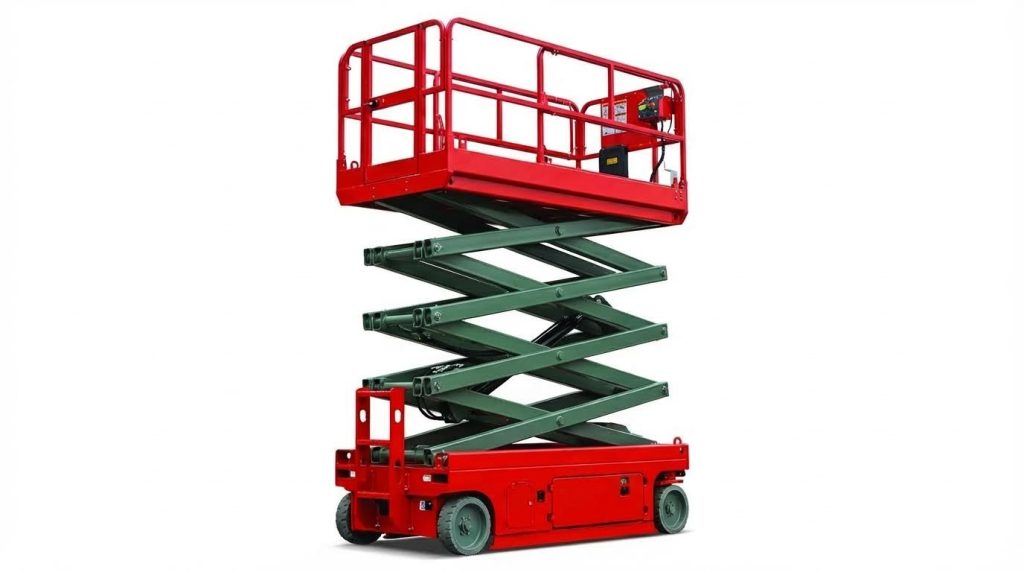
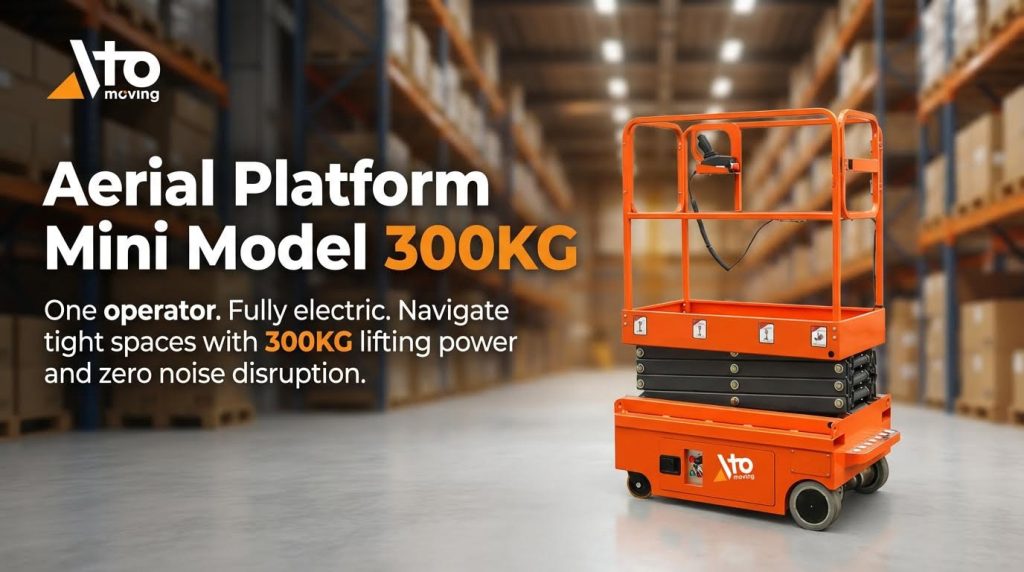
In practical terms, “what is aerial work platform training” starts with knowing exactly which machines are covered. An aerial work platform or Mobile Elevating Work Platform (MEWP) is any powered device that lifts people, tools, and materials to work at height on a supported platform. Typical units include boom lifts, scissor lifts, vertical mast lifts, and vehicle-mounted bucket trucks. All share four core elements: a base, a lifting mechanism, a work platform or bucket, and operator controls on the chassis and/or platform described as the four basic components of an aerial lift.
- Extensible and articulating boom platforms reach up and out to clear obstacles.
- Scissor and vertical lifts move mainly straight up for maintenance and construction tasks.
- Truck-mounted platforms add road mobility for utility, signage, and tree work.
Because these machines can tip, contact power lines, or eject occupants, they fall under strict training and authorization rules. Any employee who uses powered access equipment to elevate themselves for work at height should be treated as an aerial work platform or MEWP operator and included in your training program.
OSHA And ANSI Training Rules You Must Meet
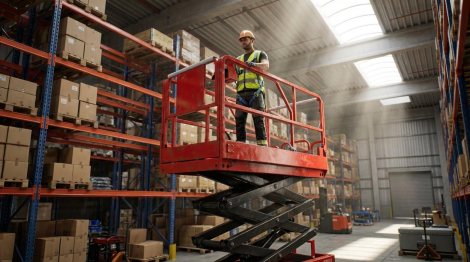
Regulations answer the core question “what is aerial work platform training” by defining minimum content and who may operate. OSHA requires that only trained and authorized workers operate aerial lifts, and that training covers electrical, fall, struck‑by, and falling‑object hazards, plus correct operation, load capacity, and reach limits for each lift type used. Aerial lift rules in construction also reference OSHA 1926.453, which requires formal instruction and practical, hands‑on training before a worker is considered “authorized” to operate an aerial lift with emphasis on hazards, fall protection, controls, inspections, and procedures.
- Training must include how to perform pre‑shift inspections and evaluate worksite conditions before use to ensure safe operation.
- Operators must learn to calculate total load weight and compare it with the rated platform capacity before lifting to prevent overloading.
- Retraining is required after incidents, when new hazards are identified, or when operators use a different lift type than they were originally trained on to keep skills aligned with actual equipment.
ANSI standards add design and safety expectations that your training should reflect, such as gated platform entrances instead of chains and onboard safety devices that can stop the lift if platform weight limits are exceeded or if wind speeds become unsafe including wind and load sensors. Together, OSHA and ANSI make it clear that compliant aerial work platform training is not a quick orientation: it is a structured program of classroom theory, hands‑on practice, and documented evaluation tailored to the specific MEWPs and hazards in your workplace.
Core Elements Of Compliant Aerial Work Platform Training
Equipment Types, Components, And Operating Limits
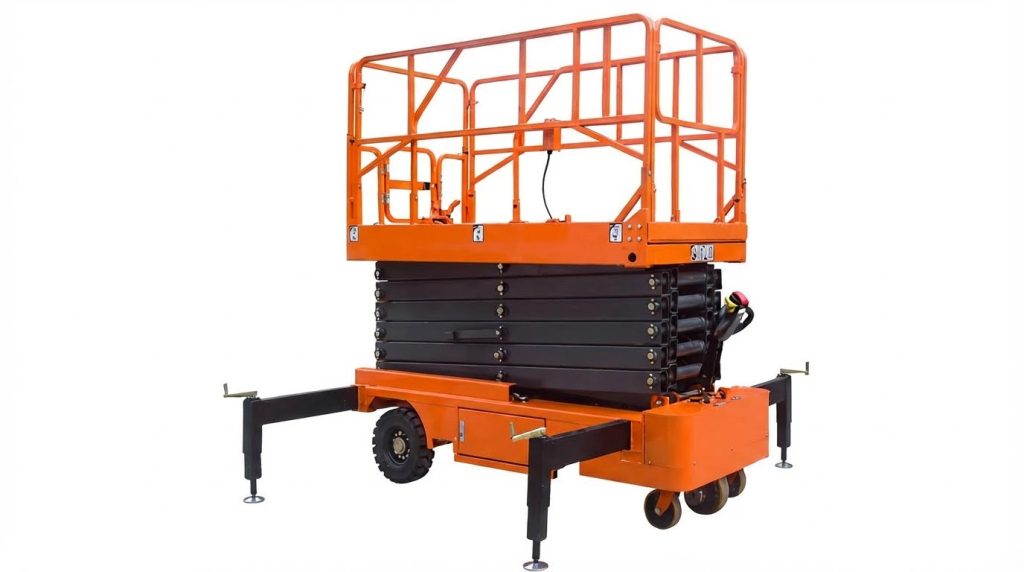
When people ask what is aerial work platform training, this part of the program explains exactly what machines are covered and how they work. Trainees must recognize main MEWP types, including scissor lifts, vertical lifts, articulating booms, telescopic booms, aerial ladders, and vehicle-mounted platforms, because each has different reach, stability, and hazard profiles. A solid course breaks the machine down into its basic assemblies so operators understand how forces flow through the structure and where failures are most likely.
- Core components normally include the base or chassis, the lifting mechanism, the platform or bucket, and all control stations and safety devices. Typical aerial lift training materials describe these four basic elements in detail.
- Operating limits cover maximum platform height, horizontal outreach, rated load, allowable wind speed, and permitted ground slope. Good courses teach operators to read the manufacturer’s decals and load charts rather than rely on guesswork.
- Control functions include ground and platform controls, emergency stop, emergency lowering, tilt alarms, and overload or wind-speed sensors. Newer MEWPs often include gate-style entrances and interlocks that prevent movement if guards are not correctly closed. ANSI guidance has driven adoption of features such as gated entrances and safety sensors.
To stay compliant, training must link each equipment type and component to its engineering limits, so operators know not only what a control does, but also why exceeding a limit risks structural failure or tip-over.
Pre-Use Inspections, Stability, And Load Calculations
Pre-use inspections are a core answer to what is aerial work platform training, because they prevent most mechanical and stability incidents. Courses teach operators to complete a systematic walk-around and function test before each shift, and to document defects so unsafe equipment is removed from service.
- Pre-start checks typically include brakes, steering, hydraulic hoses, cylinders, tires, outriggers or stabilizers, guardrails, gates, and emergency descent systems. OSHA guidance stresses that defective lifts must not be operated until repaired by a qualified person.
- Worksite assessment training covers checking for overhead power lines, traffic, obstructions, soft soil, holes, slopes, and drop-offs. Best-practice guidance calls for clearing the area and setting up visible warning signs and barriers.
- Stability principles focus on keeping the center of gravity inside the support polygon formed by wheels or outriggers. Operators learn why firm, level support is essential, when to deploy outriggers and wheel chocks, and how slopes reduce the safe working envelope. Some bucket trucks are limited to slopes of about five degrees unless special technology is used.
- Load calculation training shows operators how to add the weight of people, tools, and materials and compare the total to the rated capacity on the data plate. OSHA emphasizes that exceeding the manufacturer’s load rating can cause tip-over or structural failure.
In a compliant program, these topics are reinforced with checklists and practical exercises so operators can apply the theory under real site conditions.
Fall Protection, Electrical Hazards, And Weather Risks
A strong aerial work platform course answers what is aerial work platform training by going beyond controls and mechanics to hazard control. The curriculum must cover fall protection, electrical hazards, and environmental factors, because these account for many serious incidents.
- Fall protection training explains when guardrails alone are acceptable and when a personal fall arrest system is required. Operators practice fitting full-body harnesses, selecting lanyards, and connecting to approved anchor points on the platform. Guidance stresses proper harness adjustment and secure anchorage to prevent ejection from the lift.
- Electrical hazard avoidance focuses on maintaining minimum approach distances from overhead lines and treating all lines as energized until the utility confirms otherwise. OSHA recommends keeping at least 10 feet (about 3 meters) away from power lines, with greater distances for higher voltages. Trainees also learn that insulated booms reduce, but do not eliminate, shock risk if another path to ground exists.
- Weather and environmental risks include high winds, rain, snow, ice, lightning, and poor visibility. Operators are taught to monitor wind speed, respect the manufacturer’s wind rating, and lower or stow the platform when conditions exceed limits. Industry guidance advises avoiding operation in adverse conditions such as strong winds, heavy rain, or frost whenever possible.
- Emergency preparedness is often integrated here, covering how to use emergency lowering systems, how ground staff should respond to entrapment or contact with power lines, and how to report and investigate incidents. Best practice includes written procedures and regular drills.
Together, these elements ensure that aerial work platform training does not just meet minimum rules but gives operators the skills to recognize changing risks and respond safely in the field.
Advanced Skills, Recertification, And Program Design
Certification Periods, Retraining, And Recordkeeping
When companies ask what is aerial work platform training, they often overlook how long certification lasts and how to manage renewals. In most programs, aerial platform or MEWP certification remained valid for about three years, although some employers required shorter internal cycles such as annual refreshers. Formal recertification became necessary if an operator’s performance declined, after a long gap without operating a MEWP, when new or different equipment was introduced, or following any accident or near-miss incident. Typical certification periods and triggers for retraining Training that met OSHA expectations included formal instruction, hands-on practice, and a documented performance evaluation by a qualified person, not just basic familiarization. OSHA-compliant certification requirements
From a program design standpoint, robust recordkeeping underpinned compliance and reduced liability. At minimum, employers documented the operator’s name, equipment class, training date, trainer’s name and qualifications, and the results of written and practical evaluations. Many organizations used digital systems or fleet-management software to store certificates, inspection logs, and annual equipment certifications to satisfy OSHA and insurer audits. Compliance and documentation expectations Clear retraining triggers were built into written procedures so supervisors knew when to pull an operator for refresher training after incidents, near misses, or changes in job conditions.
PAL-Style Advanced Courses And VR-Based Assessment
Beyond basic operator qualification, advanced courses answered a more demanding version of what is aerial work platform training for high-risk work. PAL-style advanced programs focused on operators who worked at greater heights, in congested areas, or on complex structures. One such advanced course typically ran as a one-day, high-intensity program that emphasized practical skills on larger machines, such as scissor platform above 10 m working height and boom lifts above 15 m. Scope and structure of advanced MEWP courses
These advanced programs often used scenario-based exercises, including platform positioning in tight spaces, managing reach limits, and working around overhead obstacles and power lines. Practical assessments could be delivered either on real MEWPs or in a Virtual Reality environment that simulated wind, ground slope, obstructions, and emergency situations without exposing trainees to actual risk. Use of VR for MEWP assessment VR-based evaluations allowed instructors to repeat complex scenarios, capture detailed performance metrics, and standardize testing across sites.
Advanced MEWP qualifications usually carried their own validity period, often around five years, and came with stricter logbook requirements. For example, operators might need 60 logged MEWP entries over five years, including a minimum number in the final year, to qualify for direct renewal; otherwise, they had to repeat both the core and advanced courses. Typical advanced qualification validity and logbook criteria Safety managers designing an AWP program could use this model by defining internal “advanced operator” levels, setting experience thresholds, and leveraging VR or simulated exercises to validate skills for their highest-risk tasks.
Key Takeaways For Safe, Compliant AWP Operation
Effective aerial work platform training blends engineering limits, human behavior, and legal duties into one clear system. Operators learn how each MEWP type carries loads, where its stability envelope ends, and how wind, slope, and outreach change the tipping risk. They also learn to treat pre-use inspections and worksite assessments as non‑negotiable steps, not paperwork. That discipline keeps damaged parts, soft ground, and overhead power lines from turning into fatal events.
When you add structured fall protection, electrical clearance rules, and weather limits, the training turns into a practical risk‑control plan. Recertification, clear retraining triggers, and strong records then keep skills and documents aligned with OSHA and ANSI expectations. Advanced and VR‑based courses help you prove competence for the toughest jobs without adding exposure.
The best practice for any operation is simple. Build a written MEWP program that ties every topic to a specific hazard and equipment limit. Use checklists, realistic drills, and equipment from partners such as Atomoving to match training to actual machines. Audit performance, not just attendance. If you treat aerial work platform training as a living safety system instead of a one‑time class, you cut incidents, protect people, and keep every lift legally defensible.
Frequently Asked Questions
What is an aerial work platform?
An aerial work platform (AWP), also known as a boom lift, cherry picker, or scissor lift, is a mechanical device used to provide temporary access for people or equipment to elevated areas. These platforms are commonly used in construction, maintenance, and inspection tasks. Aerial Work Platform Overview.
How long is aerial work platform training valid?
Aerial work platform training typically needs to be refreshed every three years, but this can vary depending on local regulations and company policies. It’s important to stay updated with the latest safety practices. MEWP Safety Guidelines.
What are examples of tasks performed using aerial work platforms?
- Building and construction
- Safety inspections
- Window cleaning and repairs
- Tree trimming and orchard work
- Electrical wiring repair
- Entertainment and broadcasting
These tasks often require working at heights that are otherwise difficult to reach safely. Popular Aerial Lift Jobs.