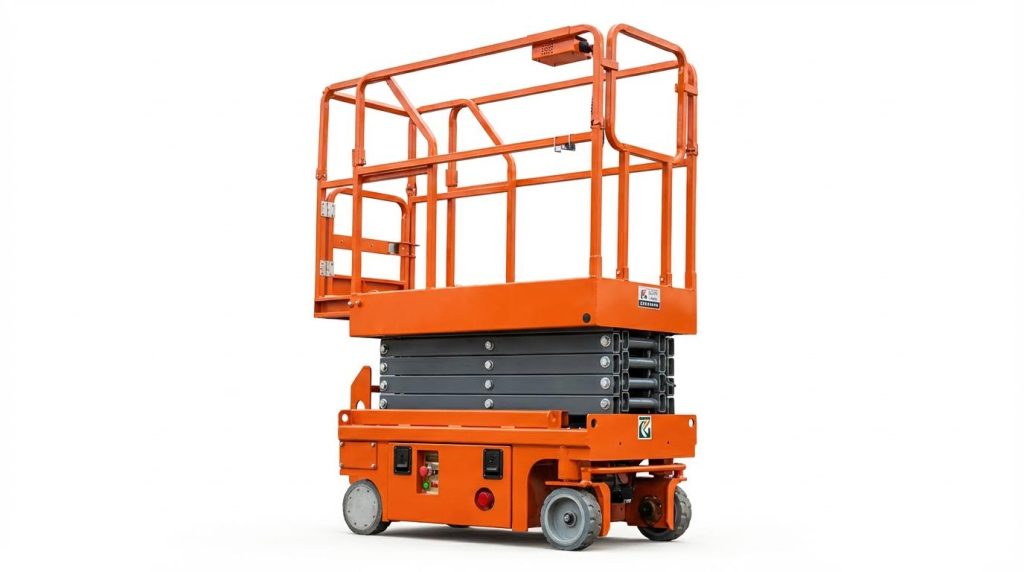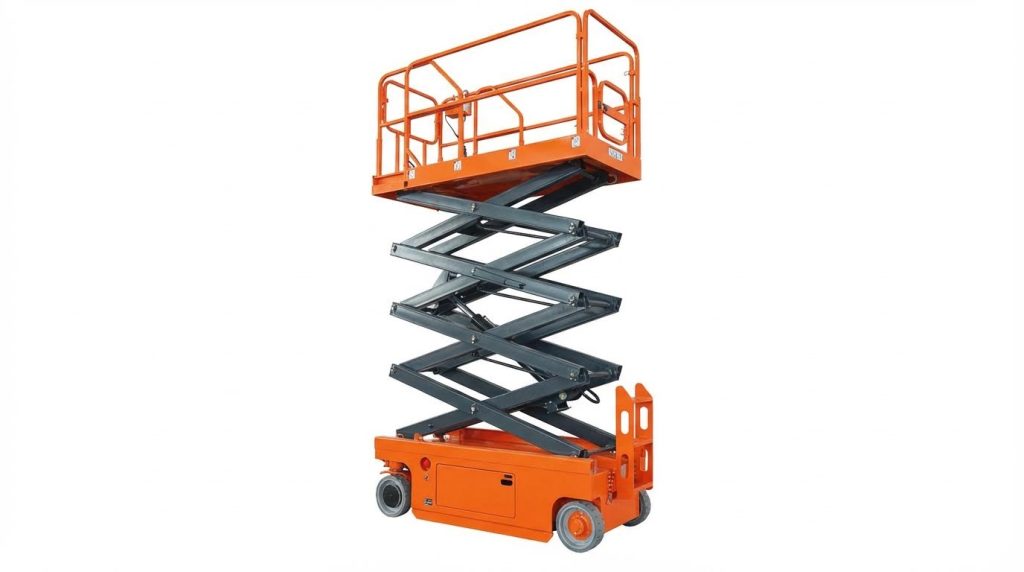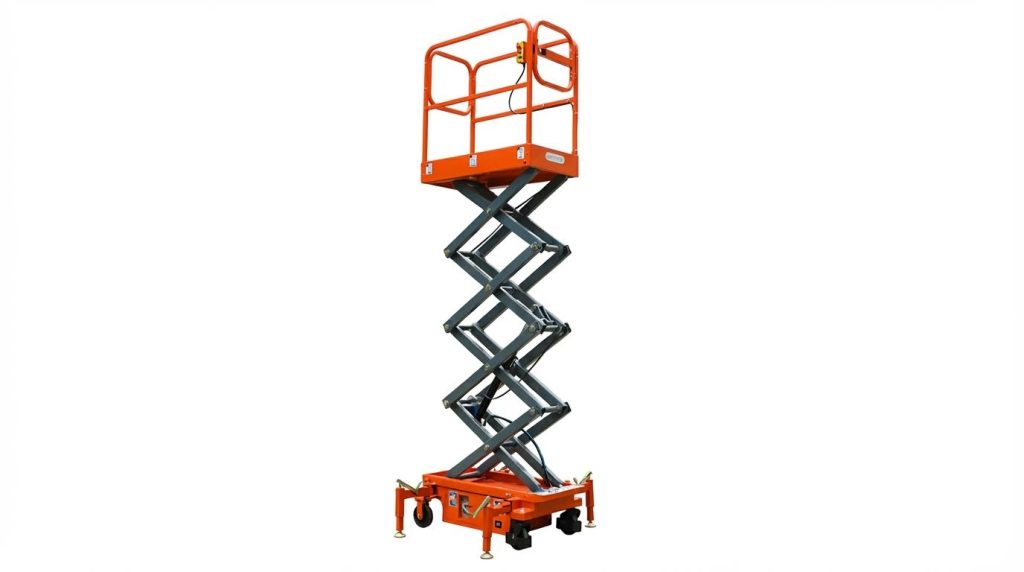
Aerial work platforms (AWPs) are critical tools in construction, maintenance, and industrial operations, enabling safe access to elevated work areas. Proper training and certification ensure operators can handle these complex machines while minimizing risks. This article covers regulatory standards, operator competencies, maintenance best practices, and key considerations to maintain safety and compliance in AWP use.
Understanding the requirements and protocols for AWP operation helps organizations meet legal obligations and protect personnel. The following sections provide detailed insights into certification processes, operational safety, and maintenance strategies essential for effective aerial work platform management.
Regulatory Standards and Certification Requirements
NFPA and ANSI Standards for Aerial Work Platforms
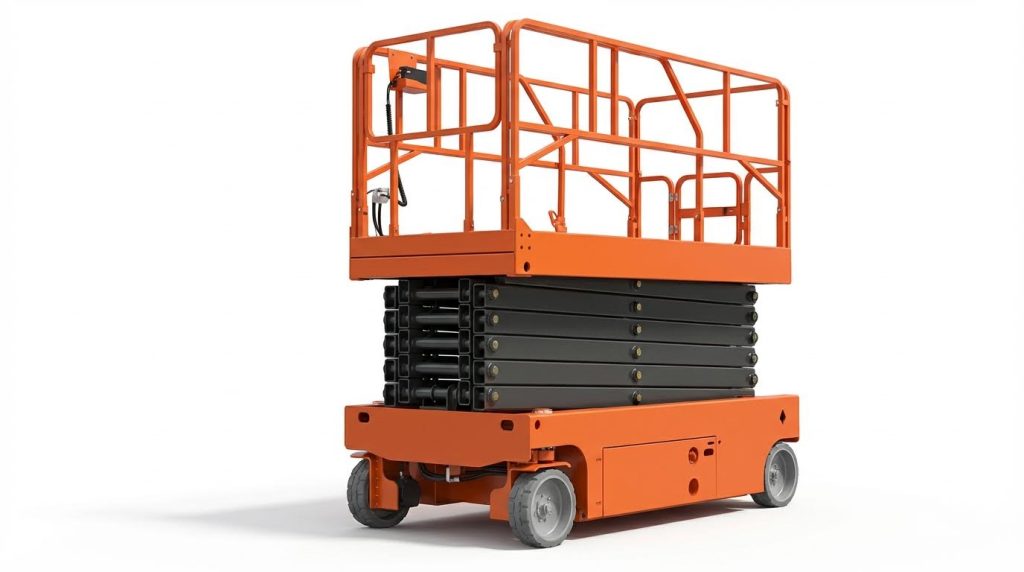
The NFPA (National Fire Protection Association) and ANSI (American National Standards Institute) establish critical safety and performance standards for aerial work platforms. These standards dictate design, manufacturing, and operational criteria to ensure user safety and equipment reliability. Compliance with NFPA 1901 and ANSI A92 series is mandatory for many industrial applications, providing benchmarks for load capacity, stability, and emergency controls.
Manufacturers and operators must adhere to these standards to meet regulatory requirements and reduce accident risks. Regular updates to these standards reflect evolving technology and safety research, necessitating ongoing review by industry professionals.
State-Specific Certification Processes and Documentation
Certification requirements for aerial work platform operators vary significantly by state. Each jurisdiction may impose unique training curricula, testing protocols, and documentation standards to validate operator competency. Operators must obtain state-approved certification cards or licenses before legally operating aerial platforms within those regions.
Documentation typically includes proof of completed training, practical evaluations, and periodic recertification. Employers must maintain accurate records to demonstrate compliance during inspections or audits. Awareness of state-specific regulations is essential for companies operating across multiple states to ensure uninterrupted operational legality.
Equivalency of Military and Out-of-State Training Programs
Military training programs for aerial work platforms often meet or exceed civilian certification standards, allowing for equivalency recognition in many states. Similarly, certifications obtained out-of-state can be accepted if the training aligns with local regulatory requirements. Verification processes involve comparing curriculum content, training hours, and assessment rigor.
This equivalency facilitates workforce mobility and reduces redundant training costs. Operators transferring between states or from military to civilian roles should consult relevant authorities to validate their certifications and avoid legal or operational issues.
Certification Management Systems and Digital Credentialing
Modern certification management increasingly relies on digital platforms to track and verify operator credentials. These systems enable employers to monitor certification statuses, schedule recertifications, and comply with regulatory reporting requirements efficiently. Digital credentialing improves security by reducing fraud and simplifying access to certification records.
Integration with mobile applications and cloud databases supports real-time updates and remote verification by supervisors and regulatory bodies. Adoption of these technologies enhances compliance management and promotes continuous operator competency assurance.
Operator Training: Safety Protocols and Practical Competencies
Pre-Operation Inspections and Hazard Assessments
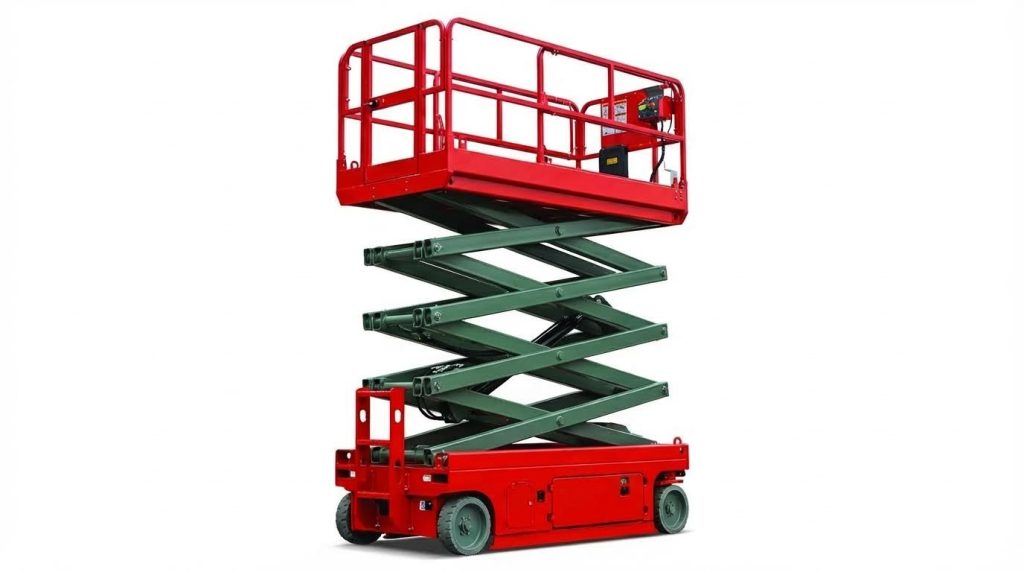
Operators must conduct thorough pre-operation inspections to ensure aerial work platforms are safe to use. This includes checking hydraulic systems, electrical components, and structural integrity. Hazard assessments identify environmental risks such as overhead obstructions, uneven surfaces, and weather conditions. Documenting inspection results helps maintain compliance with safety regulations and supports proactive maintenance.
Fall Protection and Personal Protective Equipment (PPE)
Fall protection is critical for aerial platform operators. Proper use of harnesses, lanyards, and anchor points reduces the risk of falls from height. PPE requirements include helmets, gloves, and non-slip footwear tailored to specific job conditions. Training emphasizes correct PPE selection, fitting, and inspection to ensure maximum safety during operation.
Safe Operating Practices: Load Limits and Environmental Risks
Operators must adhere strictly to manufacturer-specified load limits to prevent platform instability. Understanding the impact of environmental factors such as wind speed, rain, and ground conditions is essential. Safe practices include maintaining platform balance, avoiding sudden movements, and operating within designated work zones. Continuous risk evaluation during tasks minimizes accident potential.
Emergency Procedures and Communication Protocols
Comprehensive emergency procedures prepare operators for incidents such as equipment failure or medical emergencies. Training covers platform descent methods, emergency shutdowns, and rescue coordination. Effective communication protocols using radios or signals ensure rapid response and coordination among team members. Regular drills reinforce preparedness and compliance with safety standards.
Maintenance Best Practices for Reliable Platform Performance
Hydraulic and Electrical System Checks and Upkeep
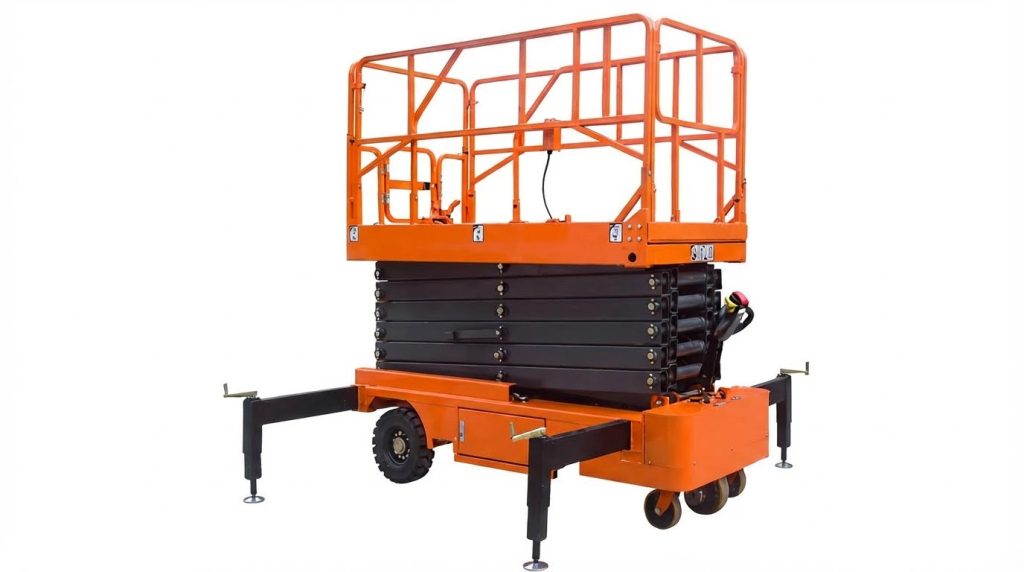
Hydraulic systems require routine inspection for leaks, pressure integrity, and fluid contamination. Technicians should verify hose conditions and fittings for wear or damage. Electrical components must be tested for proper function, including wiring insulation and battery charge levels. Preventive maintenance ensures system reliability and reduces unexpected failures during operation.
Tire, Undercarriage, and Cooling System Maintenance
Tires must be checked for correct inflation, tread wear, and structural defects to maintain stability. The undercarriage requires cleaning and inspection for corrosion or mechanical damage. Cooling systems should be monitored for fluid levels and radiator cleanliness to prevent overheating. These measures optimize machine longevity and operational safety in diverse environments.
Scheduled Inspections: Daily, Monthly, and Annual Tasks
Daily inspections focus on visual checks of controls, safety devices, and fluid levels before use. Monthly maintenance includes detailed testing of mechanical and electrical systems, lubrication, and component adjustments. Annual inspections involve comprehensive evaluations by certified technicians, including load testing and compliance verification. Adhering to this schedule enhances equipment performance and regulatory adherence.
Use of Digital Tools for Maintenance and Safety Compliance
Digital platforms streamline maintenance tracking, offering automated alerts for scheduled tasks and compliance deadlines. Electronic records facilitate documentation for audits and regulatory reviews. Mobile applications enable real-time reporting of faults and maintenance activities. Integrating these tools improves maintenance accuracy and supports proactive safety management.
Summary of Key Considerations for Effective Training and Certification
Effective training and certification for aerial work platforms hinge on adherence to established regulatory standards such as NFPA and ANSI. These frameworks ensure operator competence and safety compliance. Proper certification processes, including state-specific documentation and recognition of equivalent military or out-of-state training, facilitate workforce mobility and regulatory conformity.
Operator training must emphasize rigorous safety protocols, including thorough pre-operation inspections, hazard assessments, and use of personal protective equipment. Mastery of safe operating practices, awareness of load limits, and environmental risk factors are critical. Emergency response procedures and clear communication protocols further enhance operational safety.
Maintenance best practices contribute significantly to platform reliability. Regular hydraulic, electrical, tire, and cooling system inspections, combined with scheduled daily, monthly, and annual tasks, prevent equipment failures. The integration of digital tools for maintenance tracking and safety compliance streamlines processes and ensures up-to-date records.
Looking ahead, the industry is likely to see increased adoption of digital credentialing and certification management systems, improving verification efficiency and reducing administrative burdens. Implementing comprehensive training programs aligned with evolving standards will remain essential for safety and operational excellence in aerial work platforms.