ANSI/SAIA A92 standards define how modern aerial work platforms and MEWPs are designed, built, used, and maintained to control real-world jobsite risks. This guide walks you through the key A92 documents by equipment type, the critical safety and design requirements they contain, and how they connect to OSHA and state rules. If you are asking “where can I find ANSI standards for aerial platform,” you will also see exactly where and how to obtain current, official copies of the standards. Use this as a practical roadmap to keep your lifts compliant, operators trained, and documentation audit‑ready.
Key ANSI A92 Standards For Aerial Work Platforms
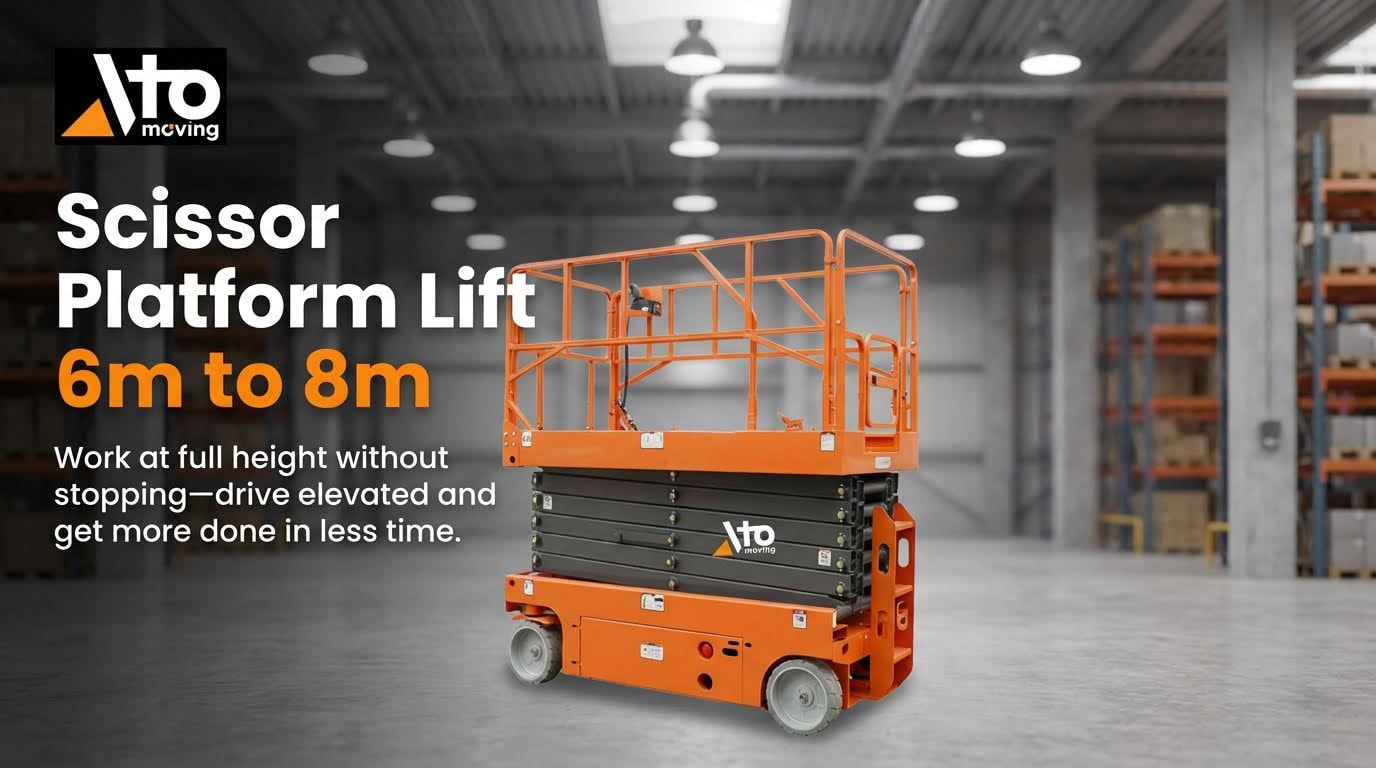
This section explains how the ANSI/SAIA A92 family is structured by equipment type and what safety topics each standard covers. If you are asking “where can i find ansi standards for aerial platforms,” understanding these core documents makes it much easier to select and apply the right one on your jobsite.
How ANSI/SAIA A92 Is Organized By Equipment Type
The A92 series groups standards by how the aerial device is built and used. That lets you match each machine in your fleet to a specific governing document.
| Standard | Equipment Type / Application | Key Scope Highlights |
|---|---|---|
| A92.2-2021 | Vehicle-mounted elevating and rotating aerial devices | Covers design, manufacture, testing, inspection, installation, maintenance, use, training, and operation of truck- or chassis-mounted devices. Full life‑cycle coverage from design to operation |
| A92.3 | Manually propelled elevating aerial platforms | Integral chassis platforms that cannot reach completely beyond the base; adjustable manually or by power, but not occupied during horizontal movement. Applies to push-around vertical lifts |
| A92.5 | Boom-supported elevating work platforms | Self-propelled platforms whose decks can extend completely beyond the base; power-operated with primary controls on the platform, intended to be occupied while driven. Typical for boom lifts |
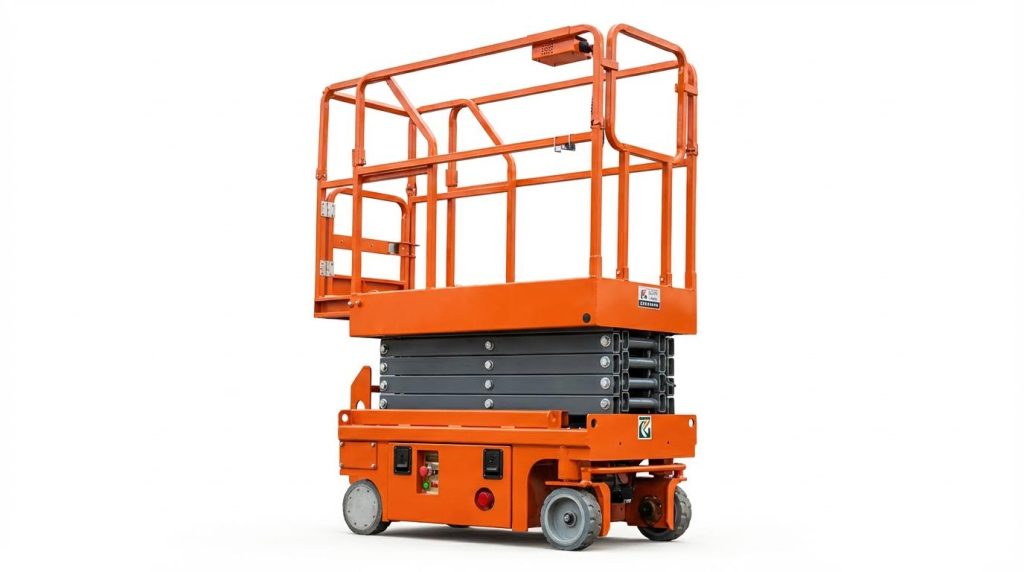
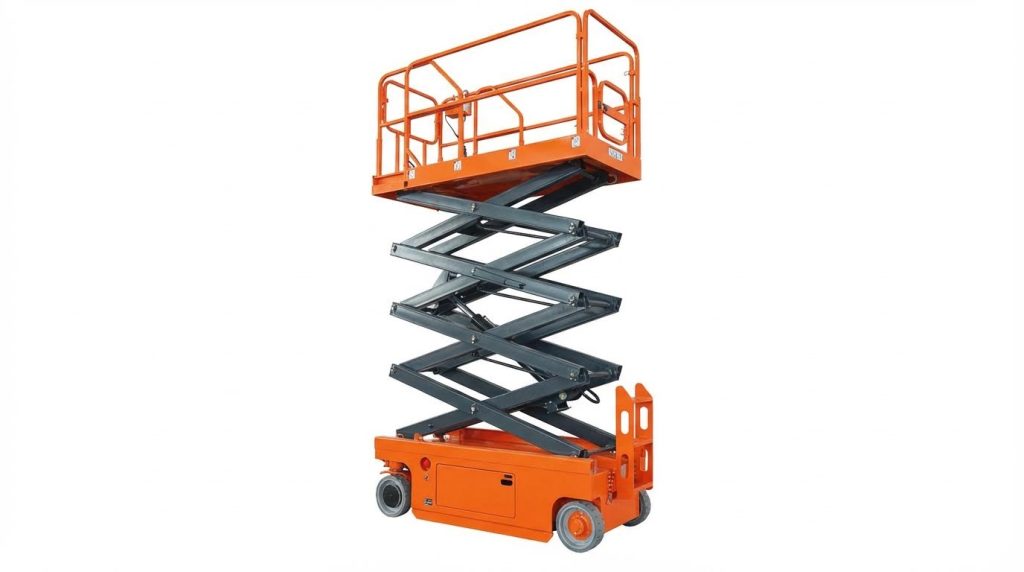
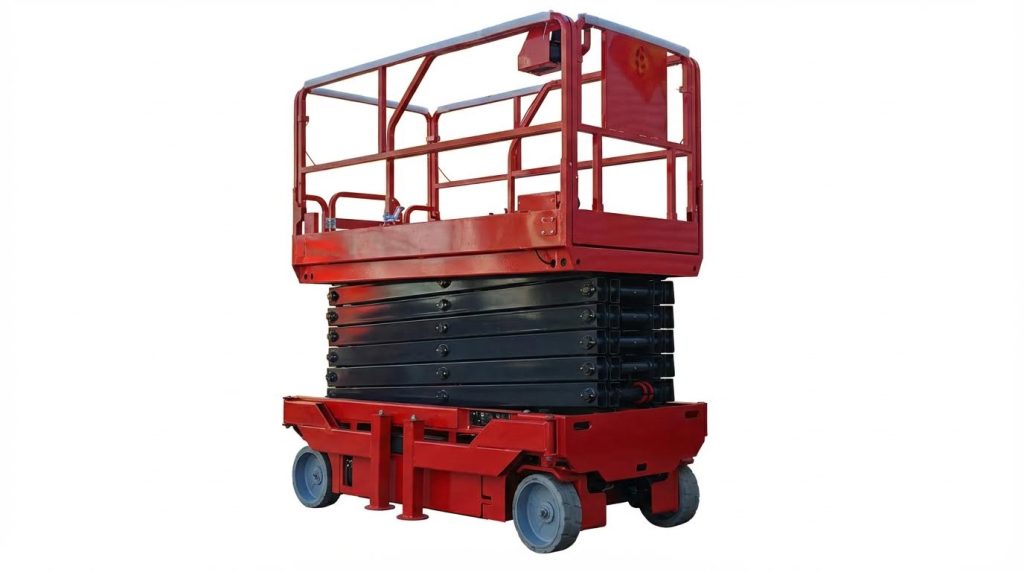
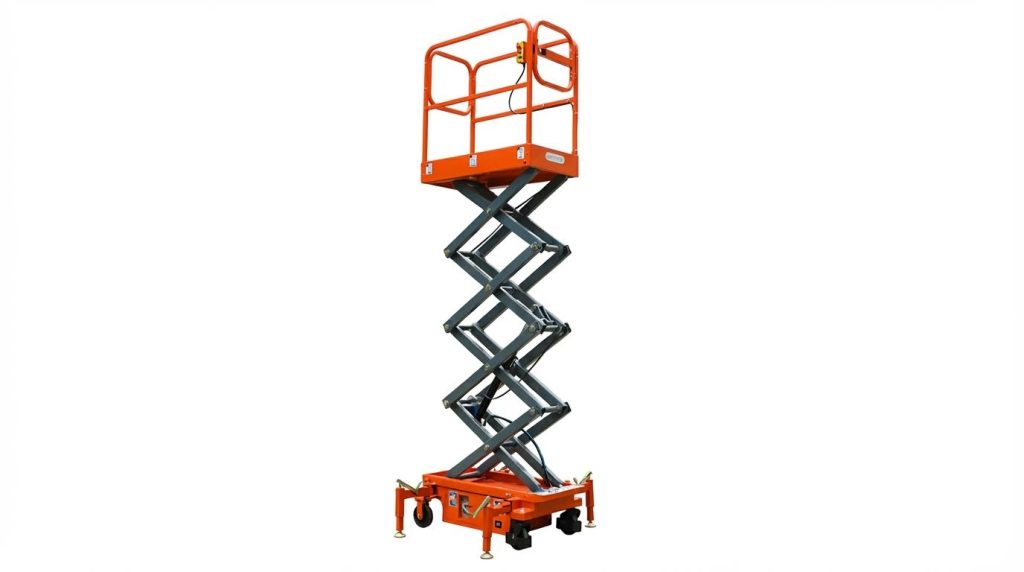
| A92.6 | Self-propelled elevating work platforms (scissor-type) | Integral chassis platforms that generally do not extend beyond the base; adjustable by manual or powered means and not occupied during horizontal movement. Often associated with scissor platform lift. Focus on vertical elevating platforms |
| A92.8 | Vehicle-mounted bridge inspection devices | Vehicle-mounted aerial devices primarily used for bridge inspection; includes design, manufacture, testing, inspection, installation, maintenance, use, training, and operation with the goal of injury prevention and clear responsibilities. Specialized bridge access equipment |
| A92.10 | Transport platforms | Platforms used to vertically transport authorized personnel as a tool of the trade, rather than as general-purpose MEWPs. Vertical transport in construction and industry |
| A92.20-2021 | Design and safety requirements for MEWPs | Defines structural design calculations, stability criteria, construction guidelines, and safety examinations before initial service for mobile elevating work platforms. Forms a core technical base for modern MEWPs. Key design and verification standard |
When teams ask where can i find ansi standards for aerial platforms, the practical answer is to first identify the equipment type (boom, scissor, vehicle-mounted, transport platform) and then pull the matching A92 document from an authorized standards webstore or your internal standards library.
Why equipment-type matching matters
Using the wrong A92 part for a machine can lead to gaps in training, missing inspection items, or incorrect load and stability assumptions. Sorting your fleet by A92 category is a simple way to tighten compliance and simplify audits.
Core Safety Scope: Design, Use, Training, Inspection
Across the A92 series, several safety themes repeat: how machines are designed, how they are used, how people are trained, and how often equipment is inspected. These themes align closely with OSHA expectations and many state codes.
- Design and construction scope
- Vehicle-mounted, bridge-inspection, and many other devices must meet defined design, manufacture, testing, installation, and maintenance criteria. Design and testing requirements
- Hydraulic, pneumatic, and structural elements must achieve minimum safety factors to prevent free fall or uncontrolled boom rotation. Referenced in federal rules
- Welding on aerial devices must follow recognized welding codes to protect structural integrity under dynamic loading. Code-based welding standards
- Use and operation scope
- Operators must keep within manufacturer load limits for both boom and platform to avoid structural or stability failure. Load capacity compliance
- Movement rules differ by type: some manually propelled platforms must not be occupied during horizontal travel, while boom-type MEWPs are intended to be driven while occupied within limits. Movement and occupancy rules
- Ground controls must be able to override platform controls in emergencies, but procedures limit their use to avoid unexpected movement of occupied platforms. Emergency and maintenance operations
- Training and PPE scope
- Operators must complete documented training that covers general MEWP principles, model-specific controls, hazard recognition, and emergency procedures before use. Operator training requirements
- Standards and related rules expect appropriate fall protection, typically a body belt or harness with lanyard tied off to the platform or boom anchor points, and prohibit climbing on guardrails or using ladders on the platform. Fall protection and work positioning
- Many employers fold the question “where can i find ansi standards for order picking machines” into their training program by giving operators access to the relevant A92 parts and summarizing key rules in site procedures.
- Inspection and documentation scope
- Daily pre-use inspections must verify that controls, safety devices, and structural components are in safe working order before elevating personnel. Daily inspections of aerial lifts
- Machines need clear markings for inspection dates and must retain records of site inspections and annual examinations. Machine markings and manuals
- State codes, such as those in Michigan, often reference A92 parts directly, making documented inspections essential for regulatory compliance. Example of state-level adoption
How this core scope ties back to MEWP design standards
Modern MEWP design requirements in A92.20, such as load-sensing systems, tilt alarms, and clear capacity markings, are the engineering backbone that supports safe use, training, and inspection practices. Understanding these links helps safety managers write procedures that actually match what the machines can do.
Technical Requirements In Modern MEWP Standards
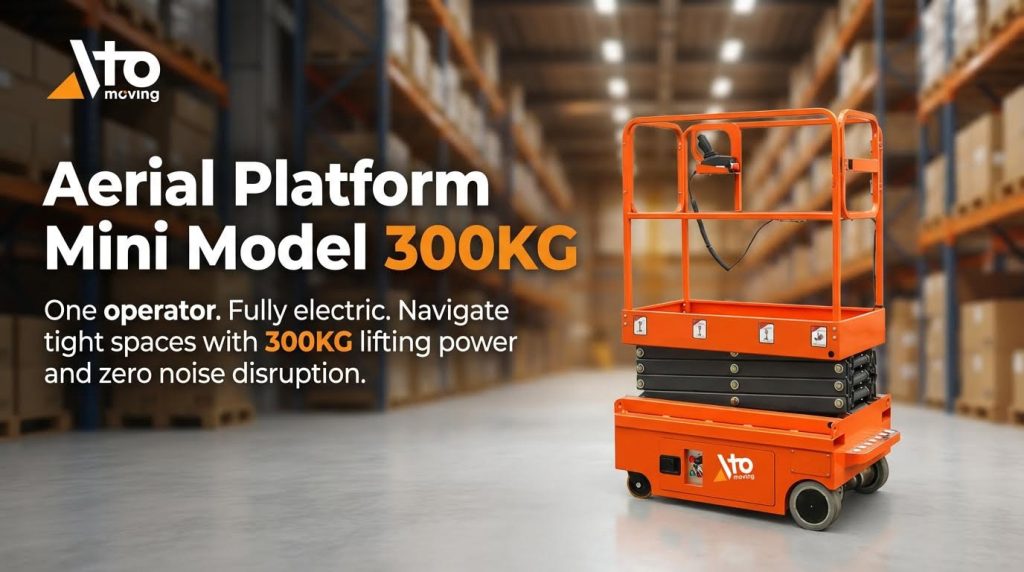
Modern ANSI/SAIA A92 MEWP standards focus on predictable structural behavior, controlled stability, and clear operator information. The key technical requirements sit in ANSI/SAIA A92.20, which defines how machines must react to overload, slope, and wind, and how platforms, tires, and markings must be configured for safe use. Understanding these elements is critical before you even ask “where can i find ansi standards for aerial platforms,” because you need to know which documents apply to your machine type. Many of these design rules also drive day‑to‑day site procedures, inspections, and training.
Load, tilt, and wind stability provisions
Modern MEWPs must manage three main stability risks: overload, excessive slope, and wind forces. ANSI/SAIA A92.20 requires built‑in sensing and control functions so the machine itself helps prevent unsafe operation. This turns stability from a purely operator‑judgment issue into a combination of design, electronics, and procedures.
| Stability Aspect | Key Technical Requirement | Typical Machine Behavior | Practical Impact On Site |
|---|---|---|---|
| Load (capacity) | Active Load Sensing System (LSS) monitors platform load against rated capacity LSS requirement | Warns and then stops normal lift/drive functions when capacity is exceeded | Forces crews to respect nameplate capacity and account for people, tools, and materials |
| Tilt / slope | Mandatory tilt sensor with alarm and functional cutout when slope exceeds limit Tilt sensing requirement | Audible/visual alarm; disables boom and/or drive above allowed grade | Prevents operation on unsafe inclines; requires surface evaluation and proper setup |
| Wind (outdoor rating) | Structural and stability design must account for wind forces, with different ratings for indoor vs. outdoor use Wind force provisions | Outdoor‑rated units may have lower platform capacity or higher machine weight | Operators must check “indoor only” vs “outdoor” rating and adjust loading and use zones |
- Load Sensing Systems (LSS)
- Continuously compare actual platform load to rated capacity.
- Trigger alarms and limit or stop boom/drive motions if overloaded. LSS details
- Require clear, durable capacity labels on the machine.
- Tilt Sensing
- Allows controlled operation on defined slopes instead of “level only” use.
- Includes a sensor, alarm, and automatic cutout when the slope exceeds the manufacturer’s limit. Tilt provisions
- Requires operators to understand grade limits and read the on‑machine decals.
- Wind Ratings
- Different configurations for indoor‑only vs. outdoor‑capable MEWPs.
- Outdoor capability often trades platform capacity for higher overturning resistance. Wind guidance
- Operators must know the max allowable wind speed and exposure limits in the manual.
Why these stability rules matter for compliance
Stability failures are usually high‑severity events with tip‑over potential. A92.20 design rules, plus OSHA load‑limit and setup requirements, work together to prevent that scenario. When you look up where can i find ansi standards for scissor platforms, focus on A92.20 for these design‑level stability provisions and on OSHA/your state rules for how to enforce them in daily operations.
Platform design, access gates, and railings
Modern MEWP platforms are engineered as controlled work zones with defined access points and containment. ANSI/SAIA A92.20 tightened rules on how people enter, exit, and stay inside the platform envelope. This directly affects guardrail layouts, gate design, and how units fold or stow to move through buildings.
- Access Gates vs. Chains
- Chains are no longer allowed as the primary means of closing platform entrances.
- Approved options include half‑height, full‑height, or saloon‑style gates. Gate requirements
- Toe boards are required at access points to prevent dropped objects.
- Platform Railings
- Minimum guardrail height is set at 1.1 m (43.5 in). Railing height rule
- Higher rails improve fall protection but can limit passage through standard doorways.
- Folding or collapsible rails are widely used to balance clearance with safety.
| Platform Feature | Old Practice | Current A92.20‑Style Requirement | Engineering / Site Impact |
|---|---|---|---|
| Entrance closure | Simple chains at entry point | Rigid gate (half‑height, full‑height, or saloon‑style) plus toe board Gate provisions | Reduces fall‑through risk; slightly slower entry/exit but more controlled |
| Railing height | Lower guardrails on many older scissors | Minimum 1.1 m (43.5 in) guardrail height Height requirement | Improved containment; may require folding rails to pass through doors |
| Object containment | Not always continuous at entry | Toe boards at access points and around platform perimeter | Less risk of dropped tools/materials striking people below |
From an engineering perspective, these requirements treat the platform as a controlled “cage” with predictable fall‑protection geometry. From a user perspective, they change how you plan access, especially indoors where door heights and corridor widths become constraints.
Interaction with PPE and fall protection rules
While A92.20 focuses on built‑in physical barriers, OSHA rules and site policies still drive personal fall protection (PFPE) use. The combination of higher rails, positive‑closing gates, and PFPE anchorage points is now standard practice on many MEWPs. Always check the operator’s manual for approved anchor locations and any restrictions on lanyard type.
Tires, markings, manuals, and inspection records
Beyond structure and platforms, ANSI/SAIA A92.20 also tightens requirements on running gear, information, and documentation. These items do not look “high‑tech,” but they drive stability, correct use, and traceability over the life of the machine.
| Category | Requirement Area | Key Technical Points | Operational Effect |
|---|---|---|---|
| Tires | Rough‑terrain MEWPs | Foam‑filled tires are now standard on most rough‑terrain units due to new stability testing guidelines; air‑filled tires are largely unavailable Tire guidance | More consistent stiffness and center of gravity; less risk from punctures affecting stability |
| Machine markings | Labels & decals | Must clearly identify capacity, operating limitations, and key safety warnings Marking requirements | Operators can see limits at a glance; supports enforcement of load, tilt, and wind rules |
| Manuals | Operator’s manual content | Must list functions, features, operating characteristics, limitations, and devices Manual content | Becomes the primary reference for training, familiarization, and job planning |
| Inspection records | Annual inspection traceability | Machine must include a dedicated space to mark the date of the last annual inspection Inspection record requirement | Quick visual confirmation that annual inspections are current; simplifies audits |
- Tires and Stability
- Foam‑filled tires provide predictable stiffness and do not lose pressure like pneumatic tires.
- This consistency helps MEWPs meet the stricter stability criteria in A92.20. Stability link
- Information Markings
- Capacity plates, slope charts, and wind rating labels must be durable and legible.
- These markings bridge the gap between the engineering calculations in A92.20 and what the operator actually sees on the job.
- Manuals and Inspection Documentation
- Operator manuals are required on the machine and must cover functions, limitations, and safety devices.
- A dedicated space or label for annual inspection dates supports compliance tracking and third‑party audits.
How this ties back to the written ANSI standards
All these tire, marking, and documentation rules are spelled out in the A92.20 design and safety requirements for MEWPs. When you research where can i find ansi standards for hydraulic pallet trucks, you will see that A92.20 works alongside the use, training, and safety standards in the A92 family. Together, they define how the machine must be built, what information it must display, and how employers must maintain and inspect it over time.
How To Access And Apply ANSI A92 Standards
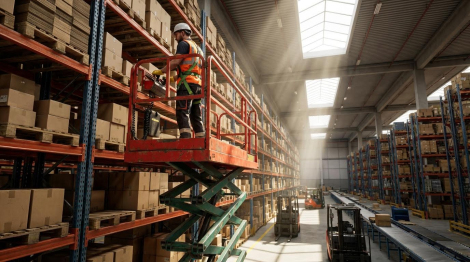
Where to obtain current ANSI/SAIA A92 documents
If you are asking “where can I find ANSI standards for aerial platforms,” there are only a few reliable, legally correct sources. You must use current, authorized copies so your MEWPs and procedures match the latest ANSI/SAIA A92 requirements.
- ANSI Webstore (primary source)
- Search “A92” in the safety / aerial work section to purchase individual standards or collections. ANSI webstore – aerial work platform standards
- Available formats: secured PDF or hard copy, often with multi‑user licensing options.
- Key A92 series documents you will typically need
- A92.2 – Vehicle‑mounted elevating and rotating aerial devices (design, testing, inspection, maintenance, use, training, operation). Vehicle‑mounted aerial devices scope
- A92.3 – Manually propelled elevating aerial platforms that cannot extend beyond the base and must not be occupied when moved horizontally. Manually propelled platforms
- A92.5 – Self‑propelled boom‑type aerial platforms with platforms that can extend completely beyond the base and are intended to be occupied while driven. Boom‑supported platforms
- A92.6 – Self‑propelled elevating work platforms with platforms that do not extend beyond the base and must not be occupied when moved horizontally. Self‑propelled elevating platforms
- A92.8 – Vehicle‑mounted bridge inspection and similar devices, covering design, testing, inspection, maintenance, use, and training. Bridge inspection devices
- A92.10 – Transport platforms for vertical movement of authorized personnel. Transport platforms
- A92.20 – Design and safety requirements for mobile elevating work platforms (MEWPs), including structural design, stability, construction, and verification before service. MEWP design and safety requirements
- Other ways to access content
- Through your company’s standards subscription services, if available.
- Via safety consultants or engineers who maintain licensed copies for client projects.
- By checking whether state rules incorporate A92 by reference and are posted online (for example, Michigan’s administrative code cites aerial work platform parts in its safety standards). Example of a state referencing A92
Quick reference table: main ANSI/SAIA A92 documents
| Standard | Primary equipment covered | Key focus areas |
|---|---|---|
| A92.2 | Vehicle‑mounted elevating and rotating aerial devices | Design, manufacture, testing, inspection, installation, maintenance, use, training, operation |
| A92.3 | Manually propelled elevating aerial platforms | Platform travel limits, occupancy during movement, positioning within base footprint |
| A92.5 | Boom‑supported self‑propelled aerial platforms | Drive‑while‑elevated operation, platform controls, stability |
| A92.6 | Self‑propelled elevating work platforms | Vertical positioning, horizontal travel restrictions, base‑bound platform geometry |
| A92.8 | Vehicle‑mounted bridge inspection devices | Design and safe operation for bridge and similar inspections |
| A92.10 | Transport platforms | Vertical transport of authorized personnel as a tool of the trade |
| A92.20 | Mobile elevating work platforms (MEWPs) | Design, structural calculations, stability criteria, construction, verification tests |
When you plan your compliance strategy, always build from the exact standard that matches your platform type. That is the most direct answer to “where can I find ANSI standards for scissor platform lifts” and how to choose the right document for each machine.
Integrating ANSI A92 with OSHA and state rules
ANSI A92 standards are voluntary consensus standards, but OSHA and state agencies often reference them or treat them as industry best practice. Your compliance program should blend ANSI requirements with federal and state regulations into one coherent rule set for operators and supervisors.
- Map ANSI A92 duties to OSHA requirements
- Use A92 documents for detailed design, inspection, and operating rules for each platform type (for example, inspection and maintenance expectations for aerial lifts). Overview of ANSI A92 aerial lift standards
- Use OSHA rules for enforceable requirements on load limits, PPE, electrical testing, and hydraulic safety. OSHA aerial lift requirements
- Embed ANSI content into training and familiarization
- Base operator training on the specific A92 standard for the equipment plus OSHA training expectations for aerial lifts and hazard recognition. Operator training and inspection guidance
- Include daily pre‑use inspections, safe operating procedures, and emergency controls in your curriculum, as reflected in OSHA and A92 guidance.
- Align inspection and recordkeeping practices
- Follow A92 and manufacturer guidance for routine and annual inspections, using inspection points that mirror the standard’s structure.
- Maintain site records of inspections and ensure each machine has a clear record of the last annual inspection, as required in modern MEWP marking and manual expectations. Machine markings and manual content
- Check state‑specific adoptions and additions
- Review your state occupational safety code to see how it incorporates ANSI A92 or adds extra rules for aerial work platforms.
- Example: Michigan’s code cites aerial work platform parts under both general industry and construction safety standards, illustrating how states can embed these requirements into law. State‑level reference example
Practical integration checklist for ANSI A92 + OSHA + state rules
- Identify every aerial work platform and MEWP type in your fleet.
- Purchase and review the matching ANSI/SAIA A92 standards for each type.
- Cross‑reference those standards with OSHA aerial lift regulations and any state‑specific rules.
- Update written procedures, operator training, and inspection forms to reflect the strictest applicable requirement.
- Audit job sites periodically to confirm that practice in the field matches the combined ANSI/OSHA/state rule set.
When you combine these steps, you not only know where can i find ansi standards for manual pallet jacks, you also have a clear method to turn those standards into daily, enforceable safety practices on every job site.
Final Thoughts On ANSI Compliance For Aerial Platforms
ANSI/SAIA A92 standards give you a complete safety framework, from machine design to daily operation. Load, tilt, and wind rules define how the structure must behave before anyone steps on the platform. Platform gates, rail heights, and toe boards then turn that structure into a controlled work zone that resists falls and dropped objects. Tires, markings, manuals, and inspection records close the loop by keeping stability predictable and information visible over the life of the machine.
When you align these engineering controls with OSHA and state rules, you move from basic compliance to robust risk management. The best approach is simple but disciplined. Match each lift in your fleet to the correct A92 part. Use A92.20 design limits and on‑machine labels to set site rules for load, slope, and wind. Build operator training, inspections, and documentation directly from those same limits.
Operations and engineering teams should treat the standards as a living design and safety spec, not a one‑time purchase. Review updates, verify that equipment like Atomoving platforms reflects current A92 expectations, and audit field practice against the strictest rule set. That is how you keep aerial work both productive and defensible in any audit or incident review.
Frequently Asked Questions
Where can I find ANSI standards for aerial work platforms?
You can access ANSI standards for aerial work platforms through several resources. The ANSI IBR Portal offers a centralized location to access standards incorporated by reference in U.S. federal regulations. Additionally, some standards may be available for free via the CSA Community Group, though registration is required.
Are ANSI standards for aerial work platforms free to access?
Not all ANSI standards are free. While certain standards may be accessible at no cost through specific platforms like the CSA Community Group, many ANSI standards must be purchased due to copyright restrictions. These standards are typically developed by private organizations and are protected under copyright law.
What do ANSI standards for aerial work platforms cover?
ANSI standards for aerial work platforms address safety and operational requirements to ensure equipment reliability and user safety. Key areas include:
- Design and construction specifications
- Safety controls and system requirements
- Training guidelines for operators
- Maintenance and inspection protocols
For comprehensive details, refer to the ANSI Safety Overview.
How do ANSI standards for aerial work platforms differ from OSHA regulations?
ANSI standards provide detailed technical guidelines and best practices for aerial work platforms, often serving as the foundation for OSHA regulations. While ANSI standards are voluntary and industry-driven, OSHA regulations are legally enforceable. Employers may adopt ANSI standards to supplement OSHA compliance and enhance workplace safety. For more information, see this guide on OSHA and ANSI Differences.