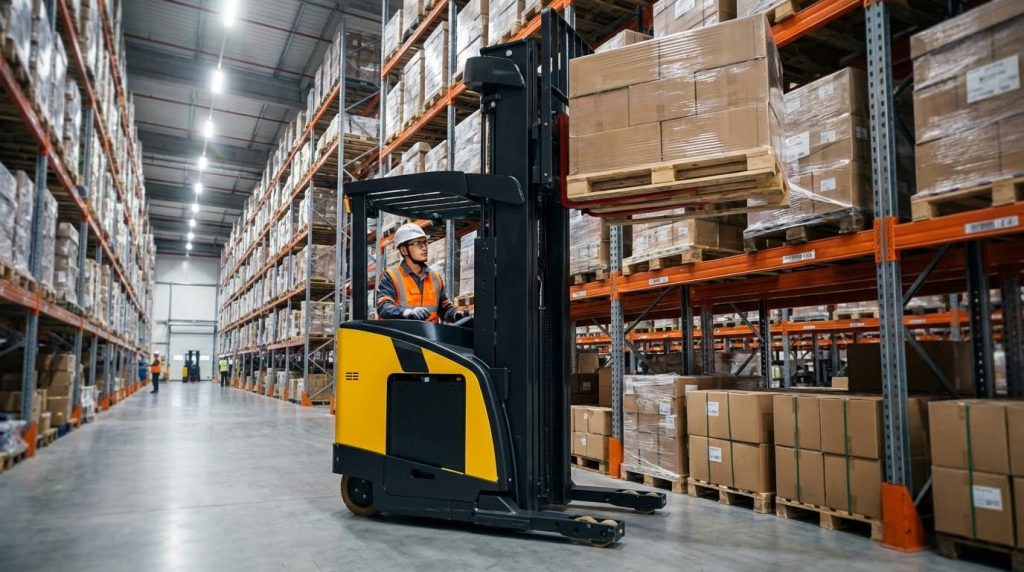
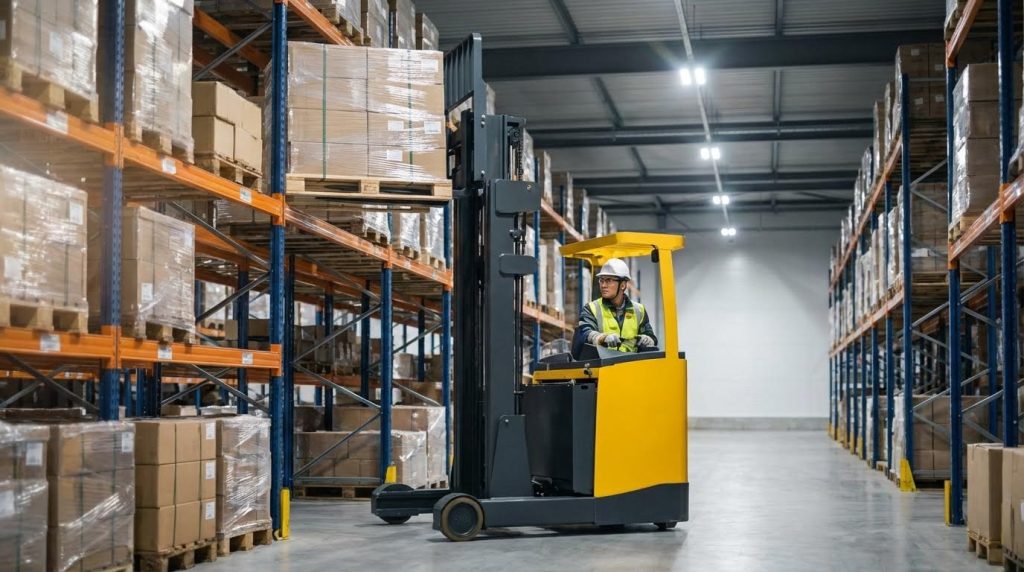
If you are asking yourself “are electric forklifts good for my operation?”, the answer depends on duty cycle, environment, and cost targets. This guide walks through how electric trucks compare with engine forklifts on power, runtime, safety, and total cost of ownership, using real data instead of opinions. You will see where electric forklifts clearly win, where internal combustion still makes sense, and how new battery and fleet technologies shift the balance. By the end, you will have a practical framework to decide if, when, and where semi electric order picker and other material handling equipment like manual pallet jack, or even specialized tools such as drum dolly are worth it in your fleet.
Electric Forklifts Versus Engine Trucks: The Fundamentals
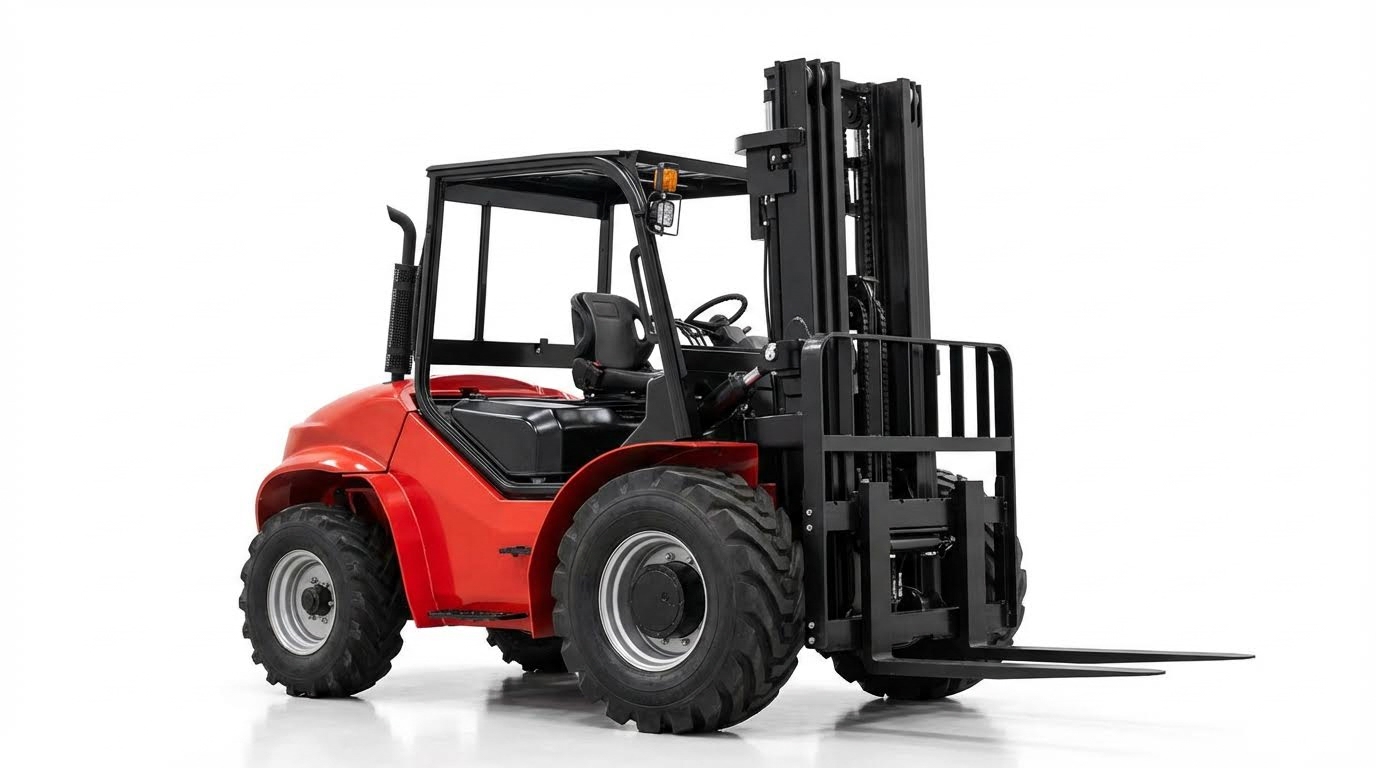
To decide “are electric forklifts good for my operation?”, you first need a clean comparison with engine (IC) trucks. This section breaks down how they are powered, how they work across different duty profiles, and what that means for emissions, noise, and indoor air quality.
Power source, driveline, and duty profile
Electric and engine forklifts solve the same lifting problem with very different energy paths and drivelines. Those differences drive suitability for single‑shift, multi‑shift, indoor, and outdoor work.
| Aspect | Electric forklifts | Engine (IC) forklifts |
|---|---|---|
| Primary energy source | Rechargeable batteries (lead‑acid or lithium‑ion) convert electrical energy to mechanical via electric motors Cited Text or Data | Diesel, gasoline, or LPG fuel internal combustion engines that convert chemical energy to mechanical power Cited Text or Data |
| Driveline layout | Electric traction motor(s), electronic controllers, reduction gearbox, no multi‑speed transmission; high torque from standstill | Engine, clutch/torque converter, transmission, driveshaft, differential; torque builds with engine speed |
| Energy efficiency | High conversion efficiency; less loss as heat in the driveline Cited Text or Data | Lower efficiency; significant energy lost as heat in engine and exhaust Cited Text or Data |
| Typical load range focus | Light to medium loads, with modern designs pushing into higher capacities Cited Text or Data | Well suited to heavy loads, often above 10,000 lb Cited Text or Data |
| Refuel / recharge time | Charging usually 1–3 hours; fast‑charge can reach ~80% in about 60 minutes or 1–2 hours for some lithium systems Cited Text or Data Cited Text or Data | Refuel in about 5–10 minutes, then back to work Cited Text or Data |
| Best‑fit duty profiles | Predictable shifts, high stop‑start cycles, indoor travel, and where opportunity charging or battery swaps are possible | Continuous outdoor work, long travel distances, and irregular or round‑the‑clock duty where charging windows are tight |
| Typical applications | Indoor warehouses, cold stores, pharma, electronics, quiet or emission‑sensitive sites Cited Text or Data | Outdoor yards, construction, ports, heavy industry, uneven terrain, extreme temperatures Cited Text or Data |
From an engineering perspective, electric forklifts deliver instant torque, fine speed control, and high energy efficiency, while engine trucks deliver raw power, fast refueling, and strong performance on grades and rough ground. When people ask “are electric forklifts good for multi‑shift, high‑intensity work?”, the real answer depends on whether you can support charging, battery rotation, and the typical load spectrum in your fleet.
Key driveline implications for your fleet plan
- If your work is mostly start‑stop, short travel, and indoors, electric motors waste less energy and reduce heat and noise in the building.
- If you run long outdoor hauls with heavy loads and limited electrical infrastructure, engine trucks still offer simpler refueling and higher peak power.
- Lithium‑ion and energy‑recovery systems further improve electric runtime and cut operating cost, but they require upfront investment and charging design.
Emissions, noise, and indoor air quality
Emissions and noise are often the deciding factors for indoor and mixed environments. They also strongly influence operator fatigue, ventilation design, and compliance with ESG or local regulations.
| Factor | Electric forklifts | Engine (IC) forklifts |
|---|---|---|
| Tailpipe emissions | Zero exhaust at point of use; no CO₂, CO, or NOx from the truck itself Cited Text or Data Cited Text or Data | Emit CO₂, carbon monoxide, NOx, and particulates; need good ventilation indoors Cited Text or Data |
| Indoor air quality impact | Well suited to strict air‑quality and hygiene requirements (food, pharma, electronics, cold chain) Cited Text or Data | Exhaust gases accumulate in enclosed spaces; may breach indoor limits without strong extraction and monitoring Cited Text or Data |
| Noise levels | Very low operating noise; often 20–25 dB quieter than engine trucks Cited Text or Data Cited Text or Data | Higher engine and exhaust noise; more operator fatigue and harder verbal communication Cited Text or Data Cited Text or Data |
| Ventilation requirements | No exhaust extraction needed; only general building ventilation and safe battery‑charging area | Requires engineered ventilation to manage CO₂, CO, and other exhaust gases, especially in winter when doors are closed |
| ESG and regulatory fit | Aligns with low‑carbon and zero‑emission targets; supports ESG reporting and green‑building standards Cited Text or Data | Harder to justify under tightening emission rules; may face operating restrictions or carbon‑cost penalties over time |
Lower noise and zero exhaust at the point of use are the main reasons electric trucks dominate modern indoor warehouses and cold stores. In those environments, asking “are electric forklifts good?” is almost the wrong question; they are rapidly becoming the default, and engine trucks are the exception that must be justified by extreme load, terrain, or runtime demands.
- If your team struggles with fumes, alarm fatigue, or hearing protection indoors, electric units can immediately reduce risk and improve comfort.
- If most of your hours are outdoors in open yards, emissions and noise are less critical, so other factors like refueling speed and heavy‑load performance may outweigh air‑quality benefits.
For operations requiring specialized equipment such as manual pallet jack, drum dolly, hydraulic pallet truck, and hydraulic drum stacker, it’s important to evaluate their compatibility with both electric and engine forklifts.
Technical Performance, TCO, And Emerging Technologies
Energy efficiency, runtime, and charging strategies
When you ask “are electric forklifts good” from a technical standpoint, energy efficiency is the first lever to examine. Electric drivetrains convert a much higher share of input energy into useful work than internal combustion (IC) trucks, which lose a large fraction as waste heat. Modern lithium systems, efficient motors, and intelligent controls now push electric energy utilization well beyond traditional lead‑acid setups. The result is lower kWh per pallet moved and a more predictable runtime profile across the shift.
| Parameter | Electric forklifts | IC forklifts (diesel/LPG) |
|---|---|---|
| Energy conversion efficiency | High; electric motors and inverters waste far less energy as heat compared with combustion engines | Lower; a large share of fuel energy is lost as heat in the engine |
| Typical energy cost per operating hour | ~30–60% lower than fuel cost for IC trucks over comparable duty cycles | Higher; diesel and LPG prices dominate hourly cost |
| Runtime behaviour | Stable power delivery; performance stays consistent until low state of charge with lithium systems | Power output depends on engine condition and throttle; no “state of charge” limits but constrained by tank size |
| Charging / refuelling time | Fast charge: ~60–120 minutes to reach high state of charge; ~60 minutes to about 80% with advanced systems in many warehouse applications | Refuel in ~5–10 minutes via tank change or pump for continuous outdoor work |
| Battery / fuel storage | Lead‑acid or lithium packs; energy density improving by >40% with modern lithium compared with older chemistries | Diesel or LPG tanks with fixed energy content per fill |
Runtime planning is where many operations decide whether electric forklifts are good enough for their shifts. With lead‑acid, you typically size batteries for one full shift and schedule long charge windows, whereas lithium allows partial “opportunity charging” in breaks. Multi‑shift sites can either install battery‑swap systems or design fast‑charge windows into the workflow. The right charging strategy depends on average amp‑hour draw, peak periods, and grid capacity, not just nameplate battery size.
Practical charging strategies that work in the field
Typical effective strategies include:
- Single‑shift / low utilization: Overnight charging of a single battery; minimal infrastructure.
- Two‑shift with breaks: Lithium packs with 10–20 minute opportunity charges during breaks and shift changeovers.
- Three‑shift / 24‑7: Either battery swap systems or high‑power fast charging, tied to load‑levelling on the facility electrical system.
- Cold storage: Lithium packs designed for low‑temperature performance plus carefully located chargers outside the cold zone.
Maintenance, reliability, and lifecycle cost
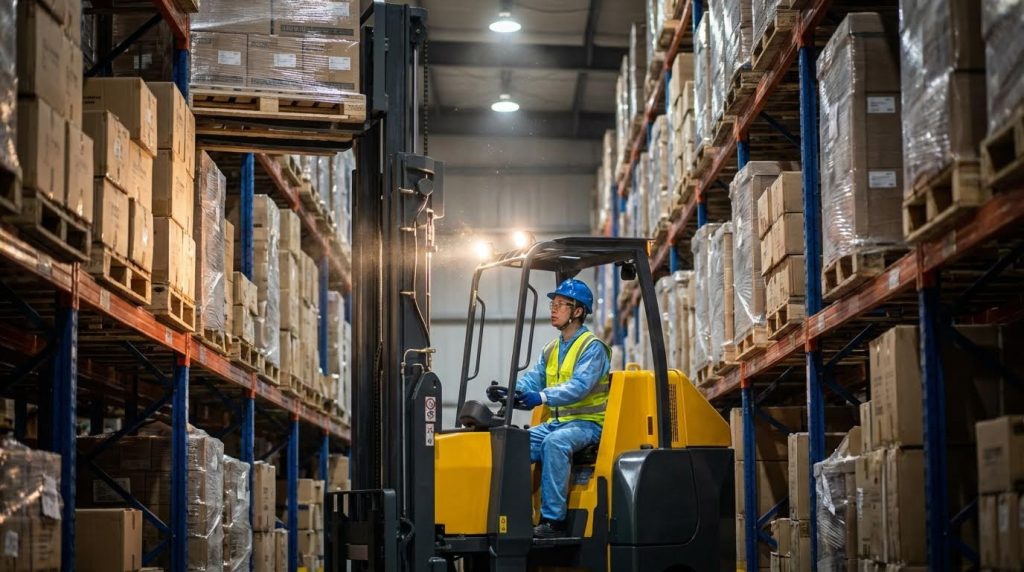
Total cost of ownership (TCO) is the core financial test for “are electric forklifts good” in a fleet context. Electric trucks remove the engine, transmission, exhaust, and most fluids from the maintenance equation, so there are fewer failure modes and fewer consumables. IC trucks still require regular oil changes, filter replacements, and emissions checks, which add labour and downtime. Modern electric fleets also use diagnostics and telematics to shift from reactive to preventive maintenance.
| Cost / reliability factor | Electric forklifts | IC forklifts |
|---|---|---|
| Routine maintenance tasks | Battery inspections, software updates, limited lubrication, brakes and tires as primary recurring items | Engine oil, filters, plugs, coolant, emissions components, plus drivetrain and hydraulics on a fixed hour schedule |
| Typical maintenance cost level | Up to ~60% lower maintenance costs versus IC due to fewer moving parts over the equipment life; annual maintenance around £1,000 per unit in many cases for typical warehouse use | Higher; annual maintenance often £1,600+ per truck due to engine and emissions systems |
| Operating cost per year (example, ~750 shifts) | About £2,000–£3,000 per unit in many warehouse applications including energy and maintenance | Roughly £5,000–£6,000 for diesel and £5,500–£6,500 for LPG for similar duty |
| Unplanned downtime drivers | Mostly battery issues, connectors, and electronic faults; mitigated by diagnostics and monitoring using intelligent systems | Engine, transmission, fuel system, and emissions failures; more components that wear or foul |
| Environmental and ESG impact | Zero tailpipe CO₂ or NOx; 20–25 dB quieter than IC trucks; modern lithium packs >3,000 cycles and ~90% recyclable supporting ESG targets | On‑site CO₂ and pollutant emissions plus higher noise; more difficult to align with strict ESG policies |
Across a 5‑year horizon, many fleets see total cost of ownership for electric trucks 20–35% lower than IC equivalents, even when the initial purchase price is higher. Lower energy cost per hour, fewer service visits, and longer component life offset the battery investment. Intelligent diagnostics and fleet tools further cut downtime by flagging issues before they become breakdowns. From a lifecycle cost and reliability standpoint, electric forklifts are usually good or better for indoor and medium‑duty work, while IC still holds advantages in extreme outdoor and heavy‑capacity roles.
Checklist: When does electric TCO usually beat IC?
- Annual hours per truck are moderate to high (energy savings compound).
- Most work is indoors or in covered loading areas.
- There is access to stable grid power and space for chargers.
- Noise, emissions, or ESG targets carry financial weight (fines, customer contracts, or brand impact).
- Maintenance labour is constrained or outsourced at high hourly rates.
Lithium-ion, energy recovery, and smart fleet tools
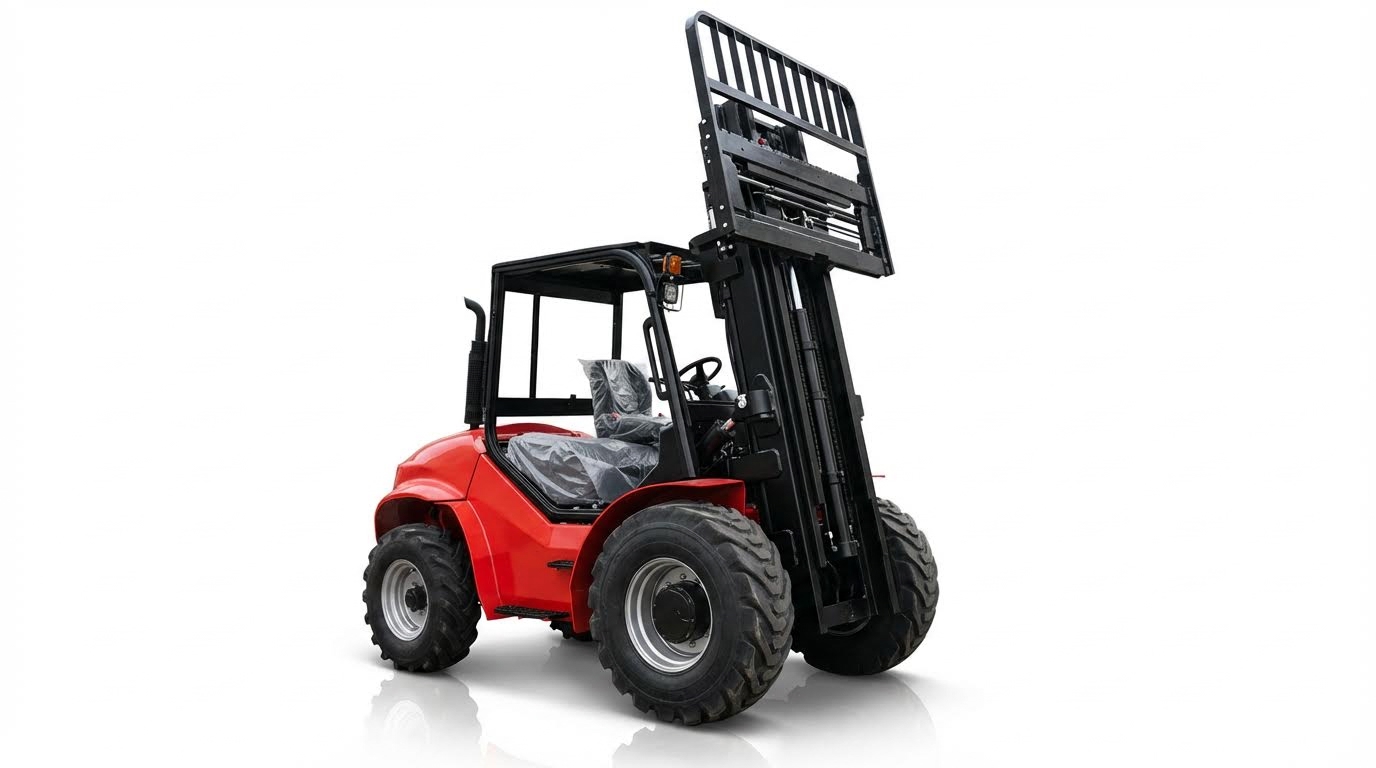
New technology is shifting the answer to “are electric forklifts good” from “it depends” toward “yes, in most warehouse profiles.” Lithium‑ion batteries, high‑efficiency motors, and energy recovery systems now deliver higher usable energy per charge and faster turnaround. At the same time, smart fleet tools optimize charging, utilization, and operator behaviour at scale. These advances make electric trucks viable even in demanding multi‑shift environments that previously favoured IC.
| Technology | Key technical gains | Impact on operations and TCO |
|---|---|---|
| Lithium‑ion batteries | Energy density increases by >40% versus older lead‑acid; charging efficiency up to ~95%; fast charging to high state of charge in 1–2 hours; up to ~3,000–5,000 charge cycles with proper use in many industrial setups with opportunity charging | Enables opportunity charging and reduces or eliminates battery swaps; supports 6–8 year battery life when cycles are managed and deep discharges below ~20% are avoided in typical warehouse duty |
| Energy recovery & high‑efficiency motors | Intelligent energy recovery can raise effective energy utilization to ~1.5× that of traditional lead‑acid setups; permanent magnet synchronous motors cut energy use by around 30% compared with older designs in many case studies | Longer runtime per charge, smaller battery sizes for the same duty, and lower heat generation; reduced maintenance because motors run cooler and with fewer mechanical parts. |
| Smart fleet and energy management | Real‑time monitoring of energy consumption, scheduling, and utilization; intelligent charging that shifts charging to off‑peak tariffs; digital twin simulations that can improve energy efficiency by >25% in complex warehouses | Lower peak power demand, fewer chargers required, and higher truck utilization; data‑driven right‑sizing of the fleet and elimination of under‑used units. |
| Future trends (solid‑state, wireless charging, AI) | Solid‑state batteries are expected to raise energy density and safety; wireless charging will allow automatic top‑ups during idle moments; AI algorithms will optimize energy per move and route planning as technology matures | Further reduces operator involvement in charging, cuts unplanned stops, and strengthens the cost and carbon advantage of electric fleets over IC. |
Smart technology also tightens the link between forklift operation and site‑wide automation. Electric trucks integrate easily with telematics, route guidance, and warehouse management systems, feeding accurate data into productivity and energy dashboards When Electric Forklifts Outperform Engine Trucks
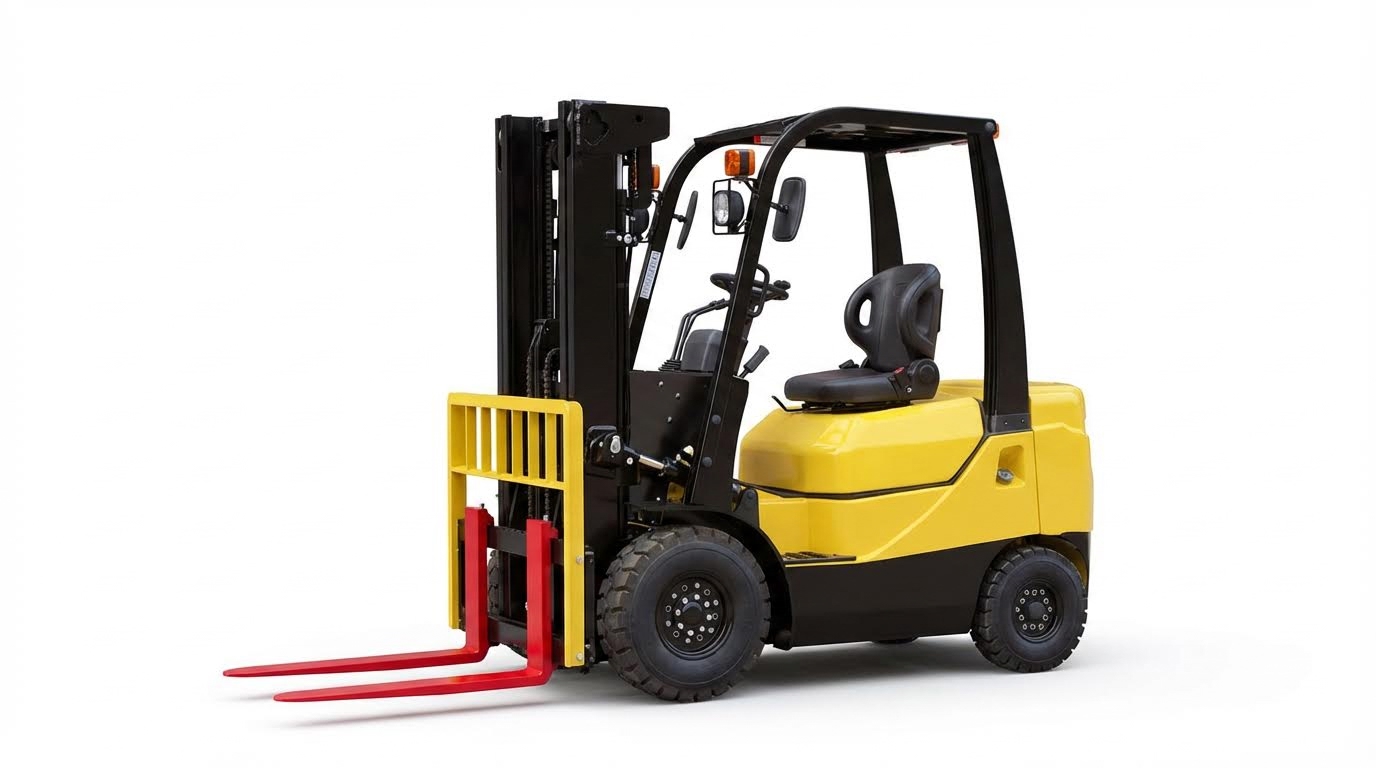
Application scenarios, load ranges, and environments
Electric trucks do not win everywhere, but where they fit, they usually win decisively on cost, control, and environment. The key is to match duty, load, and site conditions to what electric drivetrains do best.
| Scenario / Condition | Electric forklifts – where they win | Engine trucks – where they still fit better |
|---|---|---|
| Environment | Indoor warehouses, pharma, food, electronics, cold stores, and any site with strict air or noise limits. They run with zero exhaust at point of use and very low noise, ideal where ventilation is limited. Cited Text or Data | Outdoor yards, construction, and rough terrain sites where emissions and noise are secondary concerns and weather exposure is high. Cited Text or Data |
| Load range | Light to medium loads (typically up to about 5 tons) with frequent starts, stops, and short runs. Electric trucks deliver high low‑speed torque and precise control. Cited Text or Data | Very heavy loads (often above 10,000 lb / ~5 t) and attachments that demand continuous high power, where IC engines still dominate in peak capacity. Cited Text or Data |
| Duty profile | Stop‑start, high‑cycle warehouse work with short travel distances, where high energy efficiency and regenerative braking cut consumption. Cited Text or Data | Long‑distance yard shuttling or continuous outdoor work where quick liquid refuelling is still an advantage. |
| Runtime pattern | Single‑shift or planned multi‑shift work where charging or battery changes can be built into breaks. With lithium‑ion, opportunity charging can keep trucks near full through the day. Cited Text or Data | 24/7 operations with no charging or battery‑swap infrastructure and no appetite to invest in it. |
| Floor / terrain | Smooth concrete, narrow aisles, and racking where compact size and fine speed control reduce damage and improve throughput. Cited Text or Data | Rough, uneven, or unpaved ground where higher ground clearance and pneumatic‑tyre IC trucks still cope better. |
| Noise / hygiene | Sites with strict noise, cleanliness, or contamination limits (hospitals, food, pharma, residential‑adjacent warehouses). Electric trucks run 20–25 dB quieter than IC in many cases. Cited Text or Data | Remote, open sites where noise and exhaust are less critical. |
From a pure application standpoint, the answer to “are electric forklifts good” becomes “they are usually the best option” whenever you combine indoor work, loads below roughly 5 tons, and structured shifts. In those conditions, their higher energy efficiency and low maintenance easily outweigh the higher purchase price.
Why indoor and cold‑store operations favour electric trucks
Electric forklifts produce no tailpipe emissions, so you avoid CO₂, CO, and NOx build‑up indoors and reduce the need for heavy ventilation. They also keep noise low, which improves communication and reduces fatigue in dense racking and high‑traffic zones. In cold storage, electric drivetrains avoid combustion‑related performance losses and benefit from sealed motors and electronics designed for low‑temperature work. Cited Text or Data
Selection criteria for multi‑shift and mixed fleets
In multi‑shift and mixed fleets, the question is not only “are electric forklifts good” but “where do they give the fastest payback without compromising uptime.” That comes down to a few measurable criteria: hours, energy cost, load profile, and infrastructure readiness.
- Daily operating hours per truck – The more hours, the more fuel or electricity you burn, and the faster energy‑efficiency savings show up.
- Local electricity vs fuel price – Electric trucks often run at 30–60% lower energy cost per working hour than diesel or LPG. Cited Text or Data
- Shift pattern and breaks – Defined breaks and shift changes make it easy to schedule charging or battery swaps without losing productivity.
- Share of indoor vs outdoor work – The higher the indoor share, the more value you get from zero emissions and low noise.
- Average and peak load – If most work is light‑to‑medium duty, electric units can cover a large share of the fleet, leaving only true heavy‑duty positions for IC.
- Capex vs Opex priorities – Electric often costs more upfront but 20–35% less over five years in total cost of ownership. Cited Text or Data
| Selection factor | Favour electric forklifts when… | Engineering reasoning |
|---|---|---|
| Energy efficiency and runtime | Each truck runs many hours per year and spends most time in start‑stop, low‑to‑medium speed work. | Electric drivetrains convert a higher share of input energy to useful work and waste less as heat than combustion engines. Regenerative braking can recover part of the kinetic energy during deceleration. Cited Text or Data |
| Maintenance and downtime | You want predictable, low maintenance and minimal unplanned stops. | Electric trucks have fewer moving parts and no oil, filters, or exhaust systems, cutting maintenance cost by up to about 60% versus IC and reducing failure points. Cited Text or Data |
| Charging vs refuelling strategy | You can allocate space for chargers or battery rooms and integrate charging into process flow. | Lithium‑ion systems can reach about 80% charge in roughly 60 minutes and tolerate frequent opportunity charging, keeping multi‑shift fleets running without full overnight stops. Cited Text or Data |
| Fleet management sophistication | You either use or plan to use telematics, access control, and energy monitoring. | Electric trucks integrate easily with intelligent fleet systems that track energy use, schedule charging on off‑peak tariffs, and support preventive maintenance, improving energy efficiency by more than 25% in some operations. Cited Text or Data |
| ESG and site constraints | You have explicit CO₂, noise, or air‑quality targets, or operate near sensitive neighbours. | Electric forklifts eliminate local exhaust emissions and are typically 20–25 dB quieter than IC, directly supporting ESG and permitting requirements. Cited Text or Data |
Practical approach for mixed fleets
For most sites, the best engineering answer is a mixed fleet. Convert all indoor and light‑to‑medium duty positions to electric first, where savings and safety gains are largest. Keep a smaller core of IC trucks for peak outdoor loads, extreme weather, or very heavy lifts. Then, as battery and charging technology improves further, you can phase out the remaining IC units over time without risking uptime.
Final Assessment: Are Electric Forklifts A Good Choice?
Across the engineering, cost, and safety data in this guide, electric forklifts prove a strong choice for most indoor and medium‑duty work. Their drivetrains waste less energy, run cooler, and give precise low‑speed control, which cuts damage and improves throughput. Zero exhaust at the point of use and low noise ease ventilation design, support ESG targets, and reduce operator fatigue.
The main technical limit remains continuous heavy outdoor work and very high capacities, where engine trucks still offer simple refuelling and strong performance on rough ground. In multi‑shift operations, the deciding factor is not battery chemistry alone but the discipline of your charging strategy and the strength of your electrical infrastructure.
Operations and engineering teams should treat electrification as a fleet‑engineering project, not a one‑for‑one truck swap. Map duty cycles, load ranges, and indoor hours, then move all suitable positions to electric first. Use lithium‑ion, energy recovery, and smart fleet tools to stabilize runtime and lower total cost of ownership. Keep a smaller IC core only where terrain, weather, or extreme loads demand it. For most modern warehouses and mixed sites, that approach makes electric forklifts, and complementary equipment from Atomoving, the performance and cost baseline going forward.
Frequently Asked Questions
Are electric forklifts good?
Electric forklifts are an excellent choice for indoor use and environments where air quality and noise levels are a concern. They are emission-free, quieter, and often more cost-effective to operate than internal combustion models. Electric forklifts are ideal for handling loads up to 6,000 kg and can reach lift heights of up to 6 meters or more, depending on the model. Their compact design also makes them highly maneuverable in tight spaces like narrow warehouse aisles. For more details on their capabilities, check this Warehouse Forklift Guide.
What are the advantages of electric forklifts over other types?
Electric forklifts offer several advantages over gas or diesel-powered models:
- Emission-free operation, making them safe for indoor use.
- Lower operating costs due to fewer moving parts and no fuel expenses.
- Quieter performance, reducing noise pollution in the workplace.
- Compact and maneuverable, ideal for tight spaces and narrow aisles.
For comparison insights between forklift types, you can refer to this Lift Equipment Comparison.
What safety rules should be followed when using electric forklifts?
Safe operation of electric forklifts requires adherence to key guidelines:
- Always follow the manufacturer’s instructions for operation and maintenance.
- Wear a seatbelt if the forklift is equipped with one.
- Avoid exceeding the rated load capacity and ensure the load is balanced.
- Do not raise or lower the forks while the forklift is in motion.
For comprehensive safety practices, consult this OSHA Forklift Safety Guide.