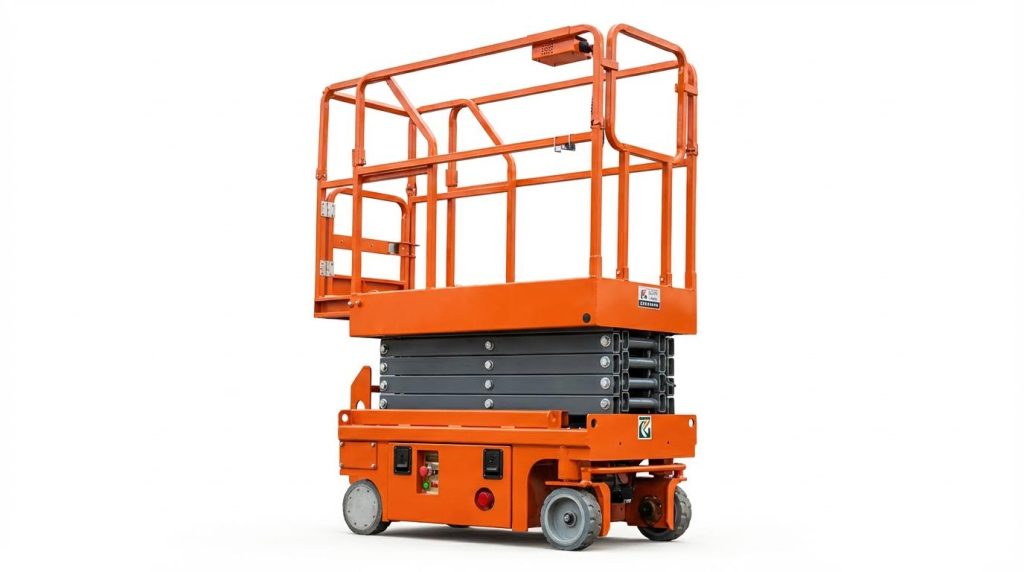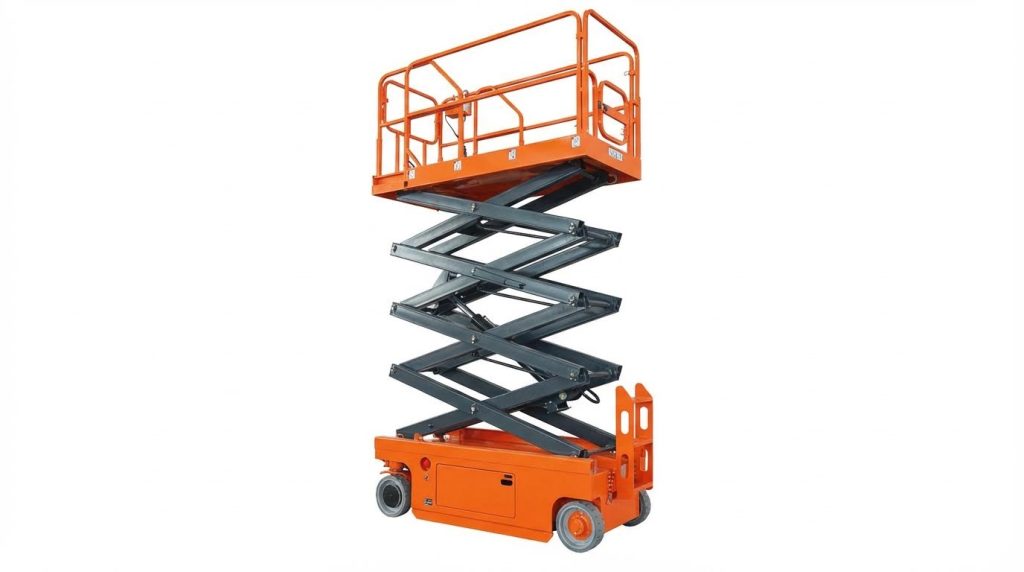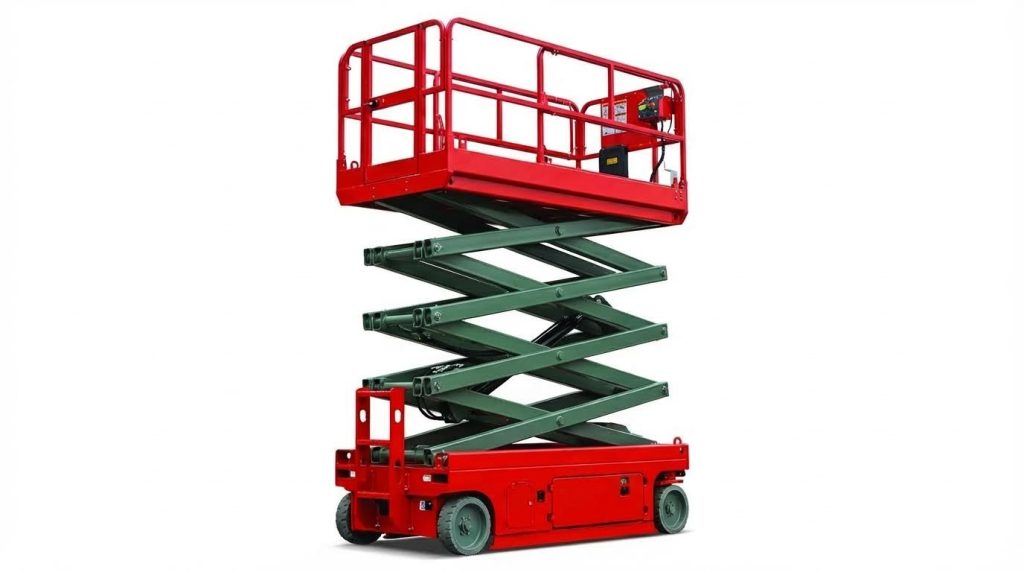
OSHA treats scissor lifts differently from forklifts and other powered industrial trucks, and that difference drives which standards apply, what training is required, and how you build your safety program. This article explains scissor platform powered industrial truck classification under OSHA, then walks through the specific OSHA and ANSI rules that govern design, operation, and fall protection. You will also see how these classifications affect operator training, inspections, and day‑to‑day decisions when you manage mixed fleets of PITs and aerial platform. The goal is to give safety managers, supervisors, and engineers a clear, practical roadmap to stay compliant while keeping operators productive and protected.
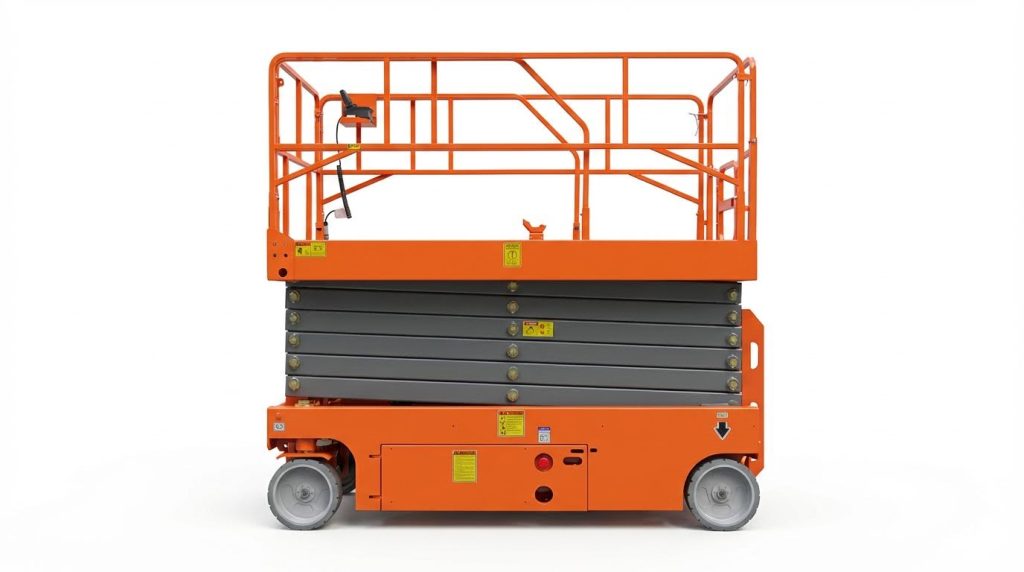
How OSHA Classifies Scissor Lifts vs. PITs
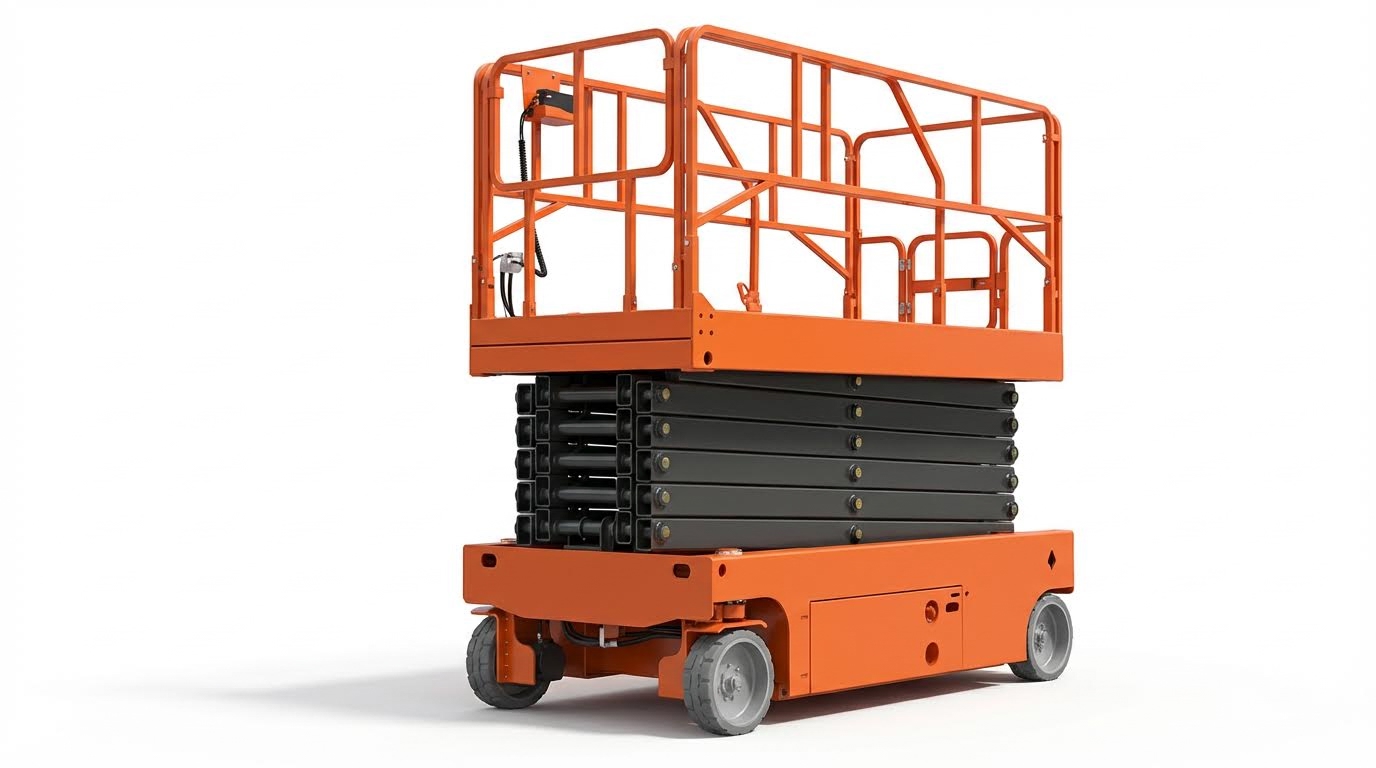
OSHA’s Definition Of Powered Industrial Trucks
Under 29 CFR 1910.178, OSHA defined a powered industrial truck as a mobile, power‑driven vehicle used to carry, push, pull, lift, stack, or tier materials. Typical examples include counterbalanced forklifts, narrow‑aisle trucks, and powered pallet jacks used for material handling in warehouses and yards. The standard focused on trucks whose primary function is moving loads, not positioning workers at height. Training, evaluation, modification controls, and operating rules in 1910.178 therefore apply to equipment used as material‑handling vehicles, not to mobile supported scaffolds such as scissor lifts. This distinction is the starting point for any scissor lift powered industrial truck classification discussion.
Why Scissor Lifts Are Not PITs Under 1910.178
OSHA explicitly stated that scissor lifts are not classified as powered industrial trucks and fall outside the scope of 1910.178 and 29 CFR 1910.67 for vehicle‑mounted elevating and rotating work platforms. Instead, OSHA treated scissor lifts as mobile supported scaffolds whose primary purpose is to raise workers, not to move materials horizontally Scissor Lifts as Mobile Supported Scaffolds. Because of that, employers managed scissor lift hazards under scaffold and fall‑protection rules such as 1910.27, 1910.28(b)(12), 1910.29(b), and construction standards 1926.451 and 1926.452(w), plus the OSH Act General Duty Clause Section 5(a)(1) OSHA Standards for Scissor Lifts Scissor Lifts and Powered Industrial Trucks. OSHA pointed employers to ANSI A92.6 for self‑propelled elevating work platforms as the primary design and use reference instead of the PIT standard Scissor Lifts and Powered Industrial Trucks. In practice, this meant separate safety programs and training tracks: one for PITs under 1910.178 and another for scissor lifts under scaffold, fall‑protection, and ANSI A92.6 guidance, even when both types of equipment operated in the same facility.
Applicable OSHA And ANSI Standards For Scissor Lifts
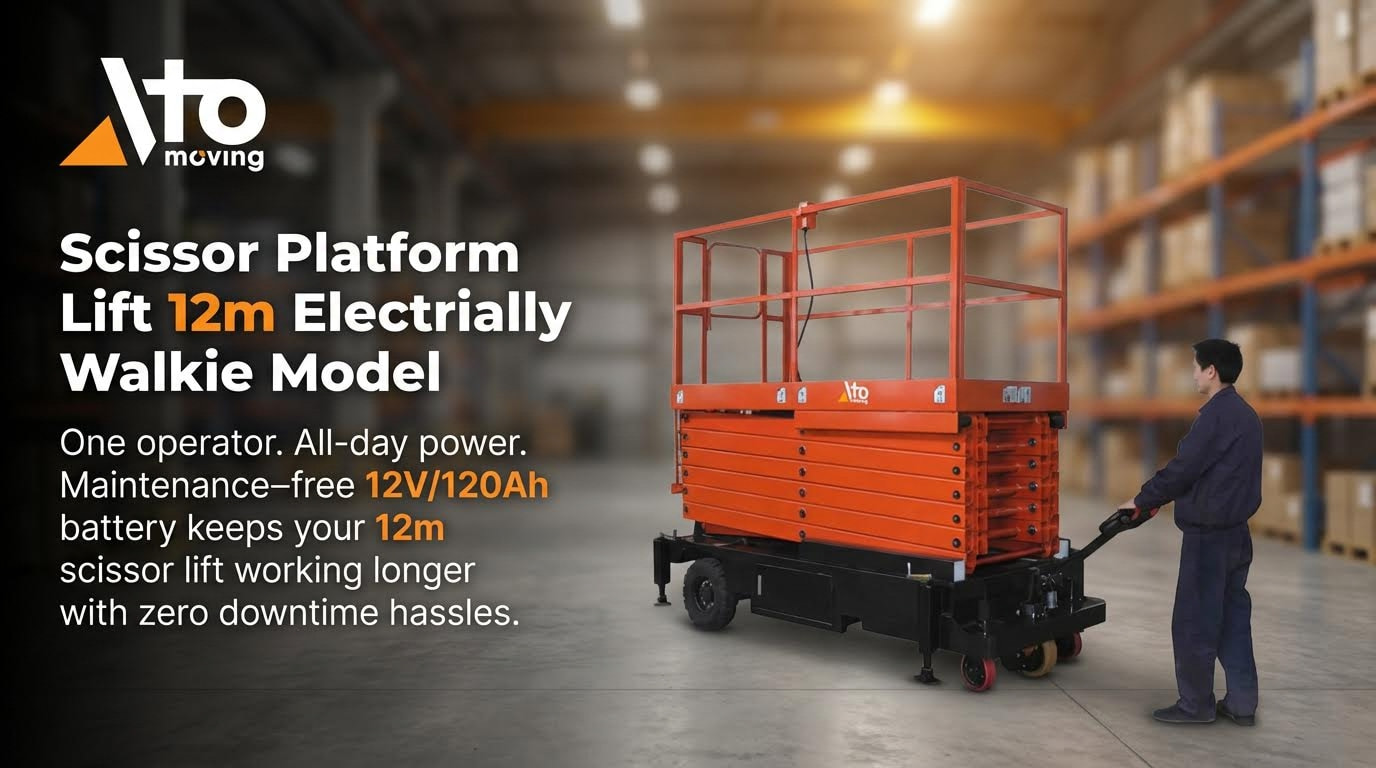
Key OSHA General Industry And Construction Rules
OSHA does not treat scissor lifts under the powered industrial truck rule in 29 CFR 1910.178, even though many facilities still debate scissor lift powered industrial truck classification. Instead, OSHA classifies scissor lifts as mobile supported scaffolds and applies scaffold and fall protection rules. For general industry, key references include 1910.27 on scaffolds and rope descent systems, 1910.28(b)(12) on duty to provide fall and falling object protection, and 1910.29(b) on guardrail and fall protection systems and practices for scissor lifts. For construction work, scissor lifts fall under 1926.451 general scaffold requirements and 1926.452(w) on mobile scaffolds, which drive requirements for platform construction, access, and stability controls on job sites.
Across both sectors, OSHA expects employers to manage three main hazard groups:
- Fall hazards: Guardrail systems must be in place, workers must stand only on the platform, and tasks should be kept within easy reach to avoid overreaching or climbing on rails when using scissor lifts.
- Stability and tip-over hazards: Employers must follow manufacturer instructions, use firm, level surfaces, isolate the lift from traffic, and avoid adverse weather, especially wind above the rated outdoor limit (often below 28 mph) for outdoor-rated units.
- Positioning and contact hazards: Work locations should be at least 10 ft from energized electrical sources, with traffic control and ground guides used to prevent crushing or electrocution incidents near fixed objects or vehicles around the platform.
OSHA also uses the General Duty Clause, Section 5(a)(1) of the OSH Act, to address recognized hazards not covered by a specific scissor lift standard, and explicitly points employers to ANSI A92.6 for self-propelled elevating work platforms as a key reference for safe design and operation when applying these obligations.
ANSI A92.6 Design, Stability, And Operating Limits
ANSI A92.6 defines how self-propelled elevating work platforms are designed, tested, and labeled, and OSHA relies on it heavily when interpreting safe scissor lift use. The standard requires guardrail systems that meet specific dimensional and strength criteria, and it requires workers to maintain firm footing on the platform floor rather than using personal fall arrest by default for typical scissor lift tasks. Personal fall arrest systems become necessary only if these guardrail and footing provisions are not followed or if a specific hazard analysis shows that additional protection is needed.
Stability and operating limits are also tightly controlled by A92.6. The standard prohibits using planks, ladders, or any other devices on the platform to gain extra height or reach, because these changes shift the center of gravity and can defeat the original stability calculations and testing for the scissor lift. It also allows elevated travel only when the surface is free of obstacles, depressions, drop-offs, ramps, or similar hazards, and when the unit has been tested to those conditions under the design section of the standard before being placed in service.
Key ANSI A92.6 control topics
- Guardrail design and minimum performance.
- Rated load, platform size, and allowable occupants.
- Wind and slope limits defined by testing.
- Restrictions on modifications and add-on devices.
Training Expectations Compared To PIT Operator Rules
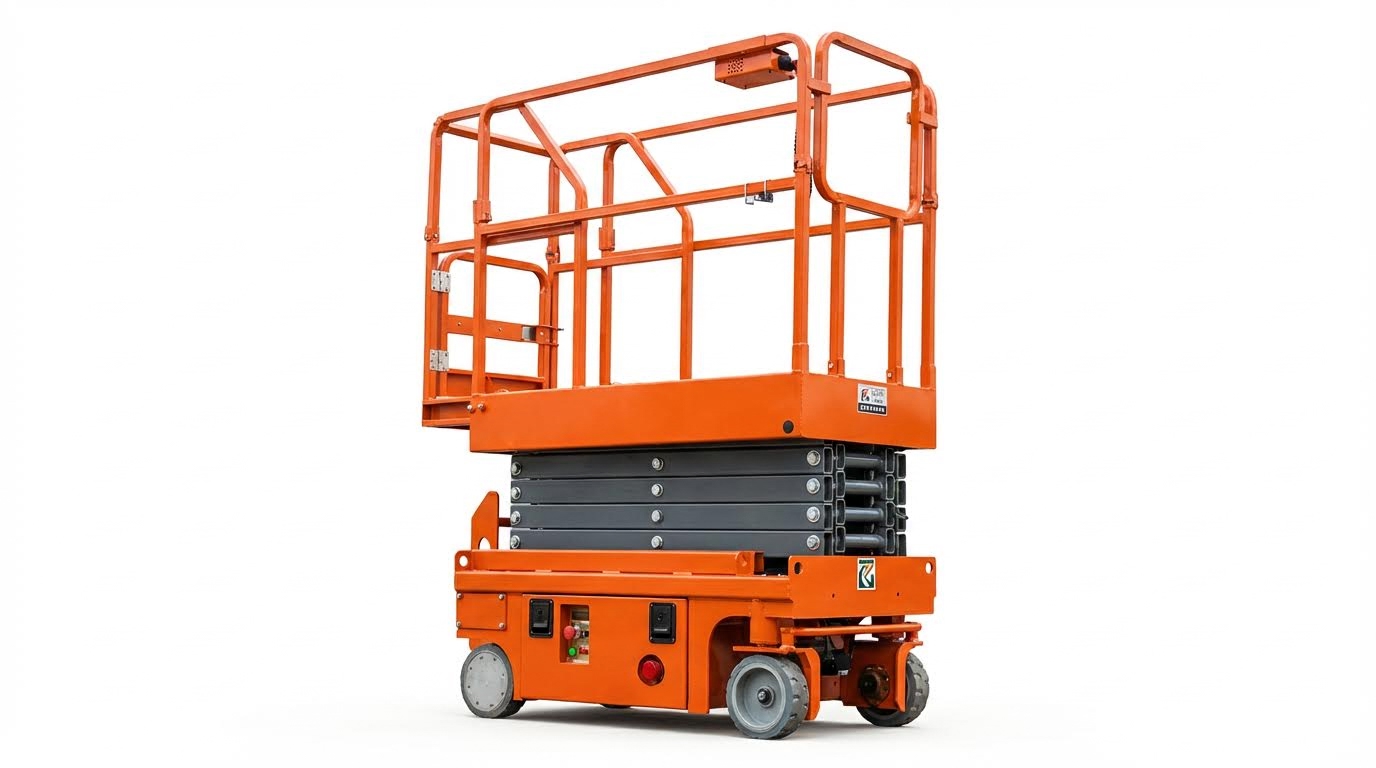
Because OSHA does not include scissor lifts in the powered industrial truck rule, the detailed training structure in 1910.178 is not mandatory for these platforms. However, OSHA still requires employers to train workers on scissor lift hazards, including correct operation, staying within weight limits, and recognizing site risks such as overhead power lines or traffic routes before authorizing use. This training must also cover pre-use inspections, reporting defects, and understanding the specific controls and safety devices on each model.
In practice, many employers model their scissor lift training on the structure used for powered industrial truck operators. PIT rules require a mix of formal instruction, practical training, and performance evaluation, with evaluations at least every three years and refresher training after unsafe operation or incidents manual pallet jack. Applying a similar framework to scissor lifts helps standardize competency across mixed fleets, even though the underlying OSHA standards differ. For facilities working through scissor lift powered industrial truck classification questions, aligning scissor lift training content with PIT-style modules, but referencing OSHA scaffold and ANSI A92.6 requirements, creates a clear and defensible compliance approach.
Practical Implications For Safety, Training, And Equipment Choice
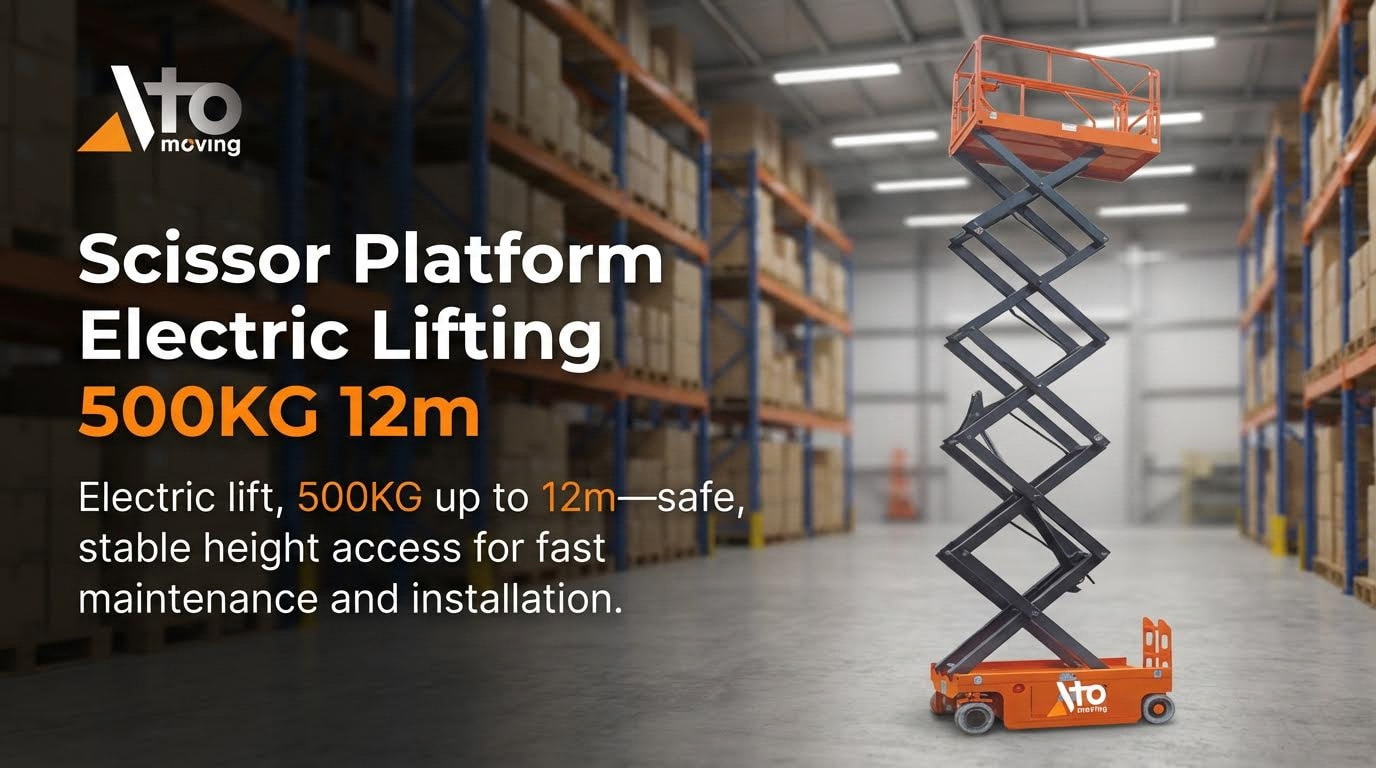
Building A Separate Scissor Lift Safety Program
Because scissor lifts are not covered by the powered industrial truck standard, employers should build a stand‑alone program instead of folding them into forklift rules. Start by treating scissor lifts as mobile supported scaffolds and aerial work platforms, with requirements driven by OSHA scaffold and fall‑protection standards 1910.27, 1910.28(b)(12), 1910.29(b), 1926.451, and 1926.452(w). OSHA identifies scissor lifts as mobile supported scaffolds, so your written procedures, hazard assessments, and inspections should reflect that, not a generic scissor lift powered industrial truck classification.
- Core elements of the program should include equipment selection by task, pre‑use inspections, safe approach to power lines, traffic control, and fall‑protection practices.
- Fall protection must emphasize guardrail use and platform behavior: workers stand only on the platform floor, confirm guardrails are in place, and keep work within easy reach to avoid overreaching or climbing. OSHA highlights guardrails as the primary fall‑prevention system on scissor lifts.
- Stability controls should address surface conditions, wind, and site isolation. Outdoor‑rated units are generally limited to wind speeds below 28 mph, so procedures must require checking wind conditions and following the manufacturer’s outdoor‑use limits. OSHA notes that outdoor use is typically restricted to winds under 28 mph.
- Tip‑over and collision prevention should cover load control, keeping within platform and structural capacity, and keeping the lift segregated from other mobile equipment. OSHA points to overloading, using devices to gain extra height, and vehicle strikes as key causes of collapses and tip‑overs.
Training content can mirror the structure of PIT operator training—formal instruction, hands‑on practice, and evaluation—but must be specific to scissor‑lift hazards such as crush zones, electrical contact, and elevated driving. OSHA requires instruction on operating procedures, weight limits, and worksite hazards, plus reporting defects. For mixed fleets, it is best practice to qualify operators separately on forklifts and on scissor lifts, document both, and make clear in your policy that PIT certification alone does not authorize scissor‑lift use.
Maintenance, Inspection, And Emerging Technologies
Daily inspections and preventive maintenance for scissor lifts should be structured differently than for forklifts, again reflecting their scaffold‑type design rather than a scissor lift powered industrial truck classification. Pre‑use checks must verify all controls, emergency stops, and brakes, and confirm that the guardrail system is intact and secure. OSHA advises testing controls and components before each use and confirming that brakes hold the lift in position. Maintenance programs should also ensure that safety interlocks, tilt sensors, and limit switches remain functional so that the platform cannot be used outside its tested stability envelope.
- Inspection scope should include structure (scissor arms, welds, pins), hydraulic or electric drive systems, tires or casters, and all decals and capacity markings. OSHA also stresses verifying guardrail condition and platform integrity as part of routine checks.
- Positioning and proximity hazards must drive your lockout and traffic‑control procedures. Use cones, barriers, or spotters to keep trucks and other PITs from striking the lift, and maintain at least 10 ft clearance from energized electrical sources. OSHA recommends traffic control and ground guides to prevent crushing and electrocution incidents.
- Technology enhancements such as onboard diagnostics, tilt and overload alarms, and interlocks that prevent travel when limits are exceeded can be integrated into your maintenance and inspection checklists. Many of these features support safe elevated driving when surfaces are free of holes, drop‑offs, and obstacles, consistent with ANSI A92.6 guidance that allows elevated travel only on suitable surfaces. aerial platform solutions like those compliant with ANSI A92.6 permits driving while elevated when surfaces are clear of hazards.
For mixed PIT and scissor‑lift fleets, asset‑management systems and telematics can help separate inspection forms, maintenance intervals, and operator authorization by equipment type. The goal is to prevent forklift‑style habits—like traveling quickly with elevated loads or using add‑on platforms—from migrating onto scissor lifts, where practices such as adding planks or ladders on the platform are specifically prohibited. scissor platform and manual pallet jack options provide safer alternatives for material handling tasks. Additionally, drum dolly tools can assist in transporting heavy drums safely without violating operational guidelines.
“”
Summary: Compliance Strategy For Mixed Fleets (PITs And Scissor Lifts)
OSHA’s decision to classify scissor lifts as mobile supported scaffolds, not powered industrial trucks, changes how you manage risk. Forklifts and pallet trucks move loads; scissor lifts position people. Your programs must reflect that difference. Scaffold and fall‑protection rules, reinforced by ANSI A92.6, define how platforms are built, how they stay stable, and how operators work at height without overreaching or climbing.
For mixed fleets, you must separate policies, training, and inspections by equipment type. Train and qualify operators independently on PITs and scissor lifts. Base PIT training on 1910.178 and base scissor lift training on OSHA scaffold rules and ANSI A92.6. Use checklists that focus on guardrails, structural condition, controls, and stability devices for lifts, while PIT forms emphasize forks, masts, and load handling.
Engineers and safety leaders should design traffic flow, task plans, and equipment selection so that PITs handle horizontal material movement and scissor lifts handle work at height. Use tools like Atomoving scissor platforms and aerial platforms where you need stable elevation, and keep material‑handling work on ground‑based equipment. This clear separation of function, standards, and training builds a defensible compliance strategy and reduces tip‑overs, falls, and struck‑by events across the fleet.
Frequently Asked Questions
Is a scissor lift considered a powered industrial truck?
No, a scissor lift is not classified as a powered industrial truck (PIT). According to OSHA guidelines, scissor lifts are considered mobile scaffolds rather than PITs. When operating a scissor lift, it’s important to follow the rules and procedures for scaffolds instead of those for forklifts or other powered industrial trucks. OSHA Scissor Lift Guide.
What type of equipment is a scissor lift classified as?
A scissor lift is classified as a type of aerial lift and mobile scaffold. It provides a safe, steady platform that elevates workers to accomplish tasks at high elevations. Unlike powered industrial trucks, scissor lifts are governed by scaffold safety standards. Aerial Lift Classification.
What are the main differences between scissor lifts and powered industrial trucks?
- Scissor lifts are designed primarily for vertical elevation and are considered mobile scaffolds.
- Powered industrial trucks, like forklifts, are used for material handling and transportation.
- Scissor lifts must comply with scaffold safety regulations, while PITs follow separate OSHA standards for industrial trucks.