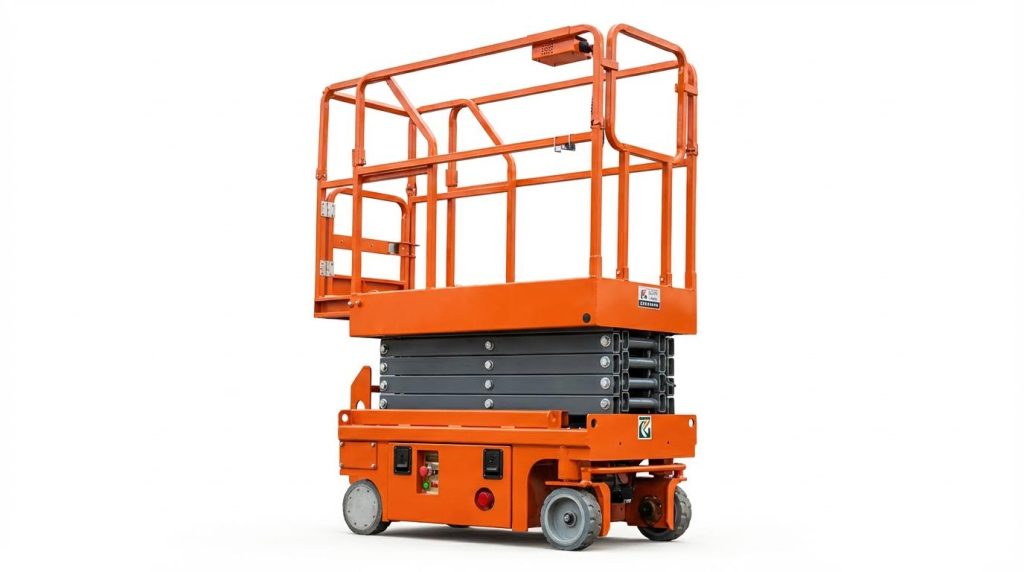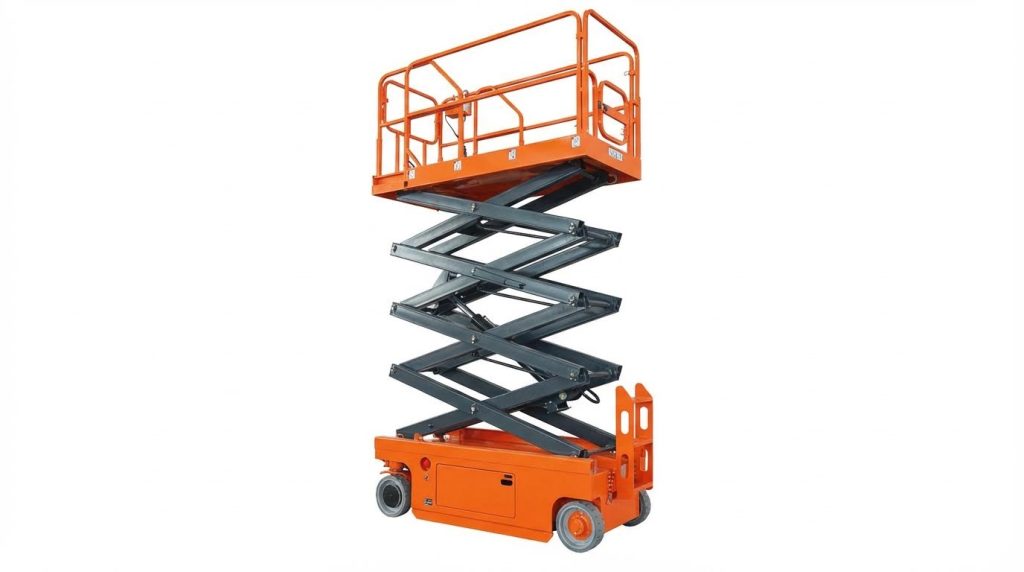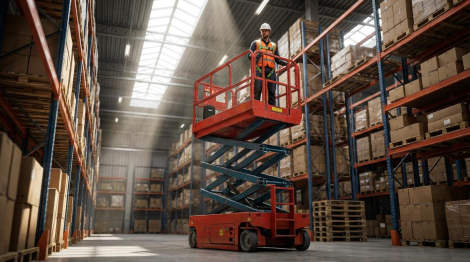
Whether is a scissor lift considered heavy equipment depends on how you look at it: by jobsite practice, by OSHA, or by ANSI. This article explains how scissor platform are classified in major standards, how their mechanical design drives risk, and which regulations apply in real projects. You will see how rules on scaffolds, fall protection, wind limits, and surfaces translate into day‑to‑day operating procedures. The goal is to help owners, fleet managers, and safety professionals manage scissor platform lift as safely and efficiently as any other piece of heavy equipment on site.
How Scissor Lifts Are Classified In Standards
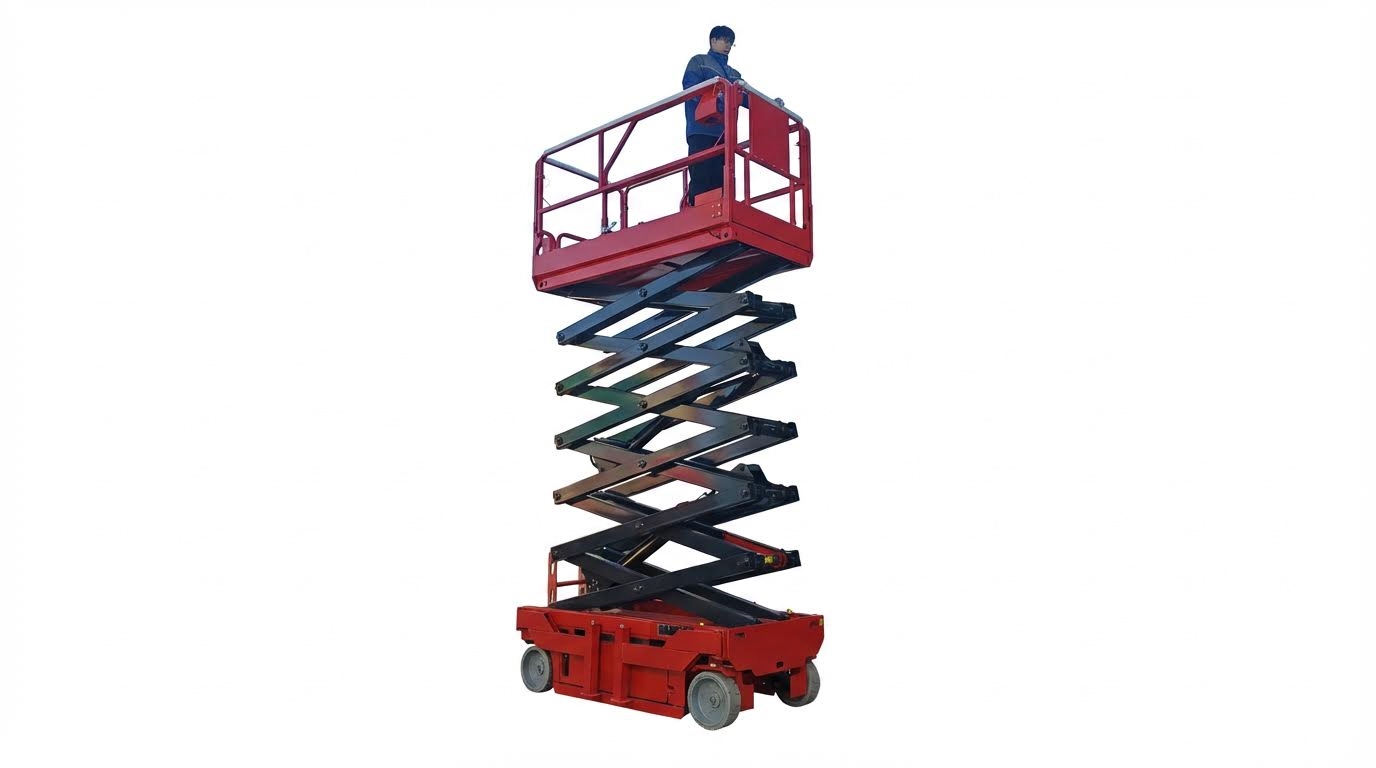
Heavy equipment vs. aerial work platforms
From a standards point of view, the answer to “is a scissor lift considered heavy equipment” depends on context. In many fleets, scissor lifts sit alongside forklifts and earthmoving machines and are managed as heavy equipment because they are powered, mobile, and can cause crushing hazards similar to other mobile equipment. However, OSHA and ANSI do not primarily classify them as “heavy equipment” or “aerial lifts”; instead, they look at how the platform supports workers and how it moves. Scissor lifts are defined as mobile supported scaffold work platforms that move straight up and down using crossed beams, which means they meet the definition of scaffolds in OSHA rules rather than aerial lifts under ANSI’s aerial lift definition. OSHA therefore regulates them mainly under scaffold requirements. For procurement and asset management, it is reasonable to group scissor lifts with other heavy equipment, but safety programs must follow the scaffold and scissor‑lift‑specific standards.
Why OSHA treats scissor lifts as scaffolds
OSHA focuses on how workers are supported, not just on the machine’s weight or power source. Scissor lifts use a crisscrossing support structure to raise a fixed work platform vertically, so workers stand on a supported platform similar to a mobile scaffold. Because of this, OSHA states that scissor lifts meet the criteria for scaffolding and applies scaffold rules to their design, use, and fall protection. OSHA’s scissor‑lift guidance ties them to 29 CFR 1910.27, 1910.28(b)(12), and 1926.451, which cover scaffolds, fall protection, and general scaffold requirements. In practice, this means employers must treat scissor lifts as mobile scaffolds for training, inspections, guardrails, and work‑practice controls, even if their internal asset list calls them heavy equipment.
Key OSHA and ANSI definitions that apply
Several formal definitions drive how “is a scissor lift considered heavy equipment” is answered in compliance documents. OSHA describes scissor lifts as mobile supported scaffold platforms that move workers vertically and between locations, with hazards addressed under its scaffold standards. OSHA clarifies that, although scissor lifts are not aerial lifts under ANSI’s aerial‑lift definition, they still qualify as scaffolds. ANSI’s aerial work platform and mobile elevating work platform standards distinguish aerial lifts, which articulate or telescope, from scissor mechanisms that travel only vertically. For safety managers, the practical takeaway is:
- Regulatory classification: scaffold / mobile supported scaffold.
- Not an aerial lift under ANSI’s aerial‑lift definition.
- Often managed operationally as powered heavy equipment in a mixed fleet.
Aligning internal policies with these OSHA and ANSI definitions helps ensure the right standards, inspections, and training are applied to every scissor platform in service.
Technical Design, Risks, And Regulatory Requirements
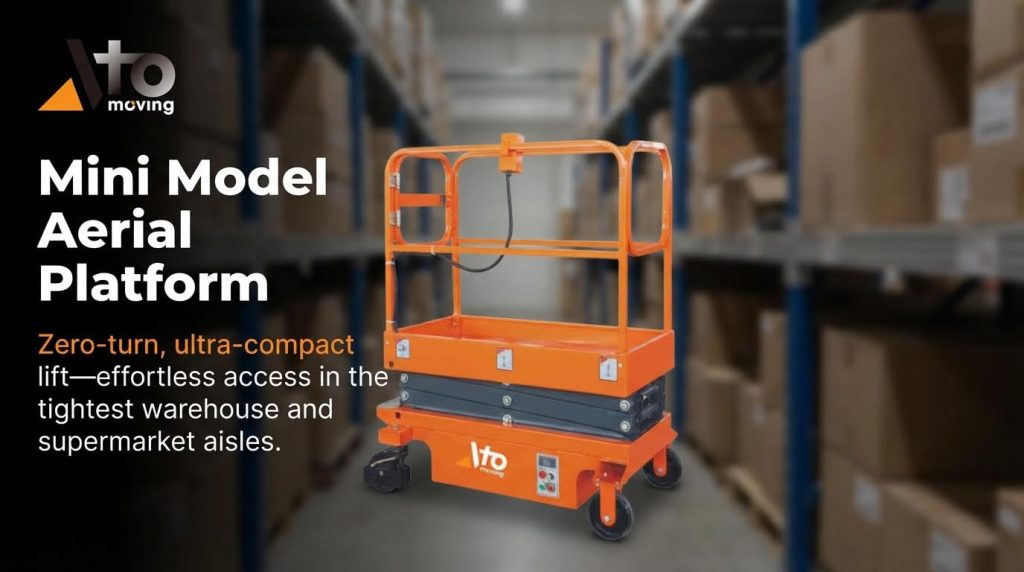
Core mechanics and stability limits
From a design standpoint, a scissor lift is a mobile supported scaffold that raises a work platform vertically using crossed steel beams in a scissor mechanism. The unit’s stability depends on its base width, center of gravity, and the condition of the supporting surface. When people ask “is a scissor lift considered heavy equipment,” they are often reacting to these heavy, mobile characteristics and the need for strict stability control.
OSHA guidance requires scissor lifts to operate on firm, level surfaces that are within about 3 degrees of level and free of obstructions to reduce tip-over risk. During movement with the platform elevated, the height-to-base-width ratio should not exceed 2:1 unless the machine has been designed and tested for higher limits, and travel speed must be adjusted to site conditions such as holes, slopes, and debris OSHA stability guidance. Crushing hazards are similar to other mobile heavy equipment, so operators must stay alert near walls, vehicles, and overhead structures OSHA positioning hazards.
Key stability factors engineers consider
Engineers look at base dimensions, wheel configuration, structural stiffness of the scissor stack, and the dynamic effects of braking and steering. Surface bearing pressure and any slope or settlement under the wheels are also critical for safe operation.
Fall protection, guardrails, and positioning risks
Regulators treat scissor lifts as scaffolds, so fall protection is built around the guardrail system, not personal fall arrest in most standard uses. OSHA requires that scissor lifts used as work platforms have guardrails installed that meet the criteria in scaffold and general industry fall protection standards, including top-rail strength and height requirements OSHA guardrail requirements. Workers must stand only on the platform floor, keep both feet inside the rails, and avoid climbing or leaning over the guardrails to reach work.
Positioning risks include crush and pinch points between the platform and ceilings, beams, or other overhead structures, especially when elevating in tight spaces. Similar to other heavy equipment, scissor lifts can also pin workers between the chassis and fixed objects during travel. OSHA highlights the need for traffic control, use of ground guides, and maintaining at least 10 feet of clearance from electrical power sources such as overhead lines and transformers to prevent electrocution incidents OSHA electrical and crushing hazards.
- Verify guardrails are complete and secure before elevating.
- Keep the platform clear of ladders, boxes, or makeshift height boosters.
- Use spotters when working near steel, pipe racks, or building frames.
- Plan travel paths to avoid low-clearance and energized equipment.
Load ratings, wind limits, and surface conditions
Whether or not you label it as a scissor lift considered heavy equipment, OSHA expects employers to treat platform loading and environment as critical engineering controls. The total live load on the platform (people, tools, and materials) must never exceed the manufacturer’s rated capacity, and using external equipment such as forklifts to lift or “boost” the platform is specifically prohibited because it bypasses the designed load path and stability margins OSHA load limits.
For outdoor work, OSHA guidance limits scissor lift operation to wind speeds below 28 mph; higher winds significantly increase overturning moments and have caused fatal tip-overs when gusts exceeded 50 mph OSHA wind speed limitation. Surfaces must be firm, capable of supporting concentrated wheel loads, and within about 3 degrees of level, with holes, drop-offs, and debris removed before travel or elevation OSHA surface condition guidance. These environmental controls, combined with adherence to rated capacity, are what keep the mechanical design operating inside its intended safety envelope.
| Parameter | Typical regulatory / manufacturer expectation |
|---|---|
| Platform load | Do not exceed nameplate rating; no external lifting devices |
| Wind speed (outdoors) | Operate only below 28 mph, or stricter per manufacturer |
| Surface levelness | Within about 3° of level and free of holes/obstructions |
| Electrical clearance | Maintain at least 10 ft from power sources |
Selecting And Managing Scissor Lifts In Your Fleet
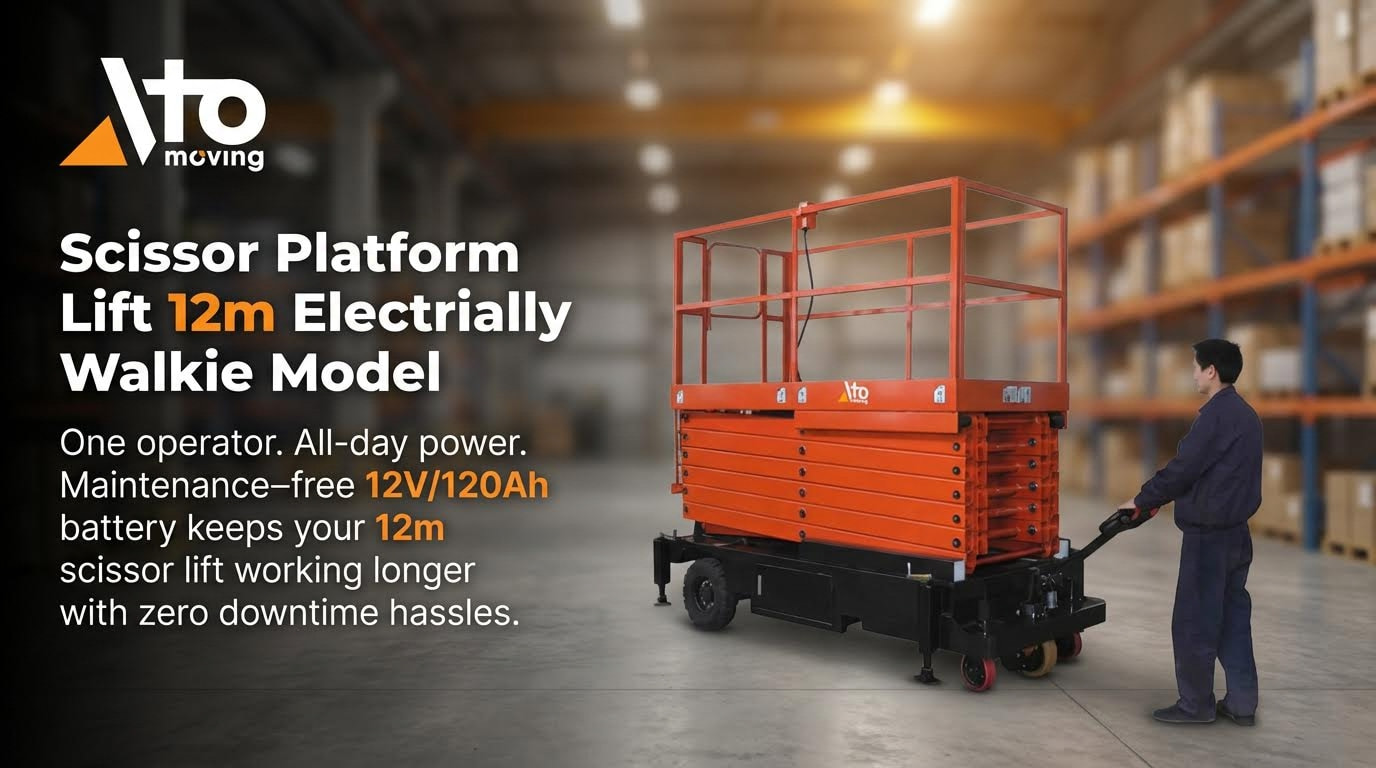
Slab vs. rough‑terrain and powertrain choices
When you ask “is a scissor lift considered heavy equipment,” fleet selection usually splits into slab units for finished floors and rough‑terrain units for jobsites. Slab scissor lifts are compact, lighter, and designed for smooth, level concrete in warehouses and plants. They typically use electric drive, which is quiet and emission‑free, making them suitable for indoor work and occupied buildings. Rough‑terrain scissor lifts use larger, more aggressive tires and higher ground clearance for uneven outdoor surfaces. They often include all‑wheel or four‑wheel drive and higher platform capacities to support heavier tools and materials on construction or industrial sites. Rough‑terrain models generally have larger platforms and more robust structures for outdoor duty. Electric scissor lifts suit indoor or low‑ventilation areas because they produce zero point‑of‑use emissions and low noise. Hydraulic units tend to handle higher loads and harsher environments but need more fluid‑system maintenance. For mixed fleets, many owners treat rough‑terrain units as heavy equipment assets in their CMMS and budgeting, while classing slab electrics closer to facility support equipment. Choosing correctly means matching: surface conditions, required platform height and capacity, indoor vs. outdoor use, and your maintenance capability for batteries vs. hydraulics.
Key selection checks
- Surface: finished concrete (slab) vs. gravel, mud, rebar mats (rough‑terrain).
- Environment: indoor/low emissions (electric) vs. outdoor/heavy‑duty (hydraulic or engine‑driven).
- Capacity: lighter maintenance tasks vs. structural, mechanical, or construction work.
Maintenance, inspections, and operator training
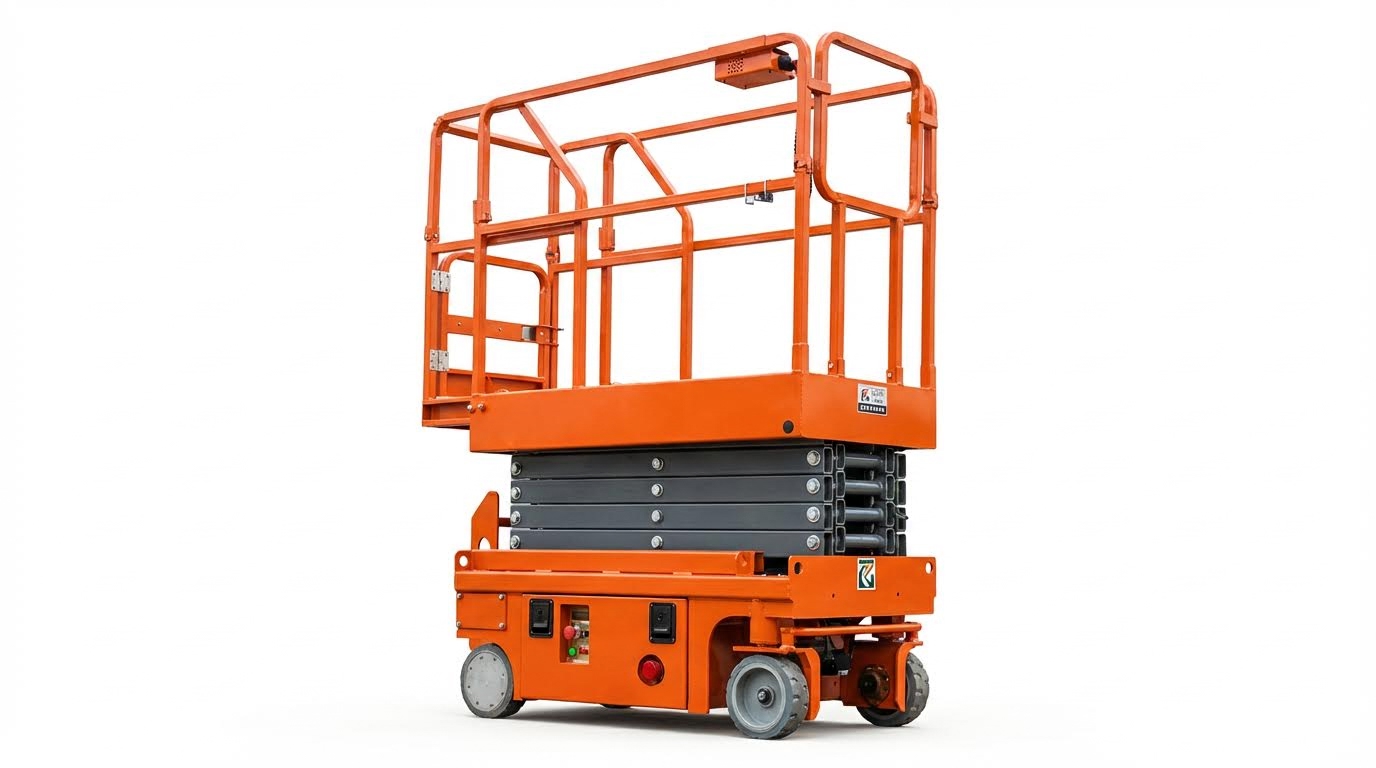
Regardless of whether is a scissor lift considered heavy equipment in your internal policy, OSHA treats it as a mobile supported scaffold with specific inspection and training duties. Employers must test and inspect controls, structural components, guardrails, and brakes before each use, and follow the manufacturer’s schedule for deeper preventive maintenance. Pre‑use checks include verifying that brakes hold the lift securely and that guardrail systems are complete and functional. For hydraulic units, maintenance focuses on fluid levels, hoses, seals, and filters; for electric units, battery health, chargers, and electrical connections are critical. Hydraulic systems generally require more frequent fluid and filter checks than electric drives. Workers must receive formal training on safe operation, including traveling with the platform raised where allowed, respecting load limits, and recognizing hazards such as overhead power lines and crushing zones. OSHA requires training to cover fall protection, stabilization, and positioning hazards, and operators must know how to report defects and remove unsafe units from service. Many safety managers treat scissor‑lift training and inspection programs with the same rigor they apply to forklifts and other heavy equipment, integrating checklists into daily pre‑start routines and documenting corrective actions.
| Program element | Key focus |
|---|---|
| Daily inspections | Controls, guardrails, brakes, leaks, tires, alarms, labels. |
| Planned maintenance | Hydraulic fluid and filters, batteries, chargers, structural checks. |
| Operator training | Load limits, movement rules, power‑line clearance, reporting defects. |
Practical Conclusion For Owners And Safety Managers
Scissor lifts behave like heavy equipment in daily use, but OSHA and ANSI treat them as mobile supported scaffolds. That mix drives how you must manage risk. The scissor mechanism, narrow base, and elevated center of gravity make stability, surface quality, and wind speed critical engineering controls. If you ignore load ratings, levelness, or gust limits, you move the machine outside its designed safety envelope and invite tip‑overs.
Guardrails do most of the fall‑protection work, so you must keep them intact and train workers to stay inside them. Positioning errors near steel, walls, or power lines can turn a routine lift into a crushing or electrocution event. Treat travel paths, spotters, and electrical clearance as non‑negotiable planning items.
For fleet decisions, match slab or rough‑terrain designs, and electric or hydraulic systems, to surface conditions, height, and duty cycle. Then back that choice with structured inspections, planned maintenance, and documented operator training that follow scaffold and manufacturer rules. The best practice is simple: classify scissor lifts administratively however you like, but manage every Atomoving scissor platform to scaffold standards and heavy‑equipment discipline. That approach keeps workers safe, protects assets, and keeps projects moving.
Frequently Asked Questions
Is a scissor lift considered heavy equipment?
A scissor lift is generally classified as heavy equipment, especially when considering its lifting capacity and industrial applications. These machines typically handle loads between 1,000 and 2,250 kilograms, with working heights ranging from 11 to 15 meters. Scissor Lift Applications.
What type of equipment is a scissor lift considered?
According to OSHA, a scissor lift is not classified as an aerial lift but rather as a type of scaffold. This distinction affects safety regulations and operational guidelines. OSHA Scissor Lift Classification.
What qualifies as lifting equipment?
Lifting equipment includes mechanical devices used for lifting loads, such as forklifts, hoists, winches, and cranes. Scissor lifts fall under this category as they assist in lifting personnel and materials to elevated positions. Lifting Equipment Guide.