Facilities that ask does elevated work platform training expire are really asking how to keep MEWP operators legally current and technically sharp. This article explains how regulatory frameworks, renewal cycles, and recertification triggers work together across OSHA, ANSI, EN standards, and local law.
You will see how typical 1–5 year license validity, three-year refresher benchmarks, and special cases such as HAZWOPER or hazardous locations shape training policy. The middle sections show how to design a compliant MEWP training program that blends core theory, hands-on checks, documentation control, and digital tools without driving up downtime.
The final summary links training validity to real safety performance, so engineering, safety, and operations teams can set renewal rules that stand up to audits and reduce incident risk.
Regulatory Framework For MEWP Training Validity
Safety teams often ask a direct question: does elevated work platform training expire. The answer depends on how OSHA, ANSI, EN standards, and local laws interact. MEWP training validity links to both legal rules and industry practice. Engineers and EHS managers must map these rules into clear renewal cycles and documentation controls.
OSHA, ANSI, EN, And Local Law Interactions
OSHA in the United States required employers to ensure only trained and authorized workers operated MEWPs. OSHA standards, such as 29 CFR 1926.453 and 1910.120, defined performance duties but not a fixed license expiry date. ANSI A92.24 filled this gap by defining when retraining became mandatory.
European EN standards took a different path. They required that operators received proper training but did not fix a license validity period. National laws and insurer rules in Europe often set the practical renewal cycle. Local regulations in regions such as Australia or Canada could be stricter than EN or ANSI and overruled internal company rules.
For global fleets, engineers had to treat the strictest applicable rule as the baseline. This approach avoided gaps where a card looked valid in one country but failed a local audit in another.
Typical License Validity: 1–5 Years In Practice
In practice, elevated work platform licenses did expire, even when laws stayed silent. Most safety programs used a renewal window between 1 and 5 years. A three‑year cycle matched ANSI guidance and OSHA interpretations for aerial lift and scissor lift training.
Shorter cycles, such as 1–2 years, suited high‑risk sectors or sites with frequent incidents. Longer cycles, up to 5 years, appeared in low‑risk environments with strong supervision and low turnover. The table below shows how organizations usually aligned renewal with risk.
| Risk profile | Typical renewal period | Main driver |
|---|---|---|
| High (chemical plants, congested sites) | 1–2 years | High consequence of error |
| Standard construction or maintenance | 3 years | ANSI A92 and OSHA practice |
| Low utilization or light industry | 3–5 years | Lower exposure hours |
When teams asked does elevated work platform training expire, auditors focused on documented validity dates, not only skill level. Clear expiry on cards and in digital systems reduced disputes during inspections.
Special Cases: HAZWOPER And Hazardous Locations
Hazardous locations followed tighter rules. Under OSHA 1910.120, workers using MEWPs in hazardous waste sites needed 40‑hour HAZWOPER training. This training included chemical exposure, PPE, air monitoring, decontamination, and supervised fieldwork.
In these zones, elevated work platform training did not stand alone. Operators had to complete an 8‑hour HAZWOPER refresher every year to stay current. If the annual refresher lapsed, their authorization to operate in that hazardous area effectively expired. Employers had to track both MEWP and HAZWOPER dates to prove compliance.
Similar logic applied in facilities with explosive atmospheres or strict chemical exposure limits. Site rules could demand shorter MEWP renewal cycles, extra gas detection training, or task‑specific permits. Engineering managers needed a matrix that linked area classification, MEWP type, and training expiry, so no operator entered a high‑hazard zone with an out‑of‑date card.
Refresher And Recertification Triggers
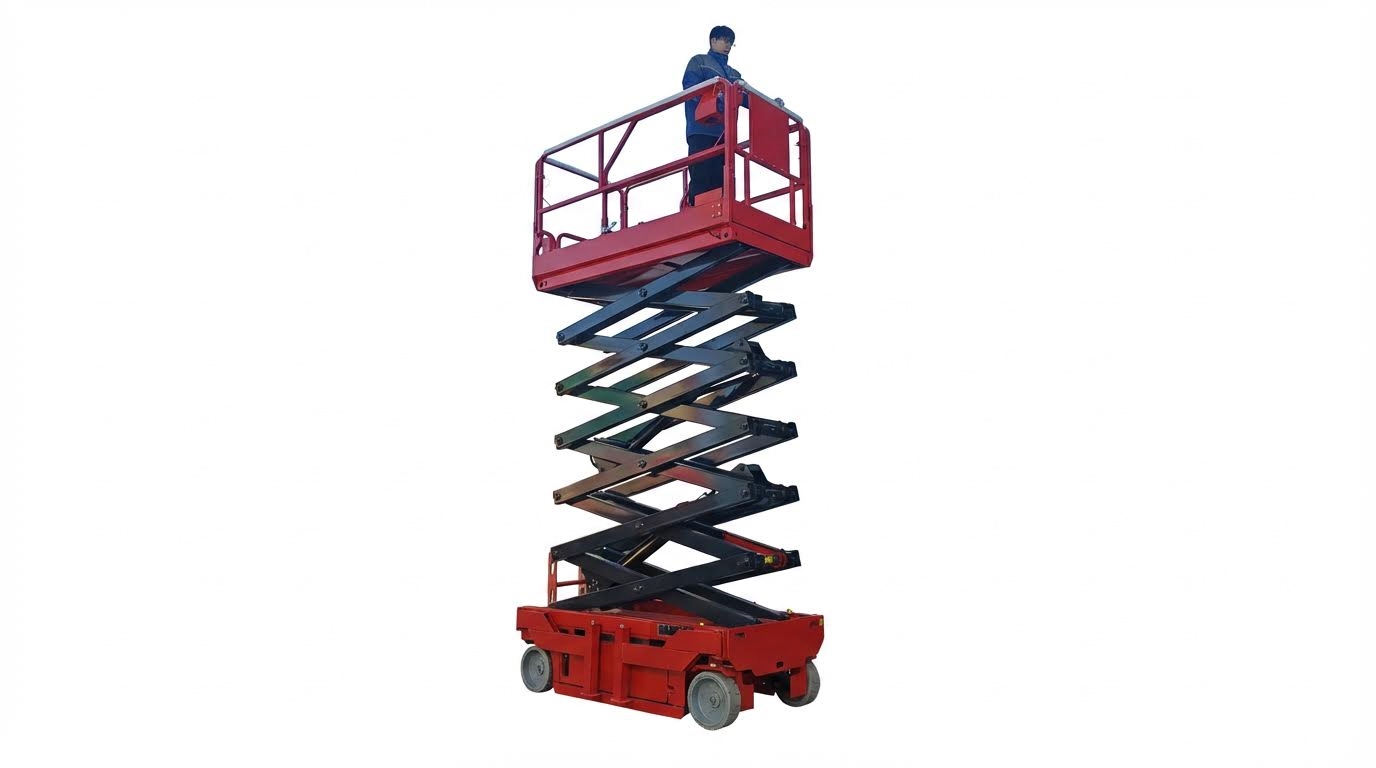
Safety teams that ask “does elevated work platform training expire” must treat the answer as conditional. Training validity always links to time, performance, and change in risk profile. This section explains when MEWP refresher or recertification becomes mandatory, even if a card still looks valid. It helps employers align internal rules with OSHA, ANSI, and typical global practice.
Time-Based Renewal: Three-Year Industry Benchmark
MEWP training does expire in practice, even where laws stay silent on exact dates. OSHA and ANSI guidance, plus common industry schemes, use a three-year renewal cycle as the main benchmark. This interval balances skill retention with real-world workload and cost. It also matches typical scissor lift and boom lift certification periods used by safety auditors.
Engineers and safety managers should treat three years as a maximum, not a target. High-risk work, complex MEWPs, or low operator hours can justify shorter cycles. A simple internal matrix can help:
| Factor | Lower-Risk Case | Higher-Risk Case |
|---|---|---|
| Use frequency | Daily operation | Rare or seasonal use |
| Environment | Indoor, controlled | Outdoor, congested, traffic |
| Recommended renewal | Every 3 years | Every 1–2 years |
If regulators set a shorter validity period, those rules override internal policy. Document the chosen cycle in the MEWP program and link it to card expiry dates.
Performance, Incidents, And Near-Miss Driven Retraining
Even if the three-year window is open, unsafe behavior can make elevated work platform training expire early in practice. ANSI A92.24 and OSHA guidance both treat performance as a retraining trigger. The key drivers are accidents, near misses, and clear misuse of MEWPs or fall protection.
Typical retraining triggers include:
- Any incident or near miss involving a MEWP tip, contact, or collision
- Observed unsafe operation, such as bypassing controls or overloads
- Failure in a practical evaluation or post-job review
- Long gaps without operating a MEWP after initial training
Supervisors should log each trigger and decide if the operator needs a full course or a focused module. A short, targeted session on stability, traffic control, or pre-use inspection often restores competence. Keep records that show why retraining occurred and how it changed behavior.
New Equipment, Technology, And Process Changes
Training can also expire functionally when the workplace changes, even if the printed date is current. New MEWP types, control layouts, or safety systems alter risk and required skills. Examples include switching from slab scissor lifts to rough-terrain booms, or adding advanced sensors and telematics.
Engineers should treat each major change as a separate training event. A practical approach is:
- Compare old and new MEWP types, including height, outreach, and control logic.
- Identify new hazards such as increased wind loading or traffic interfaces.
- Design a short conversion module plus a hands-on check ride.
Process changes also matter. New work-at-height tasks, new materials, or different shift patterns can alter rescue plans and fall protection needs. In those cases, update both the elevated work platform training and the related emergency drills.
Site-Specific Risks And Multi-Standard Environments
On complex sites, the answer to “does elevated work platform training expire” often depends on location. Operators may hold a valid MEWP card but still need extra modules for special hazards. Hazardous waste sites under HAZWOPER rules are a clear example.
Where MEWPs operate in hazardous waste zones, operators needed 40-hour HAZWOPER training plus an 8-hour annual refresher. If that refresher lapses, the operator cannot work in that zone, even if their standard MEWP card is still valid. Similar logic applies in facilities with explosive atmospheres or process safety requirements. Site rules could demand shorter MEWP renewal cycles, extra gas detection training, or task‑specific permits. Engineering managers needed a matrix that linked area classification, MEWP type, and training expiry, so no operator entered a high‑hazard zone with an out‑of‑date card.
Multi-standard environments, such as global companies with OSHA, EN, and local rules, should use the strictest requirement as the baseline. A simple site induction that covers local traffic routes, ground conditions, and rescue access often closes the gap. Document site-specific add-ons on the operator’s record so auditors can see how generic training was adapted to real risk.
Designing A Compliant MEWP Training Program
A compliant MEWP training program must answer a core question clearly: does elevated work platform training expire. The program design should link content, testing, and record control to that expiry logic. It must also support different standards, such as OSHA and ANSI, and local rules. The goal is simple. Operators stay competent, and proof of that competence is always current and traceable.
Core Curriculum: Operation, Hazards, And PPE
The core curriculum should reflect how and why elevated work platform training expires in practice. Most regulators and standards bodies expected that operator skills would degrade without use or refreshers. Because of this, programs usually plan for a three‑year renewal cycle. Content should cover at least four pillars: safe operation, mechanical limits, site hazards, and fall protection.
A practical structure is:
- MEWP types, controls, and stability principles
- Pre‑use inspection and function tests
- Common hazards: tip‑over, entrapment, power lines, and weather
- Load limits, center of gravity, and platform capacity
- PPE: harness selection, anchor points, and lanyard use
- Emergency lowering, rescue plans, and ground support roles
Each topic should include examples tied to recent incidents or near misses. This keeps the material relevant and supports later decisions on whether a worker needs early retraining.
Practical Evaluation And Documentation Control
A compliant program must prove that each operator is competent on the specific MEWP class. Written tests confirm theory. Hands‑on evaluations confirm behavior. Evaluators should observe pre‑use checks, travel, elevation, positioning, and shutdown. They should also test emergency procedures.
For the question does elevated work platform training expire, documentation is the main control. Each operator record should show:
- Training date, expiry date, and standard used (for example ANSI A92.24)
- MEWP categories covered, such as vertical, scissor, or boom
- Results of theory and practical tests
- Triggers for earlier retraining, such as incidents or long gaps in use
Records should be easy to retrieve during audits or after an incident. Employers should align storage rules with legal retention periods and data privacy rules.
Integrating Digital Tools And Predictive Analytics
Digital tools can make it easier to manage when elevated work platform training expires. Learning management systems can track training dates and send alerts before expiry. They can also link operator IDs to specific MEWP types and sites. This reduces the risk of assigning an operator with an expired or incomplete license.
Predictive analytics adds another layer. Systems can combine data from near misses, unsafe behaviors, telematics, and maintenance reports. They can then highlight operators, shifts, or locations with higher risk. Safety managers can schedule targeted refreshers instead of only waiting for the three‑year cycle.
Useful integrations include:
- Badge or QR scans that block MEWP use if training is expired
- Dashboards that show compliance status by crew, site, and MEWP type
- Automated reports for regulators or internal audits
This approach turns training from a static event into a continuous control loop.
Cost, Downtime, And Workforce Planning Considerations
When planners ask does elevated work platform training expire, they also ask what that means for cost and uptime. A three‑year renewal cycle allows bundling refresher courses to reduce disruption. Short, focused refreshers, often four hours or less, limit lost production time while still meeting ANSI and OSHA intent.
Good planning starts with a training matrix. It maps roles, MEWP types, expiry dates, and backup operators. This helps supervisors avoid bottlenecks when several licenses expire together. It also supports shift coverage when workers attend training.
Key planning practices include:
- Scheduling renewals during low‑load periods or planned shutdowns
- Using blended learning, with online theory and on‑site practical checks
- Budgeting for both direct course costs and indirect downtime
- Tracking rework, damage, and incident rates to show training return on investment
When cost, scheduling, and compliance are planned together, training expiry becomes a manageable design parameter, not a surprise constraint.
Summary: Aligning Training Validity With Safety Goals
Safety teams that ask “does elevated work platform training expire” need a structured answer. MEWP operator cards did not last for life. Most regulators and standards bodies treated three years as a practical upper limit. Shorter cycles applied in high‑risk work, such as HAZWOPER sites or hazardous locations.
Across regions, rules linked training validity to risk control, not paperwork alone. Time‑based renewal, incident‑driven retraining, and change management all worked together. Programs stayed compliant when employers tracked expiry dates, incident history, and technology changes in one system. Digital records and simple dashboards helped supervisors prove that only current operators used MEWPs.
Future programs moved from fixed “one date for all” cycles to risk‑based intervals. Data from near misses, telematics, and digital checklists supported shorter refreshers for high‑exposure tasks. Longer intervals were possible only where performance stayed strong and processes were stable. Predictive analytics started to flag operators or crews that needed earlier refreshers.
In practice, the best strategy kept the three‑year benchmark as a ceiling. Safety managers then added tighter rules for hazardous work, complex MEWPs, or weak performance. This balanced cost, uptime, and risk. It also aligned training validity with real safety outcomes instead of treating certification as a one‑time event.
,
Frequently Asked Questions
Does Elevated Work Platform Training Expire?
Elevated work platform training, such as for Mobile Elevating Work Platforms (MEWPs), typically needs renewal every three years. This is recommended by ANSI to ensure operators stay updated with safety practices. MEWP Certification Renewal. However, if an operator demonstrates unsafe practices or there are changes in equipment or worksite conditions, more frequent renewal may be required.
How Long Is Aerial Work Platform Training Valid For?
Aerial work platform training generally remains valid for three years, according to industry standards. If your employer has stricter policies, you might need to renew your training more frequently. Additionally, certain jurisdictions may have specific timeframes for retraining. OSHA Training Validity.