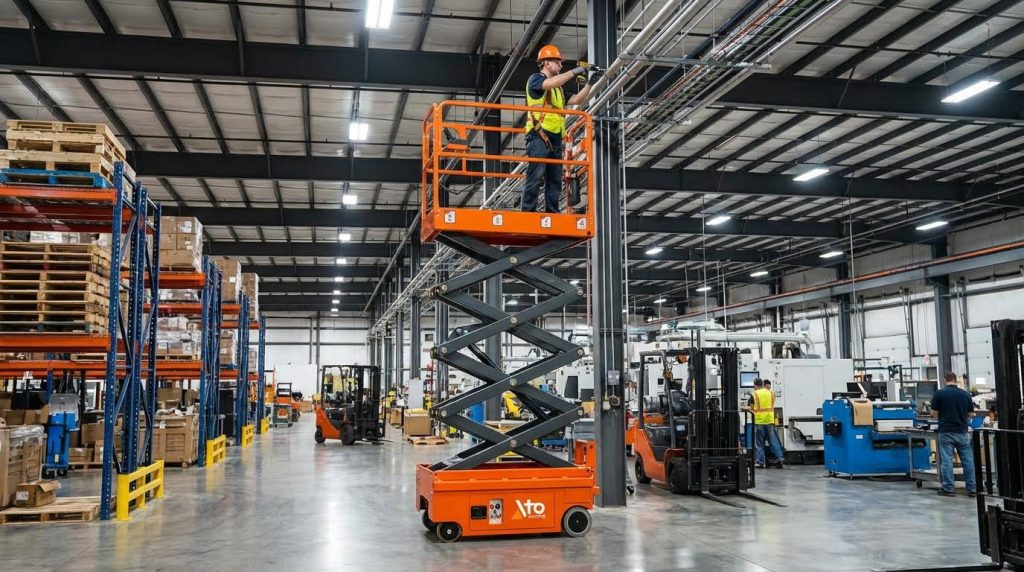
Getting properly certified as an aerial work platform (AWP) or MEWP operator is not optional—it is a core OSHA requirement and the backbone of safe work at height. This guide walks you through how to get aerial platform operation certificate status step by step, from understanding equipment types and standards to training, evaluation, and recertification. You will see exactly what employers must do, which skills operators need, and how online and on-site training fit together. Use it as a practical blueprint to build a compliant, efficient, and safety-focused AWP certification program.
Understanding Aerial Work Platform Certification Basics
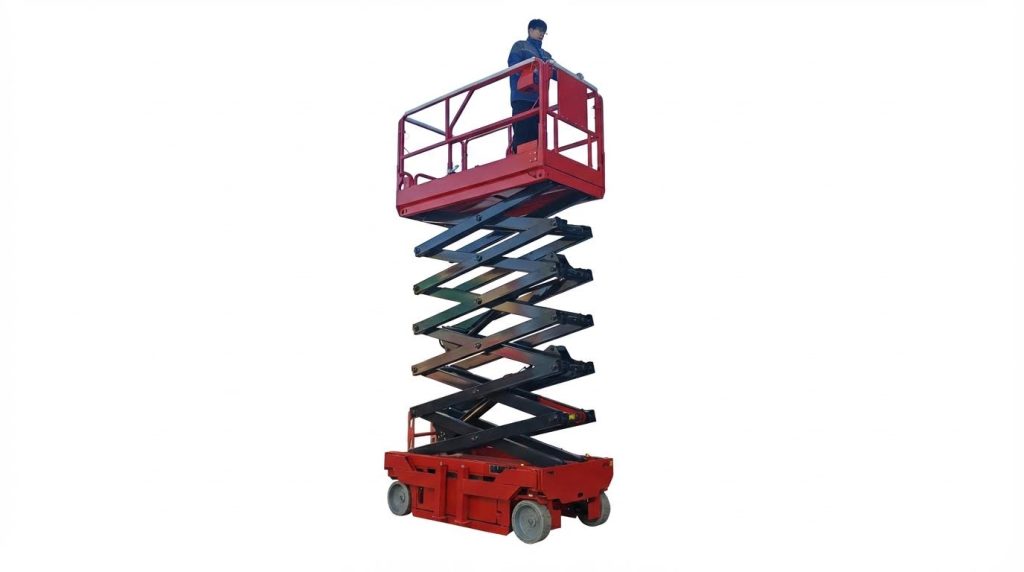
What Counts As An Aerial Work Platform Or MEWP
Before you focus on how to get aerial work platform operation certificate, you must know what equipment actually needs it. Certification rules apply to a wide range of powered access machines that lift people, tools, and materials to work at height.
Common equipment types that are treated as aerial work platforms or MEWPs include:
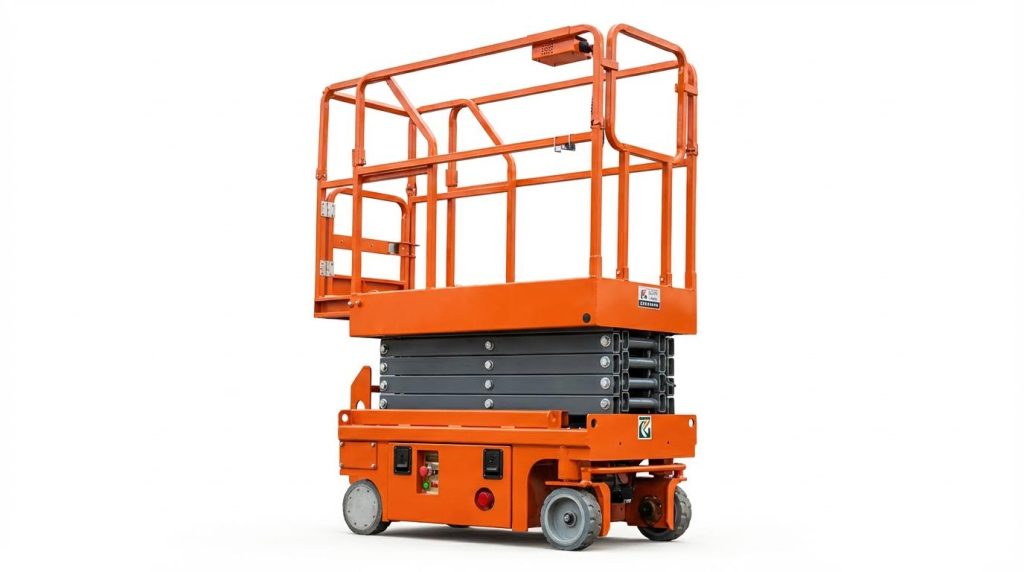
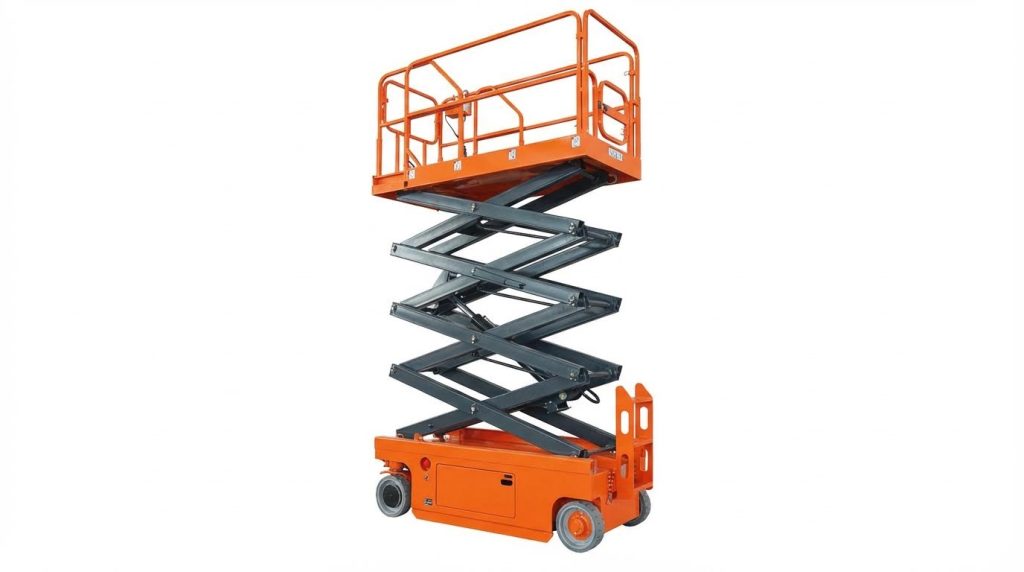
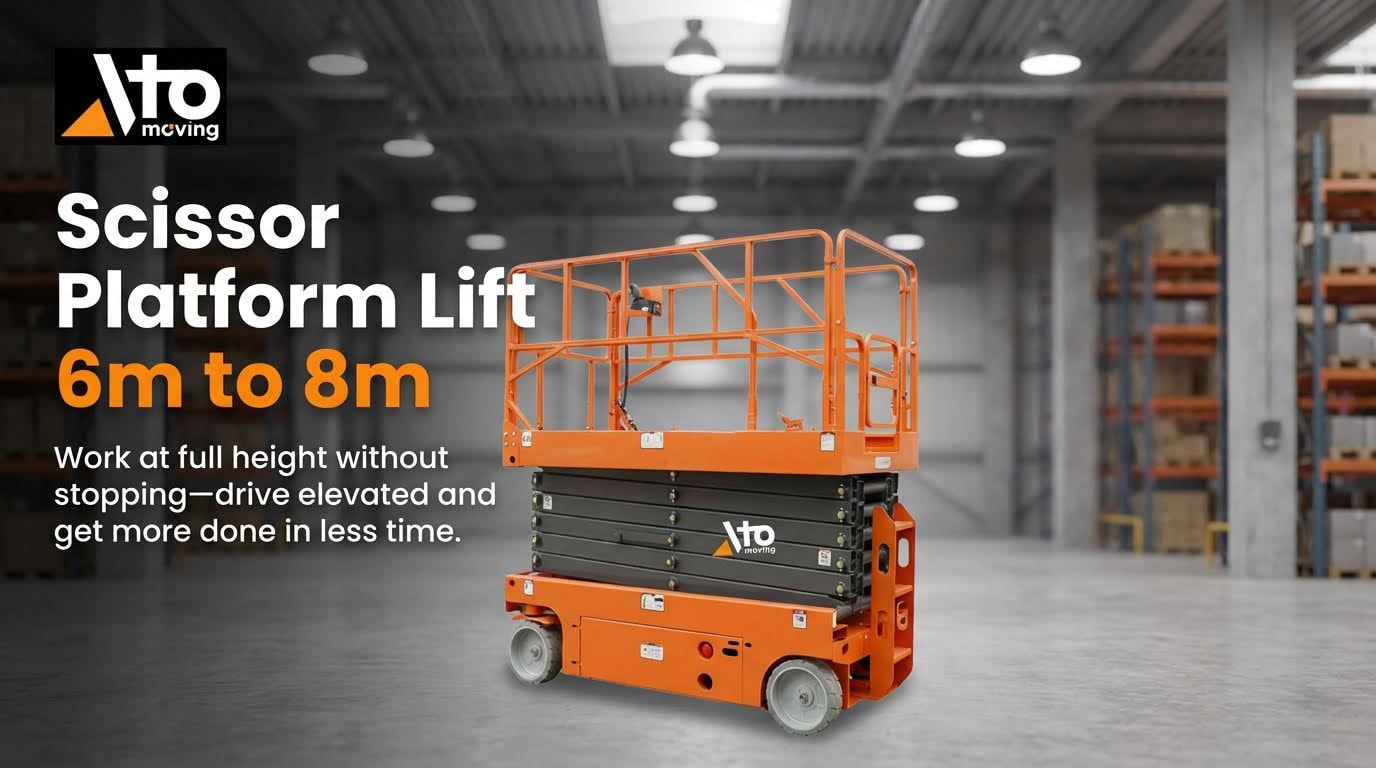
- Scissor lifts used for vertical access on construction or maintenance jobsites (training requirements apply to aerial and scissor lifts)
- Articulating or telescopic boom lifts that can reach up and over obstacles (covered by boom lift credential programs)
- Truck‑mounted aerial devices used for utility work, signage, or firefighting operations (driver/operator–aerial certifications reference these platforms)
- Vertical mast lifts and other self‑propelled elevating platforms used indoors or outdoors
- Any powered platform designed to lift personnel where fall protection and platform controls are required
Why the definition matters for certification
OSHA and ANSI do not certify “by brand”; they regulate by equipment type and hazard. If your machine is a powered platform that elevates workers, it almost certainly falls under aerial lift or MEWP rules. That means the operator must complete formal training, testing, and hands‑on evaluation before use. OSHA requires formal instruction, practical training, and performance evaluation for aerial lift operators. Understanding whether your equipment is a MEWP is the first step in staying compliant.
OSHA And ANSI Standards That Govern Certification
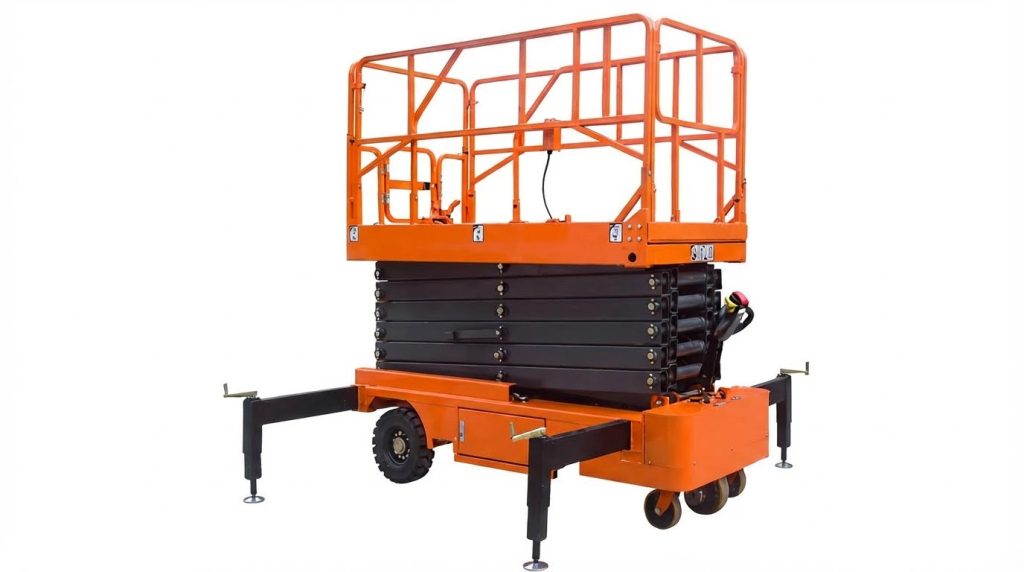
The rules that control how to get aerial work platform operation certificate come mainly from OSHA regulations and ANSI/SAIA MEWP standards. These documents define what “proper training and certification” must include.
Key regulatory references for aerial work platforms and MEWPs:
| Regulation / Standard | What It Covers | How It Affects Operators |
|---|---|---|
| OSHA 29 CFR 1926.453 (Construction) | Use of aerial lifts on construction sites | Employer must provide formal instruction, hands‑on training, and evaluate performance before allowing operation (employer duty to ensure training) |
| OSHA 29 CFR 1910.67 (General Industry) | Aerial lifts used in maintenance, warehousing, and other non‑construction tasks | Similar training, inspection, and safe‑use expectations for general industry employers and operators (OSHA requirements for aerial lift operators) |
| ANSI/SAIA A92.22 | Safe‑use standard for MEWPs | Defines roles (employer, supervisor, operator), risk assessments, and site planning requirements for MEWP use (training courses aligned with A92.22) |
| ANSI/SAIA A92.24 | Training standard for MEWPs | Spells out content and structure of operator, supervisor, and occupant training programs, mandatory as of June 1, 2020 (courses designed to meet A92.24) |
From these standards, several core certification rules apply to anyone seeking an aerial work platform operation certificate:
- Operators must complete a formal instructional class that meets OSHA and ANSI requirements, delivered online or in a classroom. Training must satisfy OSHA 1926.453 and ANSI/SAIA A92.22 and A92.24
- Training must include both theory and practical elements: hazard recognition, inspections, controls, load limits, and emergency procedures. Credential programs cover equipment management, risk awareness, workplace precautions, and pre‑use inspections
- Employers, not rental companies, are responsible for ensuring operators are trained and evaluated. Rental companies cannot legally certify operators; the employer must
- Certification is not permanent. OSHA and common industry practice require recertification every three years or sooner after incidents, unsafe use, or major changes in equipment or conditions. Recertification is required at least every three years
- Programs typically include quizzes and a final exam to verify knowledge, with a minimum passing score and instant proof of completion. One course uses five module quizzes plus a 20‑question final exam with a 70% passing score
Compliance, penalties, and why certification matters
OSHA treated aerial lifts as high‑risk equipment because falls from ladders, scaffolds, and lifts accounted for a significant share of fatal incidents, including 320 deaths in one year. About 20% of all fatal falls in 2018 involved ladders, scaffolds, or lifts. When employers ignore certification and maintenance requirements for MEWPs, they risk large fines or even jobsite shutdowns after an inspection or accident. Companies must maintain a MEWP maintenance program and proper operator certification to avoid penalties. For operators, holding a current, standards‑compliant certificate reduces personal risk, improves job prospects, and proves that they meet the minimum safety and skills benchmark expected in modern worksites.
Step-By-Step Path To Operator Certification
Prerequisites, employer role, and site conditions
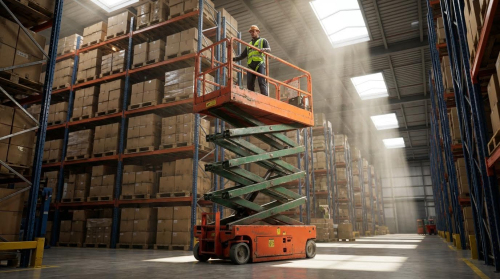
Understanding prerequisites and responsibilities is the real starting point for anyone asking how to get aerial platform operation certificate. OSHA places the duty to train, evaluate, and authorize operators on the employer, not on rental yards or course providers. Employers must also ensure the site and equipment conditions match what the operator was trained and evaluated on. Some sectors, like firefighting, add extra entry requirements before you can even sit for an aerial certification exam. All of this should be mapped into a written, job‑specific training plan.
| Element | Typical Requirements / Good Practice | Why It Matters |
|---|---|---|
| Basic worker prerequisites | Legal working age, medically fit, able to understand instructions; some public‑safety roles require Firefighter I plus a valid DOT driver’s license for aerial driver/operator certification | Ensures the operator can safely control heavy powered equipment and respond to hazards. |
| Employer responsibilities | Provide formal instruction, hands‑on training, and performance evaluation; only the employer can certify and authorize operators under OSHA 29 CFR 1926.453 and 1910.67 (rental companies cannot) | Makes certification job‑specific and legally compliant. |
| Administrative steps (public‑safety example) | Obtain FEMA Student ID, complete digital application, submit by deadline before written and skills testing for aerial certification | Creates a traceable record of qualifications and exam results. |
| Site and equipment conditions | Identify surface type, slopes, overhead power lines, traffic, weather, and MEWP category (scissor, boom, vertical mast, etc.) before training | Training and evaluation must reflect real hazards and machine behavior on your site. |
| Maintenance and inspection program | Employer maintains MEWPs and keeps inspection/repair records to stay compliant | Unsafe or poorly maintained units can make even a trained operator dangerous. |
- Do a gap analysis between job tasks and current operator skills before scheduling training.
- Document which MEWP types and heights each operator will be authorized to use.
- Plan training on the same or very similar equipment models used on site.
- Ensure supervisors understand they must enforce safe use, not just sign cards.
Tip: Align prerequisites with job descriptions
When you define how to get scissor platform operation certificate for your company, build prerequisites into job postings and internal transfer rules. That avoids putting unqualified workers into high‑risk roles and clarifies who is eligible for MEWP training.
Formal theory training and online course options
Formal theory is the core of any compliant aerial platform certification path. OSHA requires structured instruction that covers equipment, regulations, hazards, and safe operating practices, followed by an evaluation of understanding. Modern programs often deliver this via online modules, which can drastically reduce downtime and scheduling conflicts while still meeting OSHA and ANSI requirements. For most workers, the classroom or online theory portion is completed in about an hour.
| Training Aspect | Typical Approach | Key Details / Data |
|---|---|---|
| Regulatory framework | Course content aligned with OSHA 29 CFR 1926.453 and ANSI/SAIA A92.22 & A92.24 for MEWP training | ANSI rules for safe use and training became mandatory June 1, 2020. |
| Delivery format | Fully online, in‑person classroom, or blended | Online options allow self‑paced learning from any device with internet access with 24/7 access |
| Duration | Short, focused modules | Most operators finish in about 45–60 minutes, depending on experience with up to 90 days allowed to complete |
| Knowledge checks | Module quizzes plus final exam | Example: five end‑of‑module quizzes and a 20‑question multiple‑choice final; 70% minimum score, unlimited attempts, instant certificate download on passing for online courses |
| Core theory topics | Structured curriculum | Equipment types, controls, capacity, stability, hazard recognition, inspections, fall protection, emergency procedures, and regulatory duties are standard course elements |
Online theory is especially useful when you manage multiple sites or shifts. Operators can start and stop as needed, and training records are easy to export into your safety management system. For SEO and HR documentation, this theory phase is the first major step you should describe when outlining how to get scissor platform lift operation certificate for your workforce.
- Confirm that the course explicitly references OSHA 1926.453 and current ANSI A92 standards.
- Use interactive modules and case studies to reinforce hazard recognition and decision‑making.
- Require operators to complete all quizzes and the final exam before any hands‑on work.
- Save digital copies of completion certificates in each employee’s training file.
What theory training must cover at minimum
A compliant theory course should address: MEWP classifications; manufacturer instructions; load charts and platform capacity; electrical, fall, tip‑over, and collision hazards; safe travel and setup; weather and wind limits; inspection and maintenance basics; and employer/employee responsibilities under OSHA and ANSI.
Practical evaluation, testing, and recertification
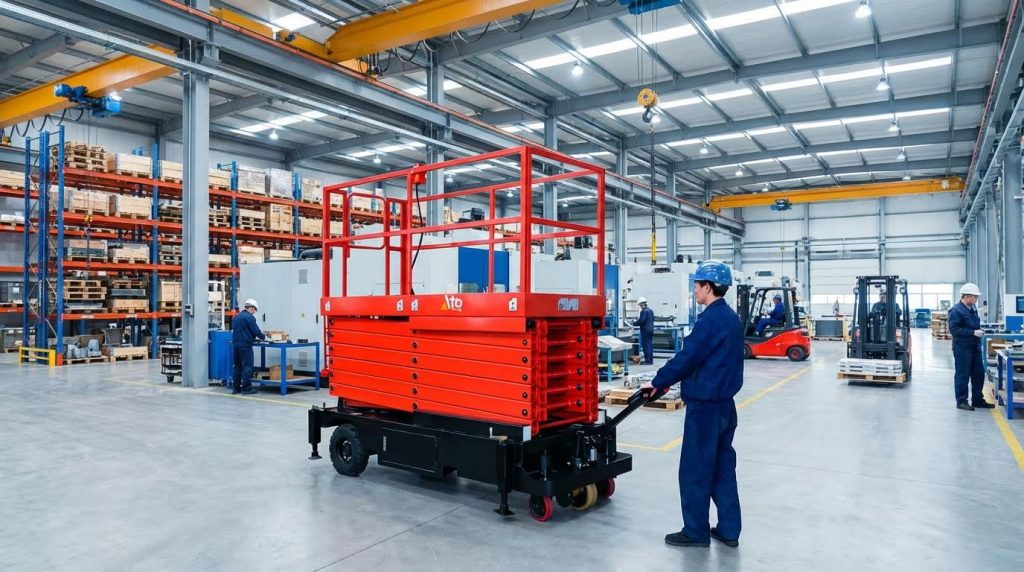
Theory alone does not qualify an operator; OSHA also requires a practical evaluation of actual driving, positioning, and emergency response skills. This hands‑on part must be done on the same or similar scissor platform lift type used on the job, under realistic site conditions. Many companies pair an online course for theory with an internal, checklist‑based evaluation carried out by a competent person. After successful tests, the employer issues an operator card or certificate and defines the scope of authorization. Recertification then keeps skills and knowledge current over the life of the worker’s employment.
| Stage | How It Works | Key Compliance Points |
|---|---|---|
| Written / online testing | Quizzes plus final exam following the theory portion | Example: 20‑question multiple‑choice exam with 70% passing score and unlimited retakes in online programs |
| On‑site practical evaluation | Trained evaluator observes the operator performing inspections, travel, elevation, positioning, and shutdown on a MEWP | An on‑site evaluation by a trained employee is mandatory after online training; if no evaluator exists, a train‑the‑trainer course can qualify one using a standard checklist |
| Public‑safety / specialty testing | Formal skills test at approved sites after application and scheduling | Written and skills tests are taken at designated testing locations, and certification is granted only after passing both for aerial driver/operator credentials |
| Employer authorization | Employer reviews results and issues operator authorization card | Only the employer can “certify” an operator as qualified for specific MEWP types and site conditions under OSHA rules |
| Certification validity | Time‑limited; retraining required | Typical aerial lift certifications are valid for three years before retraining is required and some programs offer free renewal training at expiration |
| Early recertification triggers | Triggered by incidents or changes | OSHA calls for retraining if there is an accident, near‑miss, unsafe use, or significant change in equipment or site conditions before the normal 3‑year interval |
- Use a standardized practical evaluation checklist that covers pre‑use inspection, function tests, travel, elevation, emergency lowering, and parking.
- Evaluate on each MEWP category the operator will use (e.g., scissor vs. boom), not just one type.
- Record the date, evaluator name, equipment model, and any restrictions on the operator’s card.
- Schedule recertification cycles and refresher training in your safety calendar, not ad hoc.
Putting it all together into a repeatable program
If you want a clean, auditable answer to how to get manual pallet jack operation certificate for every new hire, build a standard workflow: enroll in an OSHA/ANSI‑aligned theory course; require passing scores on all tests; complete on‑site evaluation with a trained evaluator; issue an employer authorization card; and log a three‑year recertification due date, with earlier refreshers after any incidents or major changes.
Technical Skills And Safety Competencies Required
Pre-use inspection and functional test procedures
To truly master how to get aerial work platform operation certificate, operators must show they can inspect and test equipment before every shift. Certification programs emphasize a repeatable, checklist-driven approach that aligns with OSHA and current MEWP standards. Training content covers pre-use inspections, risk awareness, and workplace precautions.
A solid pre-use inspection always covers three layers: the machine, the work area, and the functional controls. If any defect is found, the lift is tagged out until repaired and rechecked. OSHA-based courses require operators to inspect the vehicle, the lift structure, and the surrounding area before use.
- Vehicle / base inspection
- Tires, wheels, and lug nuts
- Fluid levels (hydraulic, fuel, oil, coolant) and visible leaks
- Battery, cables, and emergency power systems
- Steering, brakes, horn, and lights (if equipped)
- Outriggers, stabilizers, and pads (if fitted)
- Lift structure and platform inspection
- Guardrails, midrails, and toe boards intact and secure
- Entry gates/chains closing and latching properly
- Scissor arms, boom sections, pins, and welds free of cracks or deformation
- Hydraulic hoses, fittings, and cylinders free of abrasion, leaks, or damage
- Load rating plates and safety decals present and readable
- Electrical components and control boxes closed and undamaged
- Work area inspection
- Surface condition: firm, level, and capable of supporting wheel and outrigger loads
- Overhead hazards: power lines, structures, piping, and trees
- Side obstructions: walls, columns, vehicles, and material racks
- Traffic: pedestrians, forklifts, and trucks in the operating zone
- Weather: wind, rain, ice, or lightning risk
After the visual checks, operators must perform a functional test from the ground and then from the platform. This proves that all safety systems work before anyone goes to height. Courses stress that failed inspections mean the lift must not be used until repaired.
| Functional test item | Check from | What to verify |
|---|---|---|
| Emergency stop (E‑stop) | Ground & platform | Stops all powered motion immediately when pressed |
| Lift / lower functions | Ground & platform | Raises and lowers smoothly, no abnormal noise or jerks |
| Slew / drive / steer | Platform | Responds correctly to joystick or switches; direction labels match motion |
| Descent and tilt alarms | Platform | Audible/visual alarms activate when required by machine condition |
| Outrigger / stabilizer interlocks | Ground | Machine will not elevate unless supports are correctly deployed (where applicable) |
| Emergency lowering system | Ground | Allows safe controlled descent in simulated power-loss condition |
Why pre-use checks matter for certification
Formal programs on how to get aerial work platform operation certificate test operators on inspection steps, hazard recognition, and safe shutdown. Certification pathways combine coursework, a formal assessment, and in-person evaluation, so candidates must demonstrate these inspection skills in real conditions.
Safe operating practices and fall protection use
Technical skill alone is not enough; safe habits and correct fall protection use are central to every aerial lift certification. Training covers precautions against trips, falls, tip-overs, electrocution, and contact with obstructions. These behaviors are what examiners look for during practical evaluations.
- Core safe operating practices
- Operate only after receiving employer authorization and site-specific orientation
- Stay within rated platform capacity, including people, tools, and materials
- Keep both feet on the platform floor; never climb rails or use ladders on the deck
- Maintain clear communication with ground personnel and spotters
- Travel with the platform lowered when moving across the site where possible
- Respect exclusion zones around power lines and energized equipment
- Never override or bypass safety devices, limit switches, or interlocks
- Follow manufacturer guidance for wind limits and outdoor use
- Fall protection and restraint
- Use a full-body harness and lanyard when required by regulation or company policy
- Attach the lanyard only to approved anchor points on the platform
- Adjust lanyard length to minimize free-fall distance and prevent ejection (catapult effect)
- Inspect harness and lanyard for cuts, burns, missing stitching, or damaged hardware before use
- Remove any fall protection gear from service immediately after a fall arrest event
- Hazard recognition and response
- Identify unstable ground, slopes, and soft fill that can cause tip-over
- Watch for overhead beams, piping, and structures that can crush or pin operators
- Recognize electrical approach boundaries and de-energize where possible
- Lower the platform and exit the area if conditions become unsafe (wind, power lines, structural movement)
- Use emergency controls and procedures if the primary system fails
Strong safety competencies also extend beyond the lift itself. Employers must maintain a maintenance program for MEWPs and ensure operators are fully trained and certified, or they risk fines and shutdowns after incidents. Understanding this shared responsibility is part of becoming a competent operator.
How safety skills are tested in certification
Modern programs on how to get aerial work platform operation certificate use online modules, quizzes, and final exams, followed by on-site evaluations. Written tests cover fall protection, hazard control, and OSHA/ANSI rules, while field assessments require candidates to demonstrate safe driving, positioning, elevation, and emergency procedures under supervision.
Final Thoughts On Building A Compliant Certification Program
A strong aerial work platform certification program does more than satisfy OSHA and ANSI rules. It builds a predictable system that keeps workers alive and projects on schedule. When you clearly define which MEWPs you use, map employer duties, and align training with real site hazards, you turn regulations into a practical operating standard.
Formal theory training gives operators the language of safety: capacity, stability, approach distances, and emergency procedures. Practical evaluations then prove they can apply that knowledge on actual equipment, under real ground, weather, and congestion conditions. Pre‑use inspections and functional tests close the loop by catching defects before they become failures at height.
The best programs treat certification as a lifecycle, not a one‑time card. Employers plan recertification, track incident‑driven refresher needs, and keep MEWPs maintained to manufacturer guidance. Operators commit to inspections, safe operating habits, and correct fall protection use every shift.
If you want a clear benchmark, build your process around OSHA 1926.453, 1910.67, and current ANSI A92 standards, then document each step. Tools and platforms from Atomoving can support this, but only a disciplined, repeatable program will keep your aerial work both compliant and safe.
Frequently Asked Questions
How do I get an aerial work platform (AWP) operation certificate?
To obtain an AWP operation certificate, you need to complete a certification program. These programs are often available online and include educational material covering safety and operational guidelines. After completing the coursework, you must pass an assessment. Additionally, most certifications require an in-person evaluation to ensure practical competency. AWP Certification Details.
Is AWP certification mandatory?
Yes, AWP certification is typically required to operate or supervise aerial work platforms. This certification ensures that you are trained to use the equipment safely and effectively. It validates your competence and understanding of safety protocols. AWP Certification Requirements.