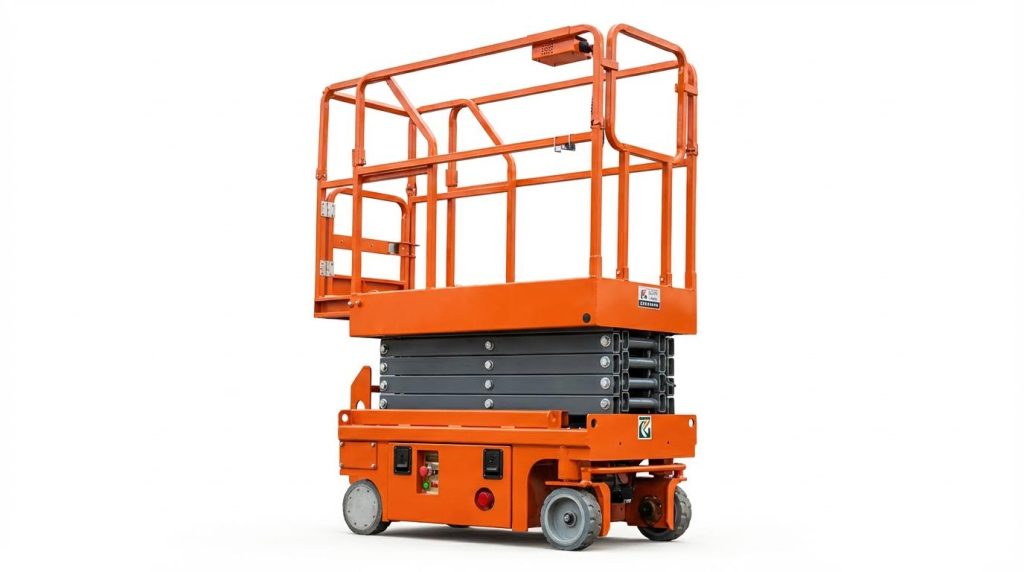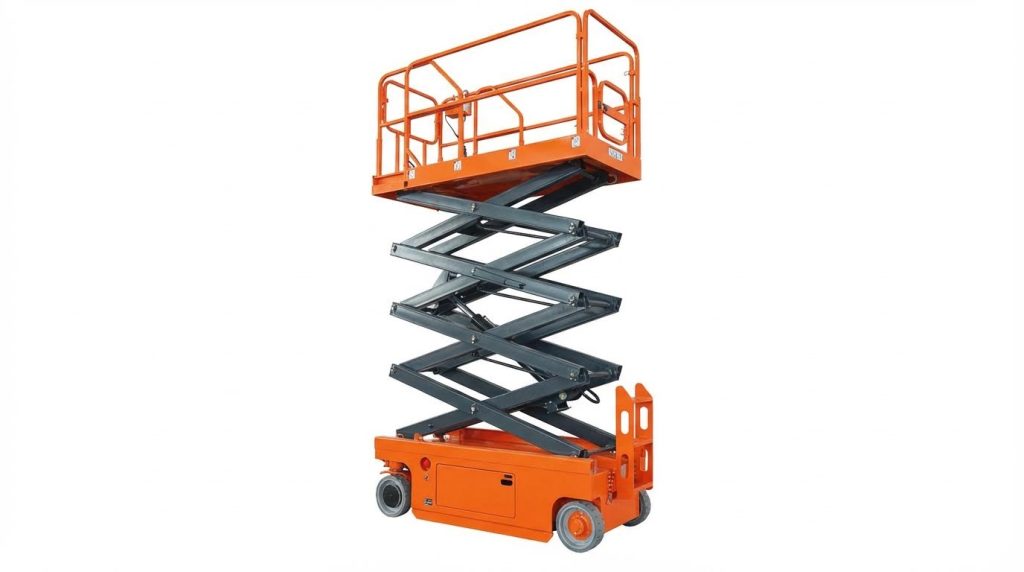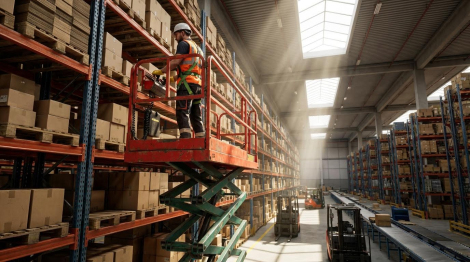
Selecting the correct scissor platform working height is one of the fastest ways to improve safety, cycle times, and labor efficiency. The right machine depends on how high people must work, how much they need to lift, and the building or site constraints. This article explains the difference between platform height and working height, typical height ranges, and the engineering limits that govern them. You will also see how to match lift height to your facility layout so you avoid crush hazards, overspec rentals, and unnecessary downtime.
Defining Scissor Lift Height, Reach, And Capacity
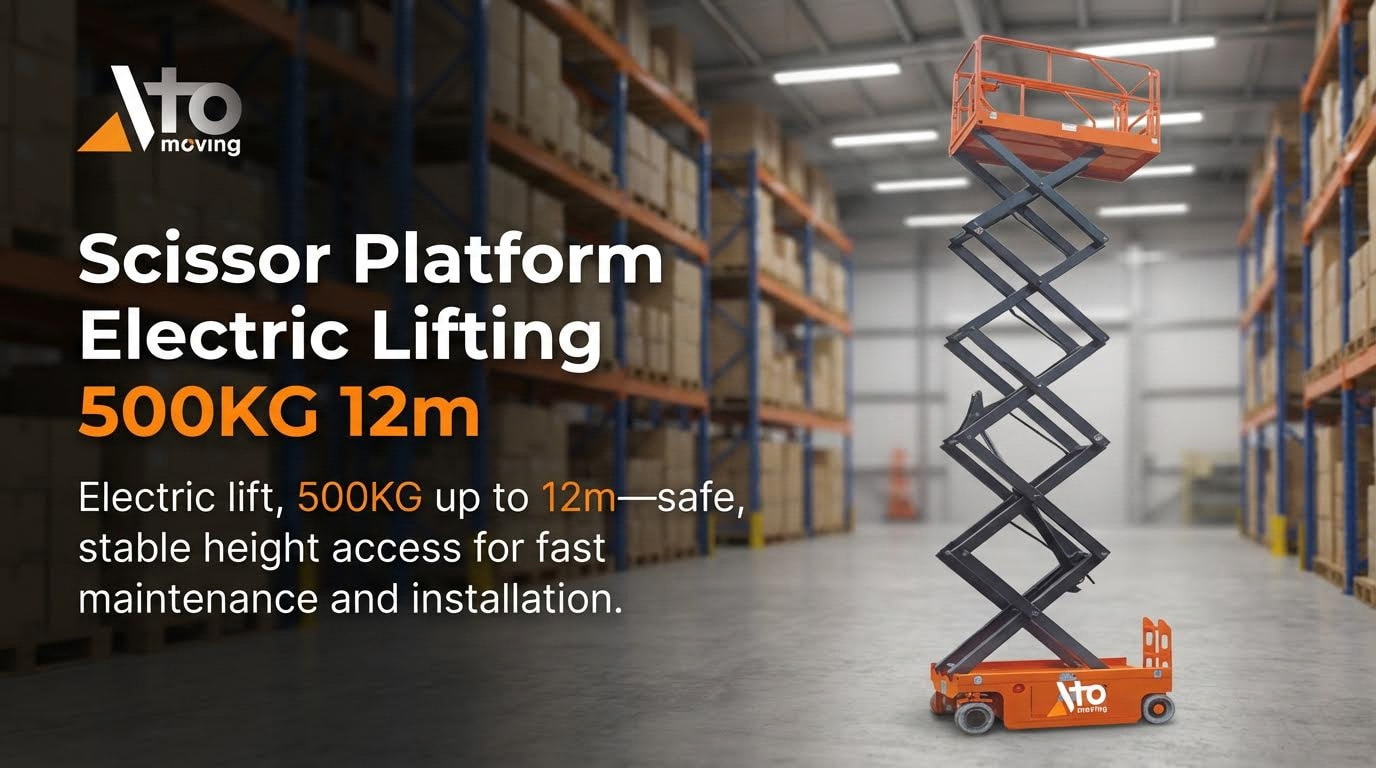
Platform height vs. working height explained
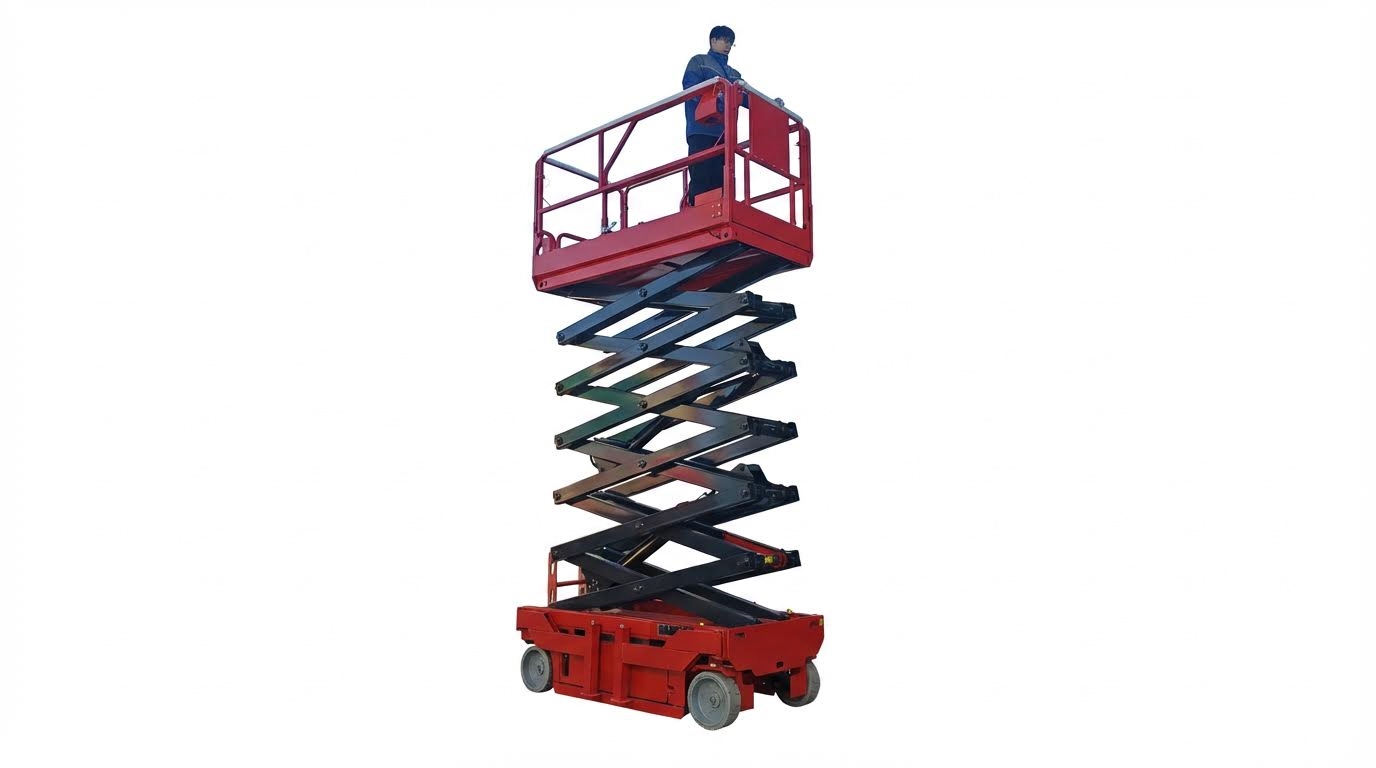
For safe planning, you need to distinguish platform height from scissor lift working height. Platform height is the vertical distance from the ground to the floor of the platform when fully raised. Working height is an estimated reach, usually defined as platform height plus about 6 ft, assuming an average worker can safely reach 6 ft above their feet. Many rental and sales listings use this rule of thumb, so a lift with a 14 ft platform height is marketed with a 20 ft working height for indoor tasks. Typical guidance states working height is about 6 ft higher than platform height.
| Specification term | What it describes | Typical example |
|---|---|---|
| Platform height | Height of platform floor above ground | 14 ft platform height |
| Working height | Approximate maximum reach of a standing worker | ~20 ft working height (14 ft + 6 ft) |
| Capacity | Allowable combined weight of people, tools, materials | Hundreds of kg or several hundred lb depending on model |
Why the 6 ft rule matters in practice
If you size a lift by platform height only, you may under‑ or over‑specify equipment. Using the 6 ft rule helps you choose a scissor lift working height that reaches the task without pushing too close to ceilings, beams, or services, which also reduces crush‑hazard risk.
Typical working height ranges and use cases
Scissor lifts cover a wide band of working heights for different applications. Self‑propelled electric scissor lifts typically offer working heights of about 3–16 m (10–52 ft) with load capacities around 227–550 kg, aimed at indoor work where compact dimensions and zero emissions are important. Towable scissor lifts extend working height to roughly 4–20 m (13–65 ft) and can carry 300–2,000 kg, supporting heavier materials on outdoor or mixed-use sites. Typical vertical-reach lifts for building maintenance and construction fall in the 20–60 ft range, with specialized units able to reach up to about 120 ft for extreme high‑rise work. Common models are designed to reach about 20–60 ft, while some high‑reach designs can approach 120 ft.
| Working height band | Typical platform height | Common applications |
|---|---|---|
| Up to ~20 ft | 10–14 ft | Low‑level indoor work, offices, retail, light MEP tasks, stock picking |
| 20–40 ft | 14–34 ft | Warehouse racking, factory maintenance, ceiling services, fit‑out |
| 40–60 ft | 34–54 ft | Large atriums, high‑bay warehouses, exterior cladding and glazing |
| 60–120 ft | 54–114 ft | Special high‑rise construction and large‑scale industrial maintenance |
At the lower end, compact low‑level scissor lifts with working heights around 20 ft or less are recommended where ceilings are low and floors are sensitive. They are lighter than typical 19 ft units and reduce floor loading and crush‑hazard risk near 20 ft ceilings. Scissor platform models weigh as little as 1,130 lb, significantly below standard 19 ft machines, which improves maneuverability in tight aisles and on mezzanines. When you match aerial platform working height to the task band and building geometry, you minimize risk, improve productivity, and avoid paying for excess reach you cannot safely use.
Engineering Factors That Limit Working Height
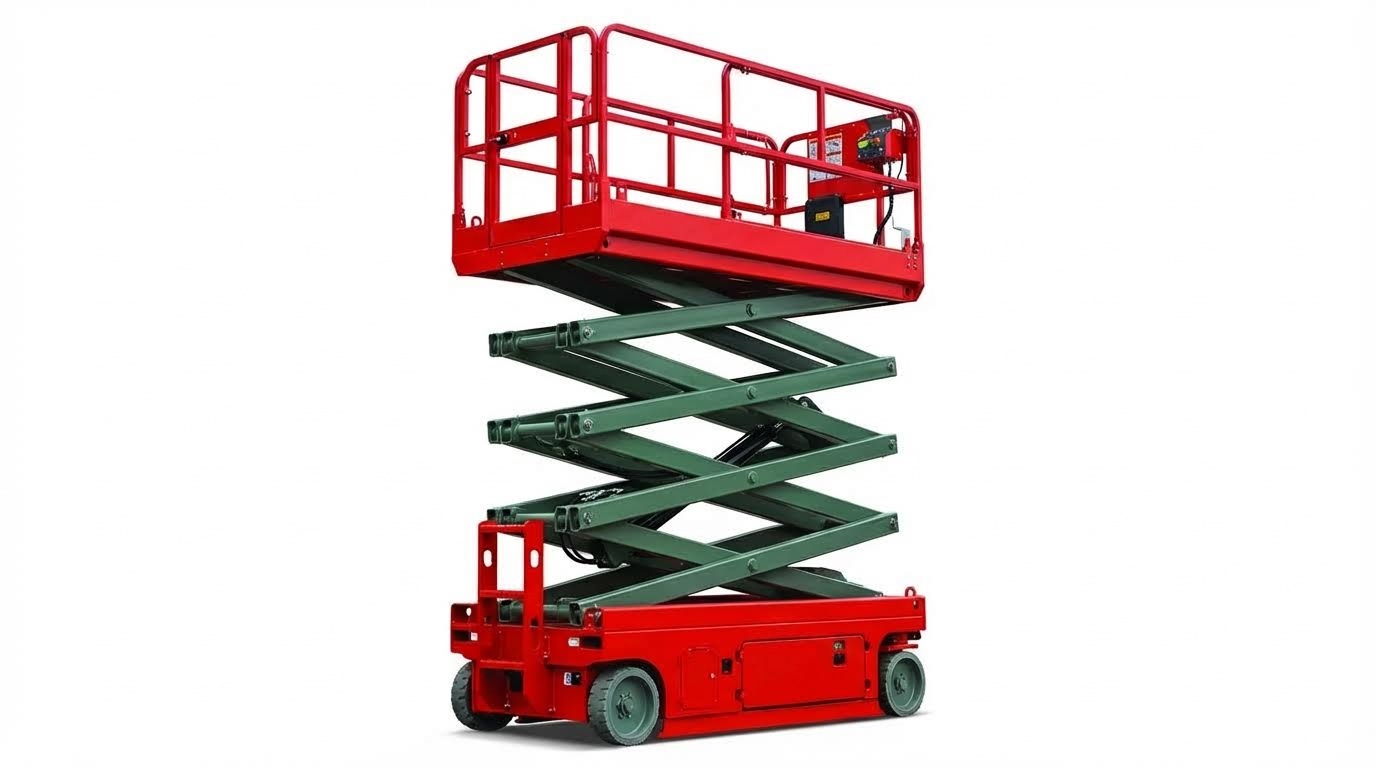
Scissor geometry, stability, and load capacity
The basic scissor geometry sets a hard limit on scissor lift working height. As the pantograph arms extend, the structure becomes more sensitive to side loads and platform movement, so designers must widen the base or limit height to keep a safe stability margin. Typical self‑propelled scissor lifts top out around 10–16 m (about 32–52 ft) of working height, with towable units reaching roughly 13–65 ft depending on design and capacity cited ranges. To carry heavier loads safely at height, manufacturers use stiffer scissor stacks, larger pins, and sometimes double‑scissor arrangements that support loads from about 1,000–4,000 kg while maintaining stability at maximum elevation heavy‑duty capacities. This balance between height, footprint, and load is why lighter indoor units may offer similar working heights to rough‑terrain models but with lower rated capacities.
- Higher working height requires a wider, heavier chassis for tipping resistance.
- Increased capacity demands stronger arms and pins to limit deflection and sway.
- Double‑scissor layouts trade extra mechanism complexity for better rigidity under load.
Power source, duty cycle, and terrain constraints
Power source and duty cycle also constrain scissor lift working height. Electric units are optimized for indoor, flat floors and commonly offer working heights up to about 10–16 m with load capacities in the 227–550 kg range indoor specs. Their batteries and hydraulic systems are sized for limited duty cycles; long travel distances or frequent full‑height cycles will drain capacity and increase heat, so designers avoid oversizing height beyond what the power pack can support efficiently. Rough‑terrain or towable scissor lifts, often diesel‑powered, are built for outdoor conditions and heavier loads, with working heights up to roughly 20 m and capacities up to about 2,000 kg in some configurations towable ranges. However, the need to operate on uneven or softer ground means engineers must keep the center of gravity low and limit maximum height unless outriggers or larger tires are used.
- Electric lifts favor moderate heights and lighter loads to preserve runtime and minimize weight.
- Diesel and towable models can support greater height and capacity but need robust frames and ground contact systems.
- Most electric units are restricted to solid, level floors; true rough‑terrain heights are limited by soil bearing pressure and slope stability.
Why runtime and hydraulics matter
Battery‑powered units must deliver multiple up/down cycles per shift. Overspecifying height increases cylinder stroke, oil volume, and pump work, which shortens runtime and raises temperatures. Designers therefore size the hydraulic system, reservoir, and cooling to a realistic height/duty envelope rather than theoretical maximums.
Safety standards, crush hazards, and design margins
Safety standards and crush‑zone risks are another key reason scissor lift working height is capped. Regulations require guardrails, toe boards, and stability margins that keep the lift upright under rated load, wind, and platform movement, which effectively limits maximum achievable height for a given footprint. For example, using an oversized 19 ft platform height in a 20 ft room can create a severe crush hazard near the ceiling, while a low‑level unit with about 14 ft platform height still provides roughly 20 ft of working reach with far less risk indoor crush‑hazard example. Many designs also assume working height is approximately 6 ft above the platform, based on average worker reach, so engineers must ensure that at full extension there is still safe clearance to overhead structures working‑height convention. On top of this, manufacturers build in design margins on structural strength, hydraulics, and braking so the lift remains stable even if operators move, brake suddenly, or encounter minor floor irregularities at height.
- Safety codes drive minimum rail heights and maximum allowable platform tilt.
- Ceiling height and overhead services limit safe working height indoors.
- Design margins ensure the lift can tolerate dynamic loads and misuse without tipping or structural failure.
Selecting The Optimal Working Height For Your Facility
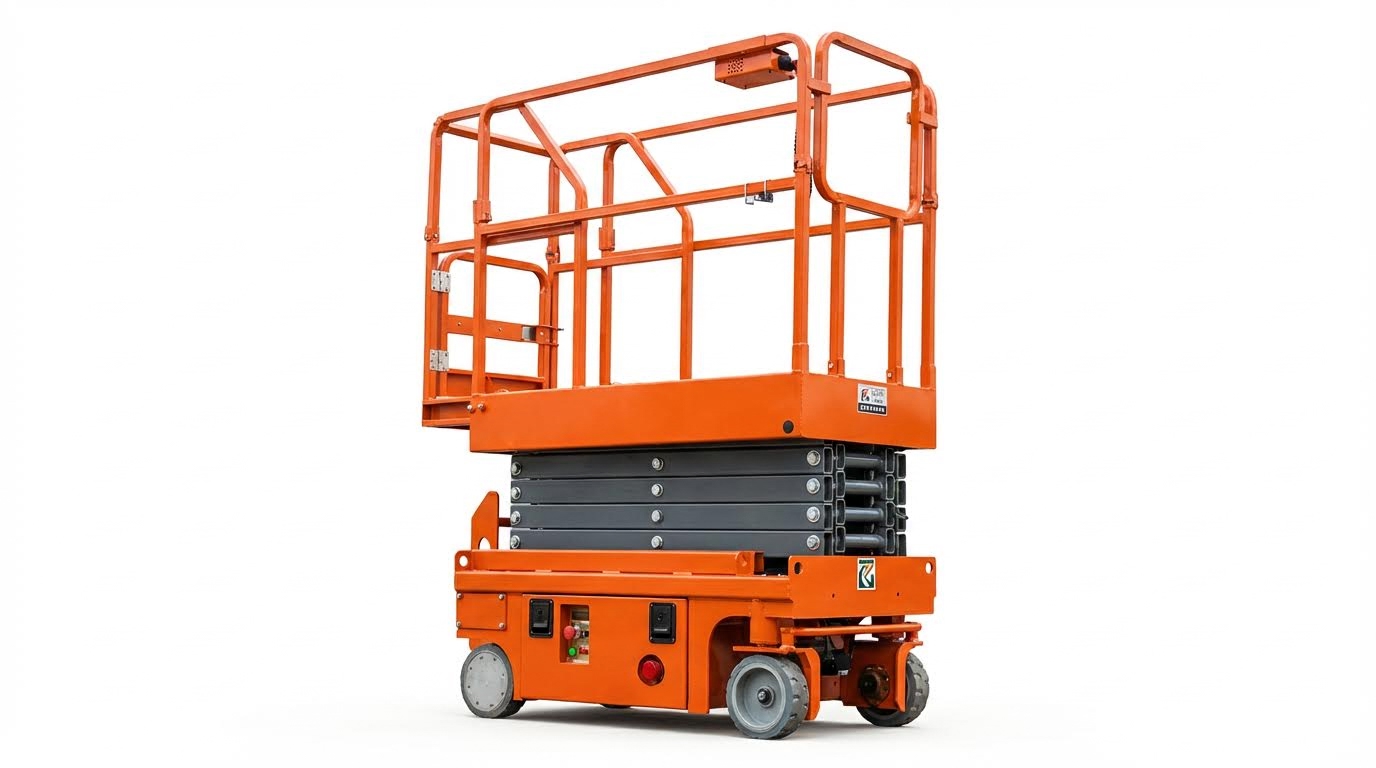
Matching working height to task and building geometry
Start by mapping every task that requires elevation, then assign a target scissor lift working height based on the highest routine reach, not the rarest exception. Remember that working height is typically about 6 feet above platform height, assuming an average worker, so a 14-foot platform gives roughly 20 feet of reach for most indoor applications. In buildings with 18–22 foot clear heights, low-level or compact lifts with platform heights around 12–16 feet usually provide enough working height while minimizing crush hazards near ceilings compared with full 19-foot units in 20-foot rooms. For larger warehouses or production halls with 30–40 foot clear heights, you typically step up to mid-range units in the 20–40 foot platform class, or higher when you must reach roof steel, ductwork, or high-bay lighting.
- Use the lowest scissor lift working height that still covers 90–95% of your jobs to reduce risk and cost.
- Check actual clear height at beams, sprinklers, and ductwork, not just nominal building height.
- For narrow aisles or dense racking, favor compact electric scissor lifts designed to pass through standard doorways and tight spaces while still offering 10–52 feet of working height.
Indoor vs. outdoor working height choices
Indoors, you usually prioritize precise scissor lift working height control, compact footprint, and low step-in height to reduce fatigue and fall risk for frequent up/down cycles. Outdoors, the same nominal working height may require a different machine type because of wind, uneven ground, and higher capacities; towable or rough-terrain units can provide 13–65 feet of working height with greater load ratings for materials handling between sites manual pallet jack than typical indoor electrics.
Balancing platform size, capacity, and maneuverability
Once you define the scissor lift working height, verify that platform size and capacity match the job mix. Low-level lifts can carry substantial loads at modest heights; some 10-foot units handle up to 800 pounds thanks to rigid scissor stacks and oversized pins that limit sway making them efficient for tool- and material-heavy tasks. Typical self-propelled scissor lifts cover 227–550 kg load capacity, while towable units can support 300–2,000 kg, so you should size capacity based on whether you mainly lift people with tools or also heavy components and pallets hydraulic pallet truck.
| Design aspect | Productivity impact | Typical engineering trade-off |
|---|---|---|
| Platform area | More room for workers and materials, fewer repositioning moves | Larger decks can reduce maneuverability in tight aisles or doorways |
| Capacity rating | Supports heavier tools, fixtures, and stock | Higher capacity often increases machine weight and floor loading |
| Machine footprint & turning radius | Improves access in narrow aisles and congested production zones | Very compact units may have smaller platforms and lower reach |
In sensitive indoor environments, lighter low-level machines (some around 1,130 pounds) with zero turn-radius and optimized weight distribution reduce floor damage risk and improve maneuverability compared with heavier 19-foot units drum dolly. Extension decks that add up to about 30 inches of outreach let operators stay at one scissor lift working height longer, working over obstacles or across conveyor lines with fewer drive moves electric drum stacker which directly cuts non-value-added travel time. By treating working height, platform envelope, and maneuverability as a single system, you can select lifts that fit your building geometry, protect floors, and still deliver the capacity and reach your tasks demand.
“”
Key Takeaways On Scissor Lift Working Heights
Choosing the right scissor lift working height is a design and planning decision, not just a catalog pick. Platform height, worker reach, and building clearances must align so operators can reach the work without entering crush zones or striking overhead services. The scissor geometry, chassis width, and structural stiffness then set hard limits on how high you can safely lift a given load.
Electric indoor units favor moderate heights, lighter capacities, and compact footprints to protect floors and extend runtime. Rough‑terrain and towable machines push height and capacity higher but need wider bases, stronger frames, and controlled ground conditions. Safety standards, guardrail rules, and design margins tie these elements together so the lift stays stable under wind, braking, and worker movement.
Operations teams should first map real task heights and clearances, then select the lowest working height that covers nearly all jobs. After that, they should tune platform size, capacity, and maneuverability to the building layout, using lighter low‑level models such as Atomoving solutions where floors, aisles, or mezzanines are tight. When you treat height, stability, power, and safety as one system, you cut risk, avoid overspec machines, and unlock higher productivity at lower lifecycle cost.
Frequently Asked Questions
What is the working height of a scissor lift?
The working height of a scissor lift typically ranges from 20 to 60 feet, with some specialized models reaching over 120 feet. Most standard scissor lifts are designed for heights between 20-40 feet. Scissor Lift Size Guide.
How tall is a standard scissor lift?
A standard scissor lift usually extends to a height range of 20 to 60 feet. These lifts are commonly used for tasks that require moderate elevation, such as maintenance or construction work. For higher elevations, specialized models can reach over 120 feet. Scissor Lift Size Guide.
What factors determine the working height of a scissor lift?
- The design and build of the lift.
- Weight capacity and stability requirements.
- Specific operational needs, such as indoor or outdoor use.
Restricted weight scissor lifts can elevate higher because they are customized for specific operations to carry workers and materials to elevated heights. Scissor Lift Height Info.