Aerial work platforms put people, hydraulics, and electricity in the same small envelope, so OSHA’s rules are unforgiving when something goes wrong. This guide answers what is the osha standard for aerial platform in practical terms: how the regulations define aerial lifts, which OSHA and ANSI parts apply, and what that means for your design, daily inspections, and training programs. You will see the core safety requirements broken into checklists you can actually use in the field. The goal is simple: align engineering controls and employer duties so every elevation job is both compliant and mechanically safe.
OSHA And ANSI Standards For Aerial Work Platforms
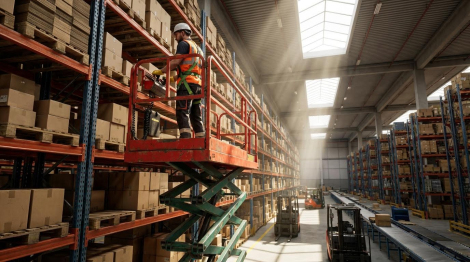
This section explains what is covered when people ask “what is the OSHA standard for aerial work platforms” and how OSHA rules link to ANSI A92 design and test criteria. It defines which machines count as aerial platforms and summarizes the key OSHA parts and ANSI A92 references that safety managers and engineers must align in their programs.
OSHA definition and scope of aerial lifts
OSHA uses a functional, equipment-based definition to decide when its aerial lift rules apply. Understanding this scope is the first step in applying the right standard and avoiding gaps between aerial lifts, scaffolds, and other elevating work platforms.
- Core OSHA definition
Aerial lifts are any vehicle‑mounted device, telescoping or articulating, used to position personnel. This includes extensible boom platforms, aerial ladders, articulating boom platforms, vertical towers, or combinations of these OSHA aerial lift definition. - Typical equipment covered
- Truck‑mounted bucket lifts used for utility, tree, or sign work.
- Self‑propelled boom lifts (articulating or telescopic).
- Vehicle‑mounted vertical towers.
- Combination ladder/boom devices.
- What is usually not covered as an aerial lift
- Traditional frame or system scaffolds.
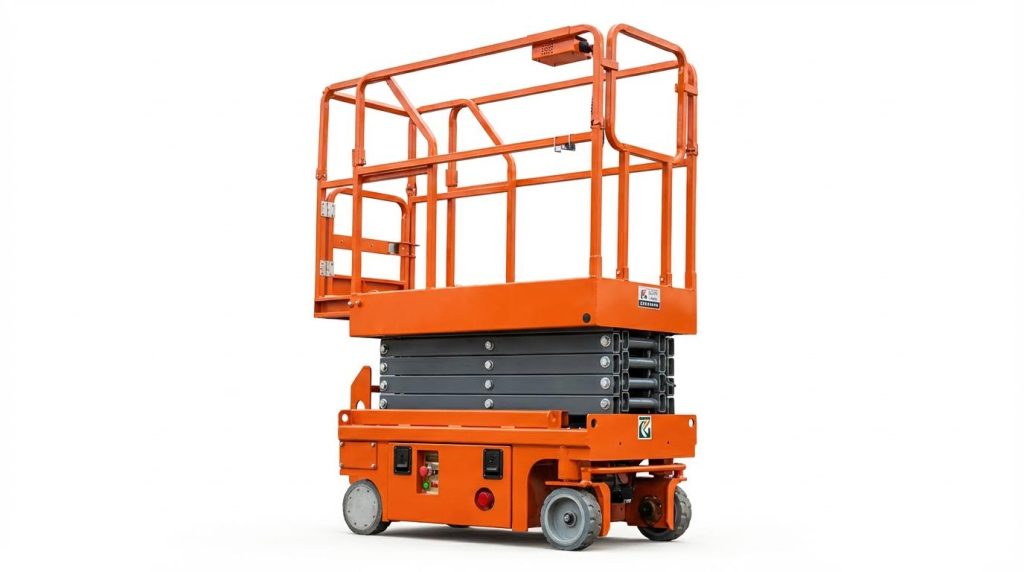
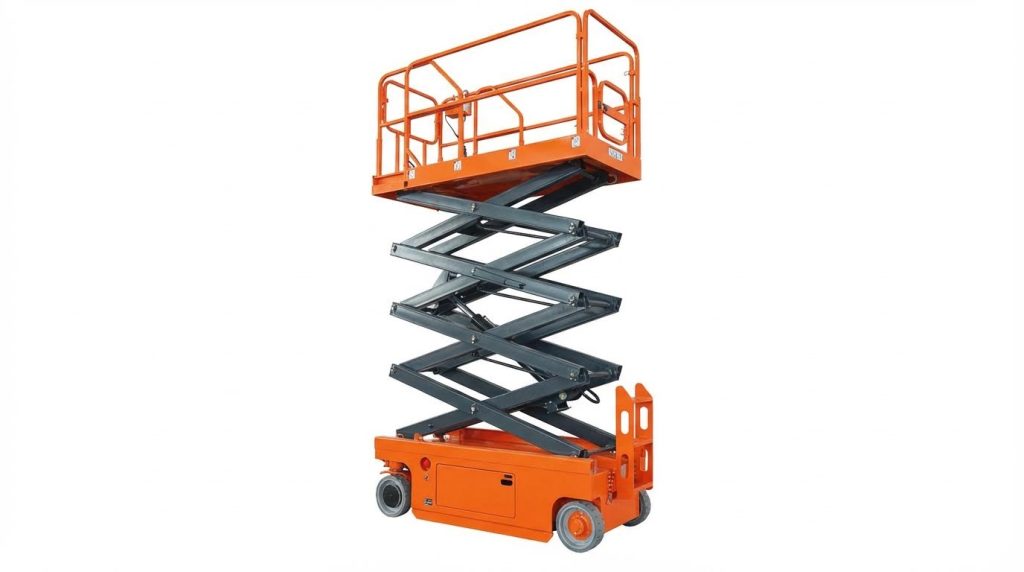
- Scissor platform lifts are often regulated under scaffold rules rather than the aerial lift rule, depending on use and configuration.
Why the OSHA definition matters in practice
Correctly classifying equipment drives which sections of 29 CFR apply, which in turn sets different expectations for design, inspections, fall protection, and electrical testing. Misclassification can lead to missing required harness use, power‑line clearances, or ANSI A92.2 electrical test intervals.
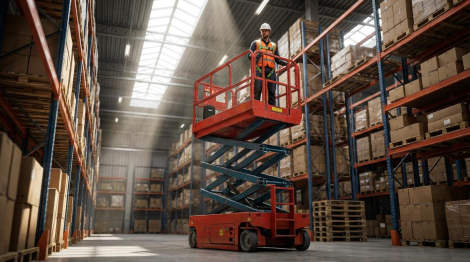
OSHA’s scope also ties directly to operator duties. Only trained and authorized workers may operate covered aerial platforms, and they must follow specific rules on fall protection, load limits, and work‑zone hazards OSHA aerial lift eTool. When people search “what is the OSHA standard for aerial work platforms,” they are usually trying to understand if their boom or bucket equipment falls under this aerial lift definition and its related duties.
Applicable OSHA parts and key ANSI A92 references
OSHA requirements for aerial lifts are spread across several regulations and then reinforced by ANSI A92 design and test standards. The table below gives a fast engineering view of which documents apply to which topics.
| Topic | Primary OSHA reference | Key ANSI / other reference | Practical impact on aerial work platforms |
|---|---|---|---|
| Core aerial lift rule (construction use) | 29 CFR 1926.453 – Aerial Lifts OSHA 1926.453 | ANSI A92.2‑1969 referenced for design, electrical tests, and safety factors | Defines aerial lift types, safe operation, movement limits, and reliance on ANSI A92.2 for engineering criteria. |
| General industry use & training | 29 CFR 1910 (multiple sections) and OSHA eTools OSHA aerial lift guidance | Modern ANSI A92 family (e.g., design, safe use, training standards) | Requires that only trained and authorized personnel operate lifts and that pre‑start inspections and work‑area hazard assessments are performed. |
| Electrical insulation testing | 1926.453, Electrical test provisions OSHA electrical test rule | ANSI A92.2‑1969, Section 5 | Insulated booms must be electrically tested at specified voltages and intervals; equivalent DC tests may be used if approved. |
| Hydraulic / pneumatic bursting safety factor | 1926.453, design criteria OSHA hydraulic safety factor | ANSI A92.2‑1969, Section 4.9 | Critical hydraulic and pneumatic components must meet ANSI bursting safety factors; noncritical components must be at least 2:1. |
| Welding quality on structural members | 1926.453, welding requirements OSHA welding references | AWS B3.0‑41, D8.4‑61, D10.9‑69, D2.0‑69 | Structural and critical welds on booms, baskets, and chassis must comply with these welding standards. |
| Fall protection on platforms | OSHA aerial lift guidance OSHA fall protection on lifts | ANSI A92 safe‑use and design standards | Requires body harness with lanyard to boom or basket; body belts only for positioning, not fall arrest. |
| Daily inspection and functional tests | OSHA eTools – Scaffolding: Aerial Lifts Daily inspection guidance | ANSI A92 inspection and maintenance sections | Lift controls must be tested each day; structural, hydraulic, electrical, and safety devices must be checked before use. |
| Overhead line work and approach distances | OSHA eTools – Electric Power: Overhead Line Work OSHA overhead line work | ANSI A92.2 for insulated lift testing and use | Sets minimum approach distances, need for spotters, and use of insulating covers, grounding, and bonding when near energized lines. |
From a compliance standpoint, “what is the OSHA standard for aerial work platforms” usually resolves to 29 CFR 1926.453 plus the incorporated ANSI A92.2‑1969 sections for design, testing, and safety factors OSHA–ANSI linkage. On top of this, OSHA’s aerial lift and electric‑power eTools spell out daily inspections, operator training content, and work‑zone controls that employers are expected to build into their written programs.
- Insulated portions of an aerial lift must not be altered in any way that reduces insulating properties, including drilling into buckets Insulated component rule.
- Lift controls must be tested each day before use, and critical safety components that affect raising, lowering, or rotating must be visually checked each shift Daily control testing.
- All electrical tests on insulated booms must follow ANSI A92.2‑1969 Section 5, with equivalent DC tests allowed only when approved by the manufacturer or equivalent authority ANSI A92.2 electrical tests.
How safety managers should use OSHA vs. ANSI
OSHA standards set the legal minimums; ANSI A92 standards provide the engineering and procedural detail OSHA points to. In practice, a compliant aerial work platform program uses OSHA to define employer duties and ANSI A92 (plus manufacturer instructions) to define the technical “how” for design, inspection intervals, test voltages, and safe‑use limits.
Final Compliance Checklist And Strategic Takeaways
OSHA and ANSI rules for aerial work platforms form a single safety system. The legal text, design factors, and inspection steps all aim at one result: a stable, electrically safe, structurally sound lift with a trained operator in control. When engineers follow ANSI A92 design and hydraulic safety factors, they give operators a platform that resists burst, flex, and tip events under rated load. When employers enforce daily control checks and clear fall protection rules, they catch defects and unsafe behavior before a person leaves the ground.
The practical message is clear. Treat OSHA 1926.453 as the legal floor and ANSI A92 plus manufacturer manuals as the engineering playbook. Classify each lift correctly, lock in electrical test intervals, and protect insulated parts from field “modifications.” Build written procedures that tie work‑zone setup, power line clearance, and grounding directly to the lift’s design limits. Then train and retrain operators until these steps become habit. Operations teams that follow this model, and choose equipment from proven suppliers like Atomoving, can raise people every day with controlled risk and strong compliance.
Frequently Asked Questions
What is the OSHA standard for aerial lifts?
Aerial lifts fall under specific OSHA standards to ensure worker safety. According to OSHA, employers must comply with fall protection requirements in one of three ways: using a body belt with a tether anchored to the boom or basket, using a body harness with a tether, or implementing another approved fall restraint system. OSHA Fall Protection Guidelines.
What fall protection is required by OSHA for an aerial lift?
OSHA requires that employees working on aerial lifts be protected from falls. This can be achieved through guardrail systems, safety net systems, or personal fall arrest systems when working on surfaces with an unprotected edge 6 feet (1.8 meters) or more above a lower level. OSHA Fall Protection Standards.
Does OSHA consider a scissor lift an aerial lift?
No, OSHA does not classify scissor lifts as aerial lifts. Instead, scissor lifts are considered scaffolds and must comply with scaffold safety regulations. OSHA Scissor Lift Classification.
What are the OSHA requirements for elevated platforms?
For elevated platforms, OSHA mandates that all employees working on surfaces with an unprotected side or edge 6 feet (1.8 meters) or more above a lower level must be protected by guardrail systems, safety net systems, or personal fall arrest systems. OSHA Elevated Platform Safety.