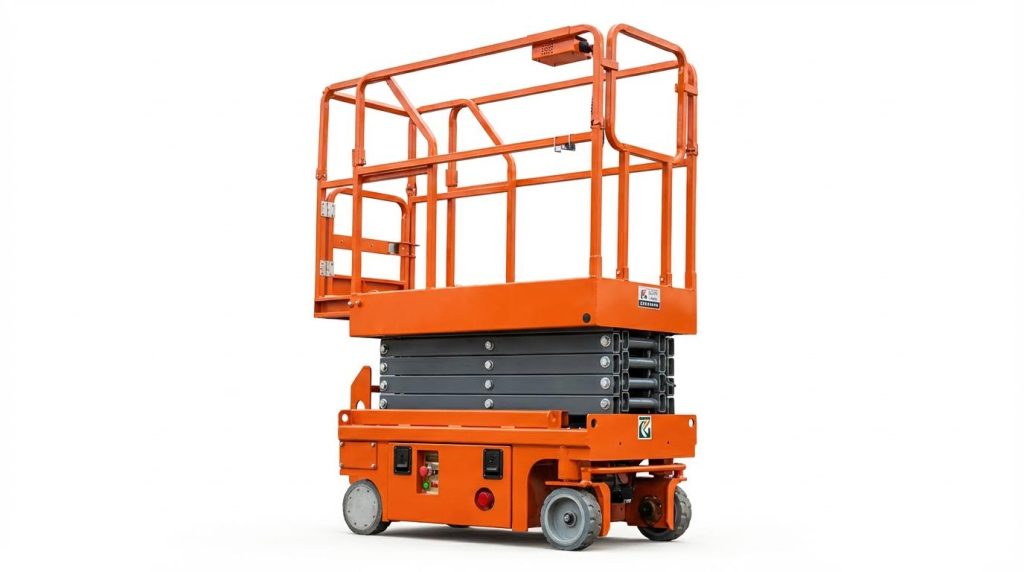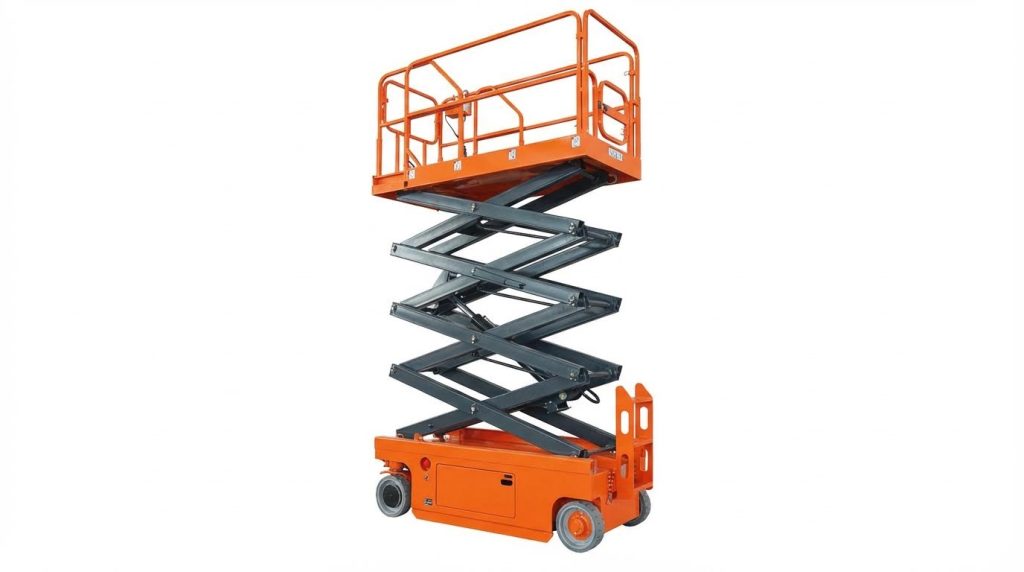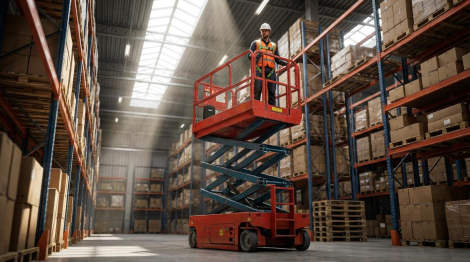
Rough terrain scissor lifts enabled safe elevated work on uneven outdoor ground across construction, agriculture, and industrial sites. This article examined how their core design features, from powertrains to hydraulic systems, governed stability, gradeability, and duty cycle in harsh environments. It then detailed capacity, height, and performance selection criteria, including platform load calculations, ground bearing limits, and power source trade-offs between diesel and electric machines. Finally, it reviewed key applications, safety standards, inspection routines, and maintenance practices that reduced incidents and lifecycle cost, before distilling practical guidance for selecting safe, efficient rough terrain scissor platform lifts for field operations.
Core Design Features Of Rough Terrain Scissor Lifts

Rough terrain scissor lifts used outdoor-optimized architectures that balanced traction, stability, and lifting performance. Designers integrated powertrains, structures, and hydraulics to support loads between roughly 345 kg and 1100 kg on uneven ground. Platform geometry, tire selection, and outrigger configuration determined usable capacity and occupant count at height. Understanding these core design features allowed specifiers to align machine capability with site risk and productivity targets.
Drive Systems, Powertrains, And Gradeability
Rough terrain scissor lifts employed either internal combustion engines or high-capacity battery-electric systems. Diesel units used engines such as Kubota D1105 (about 18.5 kW) or Deutz D2.9L4 (about 36.4 kW) to drive hydraulic pumps and 4-wheel-drive axles. Electric RT platforms used 48 V battery packs around 220 Ah to deliver zero local emissions and low noise, which suited urban or regulated sites. Gradeability values around 35% indicated the maximum slope the machine could climb while stowed without loss of traction. Travel speed typically reached about 4 km/h to 6 km/h when stowed and reduced below 1 km/h when elevated to maintain control and limit dynamic loading. Powertrain sizing had to cover worst-case hydraulic demand, including fast lifting, steering, and drive torque in soft ground conditions.
Structural Design, Platform Size, And Occupant Limits
The scissor stack, chassis, and platform formed a load path that carried platform loads back to the ground with defined safety factors. Larger platforms, such as around 3.98 m by 1.83 m, supported higher occupant counts, up to about seven persons indoors and outdoors for some 1100 kg rated models. Smaller platforms around 2.5 m by 1.6 m typically carried three occupants indoors and two outdoors at lower total capacities near 345 kg to 454 kg. Manufacturers established occupant limits from structural analysis, guardrail strength, and evacuation constraints, then validated them with testing. Working height ranges between about 10 m and 17.9 m required careful control of deflection and sway so that users maintained stable footing during tasks like installation or inspection. Designers also considered wind loading at height, which interacted with platform area and occupant posture to drive allowable outdoor ratings.
Tires, Outriggers, And Stability On Uneven Ground
Rough terrain scissor lifts relied on wide, high-volume tires to distribute ground loads and maintain traction on soil, gravel, or compacted fill. Foam-filled non-marking tires sized around 663 mm by 283 mm or solid rough-terrain tires near 675 mm by 280 mm resisted punctures and eliminated blowout risk. Outriggers or stabilizers, when fitted, increased the effective base width and reduced the risk of tip-over on slopes or irregular surfaces. Machines with outriggers weighed several hundred kilograms more than base configurations, but offered improved stability envelopes and higher allowable working gradients. Operators deployed outriggers according to the ground conditions, ensuring pads bore on firm material with adequate bearing capacity. Tilt sensors, alarms, and automatic cutouts monitored chassis inclination and prevented elevation when limits were exceeded.
Hydraulic Architecture And Duty-Cycle Constraints
Hydraulic systems powered lift, steer, and often drive functions, using dedicated pumps and valve blocks sized for the required flow and pressure. Oil volumes ranged from about 68 L in compact battery-electric RT models to around 140 L in larger diesel units with higher lift capacities. Cylinder bore and stroke dimensions, combined with system pressure, set maximum platform load and lifting speed, while hose routing and component placement minimized pressure losses. Designers balanced flow rates to avoid excessive oil temperature rise during intensive duty cycles, especially in hot climates or continuous construction shifts. Maintenance regimes focused on monitoring for leaks, abnormal noise, slow response, or pressure anomalies that indicated wear or contamination. Proper filtration and periodic oil analysis extended component life and reduced lifecycle costs by preventing pump or cylinder failures during high-utilization periods.
Capacity, Height, And Performance Selection Criteria
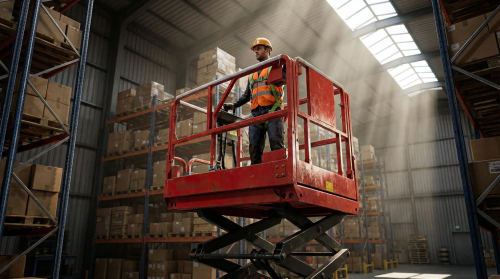
Selection of a rough terrain scissor lift started with quantifying capacity, height, and site constraints. Engineers defined required platform load, working height, and duty cycle before looking at model catalogues. They then checked deratings for deck extensions, outdoor use, and wind to avoid overload conditions. Final selection balanced productivity targets with safety margins and regulatory compliance.
Calculating Platform Load And Extension Deratings
Platform capacity ratings covered the total live load: occupants, tools, and materials. Typical rough terrain units provided 345 kg to 1100 kg rated capacity on the main deck, depending on model size. When operators deployed platform extensions, the allowable load dropped sharply, often to 136 kg to 140 kg, because of increased overturning moment and structural bending. Engineers therefore calculated separate load cases for main platform and extension, using worst-case personnel and material combinations. They also considered dynamic effects from movement and wind, keeping a reserve factor under the nameplate rating. Documented load calculations supported compliance with manufacturer instructions and standards such as EN 280 or ANSI A92.
Matching Working Height, Reach, And Platform Envelope
Working height selection usually started from the highest task elevation, then added a safety margin of about 1 m. Rough terrain scissor lifts in current fleets offered working heights from roughly 10 m up to about 17.9 m for larger diesel units. Engineers also evaluated platform dimensions, because a 3.98 m by 1.83 m deck supporting up to 7 occupants behaved differently from a 2.5 m by 1.6 m deck rated for 2 or 3 people. Wider, longer platforms improved lateral reach for façade or cladding work but increased wind exposure and required stricter load control. For indoor or partially sheltered applications, narrower envelopes eased access through doors and around structural columns. The final choice balanced occupant count, material staging area, and manoeuvrability on congested sites.
Engine Vs. Electric RT Scissors: Power And Emissions
Rough terrain scissors used either internal combustion engines or high-capacity battery systems as prime movers. Diesel units with engines such as Kubota D1105 at about 18.5 kW or Deutz D2.9L4 at about 36.4 kW delivered high tractive effort, fast drive speeds, and robust hydraulic power for demanding slopes. They suited remote construction and heavy civil work where grid charging infrastructure was limited. Electric rough terrain models used battery packs around 48 V and 220 Ah and supported zero local emissions and low acoustic signatures. These units fitted urban projects with strict noise or air-quality limits and indoor-outdoor mixed use. Specifiers compared duty cycles, charging windows, fuel logistics, and total cost of ownership rather than focusing only on initial purchase price.
Ground Bearing, Machine Weight, And Site Constraints
Machine operating weight strongly influenced ground bearing pressure and site feasibility. Typical rough terrain scissors weighed roughly 1800 kg to more than 3600 kg, and some diesel models with outriggers exceeded 4000 kg. Engineers checked that prepared ground, slabs, or agricultural soils could safely support both static and dynamic wheel or outrigger loads with an appropriate safety factor. Gradeability ratings around 35 percent defined allowable slopes during travel, but work at height still required near-level conditions, often achieved with outriggers or automatic leveling systems. Site access constraints such as ramp width, turning radius, and overhead clearance further filtered model options. By integrating geotechnical data, access studies, and lift specifications, project teams avoided bogging, slab damage, or stability loss in the field.
Industrial Applications, Safety, And Maintenance
Construction, Agriculture, And Industrial Use Cases
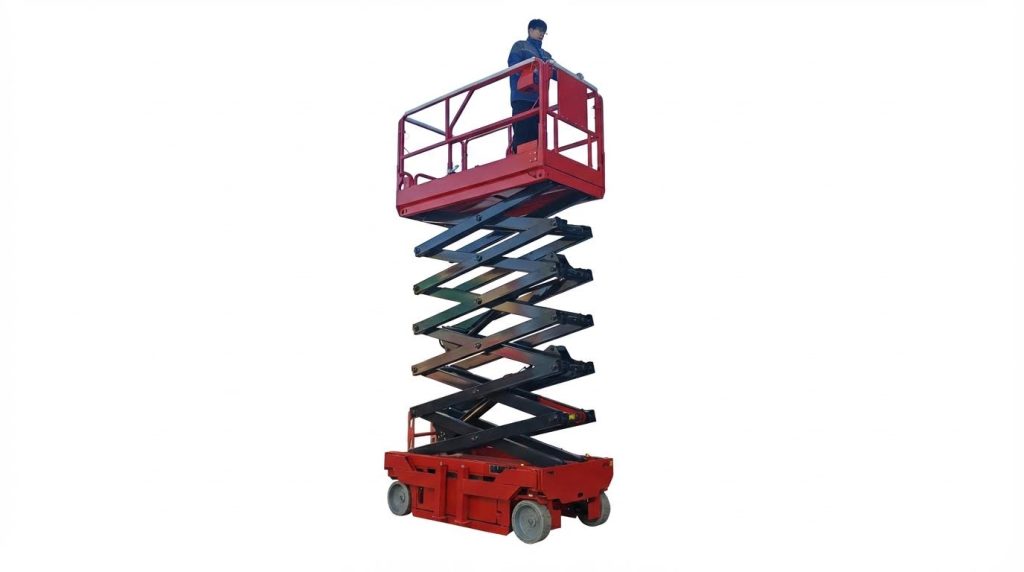
Rough terrain scissor lifts supported elevated work on sites with uneven, unprepared ground. Construction contractors used diesel or hybrid RT units for façade work, steel erection, cladding, and MEP installation up to about 18 m working height. Agricultural operators deployed battery and diesel RT scissors for land preparation, greenhouse erection, grain facility maintenance, and equipment servicing, where soft soils demanded low ground pressure and high gradeability. Industrial plants used them for outdoor utilities, conveyor galleries, tank farms, and yard lighting, selecting platform dimensions and capacities between roughly 345 kg and 1100 kg to match tooling, materials, and crew size.
Operator Training, PPE, And Standards Compliance
Operators required formal training and model-specific familiarization before using RT scissor lifts. Training covered control logic, emergency lowering, tilt and overload alarms, and limits on wind speed and slope. Standards such as ISO 18878 and regional MEWP regulations defined competency, rescue planning, and inspection intervals. PPE typically included a hard hat, high-visibility clothing, safety footwear with slip-resistant soles, and fall protection where mandated by local rules or site policy. Supervisors had to enforce load limits, occupant limits, and platform behavior rules, including no climbing guardrails or overreaching beyond the platform envelope.
Inspection Checklists And Preventive Maintenance
Daily and pre-shift inspections focused on structural integrity, controls, and critical safety systems. Technicians checked for cracks, dents, missing fasteners, damaged guardrails, and legible placards, then verified operation of emergency stop, descent, alarms, and limit switches. They inspected tires for damage, correct pressure or condition, and confirmed outriggers or stabilizers deployed and locked when required. Hydraulic systems underwent checks for leaks, proper fluid level, abnormal noise, rapid temperature rise, or sluggish cylinder response. Scheduled preventive maintenance included lubrication of pivot points, verification of tilt and overload sensors, and functional testing of proportional controls and onboard diagnostics.
Batteries, Hydraulics, And Lifecycle Cost Drivers
Electric RT scissor lifts used traction battery packs, for example 48 V 220 Ah systems, to deliver zero local emissions and low noise. Fleet managers optimized battery life by favoring overnight charging, avoiding frequent short “opportunity” charges, and maintaining electrolyte levels with distilled water on wet-cell batteries. Hydraulic circuits consumed 68 L to about 140 L of oil depending on model size, so leak prevention and fluid cleanliness strongly influenced reliability and pump life. Lifecycle cost drivers included tire wear on rough ground, engine hours or charge cycles, hydraulic component replacements, and downtime caused by neglected inspections. Well-structured maintenance programs reduced unplanned failures and extended economic life while keeping lifts compliant with inspection and safety regulations.
Summary: Selecting Safe, Efficient RT Scissor Lifts
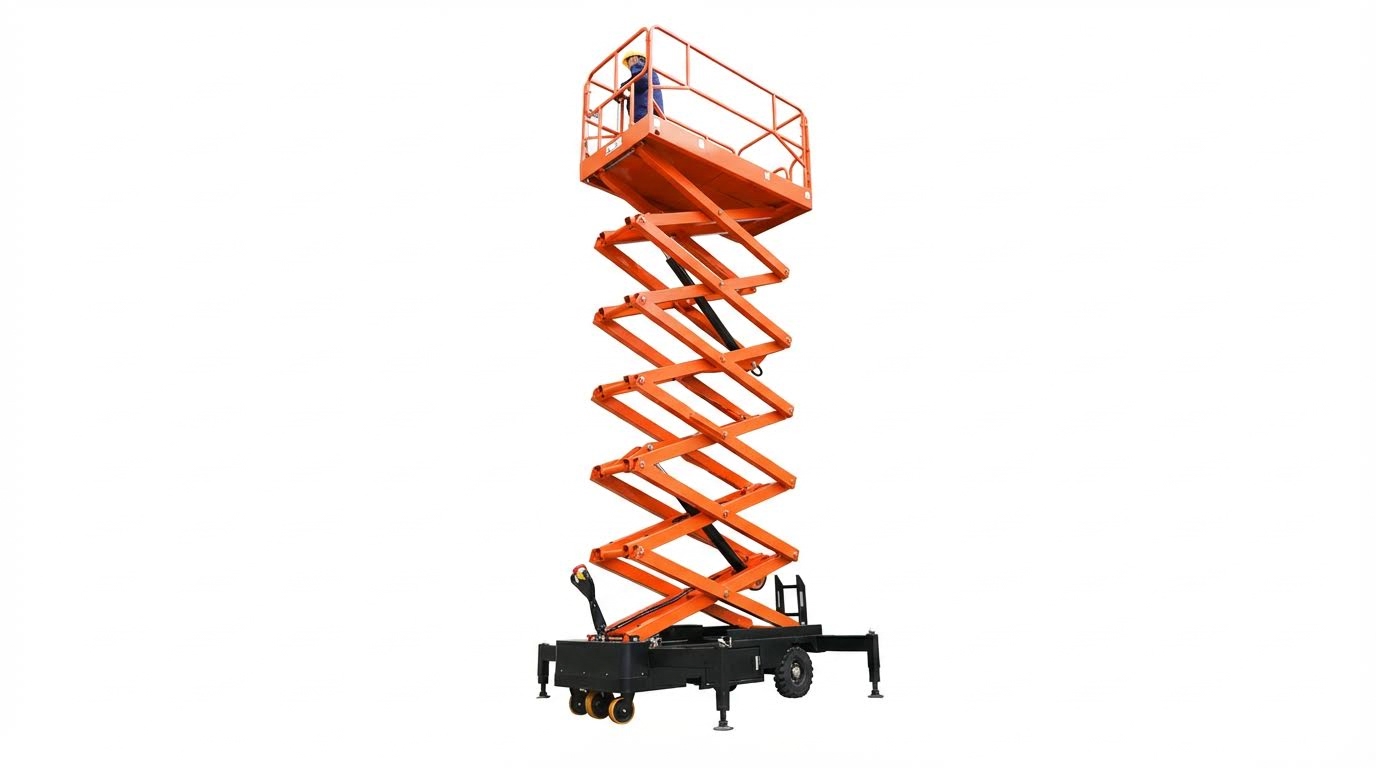
Rough terrain scissor lifts provided high-capacity, stable access on uneven outdoor sites. Typical platform capacities ranged from about 345 kg to 1100 kg, with extension decks derated to roughly 130 kg to 140 kg. Working heights commonly spanned 10 m to nearly 18 m, so correct model selection depended on both vertical reach and required platform envelope. Larger platforms with lengths near 4.0 m and widths around 1.8 m supported up to seven occupants, while compact platforms supported two to three workers.
Design choices strongly affected performance and environmental impact. Diesel units with 18.5 kW to 36.4 kW engines delivered high duty cycles and 35% gradeability for demanding construction sites. Battery-electric rough terrain models, using 48 V packs around 220 Ah, enabled zero-emission, low-noise operation while still maintaining rough terrain capability. Foam-filled or solid rough-terrain tyres, high ground clearance, and optional automatic leveling outriggers improved stability on rutted or sloped ground.
Implementation required careful engineering checks. Specifiers needed to verify ground bearing capacity against machine operating weight, which often reached 4 000 kg to more than 4 000 kg with outriggers deployed. They also had to consider travel speeds stowed and elevated, hydraulic oil volume, and duty-cycle limits to avoid overheating or premature wear. In parallel, safety programs relied on formal operator training, PPE, and structured inspections that covered structure, hydraulics, electrics, and control systems.
Looking ahead, the technology trend moved toward higher-capacity platforms, smarter control and diagnostic systems, and broader adoption of electric or hybrid powertrains. Future fleets would likely combine high-efficiency diesel units for remote heavy-duty work with low-noise electric machines for urban projects and sustainability-driven sites. By balancing capacity, terrain capability, emissions, and maintenance requirements, owners and contractors could assemble mixed fleets that remained both safe and economically efficient across diverse field conditions.