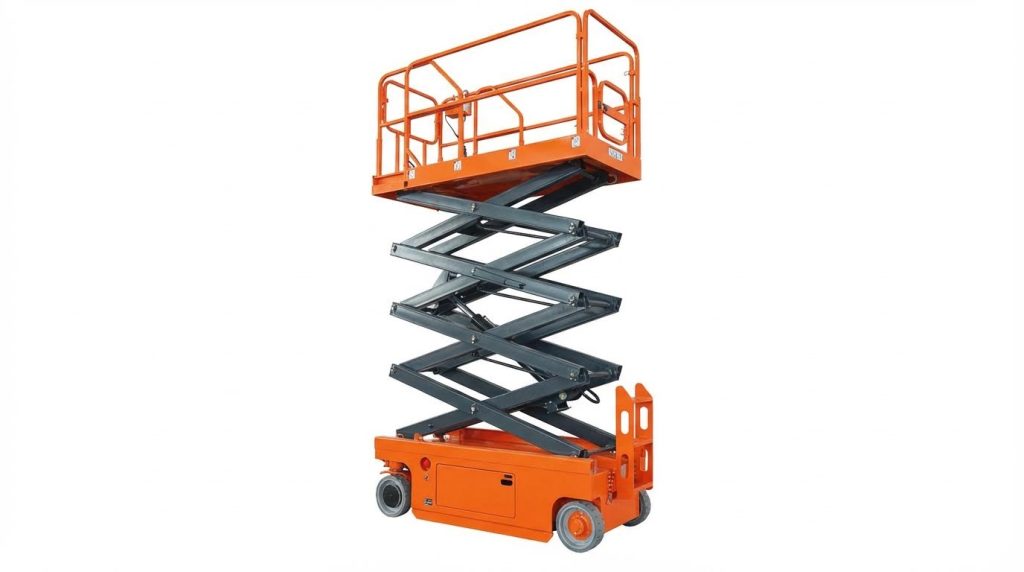
Scissor lift battery systems directly affected safety, uptime, and lifecycle cost across construction, maintenance, and rental fleets. This article outlined core charging safety principles, lead-acid care practices, and advanced monitoring methods grounded in current industry guidance. It also examined how smart chargers, telematics, and predictive tools supported more reliable and economical fleet operation. Together, these sections provided a structured reference for engineers, technicians, and supervisors responsible for aerial work platform performance and compliance.
Core Principles Of Safe Battery Charging
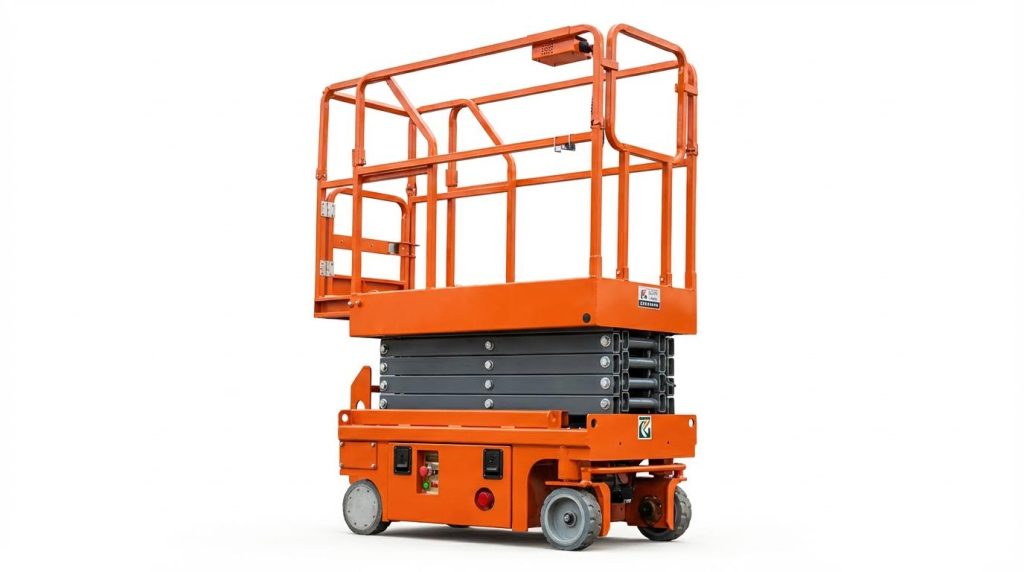
Safe scissor lift battery charging relied on controlled charge profiles, correct equipment, and disciplined procedures. Core principles covered time management, electrical compatibility, ventilation, and personal protection. Applying these fundamentals reduced fire, explosion, and shock risk while extending battery life. Clear planning also minimized downtime and protected operators and nearby workers.
Charging Times, Duty Cycles, And Work Planning
Typical scissor lift batteries required 6 to 8 hours for a full charge, and some models required up to 16 hours. Fleet planners scheduled charging at the end of each shift to achieve full charge before the next duty cycle. Overnight charging reduced opportunity charging, which shortened battery life when used routinely. Operators monitored the battery-level indicator and removed the machine from service before functions auto-disabled at low charge. Work planning aligned task duration, travel distance, and lift cycles with expected battery capacity to avoid deep discharge. Supervisors integrated manufacturer guidance and site productivity targets when defining daily run time limits.
Approved Chargers, Voltage Matching, And Cabling
Manufacturers required using only authorized chargers matched to the lift’s battery voltage and chemistry. The AC input voltage had to match the rating plate on the charger to prevent overheating and electrical faults. Guidelines from 2021 prohibited external chargers or booster batteries, which could bypass built-in protections. Before charging, operators verified that all batteries were correctly connected in the intended series configuration. They inspected charging ports, plugs, and cables for debris, damage, and corrosion, cleaning contacts as needed. Cables required intact insulation, correct conductor size, and strain relief to avoid hot spots or arcing during long charge cycles. Grounded AC circuits and compliant extension leads supported electrical safety and regulatory conformity.
Ventilation, Gas Management, And Fire Risk Control
Lead-acid batteries released hydrogen and oxygen during charging, which created explosion risk in confined spaces. Charging therefore occurred in well-ventilated areas, with some manufacturers requiring the battery compartment to remain open. The charging zone excluded flammable liquids, combustible packaging, and ignition sources such as welding or smoking. Fixed charging bays often used mechanical ventilation or natural crossflow to maintain hydrogen below critical concentrations. Operators avoided overcharging because it accelerated gassing, plate damage, and potential thermal events. Automatic charge protection and proper charge termination reduced fire risk and stabilized battery temperature during long overnight charges.
PPE, Electrical Shock, And Acid Exposure Hazards
Battery charging exposed workers to electrical energy, corrosive electrolyte, and possible arc flash at terminals. Operators wore safety goggles, acid-resistant gloves, and protective clothing when handling batteries or vent caps. They removed rings, watches, and metallic jewelry to avoid short circuits and severe burns. When checking wet-cell electrolyte, personnel used PPE and neutralized spilled acid with appropriate agents such as sparkling water or approved neutralizers. Procedures kept hands and tools clear of live terminals and prohibited bypassing interlocks or covers. Training programs and OSHA-aligned practices reinforced lockout of the lift during maintenance and strict adherence to the operator’s manual.
Lead-Acid Battery Care For Maximum Service Life

Lead-acid batteries in scissor lifts required disciplined care to deliver full design life. Poor electrolyte management, loose or corroded connections, and abusive charge patterns reduced capacity and increased failure risk. Maintenance practices differed between flooded (wet) and sealed designs, but both needed correct charging and temperature control. Structured inspection routines aligned with the operator’s manual allowed fleets to stabilize performance and reduce unplanned downtime.
Wet Cell Electrolyte Checks And Water Top-Up
Flooded lead-acid batteries relied on correct electrolyte level to prevent plate exposure and sulphation. Operators removed vent caps only after donning PPE, including goggles, acid-resistant gloves, and suitable clothing. Before charging, they checked that electrolyte just covered the plates, adding only distilled water when plates were exposed. They avoided overfilling before charge, because electrolyte expanded and could overflow, causing corrosion and contamination.
After a full charge and cool-down, technicians rechecked levels and topped up to the bottom of the fill tube where specified. Using tap water introduced minerals that accelerated plate degradation and shortened service life. Spills or splashes required immediate neutralization with a mild alkali solution, often baking soda in water, followed by thorough rinsing. Regular electrolyte inspections, typically at least monthly for daily-used lifts, kept cell imbalance and premature capacity loss under control.
Sealed And Maintenance-Free Battery Considerations
Sealed lead-acid batteries, including AGM and gel variants, did not allow electrolyte access and therefore eliminated routine watering. Operators still needed to follow the manufacturer’s charging profile, because overvoltage damaged valves and drove dry-out or gas venting. Maintenance focused on external inspection, verifying case integrity, absence of bulging, and clean, tight terminals. Any sign of leakage, deformation, or persistent overheating under normal charge indicated internal damage and justified removal from service.
Because electrolyte could not be corrected, correct charger selection became even more critical. Float and absorption voltages had to match the chemistry and temperature range stated in the manual. Sealed batteries typically tolerated fewer deep cycles than industrial flooded traction batteries at similar cost. Fleet managers, therefore, planned duty cycles and rotation to avoid chronic deep discharge that accelerated capacity fade.
Corrosion Control, Torque On Lugs, And Cable Health
Terminal and cable integrity directly affected voltage stability, charge efficiency, and safety. Maintenance personnel inspected posts, lugs, and interconnects for white or green corrosion, heat discoloration, or cracked insulation. They cleaned deposits with approved tools and neutralizing solution, then dried and lightly coated terminals with a compatible protective spray. All jewelry had to be removed before work to reduce arc and short-circuit hazards.
Correct torque on terminal fasteners prevented both loosening and stud damage. Under-torqued lugs increased resistance, causing localized heating and potential melt damage under high current. Over-torqued hardware risked cracking posts or damaging inserts, which could require battery replacement. Technicians also inspected cables for kinks, broken strands, and crushed sections, replacing compromised leads instead of taping over defects.
Avoiding Opportunity Charging And Deep Discharge
Lead-acid traction batteries achieved maximum life when operators followed full, uninterrupted charge cycles. Repeated short “opportunity” charges during breaks increased plate sulphation and reduced usable capacity over time. Best practice involved charging at the end of each shift, allowing the charger to complete its full algorithm, including absorption and equalize stages where specified. Battery-level indicators on the platform or ground controls helped operators decide when to remove a lift from service.
Deep discharges below the manufacturer’s recommended cut-off, often around 20 % state of charge, accelerated active material shedding and grid corrosion. Many scissor lifts disabled lift or drive functions at low voltage to protect the pack, and operators were expected to respect those lockouts. Consistent avoidance of both deep discharge and partial charging flattened capacity fade and extended replacement intervals. Integrated charge protection and automatic shutoff systems further reduced user error and improved lifecycle cost performance.
Advanced Monitoring, Diagnostics, And Upgrades
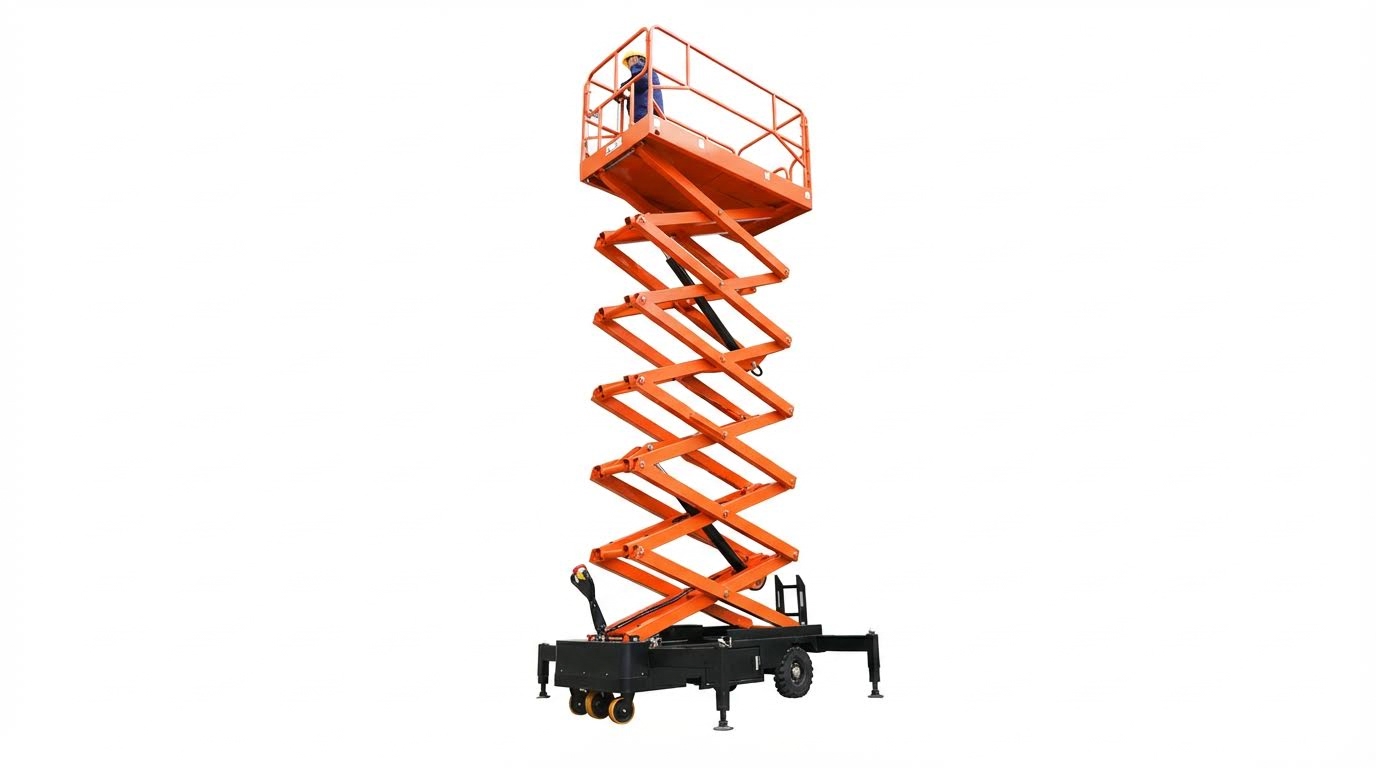
Battery Indicators, Load Testing, And Logging
Scissor lift battery indicators provided on platform or ground controls gave operators an at-a-glance state-of-charge reference. These indicators typically used bar graphs or voltage-based LEDs, which trended approximate remaining capacity rather than precise ampere-hours. For higher assurance, maintenance teams implemented periodic load testing using calibrated resistive or electronic loads to assess battery voltage sag under realistic current draw. Load test data identified weak cells before they caused machine derating, nuisance shutdowns, or uneven charging within a series string. Logging these measurements, together with charge hours and daily usage, created a historical record that supported warranty decisions, replacement planning, and root-cause analysis after failures. Digital logs, rather than handwritten records, reduced transcription errors and enabled trend analysis across entire fleets.
Temperature Monitoring, Overcharge And Cutoff
Battery temperature influenced both charge acceptance and service life, especially for lead-acid chemistries used in scissor lifts. During charging, excessive temperature rise indicated overcharge, internal resistance issues, or inadequate ventilation around the battery compartment. Modern chargers incorporated temperature sensing and compensation, reducing charge voltage at higher temperatures to limit gassing and plate damage. Overcharge protection relied on timed charge profiles, current taper detection, and in some cases integrated battery management systems that terminated charge when a full state was reached. Operators and technicians monitored temperature manually with infrared thermometers where no sensors existed, stopping charging when values exceeded the manufacturer’s specified range. Combining temperature monitoring with strict cutoff logic significantly reduced risks of thermal runaway, electrolyte loss, and fire.
Smart Chargers, Telematics, And Fleet Analytics
Smart chargers for scissor lifts applied multi-stage charge algorithms that optimized bulk, absorption, and float phases for the installed battery type. These chargers logged charge duration, delivered ampere-hours, and fault codes, creating a detailed profile of how each machine was treated in the field. When connected to telematics modules, charge and discharge data transmitted to cloud platforms, where fleet managers viewed state-of-charge, usage intensity, and error events in near real time. Analytics tools then correlated undercharging, overcharging, or frequent opportunity charging with premature battery replacements and unplanned downtime. This data-driven approach supported right-sizing of fleets, improved rotation of units on large jobsites, and allowed rental companies to enforce charging practices that aligned with OEM guidance and safety standards.
Integration With Digital Twins And Predictive Tools
Integration of battery systems into equipment digital twins enabled more advanced predictive maintenance strategies. In these models, real operating data such as depth-of-discharge, temperature cycles, and charge profiles calibrated physics-based or data-driven degradation models. Predictive tools then estimated remaining useful life for each battery pack and recommended optimal replacement windows before performance dropped below jobsite requirements. Coupling these predictions with scheduling systems allowed planners to align battery swaps with other planned maintenance, minimizing machine downtime. As connectivity and sensor density increased, digital twins also supported scenario analysis, such as evaluating the impact of switching to different charger types or changing shift patterns on long-term battery costs. This integration moved scissor lift battery management from reactive troubleshooting to proactive, lifecycle-optimized control.
Summary Of Key Safety, Reliability, And Cost Impacts
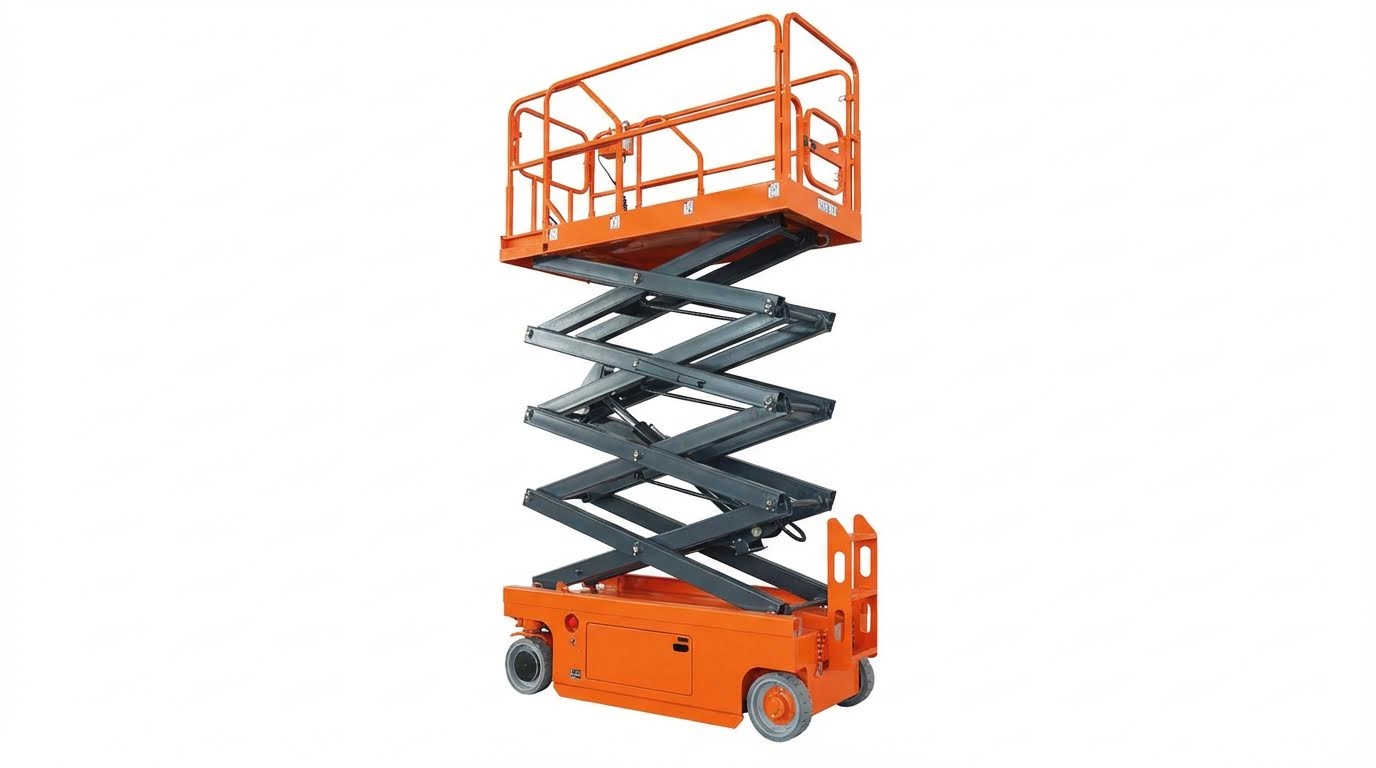
Effective scissor lift battery charging and maintenance directly influenced safety outcomes, machine reliability, and lifecycle cost. Field data and manufacturer guidance consistently showed that correct charging profiles, matched chargers, and adequate ventilation reduced fire and explosion risk from hydrogen gas release. Structured PPE use, removal of jewelry, and adherence to lockout-type practices around live circuits minimized electric shock and acid exposure incidents. These safety controls aligned with OSHA-style training requirements and supported regulatory compliance on industrial jobsites.
Reliability depended heavily on electrolyte management, corrosion control, and avoidance of chronic undercharge or opportunity charging. Fleets that maintained correct electrolyte levels, clean terminals, and proper lug torque achieved longer run times per shift and fewer mid-day outages. Automated charge protection, temperature monitoring, and clear battery-level indication reduced failures caused by deep discharge and overcharge. Integration of smart chargers, telematics, and periodic load testing enabled early detection of weak batteries and wiring defects before they caused in-service breakdowns.
From a cost perspective, disciplined battery care extended service life from the lower end of the 6–48 month range toward the upper bound. This reduced replacement frequency, hazardous waste handling, and unplanned rental extensions or call-outs. Planned overnight charging, correct AC input, and standardized chargers lowered energy waste and minimized damage to contactors and electronics. Looking forward, broader use of digital twins, predictive analytics, and connected chargers would allow operators and fleet managers to optimize charge scheduling, size battery banks correctly, and balance capital cost against productivity and safety risk, resulting in more predictable total cost of ownership.