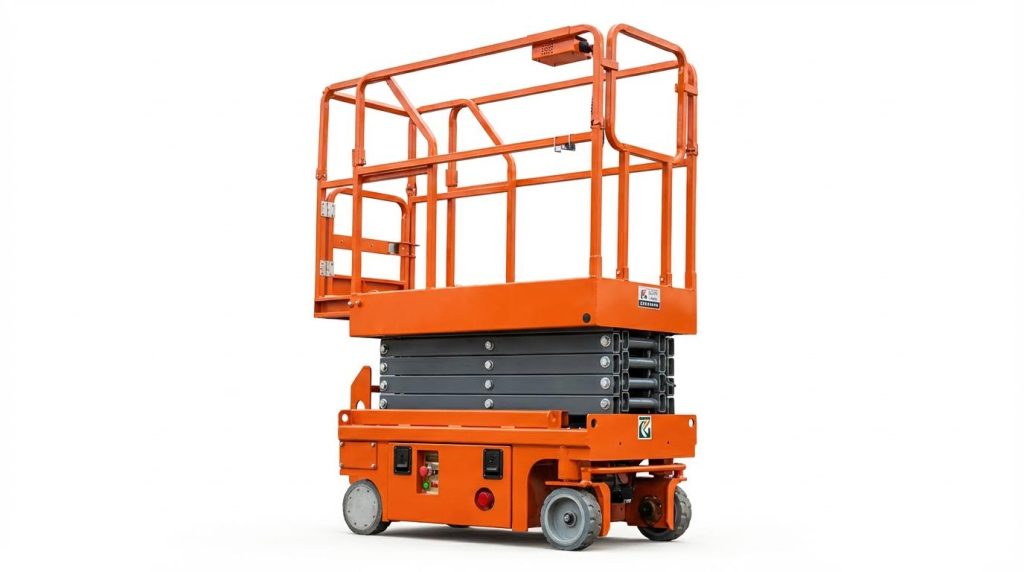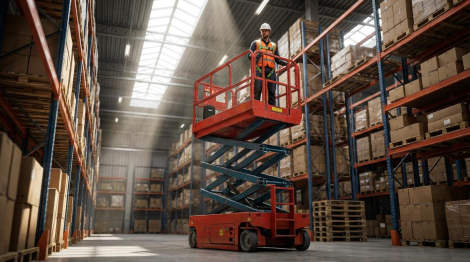
Understanding scissor platform capacity starts with one core question: how much can a scissor platform lift lift without compromising safety or equipment life? This article explains how manufacturers define rated load, how standards and safety factors work, and which engineering limits actually cap the weight on the platform. You will see how geometry, structure, hydraulics, and stability interact, and how to choose the right capacity for your job. By the end, you will know exactly how to read a spec sheet and decide how much weight is truly safe to lift in your application.
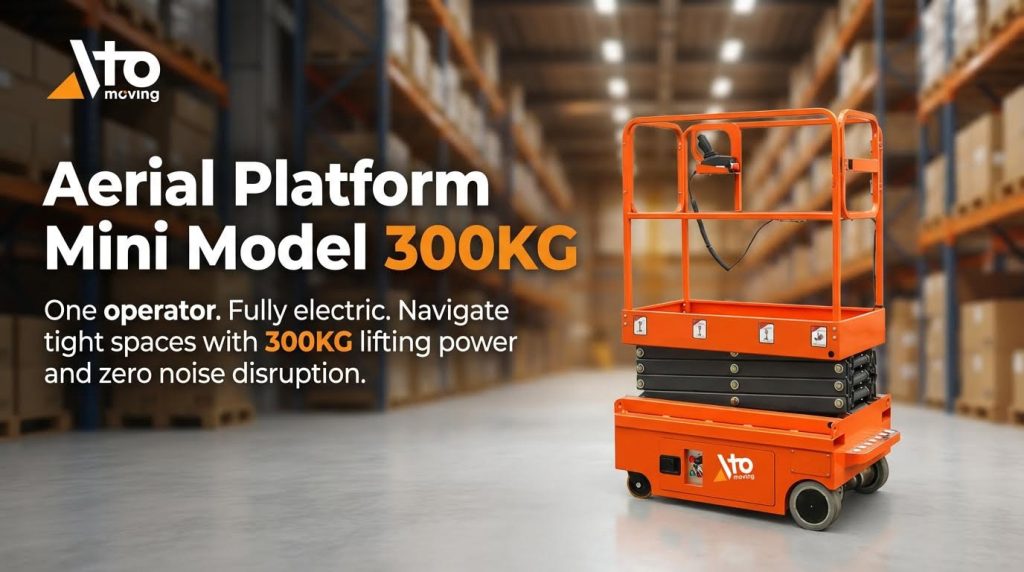
Understanding Scissor Lift Load Capacity
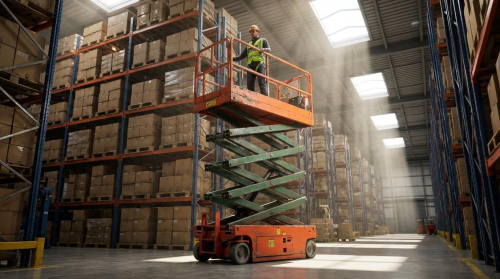
How Manufacturers Define Rated Capacity
When people ask how much can a scissor lift lift, they usually mean the platform’s rated capacity. Manufacturers define this rating as the maximum safe working load on the platform, including people, tools, and materials, under specified conditions. Internally, engineers start from the theoretical maximum load the structure and hydraulics can carry, based on the scissor arms, pins, platform, base, and actuator strength. They then apply geometry, material limits, and safety factors to reduce that theoretical value to a conservative, usable rating.
To determine the structural limit, designers analyze the scissor mechanism: crossed arms, pivot points, and actuator layout. The maximum load depends on arm length, pivot spacing, and the angle of the arms, which together define the mechanical advantage of the lift and how cylinder force is translated into lifting force. Component checks include:
- Scissor arms for bending and buckling.
- Pins and joints for shear and bearing stress.
- Hydraulic cylinder force and pressure ratings.
These checks use standard structural formulas with parameters such as modulus of elasticity (E), moment of inertia (I), and effective length factor (K) to ensure no component reaches yield or buckling under the design load. A safety factor is then applied, typically in the 1.5–3 range for industrial scissor mechanisms depending on the duty and environment. The final nameplate capacity is therefore lower than the absolute structural limit, but it gives a repeatable, safe answer to how much can a scissor lift lift in normal use.
Example of how specs relate to capacity
A typical industrial scissor table with a 48″ × 72″ platform and 96″ of vertical travel is rated for about 3,000 lb end load and 2,000 lb side load with a structural safety factor of at least 3:1. That means the structure was designed and tested to withstand significantly more than the posted rating before failure, but the user must still stay within the nameplate capacity.
Key Standards: OSHA, ANSI, And Safety Factors
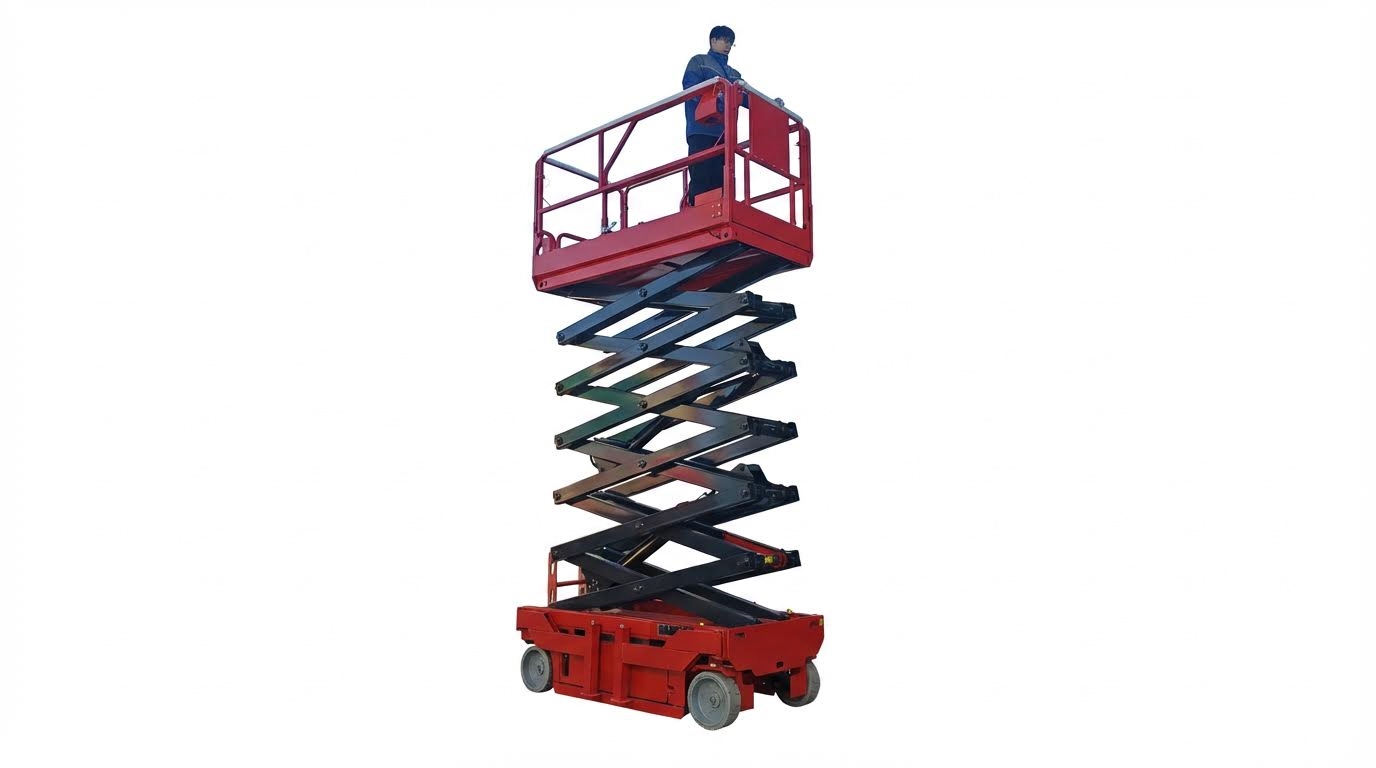
Regulations and standards define how manufacturers convert raw structural strength into a safe, labeled capacity. OSHA requires that aerial work platforms, including scissor lifts, be designed to support a minimum of four times their rated load under the applicable aerial work platform standard (29 CFR 1926.453). In simple terms, the structure must carry about four times the posted capacity without collapsing.
ANSI and ASME standards further refine what is considered a safe working load. One such guideline states that the safe working load should not exceed about 75% of the maximum load-carrying capacity determined by the manufacturer’s structural calculations and testing effectively building in a 25% margin between structural limit and working load. Some engineering approaches express this as a capacity factor C ≈ 0.75, so the allowable force F for a given weight W is F = W × 0.75 when converting structural capacity into safe working load.
Stability is as important as raw strength when answering how much can a scissor lift lift safely. Engineers evaluate overturning by comparing the load’s center of gravity to the platform length and the stabilizing forces. A stability factor S can be expressed as S = (W × CG) / (F × L) where W is weight, CG is center-of-gravity height or offset, F is stabilizing force, and L is platform length. Standards require that this stability margin remain above a minimum value under rated load, with the platform at maximum height and within its allowed slope rating. This is why nameplate capacity can drop for certain configurations or extensions, even when the basic structure is strong enough to carry more weight.
Engineering Factors That Limit Lift Capacity
Scissor Mechanism Geometry And Mechanical Advantage
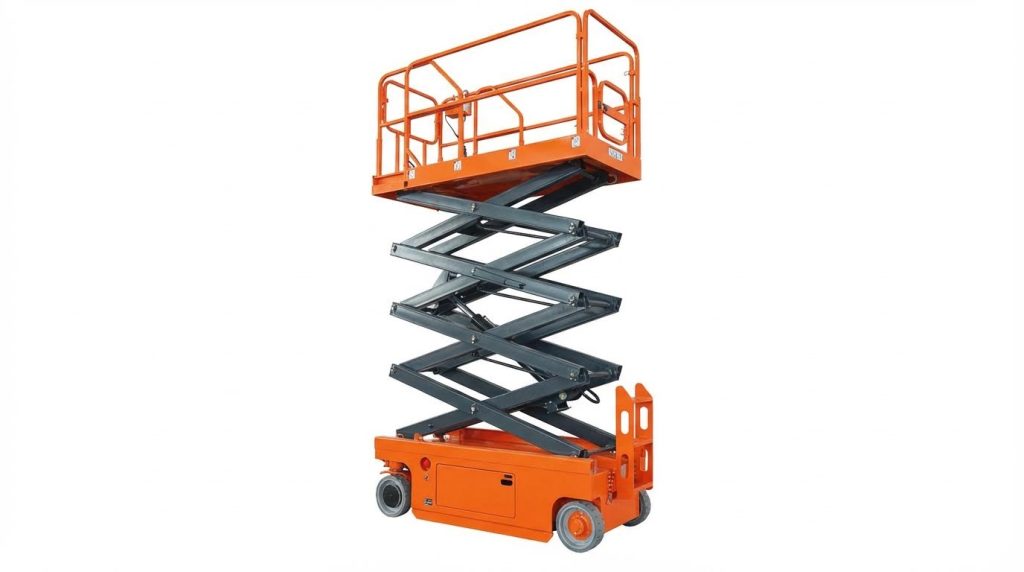
The geometry of the scissor mechanism is one of the main reasons there is a hard limit on how much can a scissor platform lift. A fixed scissor lift uses crossed bars in an “X” between a base, the platform, and an actuator such as a hydraulic cylinder that pushes the arms apart. As the platform rises and the arm angle changes, the mechanical advantage (MA) between cylinder force and platform load also changes. Near full extension, the arm angle becomes flatter, the MA drops, and the cylinder must generate much higher force for the same platform load, which is a key limiting condition.
Engineers describe this with parameters such as arm length L, the horizontal distance d from the base to the actuator, and the arm angle θ to the horizontal. At each position, these values define the MA and therefore the maximum safe load the cylinder can support without exceeding its pressure rating or structural limits through standard statics relationships. This is why a lift that can raise a heavy load at mid‑stroke may be derated or prohibited from lifting the same load at maximum height. Manufacturers factor in the worst‑case geometry when they publish a single rated capacity for the whole stroke.
Why geometry matters more at full height
At low height the arms are steep, so a small cylinder force creates a relatively large vertical reaction at the platform. As the arms approach horizontal, a small increase in platform load demands a very large increase in cylinder force, quickly reaching hydraulic and structural limits. This geometric effect is independent of material strength and must be considered first when determining how much can a scissor platform lift lift safely across its working range.
Structural Strength: Arms, Pins, Platform, And Base
The structural components set the next limit on how much can a aerial platform lift after geometry. The scissor arms must resist bending and buckling, while pins and joints must carry shear and bearing loads without permanent deformation. Designers check each arm for bending stress and column buckling using properties such as modulus of elasticity E, moment of inertia I, and an effective length factor K that depends on how the arm ends are restrained under real boundary conditions. Pins and joints are checked for shear and bearing stresses so that they do not wear or fail under repeated loading.
The platform and base frames must also be stiff enough to avoid twisting or local yielding under concentrated loads. Structural steel channels, solid legs, stiffeners, and robust pins are commonly used to improve rigidity and resist torsion and bending under end or side loading on typical industrial platforms. A representative unit with a 48″ x 72″ platform and 96″ travel is structurally rated for about 3,000 lb end load and 2,000 lb side load, showing how orientation of the load also limits capacity even when total weight is the same. To keep stresses within safe limits over the life of the lift, manufacturers typically apply structural safety factors around 3:1 between ultimate strength and rated load.
Key structural checks engineers perform
- Buckling of scissor arms under compression at maximum height.
- Bending of arms under uneven or offset loads.
- Shear and bearing in pins and joints at each pivot.
- Local bending and deflection of the platform deck and base frame.
These checks ensure the structure stays in the elastic range under the rated capacity, with additional margin for impact and fatigue.
Hydraulics, Stability, And Dynamic Load Effects
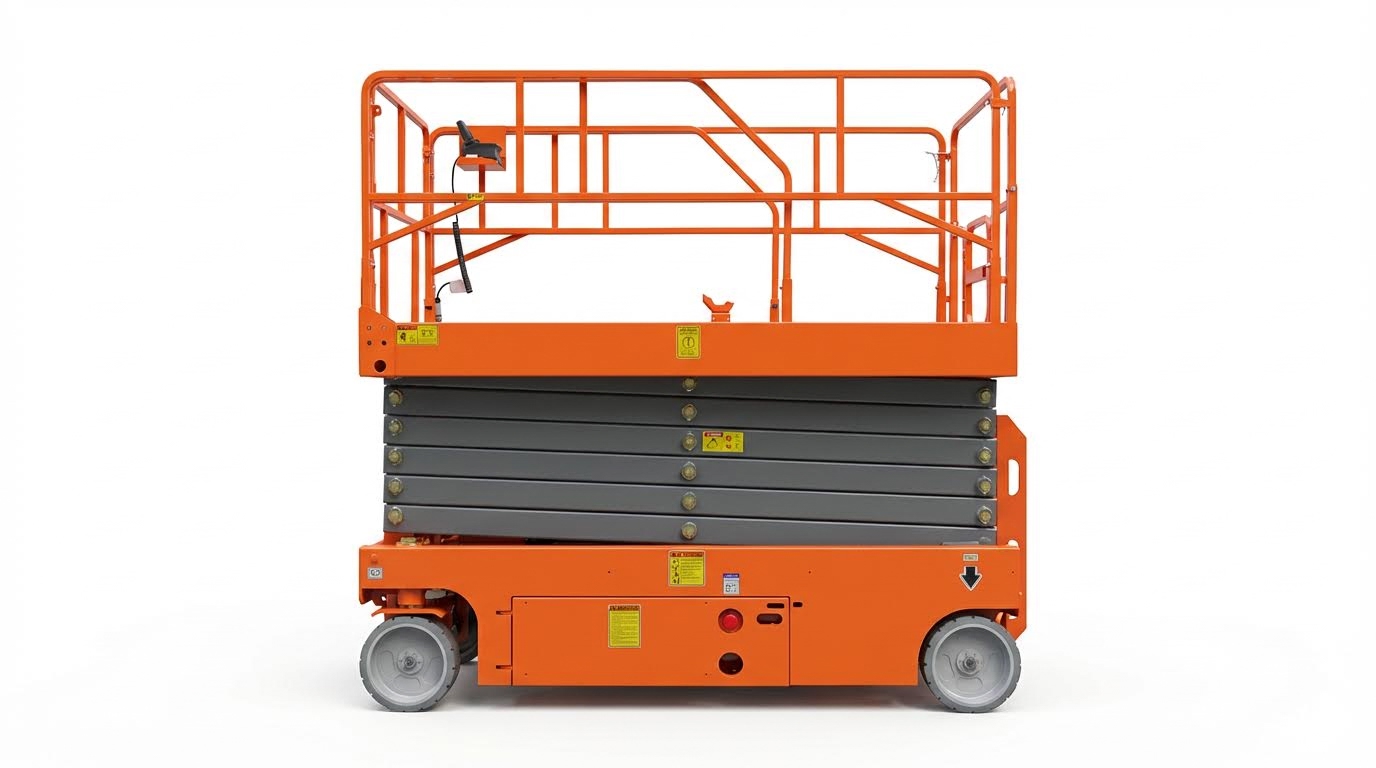
The hydraulic system and overall stability further control how much can a manual pallet jack lift in real use. The hydraulic cylinder must provide enough force at system pressure to raise the rated load at the worst‑case geometry, and its pressure rating must include a margin above that demand to prevent seal or tube failure. Components such as velocity fuses and robust hoses are often added so the platform stops safely if a hose fails or if there is a sudden loss of pressure in typical industrial hydraulic designs. These hydraulic limits interact with geometry, so the same cylinder may be well within capacity at low height but near its pressure limit at full elevation.
Stability and dynamic effects also reduce the theoretical static capacity. When the platform moves, stops suddenly, or when operators walk or materials shift, the lift experiences dynamic loads higher than the static weight. Regulations and standards therefore require that the structure support several times the rated capacity in test conditions and that the safe working load be limited to a fraction (often about 75%) of the maximum load the structure could theoretically carry under controlled conditions. By combining hydraulic sizing, stability analysis, and safety factors typically in the 1.5–3 range, manufacturers arrive at a conservative rated capacity that remains safe despite motion, uneven loading, and wear over time in normal service.
Examples of dynamic and stability limits
- Braking a descending platform can momentarily increase cylinder pressure above static levels.
- Wind or lateral forces can shift the combined center of gravity toward the platform edge, reducing the stability factor.
- Driving or moving a mobile lift while elevated amplifies side loads on arms and pins.
All of these are considered when converting theoretical maximum load into the lower, safer rated capacity printed on the lift’s data plate.
Choosing The Right Capacity For Your Application
Matching Platform Load, Height, And Duty Cycle
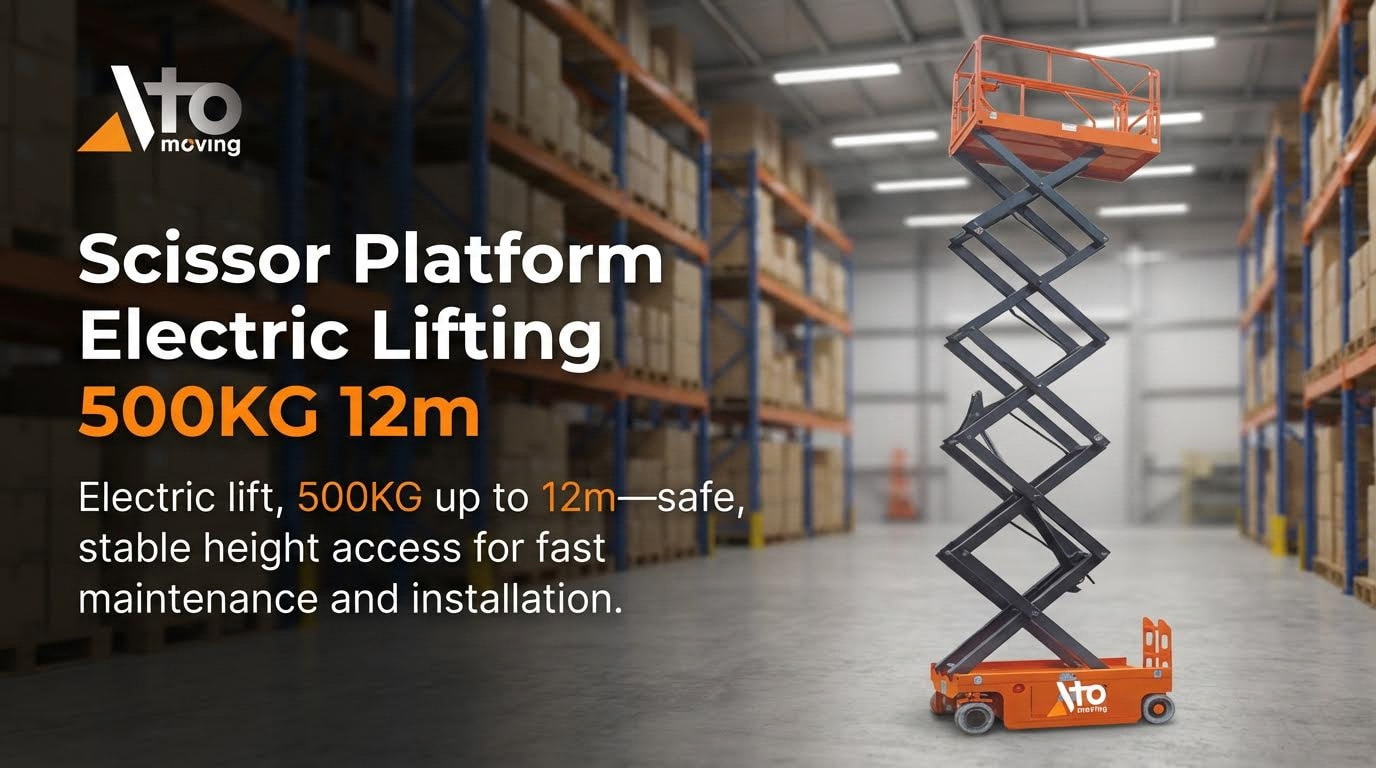
To decide how much can a scissor platform lift for your job, start from the platform load and work backwards from there. Add up the maximum number of people, tools, and materials you expect on the platform at one time. Then compare this to the rated capacity on the data plate, which already includes engineering safety margins based on structural strength and stability tests. Standards limited the safe working load to about 75% of the maximum structural capacity determined by the manufacturer to maintain an adequate safety factor under real conditions. Safe working load guidance
Height and duty cycle also limit how much weight is safe to lift. Many compact electric units carried roughly 230–750 kg, while larger or rough‑terrain models handled around 1,000 kg or more, with working heights from about 8 m up to roughly 18 m for electric and about 12 m or more for rough‑terrain machines. Typical capacity and height ranges As height increases, the scissor geometry reduces mechanical advantage and makes the system more sensitive to side loads and center‑of‑gravity shifts, so you must never exceed the rated platform load at any elevation.
Duty cycle is the final filter when choosing capacity. For continuous or high‑frequency lifting, select a model where your actual working load is well below the rated capacity, so structural members, pins, and hydraulic components do not run near their stress limits on every cycle. Engineering practice applied safety factors of roughly 1.5–3 or more between calculated maximum load and the published rating to cover dynamic effects, uneven loading, and wear. Typical safety factor ranges and component checks For intermittent maintenance work, operating closer to the rated limit might be acceptable, but for production use you should derate the lift in your internal procedures.
Electric Vs Rough-Terrain Scissor Lifts
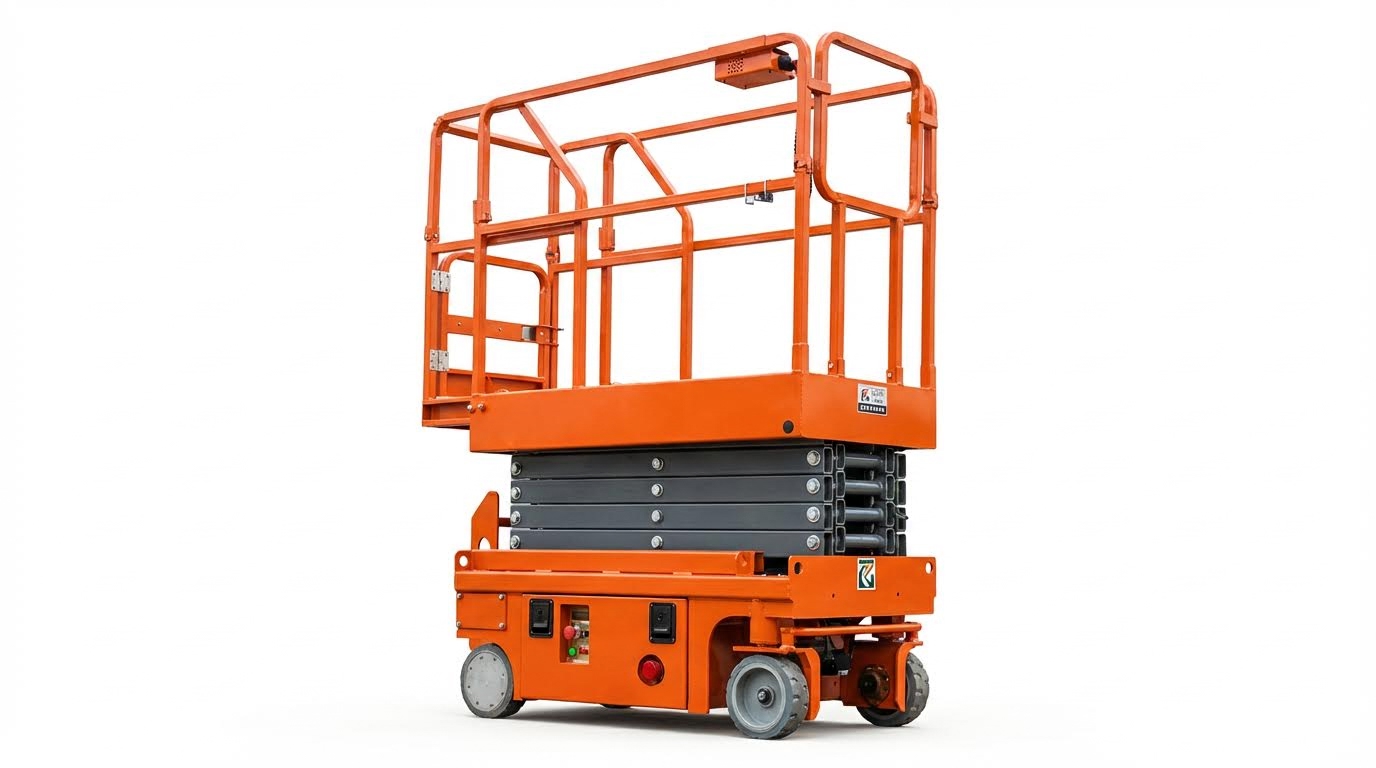
Electric and rough‑terrain scissor lifts answered different questions about how much can a scissor platform lift lift and where it can safely operate. Electric units typically offered lower to mid‑range capacities, around 230–750 kg, and working heights between about 7.8 m and 18 m, optimized for flat, finished floors and indoor environments. Electric scissor lift capacity and height Rough‑terrain lifts, by contrast, were designed to handle roughly 1,000 kg or more with heights around 10–12 m and above, using large tires, four‑wheel drive, and outriggers to manage uneven ground. Typical rough‑terrain performance
Power source and environment strongly influence the right choice. Electric scissor lifts used 24 V or 48 V battery systems, produced low noise around 65–75 dB, and emitted no exhaust, making them suitable for warehouses, factories, and indoor fit‑outs where air quality and noise limits mattered. Rough‑terrain lifts used diesel engines, operated at higher noise levels near 85–95 dB, and managed grades up to about 40%, which suited outdoor construction sites and uneven yards. Power, slope, and noise characteristics
Operating pattern and lifecycle cost are the final comparison points. Electric lifts typically ran 8–10 hours per charge and required battery checks every 30–60 days, with lower annual service costs in the hundreds of dollars range. Diesel rough‑terrain units ran about 8–12 hours per tank but needed oil and filter changes every 250–500 hours, which drove service costs into the low thousands per year. Typical runtime and maintenance intervals When specifying capacity, always combine these economic and environmental factors with the required load, height, terrain, and regulatory limits, and then stay within the manufacturer’s rated platform capacity under all conditions.
Final Thoughts On Specifying Safe Scissor Lift Loads
Safe scissor lift capacity is not just a single number on a data plate. It is the result of geometry, structure, hydraulics, and stability all working together with strict standards. Arm angle and mechanical advantage set the first limit, especially at full height. Structural checks on arms, pins, platform, and base then cap how much weight the lift can carry without permanent damage or fatigue.
Hydraulic sizing and stability analysis add further limits under motion, braking, wind, and shifting loads. OSHA, ANSI, and related standards force extra safety margin between theoretical strength and the posted rating. That is why you must always treat the nameplate capacity as an absolute ceiling, not a guideline.
For engineering and operations teams, the best practice is clear. Start from the real platform load, required height, terrain, and duty cycle. Select a lift where your typical load sits well below the rated capacity, especially for production use. Match indoor or outdoor conditions to the right electric or rough‑terrain design, such as the ranges offered by Atomoving. Then lock those limits into site rules, training, and pre‑use checks so operators never exceed the engineered capacity under any condition.
Frequently Asked Questions
How much weight can a scissor lift carry?
A scissor lift’s load capacity depends on its size and type. For example, smaller electric models like a 19-foot lift can typically handle around 500 kg, while larger diesel lifts may support up to 1,500 kg at heights of 25 meters or more. Always check the manufacturer’s specifications for precise details. Scissor Lift Types.
What happens if a scissor lift is overloaded?
Overloading a scissor lift can lead to serious issues such as damage to components like cables, pulleys, motors, and braking systems. In extreme cases, it could cause catastrophic failures. To ensure safety, never exceed the recommended weight limit. Lift Weight Safety.