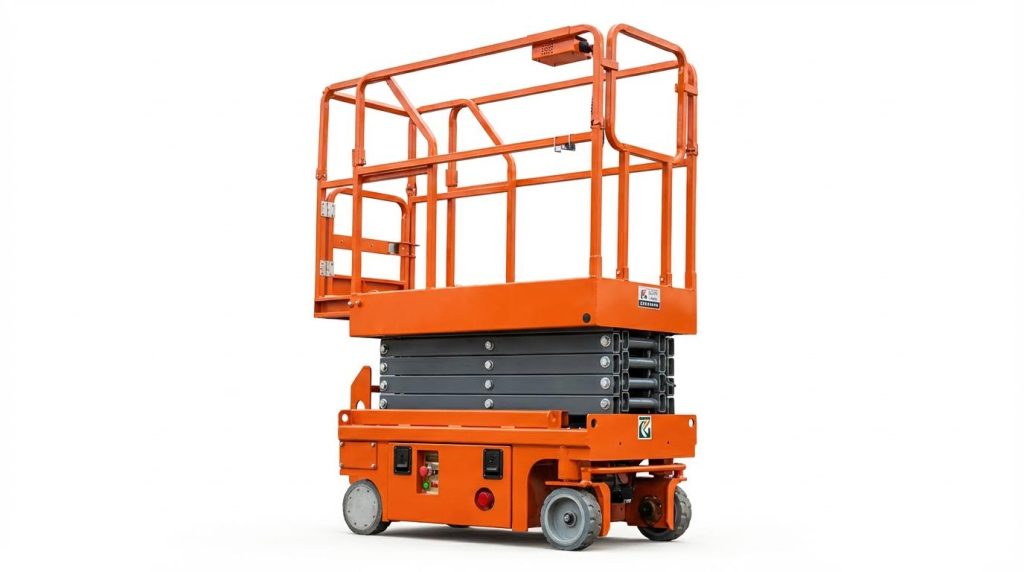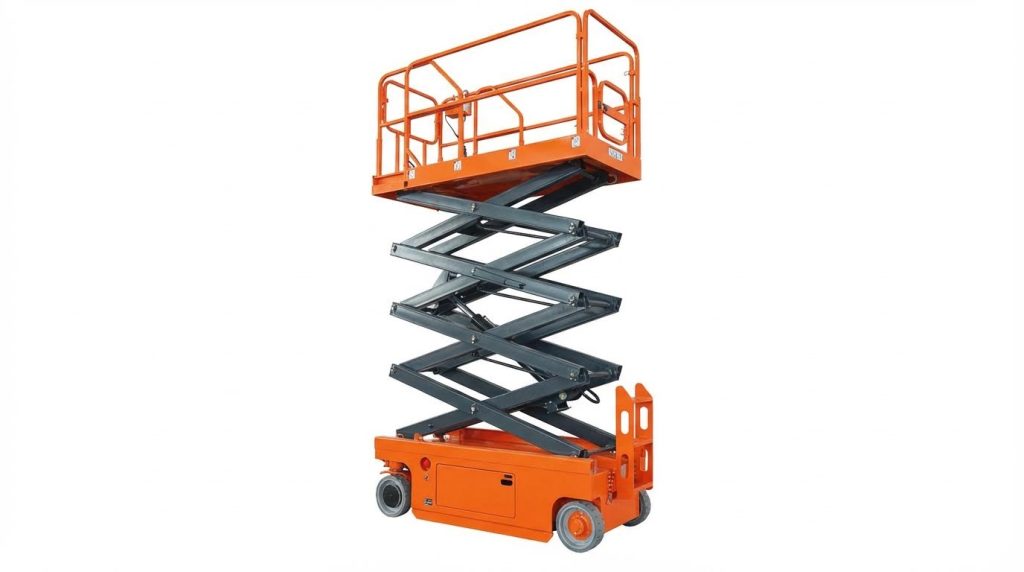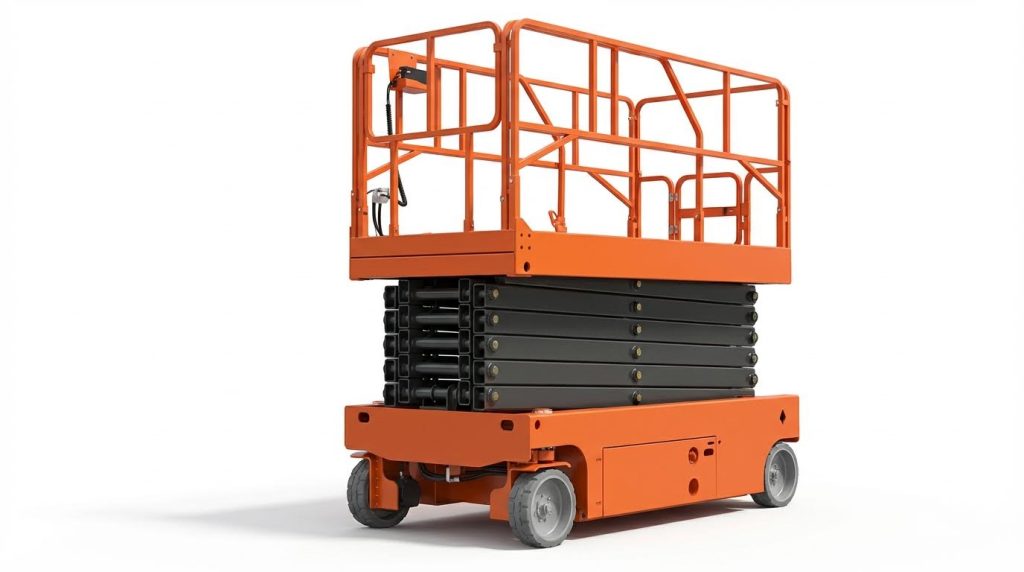
Scissor lift harness rules are not the same everywhere, and they are not the same as boom lift rules. This guide explains when guardrails are enough, when a full-body harness is required, and how different authorities answer the question “do you need a harness on scissor platform” in real-world jobs. You will see how OSHA, HSE, CSA and EU approaches compare, and how engineering factors like wind, travel and anchor design drive safe policies. Use it to align your site rules, toolbox talks and operator training with current global best practice.
When Is A Harness Required On Scissor Lifts?
How guardrails and MEWP group classification work
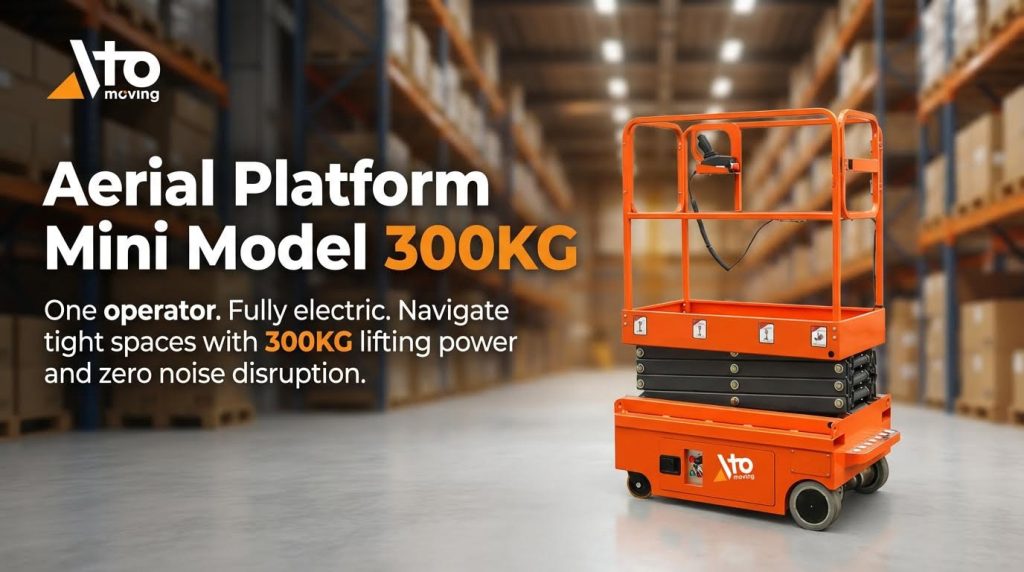
For most scissor platform, the primary fall protection is the guardrail system around the platform. OSHA required guardrails on scissor lifts under 29 CFR 1926.451(g) and 1910.29(b), and operators must verify that the guardrails are present and intact before use. OSHA guidance for scissor lifts Group A MEWPs, which include slab and rough-terrain scissor lifts, are designed so the platform stays broadly within the tipping lines of the chassis, and their fixed guardrails are treated as the main control for fall risk. Group A MEWP classification and fall protection
In practice, this means the answer to “do you need a harness on scissor lift” often depends on whether the guardrail system is doing its job. If guardrails are damaged, missing, or a task would cause a worker to lean or climb outside the rail envelope, then a full-body harness with a suitable anchor becomes necessary as secondary protection. OSHA notes that workers must stand only on the platform, never on guardrails In contrast, Group B MEWPs (boom-supported platforms) always require secondary PFPE because the platform can move well outside the base footprint, increasing catapult and ejection risk. Group B MEWP secondary fall protection requirements
Key differences between Group A and Group B MEWPs
- Group A (e.g., scissor lifts): Vertical lifting, platform stays inside tipping lines, guardrails are primary fall protection.
- Group B (e.g., boom lifts):
Platform can extend beyond the base, higher risk of ejection, full-body harness and lanyard always required. - Manufacturers may still provide anchor points on Group A platforms for restraint where site rules demand harness use.
OSHA vs HSE vs other authorities on harness use
OSHA treated scissor lifts as mobile scaffolds, so the baseline rule in the U.S. is that guardrails provide the required fall protection; a harness is not automatically mandated if guardrails are in place and used correctly. OSHA scissor lift fall protection guidance Separate OSHA and ANSI/SAIA A92 rules explicitly require full-body harnesses with lanyards on boom-type aerial lifts, with fall distance typically limited to about 6 ft in arrest systems. U.S. boom lift harness requirements Some U.S. state programs have clarified this further: one state safety division stated that self-propelled elevating work platforms (scissor lifts) do not require harnesses unless the employer or manufacturer specifies them, and that guardrails remain the primary system for these machines. State clarification on scissor lift harness rules
In the UK, HSE guidance for MEWPs focused on risk assessment rather than a blanket rule, but the logic is similar: for Group A platforms like scissor lifts, guardrails normally control the fall hazard, while PFPE is added where there is a credible risk of ejection or overreaching. Many European and Canadian standards also distinguish between Group A and Group B MEWPs, with fall protection always required for boom-supported platforms and left to a combination of risk assessment, manufacturer instructions and employer policy for scissor lifts. Overview of North American MEWP fall protection practices As a result, when supervisors ask “do you need a harness on scissor lift” in different regions, the consistent technical answer is: guardrails are the default protection, and a harness becomes mandatory where regulations, manufacturer instructions, or site-specific risk assessments identify a realistic chance of ejection, leaning out, or working with compromised guardrails.
Comparing OSHA, HSE, CSA And EU Rules
OSHA and ANSI/SAIA A92 requirements for scissor lifts
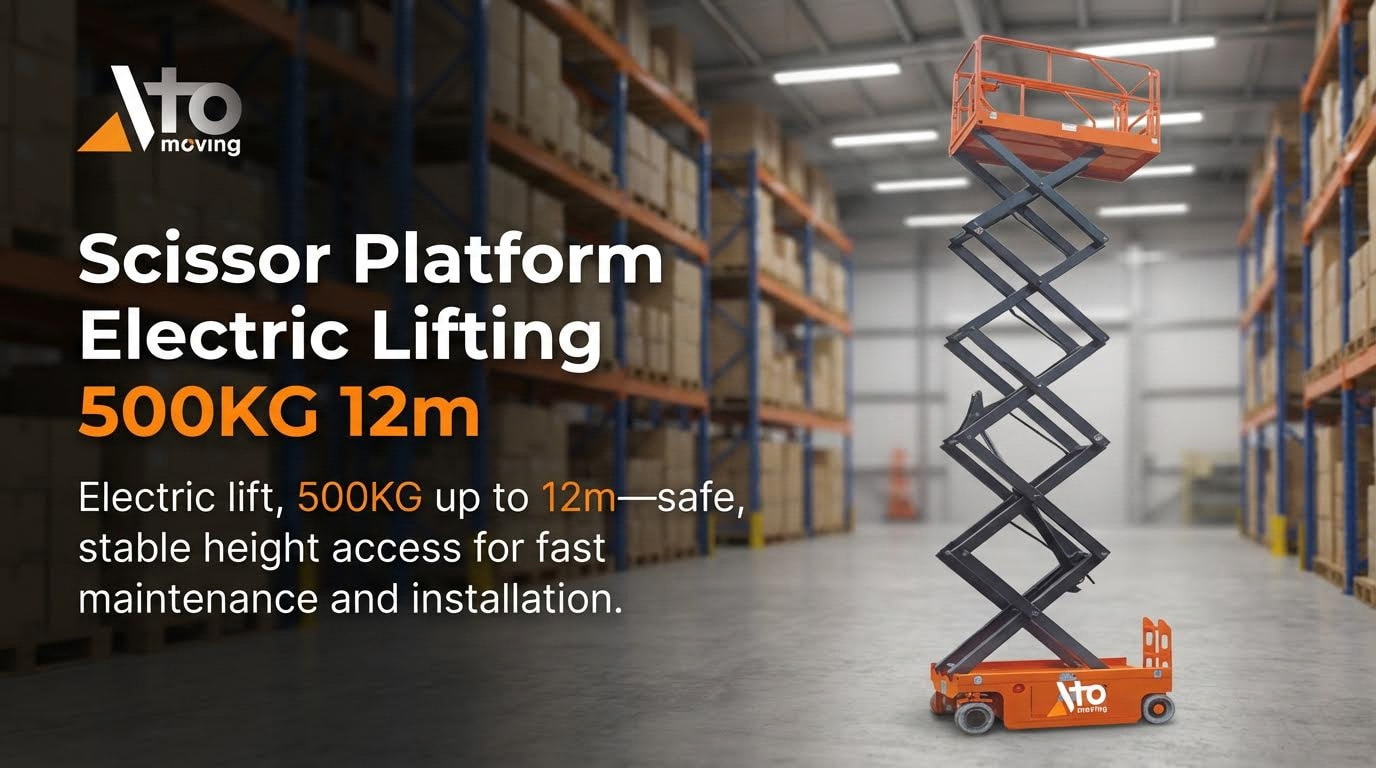
Under OSHA, scissor platform lifts are treated as mobile scaffolds, so the primary fall protection is a complete guardrail system around the platform. Guardrails must meet scaffold requirements in 29 CFR 1926.451(g) and 1910.29(b), including correct top-rail height and mid-rails to prevent falls. OSHA guidance states that workers must stand only on the platform, not on rails, and that damaged or missing guardrails must be repaired before use. In the context of “do you need a harness on scissor lift”, OSHA allows guardrails alone to be sufficient unless the manufacturer, employer, or site rules require personal fall protection.
- For Group A MEWPs (which include most scissor lifts), ANSI/SAIA A92 designates the guardrail system as the primary fall protection. Secondary PFPE (harness and lanyard) is optional unless specified by other rules. Group A MEWP guidance confirms that personal fall protection is not automatically required for scissor lifts.
- Where a worker must lean out, or where guardrails are compromised, OSHA’s fall protection principles trigger the use of a full-body harness with a suitable anchor. OSHA scissor lift safety guidance highlights that guardrails must be in place and used correctly to remain the primary control.
- For boom-supported MEWPs (Group B), OSHA and ANSI/SAIA A92 are stricter: occupants must wear a full-body harness with lanyard or SRL, typically limiting free fall to 6 ft or less. ANSI A92 and OSHA references clarify this distinction.
Practically, in the US the answer to “do you need a harness on scissor lift” is: not by default under OSHA, as long as guardrails are intact and you follow manufacturer instructions; but many employers adopt stricter internal rules.
HSE and UK guidance on PFPE in MEWPs
In the UK, the HSE treats MEWPs under the Work at Height Regulations and industry guidance, with a risk-based approach to PFPE. For vertical MEWPs and scissor lifts (similar to Group A), the starting point is that the guardrails provide collective fall protection, so a harness is not automatically required. However, HSE guidance expects dutyholders to assess factors like platform movement, trapping risks, and the likelihood of ejection when deciding “do you need a harness on scissor lift” for a given task.
- Where there is significant risk of being catapulted or ejected (for example, rough-terrain travel, uneven ground, or collision risks), HSE and UK best practice often recommend a restraint lanyard attached to a suitable anchorage point, even on scissor lifts.
- For boom-type MEWPs, UK practice aligns with North American standards: operators normally wear a full-body harness with a short restraint lanyard to keep them inside the platform envelope.
- UK guidance also places strong emphasis on training, inspection, and ground conditions, mirroring OSHA’s focus on firm, level surfaces and correct stabilization. Comparable OSHA guidance on level surfaces and stability shows similar engineering reasoning, even though the legal frameworks differ.
So under HSE-style risk assessment, you often do not need a harness on a scissor lift used indoors on flat slabs with low travel speed, but PFPE becomes advisable as soon as dynamic or environmental risks increase.
CSA, EU and manufacturer instructions compared
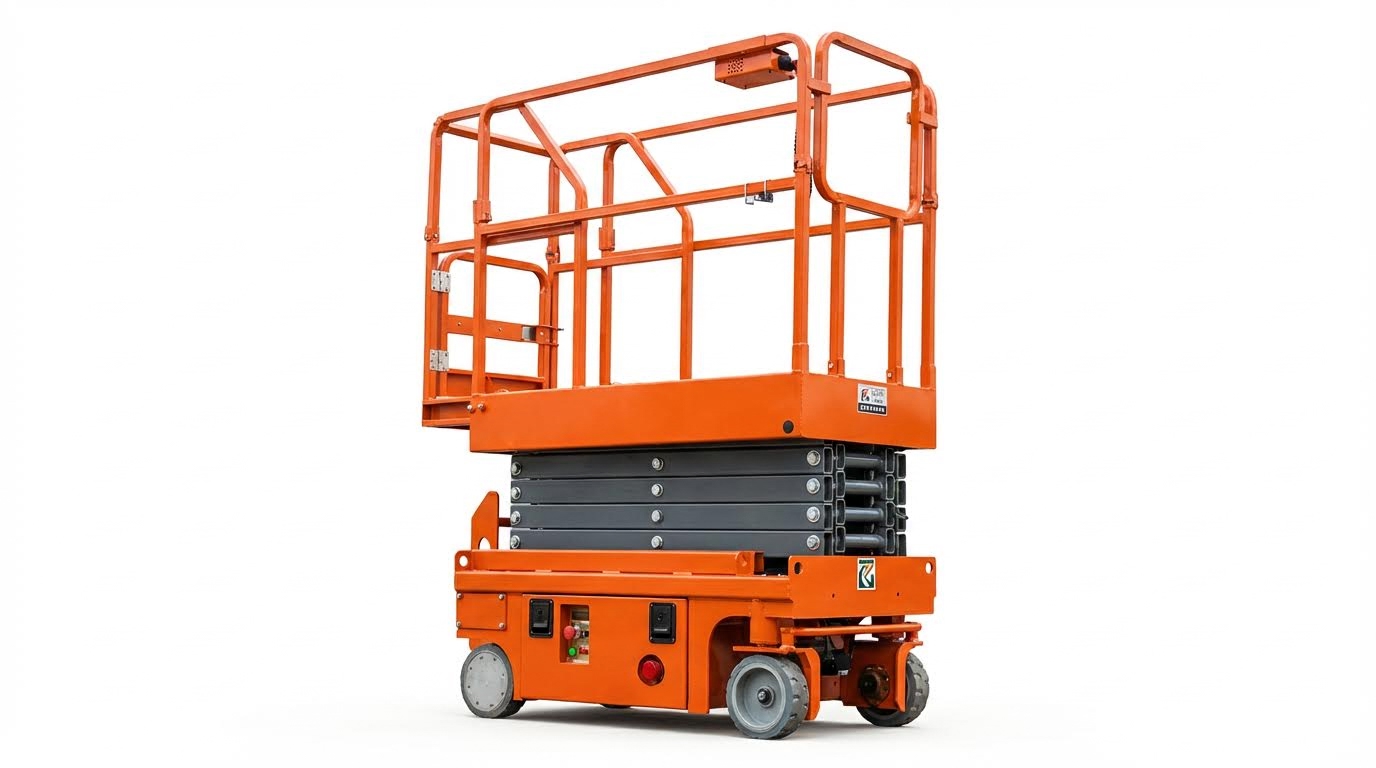
Canadian CSA B354 standards and EU practice both follow the MEWP group concept and rely heavily on manufacturer instructions to answer “do you need a harness on scissor lift” in specific cases. For Group A / vertical MEWPs, including most scissor lifts, the guardrail system is the primary fall protection, and additional PFPE is not automatically mandated. Guidance on Group A guardrails as primary protection reflects this approach in North America, and the same logic is widely applied in Europe.
- CSA criteria for anchorage points require them to withstand static loads of about 5,000 lb (2273 kg) per user, matching OSHA 1926.502(d)(15). MEWP anchorage design criteria show that each point is intended for one person only, which directly limits how many harnessed users a platform can safely support.
- Some scissor lifts are labeled for fall restraint only, with a maximum lanyard length such as 30 in (76 cm). In those cases, fall arrest systems are not authorized, and PFPE must be used strictly as restraint. Manufacturer decals and instructions define how lanyards can be used.
- EU and CSA frameworks both give legal weight to the operator’s manual. If the manual states that PFPE is required in certain modes (for example, when driving elevated outdoors), that instruction effectively answers the harness question for that machine, regardless of the minimum legal baseline.
Across OSHA, HSE, CSA and EU practice, the consistent pattern is: guardrails are the baseline on scissor lifts, but the final decision on whether you need a harness on a scissor lift depends on risk assessment, MEWP group classification, and the specific manufacturer instructions for that model.
Engineering Criteria For Harness Policies On Scissor Lifts
Risk factors: wind, travel, reach and platform motion
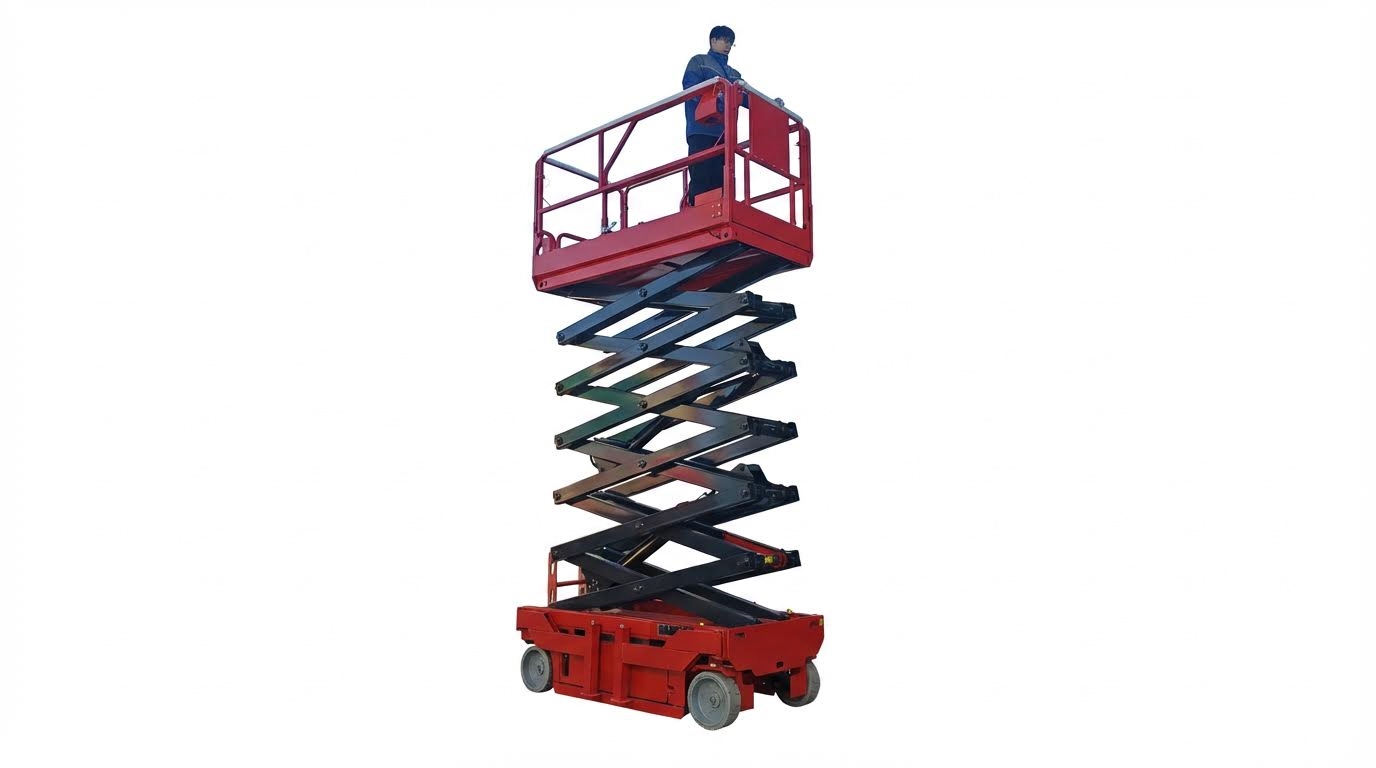
From an engineering standpoint, the answer to “do you need a harness on scissor lift” depends on how likely it is that a person could be ejected or forced outside the guardrail envelope. Guardrails are the primary fall protection on Group A MEWPs such as scissor platform, and they are acceptable when they are intact and used correctly guardrails serve as the primary fall protection. However, several operating conditions increase the risk of ejection, and those are where a harness and restraint system become an engineering control worth adopting.
- Wind and weather: Outdoor work should stop or be reassessed as wind approaches about 28 mph, because side loads and gusts can destabilize the lift and the people on it OSHA notes 28 mph as a limit for safe operation. Even below that, gusty or turbulent wind, large panel handling, or working at maximum height can justify a harness in restraint to prevent a worker being pushed against or over the rails.
- Travel and dynamic motion: Traveling the lift while elevated creates acceleration, deceleration, and potential impact with floor irregularities or obstacles. A sudden stop or wheel drop into a hole can generate enough inertial force to lift a worker’s feet and throw them toward the guardrail. Engineering-based policies often require a harness and short restraint lanyard when travelling elevated, especially on uneven or partially cluttered surfaces OSHA stresses firm, level surfaces free from holes or debris.
- Reach and work position: If tasks encourage leaning, overreaching, or handling large components outside the footprint, the risk of climbing the rails or losing balance increases. Where work cannot be re‑planned to keep the user’s center of gravity well inside the guardrail, adding a harness in restraint can keep the body inside the platform envelope even if they slip or are pulled off balance workers should only stand on the platform and never on the guardrails.
- Platform height and load: Higher platforms amplify sway and the effect of any sudden movement, and higher centers of gravity from heavy tools or materials increase overturning risk. Keeping within the manufacturer’s rated capacity is essential, as overloading raises instability and the probability of a tipping or bounce event that could eject an occupant OSHA requires adherence to the manufacturer’s load rating. In borderline loading or maximum-height conditions, a conservative policy may require restraint harnesses even though standards do not mandate them.
How this ties back to policy
When safety teams write internal rules around “do you need a harness on scissor lift,” they can score jobs against these risk factors: wind exposure, need to travel elevated, degree of reach, and platform height/load. Jobs with multiple high-risk factors justify mandatory harness-and-restraint, even where regulations only require guardrails.
Anchor points, lanyard type and fall distance limits
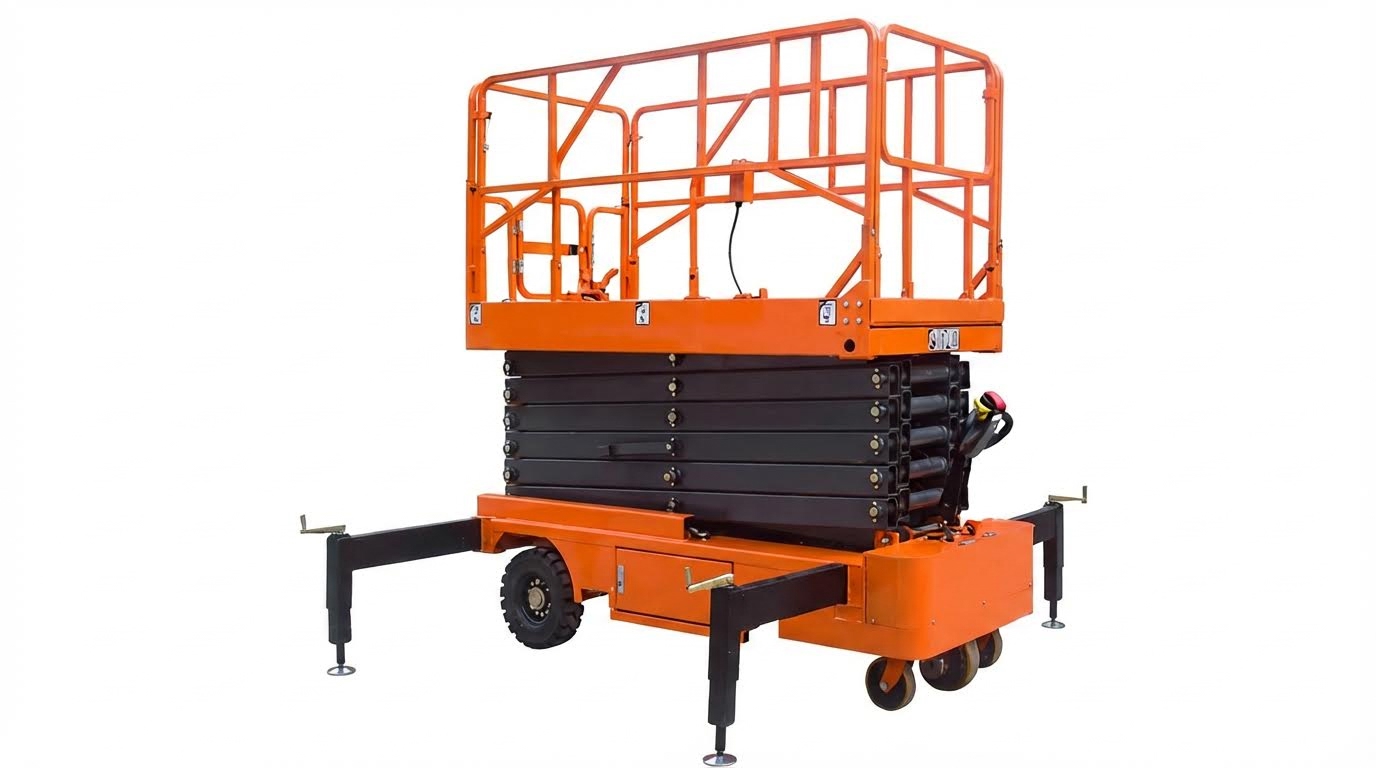
Once a site decides that a harness is needed on a scissor platform lift for certain tasks, the next engineering question is how to configure the system so it actually reduces risk instead of introducing new hazards. Any anchor point used must be designed and rated for personal fall protection, typically to withstand around 5,000 lb (about 2,273 kg) of static load per user, in line with common MEWP anchorage criteria anchorage points are designed to meet or exceed a 5,000-lb static pull test. Each person should connect to a dedicated point; sharing an anchor can overload it during a dynamic event.
| Design choice | Typical engineering intent | Key limits/notes |
|---|---|---|
| Restraint vs. arrest | Restraint is preferred on scissor lifts to keep the user inside the guardrails. | Fall arrest is rarely appropriate because there is not enough fall distance inside the scissor stack. |
| Lanyard length | Short, adjustable lanyards limit travel to inside rail line. | Some MEWPs specify maximum lanyard lengths (e.g., around 30 in) where only restraint, not arrest, is allowed machines may indicate a maximum lanyard length of 30 inches for restraint only. |
| SRL vs. fixed lanyard | SRLs manage slack and reduce trip hazards. | Must be approved for use in MEWPs and connected to rated anchors; not all platforms are designed for SRL dynamics. |
For boom lifts, fall arrest systems are engineered to limit free fall and total fall distance to about 6 ft or less, accounting for lanyard stretch and deceleration device deployment standards require harness systems that limit falls to 6 feet or less. On scissor lifts, there is usually not enough clearance between the platform and lower structure to safely deploy a full fall-arrest system, which is why engineers and regulators treat guardrails as the primary protection and recommend harnesses mainly in a restraint configuration. Any PFPE used should comply with recognized harness and lanyard standards and be inspected regularly, because worn webbing or damaged hardware can fail well below rated loads fall protection equipment must meet relevant standards and undergo regular inspections.
Practical setup guidance
For most “do you need a harness on scissor lift” scenarios, a sound engineering configuration is: a full-body harness, a short adjustable restraint lanyard (often under about 1 m effective reach), and connection only to manufacturer-approved anchor points. The lanyard should be adjusted so the user can work all intended positions but cannot reach beyond the inside face of the top guardrail.
Practical Takeaways For Site Policies And Compliance
Across OSHA, HSE, CSA and EU rules, the core message is consistent. On scissor lifts, intact guardrails are the primary fall protection. A harness is not a default legal requirement, but it becomes a smart engineering control when real ejection risk exists.
Wind, elevated travel, overreaching, maximum height and high platform loads all increase that risk. When two or more of these factors appear together, site rules should usually move from “guardrails only” to “guardrails plus restraint harness.” Policies must also respect MEWP group classification. Group B platforms always need PFPE, while Group A scissor lifts rely on guardrails unless risk assessment or the manual says otherwise.
Once you decide that a harness is needed, the system must match the machine. Use only manufacturer-rated anchor points, one user per point. Favour restraint, not arrest, with short adjustable lanyards that keep workers inside the rail line.
The best practice for operations and engineering teams is clear. Build a simple decision matrix around environment, motion, reach and height. Lock it into site rules, training, and equipment selection, including Atomoving platforms. This approach keeps compliance aligned with global standards and, more importantly, keeps people inside the platform and out of the fall zone.
Frequently Asked Questions
Do You Need a Harness on a Scissor Lift?
In most cases, wearing a harness on a scissor lift is not mandatory unless specific site rules or equipment requirements dictate otherwise. According to industry guidelines, some scissor lifts may not be suitable for fall-arrest systems. Always refer to the operator’s manual for guidance. Scissor Lift Safety FAQ.
What Are the General Safety Requirements for Scissor Lifts?
While harnesses are not universally required, safety standards like OSHA and ANSI recommend evaluating the job site and equipment. For example, if the scissor lift does not have guardrails or has a maximum lanyard length exceeding 30 inches (76 cm), additional fall protection may be necessary. Always follow manufacturer recommendations and site-specific safety protocols. IPAF Fall Protection Guide.