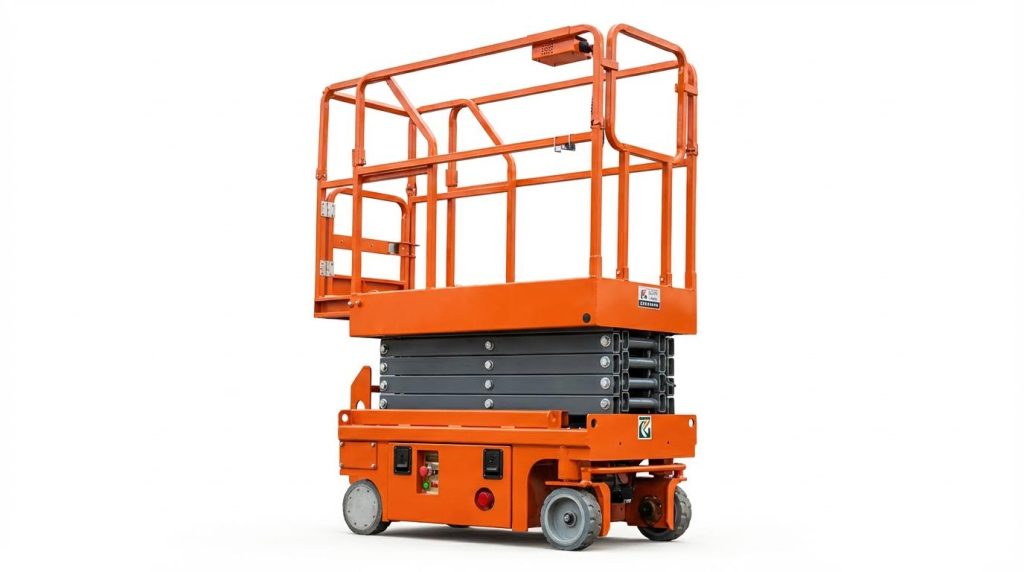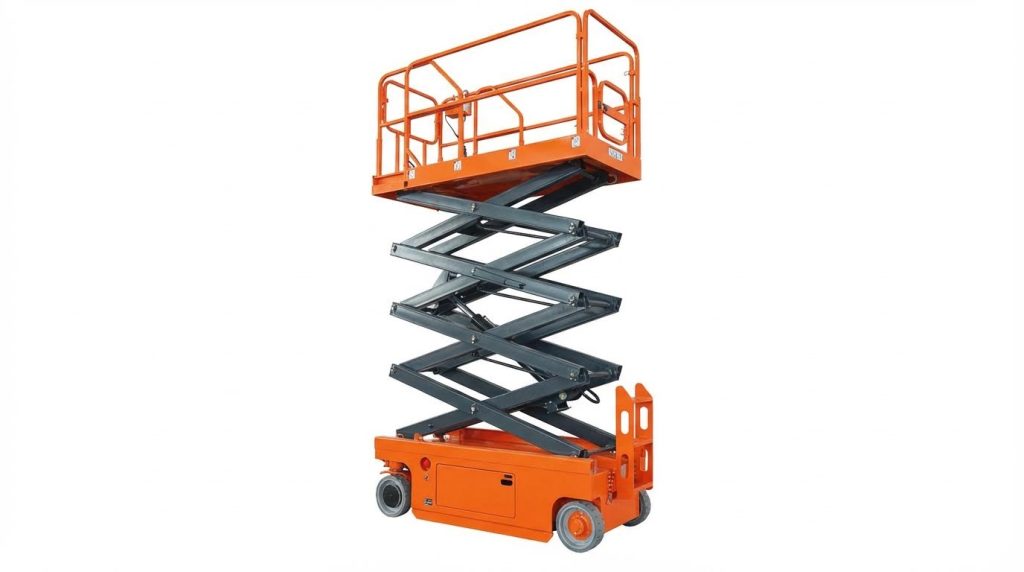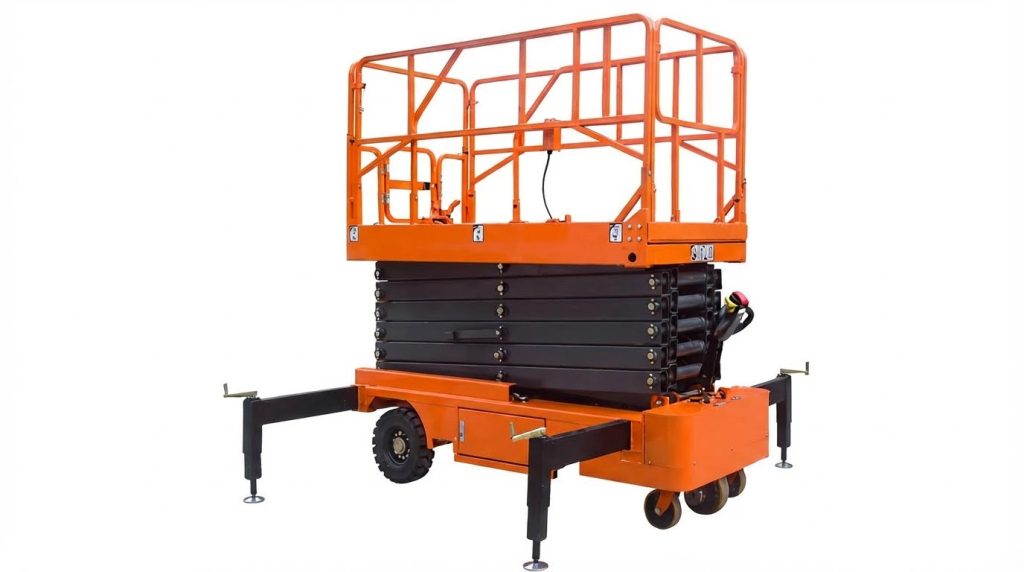
Scissor lifts supported work at height in construction, maintenance, and industrial facilities, from low-level indoor access to rough-terrain outdoor jobs. Engineers and fleet managers evaluated core parameters such as platform height, working height, load capacity, and reach envelope to match machines to tasks. Manufacturers like Haulotte, Genie, Skyjack, and JLG developed distinct classes from compact 6 m indoor slab units to 21 m rough-terrain lifts with 750 kg capacities. This article examined how these height ranges, engineering limits, and emerging monitoring technologies influenced safe, cost-effective selection and operation across the full scissor platform lift lifecycle.
Core Height, Reach, And Capacity Parameters
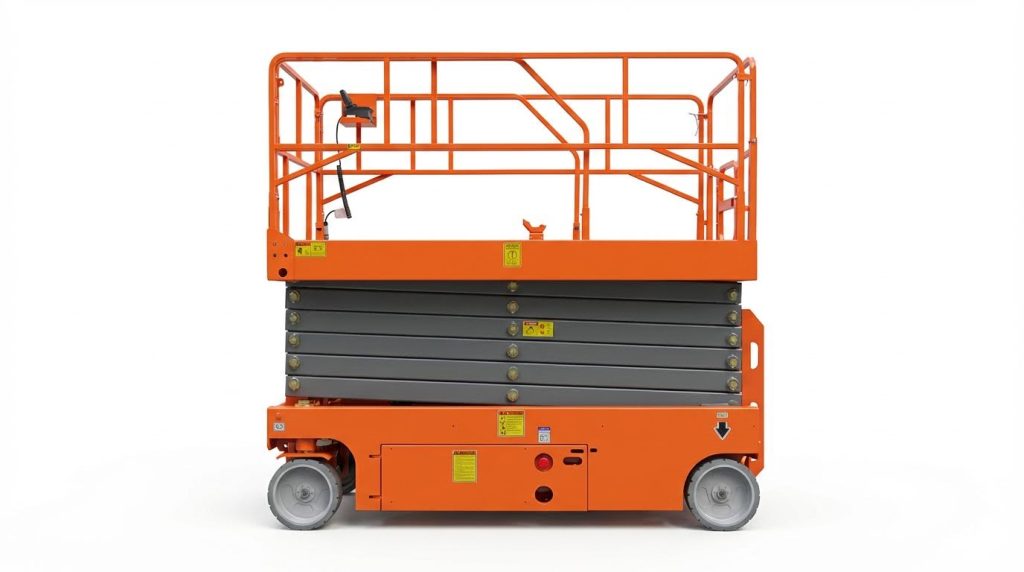
Core parameters for scissor lifts defined safe reach and productivity on site. Engineers treated platform height, working height, rated load, and working envelope as linked constraints. Manufacturers validated these values through testing and certification before market release. Understanding these limits allowed specifiers to match machines precisely to task requirements.
Platform Height Vs. Working Height Definitions
Platform height described the vertical distance from ground to platform floor at full elevation. Working height added an assumed operator reach, typically 2.0 m, above the platform floor. For example, a platform height near 3.9 m on a Genie GS-1330m translated to a working height near 5.9 m. Haulotte models followed the same convention, with the Compact 8N providing 8 m working height from a lower platform height. Engineers always used platform height for clearance calculations and working height for task feasibility checks. Spec sheets clearly separated these values to avoid confusion in risk assessments.
Rated Load, Side Load, And Dynamic Effects
Rated load defined the maximum allowable mass on the platform, including personnel, tools, and materials. Manufacturers specified this in kilograms, such as 230–750 kg for Haulotte ranges or 227 kg for compact Genie units. Standards and manuals prohibited exceeding this value or concentrating load at the platform edge. Side loads, such as pushing against walls or handling duct runs, created overturning moments not reflected in simple vertical capacity figures. Dynamic effects from driving elevated, wind, or abrupt joystick inputs increased effective load on structure and stability systems. Engineers therefore limited travel speed at height and defined derated capacities for extension decks or rough-terrain use.
Platform Extensions And Reach Trade-Offs
Platform extensions increased horizontal reach and usable floor area without changing the base chassis footprint. Skyjack platforms, for example, used a manually operated 0.9 m extension deck, while Haulotte units integrated sliding extensions for extra workspace. These extensions shifted the center of gravity outward and increased bending loads in scissor arms and pins. Manufacturers often applied reduced capacity on the extended section, as seen where a Skyjack platform capacity dropped from 500 lb to 250 lb when the extension was in use. Engineers balanced deck length, extension travel, and guardrail design to maintain stability margins and comply with safety standards.
Indoor Slab Vs. Rough-Terrain Working Envelopes
Indoor slab scissor lifts operated on firm, level surfaces with tight turning radii and compact footprints. Electric slab models like Genie GS-1530 or Haulotte Compact 8N prioritized low emissions, low noise, and precise maneuvering in aisles or near finished surfaces. Their working envelopes assumed negligible ground slope and limited wind exposure, so stability calculations focused on vertical loading and small lateral forces. Rough-terrain scissor lifts, such as Genie GS-2669 or Haulotte HS18 E MAX, used larger tires, four-wheel drive, and stabilizers to handle uneven outdoor sites. Their working envelopes included higher gradeability, wind ratings, and wider platforms, but required strict limits on slope, ground bearing pressure, and load distribution. Specifiers selected between slab and rough-terrain classes based on surface conditions, height, and required platform area.
Typical Height Ranges By Scissor Lift Class
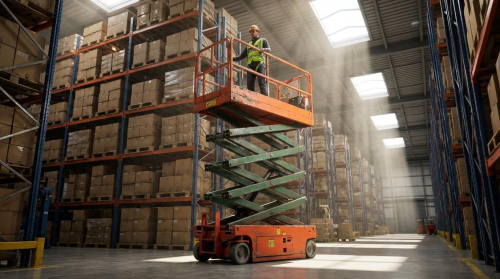
Scissor lift height ranges aligned with distinct application classes and site conditions. Engineers matched platform height, working height, and capacity to typical building geometries and task envelopes. Understanding these classes helped specifiers compare models across brands using consistent metrics.
Low-Level Access Lifts (Under 6 m Working Height)
Low-level access lifts served interior work below approximately 6 m working height. Typical platform heights ranged between 3 m and 4 m, giving working heights up to about 5.9 m. The Genie GS-1330m provided a 3.9 m platform height and a 5.9 m working height with a 227 kg capacity, which suited light maintenance, fit-out, and low-ceiling industrial tasks. These machines operated effectively on flat, finished floors and replaced ladders where repetitive access and tool handling increased fall risk. Engineers prioritized compact footprints, low overall weight, and tight turning radii for congested plant rooms, corridors, and offices.
Standard Electric Slab Lifts (6–14 m Working Height)
Standard electric slab scissor lifts covered typical indoor and light outdoor work between roughly 6 m and 14 m working height. Models such as the Haulotte Compact 8N, 10, 10N, and 14 spanned working heights from 8 m to 14 m with capacities between 250 kg and 450 kg. Genie slab units like the GS-1530, GS-1930, GS-2032, GS-2632, GS-3232, GS-2046, GS-2646, GS-3246, GS-4047, and GS-4655 addressed similar ranges, focusing on maneuverability in narrow aisles and low-emission operation for sound-sensitive buildings. Engineers used these lifts for electrical distribution, sprinkler installation, drywall, and ductwork along standard warehouse and commercial ceiling heights. Selection within this band balanced required reach, platform size, and load against aisle width, floor capacity, and indoor air-quality constraints.
High-Capacity Rough-Terrain Lifts (14–21+ m Range)
High-capacity rough-terrain scissor lifts operated in the 14 m to 21 m working height range and above. Haulotte HS18 E MAX and HS21 E PRO series delivered working heights of 18 m and 21 m with a consistent 750 kg capacity, enabling multiple workers plus heavy materials. These machines used four-wheel drive, stabilizers, and large tires to work on unfinished ground in structural steel erection, façade work, and large industrial projects. Genie rough-terrain models, including GS-2669, GS-3369, GS-4069, GS-3384 RT, GS-3390 RT, GS-4390 RT, and GS-5390 RT, emphasized traction, speed, and gradeability for large outdoor jobs requiring wide platforms. Engineers specified these units where mast or boom lifts lacked required deck area for tools, cladding panels, or mechanical assemblies.
Manufacturer Examples: Haulotte, Genie, Skyjack
Haulotte scissor lifts illustrated a progression from compact electric slab units to high-capacity rough-terrain platforms. Compact series machines, such as the Compact 8N, 10, 10N, 12 DX, and 14, covered 8 m to 14 m working heights with capacities from 250 kg to 450 kg and included stabilizers and platform extensions to tune the working envelope. HS18 E MAX and HS21 E PRO extended the range to 18 m and 21 m at 750 kg, providing heavy-duty outdoor capability. Genie’s portfolio spanned low-level GS-1330m through mid-height slab lifts up to models like GS-4047 and GS-4655, then into RT units optimized for rough terrain, traction, and gradeability. Skyjack scissor lifts typically targeted mid-range indoor and light outdoor tasks around 5.8 m to 6 m platform height, with 500 lb (approximately 227 kg) platform capacity and reduced capacity on extensions, illustrating how extension length influenced allowable load. Together, these manufacturers defined benchmark classes that engineers used when mapping project height and capacity requirements to specific machine types.
Engineering Factors Limiting Maximum Height
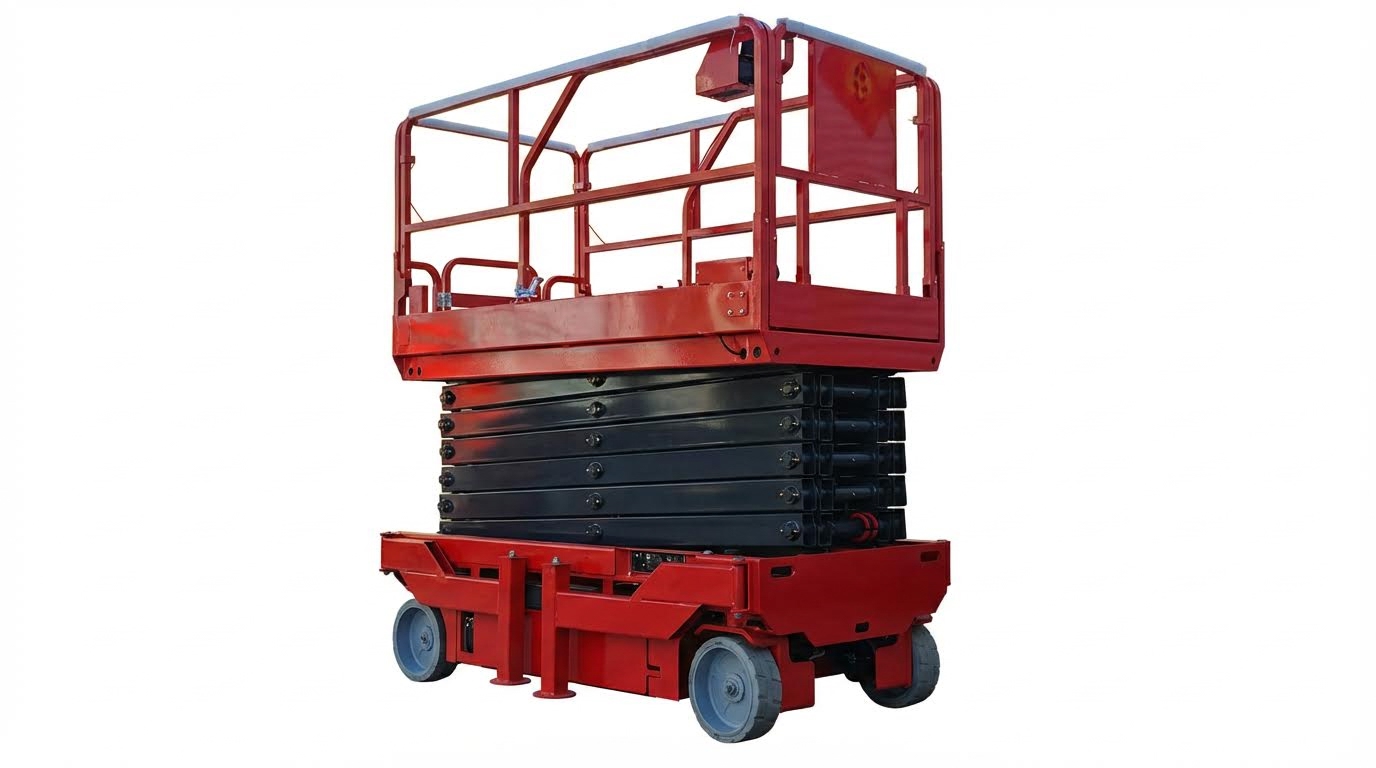
Engineering constraints defined the safe maximum height of every scissor lift. Designers balanced stability, structural strength, drive power, and maintenance requirements against target working envelopes. Modern machines integrated sensors and analytics, but fundamental physics still governed overturning, buckling, and fatigue. Understanding these limits helped specifiers choose realistic heights rather than chasing maximum reach figures alone.
Stability, Center Of Gravity, And Outriggers
Stability limits usually governed maximum working height before material strength did. As the platform rose, the combined center of gravity moved upward and often slightly off-center due to personnel and tools. Wind, side loading from tasks such as façade work, and minor ground slope all created overturning moments around the wheel line. Rough-terrain models used wider wheelbases, heavier chassis, and deployable stabilizers or outriggers to increase the support polygon and resist tipping. Manufacturers therefore specified operation on level, firm ground and prohibited driving at height on uneven surfaces, especially for rough-terrain units.
Structural Loads On Scissor Arms And Pins
Scissor arms, pins, and welds carried high compressive and shear loads that increased with height and platform capacity. The worst-case compressive force typically occurred near mid-stroke, where geometry generated the highest mechanical disadvantage. Engineers sized arm sections, pins, and bushings to resist buckling and fatigue under rated load, side load, and dynamic effects from starting, stopping, and platform movement. Regular inspections of arms, welds, rollers, and pivot pins, as referenced in maintenance guidelines, were essential to detect cracks, scoring, or deformation before structural failure. High-capacity models in the 750 kg range therefore used heavier sections, larger pins, and more robust cross-bracing, which limited how tall they could practically become.
Drive Systems, Energy Use, And Duty Cycles
Drive and lift systems also constrained maximum height because energy demand rose with stroke length, mass, and required duty cycle. Electric slab lifts relied on battery capacity and hydraulic or electric drive efficiency to deliver around 30 lift cycles per charge on older designs. High working heights with frequent repositioning demanded larger battery banks, higher-voltage systems, or more efficient architectures, such as all-electric drivetrains with energy recovery during lowering. Designers balanced platform height against machine weight, transport constraints, and acceptable recharge time. Duty-cycle assumptions in sizing motors, pumps, and cooling systems ensured that thermal limits were not exceeded during intensive operation on large jobsites.
Digital Twins, Monitoring, And Predictive Maintenance
Digital twins and advanced monitoring technologies started to extend safe operating envelopes without changing basic physics. Battery monitoring systems tracked state-of-charge, depth-of-discharge, and charge history to prevent performance loss that could otherwise reduce lift speed or stall platforms at height. Integrated self-diagnostics, sometimes accessible via mobile devices, allowed technicians to identify hydraulic leaks, sensor faults, or overload events before they compromised safety. Data-driven predictive maintenance on cylinders, pins, and structural welds reduced the probability of in-service failures that might limit permissible height or load ratings. Over time, these tools supported more aggressive but still compliant designs by giving manufacturers real-world feedback on how close fleets operated to their engineering limits.
Summary: Safe, Cost-Effective Height Selection And Use
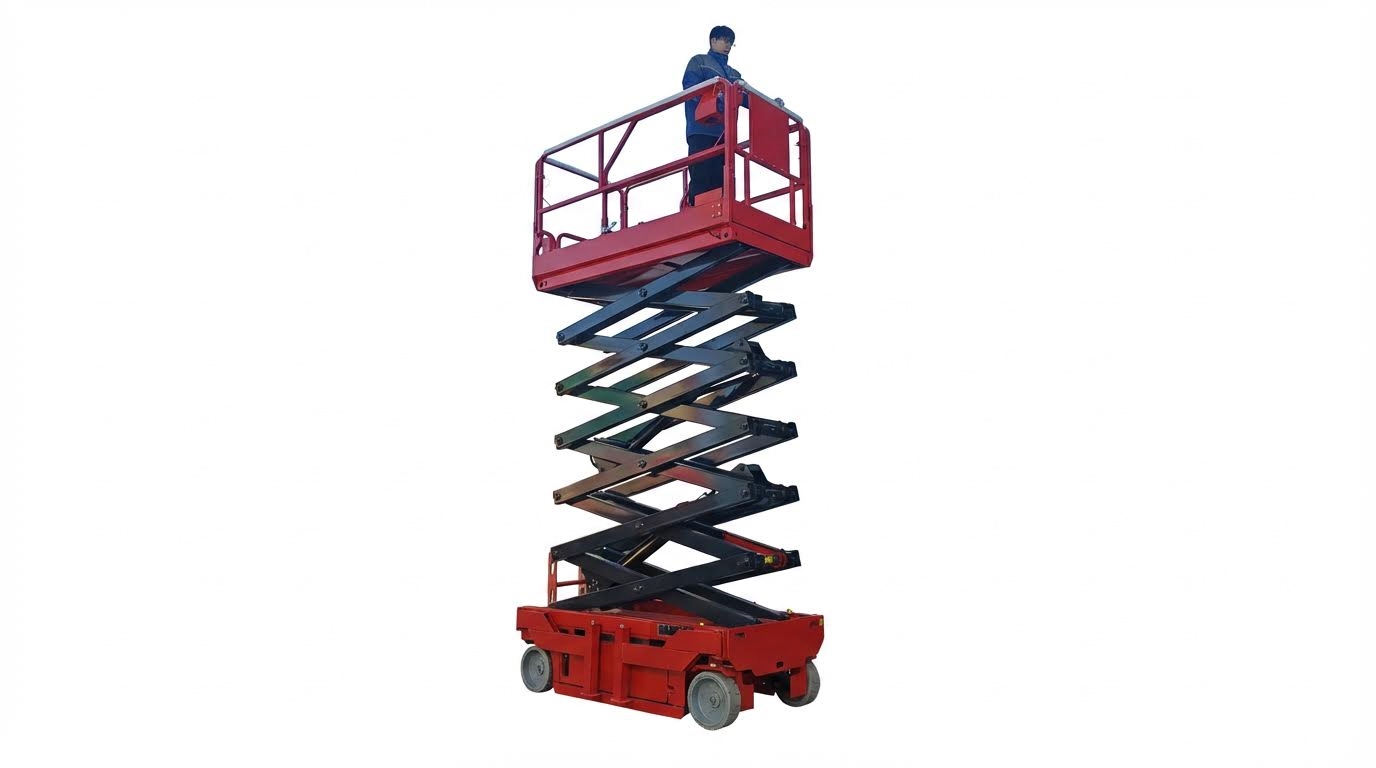
Scissor lift selection required a structured comparison of working height, platform capacity, and duty profile against task demands. Typical indoor slab lifts covered working heights from about 6 m to 14 m with capacities between roughly 230 kg and 500 kg, while rough-terrain units reached 18 m to 21 m with capacities up to 750 kg. Engineers and fleet managers matched these envelopes to trade tasks such as electrical work, drywall, or façade installation, while respecting manufacturer limits on rated load and maximum working height. Exceeding either parameter, including by adding ladders or improvised platforms, compromised stability and violated safety guidance.
Industry trends showed a clear move toward higher working heights and capacities without proportional growth in machine footprint, enabled by improved structures, stabilizers, and control systems. Electric and hybrid rough-terrain models with four-wheel drive and gradeability increased outdoor coverage while reducing emissions and noise for urban sites. Advanced battery systems, including long-life lithium packs and energy-recovery drives, reduced power consumption and extended service intervals. Digital monitoring, self-diagnostics, and battery analytics supported predictive maintenance, cutting unplanned downtime and whole-life cost.
Practical implementation required disciplined pre-use inspections, function checks in clear areas, and strict adherence to flat, level ground requirements unless stabilizers or outriggers were explicitly rated for slope. Operators verified guardrails, harness attachment points, extension decks, and emergency lowering systems before elevation. Maintenance teams followed scheduled structural and hydraulic inspections, including welds, pins, bushings, cylinders, and fluid changes, to preserve the original stability margins assumed in design. A balanced strategy combined conservative height selection, full compliance with rated load and reach, and investment in modern low-maintenance scissor platforms, yielding safer operations and lower lifecycle cost across construction and facility applications.