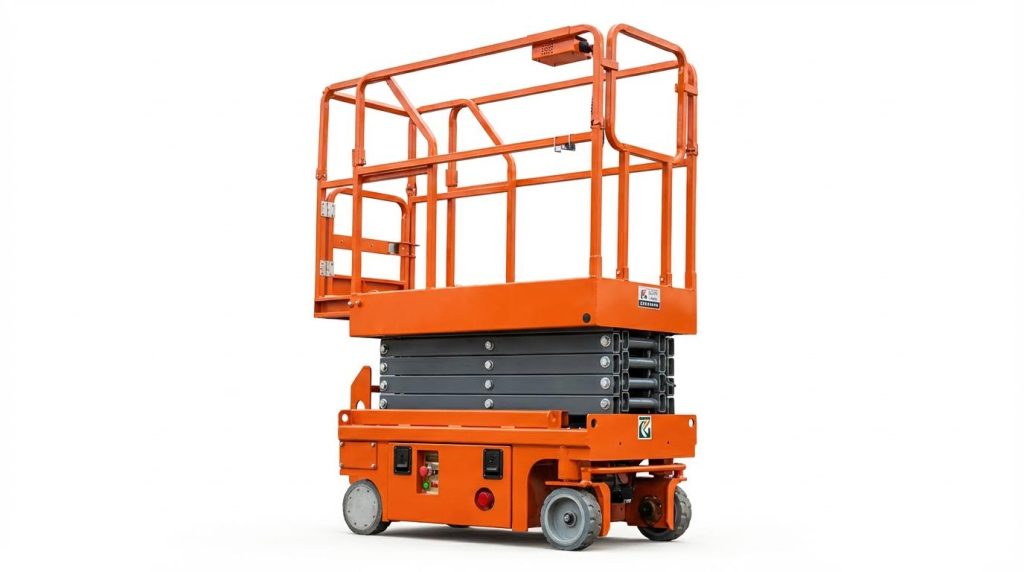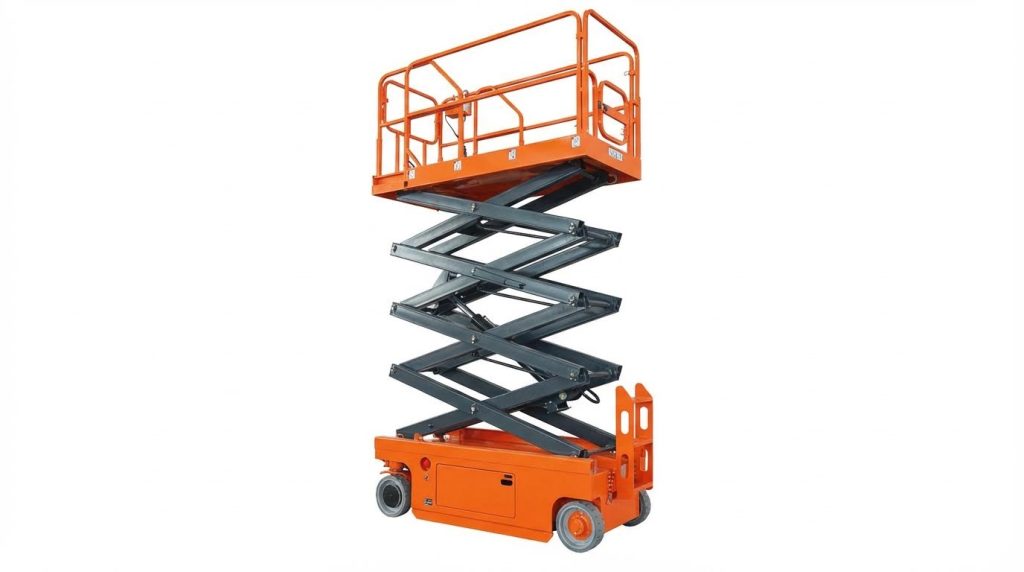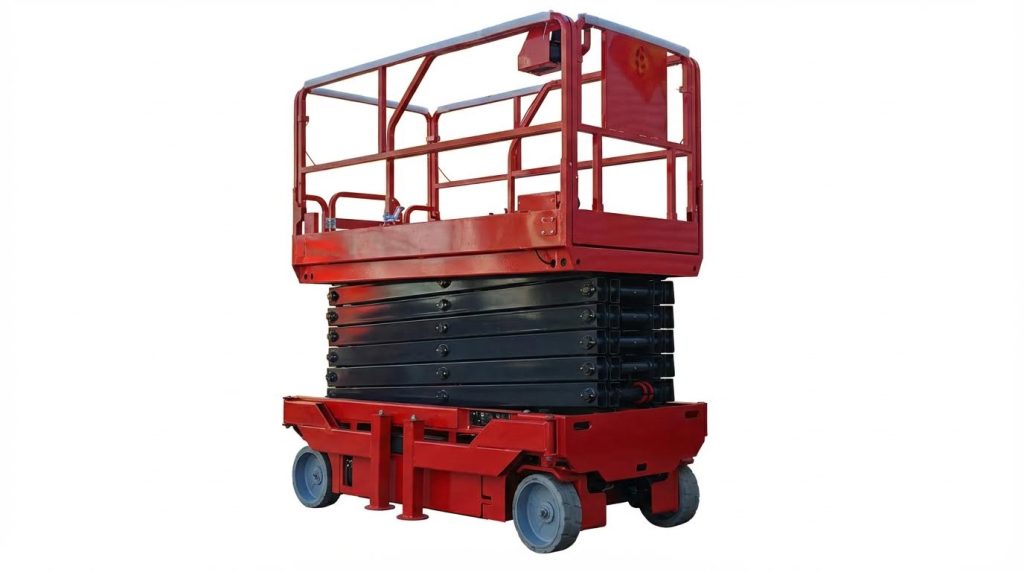
Scissor lifts relied on well-maintained hydraulic and electric systems to deliver safe, repeatable elevation in demanding job sites. This article outlined core maintenance principles, hydraulic health and troubleshooting practices, and emerging digital tools for modern fleets. It connected day-to-day inspection routines with OSHA/ANSI/CE compliance, fluid management discipline, and data-driven reliability strategies. The sections that followed helped technicians, engineers, and fleet managers extend service life, prevent failures, and keep operators safe while working at height.
Core Principles Of Scissor Lift Maintenance
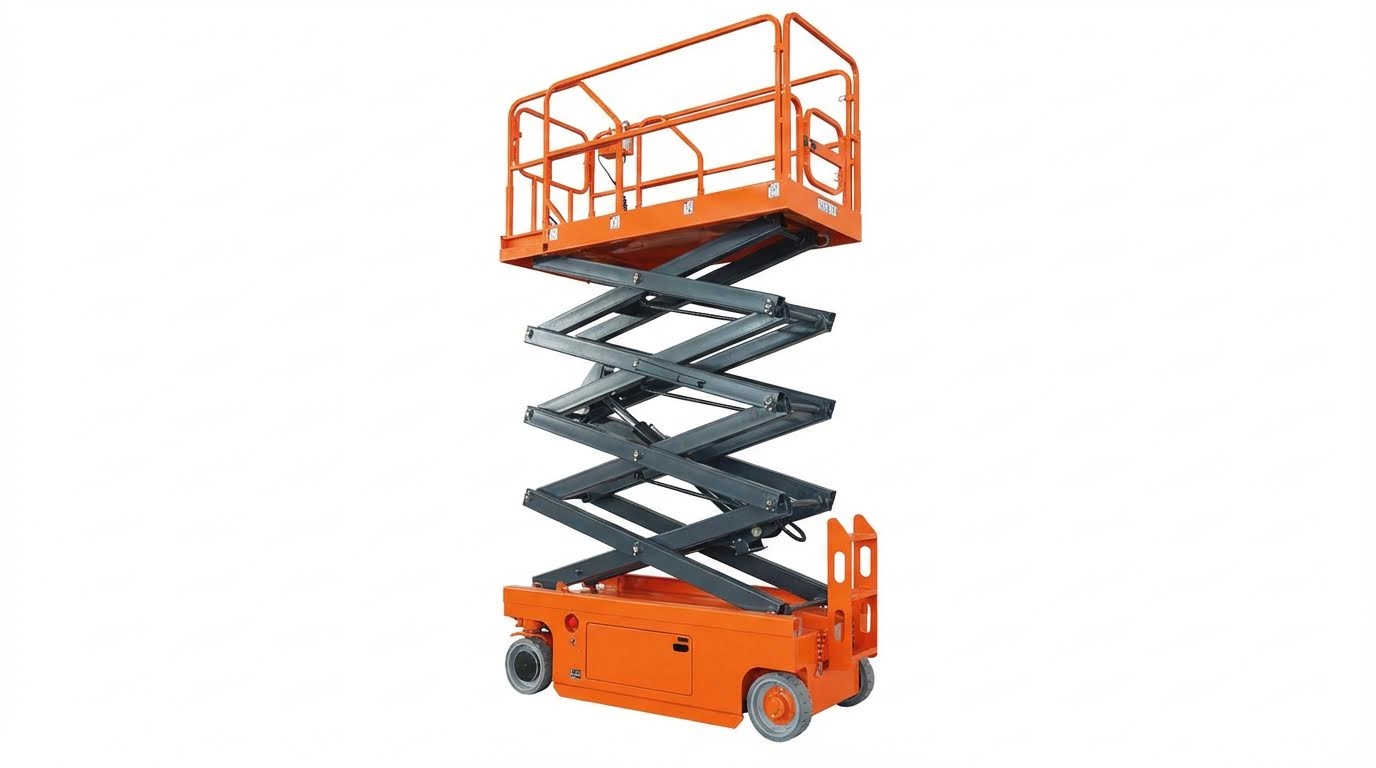
Core maintenance principles for scissor lifts centered on respecting design limits, tailoring service intervals to usage, and complying with safety regulations. Effective programs combined structured inspections, documented procedures, and trained technicians to prevent failures and extend service life. These principles applied to both hydraulic and all‑electric platforms, with specific adaptations for each architecture.
Duty Cycles, Load Profiles, And Design Limits
Duty cycle and load profile defined the mechanical and hydraulic stress on a scissor lift. Frequent start‑stop operation at or near rated capacity accelerated wear of pumps, cylinders, pins, and structural welds. Rough‑terrain usage with high travel distances and uneven ground increased dynamic loading on scissor arms and slideways. Exceeding the rated platform capacity or allowable side loads could trigger pressure relief valves, cause lifting failures, or permanently deform structural members.
Manufacturers specified maximum rated load, allowable gradients, wind ratings, and operating cycles per hour. Maintenance engineers needed these parameters when interpreting cracks, abnormal noises, or recurring hydraulic faults. If operators routinely used the lift at high duty cycles, planners had to shorten inspection intervals and hydraulic fluid checks. Understanding design limits also guided troubleshooting; for example, slow lifting under rated load pointed to hydraulic issues, while slow lifting only at overload suggested misuse. Clear communication of design limits to operators reduced overload-induced failures and warranty disputes.
Maintenance Intervals By Lift Type And Environment
Maintenance intervals varied significantly between electric slab lifts, diesel rough‑terrain units, and all‑electric architectures. Battery‑electric hydraulic lifts required daily pre‑use checks, weekly lubrication of scissor pins and slideways, and monthly hydraulic system inspections for leaks, hose wear, and fluid condition. Rough‑terrain machines operating in dust, mud, or extreme temperatures needed more frequent filter changes and undercarriage inspections due to abrasive contamination and corrosion risk. Environments with aggressive chemicals or indoor drywall dust justified shorter intervals for cleaning, structural checks, and electrical inspections.
All‑electric lifts with no hydraulic circuit, such as zero‑hydraulic platforms, reduced routine tasks by eliminating oil changes, hose inspections, and leak management. However, they still required periodic checks of electric drive components, sensors, and control software diagnostics. Fleet managers typically based intervals on manufacturer manuals, regulatory requirements, and actual duty cycles recorded through hour meters or telematics. When in doubt, they adopted conservative schedules and adjusted them after trend analysis of failures and fluid test results. Aligning intervals with real operating conditions minimized both unplanned downtime and unnecessary maintenance.
OSHA, ANSI, And CE Compliance Considerations
Regulatory frameworks such as OSHA in the United States, ANSI A92 standards, and CE requirements in Europe defined minimum inspection and maintenance practices. These standards mandated daily pre‑start inspections, including checks for visible leaks, structural damage, tire condition, and correct function of controls and emergency systems. They also required that only qualified personnel performed repairs and that machines with damaged or missing safety components remained out of service. Compliance audits focused on items like intact warning decals, guardrails, gates, and properly functioning limit switches and emergency lowering systems.
ANSI and EN standards differentiated between frequent inspections, often daily or weekly, and periodic inspections at longer intervals, typically every three to twelve months. Periodic inspections included detailed structural, hydraulic, and electrical evaluations, sometimes requiring non‑destructive testing or professional service. OSHA guidance emphasized hazard assessment of the work zone, including overhead obstructions, ground conditions, and fall protection arrangements. For CE‑marked equipment, maintenance had to follow the instructions in the original manual to preserve conformity with the Machinery Directive. Integrating these regulatory requirements into internal procedures ensured legal compliance and consistent safety performance.
Recordkeeping, Work Instructions, And Training
Effective scissor lift maintenance relied on robust recordkeeping and clear work instructions. Maintenance logs documented daily pre‑use inspections, faults found, corrective actions, and parts replaced, creating a traceable history for each unit. This history supported root‑cause analysis for recurring failures, such as repeated hydraulic leaks or battery defects, and informed decisions on component upgrades or retirement. Standardized work instructions defined step‑by‑step tasks, tools, torque values, and test criteria, reducing variability between technicians and ensuring alignment with the manufacturer’s manuals.
Training programs addressed both operators and maintenance staff. Operators
Hydraulic System Health And Troubleshooting
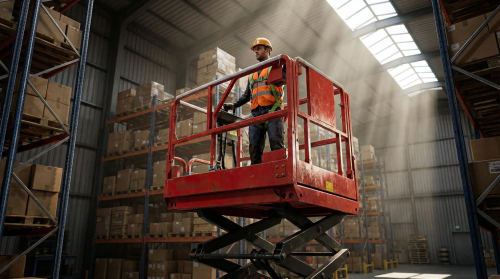
Hydraulic system health governed scissor lift reliability, platform stability, and lifecycle cost. Maintenance teams needed structured inspection routines, disciplined fluid management, and methodical troubleshooting to avoid unplanned downtime. The following subsections focused on practical inspection sequences, fault diagnosis, fluid care, and mitigation of air‑related phenomena such as cavitation and noise.
Daily And Periodic Hydraulic Inspection Routines
Daily hydraulic inspections started with a visual walk‑around before energizing the lift. Technicians checked the tank sight glass or dipstick for correct oil level and signs of discoloration or emulsification. They inspected cylinders, hoses, fittings, and manifolds for wet spots, drips, or atomized spray that indicated leaks. Platform scissor arms, slideways, and centering links required checks for damage, contamination, and correct lubrication, with slideway clearance typically maintained in the 1.5–2.5 mm range where specified.
Function tests followed the visual inspection in an obstacle‑free area. The lift raised and lowered through full stroke while the operator observed for jerky motion, creeping at height, abnormal noises, or overshoot after releasing the control. Emergency lowering and all limit or safety switches required verification for correct actuation. Weekly or monthly routines expanded the scope to include filter condition, hose clamp integrity, structural fasteners, and the condition of protective bellows and guards.
Periodic maintenance at six‑ or twelve‑month intervals included oil sampling or visual assessment, filter element replacement, and inspection of pumps, valves, and cylinders for wear or corrosion. Technicians cleaned around filler caps, breather filters, and inspection covers before opening to prevent particle ingress. They also verified that decals, placards, and hydraulic schematics remained legible to support correct operation and troubleshooting. All findings and corrective actions needed recording in maintenance logs to demonstrate compliance with OSHA, ANSI, or CE requirements and to support trend analysis.
Diagnosing Common Lifting And Creeping Failures
Typical lifting failures fell into two groups: the platform did not rise at all, or it rose poorly, jerkily, or continued to move after command release. When the lift did not move and the motor did not run, technicians first checked supply voltage, main switch, fuses, emergency stop, and control buttons or joysticks. Defective fuses from voltage fluctuation, damaged main switches, broken contacts, or insufficient cable cross‑section could all interrupt power. If the motor ran but the platform did not lift, diagnostics shifted toward hydraulic causes such as an open lowering valve, misadjusted pressure relief valve, incorrect motor rotation direction on three‑phase units, or a defective gear pump.
Jerky lifting or “crawling” often indicated air in the hydraulic circuit, dirty oil, clogged filters, or inadequate lubrication of slideways and pivot points. Inadequate clearance between slideways, outside the typical 1.5–2.5 mm range where specified, could cause binding and stepwise motion. Creeping down at height pointed to internal leakage through cylinder seals, a leaking lowering valve, or contamination preventing a valve from fully seating. Exceeding rated load or having the relief valve set below the required working pressure produced slow or stalled lifting, especially near maximum height.
Systematic troubleshooting followed a cause–effect sequence. Technicians verified electrical integrity first, then measured supply voltage and phase rotation where applicable. They checked hydraulic oil level and condition, inspected for external leaks, and confirmed relief valve settings against manufacturer data. If symptoms persisted, they tested pump output pressure and flow, isolated suspect valves, and inspected or replaced limit switches, thermal relays, and motor contactors. All component replacements had to follow the original manual, such as the ATH Cross Lift 50 documentation, to maintain safety integrity.
Hydraulic Oil Selection, Contamination, And Changeout
Hydraulic oil acted simultaneously as pressure medium, lubricant, coolant, and sealing agent in scissor lift systems. Incorrect viscosity grade or additive package accelerated wear, increased internal leakage, and reduced lifting efficiency. Technicians therefore selected oil strictly according to the viscosity and performance class specified in the manufacturer’s manual. If substitution was unavoidable, the replacement fluid needed equivalent viscosity index, oxidation stability, anti‑wear, and anti‑foam characteristics. Mixing different grades or chemistries risked additive incompatibility, sludge formation, and seal damage.
Contamination management was critical. Solid particles entered through unclean oil
Electric, Battery, And Digital Maintenance Advances
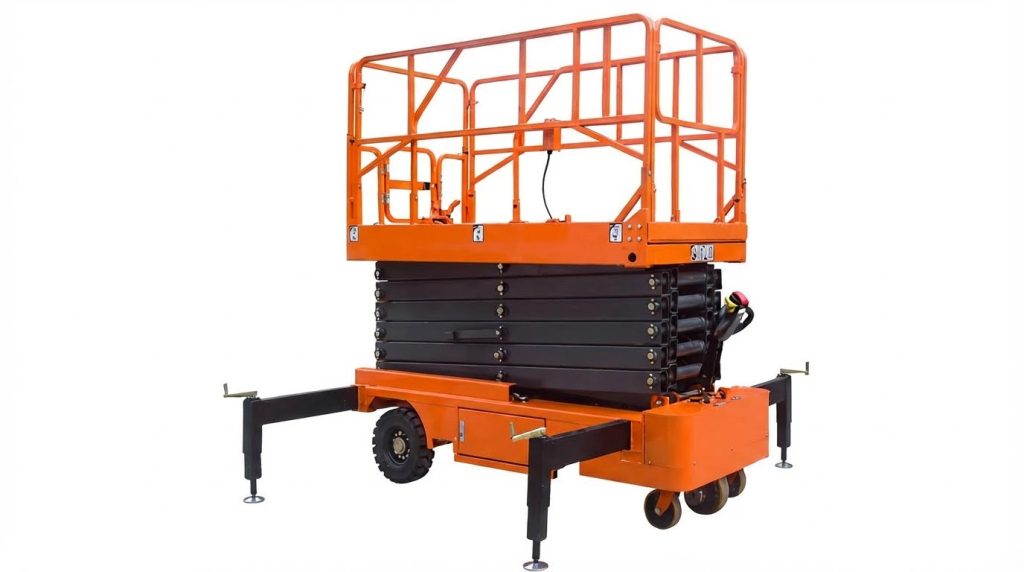
Electric and hybrid scissor lifts relied increasingly on battery health and electronic control reliability. Maintenance practices therefore shifted from purely mechanical checks toward electro-hydraulic and digital diagnostics. Modern fleets integrated battery analytics, telematics, and software tools to stabilize uptime and reduce unplanned stops. These advances changed technician skill requirements, spare parts strategies, and lifecycle cost models.
Battery Management And Monitoring For Uptime
Battery banks previously represented one of the highest lifecycle costs on electric scissor lifts. Proper daily care included cleaning cases and terminals, checking electrolyte levels on flooded cells, and verifying torque on cable lugs. Technicians used digital testers for amp-draw and charge acceptance tests to confirm capacity under load, rather than relying only on open-circuit voltage. Poor maintenance often cut battery life to about one year, while disciplined charging and watering extended life toward three years or more.
Advanced battery monitoring systems analyzed charge/discharge patterns, ambient temperature, and maintenance history. These systems provided accurate state-of-charge, depth-of-discharge tracking, and fluid level status where applicable. They also logged charging events and highlighted chronic undercharging or opportunity-charging abuse. Fleet managers used this data to plan shift patterns, assign chargers, and schedule proactive replacements before failures impacted availability.
Some OEMs implemented algorithm-based prompts for watering flooded lead-acid batteries. The system recommended when to add water rather than relying on fixed calendar intervals. This reduced overfilling and plate exposure, both of which degraded capacity. In larger fleets, aggregated battery data supported benchmarking between sites and operators, revealing training gaps and charger placement issues. Uptime improvements came both from fewer in-shift failures and from shorter fault-finding time when problems occurred.
All-Electric Lifts Versus Hydraulic Architectures
All-electric scissor lifts eliminated hydraulic circuits and associated leak points. These designs removed hoses, cylinders, and hydraulic tanks, along with related filters and oil change tasks. Mechanical motion transferred through electric actuators and optimized linkages, reducing contamination risk on finished floors and in clean environments. This architecture also simplified environmental compliance by eliminating hydraulic oil spill scenarios.
Conventional hydraulic scissor lifts still offered robust lifting with proven components and high load capacity. However, they required regular fluid monitoring, contamination control, and seal replacement. Temperature management and cavitation prevention remained critical to pump life. In contrast, all-electric machines focused maintenance on power electronics, actuators, and the traction battery system.
Some all-electric platforms, such as lithium-ion powered models, operated on a single long-life battery pack. These packs supported opportunity charging and energy recovery when lowering the platform, cutting overall power consumption. The absence of brushes in drive motors and the use of self-lubricating pins and bushings further reduced scheduled service. When comparing architectures, fleet owners weighed higher initial capital cost and specialized parts for all-electric units against lower routine maintenance and near-zero fluid management.
Predictive Maintenance, Telematics, And Self-Diagnostics
Telematics modules on scissor lifts transmitted operating hours, duty cycles, fault codes, and location data. Fleet managers used this information to align maintenance intervals with actual utilization rather than fixed time-based schedules. Predictive analytics identified patterns such as repeated overloading, frequent short charge cycles, or high thermal stress zones. These patterns correlated strongly with early component failures in contactors, pumps, and batteries.
Self-diagnostic capabilities on modern control systems allowed technicians to run automated tests without external analyzers. Some platforms supported mobile device interfaces, enabling parameter checks and firmware updates via wireless links. Diagnostic trees guided fault isolation by validating sensors, switches, and actuators in sequence. This reduced troubleshooting time and minimized unnecessary component replacement.
Predictive maintenance algorithms processed historical alarm logs and sensor trends to forecast failure windows. For example, a rising number of overcurrent events on a drive motor could trigger an inspection before insulation breakdown occurred. Similarly, abnormal platform leveling corrections might indicate developing wear in scissor pivot points.
Summary: Extending Lift Life And Ensuring Safety
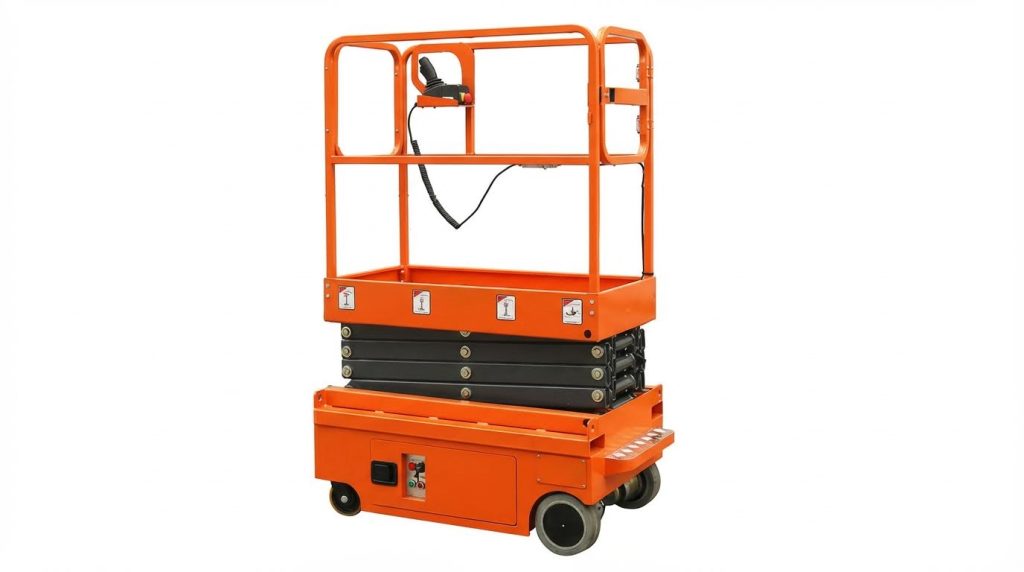
Scissor lift reliability depended on disciplined maintenance of structures, hydraulics, and electrical systems. Daily inspections of leaks, damage, decals, guards, and emergency controls, combined with functional checks before use, reduced incident risk and unplanned downtime. Hydraulic system health remained central: correct oil grade, strict cleanliness, timely oil and filter changes, proper bleeding, and verification of slideway clearances and pressure relief settings prevented lifting failures, jerky motion, and cavitation damage. Systematic troubleshooting of motors, fuses, switches, contactors, limit switches, pumps, and valves restored performance when lifting or creeping issues appeared.
Industry practice increasingly moved toward electric and digitally enabled platforms to cut maintenance load and improve uptime. All‑electric architectures with zero hydraulics eliminated leaks, hoses, and many traditional failure modes, while self‑lubricating joints and brushless drives reduced scheduled service. Advanced battery monitoring, telematics, and onboard diagnostics provided real‑time data on charge status, fault codes, duty cycles, and overload events, enabling predictive maintenance and longer component life. Integration of digital twins into fleet programs allowed simulation of wear, optimization of inspection intervals, and better capital planning.
In practical terms, owners needed a layered strategy: enforce OEM‑based checklists and regulatory inspections, maintain hydraulic cleanliness and correct fluid management, and adopt structured troubleshooting methods before replacing components. For mixed fleets, standardizing recordkeeping, work instructions, and technician training across hydraulic and all‑electric machines improved consistency and compliance. A balanced approach recognized that hydraulics would remain in service for years, while digital and all‑electric designs gradually reduced routine tasks and failure frequency. Organizations that combined rigorous foundational maintenance with data‑driven tools achieved longer lift life, higher availability, and safer operation across the entire fleet.