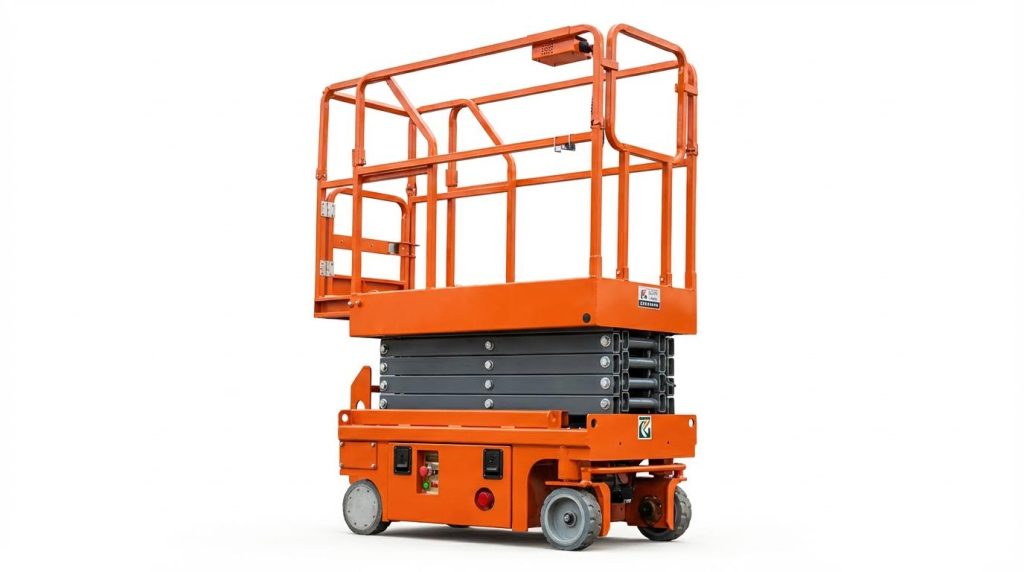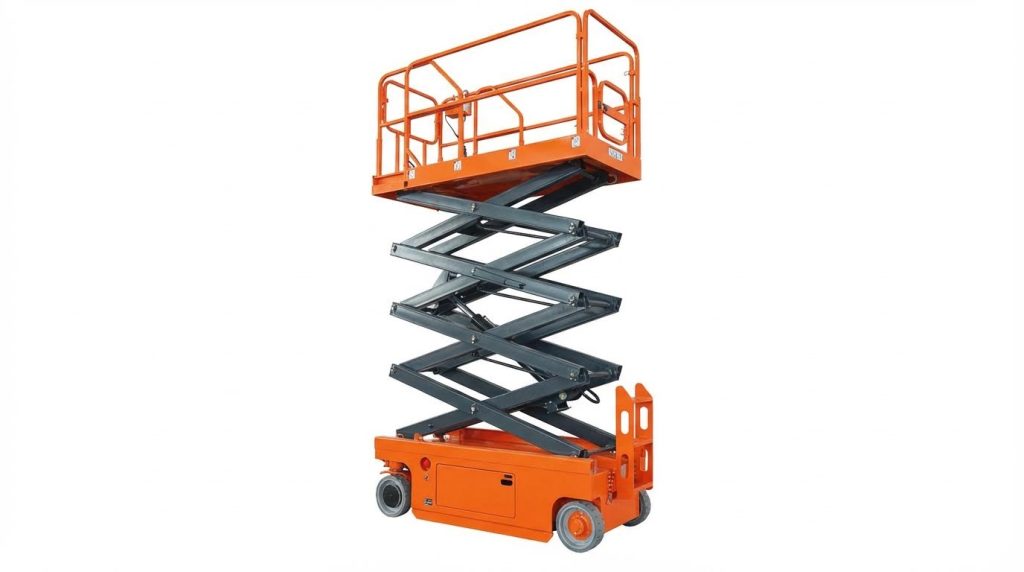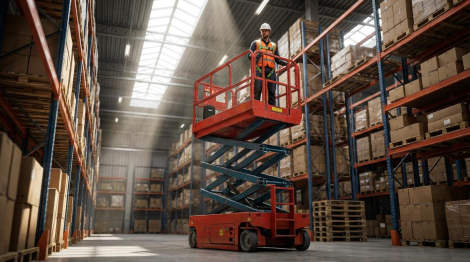
Safe scissor lift operation depends on disciplined pre-use checks, controlled extension, and equally controlled retraction. This guide explains how to extend scissor lift platform systems safely, how to assess the work zone, and how to manage loads and fall risks at height. It also covers shutdown, parking, and maintenance routines that keep hydraulic, structural, and battery systems reliable over time. Use these practices to align site procedures with regulatory expectations and reduce elevated work incidents.
Pre-Operation Checks And Work Area Setup
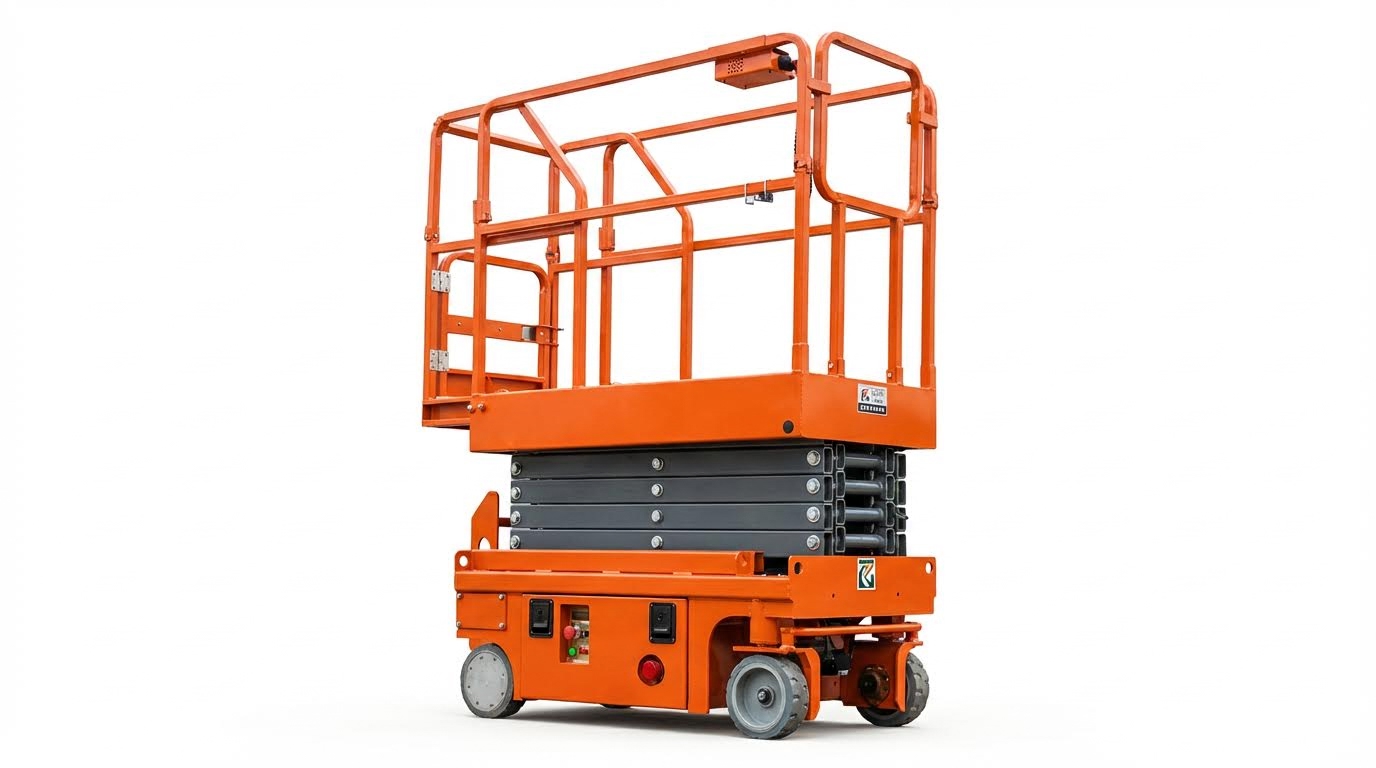
Pre-operation checks determine whether a scissor lift can extend and retract safely without unexpected failures. A structured setup process reduces the risk of tip-over, entrapment, and component damage when planning how to extend scissor lift platform height for a task.
Regulatory Requirements And Operator Training
Operators must complete formal training and evaluation that meet OSHA and ANSI requirements before using a scissor lift. Training should cover hazard recognition, control functions, emergency procedures, and the specific model’s operating envelope. Site managers should verify current certifications and document authorization to operate each lift type. Refresher training is necessary after incidents, equipment changes, or when unsafe behaviors appear. Clear understanding of local regulations guides decisions on platform extension limits, fall protection, and work positioning.
Pre-Use Mechanical And Hydraulic Inspection
Before deciding how to extend scissor platform lift height, conduct a full walkaround and function check. Inspect structural members, scissor arms, welds, and guardrails for cracks, deformation, or corrosion. Check hydraulic hoses, cylinders, and fittings for leaks, abrasion, or damaged coverings, and confirm hydraulic fluid levels meet manufacturer specifications. Examine tires or wheels for cuts, low pressure, flat spots, or cracked rims, since these directly affect stability at extension. Verify decals, capacity plates, and warning labels are legible, and confirm emergency stops, tilt alarms, brakes, steering, and limit switches operate correctly in a clear test area.
Work Zone Assessment And Hazard Controls
Assess the work zone before elevating to ensure the platform can extend through its full travel without interference. Confirm the ground is firm, level, and capable of supporting concentrated wheel loads, avoiding pits, voids, covers, or backfilled trenches. Identify overhead hazards such as beams, pipework, ducting, and energized conductors, and maintain required clearances from power lines according to electrical safety standards. Install cones, barriers, or tape to establish an exclusion zone that keeps pedestrians, vehicles, and other equipment away from the lift’s base and potential swing or collapse area. Remove loose debris, slippery contaminants, and obstructions that could affect wheel traction or prevent safe lowering.
PPE, Load Limits, And Fall-Prevention Practices
Personnel should wear hard hats, high-visibility clothing, safety footwear with slip-resistant soles, and other PPE defined by the site risk assessment. When regulations or site rules require it, operators use an approved harness and lanyard attached to designated anchor points on the platform. Before extending, confirm the rated load on the capacity plate and calculate the combined mass of workers, tools, and materials, keeping a safety margin below the maximum. Distribute loads evenly on the platform floor and secure tools with lanyards or holders to prevent dropped objects. During extension and retraction, workers must stay inside guardrails, avoid climbing or sitting on rails, and maintain stable footing to reduce the chance of falls or platform-induced sway.
Safe Extension Procedures For Scissor Platforms
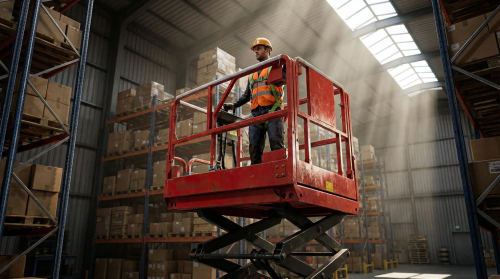
Safe extension of a scissor platform depends on disciplined control use, progressive height changes, and continuous situational awareness. Operators who understand exactly how to extend scissor lift platform mechanisms reduce the risk of tip-over, collision, and entrapment. The following subsections describe control checks, raising sequences, stability practices, and communication and weather limits that align with common regulatory and manufacturer guidance.
Control Familiarization And Function Testing
Before you extend the scissor lift platform, review all control labels at ground and platform stations. Identify primary lift, drive, and steer functions, plus emergency stop and emergency lowering controls. Confirm that decals and pictograms are legible so any operator can interpret motion directions quickly. Stand on the lowered platform, then cycle each function in short bursts while the lift remains on a flat, obstruction-free surface. Raise and lower the platform only a few centimetres at first to verify smooth hydraulic response and correct joystick or switch orientation. Test steering and drive at low speed with the platform fully lowered to confirm brake and traction performance. Finally, activate and reset the emergency stop to ensure it cuts power immediately and restores correctly.
Step-By-Step Platform Raising Sequence
Position the lift on firm, level ground before starting any raising sequence. Engage wheel chocks or stabilizers if the model includes them, then set the parking brake. Turn the key or main disconnect to the operational mode, usually platform control, and confirm that all guardrails and gates latch securely. Instruct ground personnel to stay clear of the scissor stack and chassis while you extend. Use the designated lift control, typically a proportional joystick or up button, to increase height gradually. Pause at low height to recheck surroundings, then continue extending in small increments until you reach the working level. Keep total load within the rated capacity indicated on the platform placard, including personnel, tools, and materials. Stop immediately if you feel abnormal vibration, hear unusual noises, or see the tilt or overload warning activate, and lower the platform to investigate.
Maintaining Stability At Height And In Motion
Once the scissor platform lift reaches working height, maintain a centred stance with both feet on the deck surface. Keep your torso and tools inside the guardrails and avoid climbing or sitting on rail members to gain extra reach. If the lift design allows travel while elevated, move at the slowest drive speed and avoid abrupt steering inputs. Maintain a generous clearance from edges, floor openings, and drop-offs identified during the work zone assessment. Never attempt to reposition the lift over slopes, potholes, or soft ground while raised, because load distribution can shift and reduce stability. Secure loose materials to prevent them from shifting and altering the centre of gravity. If a tilt alarm or overload indicator activates during extension or travel, stop movement, lower the platform fully, and relocate to a more suitable surface before resuming work.
Communication Protocols And Weather Limits
Clear communication is essential when you extend a aerial platform near other workers, equipment, or traffic. Establish standard hand signals or assign a radio channel so the operator and ground spotter can coordinate movements. The spotter should monitor clearances to overhead structures, power lines, and adjacent machinery while the platform rises. Agree in advance on stop commands that the operator must follow immediately without debate. Monitor weather conditions continuously, because wind and precipitation can degrade stability and traction. Follow the manufacturer’s maximum allowable wind speed, and do not elevate during strong gusts, lightning, or severe rain that reduces visibility or makes surfaces slippery. If conditions deteriorate while elevated, lower the platform in a controlled manner and suspend operations until the environment returns to safe limits.
Safe Retraction, Parking, And Maintenance
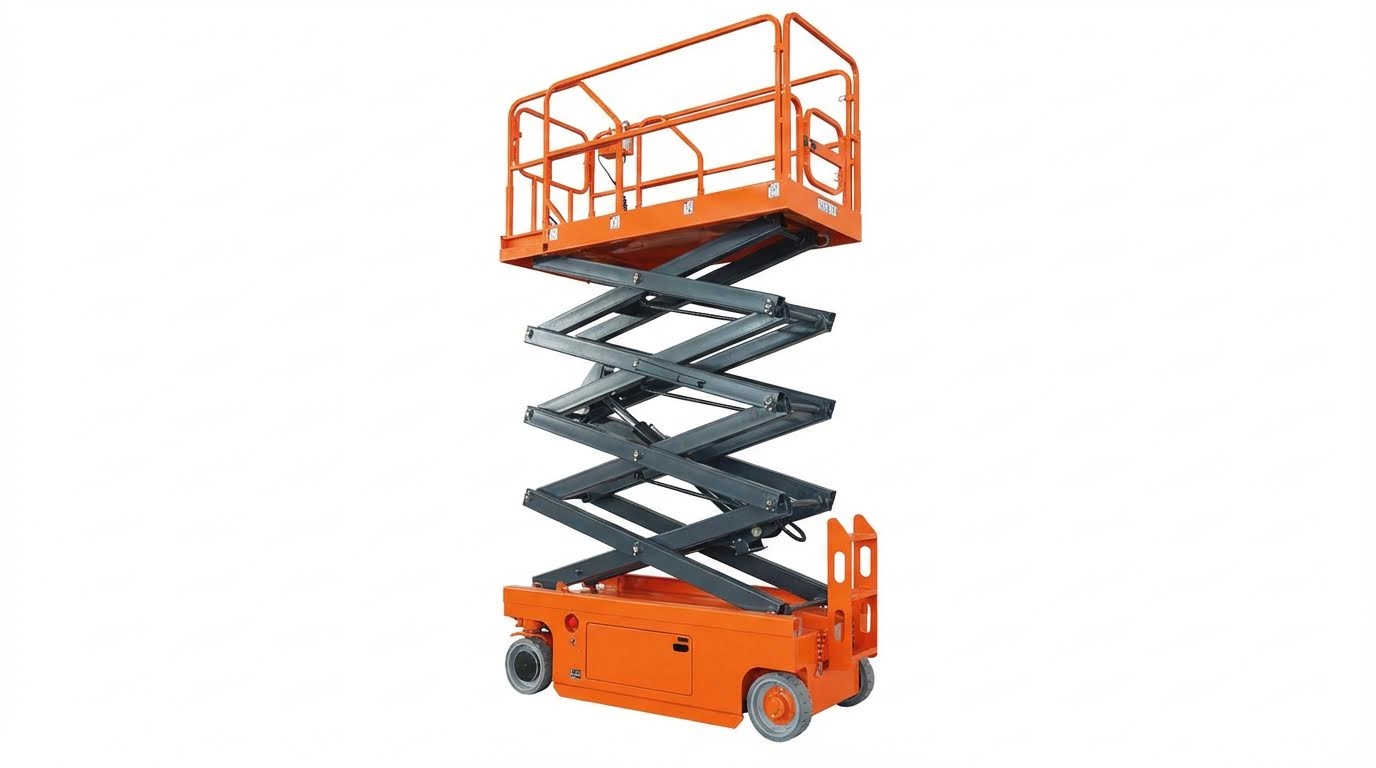
Safe retraction procedures protected operators after they finished extending a scissor platform lift. Correct shutdown and structured maintenance also preserved structural integrity and hydraulic performance. This section explained how to lower, secure, and maintain a lift so future extension cycles remained safe and predictable, supporting any workflow focused on how to extend scissor lift platform effectively and safely.
Controlled Lowering And Ground-Level Checks
Always verify the area under and around the platform before lowering. Confirm no personnel, tools, or materials occupy the descent zone. Use the manufacturer’s designated lowering control and keep the motion smooth and continuous. Avoid abrupt stops unless you detect a hazard. If the tilt or overload alarm activates during retraction, stop, stabilize, then continue lowering. Once at ground level, shut off elevation movement and perform a quick walkaround. Check for hydraulic leaks, damaged hoses, unusual tire wear, and any new dents or cracks in scissor arms or guardrails. Document anomalies before the next extension cycle.
Post-Use Shutdown And Secure Parking
After full retraction, lower the platform completely until it rests on the mechanical stops. Center the steering wheels and engage the parking brake on a firm, level surface. Avoid slopes, soft soil, or areas with standing water, which could compromise stability before the next use. Turn the key or main disconnect switch to OFF and remove it according to site policy. Stow control cables, chargers, and removable accessories inside designated holders. Install cones or barriers if the parked lift sits in a traffic path. Verify decals, placards, and operating manuals remain present and legible, since operators need this information before they extend the scissor platform again.
Daily, Scheduled, And Predictive Maintenance
Daily maintenance focused on quick checks that operators could complete before and after each shift. These checks included inspecting tires for cuts or low pressure, scanning for oil or battery fluid leaks, confirming guardrails and gates latch properly, and testing emergency stops and alarms. Scheduled maintenance followed the manufacturer’s hour-based or calendar-based intervals. Technicians inspected welds, pins, bushings, rollers, limit switches, pressure relief valves, and hydraulic fittings, and replaced worn parts. Semi-annual tasks often included changing hydraulic fluid and cleaning debris from the chassis and pit areas. Predictive maintenance used inspection data, fault codes, and usage hours to anticipate failures. Sites that tracked trends in leaks, vibration, or battery performance reduced unplanned downtime and kept lifts ready for safe extension.
Battery Care, Monitoring, And Energy Efficiency
Battery condition directly affected how consistently a aerial platform could extend and retract under load. Operators should check state-of-charge before each shift and avoid deep discharges below the manufacturer’s limit. Post-use, park near a suitable power source and connect the charger according to charging profiles for lead-acid or lithium systems. Keep battery tops clean and dry to prevent surface discharge, and inspect cables, terminals, and connectors for corrosion or loose hardware. Periodic amp-draw and charge tests validated battery health and identified weak units early. Advanced monitoring systems logged state-of-charge, temperature, and charge history, enabling optimized charging schedules and longer service life. Good battery management reduced voltage sag at height, improved duty cycles, and ensured the platform could descend safely even after extended operation.
Summary: Key Practices For Safe Lift Operation
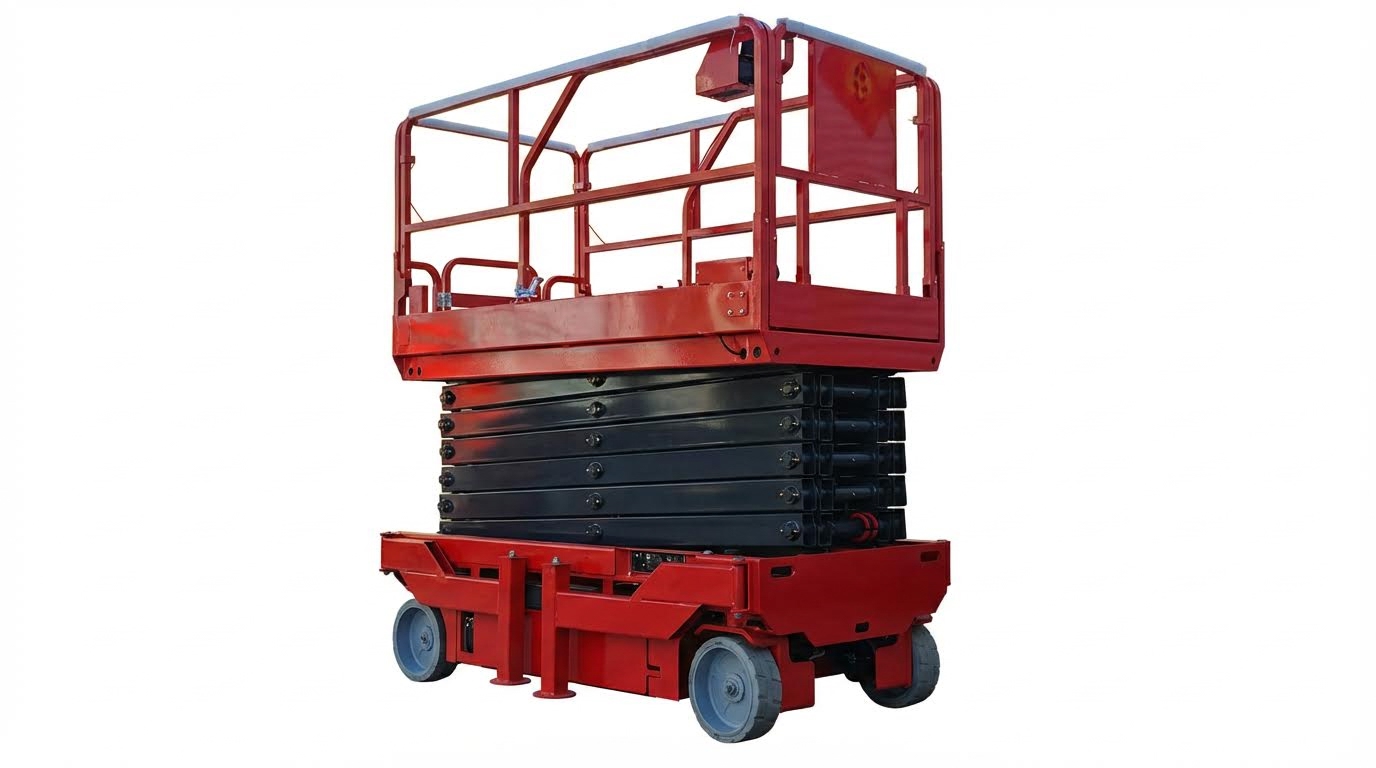
Safe operation of a scissor lift depends on disciplined pre-use checks, controlled extension and retraction, and structured maintenance. Operators who understand how to extend scissor lift platform mechanisms correctly reduce instability, component stress, and fall risk. The most reliable sites combined regulatory training, systematic inspections, and clear communication protocols to keep elevated work predictable and repeatable.
From a technical perspective, the core practices start before elevation. Pre-operation inspections needed to verify structural integrity, hydraulic tightness, tire condition, battery charge, and the functionality of guardrails, emergency stops, and limit switches. Work areas had to be level, compacted, and free of obstructions before operators positioned the lift and deployed stabilizers or outriggers where fitted. Respecting rated load capacity, including tools and materials, remained essential to prevent loss of stability during extension.
Regarding how to extend scissor lift platform systems safely, operators first confirmed control response at ground level, then raised the platform gradually while monitoring tilt alarms, clearances, and wind conditions. Keeping bodies inside guardrails and avoiding sudden movements preserved the center of gravity within the base footprint. During retraction and travel, the safest practice kept the platform fully lowered, with reduced speed and continuous hazard scanning.
Maintenance trends moved toward structured daily, scheduled, and predictive programs that combined visual checks, functional testing, and data from battery and system monitoring. These approaches extended component life, reduced unscheduled downtime, and supported regulatory compliance through documented checklists and logs. Future developments will likely integrate more real-time diagnostics and remote monitoring to automate portions of inspection and maintenance planning.
In practice, organizations that standardized training, enforced PPE and fall-prevention rules, and embedded inspection routines into daily workflows achieved the most consistent safety performance. As scissor lift technology evolved, the fundamental control measures stayed stable: verify the machine, secure the work zone, extend and retract deliberately, and document maintenance. Applying these principles on every shift created a robust safety envelope for elevated work.