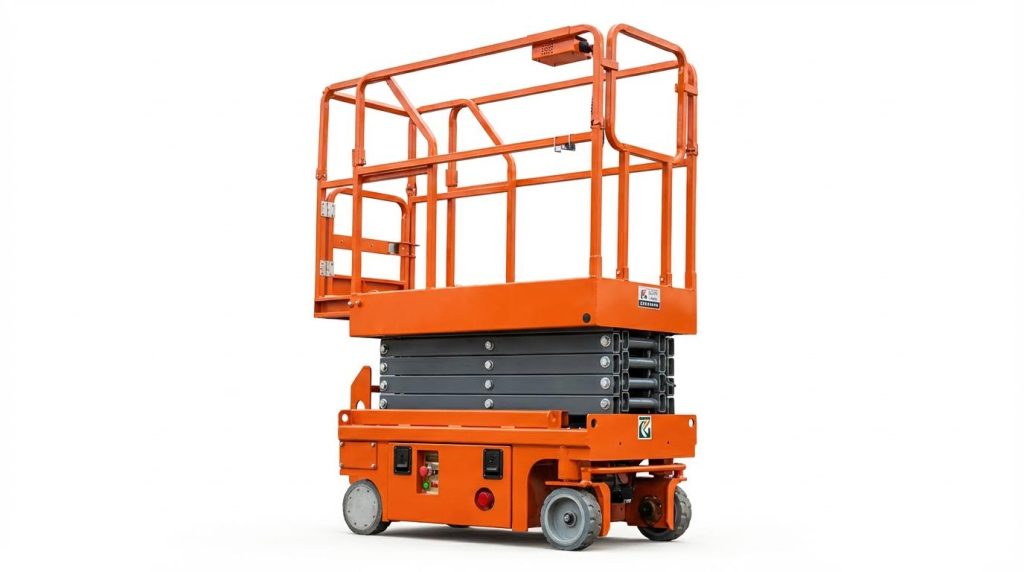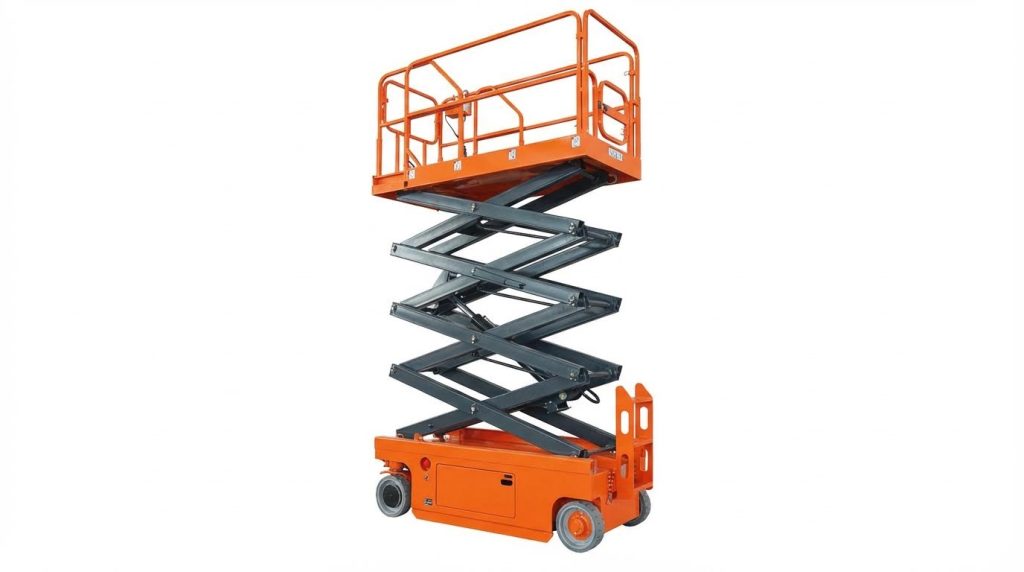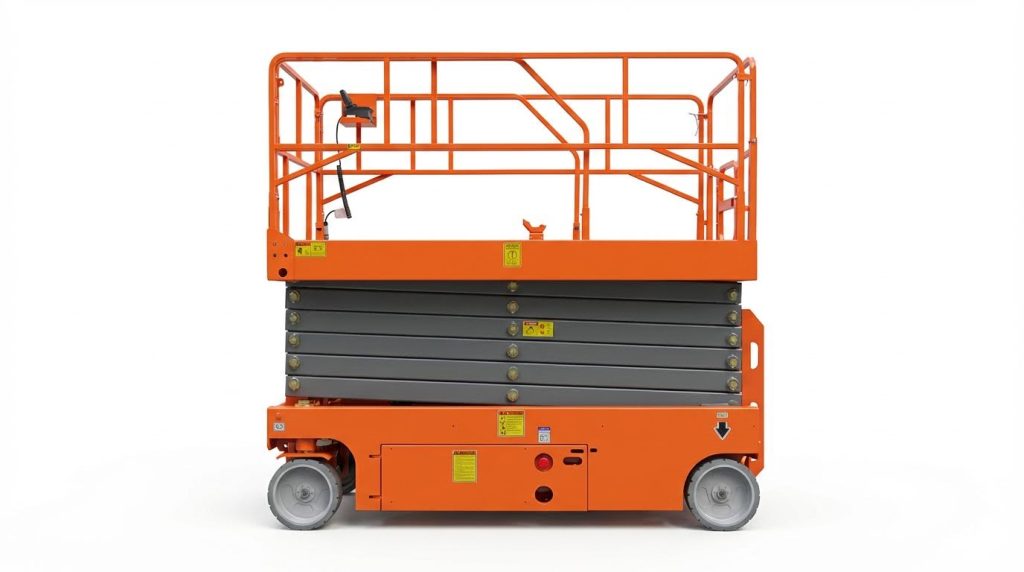
Choosing the right scissor platform tyres and floor protection is the fastest way to reduce floor damage, downtime, and safety risks. This guide breaks down tyre constructions, wheel covers, and external protection so you can match them to your site conditions and load requirements. You will also see how tyre choice affects stability, standards compliance, and long-term maintenance. If you are asking “where can i find a scissor lift tire cover”, you will learn what types exist, when to use them, and how to specify them correctly for your application.
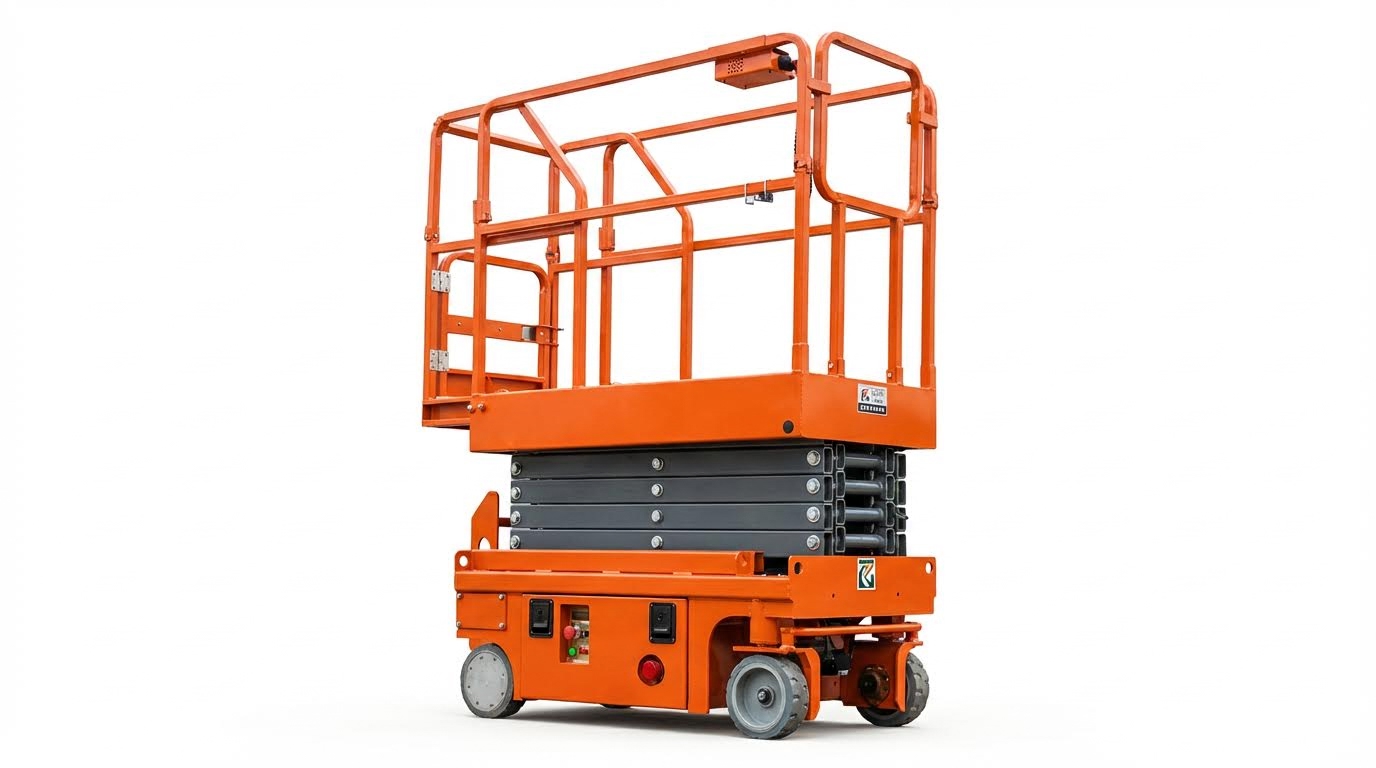
Core Tyre Types And Wheel Protection Basics
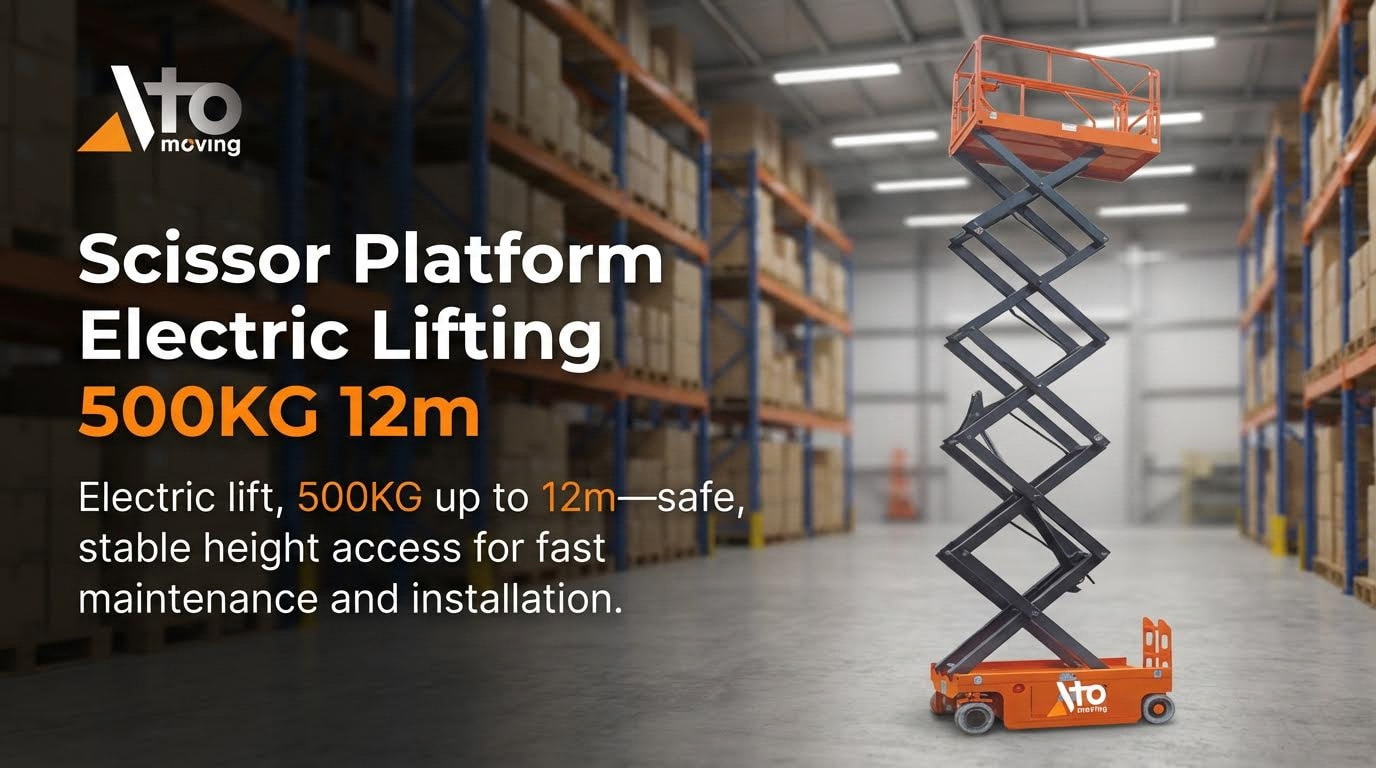
Main scissor lift tyre constructions
Tyre construction is the starting point for any decision about scissor lift tyres, covers, or floor protection. It drives stability, traction, and how much extra protection the floor needs. The three main constructions are solid, foam-filled, and pneumatic, each with clear pros and cons for safety, uptime, and surface protection. If you are asking where can i find a scissor platform, you must first match the cover to the underlying tyre type and job site conditions.
| Tyre type | Construction & fill | Best use environment | Key advantages | Main limitations |
|---|---|---|---|---|
| Non-marking solid | Solid elastomer compound, often rubber or polyurethane; non-marking formula High-grade compounds resist wear, oil, and punctures | Indoor, warehouses, factories, finished concrete or epoxy floors Non-marking design suits sensitive floors | – Flat-free, puncture-proof Flat-free construction eliminates puncture downtime – Long life and low maintenance – High load capacity and stability Engineered for elevated platforms and personnel | – Harsher ride, more vibration – Heavier; can increase ground pressure – Less shock absorption on rough terrain |
| Foam-filled | Pneumatic casing filled with foam instead of air Foam combines durability of solid with ride of pneumatic | Mixed indoor/outdoor, light rough terrain, yards, loading areas | – Puncture-resistant, effectively flat-free – Better shock absorption and ride comfort than solid Foam-filled tires provide better shock absorption – No air pressure checks | – Heavier than pneumatic – Can be less durable under extreme loads or abuse Solid tires generally outlast foam-filled under heavy duty |
| Pneumatic | Air-filled tyre with carcass and tread Provide superior traction and shock absorption | Outdoor rough terrain, mud, gravel, uneven ground Best suited for rugged outdoor terrains | – Maximum traction and grip on loose or uneven surfaces – Best shock absorption and ride comfort | – Risk of punctures and blowouts – Requires air pressure checks and maintenance – Usually not non-marking; can damage or stain finished floors |
The tyre type also governs how much help it gives the lift structure itself. Solid and foam-filled constructions reduce puncture-related downtime and support high loads, which improves overall safety and availability. Pneumatic tyres protect the chassis from shock but introduce more maintenance and puncture risk, which can be critical on busy sites. Matching tread pattern to surface is equally important: smooth or fine tread for indoor floors, aggressive patterns for outdoor traction. Correct tread and tyre choice improve grip, stability, and reduce tipping risk
Wheel materials and their role in protection
Under the tyre, wheel material also affects floor protection and durability. Common wheel materials include polyurethane, rubber, and nylon. Polyurethane wheels offer high load capacity and durability for both indoor and outdoor use. Rubber wheels give smoother movement and good traction on uneven surfaces, while nylon wheels are light and resist many chemicals. Different wheel materials change load, traction, and chemical resistance
Wheel cover and guard concepts
Wheel covers and guards work with the base tyre to protect both the machine and the floor. They help contain debris, fluids, and rubber particles, and they limit direct contact between tread and sensitive surfaces. For anyone searching where can i find a scissor platform lift, it helps to understand the basic functions and types of protection before choosing a product.
- Tyre covers / shrouds
- Wrap around the tyre circumference to prevent direct tread contact on delicate floors.
- Useful where tyres are not non-marking but the floor finish is critical.
- Can reduce transfer of dust, paint, or site contaminants from wheels onto clean areas.
- Wheel guards / fenders
- Rigid or semi-rigid structures around the wheel area.
- Deflect debris, prevent objects from being caught between tyre and chassis.
- Help keep splashed mud or liquids from reaching the platform area.
- Integrated floor protection systems
- Combine covers, drip trays, or containment features around the wheel zones.
- Designed for high-spec floors, clean production, or food/pharma environments.
- Often paired with non-marking solid tyres for a complete protection package.
From an engineering point of view, wheel covers and guards must not interfere with steering, suspension travel, or tyre deflection under load. Adequate clearances are needed so the cover does not rub when the tyre compresses or when the lift turns at full lock. Any additional protection should also withstand the same environmental conditions as the tyres: oils, chemicals, moisture, and abrasion.
When you decide where can i find a drum dolly for a specific lift, first confirm the tyre type (solid, foam-filled, or pneumatic), wheel size, and the operating environment. Then select a cover or guard concept that preserves full wheel movement while adding the level of floor and splash protection your job site requires.
Technical Options For Tyre Covers And Floor Protection
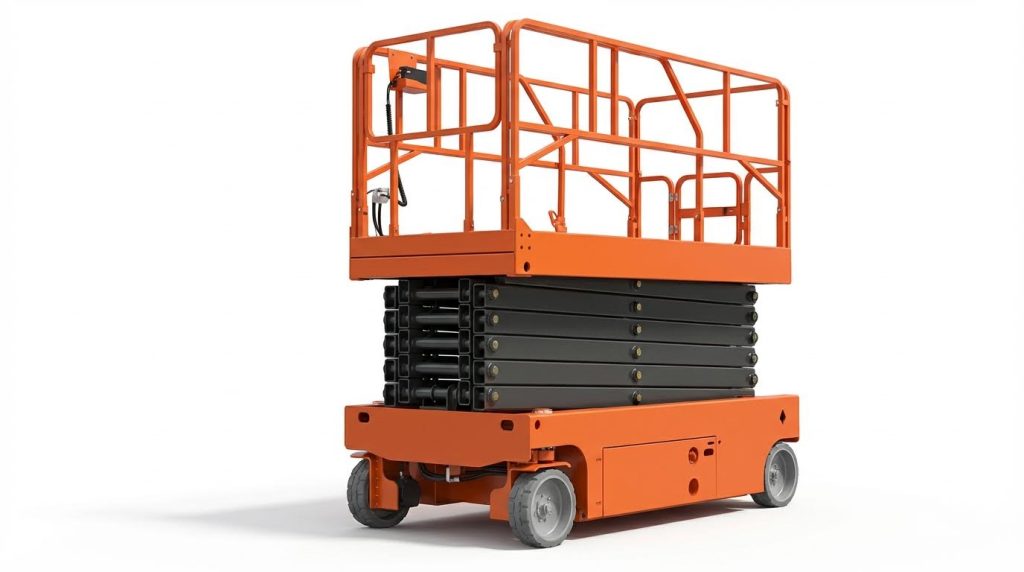
Non-marking tyres vs external floor protection
Non-marking tyres and external floor protection solve the same problem in different ways: protecting finished floors while keeping the lift stable. The right choice depends on surface sensitivity, duty cycle, and how often you change job sites.
| Option | How it protects floors | Best environments | Key advantages | Main limitations |
|---|---|---|---|---|
| Non-marking solid tyres | Special compound prevents black scuff and rubber transfer on finished surfaces while remaining puncture-proof | Indoor polished concrete, epoxy, tiles, warehouses, factories | • No add-on covers to manage • Flat-free, very low maintenance • Protects floors and supports high loads | • Higher initial tyre cost • Still tracks dust or liquids on floor • Does not stop damage from debris trapped in tread |
| Foam-filled non-marking tyres | Non-marking compound plus foam core for better shock absorption | Mixed indoor / light outdoor, slightly uneven slabs, ramps | • More comfortable ride than solid • Puncture-resistant and low maintenance with no air pressure checks • Good stability for most indoor lifts | • Less durable than full solid under extreme loads • Heavier than pneumatic • Still exposes wheel edges if floors are very sensitive |
| External floor protection (boards, mats, films) | Creates sacrificial layer between tyres and finished floor | Brand-new floors, high-end finishes, short-duration work | • Can use standard tyres • Protects against debris, dust, and small impacts • Easy to remove after job | • Time-consuming to lay out • Can move or buckle under wheels • Trip hazards if poorly taped or jointed |
Non-marking tyres work best as a “built-in” solution when you run scissor lifts indoors every day. External protection is more flexible when you only occasionally work on sensitive floors or when you are still deciding where can i find a scissor lift tire cover that suits multiple different lifts and sites.
When to prioritise non-marking tyres
Use non-marking tyres as your default when most work is on finished concrete or epoxy floors, you want minimum setup time, and you need flat-free performance with high load capacity. Non-marking designs for heavy-duty lifts used in warehouses and factories already combined floor protection with strong load support and flat-free construction. These tyres used high-grade rubber or polyurethane compounds that resisted wear, oil, and punctures while avoiding marks on the floor.
Tyre socks, wheel covers, and containment trays
Tyre covers and containment systems add another protection layer when non-marking tyres alone are not enough. They also help when you must keep dust, mud, or chemicals off sensitive floors.
- Tyre socks / tyre sleeves
- Elastic or strap-on fabric that wraps the tyre tread.
- Used mainly on indoor finished floors to prevent scuffing and reduce noise.
- Best with non-marking, flat-free tyres so the sock only handles surface contact, not structural load.
- Rigid wheel covers / guards
- Plastic or metal shells around the wheel area.
- Shield floor from direct contact with wheel edges and hardware.
- Contain loose debris and prevent it from being crushed into the floor.
- Containment trays / drip pans
- Shallow trays placed under the lift when parked.
- Catch oil, hydraulic fluid, or dirt falling from the chassis.
- Useful in cleanrooms or food and pharma areas where contamination is critical.
| Accessory type | Main function | Typical use case | Selection tips |
|---|---|---|---|
| Tyre socks / sleeves | Prevent marking and reduce direct tyre-to-floor friction | Short-term indoor work on brand-new or high-gloss floors | • Match sock width to tyre width • Confirm they fit over non-marking solid or foam-filled tyres • Check they do not bunch up and affect rolling resistance |
| Wheel covers / guards | Shield wheel edges and contain debris | Sites with grit, small stones, or metal swarf on otherwise finished slabs | • Ensure clearance to avoid rubbing the tyre • Fix securely so they cannot rotate or fall off • Leave inspection access for tyres and wheel fasteners |
| Containment trays | Capture leaks and falling debris when stationary | Overnight parking in clean areas, under mezzanines, or above sensitive production lines | • Size tray to full lift footprint • Provide ramps or edge protection so wheels do not damage the tray • Check chemical compatibility with hydraulic fluids |
If you are asking where can i find a scissor lift tire cover, first define whether you need a simple non-marking sock for short indoor jobs or a more robust wheel guard that can live on the machine for most of its duty cycle. That decision controls material choice, mounting method, and how often operators must remove covers for daily tyre inspections.
Integration with tyre type
Non-marking solid and foam-filled tyres already offered puncture resistance and high load capacity, which made them good bases for add-on covers. These tyres maintained stability and grip while protecting floors from black marks, so socks mainly handled cosmetic protection. On rougher mixed sites, wheel guards and containment trays helped keep debris and contaminants away from the tyre-floor interface, improving both safety and cleanliness.
Load, stability, and standards compliance
Any tyre cover or floor protection system must preserve the lift’s original load capacity and stability. Tyres were already engineered to support elevated platforms and personnel with high load capacity and flat-free construction. High-grade rubber or polyurethane compounds, reinforced cores, and tested tread patterns ensured they met OEM and international safety regulations. Add-on protection must not interfere with this design.
- Load and contact pressure
- Do not allow socks or covers to reduce tyre contact patch or create point loads.
- Avoid thick mats that introduce soft, uneven support under one wheel.
- Keep total load within the lift’s rated capacity, including any added trays or boards.
- Stability and terrain
- Operate only on firm, level surfaces free from holes, debris, or sudden level changes to maintain stability. Guidance required firm, level surfaces and warned against hazards that could cause tipping.
- Do not use loose boards or unsecured mats that can slide under the wheels.
- Check that covers do not foul steering or braking.
- Inspection access
- Covers must be removable so you can inspect tyres for cuts, chunking, or flat spots.
- Daily and weekly inspections included visual checks and tread depth measurements to at least 3 mm, with sidewall checks monthly. Regular cleaning and avoiding overloading extended tyre life.
- Standards and OEM compliance
- Do not modify wheels or tyres in ways that conflict with OEM specifications or local standards.
- Scissor lift tables and related equipment already met ANSI/ASME and EN1570 standards for structural and safety performance. These standards covered load capacity, stability, and safety systems.
- Any accessory should be treated as temporary and non-structural unless specifically certified.
| Design check | What to verify before use | Risk if ignored |
|---|---|---|
| Tyre cover fit | No interference with wheel rotation, steering, or braking | Unintended braking, loss of control, or cover detachment |
| Floor protection layout | Boards or mats fully support wheel paths without gaps | Localised sinking, tilt, or sudden level change under one wheel |
| Load and rating | Total load (lift + payload) within rated capacity even on protection layers | Overstressed tyres or structure, reduced factor of safety |
| Inspection access | Covers can be removed quickly for pre-use tyre checks | Hidden tyre damage leading to failure or instability |
When you plan where can i find a scissor lift tire cover for your fleet, treat it as part of the overall stability and safety system, not just a cosmetic accessory. The best solution is the one that protects floors without changing how the tyres carry load, how the lift meets standards, or how easily operators can inspect and maintain the running gear.
Matching Tyres And Protection To Applications
Indoor, cleanroom, and finished floor environments
Indoor and finished-floor work is about two things: keeping the floor unmarked and keeping the lift stable. In cleanrooms and high-finish areas, you also need tight control of dust, debris, and contamination from the wheels.
Start by choosing the right tyre construction, then add covers or floor protection where the surface or cleanliness standard demands more than the tyre alone can provide.
| Environment | Recommended tyre type | Floor / wheel protection add-ons | Why it works |
|---|---|---|---|
| Standard indoor warehouse, polished concrete | Non-marking solid or non-marking polyurethane tyres with flat‑free construction | Optional wheel covers in high-visibility areas | Protects floor from black scuffing while carrying high loads and avoiding punctures. |
| Finished epoxy or resin floors | Non-marking solid tyres with smooth tread | Tyre socks or full wheel covers under the lift; temporary floor mats in travel paths | Minimises point loading and surface scratching; contains dust or debris from treads. |
| Cleanrooms and food / pharma production | Non-marking, low-shedding tyres (solid rubber or polyurethane) | Enclosed wheel covers, absorbent tyre socks, drip or containment trays | Reduces particle generation and keeps any contaminants from reaching the controlled floor. |
| Indoor mixed traffic (pedestrians, manual pallet jack) | Non-marking solid or foam-filled tyres | Wheel guards to avoid snagging, clearly marked floor protection mats in work zone | Balances floor protection with ride comfort and stability where people and equipment mix. |
For SEO context, many buyers search “where can i find a scissor lift tire cover” when they need extra protection on sensitive floors. The practical answer is to match the cover style (sock, rigid cover, or tray) to your tyre type and to the cleanliness level of the building, not just to the lift model.
- Non-marking tyres are the default choice for most indoor and finished floors because they avoid black scuff marks and protect coatings on concrete and epoxy surfaces. They also resist wear, oil, and punctures, which reduces unscheduled downtime.
- Solid tyres are flat-free and support high loads without air maintenance, which is ideal where access for tyre changes is difficult or where the lift often works near maximum capacity. Reinforced cores and thicker treads are especially useful in heavy industrial halls.
- Polyurethane wheels offer high load capacity and low rolling resistance, so they suit indoor logistics layouts where the lift must move through narrow aisles or stop accurately at workstations. Non‑marking versions are common for these uses.
Practical selection checklist for indoor and clean environments
Use this quick checklist when pairing tyres and protection with indoor floors.
- Confirm floor type: bare concrete, sealed, epoxy, tile, or specialty coating.
- Check cleanliness level: warehouse, light industrial, hygienic, or full cleanroom.
- Match tyre compound: always non-marking for visible or coated floors.
- Control contamination: add socks or covers where dust, liquids, or chemicals are present.
- Plan routes: use temporary floor mats or runners in tight corridors or door thresholds.
- Verify load and stability: tyre capacity must meet or exceed lift rated load on that surface. Correct tyre choice improves stability at height.
Mixed-use and rough-terrain job sites
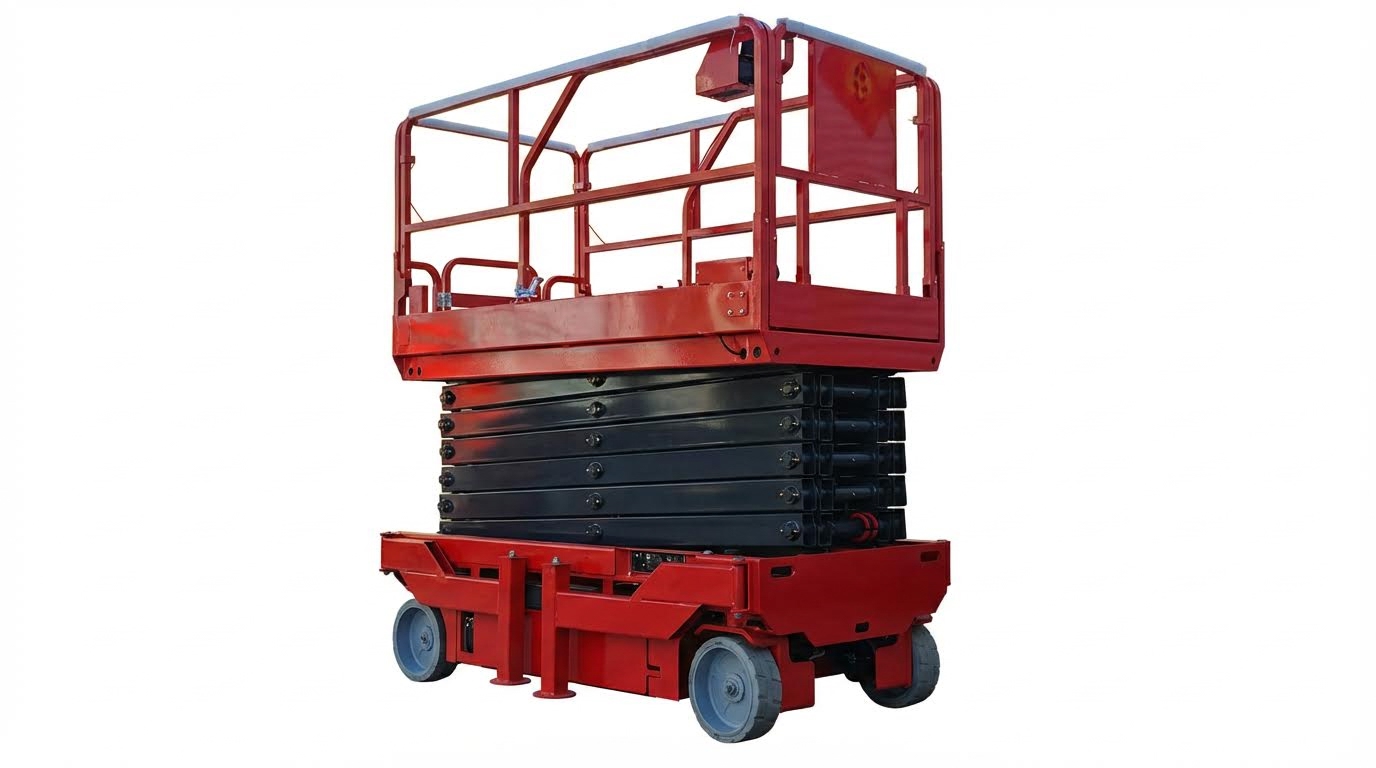
Mixed-use sites force tyres to do two conflicting jobs: protect indoor floors and survive outdoor abuse. Rough-terrain sites focus more on traction, shock absorption, and puncture resistance than on floor appearance.
Your choice here is mainly between foam-filled, solid, and pneumatic tyres, then deciding whether temporary covers or dedicated indoor units are more economical than swapping tyres.
| Job-site type | Tyre construction | Surface behaviour | Recommended floor / tyre protection |
|---|---|---|---|
| Indoor–outdoor mixed (dock doors, yards, warehouses) | Foam-filled non-marking where possible | Good shock absorption with puncture resistance; acceptable indoors and outdoors | Use wheel covers or tyre socks when re-entering finished floors; establish “clean-in” zones. |
| Construction site with some indoor finished areas | Foam-filled or solid rough-terrain tread | High stability on uneven surfaces; aggressive tread can damage delicate floors | Prefer separate indoor lift with non-marking tyres; if not possible, use heavy-duty floor mats and tyre socks. |
| Full rough terrain (mud, gravel, uneven ground) | Pneumatic or foam-filled rough-terrain tyres for maximum traction and shock absorption | Excellent ride and grip but can track mud and debris indoors | Keep these lifts outside; if they must enter a building, restrict them to sacrificial or unfinished areas. |
| Industrial yards with frequent obstacles and debris | Solid or foam-filled tyres with aggressive tread | Flat-free operation and high damage resistance | No covers outdoors; clean treads before any indoor use and protect thresholds with plates or mats. |
- Foam-filled tyres are often the best compromise for mixed sites because they combine puncture resistance with better ride comfort than solids and work in both indoor and light outdoor conditions. They are puncture‑resistant and need no air pressure checks, which simplifies maintenance.
- Pneumatic tyres suit the roughest outdoor terrain because they give the best shock absorption and traction, but they are vulnerable to punctures and are rarely suitable for finished indoor floors. They are typically used on mud, gravel, and uneven ground.
- Solid tyres are ideal where debris and sharp objects are common, and floor finish is not critical. Their higher stiffness improves stability under heavy loads but gives a harsher ride on very rough ground.
How to manage one lift across indoor and rough-terrain areas
If you must use one scissor lift across both indoor and rough-terrain zones, use a disciplined process.
- Define “dirty” and “clean” zones: mark floor lines and signage so operators know where tyre cleaning or covers are mandatory.
- Install cleaning and protection points: place brush ramps, wash mats, or containment trays at transition doors to remove mud and grit from tyres.
- Use removable tyre covers or socks indoors: fit them only once tyres are clean and dry; remove them before going back outside.
- Check stability and load ratings: any added cover or sock must not interfere with wheel clearance, steering, or braking, and the tyre must still meet the lift’s rated load capacity. Tyre choice directly affects stability at height.
- Inspect more often: rough terrain accelerates wear, so increase inspection frequency for treads, sidewalls, and any covers or trays used.
Final Considerations For Tyres, Covers, And Floors
The right tyre and floor protection strategy turns a scissor lift from a generic tool into a safe, floor-compatible system. Tyre construction sets the base behaviour: solid and foam-filled tyres carry high loads with low downtime, while pneumatic tyres trade puncture risk for maximum traction and shock absorption. Wheel covers, socks, and trays then fine-tune how that load reaches the floor and how debris or fluids stay contained.
Engineering choices here have direct safety results. Correct compounds and tread patterns keep contact pressure predictable and reduce tipping risk. Well-designed covers preserve steering clearance and braking, so the lift still behaves as the standards and OEM ratings expect. Poorly chosen mats, loose boards, or tight covers do the opposite. They introduce point loads, instability, and hidden tyre damage.
For operations and engineering teams, the best practice is clear. Start with tyres matched to surface, load, and terrain. Add covers or external protection only where the floor finish or cleanliness level demands it, and treat every accessory as non-structural. Keep daily inspection access easy and stay within the original ratings. That approach lets Atomoving scissor platforms protect floors, protect people, and stay productive across changing job sites.
Frequently Asked Questions
Where can I find a scissor lift tire cover?
Scissor lift tire covers can typically be found through equipment parts suppliers or manufacturers. If you’re looking for a replacement or protective cover, consider reaching out to your local Material Handling Equipment (MHE) distributor. Alternatively, many online industrial equipment retailers offer these components. To ensure compatibility, verify the specifications of your scissor lift model before purchasing.
Can you drive a scissor lift while it’s charging?
Yes, it is possible to use your scissor lift while the battery is being charged. However, precautions must be taken to ensure safety. Pull the red emergency shut-off button out and have a helper guide the extension cord away from the wheels while the equipment is moving. This prevents damage to the cord and ensures safe operation. Lift Maintenance Tips.
What is the most common cause of accidents involving scissor lifts?
Falls are one of the most common causes of injury and death among scissor lift operators. These often occur when the lift becomes unstable due to bad weather or uneven surfaces. To minimize risks, workers should always wear proper fall protection gear and inspect the work area before operating the lift. Safety guidelines recommend avoiding operation in hazardous conditions. Scissor Lift Safety Guide.