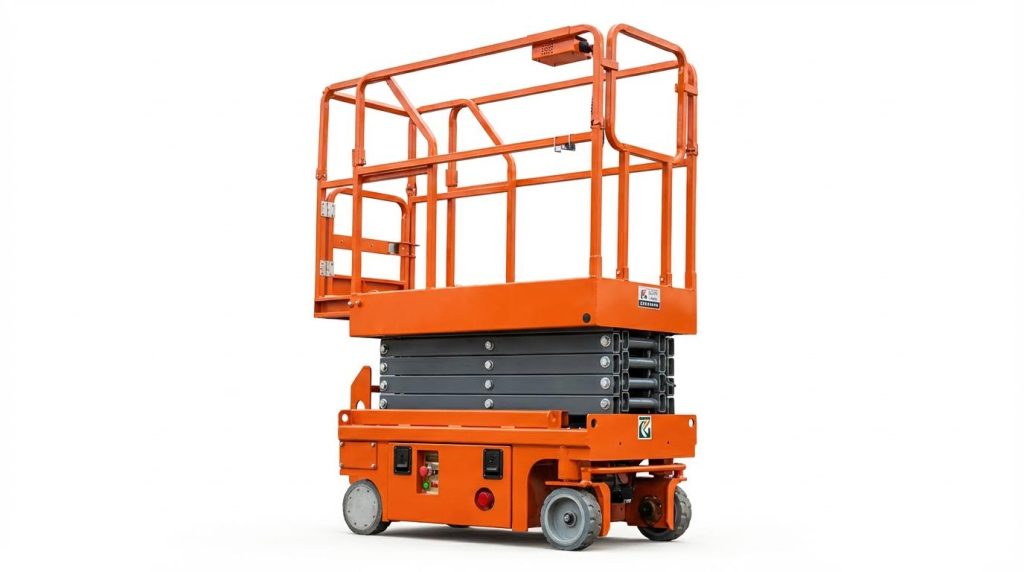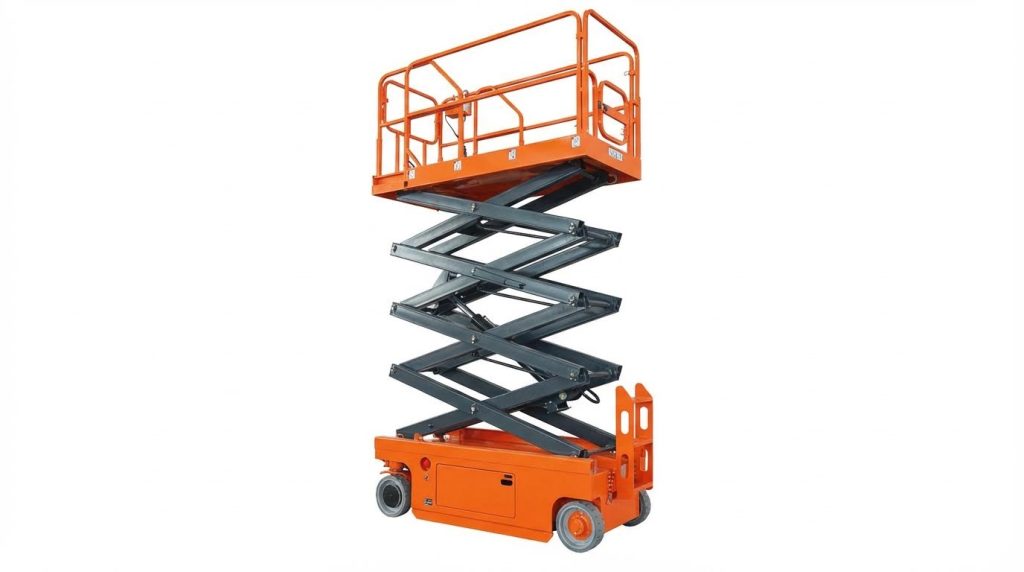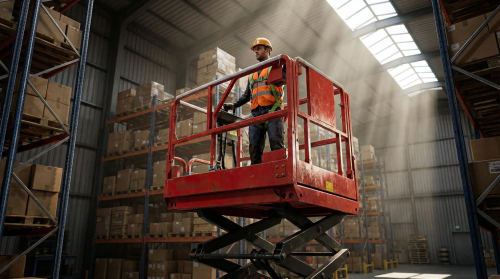
If you are asking yourself “what are scissor lifts” from an engineering or operations point of view, this guide walks through the essentials. You will see how the scissor mechanism works, the typical capacity and height ranges, and how hydraulic and electric systems compare in real plants. We will also break down scissor platform, safety systems, and intelligent controls, then link each scissor lift type to the right industrial applications and selection criteria. Use this as a practical reference to specify safer, more efficient lifting solutions in your facility.
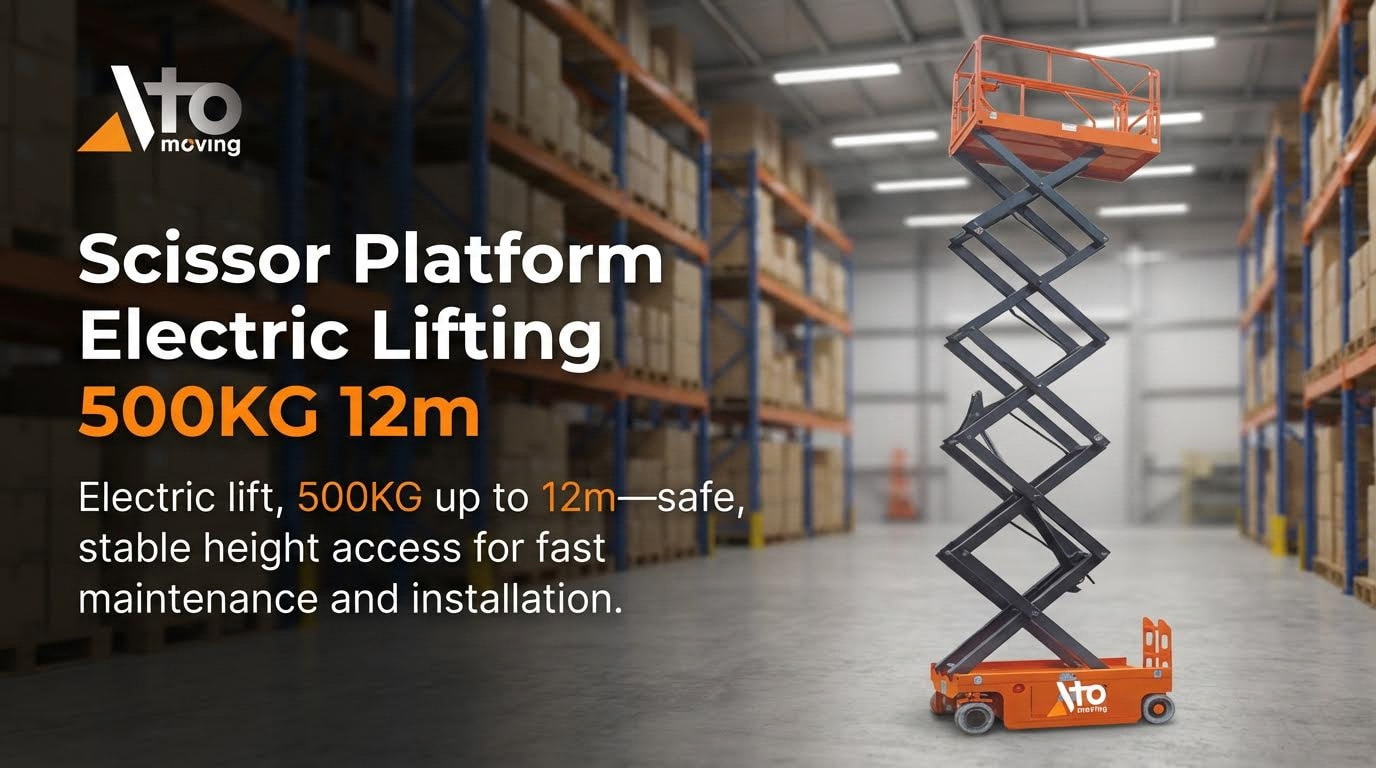
What Is A Scissor Lift And How Does It Work?
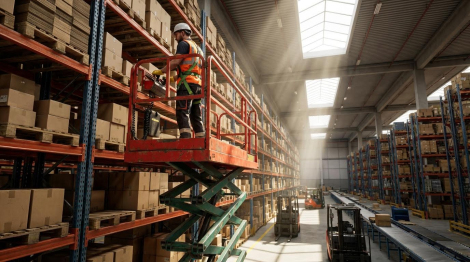
Core lifting mechanism and kinematics
To understand what are scissor lifts from an engineering point of view, start with the core mechanism: a pantograph (X-shaped) linkage that converts horizontal force into vertical motion. The platform rides on top of one or more scissor stacks, while a hydraulic or electric drive pushes at the base or between the arms to extend the linkage. The result is near-vertical lifting with a compact footprint and high stiffness compared with many other vertical conveyors.
- Linkage geometry: Crossed arms (usually rectangular hollow sections) pinned at the center and at each end to base and platform.
- Actuation point: Cylinder or screw jack applies force at a specific arm joint or base roller, defining the motion curve and mechanical advantage.
- Guidance: Rollers in base/platform tracks constrain the scissor stack to move vertically with minimal side shift.
- Load path: Vertical load on the platform resolves into compression in the arms and shear in the pins; base structure carries these into the floor or supporting steelwork.
In a typical hydraulic scissor lift, a pump raises pressure in the hydraulic circuit, extending one or more cylinders that open the scissor arms. High‑efficiency systems can cut power use by about 20% versus older designs through improved hydraulics and controls. Double‑scissor or multi‑scissor arrangements stack these X-frames vertically for higher lift while maintaining platform size and stability and can hold heavy loads with smooth, wobble‑free motion at full height.
Key kinematic characteristics engineers care about
Designers analyze the scissor geometry to predict stroke vs. cylinder travel, platform velocity profile, and required input force. At low heights, the scissor angle is shallow, so mechanical advantage is low and cylinder force is high; as the lift rises, the angle steepens, cylinder force drops, and vertical speed can increase. Precision hydraulic circuits can hold platform position within about ±5 mm for accurate working heights which is important for assembly, inspection, or alignment tasks.
Key performance ranges and duty classes
When people ask what are scissor lifts in a practical sense, they usually mean: how much can they lift, how high, and how fast, for which duty. Typical industrial ranges cover everything from light workstations to heavy cargo handling.
| Parameter | Typical industrial range | Example data from real products | Engineering notes |
|---|---|---|---|
| Rated load capacity | ≈ 1,000 kg to 40,000 kg for standard tables; special designs far higher | Models from 1,000 kg up to 40 tons for cargo lifts are in regular industrial use; custom platforms have handled about 400‑ton steel billets in steel plants with heavily reinforced structures. | Capacity drives arm section size, pin diameter, cylinder bore, and base anchorage design. |
| Max lifting height | ≈ 1 m to 6 m for most floor‑mounted units | Heights from about 0.99 m to 2.05 m on compact models, up to around 6 m on cargo lifts using single or multi‑scissor stacks. | Higher lift usually needs multi‑scissor stacks and stiffer platforms to control deflection. |
| Platform size | ≈ 1.3 × 0.8 m to 6.5 × 5.5 m | Small platforms around 1,300 × 820 mm and large cargo decks up to about 6,500 × 5,500 mm are common in industry to suit different load envelopes. | Large platforms require attention to torsional stiffness, point‑load capacity, and guide system design. |
| Lifting time / speed | ≈ 20 s to 90 s to full stroke depending on load and height | Light units reach full height in about 20–25 s, while heavier or higher‑stroke models can take around 80–90 s to complete travel. | Speed is a trade‑off with power, comfort, and load stability; many designs limit speed to improve safety. |
| Positioning accuracy | ±5 mm typical for precision hydraulic units | Industrial double‑scissor tables can hold position within roughly ±5 mm under load using fine hydraulic control. | Critical for assembly, inspection, and automated handling interfaces. |
Duty class for scissor lifts is usually defined by how often and how long the lift operates, plus environment. Light‑duty units may cycle a few times per hour in clean indoor areas, whereas heavy‑duty units in steel plants or logistics hubs may run many cycles per hour in hot, dirty conditions and must withstand high shock loads from forklifts or billets.
- Light/medium duty: Lower capacities (≈1–4 tons), moderate heights, modest daily cycles, often workstation or pallet‑handling roles.
- Heavy duty: High capacities (10–40 tons+), frequent cycling, harsh environments such as steel, foundry, or outdoor logistics; structures and hydraulics are over‑sized for fatigue life.
- Safety and control layer: Overload protection, anti‑explosion and overflow valves, emergency descent, and overspeed protection are standard on modern heavy‑duty units to manage failure modes in demanding service.
Correctly matching these performance ranges and duty classes to the job is the foundation of safe, efficient scissor lift selection and is central to any engineering answer to what are scissor lifts used for in modern industry.
Industrial Applications And Selection Criteria
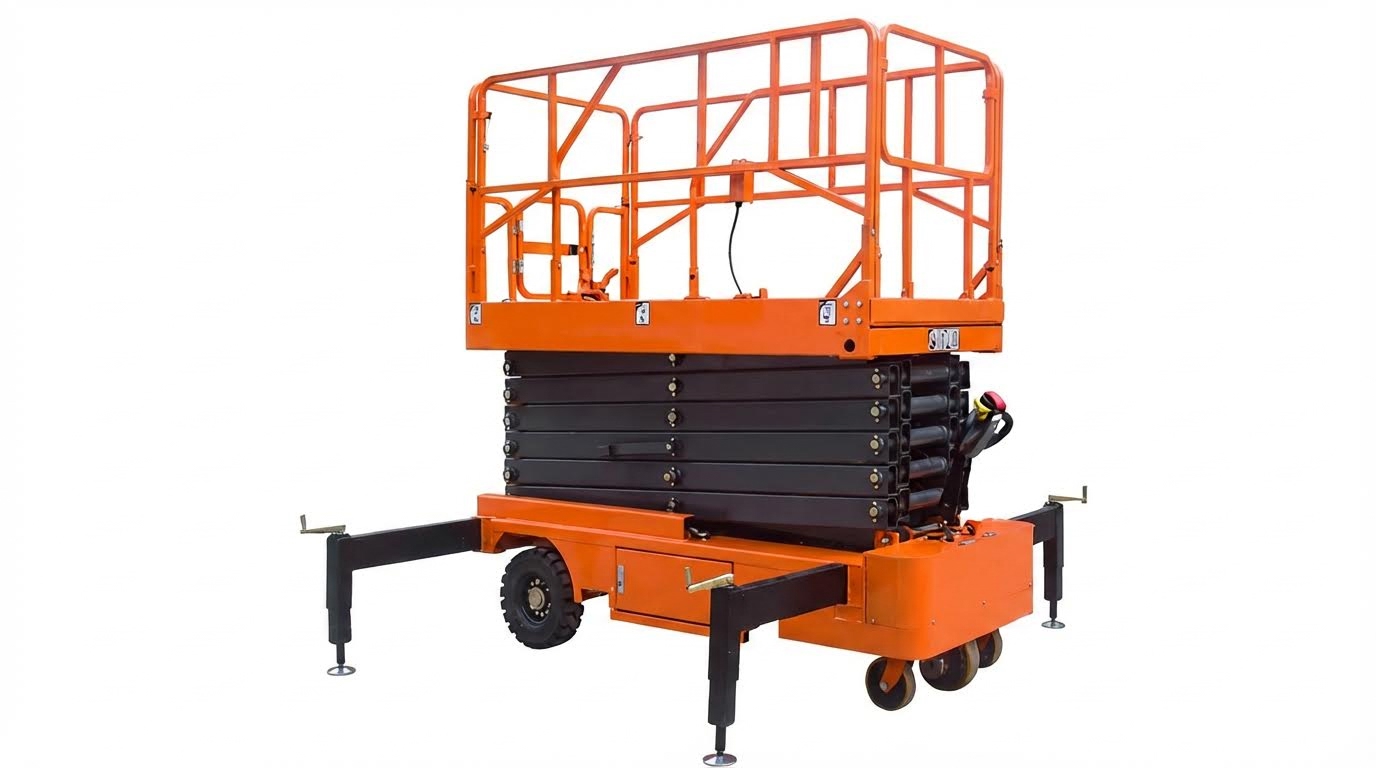
Matching lift type to application and environment
When engineers or buyers ask “what are scissor lifts used for?”, the answer depends heavily on load, duty cycle, and environment. Matching the lift type to the application keeps operators safe and throughput high while avoiding overspecification.
Typical industrial use cases for scissor lifts
Common roles include pallet handling, assembly line height adjustment, work positioning, and vertical transfer between building levels. In heavy industry, customized platforms handle steel billets up to hundreds of tons while integrating into automated material flow systems. A 400-ton scissor lift platform was engineered for steel billet transfer and tied into a 300-ton AGV system. Another example in discrete manufacturing used a scissor lift in quality control to remove an access ramp, allow pallet jack loading, and cut manual handling. The solution added pallet-retaining curb angles, velocity fuses, and accordion skirts to control risk.
At a high level, you choose between hydraulic and electric scissor lifts based on power, duty, and environment.
| Application scenario | Recommended drive type | Key reasons |
|---|---|---|
| Outdoor construction, steel mills, heavy fabrication | Hydraulic | Higher capacity and height, robust under harsh conditions compared with electric units |
| Indoor assembly, warehouses, hospitals, clean areas | Electric | Low noise, zero local emissions, no hydraulic fluid risk and lower maintenance |
| High-frequency positioning with moderate loads | Electric or hybrid | Energy efficiency and reduced operating cost over time |
| Occasional use, mixed indoor/outdoor, medium loads | Hydraulic | Lower purchase cost and simple technology, accepting higher upkeep over life |
Hydraulic scissor lifts use fluid power and a pump station to generate high lifting forces. Frames built from high-strength steel tubes carry heavy loads, but need regular checks of oil level, seals, and emergency lowering devices. Good practice included annual oil replacement and inspection of anti-overload and emergency drop systems.
Electric scissor lifts rely on electric motors and batteries. They run quietly and avoid hydraulic leaks, making them suitable where contamination or noise is critical. You must, however, manage charging and battery life as part of the operating plan. Studies compared their generally lower capacity and height to hydraulic units.
- Use hydraulic drives where “muscle” and robustness matter more than noise and leak risk.
- Use electric drives where cleanliness, quiet operation, and lower routine maintenance are priorities.
- In mixed-use plants, segment the fleet: hydraulic for yards and heavy bays, electric for indoor assembly and picking.
Engineering parameters for specifying a lift
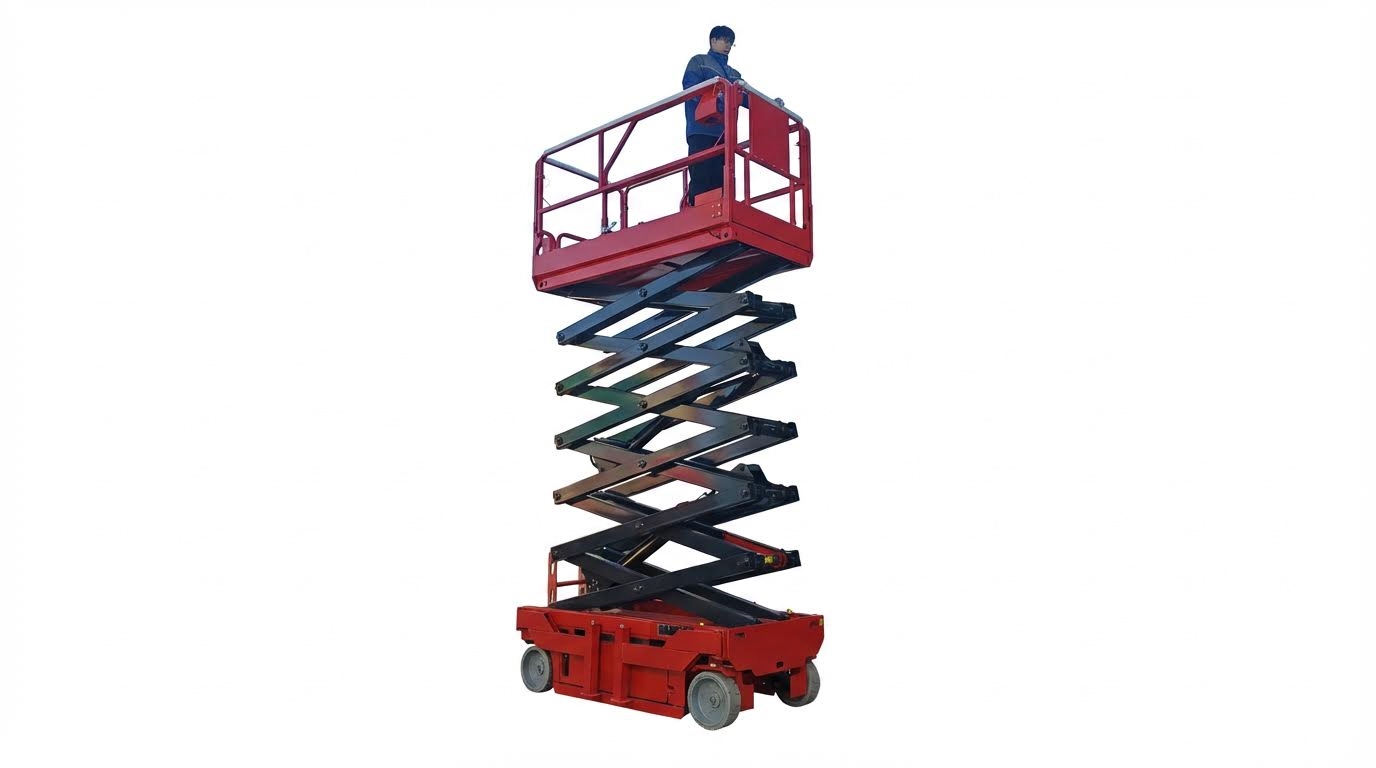
When you move from asking “what are scissor lifts” to actually specifying one, you translate process needs into engineering parameters. The table below pulls typical ranges from industrial platforms and shows how they map to design decisions.
| Parameter | Typical industrial range | Engineering / selection notes |
|---|---|---|
| Rated load capacity | 1,000–40,000 kg for standard industrial lifts with some cargo lifts reaching 40 tons, and custom platforms up to 400 tons for steel billets in heavy mills | Size for worst-case live load, including pallets, fixtures, and dynamic factors; apply safety factors from relevant standards. |
| Max lifting height | ≈1.0–6.0 m for typical cargo and work-positioning lifts (examples from 0.99 m to about 6 m) | Driven by ergonomics, floor-to-floor levels, and clearance; higher lifts often require double-scissor mechanisms for stability with enhanced stiffness. |
| Platform size | From about 1,300 × 820 mm up to roughly 6,500 × 5,500 mm for heavy cargo | Dimension to fit the largest load footprint plus margins; check deflection limits and edge loading from drum dollies or AGVs. |
| Lifting time / speed | ≈20–25 s for light models and up to 80–90 s for heavier units to full stroke depending on capacity | Balance cycle time against comfort and safety; faster speeds need over-speed protection and precise control. |
| Positioning accuracy | Hydraulic systems can hold within about ±5 mm for precision work | Critical for assembly, quality control, and automated transfer; consider load cells and closed-loop controls. |
| Duty cycle / utilization | From a few cycles per day to continuous multi-shift operation | Higher duty requires heavier structures, efficient hydraulics, and attention to cooling and component life. |
Safety and control features are core to any specification, not add-ons. Modern scissor lifts integrate hydraulic, mechanical, and electronic protections to manage risk in industrial duty.
- Hydraulic safety: dual circuits, anti-explosion valves to prevent hose-burst free fall, overflow valves to limit pressure, and emergency decline valves for safe lowering on power loss. These features kept platforms controllable even under fault conditions.
- Mechanical safety: safety bars to avoid crushing hazards during descent and guardrail interlocks that block lifting if rails are not secured. Such interlocks reduce operator error risk.
- Electronic / control safety: over-speed protection that stops motion if speed exceeds about 18 m/min, oil level and temperature sensors with alarms, and emergency stop circuits. These measures supported safe operation in demanding plants.
Intelligent control systems now add diagnostics and automation. Touchscreen HMIs allow pre-set lift positions, sequence programming, and self-diagnosis of common faults, while load cells display real-time weight to prevent overload. Remote control options extended operating distance up to about 50 m, which helped keep personnel clear of hazardous zones.
Checklist: key engineering inputs when specifying a scissor lift
Use this as a quick design brief template when you define what are scissor lifts required to do in your plant.
- Process description: what is being lifted, from where to where, and how often.
- Maximum load: including pallets, fixtures, and any impact or dynamic effects.
- Required platform height range and preferred working height band.
- Platform size and interface: pallet jack, forklift, conveyor, AGV, or manual loading.
- Environment: indoor/outdoor, temperature, presence of oils, chemicals, or washdown.
- Drive choice: hydraulic vs electric based on noise, energy, and contamination risk.
- Cycle time and throughput: target up/down times and takt time.
- Safety and compliance: applicable standards (for example DIN 15018 or NF EN 1570) used by many industrial platforms.
- Integration: need for PLC interfaces, AGV docking, or conveyor alignment.
- Maintenance strategy: access for inspection, expected utilization, and spare parts philosophy.
Finally, consider durability and surface treatment. Chemical pickling and epoxy coatings improve resistance to oils, grease, and weak chemicals, extending life in harsh industrial environments. Such finishes supported reliable service in heavy-duty plants. When all these parameters are defined, the resulting scissor lift is not just a vertical jack but a tuned piece of material-handling infrastructure.
Final Thoughts On Scissor Lifts In Modern Industry
Scissor lifts sit at the intersection of geometry, structure, and control. The pantograph linkage gives vertical motion with a compact footprint, but only works safely when engineers respect load paths, stiffness, and guidance. Capacity, height, and platform size drive arm sections, pin diameters, cylinders, and base anchorage. If you undersize any of these, you shorten fatigue life and raise the risk of instability at height.
Duty class and environment then shape the drive choice. Hydraulic systems suit high loads, harsh conditions, and outdoor work. Electric drives fit clean, quiet, indoor tasks with frequent positioning. In both cases, safety valves, mechanical locks, guardrails, and electronic interlocks must form a single protection layer, not scattered add-ons. Intelligent diagnostics and presets cut error, standardize cycles, and support predictive maintenance.
For operations and engineering teams, the best practice is clear. Start with the process and worst-case load. Define height, platform envelope, duty cycle, and environment in detail. Then select hydraulic or electric architecture, safety systems, and coatings as a package. When you follow this disciplined approach, partners like Atomoving can deliver scissor lifts that behave as engineered infrastructure, not generic lifting tables, and that run safely for years in real industrial service.
Frequently Asked Questions
What Are Scissor Lifts?
Scissor lifts are a type of aerial work platform (AWP) designed to lift workers and materials vertically. They feature a crisscross mechanism that extends the platform upwards. These lifts are commonly used in construction, maintenance, and warehouse environments.
- They provide a stable platform for working at heights.
- Typically powered by electric or hydraulic systems.
- Used indoors and outdoors depending on the model.
How Do Scissor Lifts Work?
Scissor lifts operate using a hydraulic or electric system to push the platform upward. The crisscross design allows for vertical movement while maintaining stability. Operators control the lift from a panel on the platform. Safety features include guardrails and emergency stop buttons.