If you are comparing access equipment and asking what is the advantage and disadvantage of scissor lift, this guide gives you a structured, engineering view. We break down how scissor lifts work, where they excel, and where their limits sit on height, reach, and terrain. You will see how safety rules, power options, and total cost of ownership affect real B2B operations. By the end, you will know when a scissor lift is the right choice and when another platform type is a better fit.
Scissor Lift Basics And Core Advantages
How Scissor Lifts Work Mechanically
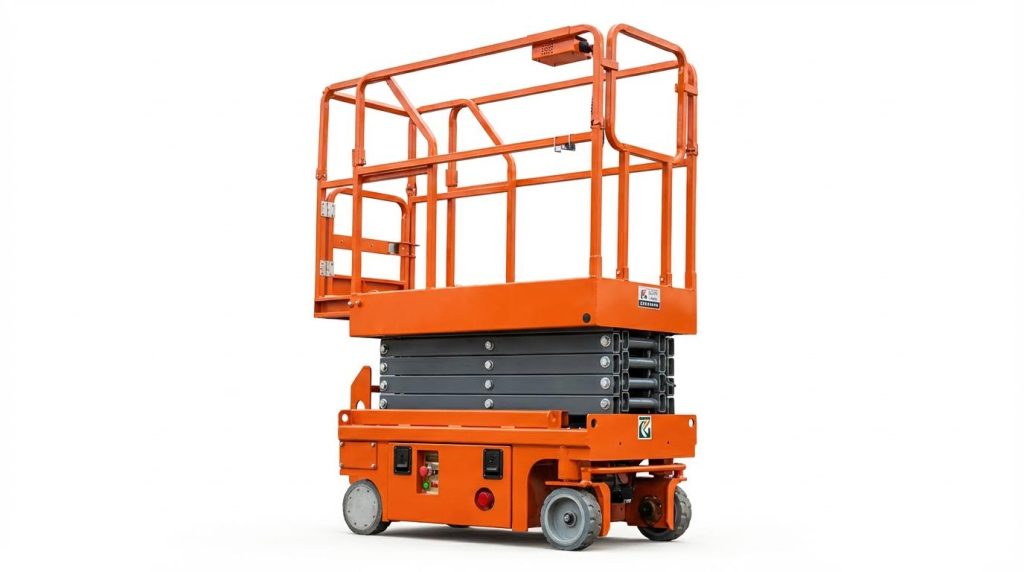
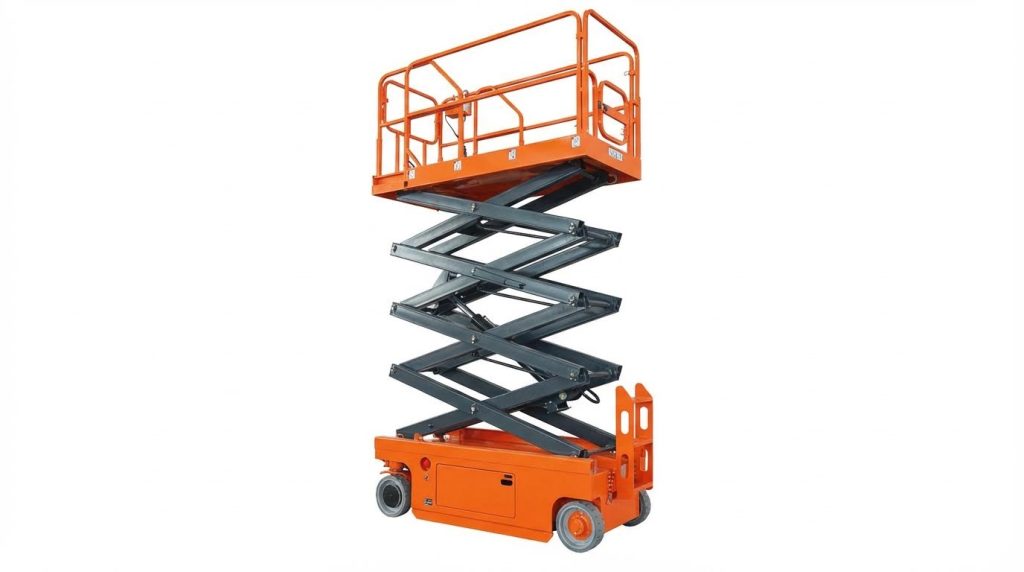
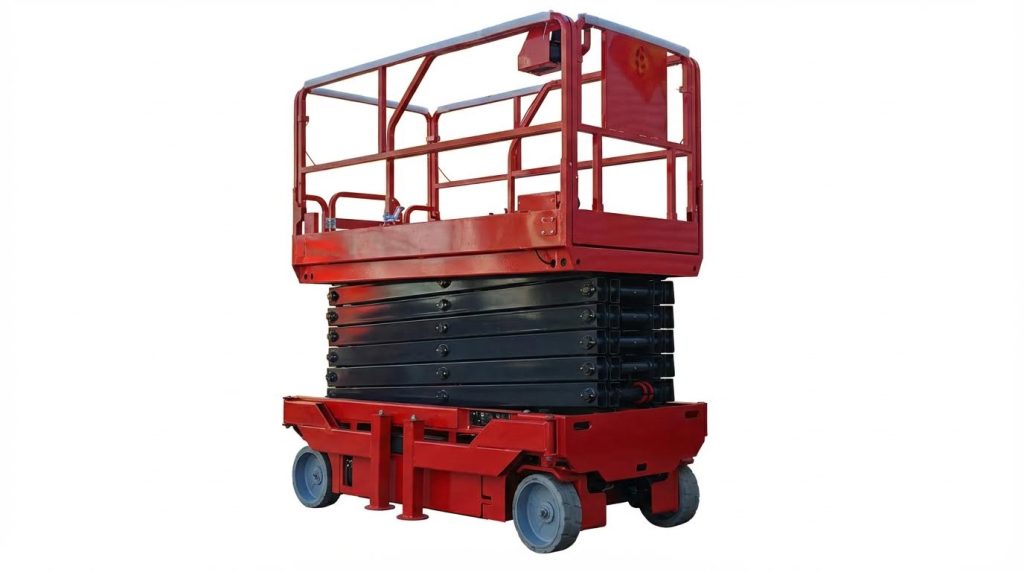
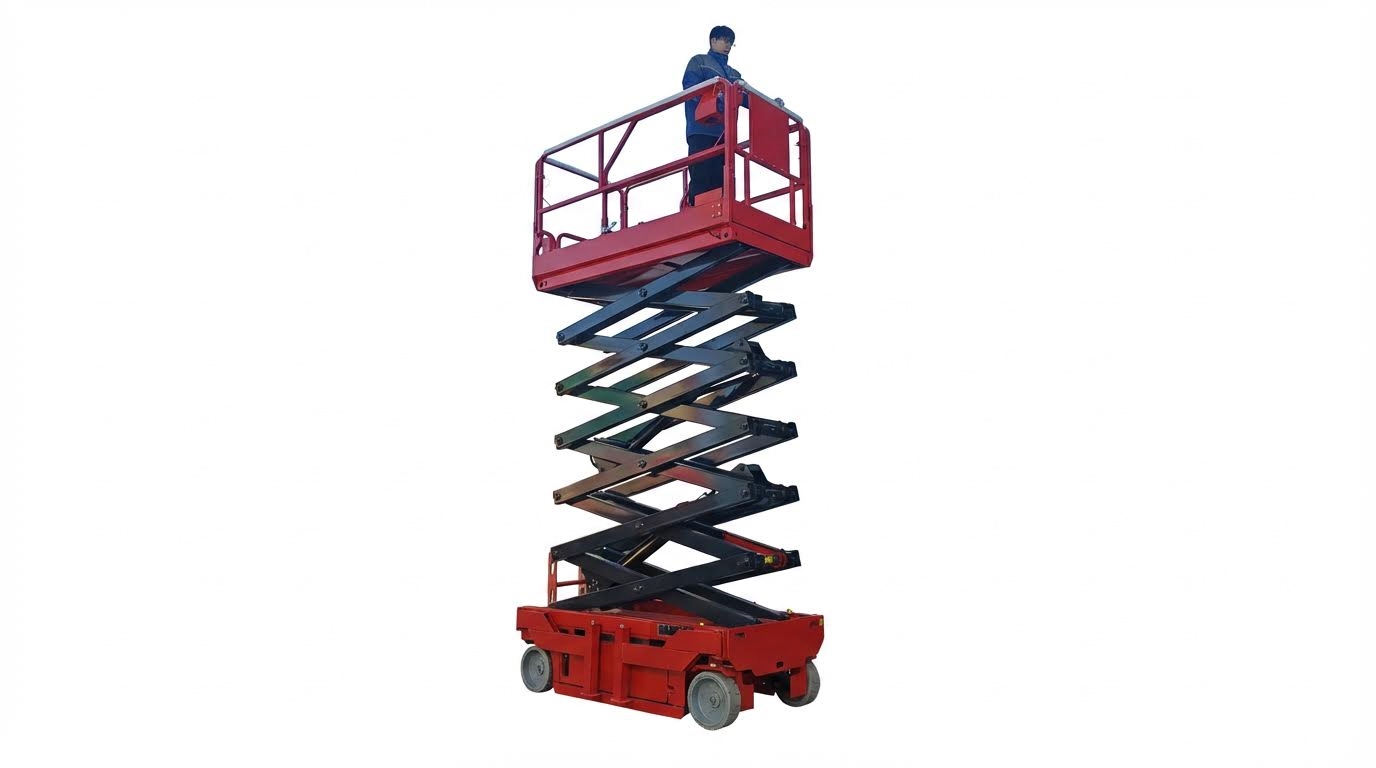
Scissor lifts use a series of crossed steel arms in an “X” pattern (scissor mechanism) that extend and retract to raise a work platform vertically. Hydraulic, electric, or hybrid power units drive cylinders or screw mechanisms that push the X-braces apart, converting linear force into stable vertical lift. The wide base and fixed vertical path give the platform high inherent stability compared with articulated booms, which trade some stability for reach flexibility. Understanding this basic mechanism is essential when evaluating what is the advantage and disadvantage of scissor platform for a specific facility or project.
From a performance standpoint, scissor lifts are optimized for straight-up access and platform capacity rather than outreach. Typical units offer vertical reach in the 20–50 ft range, which covers most indoor maintenance and warehouse tasks for facility and warehouse operations. Because the mechanism moves only in a vertical plane, operators benefit from predictable motion, simple controls, and easier operator training than multi-jointed boom systems. The tradeoff is minimal horizontal reach, which is a core mechanical limitation you must factor into layout and task planning.
Platform size and load capability are key mechanical strengths. Scissor lifts commonly support about 1,000–2,500 lb on platforms around 30–60 sq ft, allowing multiple workers, tools, and materials on deck at once compared with smaller boom platforms. Heavier loads can reduce usable height by roughly 15–25%, so engineers should check load–height curves in the technical manual rather than relying only on nominal “max height” values. For indoor applications, electric-drive scissors offer quieter, cleaner operation, while hydraulic units typically handle heavier-duty industrial loads above about 1,500 lb and 30 ft platform heights making them suitable for heavier industrial lifting.
Key Performance Benefits For B2B Operations
For B2B users, one major advantage of scissor lifts is high platform capacity and stability at a lower cost point than comparable aerial options. Daily rental rates in the range of $175–$300 are significantly lower than boom lifts, which often cost $400–$650 per day, reflecting the simpler vertical mechanism and lower maintenance burden in typical rental comparisons. This cost structure directly improves project economics where tasks are mainly vertical and repeatable, such as racking installation, MEP work, and facility maintenance.
Electric scissor lifts deliver strong operational efficiency for indoor fleets. They can run around 8–10 hours on a full charge and consume roughly 30% less power than comparable hydraulic designs, which reduces both energy costs and charging downtime in typical efficiency studies. Maintenance intervals of about 500 operating hours for electric units, versus roughly 250 hours for hydraulic versions, further lower service frequency and technician labor. Over a seven‑year horizon, these factors contributed to total cost of ownership figures about 18% lower for electric scissors despite a 20–25% higher purchase price in ROI analyses.
Another operational benefit is environmental and workplace impact, which matters for many modern procurement teams asking what is the advantage and disadvantage of aerial platform compared with other access methods. Electric scissors produce zero local emissions and can reduce energy usage by over 40% during typical construction tasks, while also eliminating hydraulic fluid leaks that account for a large share of environmental incidents on sites in field observations. Noise levels around 65 dB make them suitable for occupied buildings, hospitals, and offices, improving worker comfort and minimizing disruption. Combined with built‑in guardrails, firm-level stability requirements, and clear OSHA/ANSI guidance on safe use, scissor lifts offer a balanced package of productivity, safety, and lifecycle cost for vertically focused work.
Technical Limitations, Risks, And Design Tradeoffs
Load, Height, And Stability Constraints
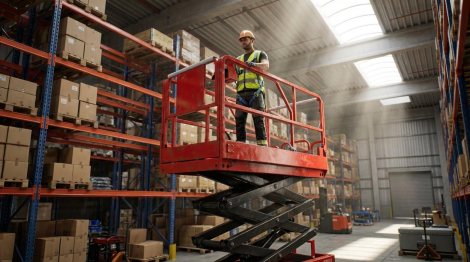
From an engineering standpoint, the same design features that make scissor lifts stable also limit their envelope. Typical platforms carry roughly 1,000–2,500 lb on about 30–60 sq ft, which is excellent for dense, material-heavy work but still below many ground-based scissor platform systems. Typical platform size and capacity ranges mean planners must balance crew size, tools, and materials carefully. Vertical reach is also constrained: most units work in the 20–50 ft band, and allowable height often drops when you approach maximum capacity, with heavier loads commonly reducing usable height by 15–25%. Typical vertical reach capabilities and derating with load illustrate why pre-job engineering reviews are important.
Stability is a major advantage, but it comes with strict operating limits. Scissor lifts are designed for firm, level ground and are not intended for steep slopes or highly uneven terrain; their wide base and fixed vertical path resist tipping, but only if the ground is flat and free of holes or drop‑offs. OSHA guidance requires firm, level surfaces and restricts outdoor use above 28 mph wind speeds, which can shut down outdoor work on gusty days. Compared with articulated equipment that can “reach around” obstacles, scissor lifts move almost purely vertically and offer minimal horizontal reach, so you must position the chassis directly below the work. The fixed-path X-brace design and lack of horizontal outreach are central when evaluating what is the advantage and disadvantage of scissor lift for a given job.
Key engineering tradeoffs
- High platform capacity and area, but limited working height compared with some aerial devices.
- Excellent vertical stability, but only on firm, level, debris‑free ground.
- Safe vertical access, but almost no ability to reach over or around obstacles.
Power Options, Energy Use, And Maintenance
Power choice is one of the biggest technical tradeoffs when deciding what is the advantage and disadvantage of scissor lift in a fleet. Electric units are highly energy‑efficient, typically using about 30% less power than comparable hydraulic systems and delivering 8–10 hours of operation per full charge under normal duty. Documented energy savings and run‑time ranges make them attractive for shift-based indoor work. They also run at roughly 65 dB, which is far quieter than typical diesel-driven equipment and suitable for occupied buildings. Measured noise levels around 65 dB reduce disturbance in hospitals, offices, and schools.
Maintenance profiles differ strongly by technology. Electric scissor lifts usually require scheduled maintenance at about 500‑hour intervals, versus roughly 250 hours for many hydraulic systems, which cuts service frequency and technician labor. Typical maintenance interval comparisons show why many facilities teams favor electric units for high utilization indoors. However, hydraulic configurations still dominate when higher capacity and height are required; they often support loads above 1,500 lb and platform heights beyond 30 ft, which suits heavier industrial or construction tasks. Typical hydraulic load and height capabilities highlight this advantage.
From a life‑cycle cost view, electric scissor lifts usually have 20–25% higher upfront pricing but can deliver around 18% lower total cost of ownership over a seven‑year horizon due to reduced energy use and longer maintenance intervals. Reported TCO reductions over multi‑year periods are important for budgeting and fleet planning. The tradeoff is that battery management, charging infrastructure, and potential range anxiety must be engineered into shift planning, while hydraulic units bring higher noise, emissions, and more frequent service but better performance on heavier, outdoor, or rough‑duty applications.
Powertrain pros and cons at a glance
| Power type | Main advantages | Main limitations |
|---|---|---|
| Electric | Low noise, zero local emissions, longer service intervals, lower long‑term energy cost | Higher purchase price, dependence on charging cycles, lower heavy‑duty capacity range |
| Hydraulic | Higher load and height capability, robust for construction and industrial duty | More frequent maintenance, higher noise, potential for fluid leaks and emissions |
Safety, Compliance, And Operational Risk
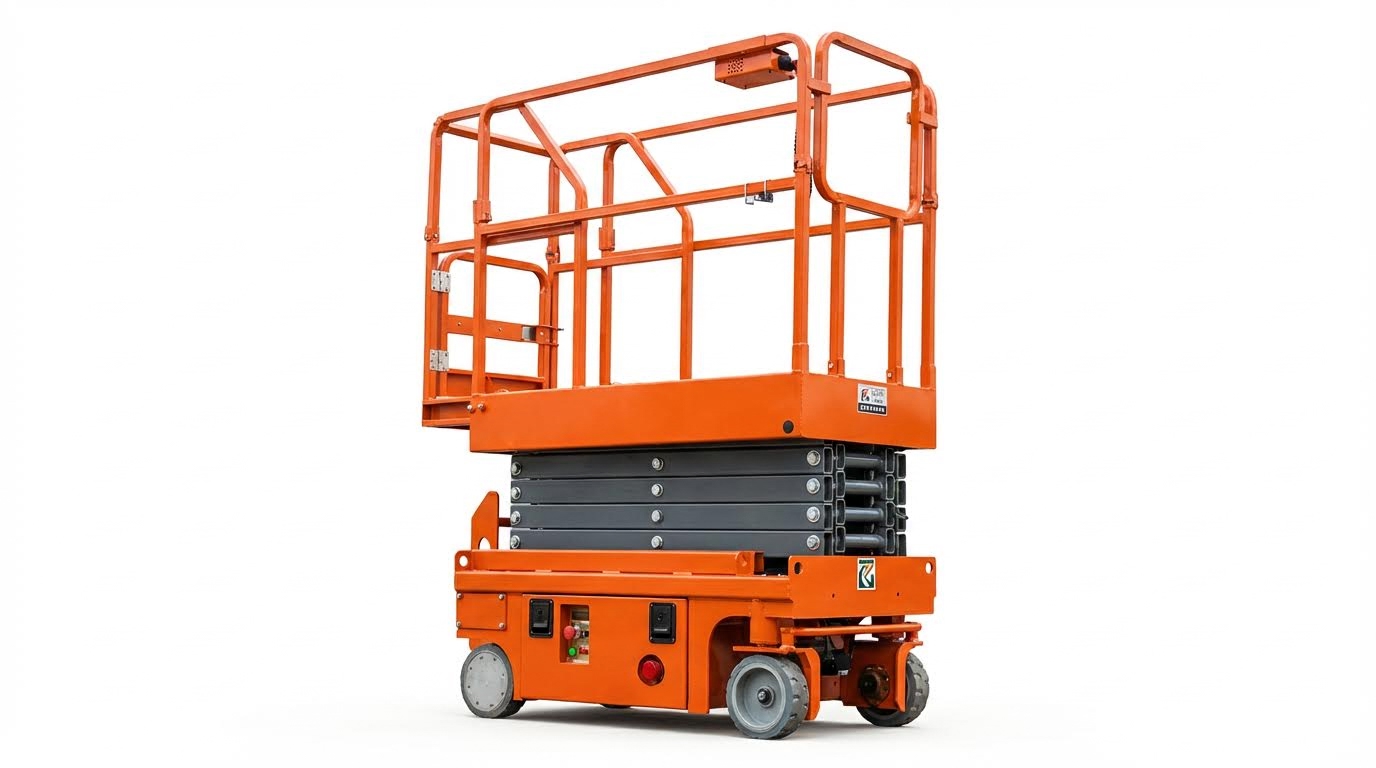
Safety and compliance strongly shape what is the advantage and disadvantage of scissor lift in daily operations. On the plus side, the fixed vertical motion and full-perimeter guardrails create a controlled work area, and regulations require these guardrails to meet specific structural criteria to prevent falls. OSHA standards for guardrail systems on scissor lifts formalize these design expectations. Operators are trained to stay within the platform, avoid climbing or leaning out, and never use ladders or planks to gain extra reach, because external devices on the platform are explicitly prohibited. ANSI/SAIA A92.6 rules banning external platforms and ladders address a common misuse pattern.
However, these same rules highlight important risks and limitations. Scissor lifts must only operate on firm, level surfaces free from holes, debris, or drop‑offs, and outdoor use is restricted when wind exceeds about 28 mph, which can stop work suddenly on exposed sites. OSHA stability and wind-speed limits are non‑negotiable from a compliance perspective. There is also crush and electrocution risk: operators must watch for overhead beams, door frames, and moving vehicles, and keep at least 10 ft clearance from energized power lines unless they are specially qualified and following electrical safety standards. Training on crushing hazards and platform loading and minimum 10‑ft electrical clearances are core elements of safe use.
Operationally, daily inspections are mandatory to keep risk low. Before each shift, crews should test controls, check that guardrails and gates are intact, and verify that brakes hold the lift firmly in place. OSHA’s daily inspection expectations for controls, guardrails, and brakes add routine overhead but significantly reduce incident probability. When these requirements are followed, the inherent platform stability and controlled motion of scissor lifts become a clear safety advantage; when they are ignored—especially regarding load limits, wind, and ground conditions—the same equipment can present serious tip‑over, fall, and electrocution hazards.
Critical safety constraints to factor into selection
- Mandatory guardrails and prohibition on using ladders or planks on the platform.
- Use only on firm, level ground and below specified wind speeds.
- Strict adherence to platform load ratings and electrical clearance distances.
- Daily functional checks of controls, brakes, and safety systems.
Best Use Cases And Selection Criteria
Matching Lift Type To Application And Terrain
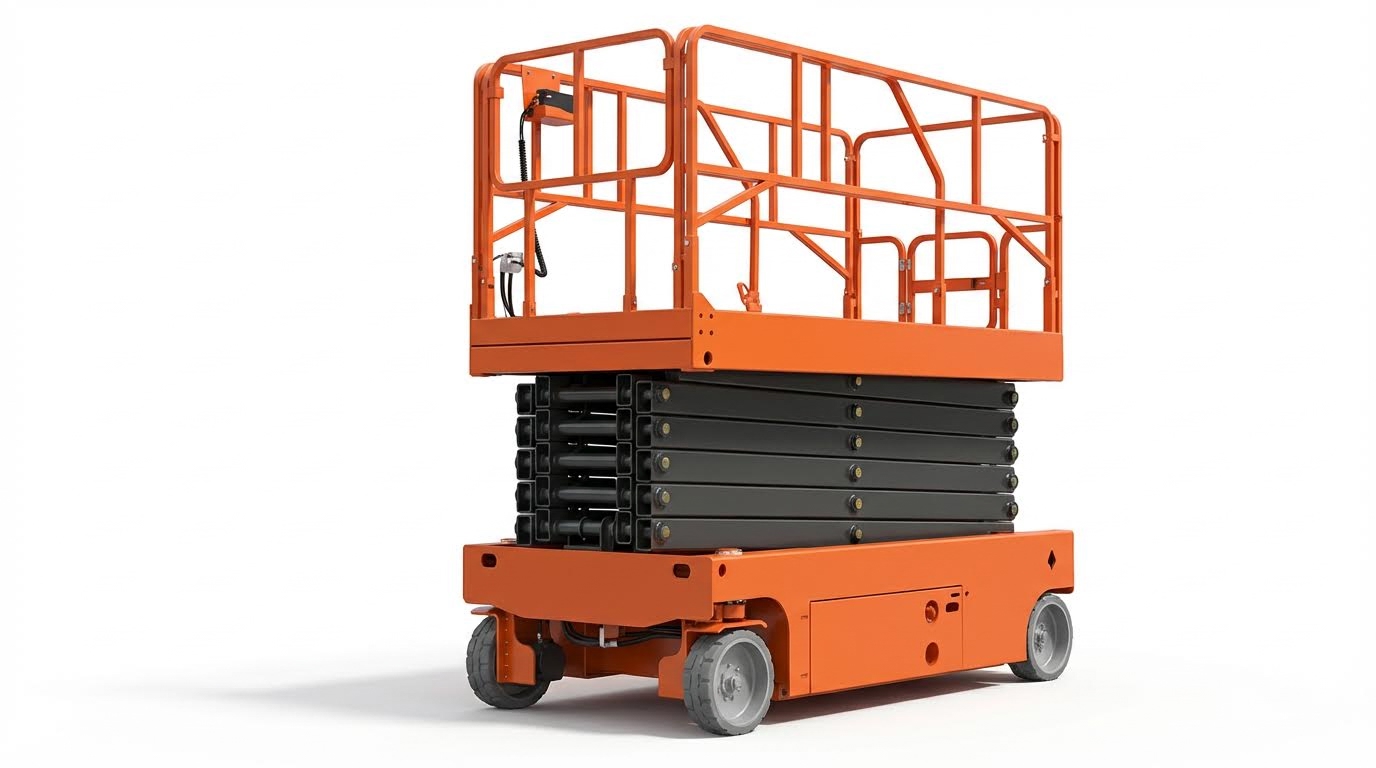
When you ask what is the advantage and disadvantage of scissor lift in real projects, the answer starts with matching the machine to height, reach, and ground conditions. Scissor lifts offer larger platforms and higher capacities, typically handling about 1,000–2,500 lb on 30–60 sq ft platforms, which suits material-heavy indoor work like warehouse racking and MEP installation compared with smaller, lighter boom platforms. The tradeoff is reach: scissor lifts usually work in the 20–50 ft vertical range and move almost purely up and down, while boom lifts can exceed 100 ft and provide far greater horizontal outreach to clear obstacles and reach over structures with telescopic or articulating arms. For terrain, slab scissor lifts are optimized for firm, flat floors, while rough-terrain variants still cannot match the all‑terrain tires, higher ground clearance, and slope handling of dedicated outdoor booms that are designed for uneven ground and grades up to about 45 degrees in demanding sites. In practice, scissor lifts are the right choice for controlled indoor environments, narrow aisles, and repetitive vertical tasks, while booms are better for complex outdoor work where you must reach over equipment, roofs, or roadways.
- Best fits for scissor lifts: warehouses, manufacturing plants, fit‑outs, low–mid height façade work, and maintenance where vertical access and platform space matter more than outreach.
- Best fits for boom lifts: bridge and stadium work, roof plant access, streetlight and mast work, and any task needing long horizontal reach around obstacles.
- Key decision filters: required working height, need for horizontal reach, platform load, aisle/space constraints, and ground conditions (indoor slab vs. rough outdoor terrain).
TCO, Utilization, And Technology Roadmap
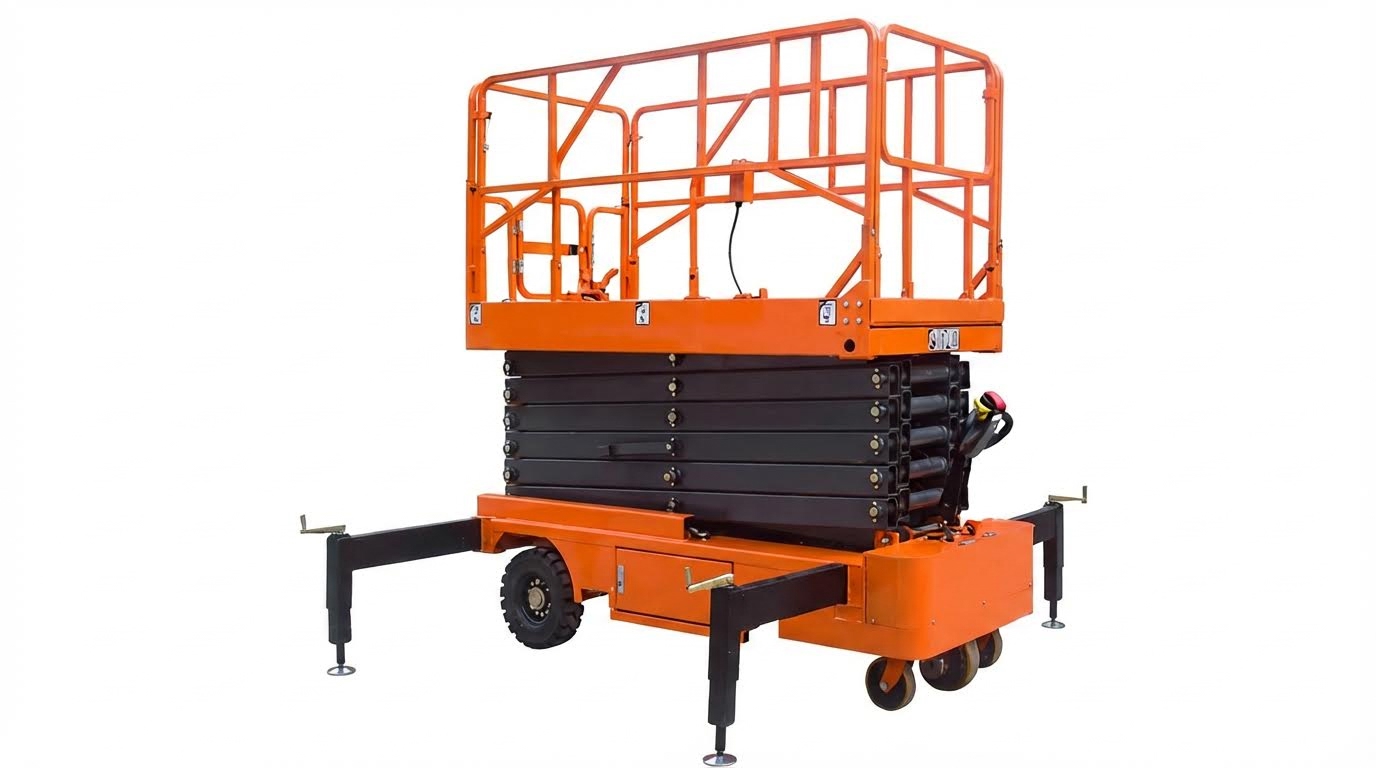
From a fleet and budgeting view, what is the advantage and disadvantage of scissor lift comes down to total cost of ownership (TCO) versus utilization. Scissor lifts are usually cheaper to rent per day, at about $175–$300, while booms often run $400–$650, with weekly rentals discounting both by roughly 15–25% for longer projects on multi‑day jobs. Ownership starts to make sense when your team uses lifts more than about 50 days per year, but you must factor annual maintenance at roughly 18–22% of the purchase price for scissor lifts versus 25–30% for more complex boom machines because of additional hydraulics and joints. Electric scissor lifts add another dimension: they typically consumed about 30% less power than hydraulic units, ran 8–10 hours per charge, and needed maintenance only every 500 operating hours instead of 250, cutting both energy and service costs over time in continuous-duty operations. Although electric units often cost 20–25% more upfront, studies in 2024 showed their seven‑year TCO could be about 18% lower, thanks to reduced energy use, fewer fluid‑related issues, and longer service intervals in typical construction duty cycles.
| Decision Factor | Scissor Lift Implication | Strategic Consideration |
|---|---|---|
| Utilization rate | Favors ownership when used frequently on repeat indoor tasks | High, predictable use supports buying and standardizing models |
| Energy and environment | Electric models cut energy by roughly one‑third and eliminate local emissions | Supports ESG goals and indoor air/noise compliance |
| Maintenance model | Longer intervals for electric units reduce downtime and service visits | Fits lean maintenance strategies and smaller service teams |
| Future tech roadmap | Shift toward lithium batteries with 92–96% efficiency and fast charging | Plan for charging infrastructure, smart telemetry, and battery lifecycle |
How to align scissor lifts with your fleet roadmap
For multi‑site operators, standardize on a core range of electric scissor lifts for indoor work and add a smaller pool of rough‑terrain or boom units for peak outdoor demand. Use telematics and job costing to track actual hours and rental spend; if rentals of a given lift type regularly exceed 50+ days per year, model an ownership case including the 18–22% annual maintenance factor and projected energy savings from newer electric platforms. This data-driven approach makes the advantages of scissor lifts—lower TCO, large platforms, and energy efficiency—visible against their disadvantages, such as limited height and outreach.
Final Assessment: When A Scissor Lift Is The Right Choice
Scissor lifts work best when you need straight vertical access, high platform capacity, and predictable motion on firm, level ground. Their X-brace geometry gives strong inherent stability, but only if you respect load charts, height derating, and strict limits on wind and terrain. Correct sizing of platform area, capacity, and working height directly reduces tip‑over and overload risk.
Power choice shapes both safety and cost. Electric units suit indoor, shift-based work with clear charging plans. They cut noise, emissions, and long‑term energy cost, and they reduce maintenance hours. Hydraulic units remain the right fit for heavier, taller, or rougher-duty jobs, but they demand tighter control of leaks, noise, and service intervals.
The most effective operations treat scissor lifts as part of a system. Engineers define the working envelope and select the lift type. Supervisors enforce OSHA/ANSI rules on ground conditions, guardrails, wind, and electrical clearance. Technicians complete daily checks and scheduled service. When you align these elements and use booms only where outreach or extreme height is essential, scissor lifts from Atomoving deliver a safe, economical backbone for most indoor and mid‑height access work.
Frequently Asked Questions
What are the advantages of using a scissor lift?
A scissor lift offers several benefits in material handling and warehouse operations. It provides a stable platform for lifting workers and equipment to elevated heights, improving accessibility for tasks like maintenance or inventory management. Scissor lifts are versatile, working both indoors and outdoors, and often come with safety features such as guardrails to prevent falls. Additionally, they save time by allowing operators to reach high areas quickly without needing ladders or scaffolding.
What are the disadvantages of using a scissor lift?
Despite their advantages, scissor lifts also have some drawbacks. They can pose safety risks if not used properly, such as tipping over on uneven ground or due to strong winds. Electrocution hazards exist if the lift comes into contact with live electrical wires. Poor operator training can exacerbate these dangers. Furthermore, scissor lifts require regular maintenance and rely on power sources, which may lead to occasional downtime. Scissor Lift Safety Risks.
How do the costs of scissor lifts compare to their benefits?
While scissor lifts improve efficiency and safety in many applications, they come with significant costs. Initial purchase or rental expenses can be high, and ongoing maintenance is necessary to ensure safe operation. However, their ability to enhance productivity and reduce manual labor often offsets these costs over time. Factors like frequency of use, required height, and environmental conditions influence whether investing in a scissor lift is economical for your needs.