Aerial Work Platforms (AWPs) are critical tools in construction, maintenance, and industrial operations. They provide safe and efficient access to elevated work areas, enhancing productivity while minimizing risks. This article explores the key types, design principles, operational challenges, safety protocols, and maintenance strategies for AWPs, offering a comprehensive technical overview for industry professionals.
We will examine functional classifications, structural materials, load capacities, and safety standards. Additionally, operational hazards, regulatory requirements, and training essentials will be discussed. Finally, the article addresses maintenance practices and emerging technologies shaping the future of AWPs.
Key Types and Design Principles of Aerial Work Platforms
Functional Classifications: Boom Lifts vs. Scissor Lifts
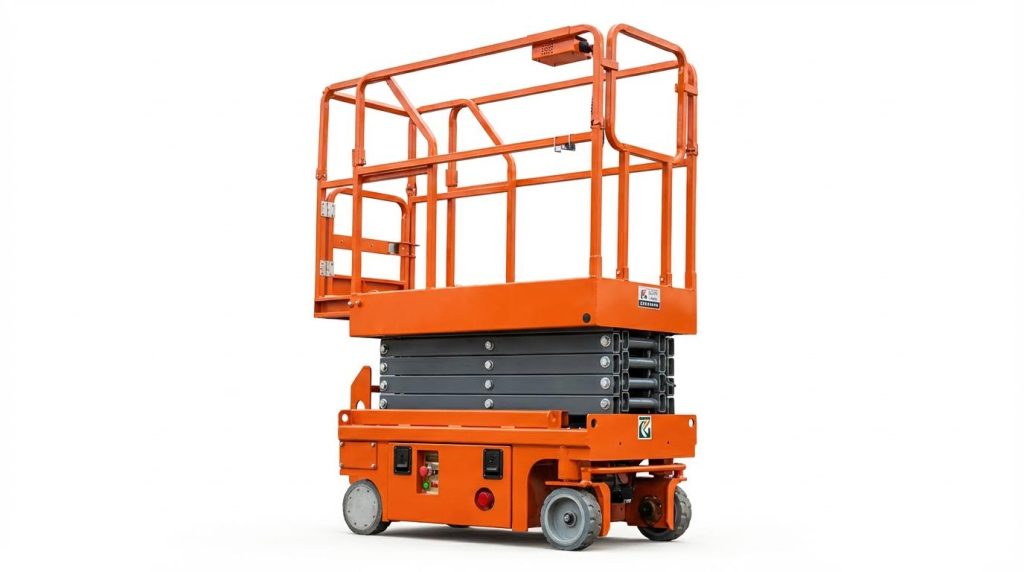
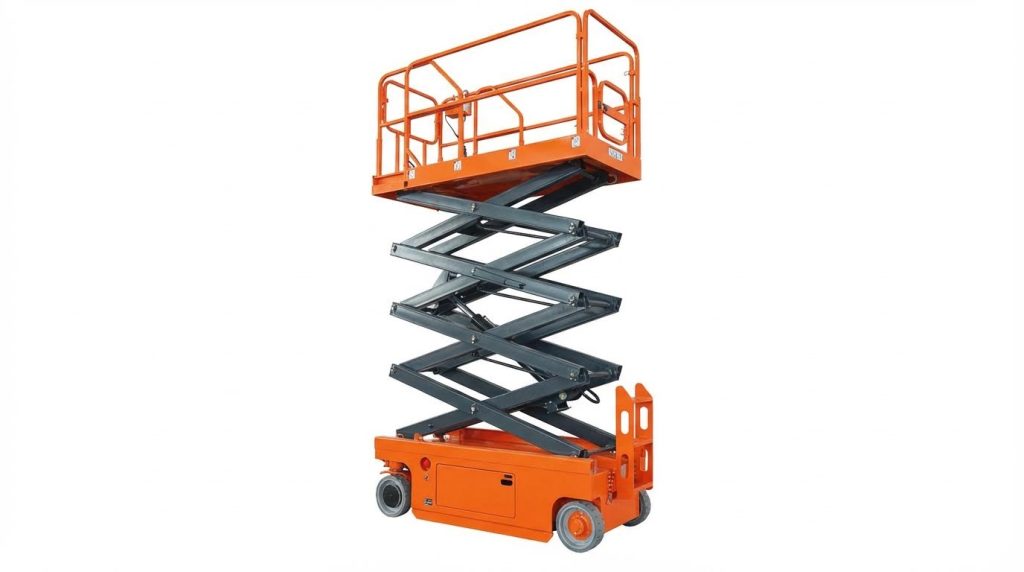
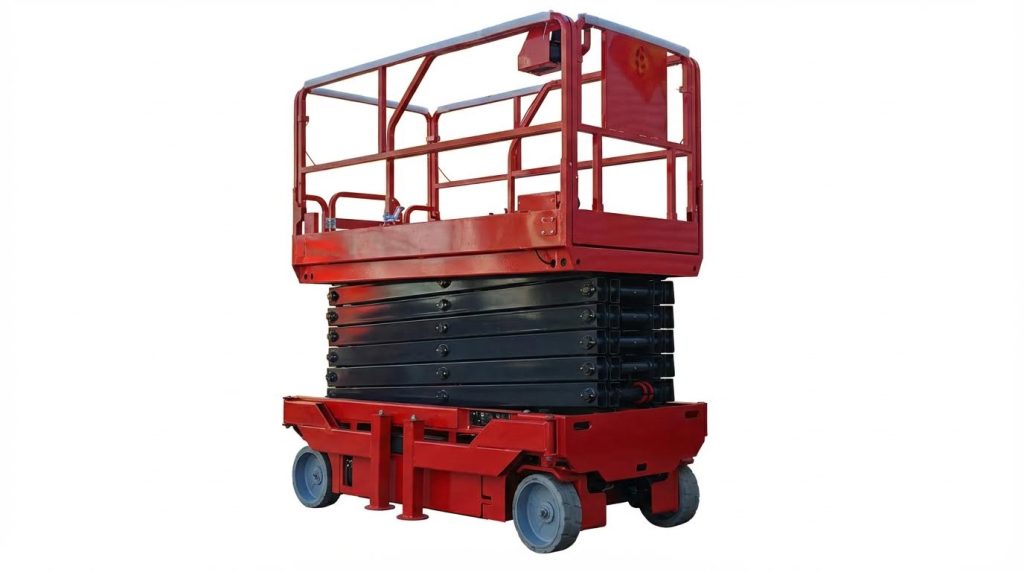
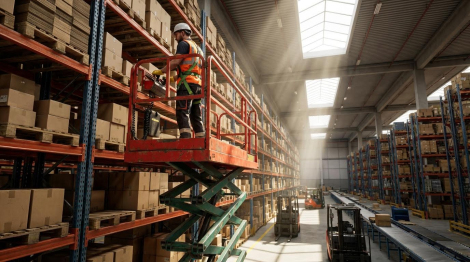
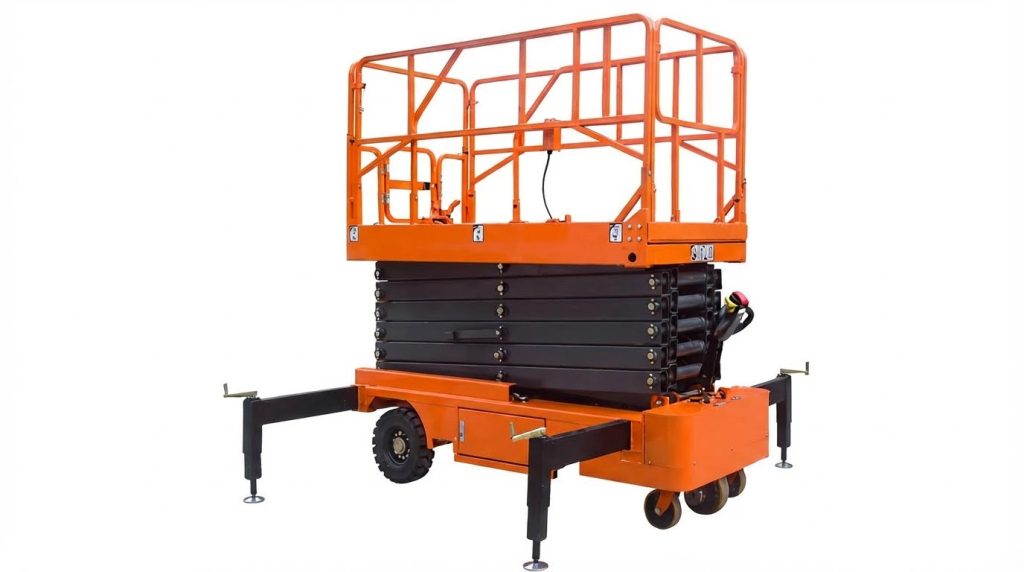
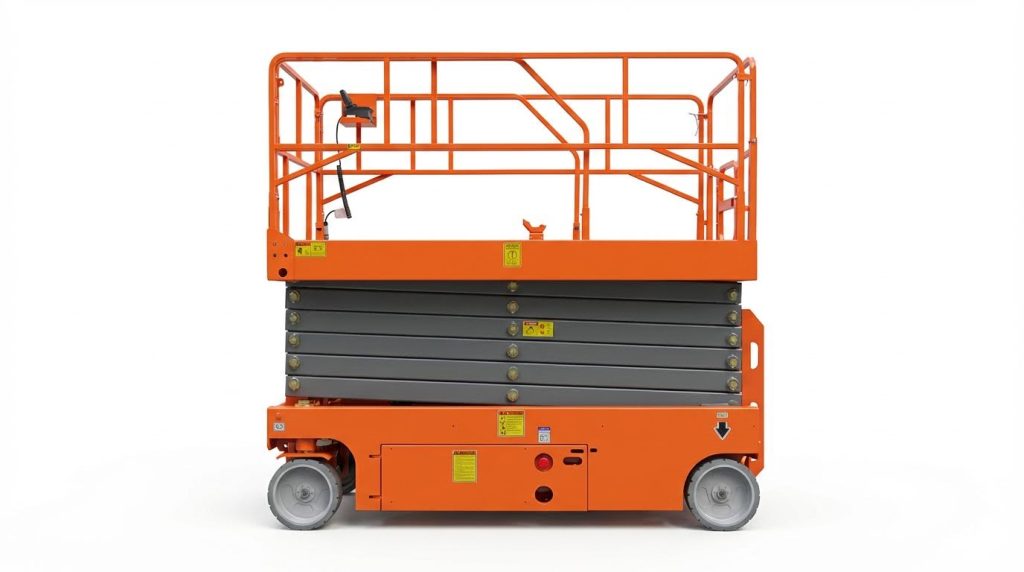
Boom lifts provide articulated or telescopic extensions allowing horizontal and vertical reach. They are ideal for accessing complex or hard-to-reach areas. Scissor lifts operate with a crisscrossing mechanism that raises the platform vertically, offering stable, larger work surfaces. Selection depends on job site requirements such as height, maneuverability, and load distribution.
Structural Materials and Power Sources
AWPs typically feature steel or aluminum frameworks to balance strength and weight. Aluminum alloys reduce overall mass, improving transportability and fuel efficiency. Power sources vary from electric batteries for indoor use to diesel or hybrid engines for outdoor applications. The choice influences emissions, noise levels, and operational duration.
Load Capacity and Reach Specifications
Load capacities range widely, typically from 200 kg to over 600 kg, accommodating multiple workers and tools. Reach heights can extend beyond 30 meters depending on the model and type. Manufacturers specify maximum load and reach to ensure stability and compliance with safety standards. Operators must adhere strictly to these limits to prevent structural failure or tipping.
Safety Features and Compliance Standards
Modern AWPs incorporate guardrails, emergency stop controls, and tilt sensors to enhance operator safety. Compliance with OSHA and ANSI standards mandates regular inspections and safety device functionality. Fall arrest anchor points and load sensors are standard features. These ensure risk mitigation against falls, tip-overs, and mechanical failures during operation.
Operational Challenges and Safety Protocols for AWPs
Common Hazards: Falls, Tip-Overs, and Electrocution Risks
Falls represent the leading cause of injuries involving aerial work platforms (AWPs). Operators working at height face risks of falling due to improper use or equipment failure. Tip-overs occur when the platform is overloaded, positioned on uneven terrain, or subjected to strong winds. Electrocution hazards arise when AWPs contact overhead power lines or electrical sources, demanding strict clearance and insulation measures.
OSHA and ANSI Regulatory Requirements
The Occupational Safety and Health Administration (OSHA) mandates comprehensive safety standards for AWPs, including design, operation, and maintenance protocols. ANSI standards complement OSHA by specifying performance criteria and testing methods for platform stability and fall protection systems. Compliance with these regulations ensures minimum risk levels and legal adherence in workplace operations involving AWPs.
Operator Training and Certification Essentials
Operators must undergo formal training focused on safe AWP operation, hazard recognition, and emergency procedures. Certification programs include practical and theoretical assessments to validate competency. Regular refresher courses are necessary to maintain certification and adapt to evolving safety standards and technological updates.
Worksite Hazard Assessment and Fall Protection Measures
Prior to AWP deployment, a thorough hazard assessment identifies environmental and operational risks such as ground conditions, overhead obstructions, and weather factors. Fall protection systems, including guardrails, harnesses, and lanyards, must be installed and used according to regulatory guidelines. Continuous monitoring and risk mitigation strategies are essential throughout the work process to prevent accidents.
Maintenance Strategies and Emerging Technologies in AWPs
Routine Inspections and Preventative Maintenance Practices
Routine inspections are critical to ensure the reliability and safety of aerial work platforms (AWPs). Daily visual checks focus on structural integrity, hydraulic leaks, and operational controls. Preventative maintenance involves scheduled servicing of components such as filters, fluids, and moving parts to prevent unexpected failures. Documentation of inspections supports compliance with safety regulations and aids in tracking equipment health over time.
Hydraulic, Electrical, and Structural System Care
Hydraulic systems require regular fluid level checks and seal inspections to maintain optimal pressure and prevent leaks. Electrical systems need thorough testing of wiring harnesses and battery condition to avoid malfunctions. Structural components must be examined for corrosion, cracks, and weld integrity to preserve load-bearing capacity. Proper lubrication and timely replacement of worn parts extend the service life of AWPs and enhance operational safety.
Integration of AI for Predictive Maintenance
Artificial intelligence (AI) is increasingly integrated into AWP maintenance for predictive diagnostics. Sensors monitor vibration, temperature, and usage patterns in real-time, feeding data to AI algorithms that detect early signs of component degradation. This approach reduces downtime by enabling proactive repairs before breakdowns occur. AI-driven maintenance optimizes resource allocation and enhances overall fleet management efficiency.
Energy-Efficient Actuation and Sustainable Design Trends
Emerging designs emphasize energy-efficient actuators, such as electric motors with regenerative braking, to reduce power consumption. Sustainable materials and modular components facilitate easier recycling and lower environmental impact. Advances in battery technology, including lithium-ion systems, support longer operational periods with reduced emissions. These trends align with industry goals for greener construction practices and improved lifecycle sustainability of AWPs.
Summary and Future Outlook for Aerial Work Platforms
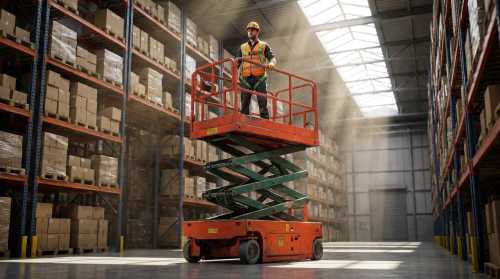
Aerial Work Platforms (AWPs) have evolved significantly, combining advanced materials, power systems, and safety features. Modern AWPs offer enhanced load capacity and reach, meeting stringent OSHA and ANSI standards. Maintenance practices now emphasize routine inspections and system-specific care, integrating AI for predictive maintenance to reduce downtime and improve safety.
Looking ahead, the industry is moving toward greater energy efficiency and sustainable designs. Innovations in actuation systems and structural materials aim to lower environmental impact while boosting operational performance. These trends reflect a broader shift in construction and industrial equipment toward greener technologies and smarter maintenance solutions.
Practically, companies must balance investment in emerging technologies with adherence to regulatory requirements and operator training. Implementing AI-driven maintenance demands skilled personnel and robust data management. Meanwhile, energy-efficient platforms require compatibility with existing infrastructure and operational protocols.
Overall, the future of AWPs lies in integrating safety, sustainability, and technological advancements. This balanced approach will help meet evolving industry demands while enhancing worker protection and operational efficiency.