
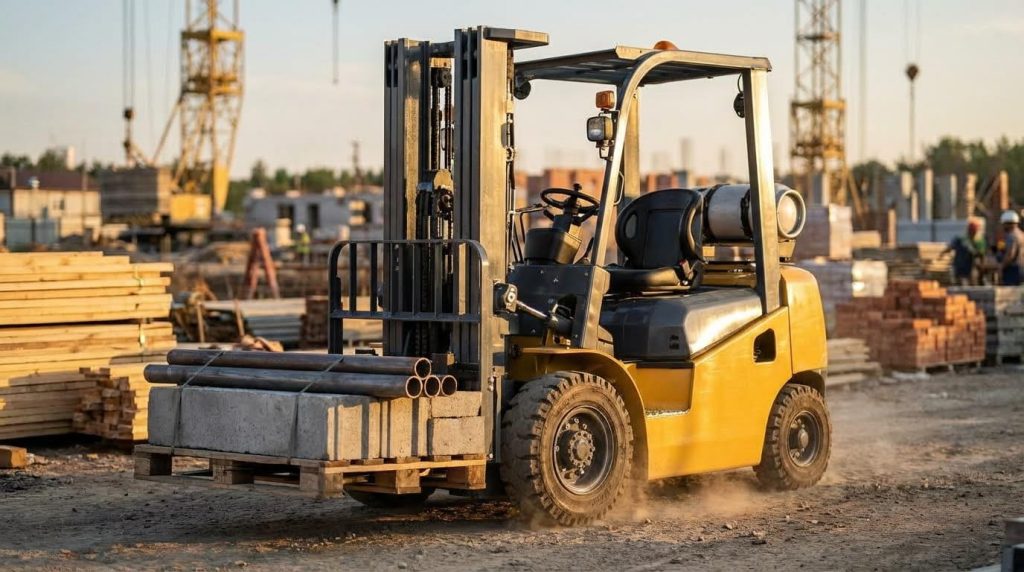
When Electric Forklifts Are Suitable Outdoors
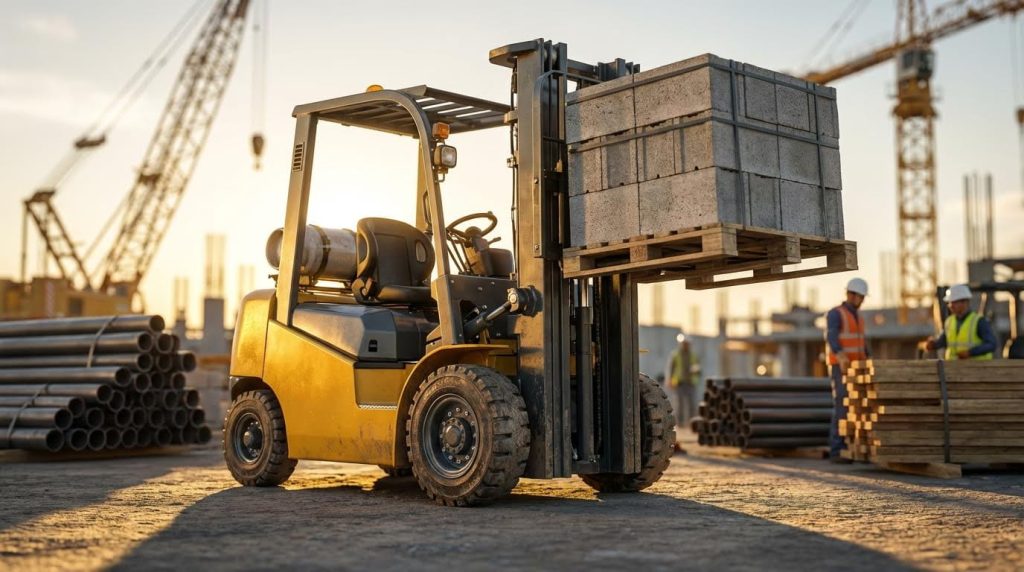
If you are asking “can electric forklifts be used outdoors,” the real answer is “yes, but only with the right design and conditions.” This section explains when outdoor use is realistic, what separates indoor and outdoor electric trucks, and how terrain, ground clearance, and tires limit or enable safe operation.
Outdoor vs indoor electric truck designs
Whether electric forklifts can work outside safely depends first on how the truck is designed. Indoor warehouse trucks are optimized for smooth floors and tight aisles, while outdoor-capable units are built to survive uneven ground and weather exposure.
Use this quick comparison to see if your current truck is really suitable for outdoor work.
| Design aspect | Typical indoor electric truck | Outdoor‑capable electric truck |
|---|---|---|
| Frame & chassis | Lighter frame, low ground clearance, optimized for flat concrete | Robust, reinforced frame with higher ground clearance for uneven terrain and long-term durability |
| Tires | Cushion or small solid tires for smooth indoor floors | Heavy‑duty pneumatic or solid pneumatic tires for gravel, mud, and rough yards with high traction |
| Ground clearance | Low, to improve stability and aisle performance | Increased clearance to avoid bottoming out on ruts, curbs, and drains on uneven surfaces |
| Weather protection | Often open electronics and connectors, intended for dry conditions | Better sealing of electrical components and connectors for outdoor moisture and dust |
| Load handling | Standard pallets and unit loads, short to medium length | Engineered to handle long and heavy loads with adequate residual capacity on uneven ground (3–16 t ranges are common) |
| Operating environment | Dry warehouses, loading docks, production floors | Yards, timber and steel handling, construction supply, and other mixed indoor/outdoor sites |
Some modern electric trucks are specifically built as indoor/outdoor hybrids. They combine higher ground clearance with low load arm height so they can work in narrow aisles and then move outside without dragging on thresholds or yard defects. Designs like this provide flexibility across different working environments.
Checklist: When an electric truck is OK for outdoor use
Use an electric forklift outdoors only when most of these are true:
- Truck has pneumatic or solid pneumatic tires, not cushion-only tires.
- Ground clearance is sufficient to clear potholes, speed bumps, rails, or drains on your site.
- Manufacturer literature states suitability for outdoor or mixed indoor/outdoor operation.
- Electrical components (connectors, controllers, battery compartment) are protected against rain splash and dust.
- Rated capacity and residual capacity are verified for your heaviest loads on any slopes or uneven areas.
This is where the question “can electric forklifts be used outdoors” becomes application-specific. If your truck is a low-clearance, cushion-tire warehouse model, treat any outdoor use as very limited: short, smooth runs between buildings in good weather only.
Terrain, ground clearance, and tire selection
Terrain is usually the limiting factor for outdoor electric forklift use. Even with a strong motor and good batteries, the truck still needs enough clearance and traction to move safely over your surface conditions.
Think in terms of three linked variables: ground profile, ground clearance, and tire type.
- Ground profile: How rough, soft, or uneven is the surface (smooth concrete, asphalt, gravel, mud, compacted dirt, pavers, rail crossings)?
- Ground clearance: Distance from the lowest point of the truck (often the battery tray or undercarriage) to the ground.
- Tire type and tread: Contact patch and tread pattern that generate traction and absorb shocks.
- High ground clearance to prevent the chassis from hanging up on ruts or debris, and to protect the battery compartment from impact and contamination. High-clearance designs are standard on outdoor electric models.
- Heavy‑duty tires with deeper tread and stronger carcasses to handle gravel, mud, and sharp aggregates while maintaining traction. manual pallet jack is often used in conjunction with these forklifts for efficient material handling.
- Stiff, stable frames that limit mast sway and body roll when one wheel drops into a hole or rides onto a bump, which helps keep long or tall loads stable outdoors.
| Site condition | Recommended tire type | Ground clearance need | Practical guidance |
|---|---|---|---|
| Smooth concrete or asphalt, mostly dry | Cushion or solid tires may be acceptable | Low to moderate | Short outdoor runs between buildings are usually fine if drainage is good and no deep defects exist. |
| Older asphalt with potholes, dock areas with drains | Solid pneumatic or pneumatic | Moderate to high | Inspect lowest truck points against worst potholes and drains; avoid trucks with very low battery trays. |
| Gravel yards, compacted dirt | Pneumatic or heavy‑duty solid pneumatic | High | Choose an outdoor‑rated electric with robust frame and tires designed for loose aggregate. |
| Mud, soft ground, or frequent standing water | Deep‑tread pneumatic | High | Even with the right tires, limit exposure; prolonged mud use increases bog‑down risk and contamination of components. |
Cold weather adds another layer. Tire pressure drops in low temperatures, reducing stability and traction. Regular checks of tire pressure and tread depth are essential for forklifts that work outdoors in winter, and swapping cushion tires for pneumatic or solid pneumatic tires is strongly recommended for winter yard work. This practice improves handling and safety on cold, slick surfaces.
Quick decision guide: Is your yard suitable for an electric forklift?
More suitable (yes, with the right truck):
- Paved, well‑maintained surfaces with good drainage.
- Limited slopes and no deep potholes or ruts.
- Short travel distances and predictable routes.
Less suitable (use caution or consider alternatives):
- Unpaved, soft, or frequently muddy areas.
- Steep slopes or ramps combined with rough surfaces.
- Long runs over mixed terrain with no option to improve the surface.
So, can electric forklifts be used outdoors on your site? If the truck is built with higher ground clearance, heavy‑duty outdoor tires, and a robust frame, and your yard conditions are reasonably controlled, the answer is often yes. The limiting factors are usually terrain and traction, not the electric powertrain itself. For instance, a hydraulic pallet truck can complement these forklifts for moving heavier loads efficiently.
Weather, Batteries, And Performance Trade-Offs
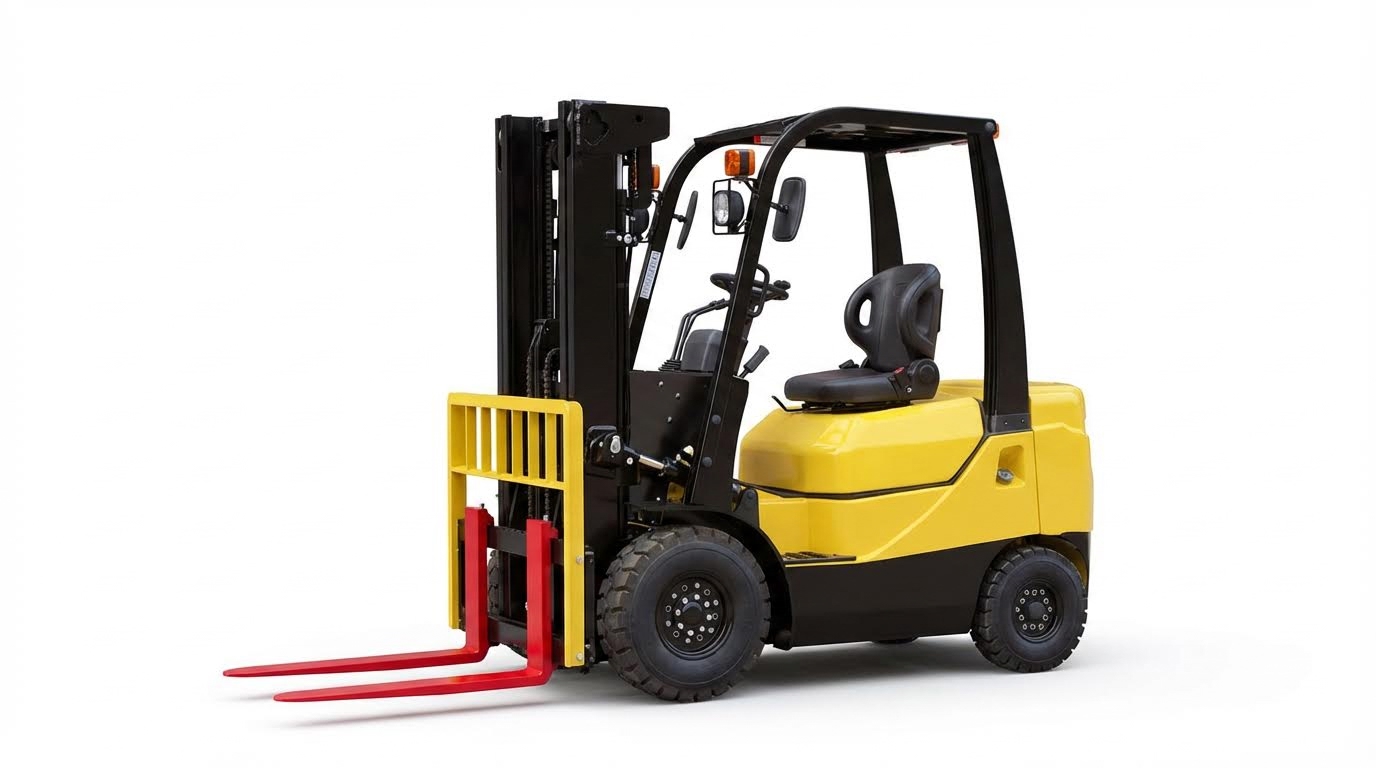
Cold, heat, and moisture impacts on batteries
Weather is the main technical limiter when you ask “can electric forklifts be used outdoors” all year round. Batteries react strongly to temperature and moisture, and that directly affects run-time, charging, and reliability.
Key weather impacts to plan for:
- Cold cuts available battery energy and reduces power output.
- Heat accelerates battery aging and can trigger protection shutdowns.
- Moisture and condensation attack connectors, BMS electronics, and chargers.
| Factor | Typical effect on batteries | Operational risk | Mitigation strategies |
|---|---|---|---|
| Low temperature (below freezing) | Up to ~30% loss of effective capacity and reduced voltage under load in cold weather | Shorter run-time, sluggish lifting, risk of brown-out on ramps | Heated storage, battery warmers, preheating before heavy work, winter duty derating |
| High temperature (above ~35–40°C) | Higher internal resistance and faster degradation of cells over time | Reduced battery life, possible thermal derating or shutdown | Shade canopies, ventilated charging areas, avoiding fast charge in peak heat |
| Moisture / rain / washdown | Corrosion on terminals and intrusion into connectors and electronics | Intermittent faults, ground faults, charging problems | IP-rated trucks/chargers, covers for connectors, regular cleaning and drying |
| Rapid temperature cycling | Condensation on cold battery surfaces and PCBs | Sporadic BMS errors, long-term corrosion | Allow thermal stabilization, avoid moving hot trucks into deep-freeze areas without planning |
Modern outdoor electric forklifts use lithium-ion packs with higher energy density and fast charging, plus regenerative braking for extra efficiency. These systems store more energy and recharge more quickly than traditional lead-acid batteries while recovering energy during braking. That helps offset some cold-weather losses, but it does not eliminate them.
For outdoor fleets, maintenance discipline is critical. Battery terminals and connections must stay clean and tight to avoid voltage drops and starting issues in winter. Regular inspections for corrosion and damage are especially important in cold, wet conditions. Storing trucks and batteries indoors or in heated bays when off-shift is often the single most effective step to stabilize outdoor performance.
Practical setup tips for outdoor battery reliability
- Specify batteries with integrated heaters for sub-freezing climates.
- Use weather-protected, ventilated charging stations with roof coverage.
- Schedule charging during warmer parts of the day where possible.
- Write winter derate factors (shorter shifts, more frequent charges) into your operating plan.
Traction, braking, and stability on rough ground
Even if the battery can handle the weather, traction and stability decide whether electric forklifts can be used outdoors safely. Outdoor-rated electric trucks are built very differently from indoor cushion-tire units.
Design features that improve rough-ground performance:
- Higher ground clearance to clear ruts, gravel, and mud.
- Reinforced frames for torsional stiffness on uneven ground.
- Pneumatic or solid pneumatic tires with aggressive tread for grip.
- Electronic traction control and anti-slip systems on slopes.
All-terrain electric forklifts for exterior work commonly use heavy-duty tires and robust chassis. They combine high ground clearance with a stable frame to cope with uneven surfaces such as gravel or mud. That stability is essential when handling long or heavy loads over rutted yards.
| Aspect | Indoor-style electric (cushion) | Outdoor all-terrain electric | Risk if misapplied outdoors |
|---|---|---|---|
| Tires | Cushion, smooth, small diameter | Pneumatic / solid pneumatic, deep tread | Poor grip on wet/loose ground, high puncture risk |
| Ground clearance | Low | High, with protected underbody | Bottoming out on ruts, damage to battery trays and motors |
| Suspension / frame | Optimized for flat concrete | Reinforced for uneven terrain | Chassis twist, mast misalignment, operator discomfort |
| Traction & braking control | Basic traction, standard braking | Anti-slip controls, regenerative + friction braking | Wheel spin on slopes, longer stopping distances |
| Stability with long loads | Designed for pallets, smooth floors | Designed for long/heavy loads on uneven ground with sufficient residual capacity | Higher tip-over risk when cross-sloping or turning |
Weather compounds these mechanical issues. Cold weather drops tire pressure, which changes footprint and stability. Regular checks of tire pressure and tread are recommended, and switching to pneumatic or solid pneumatic tires is advised for winter outdoor use. Wet or icy surfaces increase stopping distance, so braking systems and anti-slip controls must be in top condition.
Electric drivetrains add two safety advantages outdoors: very fine torque control at low speed, and regenerative braking. This allows smoother starts on slippery ramps and more predictable deceleration. Some outdoor electric trucks also include balance systems, anti-slip controls on slopes, and reduced turning speeds that directly address tip-over and skidding risks.
Operator practices that improve outdoor traction and stability
- Reduce travel speed automatically in high-risk zones (ramps, dock edges, gravel turns).
- Keep loads low and tilted back when moving over uneven ground.
- Avoid cross-slope travel with high or long loads where possible.
- Increase winter inspection frequency for tires, brakes, lights, and steering.
Comparing electric vs diesel for outdoor duty cycles
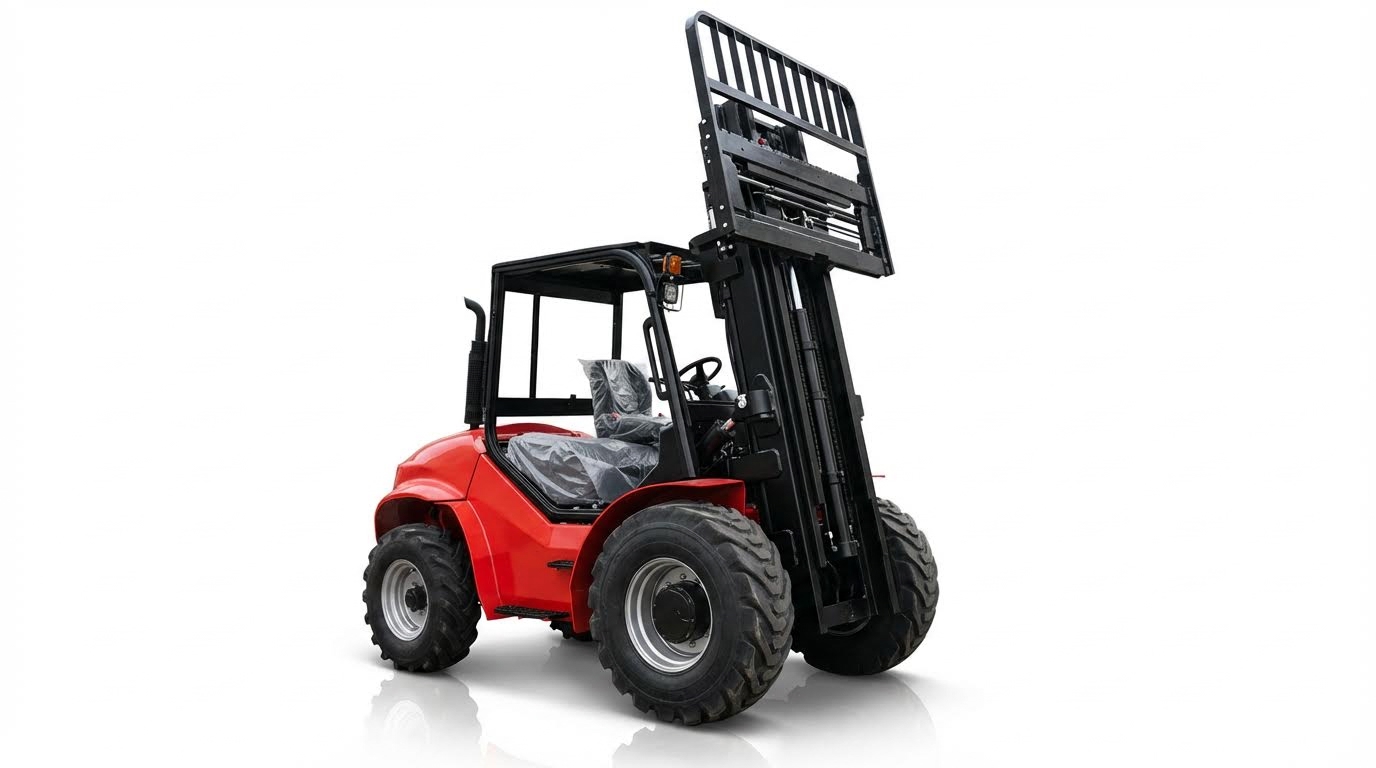
The final piece in deciding “can electric forklifts be used outdoors” is matching power source to duty cycle. For light to medium outdoor shifts with access to charging, electric is often ideal. For extreme, continuous, or remote work, diesel still has advantages.
| Criteria | Outdoor electric forklifts | Diesel forklifts |
|---|---|---|
| Torque & heavy-duty performance | Instant torque and smooth control; very capable for most outdoor tasks, but may be limited in extreme, continuous heavy-duty use compared with diesel | High torque and power suited to very heavy loads, steep ramps, and long, punishing shifts |
| Run-time & refuel/charge | Limited by battery capacity; downtime required for charging unless you use battery swapping or opportunity charging | Long run-time per tank and very fast refueling for near-continuous operation |
| Weather and terrain robustness | Rapidly improving; outdoor-rated models handle rough terrain well, but extreme cold or remote, muddy sites can still be challenging compared with diesel | Proven reliability in harsh, wet, cold, or remote environments |
| Noise & emissions | Very low noise (often under 65 dB) and zero point-of-use emissions which suits noise- and emission-sensitive sites | Higher noise (around 85–90 dB) with exhaust emissions that may be restricted in urban or regulated zones |
| Energy & maintenance cost | Higher purchase price but lower energy and maintenance costs; fewer moving parts and no engine oil, filters, or fuel-system service plus regenerative braking reduces brake wear | Lower upfront cost, but higher fuel cost exposure and regular engine maintenance |
| Infrastructure & location | Requires reliable power and charging infrastructure; less practical for very remote or temporary sites without portable power | Runs anywhere you can deliver fuel; ideal for remote or infrastructure-poor locations |
From an engineering and operations standpoint, outdoor electric forklifts are strongest where duty cycles are predictable, breaks exist for charging, and the site has fixed infrastructure. They are especially attractive in yards that connect directly to indoor warehouses, because the same truck can work both inside and outside with zero exhaust and low noise.
Diesel retains an edge for 24/7 outdoor operations with high load factors, steep grades, or remote locations where charging is impractical. Diesel units offer quick refueling, long range, and robust performance in harsh terrain. In between these extremes, many fleets now run a mixed power strategy: electric for routine outdoor/indoor shuttle work and diesel for the heaviest or most remote tasks.
Rule-of-thumb guidance for choosing power source outdoors
- Use electric when: shifts are 8–10 hours or less with planned breaks, the site has power, and emissions/noise are concerns.
- Use diesel when: loads are near maximum capacity all day, grades are steep, or the site is remote or temporary.
- Consider hybrids or mixed fleets where your site has both high-intensity and light-duty outdoor tasks.
Matching Electric Forklifts To Outdoor Applications
Load capacity, duty cycle, and run-time sizing
To decide if and how can electric forklifts be used outdoors on your site, you need to match three things: load, duty cycle, and available battery energy. Undersizing any of these will cause downtime, overheated trucks, or unsafe handling on rough ground. Use the quick-reference tables and steps below as a sizing roadmap.
| Selection factor | Key questions | Typical engineering guideline |
|---|---|---|
| Rated capacity | What is the heaviest pallet / load you must lift? | Choose truck rated 10–20% above your heaviest regular load for outdoor use (to allow for derating on slopes and attachments). |
| Load type & length | Do you handle long, bulky, or high-center-of-gravity loads? | Use models with high residual capacity and stable frames for long and heavy loads on uneven ground Cited Text or Data. |
| Duty cycle | How many hours per day under load? How intense is each hour? | Classify as light (≤3 h), medium (3–6 h), or heavy (>6 h) effective operating hours per shift. |
| Run time per charge | How long must the truck work between charging or battery change? | Size battery so state of charge does not regularly fall below ~20% at end of shift to protect life. |
| Terrain & gradients | Do you have slopes, gravel, or soft ground? | Allow extra capacity margin and energy for climbing and rolling resistance on rough terrain. |
Outdoor electric rough‑terrain models can cover medium to heavy lifting, with capacities commonly in the 3–16 ton range Cited Text or Data. For most yards, that is enough to replace many diesel units, provided the duty cycle and charging are engineered correctly.
Step-by-step sizing method for outdoor electric forklifts
- List your loads – maximum weight, typical weight, load dimensions, and center of gravity.
- Map your routes – distances, slopes, surface type, and number of lifts per route.
- Define the shift pattern – number of shifts, breaks, and planned charging windows.
- Classify duty cycle – light / medium / heavy based on hours under load and travel distance.
- Choose capacity band – pick a truck with 10–20% more capacity than the heaviest real load.
- Select battery chemistry – lead‑acid for low cost and single‑shift; lithium‑ion for fast charge and multi‑shift.
- Check run time – confirm that one charge (or one battery) covers the required shift with 10–20% reserve.
- Validate on terrain – ensure stability and residual capacity on your worst‑case slope and surface.
Modern outdoor electric forklifts increasingly use lithium‑ion batteries, which charge faster and store more energy than traditional lead‑acid packs Cited Text or Data. Regenerative braking further extends run time by recovering energy whenever the truck decelerates Cited Text or Data.
- Single‑shift outdoor work – one right‑sized battery, overnight or long‑break charging is usually enough.
- Multi‑shift yard operations – plan for either fast‑charge lithium‑ion or battery‑swap systems.
- Cold climates – allow extra capacity because low temperatures can cut battery performance significantly Cited Text or Data.
In summary, can electric forklifts be used outdoors for your application depends less on the truck label and more on whether capacity, duty cycle, and battery system are engineered as a matched set. When they are, electric units can handle demanding outdoor shifts with stable performance and predictable run times.
Infrastructure, charging, and total cost of ownership
Even if the truck is technically capable, outdoor use will fail without the right infrastructure and cost planning. Electric forklifts need power where the work happens, not just in a distant charging room. The tables and lists below help you decide what infrastructure you need and how the long‑term cost compares with diesel.
| Aspect | Electric outdoor forklift | Diesel outdoor forklift |
|---|---|---|
| Energy source & logistics | On‑site electricity via chargers; requires installed charging points and adequate electrical capacity. | Bulk fuel deliveries or on‑site fuel tank; quick refueling from portable tanks Cited Text or Data. |
| Run time & turnaround | Limited by battery capacity; requires charging downtime or battery swap Cited Text or Data. | Long run times and very fast refueling enable near‑continuous operation Cited Text or Data. |
| Upfront truck cost | Higher, due to battery and electronics Cited Text or Data. | Typically lower purchase price in the same capacity band Cited Text or Data. |
| Energy cost per hour | Electricity usually cheaper and more stable than diesel prices Cited Text or Data. | Subject to fuel price swings; often higher lifetime fuel spend Cited Text or Data. |
| Maintenance profile | Fewer moving parts; no oil or fuel system service; lower routine maintenance Cited Text or Data Cited Text or Data. | Needs oil changes, filters, emissions checks, and more frequent mechanical service Cited Text or Data. |
| Noise & emissions | Very low noise and zero point‑of‑use emissions Cited Text or Data Cited Text or Data. | Exhaust emissions and noise around 85–90 dB in many cases Cited Text or Data. |
For outdoor sites, the biggest practical barrier is often not “can electric forklifts be used outdoors?” but “do we have the right charging where the trucks live?”. Planning that upfront avoids stranded assets and unplanned diesel rentals.
- Indoor + outdoor operations – some electric models are designed for both, with higher ground clearance and low load arm height so they can work in aisles and yards Cited Text or Data.
- Remote yards – if grid power is weak or absent, you may need upgraded service, generators, or to keep diesel units, especially for 24/7 work Cited Text or Data.
- Urban or regulated zones – low noise and zero local emissions from electric forklifts help meet regulations and sustainability targets Cited Text or Data.
Checklist: Charging and infrastructure for outdoor electric fleets
- Power audit – confirm the site electrical capacity can support all chargers at planned power levels.
- Charger placement – position chargers near outdoor work areas or travel paths to cut deadhead time.
- Weather protection – provide canopies or shelters for chargers and parking to protect connectors and electronics.
- Traffic & safety – separate charging zones from truck and pedestrian traffic; mark floor lines and bollards.
- Battery handling – if using swaps, design safe change‑out stations and lifting aids.
- Cold‑weather strategy – consider heated storage or temperature‑managed charging where winters are severe Cited Text or Data.
From a total cost of ownership perspective, electric outdoor forklifts usually trade higher upfront cost for lower energy and maintenance spend over time. When you spread those costs across several years of outdoor duty, they often become the more economical and compliant choice, as long as the charging infrastructure is engineered correctly from day one.
Final Considerations For Outdoor Electric Forklift Use
Electric forklifts can work outdoors safely and efficiently when engineering limits drive the decision, not wishful thinking. Frame design, ground clearance, and tire choice must match your real terrain, not an ideal plan view. If the truck bottoms out, loses traction, or flexes excessively, no battery or motor can rescue stability.
Weather and batteries set the second boundary. Temperature and moisture change available energy, charging windows, and fault risk. You must size capacity, chemistry, and charging so state of charge stays healthy even on the coldest, hardest days. That planning protects uptime and battery life.
The third pillar is application fit. Rated capacity, residual capacity on slopes, and duty cycle must align with your heaviest outdoor loads and longest routes. Infrastructure then closes the loop. Without chargers in the right places, the best outdoor truck becomes an indoor ornament.
In practice, operations teams should treat outdoor electrics as engineered systems, not one-off truck purchases. Audit terrain, climate, loads, and power supply, then select outdoor-rated trucks, batteries, and chargers as a package. When you do that, electric forklifts – supported by tools like Atomoving pallet trucks – can replace many diesel units outdoors with higher safety, lower noise, and lower lifetime cost.
Frequently Asked Questions
Can electric forklifts be used outdoors?
Yes, electric forklifts can be used outdoors, but their suitability depends on the weather conditions and the forklift’s IP code. The IP code indicates the level of protection against solid objects and liquids. Some electric forklifts are designed to handle harsh weather better than others. For example, forklifts with higher IP ratings can operate in light rain or damp conditions, while others may be limited to indoor use or dry outdoor environments. Always check the manufacturer’s guidelines before using an electric forklift outside.
What precautions should be taken when using electric forklifts outdoors?
When using electric forklifts outdoors, it is important to ensure that weather conditions are favorable. Avoid operating the forklift in heavy rain, extreme heat, or cold, as these conditions can damage the equipment or create unsafe working conditions. Wind speed should also be considered; operations should be halted if winds exceed 28 mph due to the risk of tipping or loss of control. Additionally, always inspect the forklift before outdoor use to ensure it is in good working condition. Electric Forklift Outdoor Use Guide.