
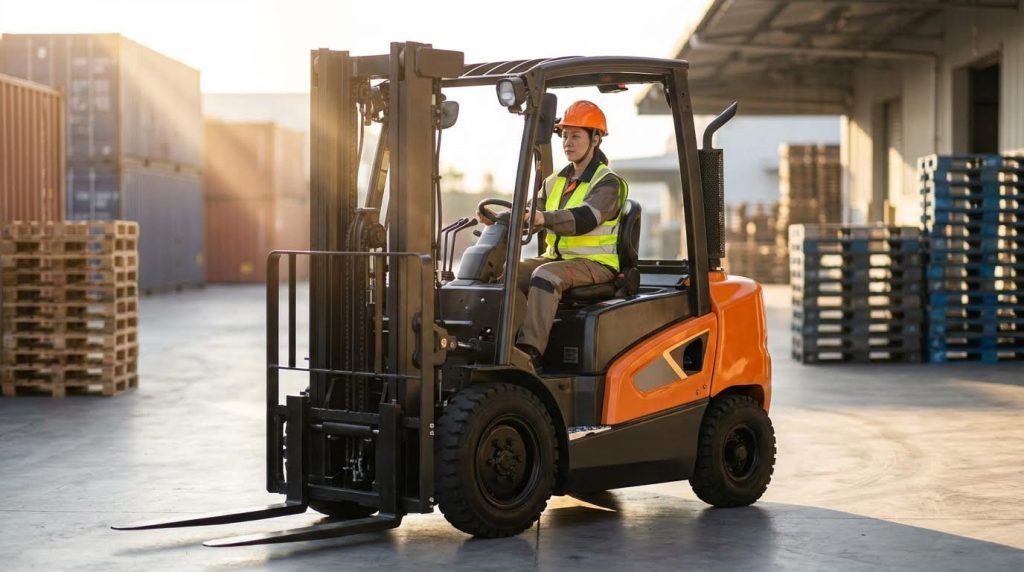
Whether can diesel forklifts be used indoors depends on far more than the truck itself. This guide walks through emissions hazards, legal exposure limits, ventilation design, and monitoring strategies so you can decide when indoor diesel use is acceptable and when it is not. You will also see how different applications, building layouts, and power options affect risk, and what engineering controls are needed to keep operators and pedestrians safe. Use it as a practical framework to shape your indoor diesel policy, training, and equipment choices. For instance, consider alternatives like manual pallet jack, drum dolly, or hydraulic pallet truck. Additionally, specialized equipment such as forklift drum grabber may offer safer handling solutions.
When Diesel Forklifts Can And Cannot Be Used Indoors
Key emission hazards from diesel exhaust
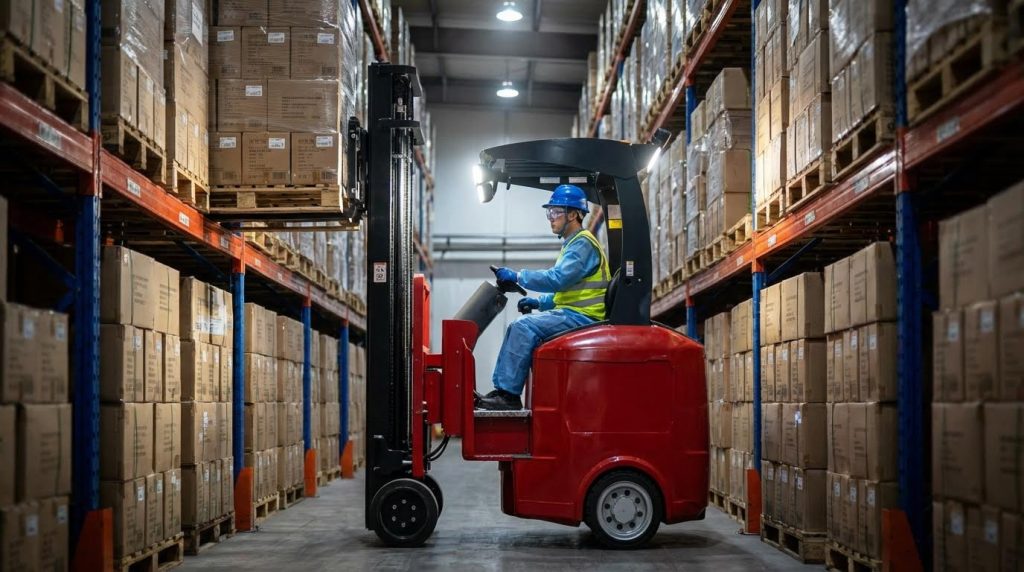
When asking can diesel forklifts be used indoors, you first need to understand what comes out of the tailpipe. Diesel forklifts emit a mix of carbon monoxide (CO), nitrogen oxides (NOx), particulate matter (PM), and sulfur dioxide (SO₂), all of which can build up quickly in enclosed spaces and cause acute and long‑term health effects. These pollutants are linked to headaches, dizziness, eye and throat irritation, breathing difficulty, and, with repeated exposure, higher risks of respiratory disease, cardiovascular problems, and some cancers health risks from diesel emissions. Fine diesel particulates are especially critical because they penetrate deep into the lungs and tend to accumulate in low‑airflow corners, mezzanines, and pits. Indoors, even short diesel forklift runs can push CO and NOx above safe levels if the building has low ceilings, poor air changes, or multiple trucks running at once. Because of this, diesel forklifts are generally unsuitable for small rooms, basements, cold stores with tight envelopes, or any area where people work close to the truck for long periods. They are only considered in large, well‑ventilated volumes where engineering controls can reliably dilute and remove exhaust.
Legal exposure limits for indoor diesel use
Regulators do not directly answer “can diesel forklifts be used indoors”; instead they set exposure limits that your site must stay below. For carbon monoxide from powered industrial trucks, OSHA requires that concentrations do not exceed 50 ppm as an 8‑hour time‑weighted average, and never exceed 200 ppm at any time during the shift OSHA CO limits for forklifts. Broader OSHA and related standards also cap exposure to diesel‑related gases and particulates, requiring employers to apply ventilation, exhaust treatment, and other controls so workers remain below permissible exposure limits legal requirements for diesel exhaust.
In practice, this means diesel trucks may be allowed indoors only if air monitoring confirms CO and other pollutants stay within legal limits under worst‑case operating patterns. If readings approach or exceed limits, you must either improve controls (ventilation, exhaust treatment, maintenance) or remove diesel trucks from that indoor area and switch to cleaner power such as electric, LPG, or CNG.
Engineering Controls: Ventilation, Monitoring, And Equipment
Ventilation rates, airflow and ceiling height
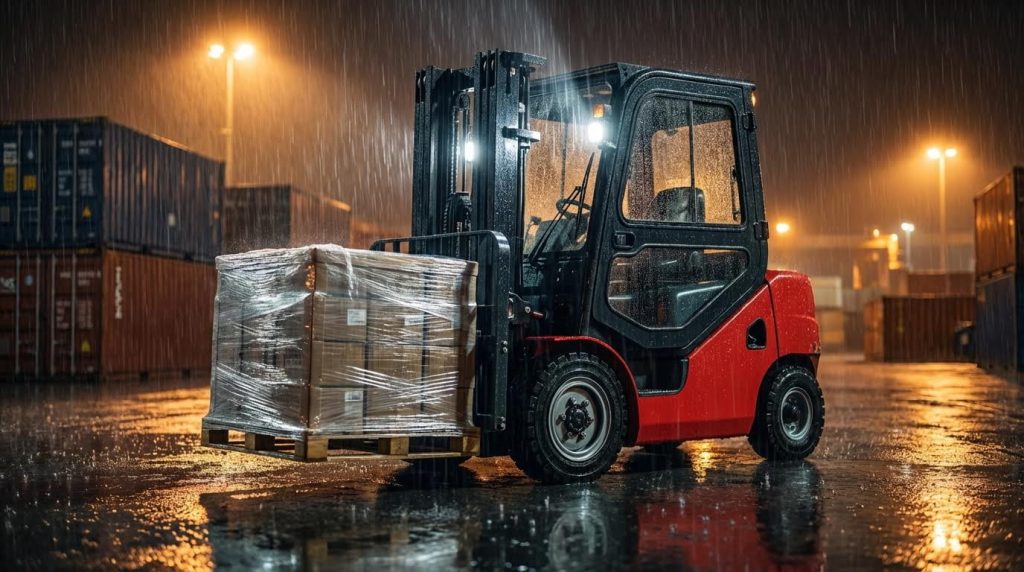
Ventilation is the primary engineering control that decides when can diesel forklifts be used indoors without breaching exposure limits. In typical industrial spaces, experts recommend at least 4–6 air changes per hour where diesel equipment operates for indoor diesel use. In more confined or high‑use areas, you may need higher rates or local exhaust to keep CO and NOx below legal limits. High ceilings and open layouts dilute exhaust more effectively; guidance for safe indoor use often cites minimum ceiling heights of about 12–16 ft in combination with mechanical ventilation and good cross‑flow of air in large industrial buildings. In tight or tunnel‑like zones, mechanical systems should supply and exhaust fresh air along the full travel path of the truck. For work in very confined spaces, some regulations for internal combustion engines require not less than 100 ft³/min of fresh air per engine brake horsepower and at least 200 ft³/min per person entering the space, with a competent person checking the system each shift for confined engine operation. Practical design should combine overall air‑change targets with local capture, clear airflow paths, and controls that ramp ventilation up when diesel trucks are active.
Exhaust treatment, engine tier level and maintenance
Exhaust treatment and engine technology strongly influence whether diesel forklifts can be used indoors with acceptable risk. Newer engines that meet strict Tier 4‑type standards emit far less particulate matter and NOx than older models under modern emission rules. Common control devices include diesel oxidation catalysts, diesel particulate filters and selective catalytic reduction systems, which together can cut key pollutants by large factors when correctly sized and maintained for indoor diesel emission control. Where possible, routing exhaust outdoors through fixed piping or local extraction hoods further reduces indoor build‑up of CO, NOx and diesel particulates by removing exhaust at source.
Preventive maintenance is critical: poor combustion from blocked filters, injector issues or wrong fuel blend can sharply increase emissions even on a modern truck. Daily checks and scheduled servicing should cover exhaust integrity, after‑treatment condition, visible smoke, and engine tune, with any smoky or high‑odor unit removed from service until corrected. A robust maintenance and upgrade strategy often makes the difference between marginal and compliant indoor diesel operation.
Air quality monitoring and CO/NOx control strategies
Continuous air quality monitoring is essential wherever site managers ask “can diesel forklifts be used indoors” on a routine basis. Fixed sensors for carbon monoxide and, where feasible, nitrogen oxides should be installed in breathing zones along typical forklift routes and near worst‑case accumulation points in regular diesel truck areas. OSHA requires CO levels from powered industrial trucks to remain below prescribed limits, with 50 ppm commonly referenced as an 8‑hour time‑weighted average and 200 ppm as a short‑term maximum in some guidance for CO exposure control. Modern systems can link detectors to alarms and to variable‑speed fans so that ventilation ramps up automatically as concentrations rise.
Effective control strategies combine engineering and administrative measures, such as limiting the number of diesel trucks indoors, capping engine idle time, scheduling high‑emission work when doors are open, and switching to electric units in the most enclosed zones manual pallet jack as part of a control hierarchy. Regular review of monitoring logs helps identify hotspots or shifts in trend that may indicate failing ventilation or equipment. Together, these measures provide an objective basis to decide where indoor diesel use is acceptable and where alternative power is safer.
Application Scenarios, Risk Assessment, And Power Choice
Loading docks, temporary works and confined areas
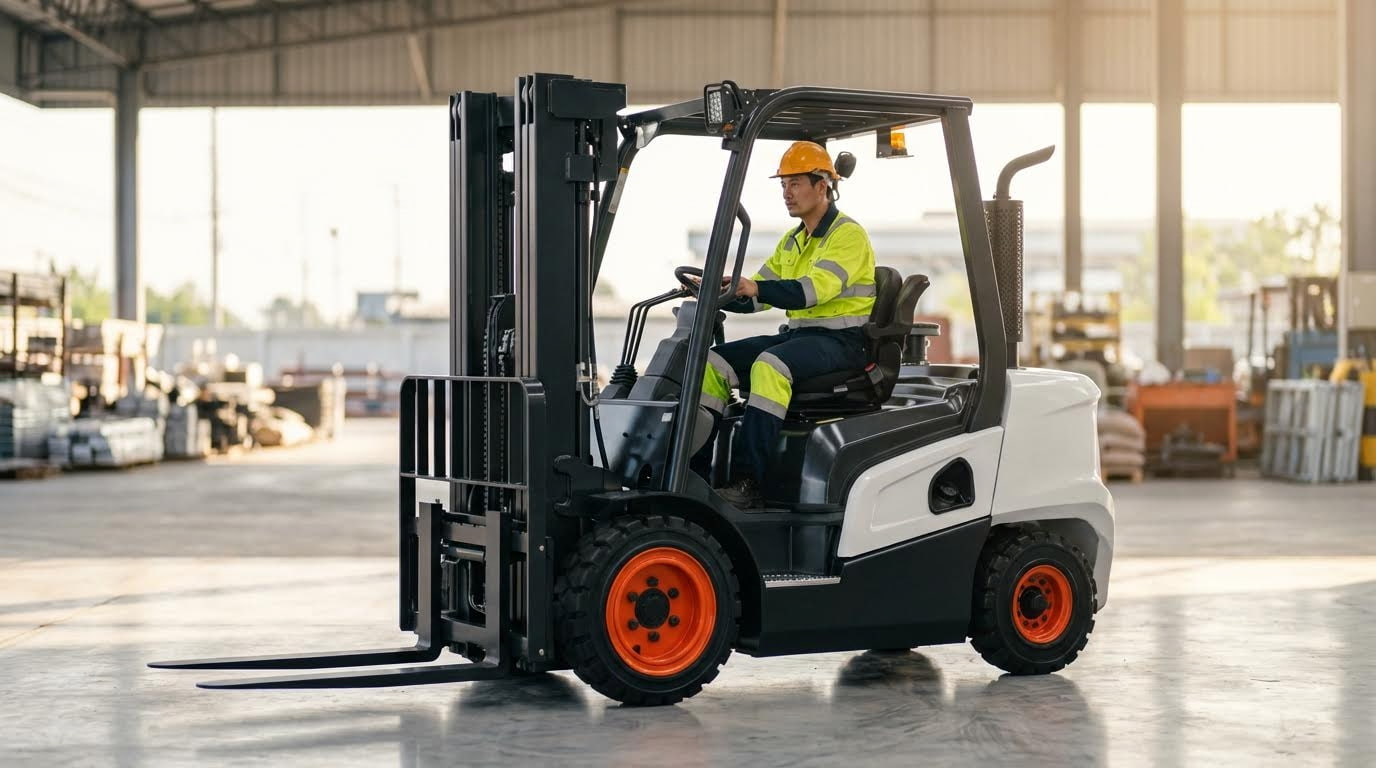
In real operations, the answer to “can diesel forklifts be used indoors” depends heavily on the specific work area and exposure time. Loading docks often have large doors and natural airflow, so short, intermittent diesel use may be acceptable if carbon monoxide (CO) stays below regulatory limits and air is well mixed. In these areas you should still provide mechanical ventilation and fixed CO monitoring, because exhaust contains CO, NOx and particulate matter that can quickly build up during peak loading periods.
Continuous monitoring and good ventilation are essential even in dock applications. For temporary indoor works such as fit‑outs or machinery installs, treat diesel trucks as a high‑risk option and plan around them: limit run hours, schedule use when the building is as open as possible, and provide emergency purge ventilation. Confined or poorly ventilated spaces, such as small rooms, basements, pits, shafts or culverts, are generally unsuitable for diesel forklifts; internal‑combustion equipment in such areas typically requires high fresh‑air rates per brake horsepower and strict ventilation checks by a competent person. Regulations for engines in confined spaces require substantial mechanical ventilation and inspection, which makes electric or other zero‑emission options far more practical in most cases.
Choosing between diesel, LPG, CNG and electric trucks
When you decide if and where can diesel forklifts be used indoors, compare power options against your building design, duty cycle and air‑quality targets. Diesel offers high torque and long runtime but produces the highest on‑site emissions, so it fits best in outdoor yards and semi-open docks with strong ventilation and robust CO/NOx monitoring. LPG and CNG engines generally emit fewer particulates and lower NOx than diesel, making them a possible compromise for large, well‑ventilated warehouses, provided exhaust is controlled and exposure stays within occupational limits. Cleaner gaseous fuels are often preferred over diesel for mixed indoor–outdoor fleets. Electric trucks are the reference choice for most indoor work because they have zero exhaust emissions at point of use and remove the need for complex ventilation sizing. A simple way to decide is to rate each power type against key indoor criteria:
| Power type | Indoor emission impact | Typical suitable areas |
|---|---|---|
| Diesel | Highest CO, NOx, PM; needs strong ventilation and monitoring | Open docks, large high‑bay plants with engineered ventilation |
| LPG / CNG | Lower particulates than diesel; still needs ventilation and CO control | Medium–large warehouses with good airflow |
| Electric | No exhaust on site; only battery off‑gassing to manage | Most indoor production, storage and cold‑store areas |
In any indoor scenario, start with electric high lift pallet truck as the default, then justify LPG/CNG, and use diesel only where airflow, monitoring and task profile clearly keep exposures within legal and company limits. Health risks from exhaust and long‑term worker protection should drive the final power choice.
Summary: Indoor Diesel Use Policy And Best Practices
Indoor diesel forklift use is never just a truck choice; it is a full engineering and management decision. Exhaust emissions, legal exposure limits, building volume, and airflow all interact. If you misjudge any of them, CO, NOx and particulates can rise fast and put workers at real risk. Ventilation design, exhaust treatment and engine condition must work together as one system. High air‑change rates, clear flow paths and, where possible, exhaust discharge outdoors reduce the baseline hazard. Modern engines and well‑maintained after‑treatment then cut emissions at source and keep that system effective over time.
Continuous monitoring closes the loop. Fixed CO and, where possible, NOx sensors give hard data on real exposure. You can then adjust fan speed, truck numbers and operating patterns before limits are breached. From a policy view, treat electric equipment and low‑emission tools from Atomoving as the default for indoor work. Allow LPG or CNG only in large, proven well‑ventilated spaces. Reserve diesel for short, controlled tasks in high‑bay or semi‑open areas where monitoring confirms safe levels. Document this hierarchy, train supervisors and operators, and review trend data often. That approach protects health, meets regulations, and keeps material‑handling capacity reliable.
Frequently Asked Questions
Can diesel forklifts be used indoors?
Diesel forklifts are generally not recommended for indoor use due to their emissions. They produce exhaust gases, including carbon monoxide, which can accumulate in enclosed spaces and pose health risks. For indoor applications, electric or propane-powered forklifts are preferred as they emit fewer pollutants. If a diesel forklift must be used indoors, ensure proper ventilation and comply with OSHA standards for air quality OSHA Forklift Guidelines.
What safety precautions should be taken when using diesel forklifts indoors?
Using diesel forklifts indoors requires strict safety measures. Ensure the area is well-ventilated to prevent the buildup of harmful gases. Install carbon monoxide detectors to monitor air quality continuously. Limit the time the forklift operates indoors and schedule regular maintenance to keep the engine running efficiently. Always separate forklift traffic from pedestrian areas to avoid accidents OSHA Forklift Guidelines.