
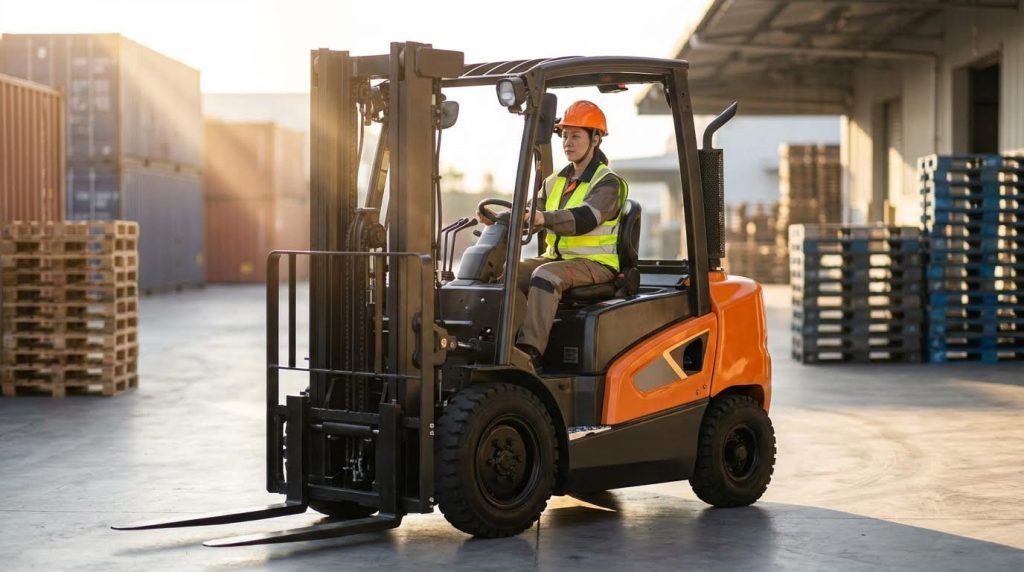
If you are asking what s the difference between propane-powered forklifts and diesel, the answer touches power, emissions, operating cost, and where the truck will actually work. This guide compares diesel and propane forklifts in terms of engine torque, fuel efficiency, noise, and regulations, then links those traits to real-world applications. You will see how each fuel type affects performance on ramps, runtime between refuels, and total cost of ownership over the life of the truck. By the end, you will have a clear, engineering-based framework to choose the right fuel for your fleet and site conditions.
Core Differences Between Diesel And Propane Trucks
Engine design, torque, and duty profile
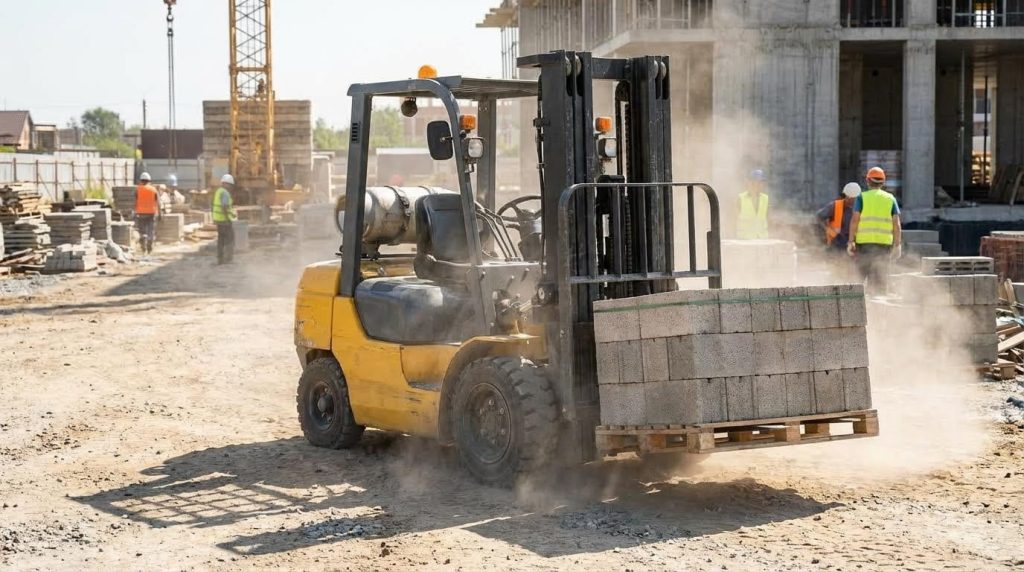
When operations ask what s the difference between propane-powered forklifts and diesel, the starting point is engine design and torque. Diesel forklifts use compression-ignition engines with high cylinder pressures and large displacement, which deliver strong low‑speed torque and high horsepower for heavy-duty cycles and rough yards. They suit applications like container handling and construction, where loads often reach several tons and long pushes or grades are common. Diesel forklifts deliver higher torque output for these tasks. Propane forklifts use spark-ignition engines tuned for smoother operation and consistent power across a wide rpm band, making them suitable for general warehouse work, dock loading, and mixed indoor/outdoor use. They provide stable power but typically lower peak torque than diesel, so they are better matched to medium-duty cycles and frequent stop‑start operation.
Emissions, noise, and regulatory constraints
Another key part of what s the difference between propane-powered forklifts and diesel is emissions and noise. Diesel trucks burn high‑energy fuel but emit more nitrogen oxides and particulate matter, which drives strict ventilation requirements and bans in most indoor spaces. Their exhaust is a major air‑quality concern in enclosed areas. Propane forklifts combust cleaner, with significantly lower greenhouse gases and particulates, so regulators generally accept them for well‑ventilated indoor and mixed environments. This cleaner profile makes compliance easier where air‑quality limits are tight. Noise also differs: diesel forklifts typically run above 85 dB, which often requires hearing protection and can limit use near offices, while propane trucks operate at more moderate sound levels that are easier to manage with standard workplace controls. These noise and emission gaps strongly influence indoor/outdoor zoning and permitting.
Technical Comparison Of Power, Efficiency, And TCO
Power density, torque curve, and gradeability
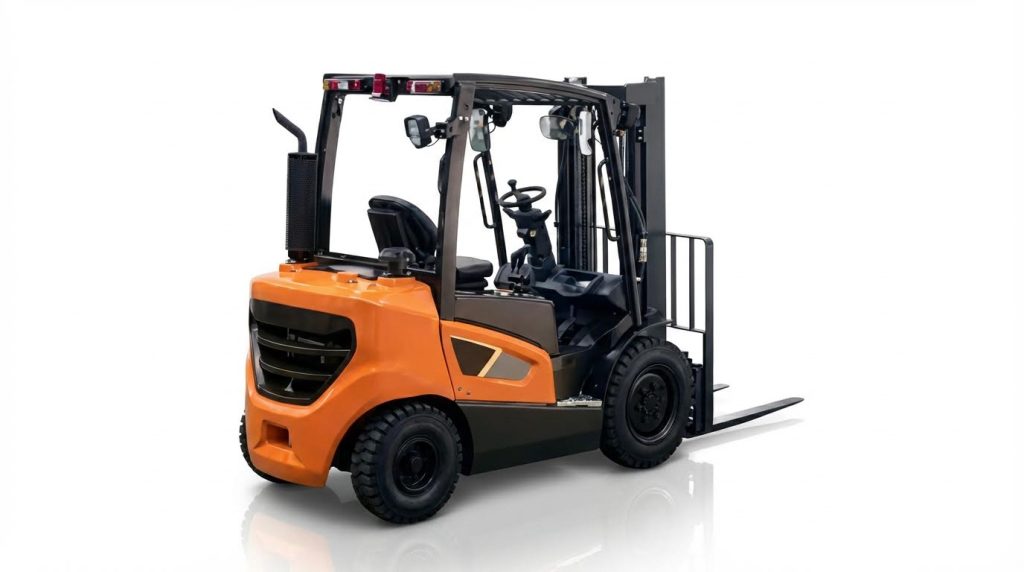
When asking what s the difference between propane-powered forklifts and diesel from a power standpoint, diesel clearly leads on raw tractive force. Diesel engines deliver higher torque and horsepower, so they handle heavy-duty loads and rough yards more easily in port and construction applications. Propane trucks provide consistent power output, which is adequate for typical pallet handling and dock work in indoor and mixed-use environments. In practice, that means:
- Diesel suits high-draw tasks such as steep ramps, long outdoor runs, and heavy attachments.
- Propane suits frequent start–stop, moderate grades, and standard warehouse loads.
For most 2–3.5 ton class trucks, both fuels can meet typical gradeability needs, but diesel offers more reserve torque for worst-case slopes and soft ground.
Fuel efficiency, runtime, and refueling logistics
From an energy perspective, diesel has higher energy density, which supports longer runtime per tank compared with propane of similar tank volume based on fuel properties. However, propane fuel is often cheaper per unit and propane engines typically consume less fuel for light to medium loads, lowering operating cost in many warehouse duty cycles over time. Refueling logistics differ:
- Propane: fast cylinder swap, no fixed fuel island, easy to stage near docks for quick turnarounds.
- Diesel: slower pump refills and dedicated storage, but fewer stops thanks to longer runtime per tank.
So propane favors flexibility and uptime in multi-shift indoor fleets, while diesel favors maximum endurance between refuels in outdoor yards.
Maintenance, reliability, and lifecycle cost
On maintenance, the key difference between propane-powered forklifts and diesel is engine complexity and wear. Diesel engines use higher-pressure fuel systems and more after-treatment hardware, so they typically need more frequent service and parts replacement such as filters and oil. Propane engines run cleaner with less carbon deposit, which extends service intervals and component life and reduces maintenance cost. Over the full lifecycle:
- Diesel: higher fuel and maintenance expense, but strong residual value in heavy-duty outdoor roles.
- Propane: lower routine service cost and competitive fuel spend in typical warehouse cycles.
For most mixed or indoor fleets, propane often delivers a lower total cost of ownership, while diesel remains cost-effective where its extra torque and endurance are fully utilized. Consider using equipment like manual pallet jack, hydraulic pallet truck, or drum dolly to optimize material handling operations further.
Matching Fuel Type To Application And Site Conditions
Indoor, outdoor, and mixed-environment operations
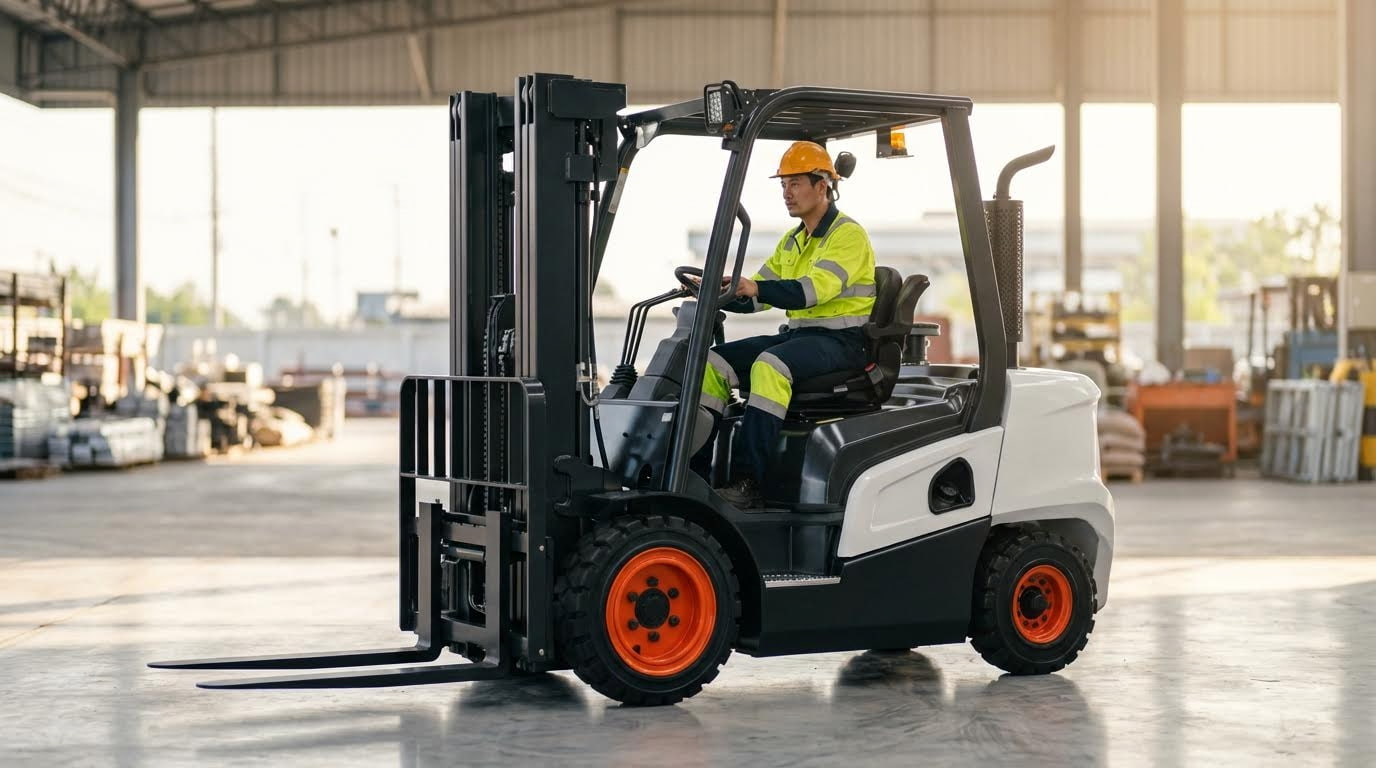
When teams ask what s the difference between propane-powered forklifts and diesel in real sites, the first filter is environment. Diesel trucks are effectively outdoor-only due to exhaust, particulate emissions, and noise levels often above 85 dB, which trigger ventilation and hearing protection requirements. Propane units emit fewer pollutants and run quieter, so they fit covered docks, cross-docks, and well-ventilated warehouses where occasional indoor driving is needed. Propane also provides consistent power indoors and outdoors, which suits mixed yard–warehouse operations. For harsh outdoor yards, rough ground, and long travel distances, diesel’s higher torque and energy density still give an advantage.
Load profile, climate, and safety compliance
Heavy loads, long grades, and continuous high-speed travel favor diesel, thanks to higher torque and greater usable energy per tank. Diesel fuel carries more energy per liter than LPG, so diesel trucks can run longer between refuels in demanding duty cycles. In cold climates, diesel needs winter-grade fuel or additives, while propane can suffer gasification issues at very low temperatures, especially with high draw rates. Safety rules also differ: diesel brings fire and fume controls, whereas propane requires certified cylinder storage, leak checks, and operator training for tank changes. For sites under strict air-quality or food-grade standards, propane usually passes compliance where diesel does not. Consider using equipment like a manual pallet jack or a drum dolly for material handling tasks that require flexibility across environments. Additionally, options such as a hydraulic pallet truck or a hydraulic drum stacker can enhance efficiency in specific applications.
Summary: Choosing The Right Fuel For Your Fleet
Diesel and propane forklifts solve different engineering problems, so the right choice starts with a clear duty profile. Diesel engines deliver higher torque, better gradeability, and longer runtime per tank. They fit heavy loads, rough yards, steep ramps, and long outdoor runs where their extra tractive force and endurance justify higher fuel and service cost. Propane engines run cleaner and quieter with simpler maintenance. They fit warehouses, cross-docks, and mixed indoor–outdoor sites that operate under air-quality and noise limits and need fast refueling with cylinder swaps.
For indoor or mixed fleets with 2–3.5 ton loads and frequent stop–start work, propane usually gives lower total cost of ownership and easier compliance. For harsh outdoor yards, continuous heavy cycles, or worst-case slopes, diesel remains the robust choice. The best practice is to map each truck to its real environment, load spectrum, climate, and regulatory constraints, then size the fuel type to the highest risk scenario, not the average day.
Use diesel where power and endurance are critical. Use propane where air quality, flexibility, and lifecycle cost dominate. Support both with suitable manual handling tools from Atomoving to keep powered lift use focused on tasks that truly need it.
Frequently Asked Questions
What is the difference between propane-powered forklifts and diesel forklifts?
Propane-powered forklifts and diesel forklifts differ primarily in their fuel type, performance, and operational environments. Propane forklifts are known for their clean-burning fuel, making them ideal for indoor use. Diesel forklifts, on the other hand, are more powerful and better suited for outdoor heavy-duty tasks.
- Fuel Efficiency: Propane forklifts typically have lower fuel costs compared to diesel but may not last as long on a single tank.
- Environment: Propane burns cleaner, producing fewer emissions, which makes it suitable for enclosed spaces like warehouses.
- Power: Diesel forklifts generally offer more torque and power, making them ideal for lifting heavier loads and rough terrain operations.
- Noise Levels: Propane forklifts tend to be quieter than diesel models, contributing to a better work environment indoors.
Are there any disadvantages to using electric forklifts compared to propane or diesel?
Electric forklifts come with certain limitations that might make propane or diesel options more appealing depending on your needs. For instance, electric forklifts often have a higher upfront cost and require careful battery maintenance. Additionally, they may not be practical for multi-shift operations without adequate charging infrastructure.
- Cost: The initial purchase price of electric forklifts is generally higher than that of diesel models.
- Maintenance: Battery care, including cleaning, watering, and charging, is crucial and can be demanding in multi-shift scenarios.
- Performance: Electric forklifts may lack the raw power and versatility of diesel or propane models, especially in outdoor settings. Electric Forklift Considerations.