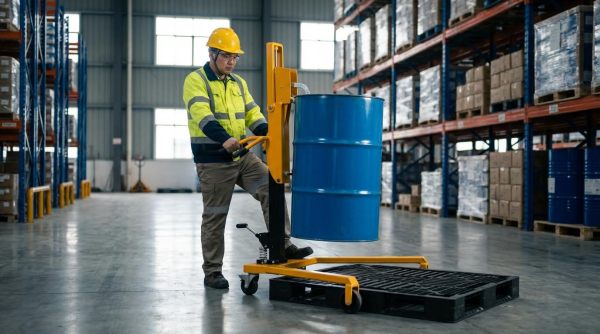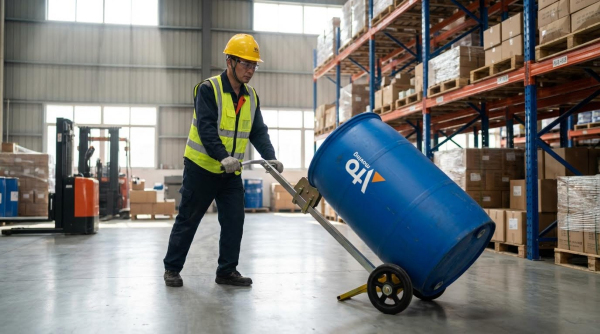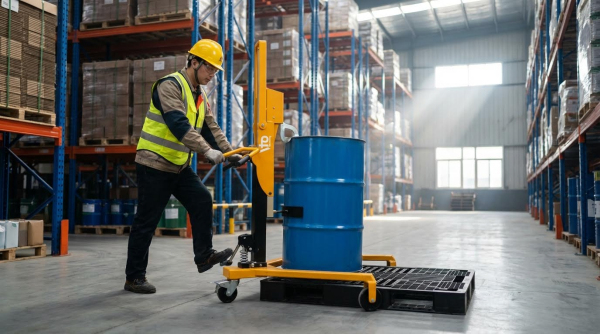
Safe drum palletization is one of the highest‑risk, lowest‑tolerance tasks in any warehouse or plant. This guide explains how to secure drums to pallets so they stay stable through handling, transport, and storage, while meeting safety and regulatory expectations. You will see how pallet condition, drum layout, blocking, bracing, and modern securing devices work together with forklifts, racking, and inspections. Use it as a practical engineering reference to reduce spills, product loss, and injuries in day‑to‑day drum handling operations.
Why Proper Drum Securing Is Non‑Negotiable
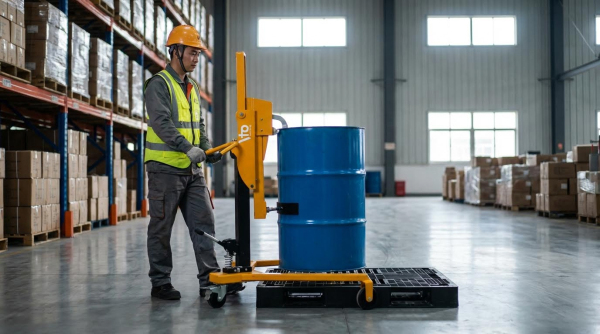
Risk profile of palletized drums
Understanding how to secure drums to pallets starts with recognizing the risk profile of a typical drum unit load. A filled steel drum can weigh roughly 400–600 lb, and it often contains hazardous or high‑value liquids and chemicals when filled, steel drums can weigh between 400 and 600 pounds. Even a small shift on the pallet can overload deck boards, deform nails, or push the pallet out of square, which in turn destabilizes the stack and the racking bay. During handling, unrestrained drums are vulnerable to impact from forks, floor irregularities, and sudden braking, any of which can cause tipping, rolling, or puncture of the drum wall or chime. The risk multiplies in transport, where vibration, cornering forces, and emergency maneuvers will exploit any free play in the blocking, bracing, or strapping system proper blocking and bracing of drums on trailers is essential to eliminate movement during transit. When loads are not properly secured, the failure chain is predictable: drum movement damages closures, closures leak, and spilled product creates slip hazards, fire or toxicity risks, and costly environmental clean‑up. In short, poor palletization converts a controlled pressure vessel into an uncontrolled impact and spill source.
Regulatory and standards framework
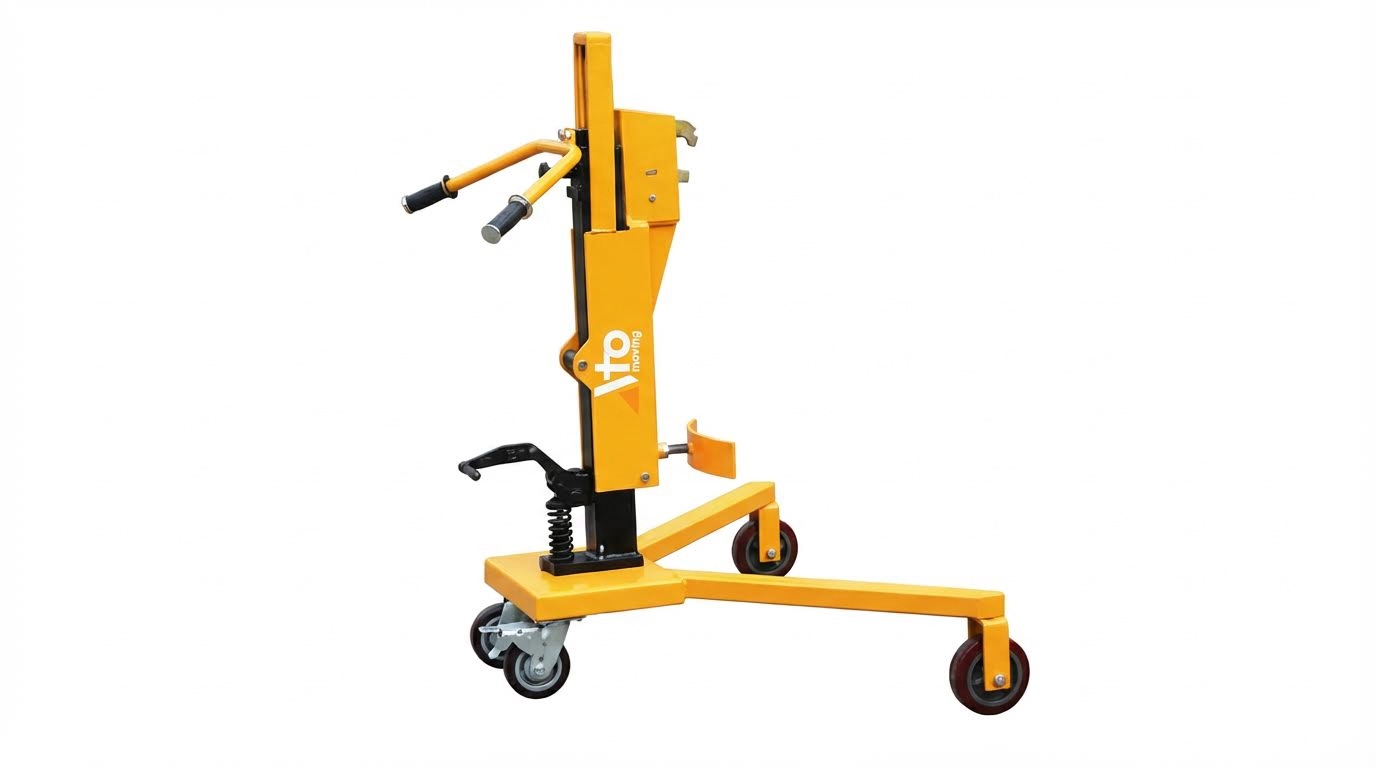
The regulatory framework around how to secure drums to pallets is built on the idea that drums are pressure vessels and must be treated as such. Regulations prohibit pressurizing drums or containers simply to remove their contents because this can cause rupture and uncontrolled product release drums and containers must not be pressurized to remove their contents. Storage rules require that drums with flammable or toxic liquids be kept away from open flames and hot surfaces, and that large containers have secondary containment capable of holding at least a defined fraction of the total volume to manage leaks or catastrophic failure containers of 55 gallons or more containing flammable or toxic liquids must be surrounded by dikes or pans enclosing at least 35 percent of total container volume. General material‑handling standards also require that palletized stacks remain stable and secure, with uniform pallet sizes, proper blocking or interlocking, and secure banding or wrapping for loaded pallets all pallet stacks must remain stable and secure as per 29 CFR 1910.176(b). Fire‑protection rules add constraints on maximum stack heights and mandatory clearance below sprinklers to ensure suppression systems work as designed a minimum vertical clearance of 18 inches below sprinkler systems is required under 29 CFR 1910.159(c)(10). Together, these requirements make clear that securing drums to pallets is not just a “best practice”; it is a compliance obligation that links pallet design, unit‑load stability, spill control, and fire safety into one integrated system..drum cart and hydraulic drum stacker solutions are critical tools for ensuring safe and compliant drum handling. Additionally, equipment like the manual pallet jack and hydraulic pallet truck play key roles in efficient material movement.
Engineering Best Practices For Securing Drums To Pallets
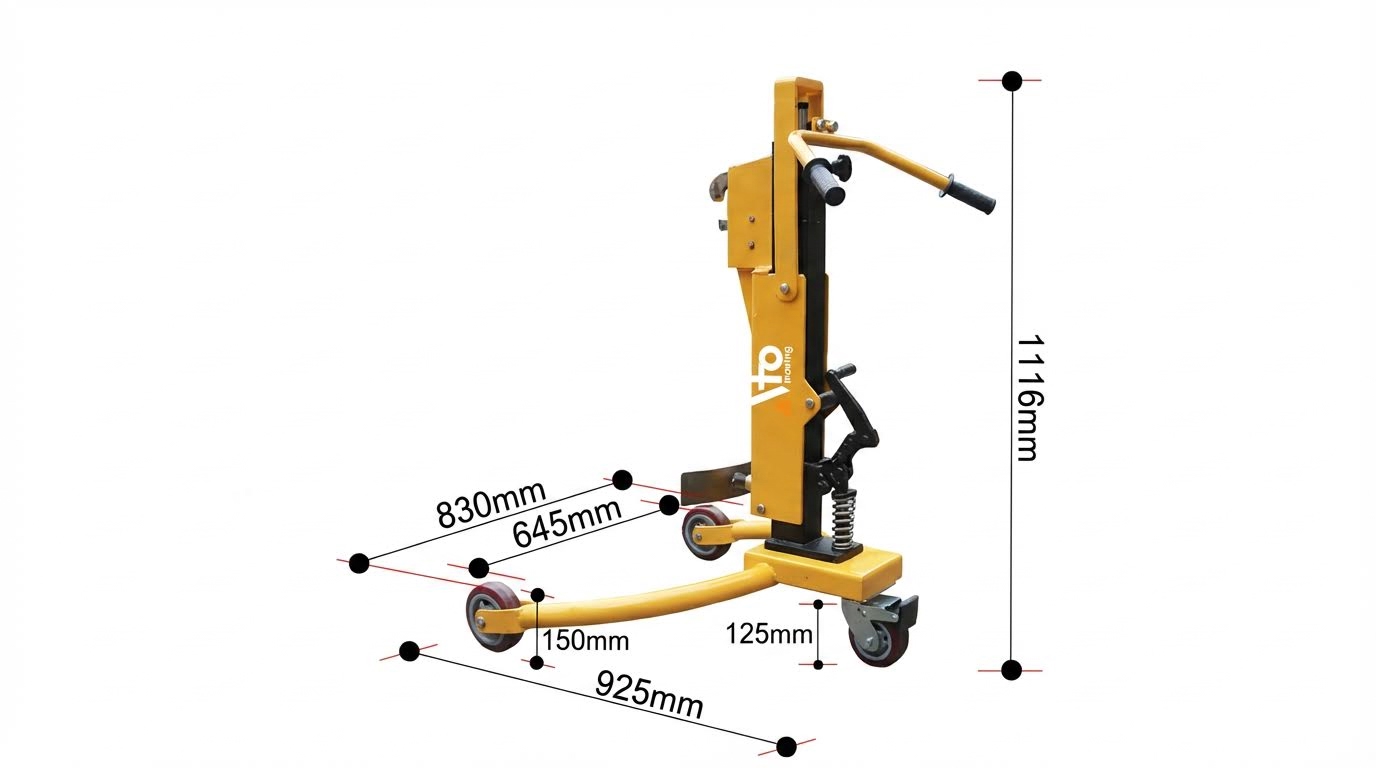
Pallet design, inspection, and load ratings
When planning how to secure drums to pallets, start with the pallet itself. A typical filled steel drum can weigh 400–600 lb, so a four‑drum pallet can easily exceed 1,600–2,000 lb; the pallet must be rated for that load with a safety margin. Pallets should be inspected before each use and removed from service if they show broken deck boards, cracks, protruding nails, or other structural weaknesses as recommended by industry best practice. Sharp edges or nails must be eliminated to avoid puncturing drums or allowing them to shift under vibration and impact loads during transport.
Key pallet engineering checks include:
- Confirm pallet load rating exceeds the total drum weight, including any dunnage and securing devices.
- Use uniform pallet sizes in stacks to maintain stability and comply with stacking safety guidance on pallet stacking.
- Verify deck board spacing supports the full drum footprint, avoiding point loads on thin boards.
- Maintain clearances to sprinklers and other fire protection (for example, 18 in below sprinklers in many facilities) when palletizing in racked or floor storage.
Where pallets are stored in stacks, ensure no visible leaning, even weight distribution, and proper blocking or banding so that every loaded pallet stack remains stable under 29 CFR 1910.176(b) expectations for safe stacking.
Drum layout, blocking, and bracing patterns
Effective drum layout on the pallet is central to how to secure drums to pallets safely. Drums should be arranged symmetrically so the combined center of gravity sits close to the pallet centerline, which improves forklift handling and reduces tipping risk. For storage, guidance requires drums and barrels to be stacked symmetrically and bottom tiers blocked or chocked to prevent rolling or shifting in multi‑tier stacks. The same principles apply on pallets: the bottom layer must be fully restrained against both sliding and rolling.
Typical engineering practices for layout and blocking include:
- Use four‑drum square patterns (2×2) on standard pallets to keep loads compact and balanced.
- Apply dunnage (plywood sheets or planks) under drum chimes when needed to create a firm, flat surface between tiers or under mixed packaging as recommended for stable stacking.
- Install chocks or wedges against the lower drum courses on both sides when there is any risk of rolling, especially if drums are stored on their sides drum dolly.
- Use blocking and bracing to eliminate free movement of drums on trailers so they arrive in their original condition after transit.
For hazardous or pressurized contents, blocking and bracing must also protect drums from external physical injury, in line with requirements to guard larger vessels and containers against impact in unprotected areas for drums and containers.
Strapping, lashing, and plastic securing devices
Once the pallet and layout are correct, the final step in how to secure drums to pallets is choosing and applying the right restraint system. Traditional methods use multiple steel or polyester straps plus edge protectors around the drum group, which can be time‑consuming and ergonomically demanding. Newer plastic tools clip directly to the drum chimes and create anchor points for wider lashing, allowing operators to secure drums on pallets, trailers, or other modes with standard ratchet straps more quickly than traditional methods. Using two straps with such a tool can replace three to five straps plus edge protectors, improving both time and cost efficiency for securing.
When selecting and applying strapping or plastic securing devices, consider:
- Certification of the restraint system to cargo‑securing standards such as DIN EN 12195‑1, pallet stability standards like ISTA 3E, and load safety standards such as EUMOS 40509 for road transport to validate performance.
- Compatibility with drum type (tight‑head steel, open‑head, plastic, or ISO drums), confirmed through fit and stability testing before deployment.
- Typical usage of two plastic securing tools per pallet, installed on opposite sides to clamp the drum group and distribute strap forces evenly around the load.
- Tool durability and reuse, which can extend to one or two years under intensive use when inspected regularly for wear, cracks, or deformation to maintain performance.
Plastic securing devices also support sustainability goals because many are produced using recycled materials, renewable energy, and internal material reuse, reducing the environmental footprint of drum palletization hardware in modern warehouses. Combined with correctly tensioned straps and verified drum closures that follow transport instructions to prevent leaks for steel drums, these systems deliver a robust, repeatable method for securing drums to pallets across the supply chain.
Integrating Drum Securing Into Warehouse Operations
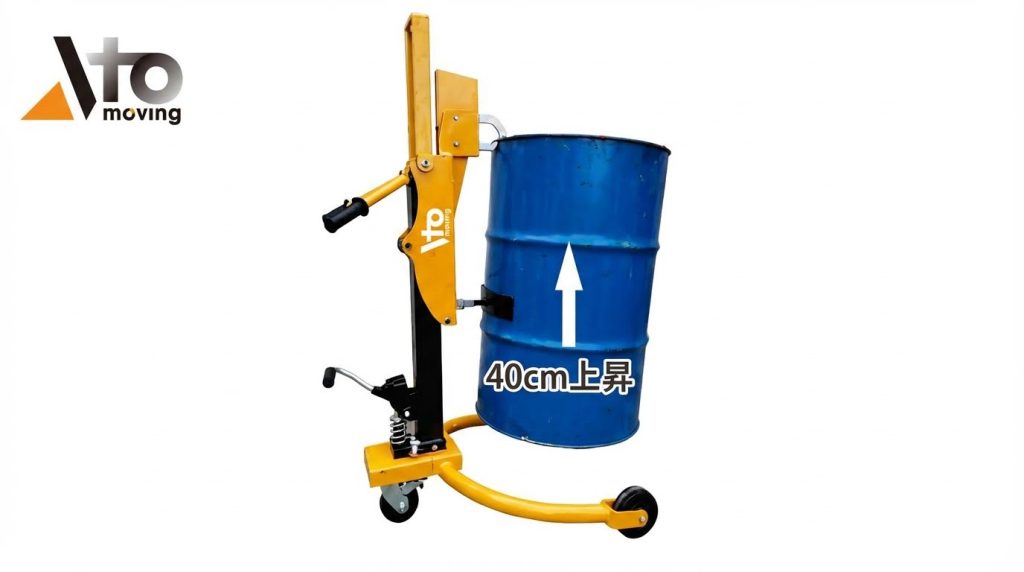
Forklift handling, aisle design, and rack interface
Forklift practices must reflect the fact that filled steel drums typically weigh 400–600 lb, so operators should always handle drums on pallets and avoid rolling them manually to reduce injury risk and drum damage. Using forklifts instead of rolling also minimizes accidental puncture and product release. To support safe handling and any method of how to secure drums to pallets, aisles should be wide enough for the truck type, with clearance for turning while keeping the load low and tilted back. Rack beam elevations and pallet overhang must allow forks to enter and exit without scraping drums or dislodging straps or plastic securing devices.
- Keep fork tines level when entering pallets to avoid gouging deck boards or drums.
- Travel with drums just above floor level and never tilted forward.
- Mark keep‑clear zones around rack uprights and end‑of‑aisle protectors to reduce impact risk.
- Verify that rack beam load ratings and deflection limits suit the combined pallet and drum weight.
Where palletized drums interface with racks, use uniform pallet sizes, adequate beam depth, and, if needed, pallet supports or wire mesh decking to prevent sagging or pallet slip. Clear vertical space must respect sprinkler clearance rules in storage areas, maintaining at least 18 in below sprinklers as a horizontal plane for all stacks and rack positions. Stable pallet stacks require no visible leaning, uniform pallet sizes, even weight distribution, and secure wrapping or banding, which applies equally to palletized drums staged on the floor near rack aisles.
Inspection, maintenance, and quality control routines
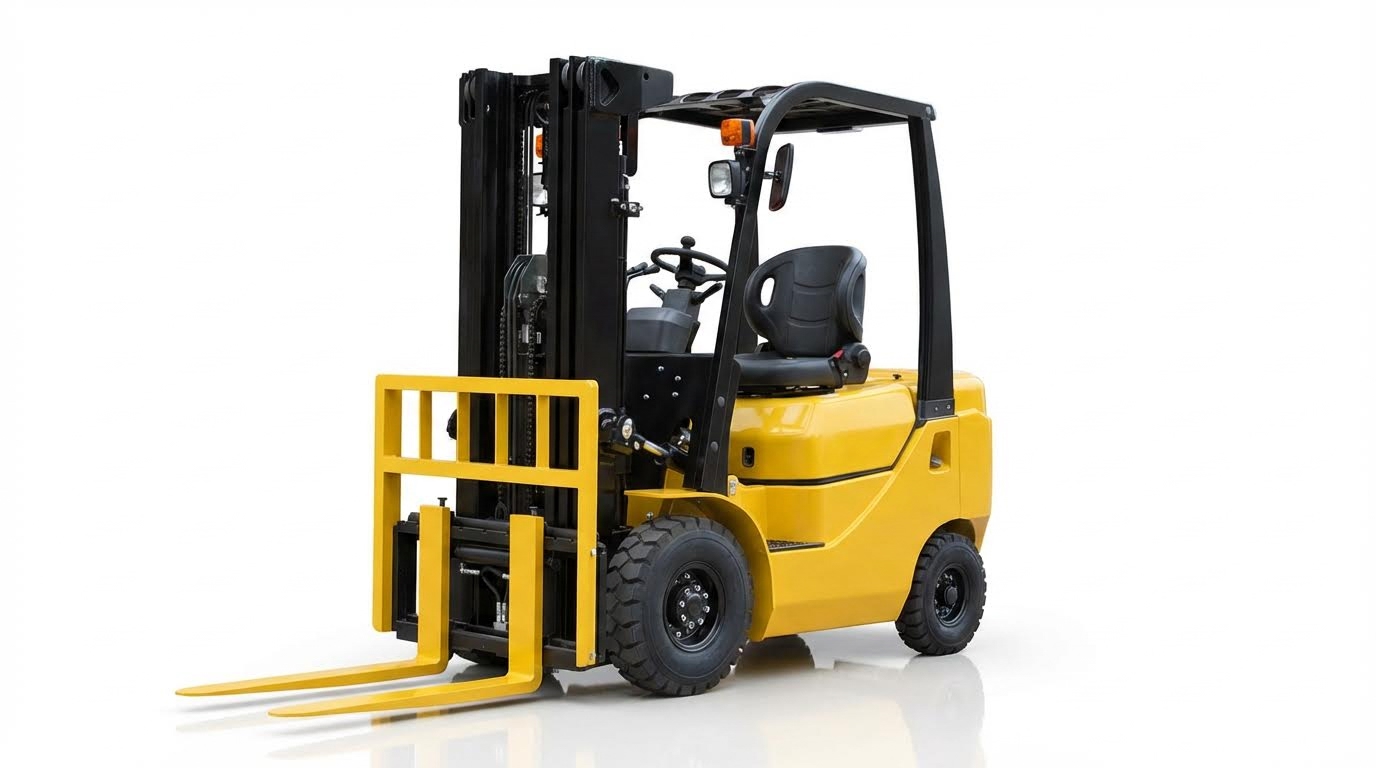
To keep drum palletization reliable, integrate daily operator checks, scheduled maintenance, and formal quality control into warehouse routines. Pallets should be inspected before each use; damaged pallets with broken boards, protruding nails, cracks, or other structural weaknesses must be removed from service to avoid puncturing drums or allowing loads to shift. Pallets used for transporting steel drums need to be free of sharp objects to prevent punctures and movement in transit. This directly supports any engineered method of how to secure drums to pallets, because even the best strapping or plastic devices cannot compensate for a failing pallet.
Recommended drum palletization quality checks
Quality control for drum palletization should combine visual inspection, stability testing, and compliance verification. Visual checks confirm that drum closures are fully engaged, straps or lashings are tensioned and locked, and plastic securing tools are correctly positioned. Stability testing can include simple push tests, tilt tests, or vibration simulations to confirm that the unit load will not tip or walk during handling and transport. Unit load control verifies placement and securement of each unit on the pallet, while stretch wrap and straps enhance stability and help meet standards such as ISO 6780 and ISO 8611. Documented checklists make these inspections repeatable across shifts.
Racking systems that store palletized drums also require regular inspection. Independent experts or engineers should perform detailed rack inspections at least annually, with monthly assessments by trained warehouse staff. Comprehensive rack inspections review upright columns, braces, beams, connectors, safety pins, footplates and anchors, decking, structural integrity, and the presence of load capacity labels, and produce reports with prioritized issues and repair recommendations. Integrating these inspections with preventive maintenance schedules for forklifts, securing tools, and safety equipment ensures that the full system supporting drum palletization remains within design limits.
Finally, consider using technology to tighten control of drum pallet quality. Sensors, scanners, palletization management software, and monitoring platforms using IoT, GPS, and condition sensors can automate anomaly detection, document load configurations, and track storage and transport conditions. When combined with operator training and clear work instructions, these tools help standardize how to secure drums to pallets across facilities and shifts, reducing variability and incident rates.
For efficient material handling, consider using a manual pallet jack or a drum dolly to move heavy items safely. Additionally, a hydraulic drum stacker can assist in stacking drums securely. For larger operations, an electric high lift pallet truck might be beneficial.
“”
Key Takeaways For Safer, More Efficient Drum Handling
Safe drum palletization depends on one integrated system, not a single device or rule. Pallet strength, drum layout, blocking, and strapping must all work together within clear regulatory limits. When engineers size pallets correctly, keep the drum center of gravity over the pallet center, and remove all sharp edges, they cut the risk of puncture and stack collapse. When operators add proper blocking, certified strapping, and tested plastic securing tools, they turn heavy, unstable drums into predictable unit loads that tolerate vibration, braking, and rack handling.
Warehouse leaders should lock these practices into standard work. Define approved pallet and drum patterns by weight class. Specify only restraint systems with proven test data. Build daily pallet and rack checks into forklift routines. Use Atomoving pallet jacks, drum carts, and stackers to keep operators off the load and reduce manual handling risk.
The best practice is simple: treat every palletized drum like a pressure vessel in motion. Design the hardware, layout, and handling path as one system. Verify performance with inspections and tests. This approach protects people, product, and equipment while keeping drum operations compliant and efficient.
Frequently Asked Questions
How to Secure Drums to a Pallet?
Securing drums to a pallet can be done effectively using methods like pallet strapping or plastic stretch film. Pallet strapping, also known as pallet banding, involves wrapping straps around the load to keep it stable during transport. Pallet Strapping Guide.
- Use pallet strapping machines or manual tools like tensioners for securing the drums.
- Plastic stretch film can also be wrapped around the drums and pallet for added stability.
What Are the Best Methods to Stabilize a Pallet Load?
To stabilize a pallet load, businesses often use pallet wrapping, plastic stretch film, or pallet strapping. These methods ensure that items do not shift during transport. For more tips, see Pallet Load Tips.
- Pallet wrapping is ideal for lighter loads.
- Pallet strapping provides extra strength for heavier items.