Handling 400–600 lb steel drums during pallet-to-floor transfer demands strict control of risk, equipment design, and operator behavior. This article explains the full risk profile of drum handling, the regulatory context, and how training and PPE support safe operations. It then compares engineering options for how to get steel drum from pallet to the floor, from manual pallet jack to pallet-straddling hydraulic pallet truck, counterbalanced stacker, and forklift attachments. Finally, it sets out practical selection criteria and summarizes key practices that mechanical engineers and safety managers can apply to design robust, compliant drum-handling workflows.
Risk Profile of Moving 400–600 lb Steel Drums
Moving a 400–600 lb steel drum from pallet to floor concentrates high kinetic energy in a small footprint. The risk profile depends on drum integrity, pallet condition, floor friction, and the method used to get the steel drum from pallet to the floor. Incidents usually involve loss of control, sudden shifts in center of gravity, or containment failure that releases hazardous contents. Understanding these failure modes, the regulatory context, and human-factor limits is essential before selecting any drum handling method or equipment.
Common Incident Modes in Drum Handling
Incident data from transport and warehouse operations showed repeatable patterns when moving drums from pallets to the floor. Typical failures included drums slipping off forks or pallet jacks, tipping during manual rolling, and drops during transfer from elevated pallets. PHMSA incident reports highlighted punctures from damaged pallets, fork tines, or protruding nails as frequent root causes. When operators tried to “walk” or roll drums off pallets by hand, back strains, crushed toes, and finger injuries occurred, especially with 400–600 lb units. Loss of containment during a drop or puncture created secondary risks such as vapor release, corrosive attack, or ignition, depending on the drum’s contents. Effective risk control therefore required secure engagement of the drum, stable support during vertical transition, and controlled lowering to the floor, rather than relying on brute-force manual techniques.
Regulatory and Standards Context (OSHA, DOT, PHMSA)
Regulatory frameworks treated the act of getting a steel drum from pallet to floor as part of a broader hazardous materials handling chain. OSHA regulations required employers to maintain safe material handling practices, including mechanical aids where manual lifting of 180–270 kg drums would exceed human capability. Department of Transportation rules and manufacturer closure instructions governed how steel drums should be sealed and verified before movement, to prevent leaks during loading or unloading. PHMSA data on packaging incidents showed that forklift damage, drops, and inadequate blocking and bracing were leading causes of reportable events, which reinforced the need for engineered handling methods. Applicable consensus standards and guidance documents required that handling equipment be rated for the drum mass, compatible with the drum design, and used on suitable floors with adequate traction. Facilities that handled flammable or explosive contents also had to align their drum-transfer methods with classified area requirements and any ATEX-style conformity expectations adopted by corporate policy.
Human Factors, Training, and PPE Requirements
Human factors strongly influenced incident probability when operators moved drums from pallet height to floor level. Untrained workers often underestimated the inertia of a 400–600 lb drum and attempted to roll or tilt it off a pallet without mechanical assistance. Fatigue, time pressure, and poor visibility around stacked pallets increased the likelihood of missteps, slips, and finger placement in pinch points. Effective programs therefore specified clear standard operating procedures for how to get a steel drum from pallet to the floor, including mandatory use of drum palletizer, pallet-straddling lifters, or other dedicated devices. Training covered hazard recognition from labels and Safety Data Sheets, pre-use inspection of pallets and equipment, and correct body positioning during guiding and chocking operations. PPE expectations included safety footwear with toe protection, chemical-resistant gloves where contents were hazardous, and eye and face protection during any operation with leak potential. Facilities that combined technical controls, operator training, and appropriate PPE achieved significantly lower incident rates in drum transfer tasks.
Engineering Options for Pallet-To-Floor Drum Transfer
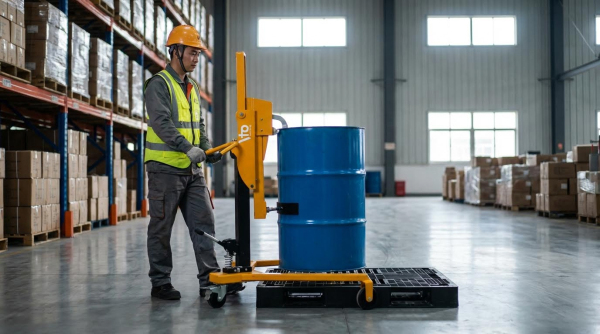
Engineering controls determine how to get steel drum from pallet to the floor with predictable safety and repeatability. Selection depends on drum mass, hazard class, pallet geometry, and the required transfer frequency. The following equipment options illustrate different risk, cost, and ergonomics profiles for 400–600 lb steel drums.
Manual Drum Trucks and Beak-Type Grab Devices
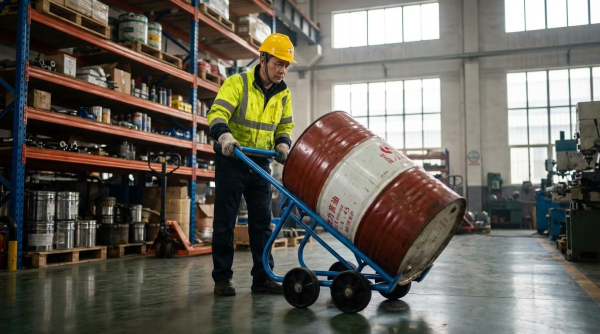
Manual drum trucks with beak-type grab devices provide a low-cost method to move single drums from pallet to floor. The beak engages under the drum chime and uses a cam or spring-loaded mechanism to lock as the operator tips the truck back. For 400–600 lb steel drums, the design must keep the drum center of gravity between the wheel axle and the operator to avoid sudden tip-over. Large puncture-proof wheels, typically around 280 mm diameter, improve roll-over capability on dock plates and minor floor defects. When planning how to get steel drum from pallet to the floor using manual trucks, limit use to short horizontal moves, low handling frequency, and non-ATEX environments unless the device uses conductive, anti-static components.
Pallet-Straddling Hydraulic Drum Lifters
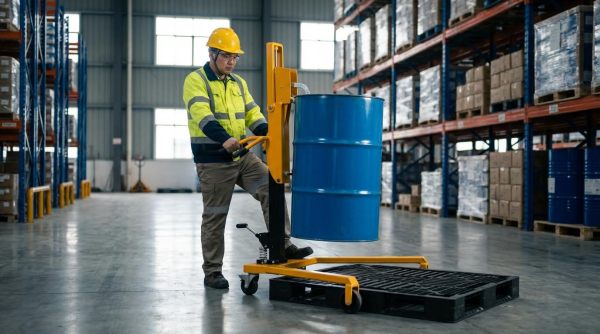
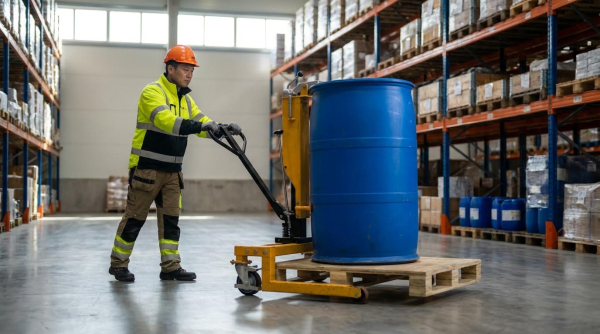
Pallet-straddling drum lifters solve a key problem in how to get steel drum from pallet to the floor without tilting the drum. The chassis straddles standard pallets, while a central grab head clamps the drum body or chime. A manual or electric-hydraulic pump raises the drum typically 400–500 mm, creating clearance to withdraw from the pallet and then lower to floor level. Adjustable catch positions allow handling of drums from approximately 50 L to 220 L, including steel, plastic, and fiberboard designs. Precision side-shift rails with multiple bearings enable accurate placement, reducing the risk of side impacts that could dent or puncture drums. Chemical-resistant wheels and optional anti-static tires support use in corrosive or classified zones, provided the unit meets relevant ATEX requirements for zones 1, 2, 21, and 22.
Straddle Drum Stackers and High-Lift Solutions
Straddle drum stackers extend pallet-straddling concepts to higher lift heights and more complex workflows. Typical rated capacities around 450 kg accommodate full 55-gallon steel drums with safety margin. Lift heights up to approximately 1.9 m allow operators to transfer drums from pallet to floor, then to mezzanines, platforms, or process infeed points. Stability factors above 150% and integrated overload relief valves reduce the probability of overturn or structural overload during vertical transfer. Needle-type lowering valves give fine control, which is critical when positioning drums near other containers or in containment bunds. High-lift units can integrate options such as powered hydraulics, side-dump mechanisms, weighing scales, and stainless steel construction. These features support operations where drums must be discharged into mixers or reactors after being removed from pallets.
Forklift Attachments for Secure Drum Handling
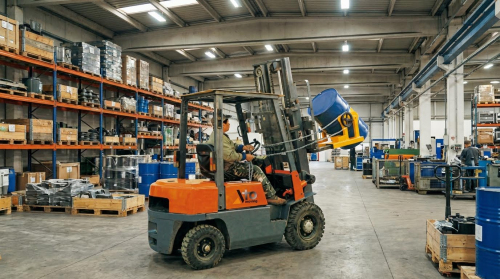
Forklift-mounted drum attachments address how to get steel drum from pallet to the floor in high-throughput environments. Mechanical clamp or beak-style attachments slide onto the truck forks and lock using heel pins or chains. The attachment grips one or multiple drums by the chime as the forklift mast lifts vertically clear of the pallet deck. This method reduces manual handling but introduces new risk modes: unsecured drums can roll off during sudden braking, and forks can still damage drums if operators misalign the approach. Attachments must match the forklift’s rated capacity, including the attachment weight and drum load, and comply with relevant safety standards. For hazardous materials, facilities should specify attachments with positive mechanical locking, adequate backrests, and, where required, spark-resistant contact surfaces. Standard operating procedures must address pallet inspection, approach speed, and exclusion zones around the truck during pallet-to-floor transfers.
Design, Selection, and Integration Criteria
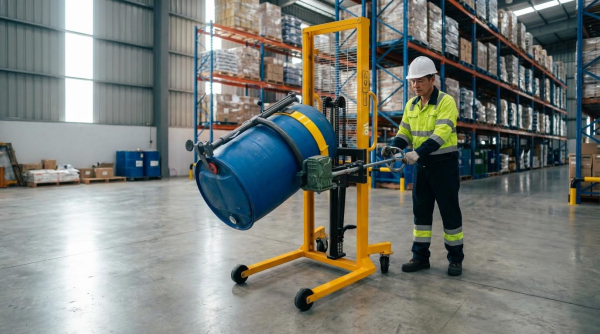
Engineering teams that study how to get steel drum from pallet to the floor safely focus on matching equipment, load, and environment. Design choices must control tip, crush, and spill risks for 400–600 lb drums while maintaining productivity. This section outlines the key criteria for selecting and integrating drum handling systems into existing pallet, forklift, and workflow arrangements.
Load, Drum Type, and Hazard Classification
Start with a precise definition of the load before deciding how to get steel drum from pallet to the floor. Record drum volume, typical fill level, and maximum density to calculate worst-case mass in kilograms. A 55-gallon steel drum filled with high-density liquids could exceed 350 kg, so apply at least a 25% design safety margin over the heaviest credible load. Distinguish between tight-head and open-head drums, chime geometry, and any reinforcing rings because these features determine compatibility with beak-type grabs, universal catches, or clamp jaws. Classify contents according to OSHA Hazard Communication, DOT hazardous materials classes, and relevant PHMSA guidance, since flammable or corrosive products drive requirements for sealing integrity, secondary containment, and equipment materials such as stainless steel or spark-resistant alloys.
Stability, Floor Conditions, and Layout Constraints
Stability governs whether a device can transfer a drum from pallet to floor without uncontrolled tilt or slip. Check the equipment’s stated stability factor and compare it with the combined center of gravity of the lifter and full drum at maximum lift height. Verify that the drum footprint stays within the straddle base during travel and turning, especially when negotiating pallet overhangs or tight aisles. Assess floor construction, specifying flatness, levelness, and surface friction; small-diameter castors on rough or oily floors can increase push forces and tipping risk. Map the material flow path from dock or storage to the final floor position, including door widths, turning circles, ramp gradients, and any grating or thresholds that could interfere with wheels or straddle legs.
Safety Functions, ATEX Zones, and Compliance
When defining how to get steel drum from pallet to the floor in hazardous areas, align the solution with applicable regulations and standards. For flammable atmospheres, classify zones according to ATEX or equivalent and select drum lifters or stackers with certified anti-static wheels, conductive components, and appropriate surface resistance. Confirm that hydraulic circuits include overload relief valves and controlled-lowering valves to prevent sudden drops during pallet-to-floor transfer. Guarding around pinch points, clear visibility of the drum, and positive locking of the grab or catch should meet OSHA machine guarding principles and recognized design standards. For powered units, review electrical protection, emergency stop placement, and labeling so operators can verify status even in low-light or congested warehouse environments.
Digital Tools, Sensing, and Lifecycle Cost Control
Digital and sensing features now influence how to get steel drum from pallet to the floor with traceable safety and cost control. Integrated load cells with accuracy near 0.1 kg allow verification of drum mass before lifting, reducing the chance of overloading manual or powered hydraulic systems. Position sensors, travel counters, and simple telematics enable maintenance teams to schedule inspections based on real duty cycles rather than estimates. Barcode or RFID integration with drum lifters supports automatic recording of drum ID, hazard class, and transfer events into inventory systems. During selection, compare total lifecycle cost, including energy use, wheel and seal replacement, periodic inspection, and operator training time, instead of focusing only on purchase price. This approach yields drum handling solutions that remain safe, compliant, and economical over years of pallet-to-floor operations.
Summary: Key Practices for Safe Drum Transfers
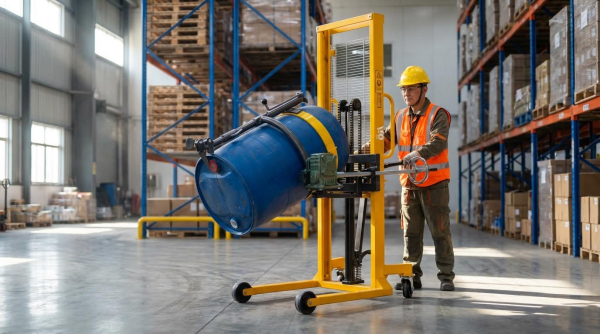
Safe, efficient methods for how to get steel drum from pallet to the floor relied on engineered equipment, trained operators, and disciplined procedures. Filled steel drums typically weighed 180–270 kg, so manual rolling or tipping created high risk for crush injuries, back strain, and loss of containment. Industry data from PHMSA showed that most incidents traced back to handling damage, inadequate securing, and human error rather than packaging failure. The most robust approach combined suitable drum-specific lifters or drum stacker, verified pallet condition, controlled floor interfaces, and clear communication at the dock.
Operations teams should start by classifying drum contents and hazards, then selecting drum trucks, pallet-straddling hydraulic lifters, stackers, or forklift drum grabber that provided positive chime engagement and sufficient capacity margin. Devices that gripped the chime with beak or universal catches, offered controlled hydraulic lifting, and maintained a low center of gravity reduced the likelihood of tipping during pallet-to-floor transfer. ATEX-certified or spark-resistant configurations remained essential where flammable or explosive atmospheres were present, and compliance with OSHA, DOT, PHMSA, and ASME PASE requirements anchored the engineering choices.
In practice, crews should inspect pallets for protrusions, verify trailer and dock stability, and maintain smooth, clean floor surfaces before moving a 400–600 lb drum off a pallet. Structured training, task-specific PPE, and standard work instructions helped operators use barrel lifter correctly and avoid shortcuts such as free-rolling drums. Looking forward, wider use of integrated load cells, simple sensing, and digital checklists will support better weight verification, incident tracking, and lifecycle cost control, while still keeping the core objective clear: move each drum from pallet to floor with zero injuries, zero leaks, and full regulatory compliance.