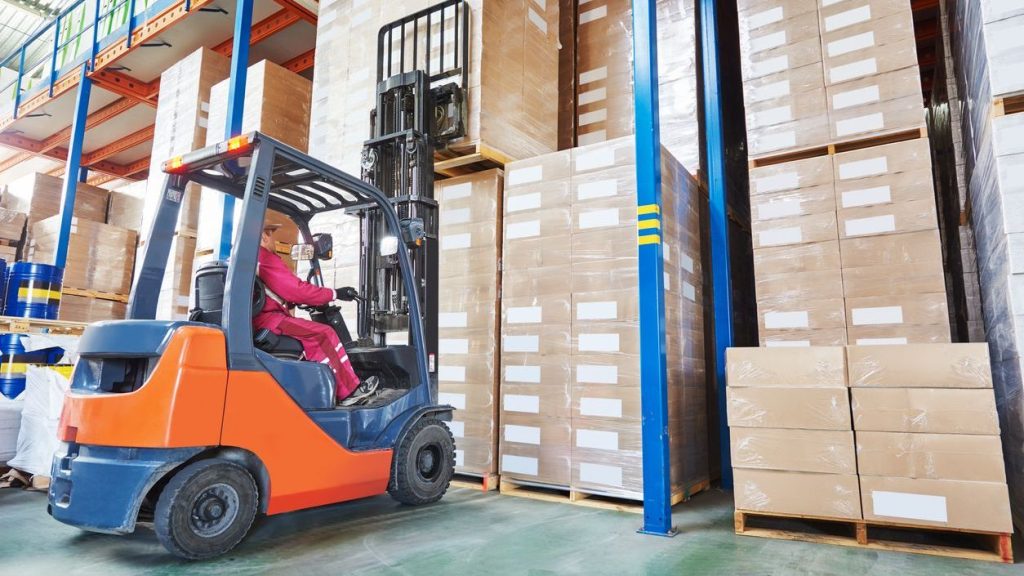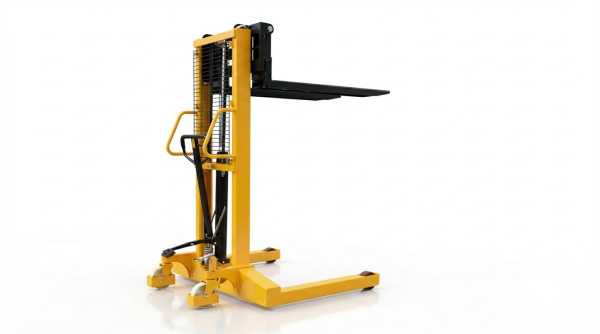
Counterbalanced stackers played a central role in modern warehouses and industrial facilities by lifting, transporting, and stacking palletized loads with precision. This guide mapped their core design, stability principles, operating envelopes, and the way attachments adapted machines to specific tasks. It then examined safe operation, including pre-use checks, load handling techniques, work on slopes and in confined areas, and the role of operator training, PPE, and structured safety programs. Finally, it addressed inspection and maintenance practices, from daily checklists to predictive, data-driven upkeep, and concluded with practical takeaways for deploying stackers efficiently and safely across industrial operations.
Core Design And Operating Principles
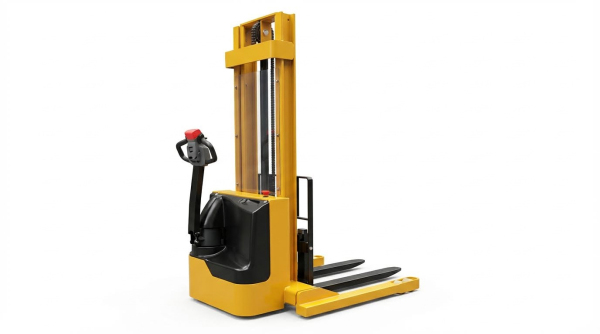
Core design and operating principles defined how counterbalanced stackers lifted, transported, and stacked loads in industrial environments. Engineers focused on structural stability, hydraulic performance, and ergonomic control layouts. Operators relied on clear operating envelopes, including floor conditions, slopes, and clearances, to keep risk within acceptable limits. Attachments and task-specific adaptations extended the basic machine concept to a wider range of materials and handling tasks.
Counterbalanced Stacker Architecture And Components
A counterbalanced stacker used a rear counterweight to offset the load on the forks. The main structural elements included chassis, mast, carriage, and fork assembly. Designers integrated hydraulic cylinders, chains, and rollers to lift and lower the mast and carriage smoothly. The drive system, electric or internal combustion in older designs, powered traction and hydraulic pumps. Steering axles, wheels, and tires determined maneuverability and contact pressure on the floor. Safety devices such as brakes, horns, emergency stops, warning lights, and limit switches formed the protection layer for operators and bystanders. Battery packs or power units, together with controllers, defined duty cycles and typical shift length.
Stability, Load Center, And Rated Capacity
Stability depended on the relationship between the machine’s center of gravity and the supporting polygon of the wheels. Manufacturers specified rated capacity at a defined load center, typically measured from the fork heel to the load’s center of gravity. Exceeding rated capacity or extending the load center shifted the combined center of gravity forward and increased tipping risk. Uneven or asymmetrical loads introduced lateral instability and could cause side tipping during steering or braking. Keeping forks low during travel, usually below 200 millimeters, reduced the overturning moment. Operators had to respect the data plate, which listed lifting capacity versus height and load center, to remain within the stable operating region.
Operating Envelope: Floors, Slopes, And Clearances
Counterbalanced stackers operated safely only on flat, hard surfaces such as concrete or asphalt. Rough, soft, or oily surfaces reduced friction and bearing capacity, which increased the risk of slipping or floor failure. The ground had to support the combined mass of stacker, load, and operator without excessive settlement or cracking. On slopes, operators drove straight up or straight down and avoided turning, braking sharply, or lifting forks. Industry practice limited travel with loads on slopes to low speeds with the load facing uphill where possible. Vertical and horizontal clearances around racking, doors, and mezzanines determined feasible lifting heights and turning radii. Facilities used marked travel lanes, height restriction signage, and lighting levels to define a predictable operating envelope.
Attachments And Task-Specific Adaptation
Attachments allowed one base stacker platform to handle different load types and processes. Side-shift carriages enabled small lateral adjustments without repositioning the truck, which improved pallet alignment and reduced rack impacts. Adjustable or telescopic forks accommodated varying pallet sizes and non-standard skids while maintaining correct load center where possible. Rotators and clamps handled drums, bins, or irregular containers that could not sit directly on forks. For high-level stacking or bulky loads, engineers sometimes added shelves or load stabilizers to control sway and improve visibility. Each attachment changed the effective load center and mass distribution, so manufacturers derated the capacity accordingly on updated nameplates. Proper selection and documentation of attachments helped match the stacker to specific workflows, such as cold storage, narrow aisles, or fragile goods handling.
Safe Operation, Training, And Compliance
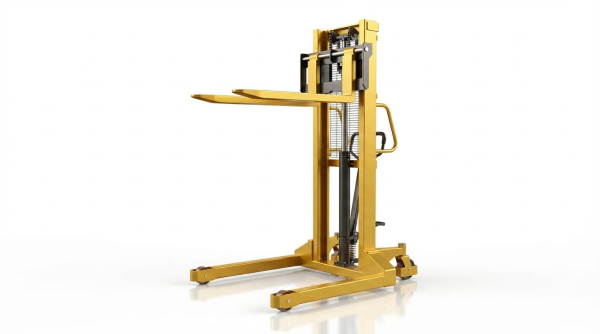
Safe operation of counterbalanced stackers relied on strict procedures, trained operators, and adherence to regulatory frameworks. This section linked practical driving rules with structured training and formal compliance. It described how organizations integrated daily behavior, documented processes, and technical limits into one coherent safety regime.
Pre-Use Checks And Operator Responsibilities
Operators had to perform a structured pre-use inspection before energizing the stacker. They visually checked forks, mast, chains, and rollers for cracks, bends, misalignment, or abnormal noise during short test cycles. Tires required inspection for debris, cuts, chunks, and correct inflation for pneumatic types, because tire condition directly affected stability and stopping distance. Operators also verified hydraulic hoses and cylinders for leaks or deformities, and confirmed smooth lifting, lowering, and tilting without jerks. Electrical checks included clean battery terminals, secure cables, correct electrolyte levels, and a functional discharge indicator. Finally, operators tested brakes, steering, horn, emergency stop, and warning lights, and documented any defect; they were responsible for locking out unsafe equipment instead of operating it.
Load Handling, Travel, And Stacking Procedures
Safe load handling began with confirming that load mass and load center stayed within the rated capacity plate. Operators positioned the pallet so that the load sat evenly on both forks, with the center of gravity as close to the carriage as practical. They lifted only when stationary, raised the load just enough for ground clearance, typically 150–200 mm, and then retracted the mast before travelling. During travel, they kept forks low, maintained controlled speed, avoided sudden braking, and used gradual steering inputs to preserve lateral stability. Stacking required stopping square to the rack, fully extending the mast only when aligned, and lifting smoothly to the target level. After placing the load, the operator lowered it onto the support, released fork engagement carefully, retracted the mast, and only then moved the truck, avoiding any body contact with the gantry while the load was elevated.
Working On Slopes, Ramps, And Confined Areas
Counterbalanced stackers were intended primarily for flat, hard surfaces such as concrete or asphalt. On permitted slopes, operators had to travel straight up or straight down, never diagonally, and keep the load on the uphill side when possible. They reduced speed, kept forks low, and avoided lifting, lowering, or turning while on the incline to prevent loss of stability. In slippery conditions, such as wet or dusty floors, they further reduced speed to avoid wheel spin and potential overturning. Work in confined aisles demanded precise route planning, adequate aisle width, and clear visibility or spotter assistance when loads obstructed the view. Operators maintained safe separation from pedestrians and other vehicles, obeyed site speed limits, used horns at intersections, and strictly avoided transporting personnel on the forks or carriage.
Operator Training, PPE, And Safety Programs
Effective safety depended on formal operator training aligned with local occupational safety regulations and manufacturer guidance. Training programs covered truck architecture, load charts, stability principles, safe driving techniques, emergency procedures, and practical driving assessments. Refresher training and periodic competency evaluations ensured that operators retained skills and adapted to layout or process changes. Personal protective equipment typically included safety shoes, hard hats, high-visibility vests, and gloves, with seat belts where the design provided them. Site-wide safety programs integrated traffic management plans, marked pedestrian routes, signage for speed and height limits, and standardized daily checklists. Management responsibilities included enforcing rules, recording inspections, analyzing near-miss data, and ensuring that only authorized, medically fit personnel operated counterbalanced stackers.
Inspection, Maintenance, And Lifecycle Management
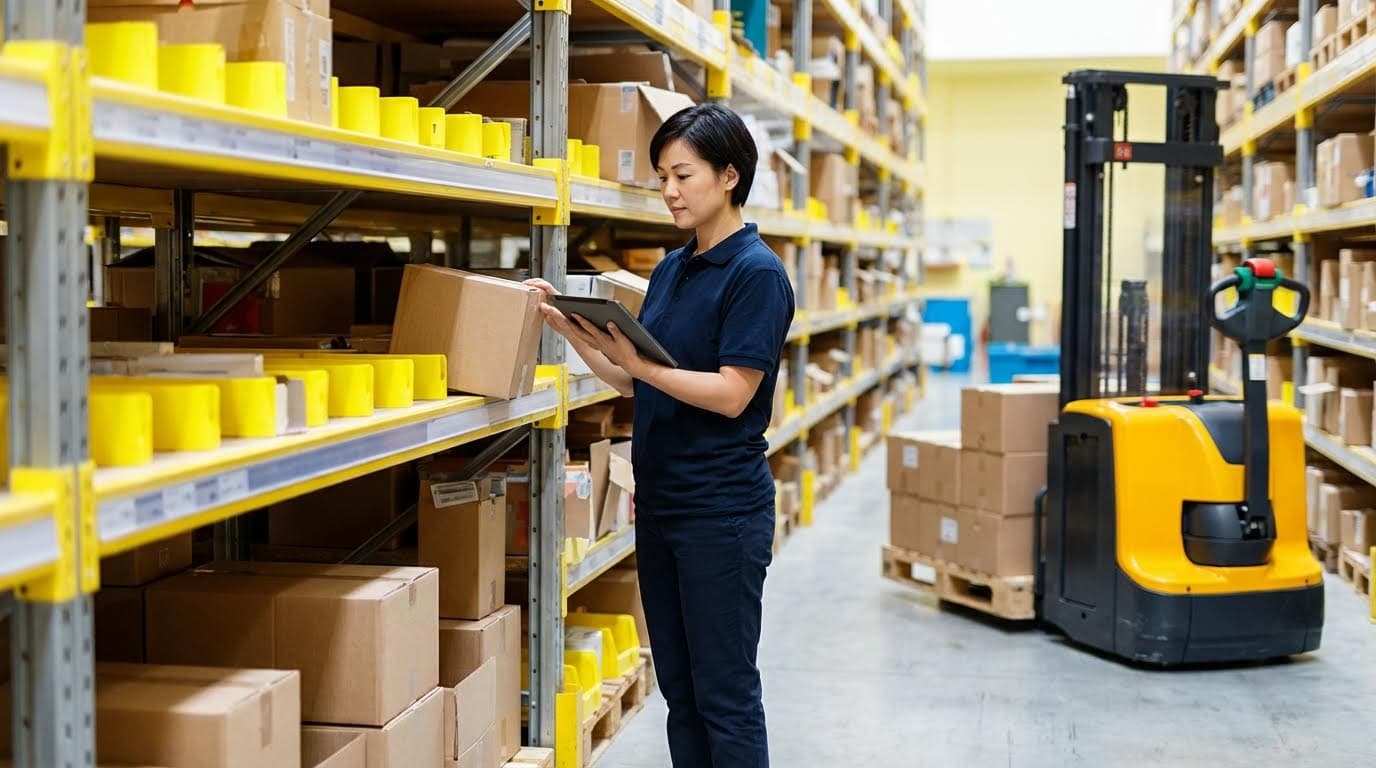
Inspection, maintenance, and lifecycle management determined the reliability and total cost of ownership of counterbalanced stackers. Structured routines reduced accident rates, limited unplanned downtime, and extended service life. Modern practice combined daily operator checks, planned maintenance, and data-driven monitoring into one coherent system. This section detailed how to build that system in industrial and warehouse environments.
Daily Inspection Checklist And Fault Reporting
Daily inspections started before the first movement of the stacker. Operators performed a walk-around check, inspecting forks, mast, chains, and rollers for cracks, bends, corrosion, or misalignment. They verified that forks moved smoothly and that the mast lifted and lowered without abnormal noise or sticking. Hydraulic cylinders and hoses required checks for leaks, bulges, or damaged fittings.
Tires and wheels directly influenced stability and braking distance. Operators removed debris from tread, confirmed correct inflation for pneumatic tires, and checked solid tires for chunks, cuts, or cracks. Wheel nuts had to be tight with no missing fasteners or visible deformation. The operator then inspected the floor under the parked truck for fresh oil or hydraulic fluid spots.
Electrical and safety systems required functional tests. Battery terminals needed to be clean, tight, and free from corrosion or overheating marks. Operators checked battery discharge indicators and, where applicable, electrolyte levels against manufacturer limits. They tested brakes, parking brake, horn, warning lights, emergency stop, and any backup alarms before authorizing use.
A robust fault reporting process closed the loop. Any abnormal condition had to be recorded on a checklist or in a digital system with clear defect descriptions. Supervisors then decided whether the stacker remained safe for use or required immediate withdrawal. Equipment with critical faults, such as brake failure, cracked forks, or hydraulic leaks, had to be locked out until repair and reinspection.
Hydraulic, Electrical, And Structural Integrity
Hydraulic integrity governed lifting performance and load control. Maintenance personnel periodically inspected hoses, pipes, cylinders, and fittings for seepage, wet spots, or abrasion. They checked mast lift and tilt functions under rated load to confirm smooth motion without chatter or pressure loss. Hydraulic oil level, cleanliness, and viscosity had to comply with manufacturer specifications to avoid cavitation and wear.
Electrical systems required both visual and functional verification. Technicians examined cable insulation for cuts, crushed sections, or exposed conductors. Battery packs or power systems were tested for correct voltage, cell balance, and temperature behavior during charge and discharge. Connectors, contactors, and control modules needed secure mounting and absence of discoloration that indicated overheating.
Structural integrity focused on the frame, mast, carriage, and welds. Inspections looked for cracks around high-stress joints, distorted sections, and corrosion on critical plates. Forks had to retain original thickness and straightness within allowed tolerances; any visible cracks or significant wear demanded immediate replacement. Load backrests, overhead guards, and protective structures had to remain free from deformation that could compromise rated capacity.
Verification of integrity aligned with applicable standards and local regulations. Maintenance records documented inspection dates, findings, and corrective actions for traceability. This documentation supported audits, incident investigations, and residual life assessments for the stacker fleet.
Preventive Maintenance And Downtime Reduction
Preventive maintenance schedules were based on operating hours, environment, and duty cycle. Manufacturers provided baseline intervals for lubrication, filter changes, hydraulic oil replacement, and mechanical adjustments. Facilities often shortened intervals for harsh conditions such as abrasive dust, frequent full-capacity lifting, or extended multi-shift operation. The goal was to intervene before wear progressed to functional failure.
Typical preventive tasks included greasing mast channels and pivot points, checking chain elongation, and adjusting brakes. Technicians calibrated steering linkages and verified alignment to maintain predictable handling. Replacement of consumables, such as tires and brake linings, followed measured wear limits rather than waiting for end-of-life failure. This approach stabilized performance and reduced emergency repair frequency.
Downtime reduction depended on planning and parts management. Maintenance teams synchronized service windows with production schedules, often during shift changes or low-load periods. Critical spares, including forks, hoses, seals, and contactors, were kept in stock based on failure history. Root cause analysis of recurring faults guided design changes, operator training updates, or environmental controls.
Performance indicators such as mean time between failures and maintenance cost per operating hour supported continuous improvement. Comparing these metrics across similar stackers highlighted outliers that required targeted attention. Over time, structured preventive programs reduced total lifecycle cost and improved availability for core logistics operations.
Digital Monitoring, AI, And Predictive Upkeep
Digital monitoring transformed stacker maintenance from reactive to predictive. Telematics modules captured operating hours, lift cycles, travel distance, and event codes. Sensors tracked parameters such as battery state of charge, temperature, and hydraulic pressure. This data fed into fleet management platforms that visualized utilization, overload events, and safety-critical alarms.
AI-based analytics used historical data to identify patterns preceding failures. Algorithms correlated temperature spikes, current draw anomalies, or pressure fluctuations with subsequent component breakdowns. When models detected similar signatures, they generated predictive maintenance alerts. Technicians could then schedule targeted inspections or component replacements before functional loss occurred.
Digital tools also improved compliance and documentation. Electronic checklists guided operators through daily inspections and automatically logged completion with timestamps. Faults entered via handheld devices linked to work orders in maintenance systems. This closed data loop supported traceable decision-making and simplified regulatory audits.
Integration with warehouse management and safety systems enabled broader optimization. Utilization data informed right-sizing of fleets and rotation of units to balance wear. Geofencing and speed zoning reduced mechanical stress in sensitive areas. As connectivity and AI models matured, predictive upkeep increased reliability, extended component life, and aligned maintenance with actual condition rather than fixed time intervals.
Summary: Key Takeaways For Stackers In Industry
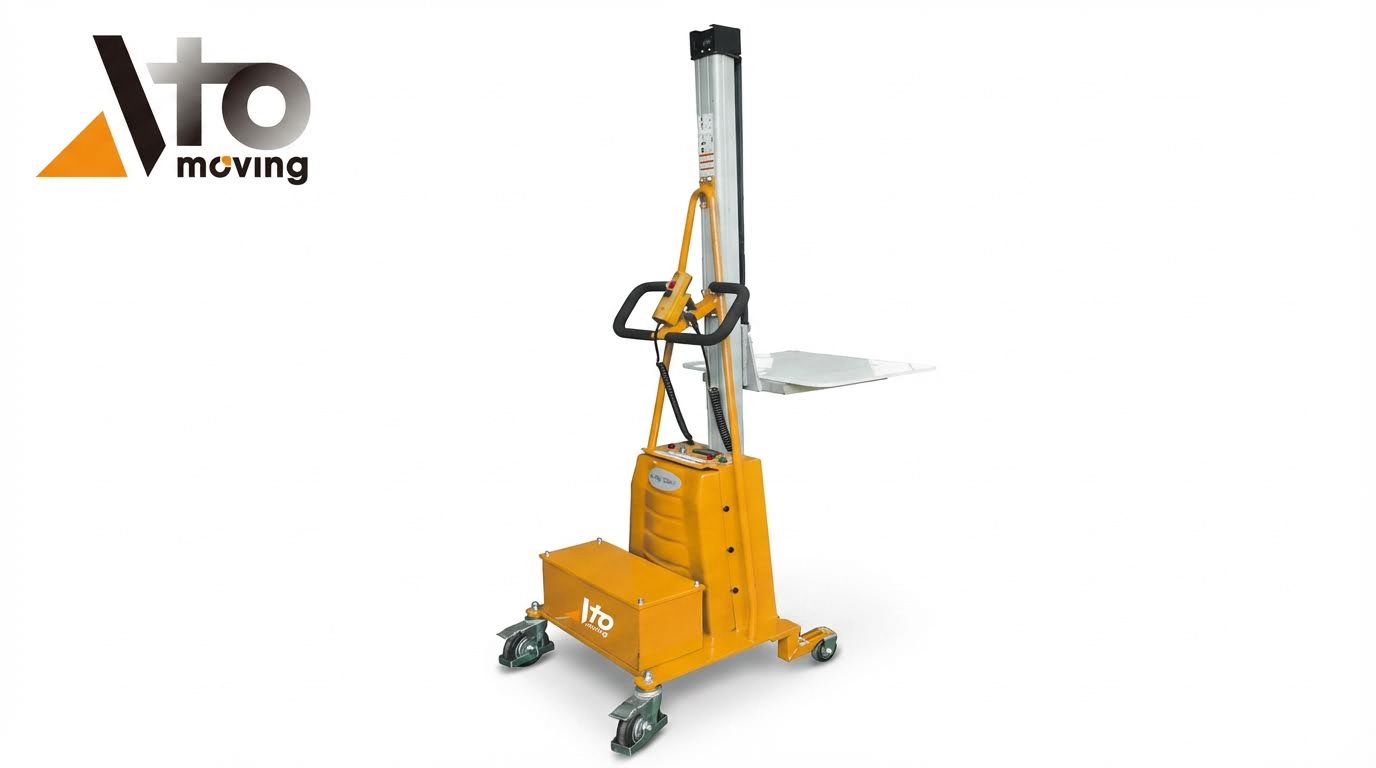
Counterbalanced stackers played a central role in modern warehousing by combining vertical lifting with precise horizontal transport. Their performance depended on a well-understood architecture, correct load positioning at the rated load center, and operation within a clearly defined floor and clearance envelope. Attachments such as side shifts or adjustable forks extended capability but required strict adherence to updated capacity charts and manufacturer limits.
Safe operation relied on disciplined procedures and trained operators. Best practice included pre-use checks, low travel height for forks, straight-line motion on slopes, and prohibition of personnel transport. Regulatory expectations, including occupational safety rules, pushed facilities toward formal training, PPE use, written procedures, and documented safety programs. These programs reduced collision, overturning, and falling-load incidents in dense storage environments.
Technical integrity depended on daily inspections, rigorous hydraulic and electrical checks, and scheduled preventive maintenance. Operators and maintenance teams monitored forks, masts, chains, tires, brakes, and hydraulic circuits for damage, leaks, or abnormal noise. Facilities that used structured checklists and timely fault reporting reduced unplanned downtime and extended equipment life. Over the last years, digital monitoring and predictive methods began to supplement traditional maintenance, using sensor data to anticipate failures.
Looking ahead, integration of telematics, AI-based diagnostics, and connected fleet management was likely to become standard. These tools would support condition-based maintenance, better utilization analysis, and tighter safety control through access management and event logging. However, technology did not replace fundamentals. Correct load assessment, conservative driving techniques, and respect for rated capacity remained the primary defences against incidents. Organizations that combined robust engineering controls with operator competence and data-driven maintenance achieved the highest productivity and safety with counterbalanced stackers.